Swiss Machining for Small Precision Parts: Shafts, Pins, Bushings and Micro Hardware
A guide to Swiss-type CNC machining for small precision turned parts, long slender geometry, tight diameters and production volumes.
2026-07-01 · FabVector Engineering

What buyers are trying to solve
Searches for Swiss machining small precision parts usually come from engineering or procurement teams that already have a CAD model and need a manufacturable route, not a generic machining definition. The decision is normally about material risk, tolerance risk, surface finish, inspection paperwork and whether a supplier can move from prototype to repeat production without changing the process.
Best-fit applications
- Pins, shafts, bushings, electrical contacts, standoffs and miniature hardware.
- Long slender parts where standard turning may deflect.
- Production lots where bar-fed automation reduces unit cost.
Manufacturing route
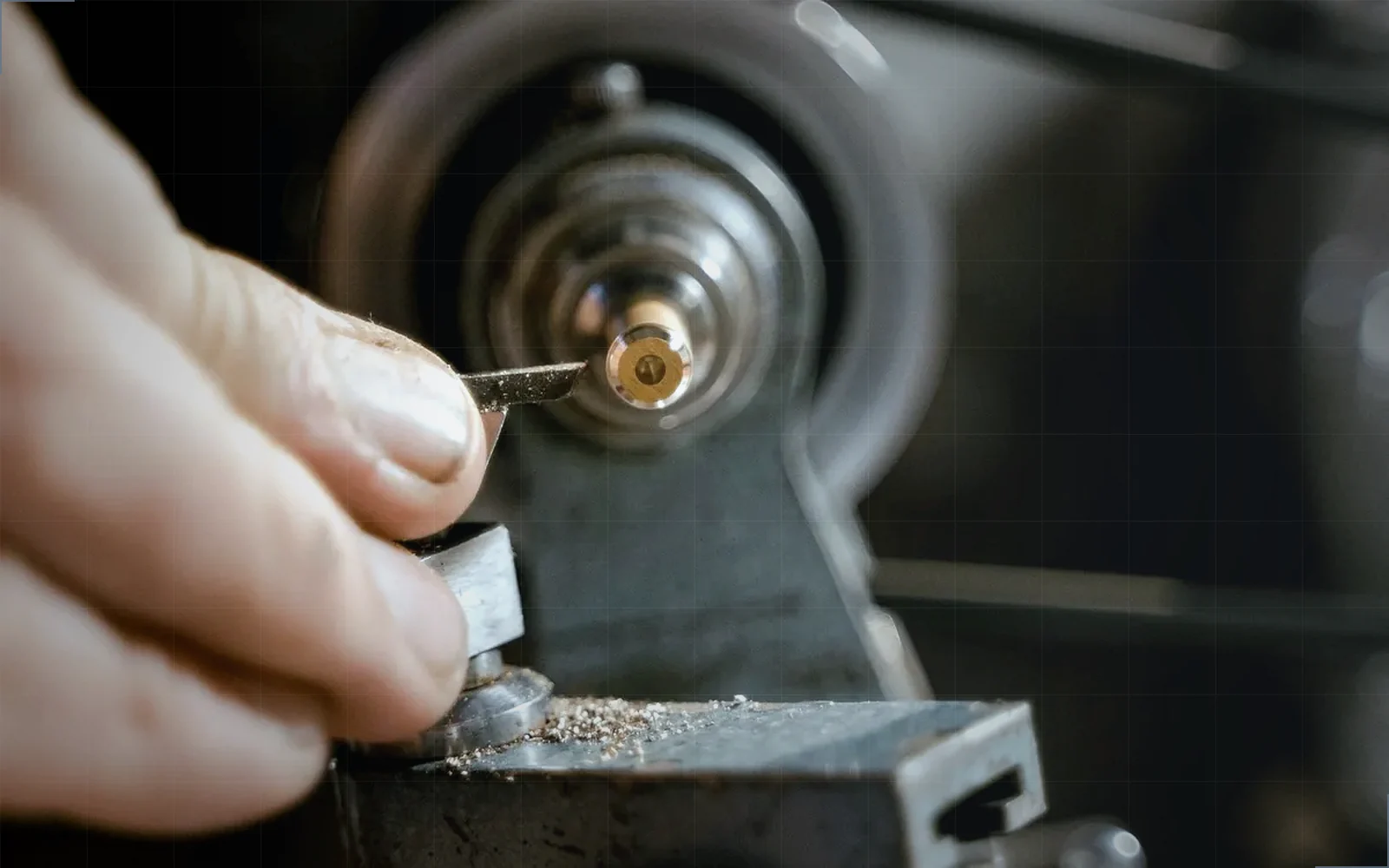
- Use Swiss-type machining when the guide bushing supports long slender stock close to the tool.
- Combine turning, cross holes, flats and threads when live tooling is available.
- Control burrs on small cross holes and thread starts.
Material and finish choices
- 303 stainless for free-machining corrosion-resistant turned parts.
- Brass C360 for high-speed electrical and low-friction components.
- Titanium and 316L when medical, marine or corrosion requirements justify harder machining.
Risk controls before quoting
- Diameter tolerance, concentricity and surface finish define quote complexity.
- Small burrs can become functional failures in assemblies.
- Material choice strongly affects cycle time in high-volume turned parts.
RFQ inputs that improve quote accuracy
- Bar diameter, length-to-diameter ratio and critical diameters.
- Thread standards, cross-hole dimensions and burr limits.
- Annual volume or blanket-order expectation.
Related FabVector resources
When the part includes thin walls, sealing faces, tight datums, threaded features or inspection requirements, upload the CAD model through the structured RFQ flow so material, finish, tolerance, inspection and delivery expectations stay attached to the same request.
Related resources
RFQ next step
Turn this requirement into a quote package.
Upload CAD, select material, finish, tolerance, inspection and delivery context. FabVector keeps the quote inputs tied to the same engineering request.
Start structured RFQ