Application Case: PEEK Surgical Guide and Medical Fixture Machining
A medical PEEK machining RFQ playbook covering grade selection, sterilization exposure, edge quality, certificates and inspection.
2026-07-01 · FabVector Engineering


Application context
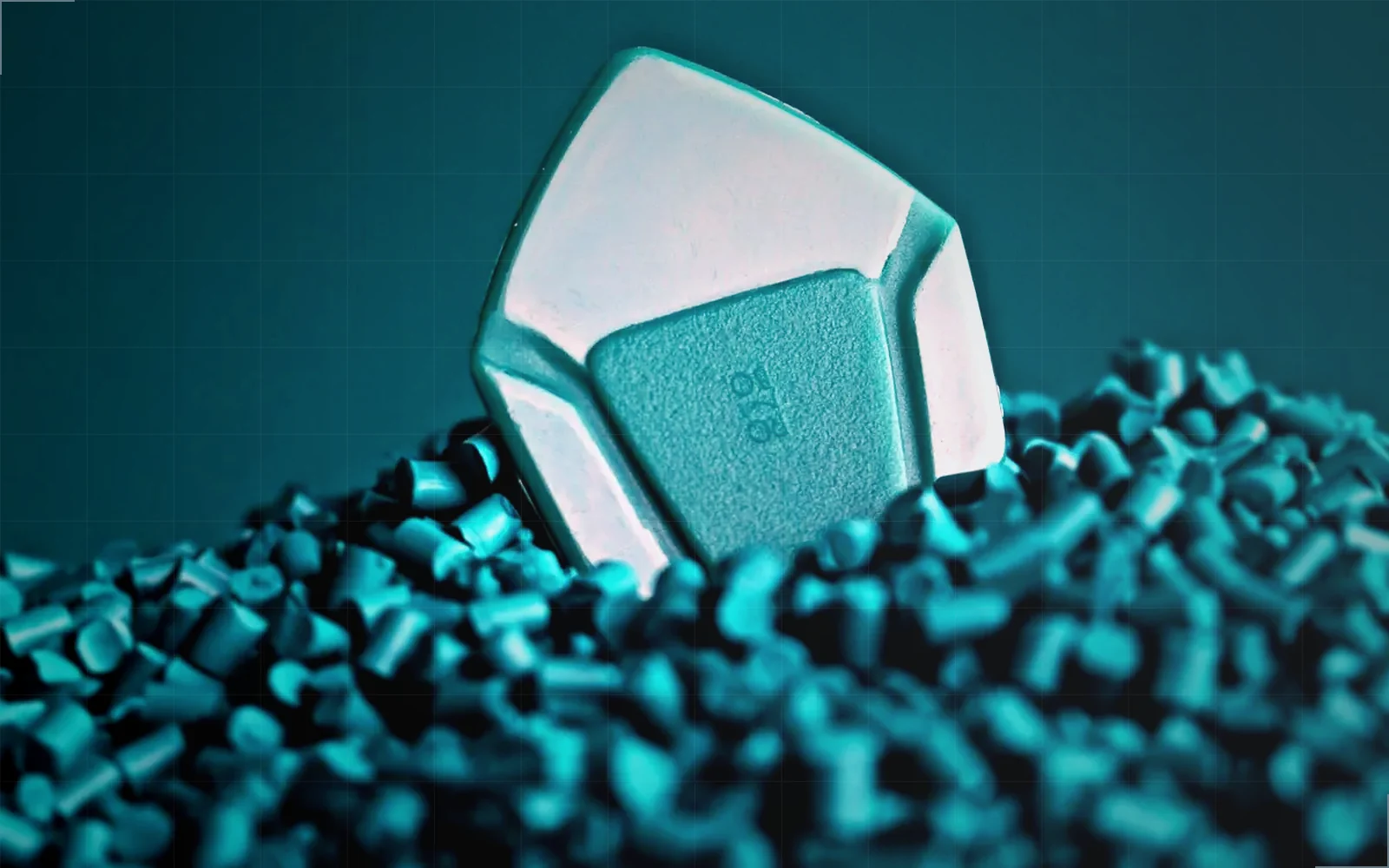
PEEK medical fixtures and surgical guides require careful language: prototype, non-implant, implantable-grade or validated production each means different documentation and risk.
This is an application case playbook, not a fabricated customer success story. It describes the engineering information a buyer should prepare and the manufacturing route FabVector would evaluate before issuing a firm quote.
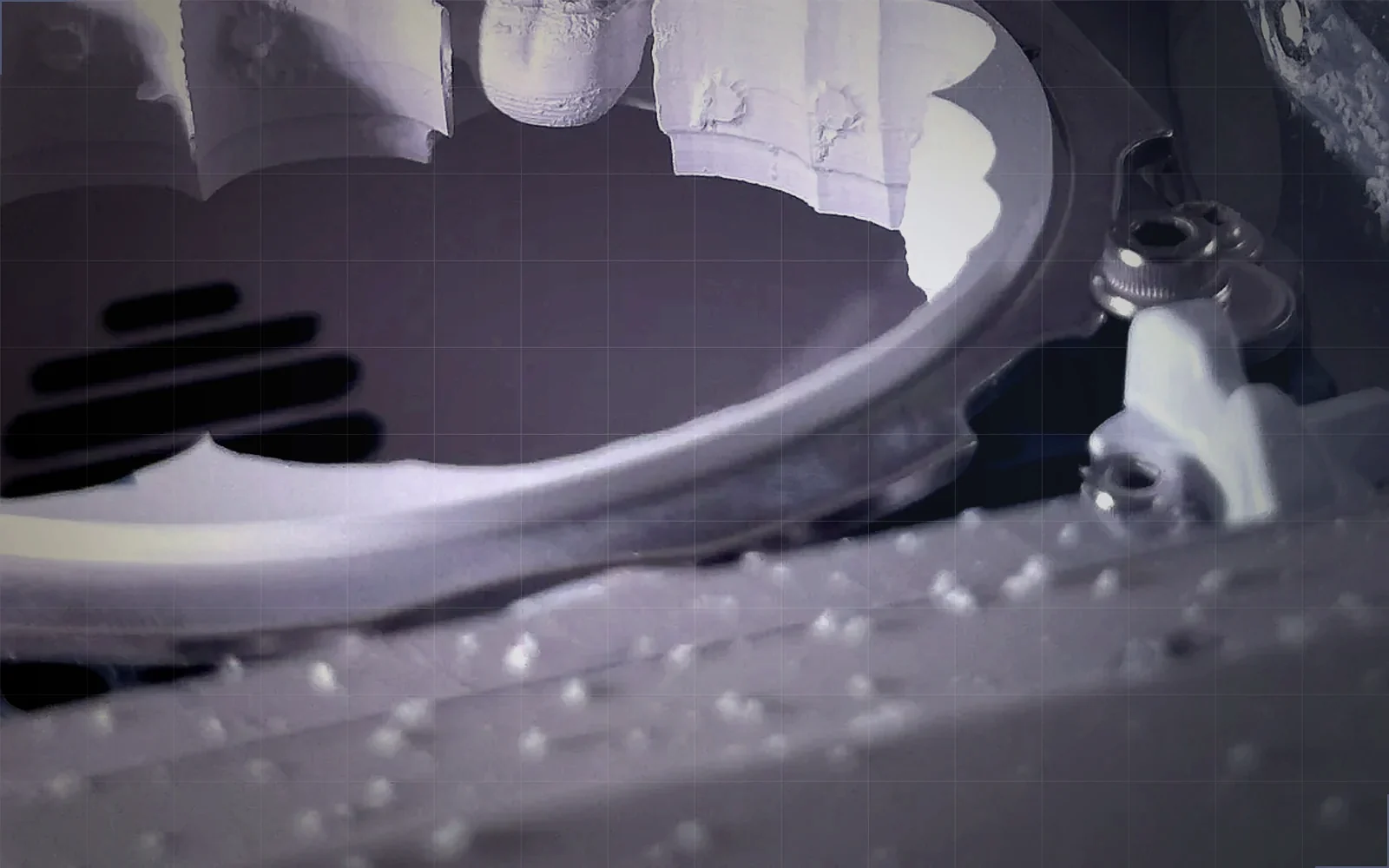
Suggested manufacturing route
- Machine with sharp tools and low-stress clamping.
- Finish critical slots and holes after roughing to improve stability.
- Deburr edges and document dimensions that interact with instruments or anatomy models.
Material and finish decisions
- PEEK for high-performance polymer medical hardware.
- PEI/Ultem for heat-resistant fixtures where PEEK is not necessary.
- Titanium Grade 5 when metallic strength and biocompatibility are required.
Quality and risk controls
- Do not assume implant suitability without exact grade and regulatory context.
- Clarify sterilization and cleaning exposure.
- Thin flexible features need tolerance review.
What to include in the RFQ
- Material grade, certificate requirement and intended use.
- Critical dimensions, burr/edge criteria and cleaning expectation.
- Prototype, trial, or production-intent status.
Related FabVector resources
Use the RFQ workflow when the project needs price, lead time, inspection scope, material certificates or a production-ready handoff package.
Related resources
RFQ next step
Turn this requirement into a quote package.
Upload CAD, select material, finish, tolerance, inspection and delivery context. FabVector keeps the quote inputs tied to the same engineering request.
Start structured RFQ