Industry
Medical Devices
Documented precision in 316L, titanium and PEEK for surgical and device programs.

FabVector machines Medical Devices parts in Stainless Steel 316L, Titanium Grade 5 (Ti-6Al-4V), PEEK, from 1 piece, with instant online estimates, engineer-reviewed quotes in 24 hours and NDA-protected files. Delivery with duties handled to the US, Canada, UK and Australia.
- Materials
- Stainless Steel 316L, Titanium Grade 5 (Ti-6Al-4V), PEEK
- Minimum order
- 1 piece
- Estimate
- ~60s online
- Quote
- engineer-reviewed 24h
- IP
- NDA from upload
What slows this industry down
Medical machining is documentation as much as precision: every 316L instrument body and PEEK component must trace back to certified mill stock through a controlled process, and a missing certificate stalls a regulatory submission. Biocompatibility means material substitutions that other industries shrug off are simply not allowed. Patient-contact surfaces routinely call for Ra 0.4 µm with electropolish or passivation per ASTM standards your quality system cites. And device programs iterate under design control, so the supplier has to deliver fast revisions without losing the paper trail.
Typical parts we machine
- Surgical instrument bodies, tips and handles
- Implant trials and sizing instruments
- Device enclosures and chassis for diagnostic equipment
- Fluidic manifolds for IVD systems
- PEEK radiolucent components
Recommended materials

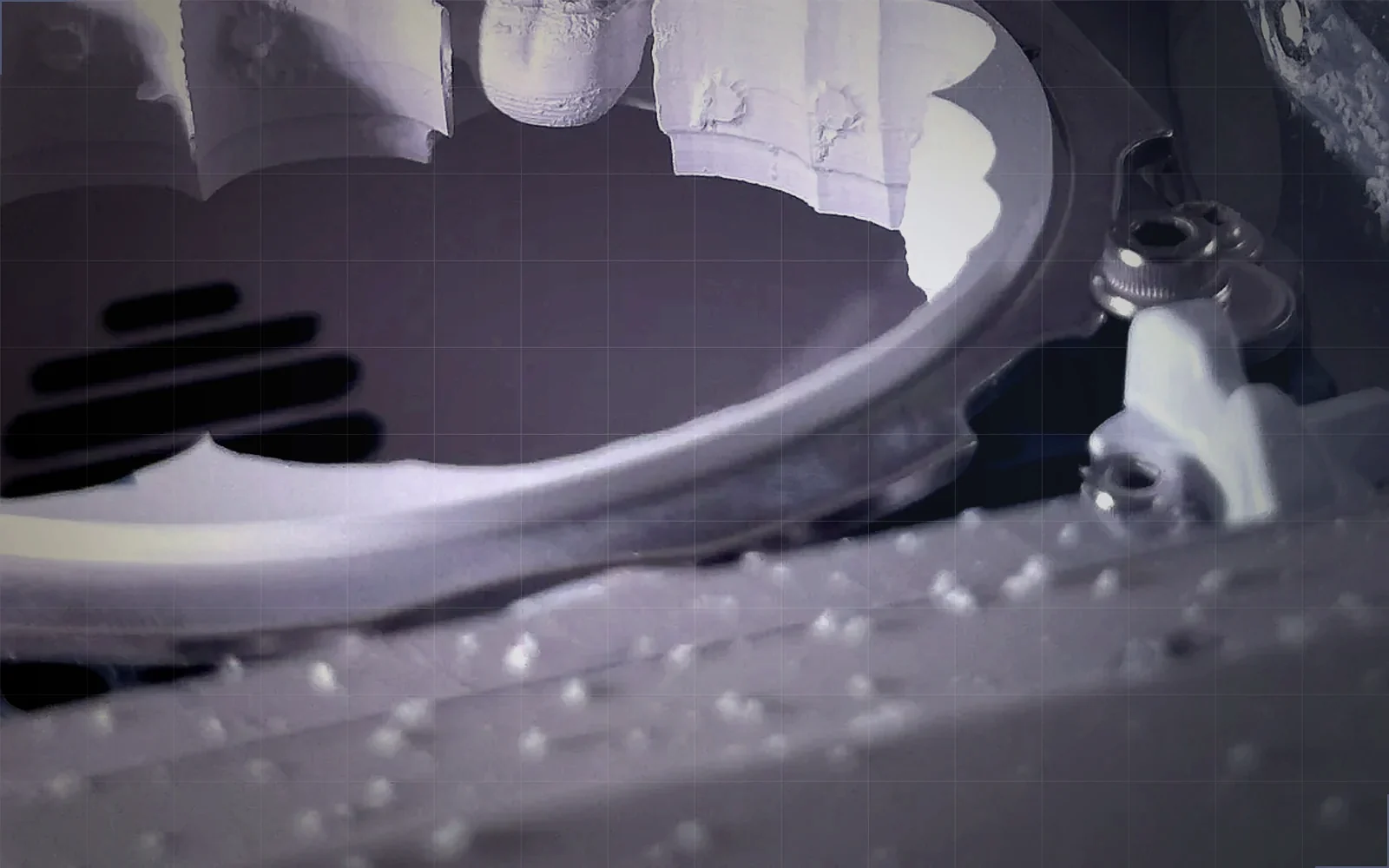
Stainless Steel 316L
Marine and medical stainless: molybdenum chemistry that shrugs off chlorides and sterilization cycles.
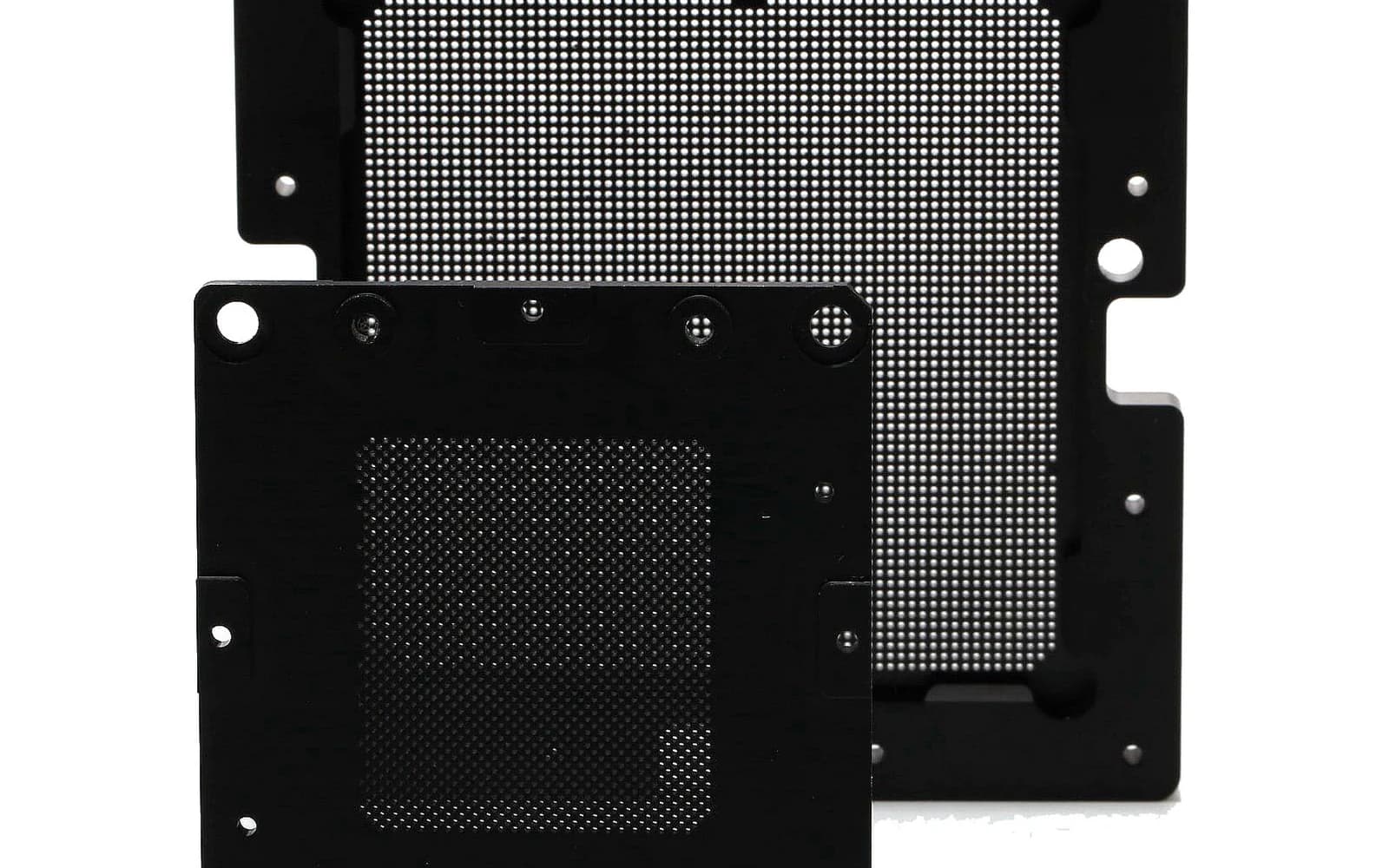
Titanium Grade 5 (Ti-6Al-4V)
Half the weight of steel at full strength, bio-inert, corrosion-proof — and priced accordingly.
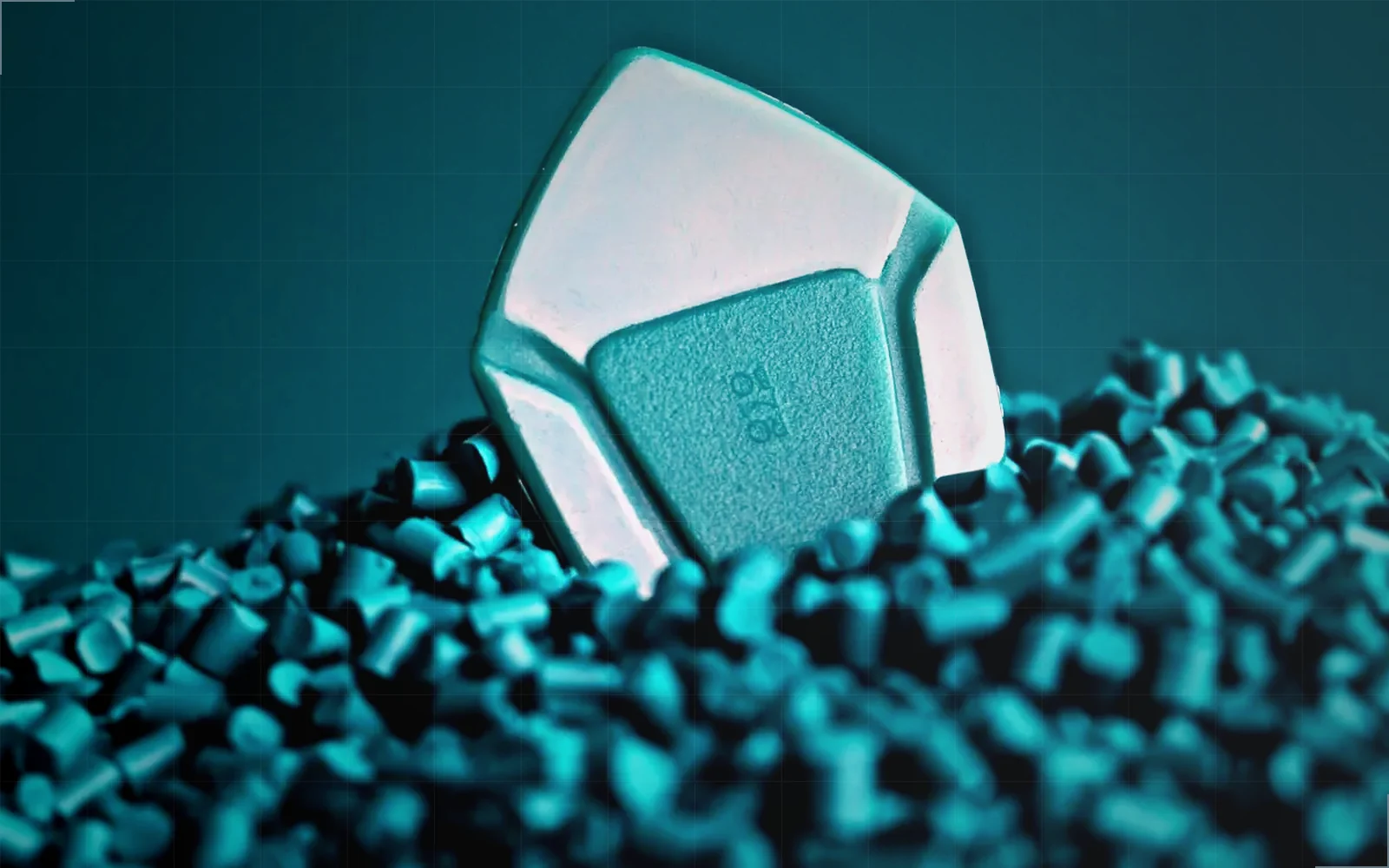
PEEK
The polymer that replaces metal: 250 °C service, chemical immunity, implant-grade options.
PEI (Ultem 1000)
The thinking engineer's high-performance pick: amber-transparent, flame-rated, autoclavable — at half the PEEK price.
Recommended finishes
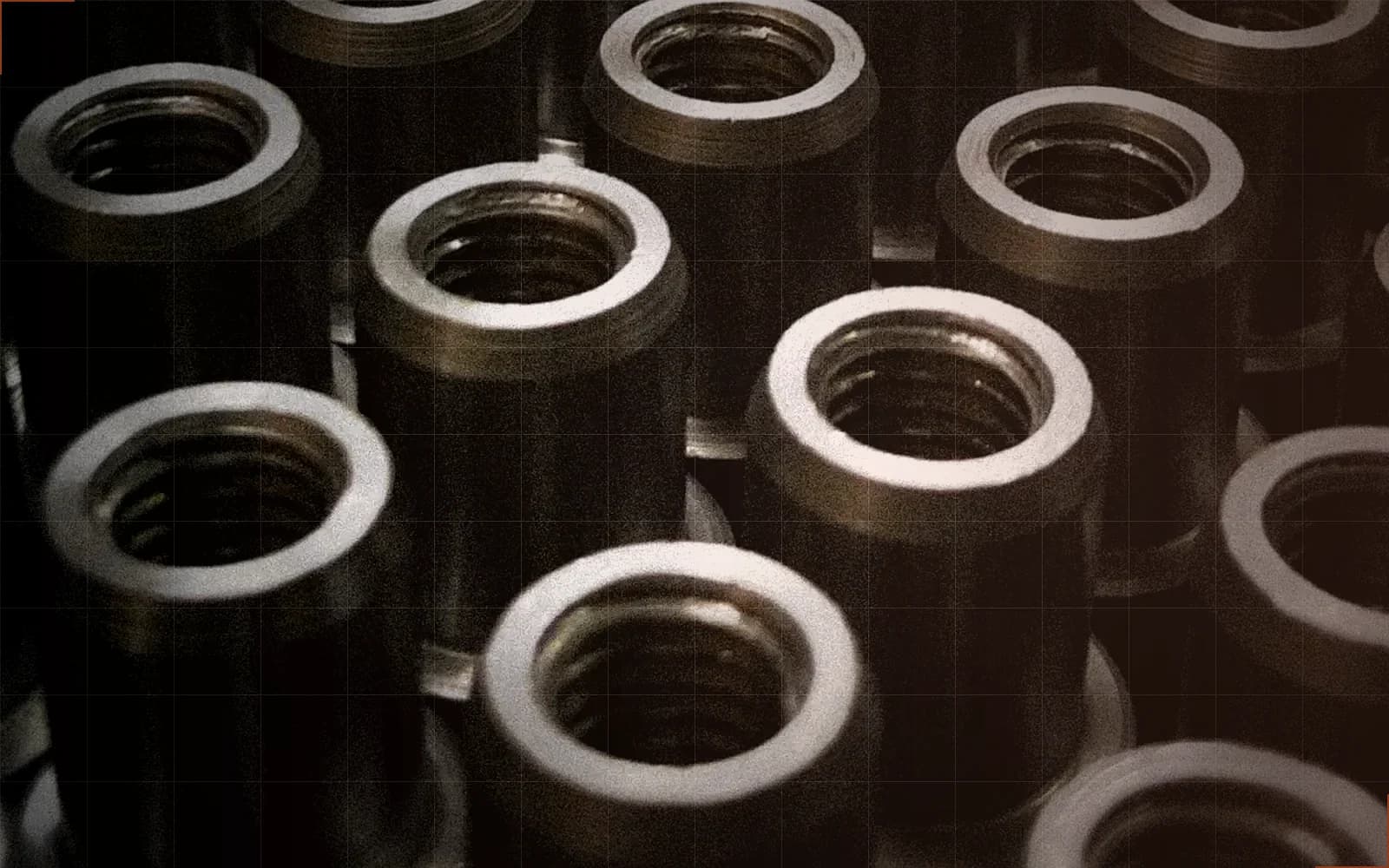
Electropolishing
Reverse plating that brightens, deburrs and passivates stainless in one step.
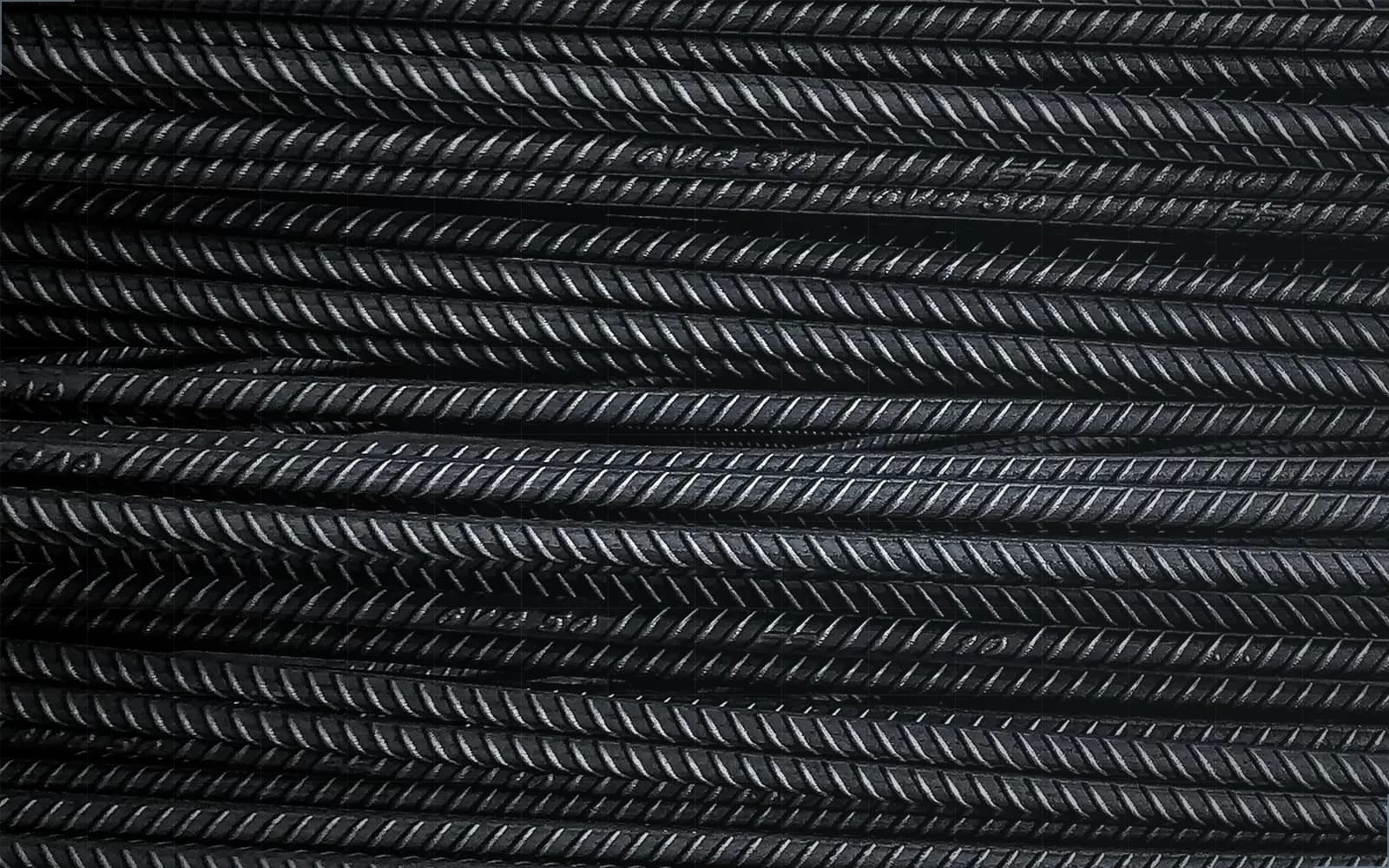
Passivation
Chemical hygiene for stainless: strips embedded iron so the steel can be as stainless as advertised.
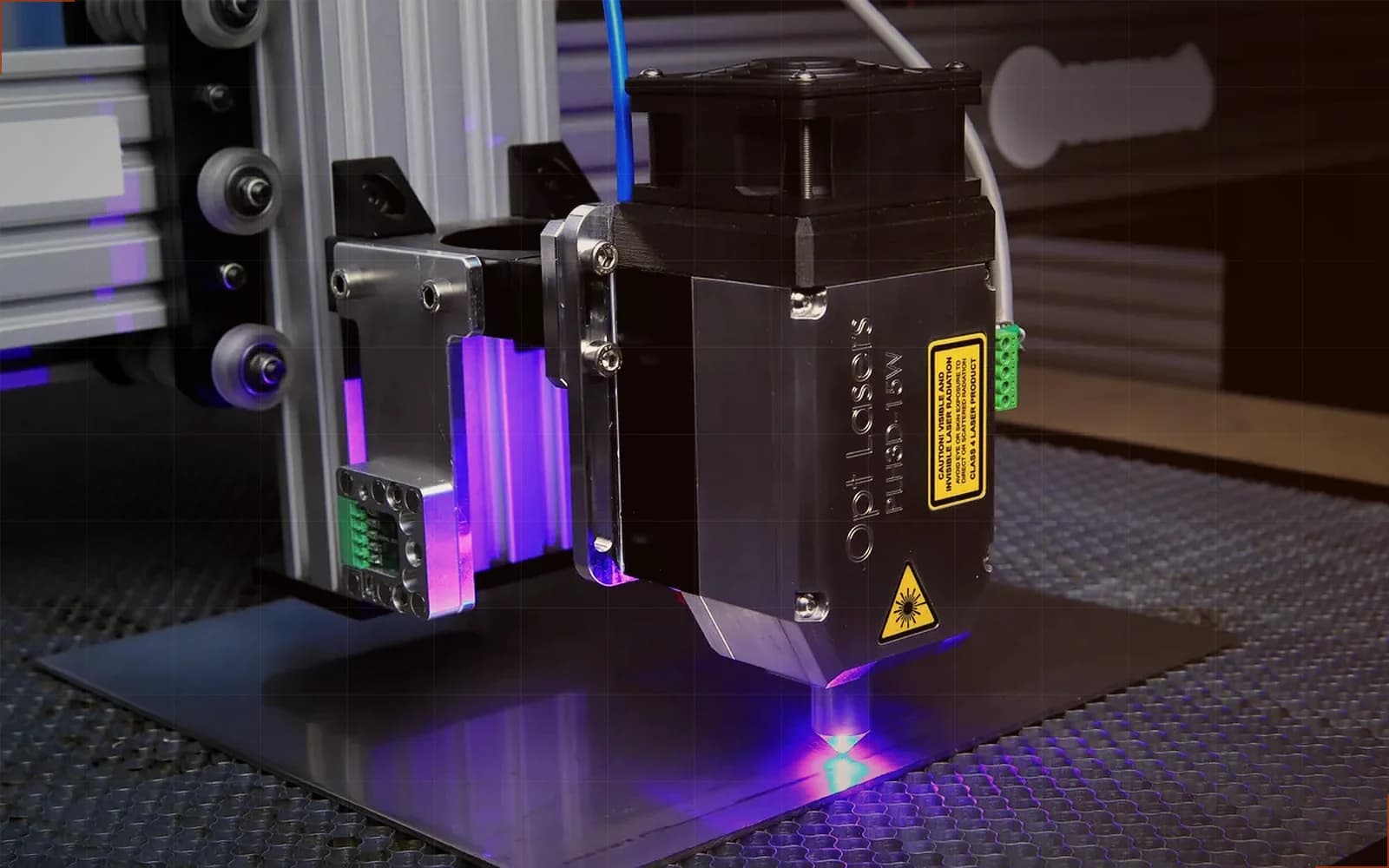
Laser Marking
Permanent identification with zero dimensional change: serials, logos and codes burned in, not stuck on.
Certifications & standards
- ISO 13485
- We understand ISO 13485 supply chains: controlled processes, full material traceability and certificates of conformance to feed your QMS.
- FDA 21 CFR 820
- We support purchasing controls under FDA 21 CFR 820 with documented inspection records and lot-level traceability on every shipment.
- ISO 10993
- We support ISO 10993 biocompatibility files by machining only certified medical-grade stock with mill certs supplied per lot.
- ANVISA RDC 665
- For Brazil-bound devices, we understand ANVISA good manufacturing practice expectations and provide the supplier documentation your registration requires.
We understand and support these requirements; certification and documentation scope is confirmed per order.
Questions medical devices buyers ask
- Which stainless steel should surgical instrument parts be machined from?
- 316L with electropolishing is the default for corrosion resistance and cleanability; 17-4 PH where a jaw or shaft needs hardness up to 44 HRC; 420/440C for cutting edges. The finish call-out matters as much as the alloy — electropolish plus passivation is what survives repeated autoclaving.
- Can a supplier without ISO 13485 make parts for a medical device?
- For many machined components, yes — the device maker holds the design controls and the machining supplier delivers to print with full documentation: material certificates to EN 10204 3.1, dimensional reports or CMM data, and FAI. We state plainly which certifications we do and do not hold, and quote the documentation scope at RFQ so your quality file is complete.
- What surface finish is needed on PEEK parts for medical use?
- Machined PEEK typically holds Ra 0.4–0.8 µm as-cut with sharp tooling; where fluid paths or tissue contact demand better, we quote controlled finishing passes rather than polishing compounds that can embed. Material lot traceability travels with every batch because the resin grade is what your biocompatibility file rests on.
Relevant services
Swiss-Type Machining
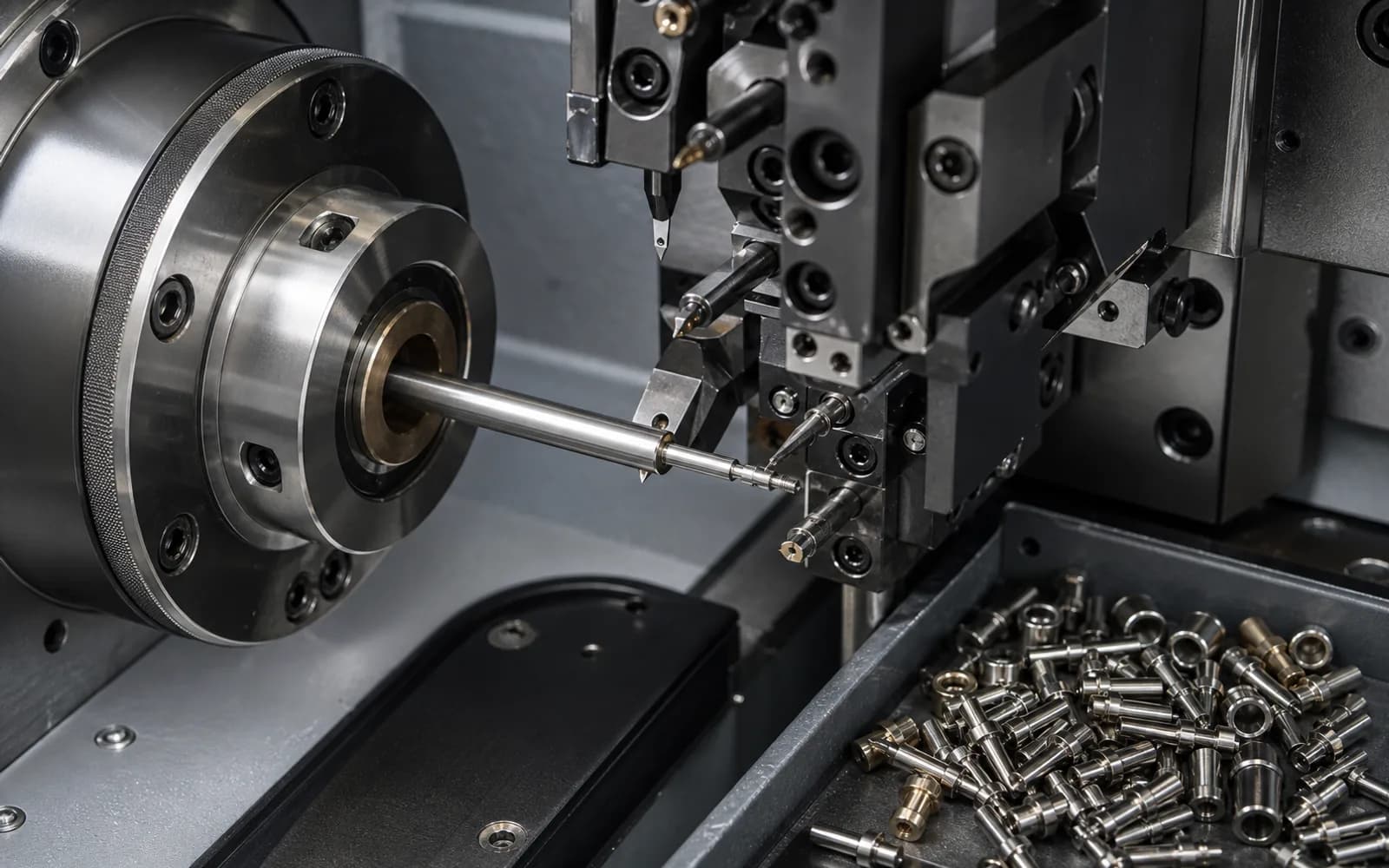
Sliding-headstock lathes for small, slender, high-precision turned parts from Ø1 mm.
Micro Machining
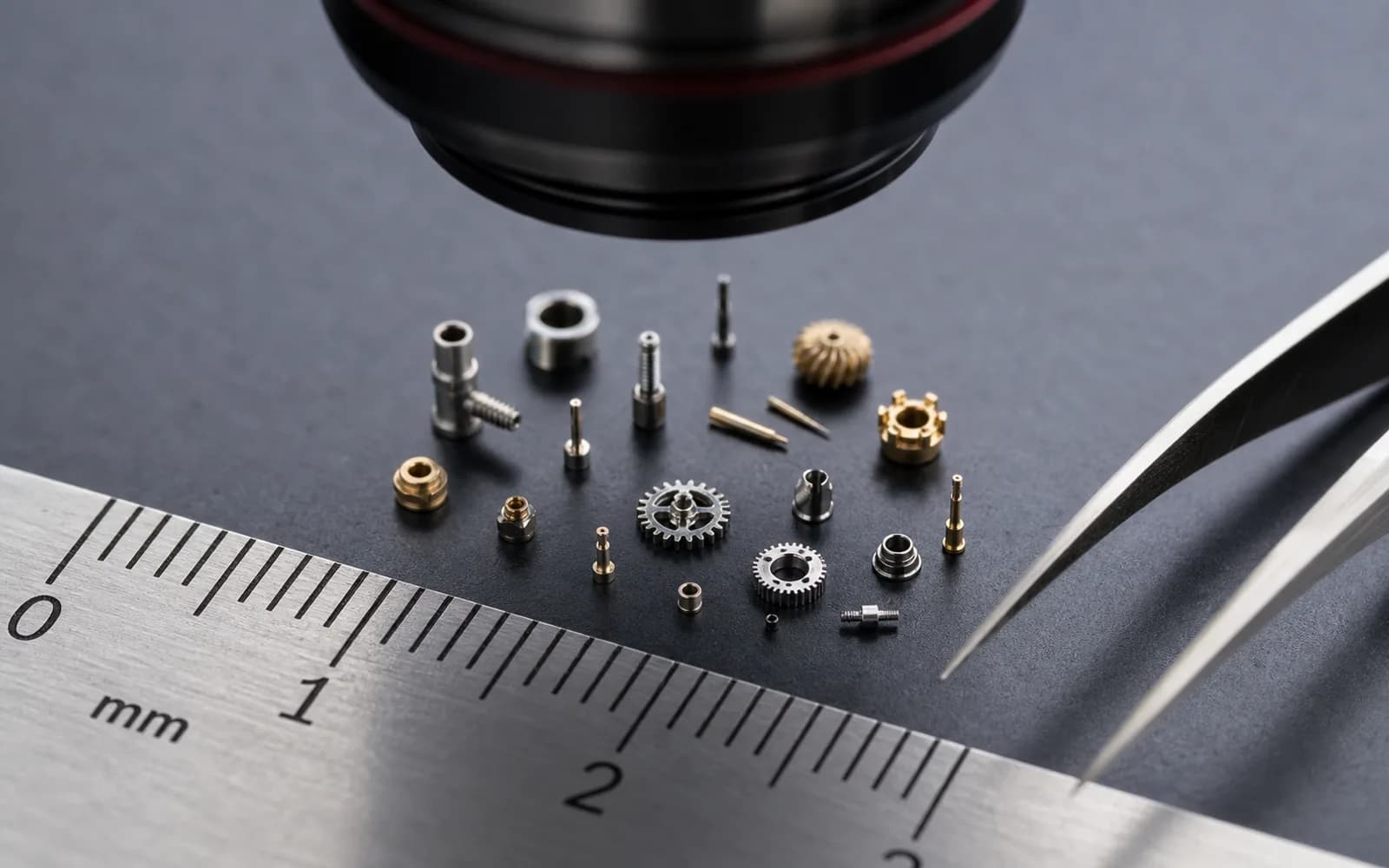
High-speed spindles and Ø0.1 mm tooling for features below 1 mm and watch-scale parts.
CNC Milling
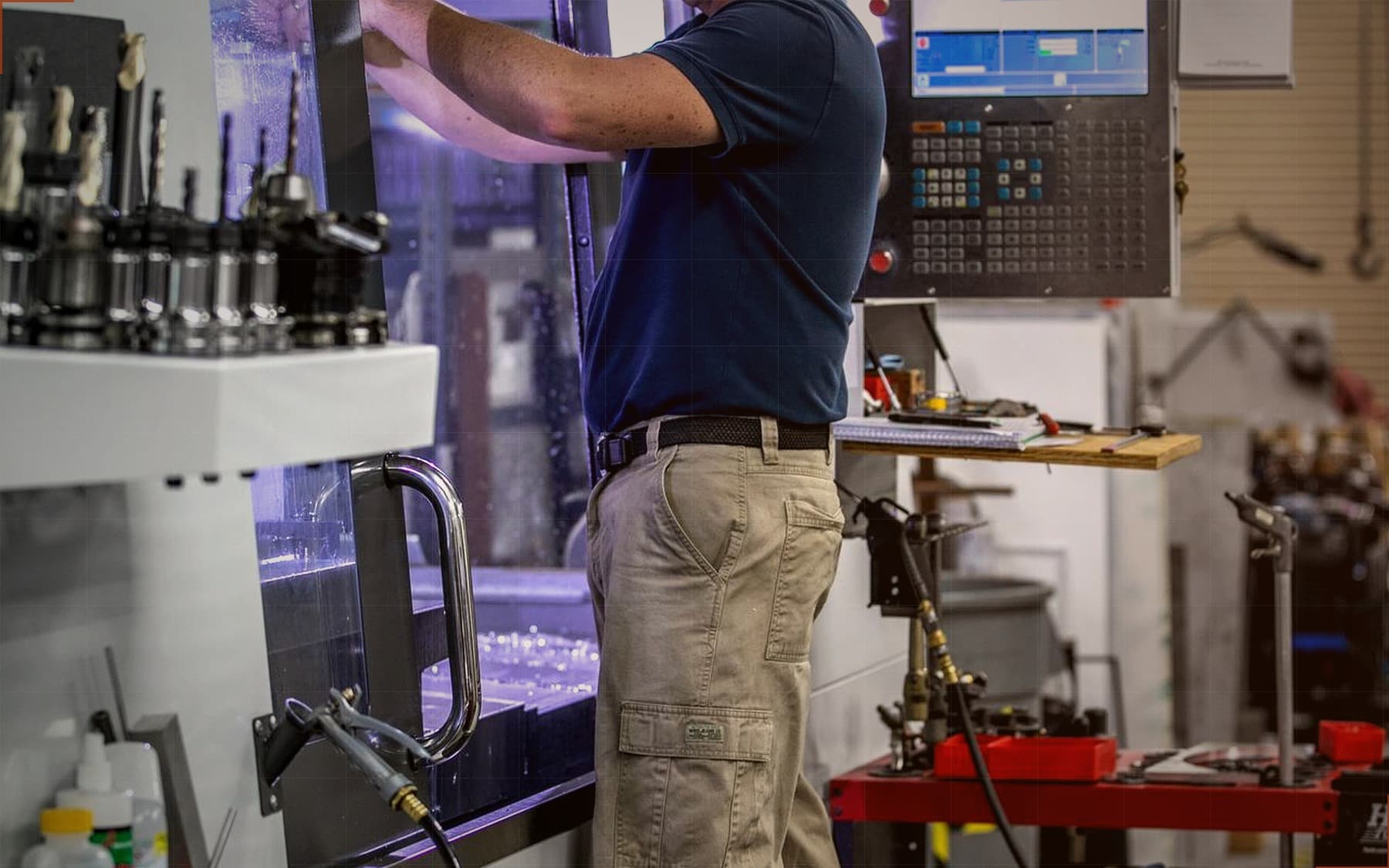
3- and 4-axis vertical machining for housings, brackets, manifolds and structural parts.
5-Axis Machining
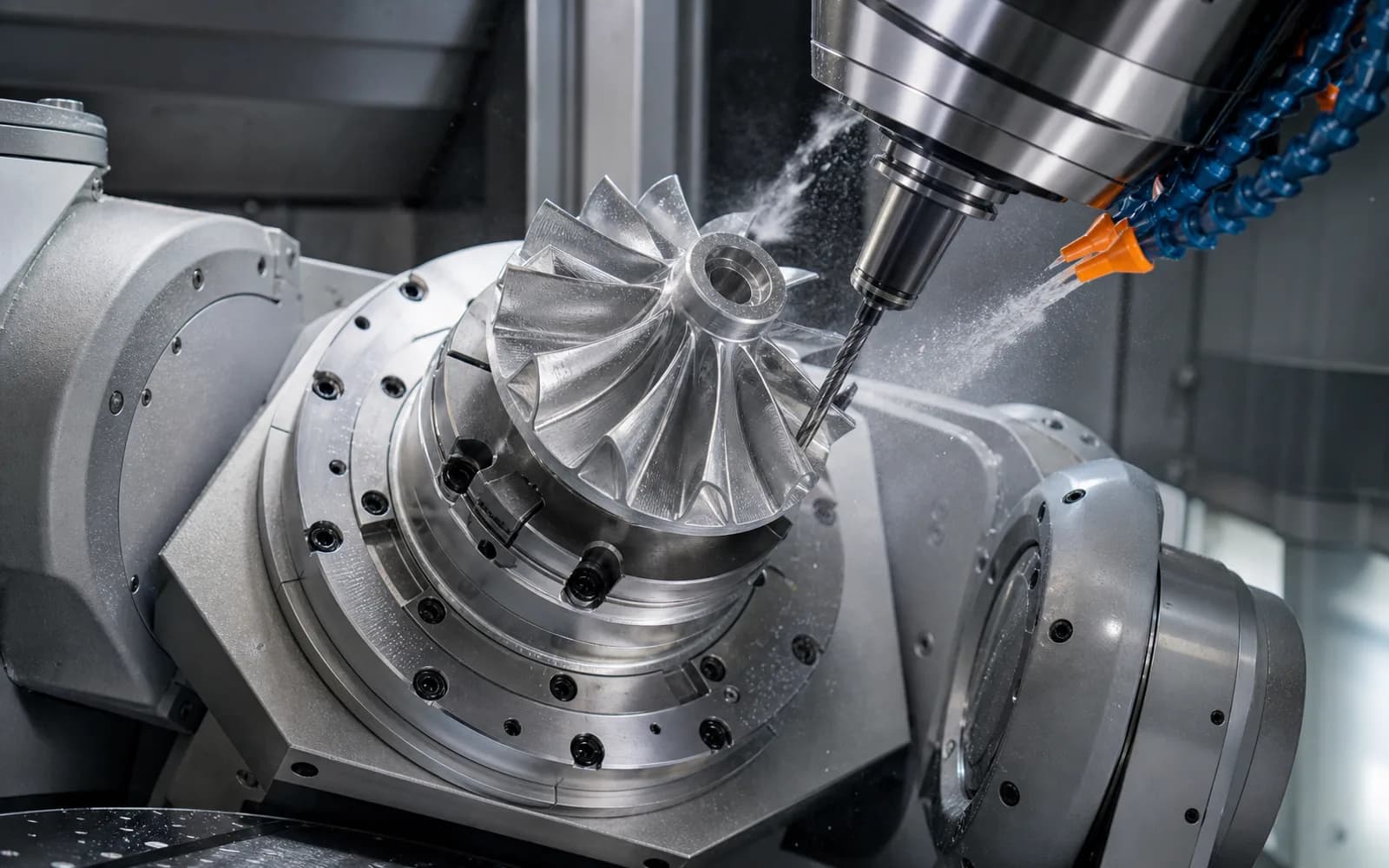
Simultaneous 5-axis machining for impellers, freeform surfaces and compound-angle features.
Related engineering guides
PEEK CNC machining
PEEK CNC Machining Design Guide: Tolerances, Applications and RFQ Checklist
How to design and quote CNC machined PEEK parts for medical, semiconductor, aerospace and high-temperature applications.
medical device CNC machining
Medical Device CNC Machining: Material Selection, Traceability and Inspection
A medical device CNC machining sourcing guide covering titanium, stainless steel, PEEK, passivation, traceability and inspection documents.
PEEK surgical guide CNC machining
PEEK Surgical Guide CNC Machining: Medical Fixtures, Edges and Documentation
RFQ guide for PEEK surgical guide CNC machining: material grade, non-implant vs implant context, sterilization exposure, burr control and documentation.
biocompatible materials machining
Biocompatible Materials CNC Machining: PEEK, Titanium and 316L Compared
How to choose and specify biocompatible materials for CNC machined medical parts: PEEK, titanium Grade 5, 316L, ISO 10993 context and cleanliness expectations.
CNC machining service by country
Moving a device component under design control means the acceptance criteria travel with it. What a transfer package has to carry.
Have a part in mind?
Upload CAD or drawings. Eligible CNC work gets an instant estimate; other processes move to engineer review. NDA-protected from the first byte.
Start an RFQ