CNC Machining for Robotics Parts: Lightweight, Repeatable and Assembly-Ready
A robotics CNC machining guide for joint housings, actuator brackets, gearbox plates, end effectors and structural parts.
2026-06-30 · FabVector Engineering

What buyers are trying to solve
Searches for CNC machining for robotics parts usually come from engineering or procurement teams that already have a CAD model and need a manufacturable route, not a generic machining definition. The decision is normally about material risk, tolerance risk, surface finish, inspection paperwork and whether a supplier can move from prototype to repeat production without changing the process.
Best-fit applications
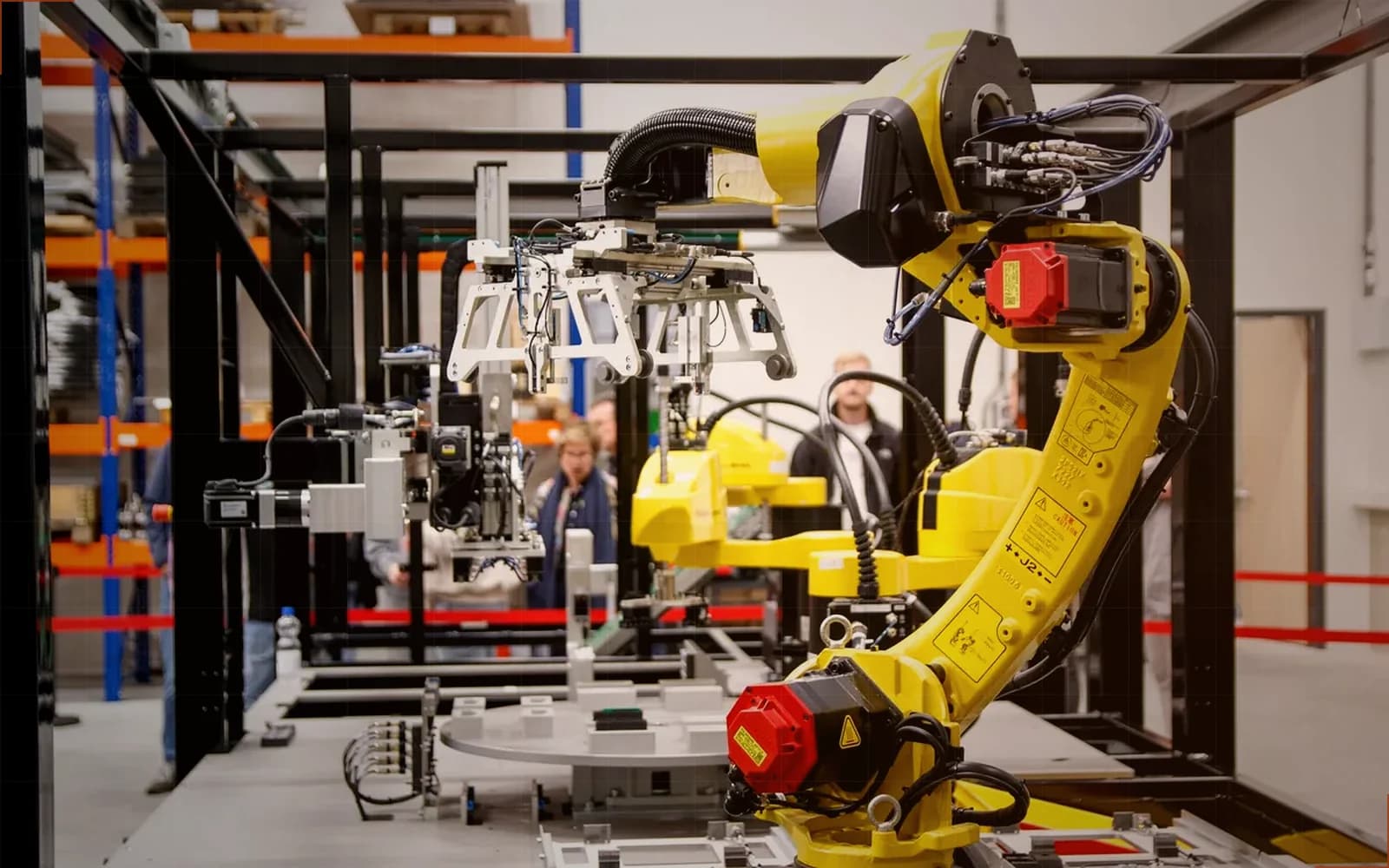
- Robot joint housings, actuator brackets, gearbox plates and sensor mounts.
- Low-volume development builds where every revision changes weight, stiffness or cable routing.
- Production-intent parts that require repeatable datums and assembly fit.
Manufacturing route
- Use 3-axis milling for plates and brackets; move to 5-axis when compound angles or multiple datums dominate.
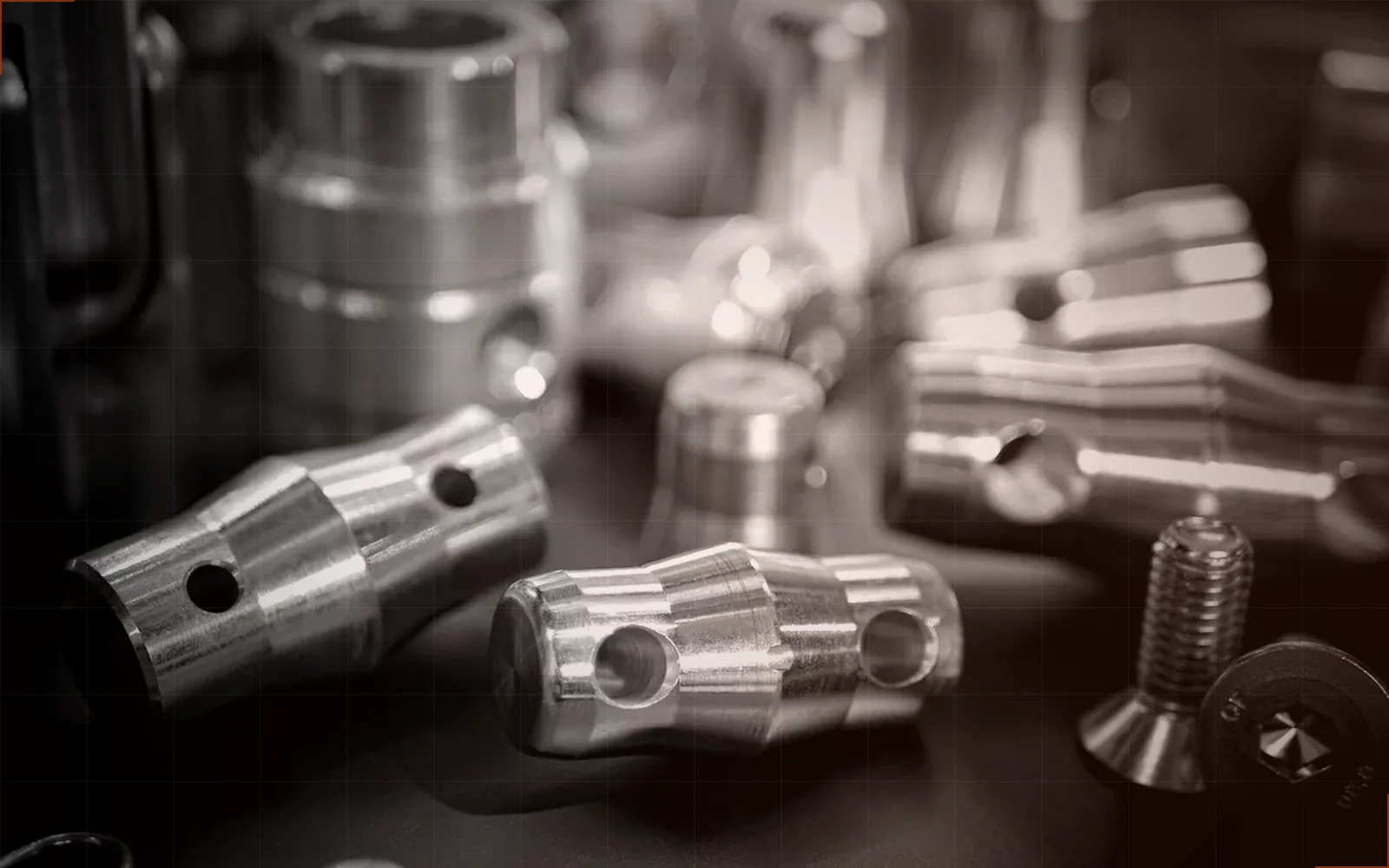
- Machine bearing bores, gearbox interfaces and dowel holes in controlled setups.
- Separate cosmetic external surfaces from functional interfaces in the quote package.
Material and finish choices
- 6061-T6 for general robot structures and fast iteration.
- 7075-T6 when stiffness-to-weight and thread strength are more important than weldability.
- Titanium Grade 5 for compact high-load brackets where aluminum volume is not enough.
Risk controls before quoting
- Bearing fits and coaxiality should be on drawings, not left as model-only assumptions.
- Thin-wall pockets need minimum wall targets and fillets to reduce chatter and scrap.
- Anodizing growth must be considered around bores, bearing seats and dowel holes.
RFQ inputs that improve quote accuracy
- Assembly role: joint housing, actuator support, gearbox plate or end effector.
- Critical bores, datums, bearing fits and mating hardware.
- Finish preference and whether cosmetic appearance matters.
Related FabVector resources
When the part includes thin walls, sealing faces, tight datums, threaded features or inspection requirements, upload the CAD model through the structured RFQ flow so material, finish, tolerance, inspection and delivery expectations stay attached to the same request.
Related resources
RFQ next step
Turn this requirement into a quote package.
Upload CAD, select material, finish, tolerance, inspection and delivery context. FabVector keeps the quote inputs tied to the same engineering request.
Start structured RFQ