CNC Machining vs 3D Printing: How to Choose for Your Part
A buyer-focused comparison of CNC machining and 3D printing: when each wins on tolerance, material, strength, surface finish, quantity and cost — and how to decide before you order.
2026-07-01 · FabVector Engineering
What buyers are trying to solve
Searches for CNC machining vs 3D printing usually come from engineering or procurement teams that already have a CAD model and need a manufacturable route, not a generic machining definition. The decision is normally about material risk, tolerance risk, surface finish, inspection paperwork and whether a supplier can move from prototype to repeat production without changing the process.
Best-fit applications
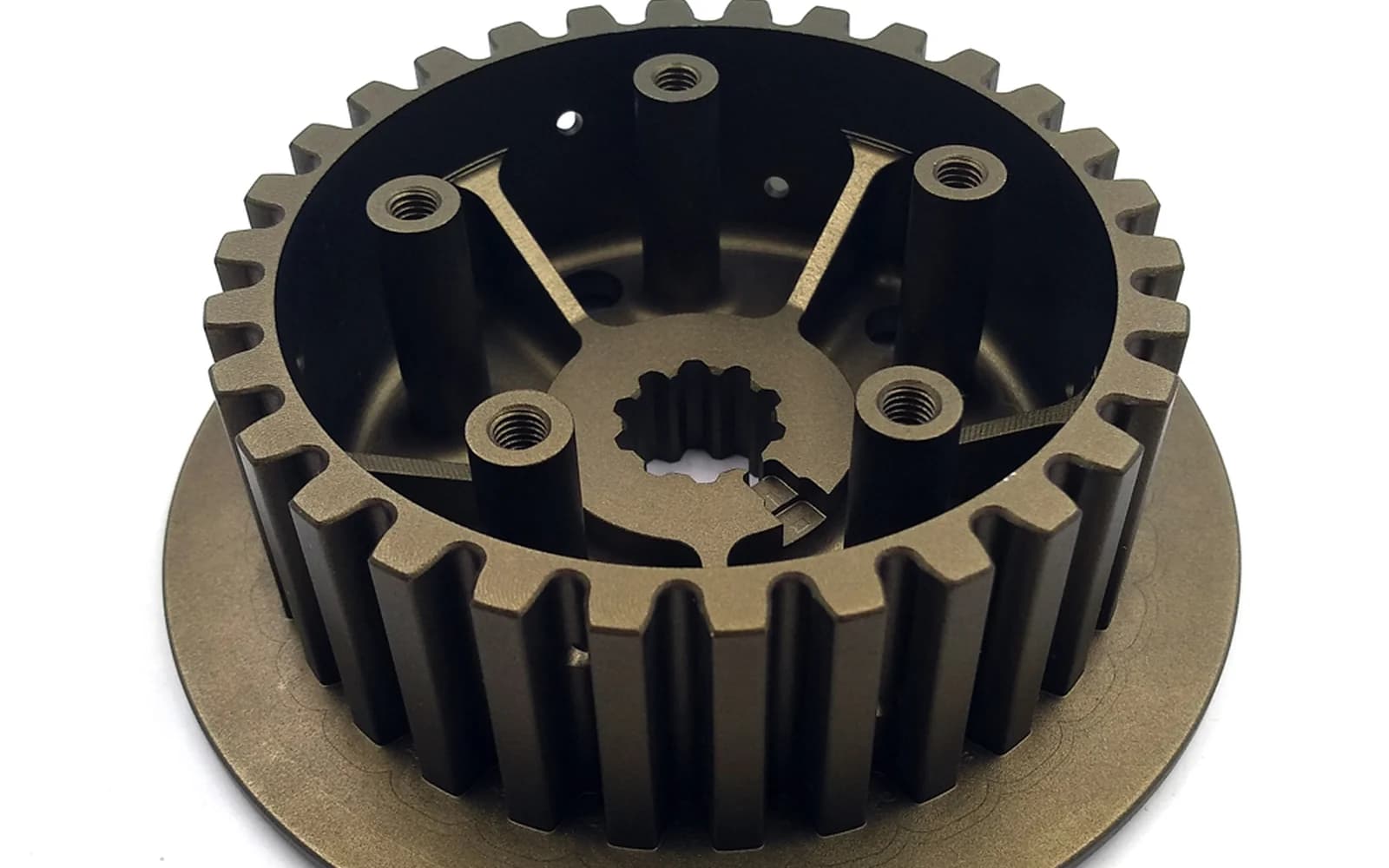
- Choose CNC machining when you need tight tolerances (to ±0.005 mm), certified metals, real mechanical strength, smooth surface finishes or parts that must seal, mate or carry load.
- Choose 3D printing for very complex internal geometry, fast/cheap first-look form models, or low-stress plastic prototypes where tolerance and finish are not critical.
- Many hardware programs 3D print the earliest concept, then switch to CNC machining as soon as fit, strength or finish must be trusted.
Manufacturing route
- Judge tolerance and finish first: machining holds tighter tolerances and finer finishes straight off the machine, while printed parts often need post-processing to get close.
- Judge material and strength next: machining uses full-density wrought metals and engineering plastics; most printing uses layered material that can be weaker or anisotropic.
- Judge quantity and cost last: printing can win for a few highly complex parts, machining usually wins on cost and repeatability as quantity and tolerance demands rise.
Material and finish choices
- CNC machining: 6061/7075 aluminum, stainless, titanium, brass, copper, PEEK, POM and more in certified, full-density stock.
- 3D printing: typically nylon, resin or printable metals — good for geometry, weaker on certification and consistency for load-bearing metal parts.
- If the part needs a material certificate, biocompatibility or a specific temper, CNC machining is normally the safer route.
Risk controls before quoting
- Do not assume a printed prototype validates a machined production part — strength, tolerance and finish can differ meaningfully.
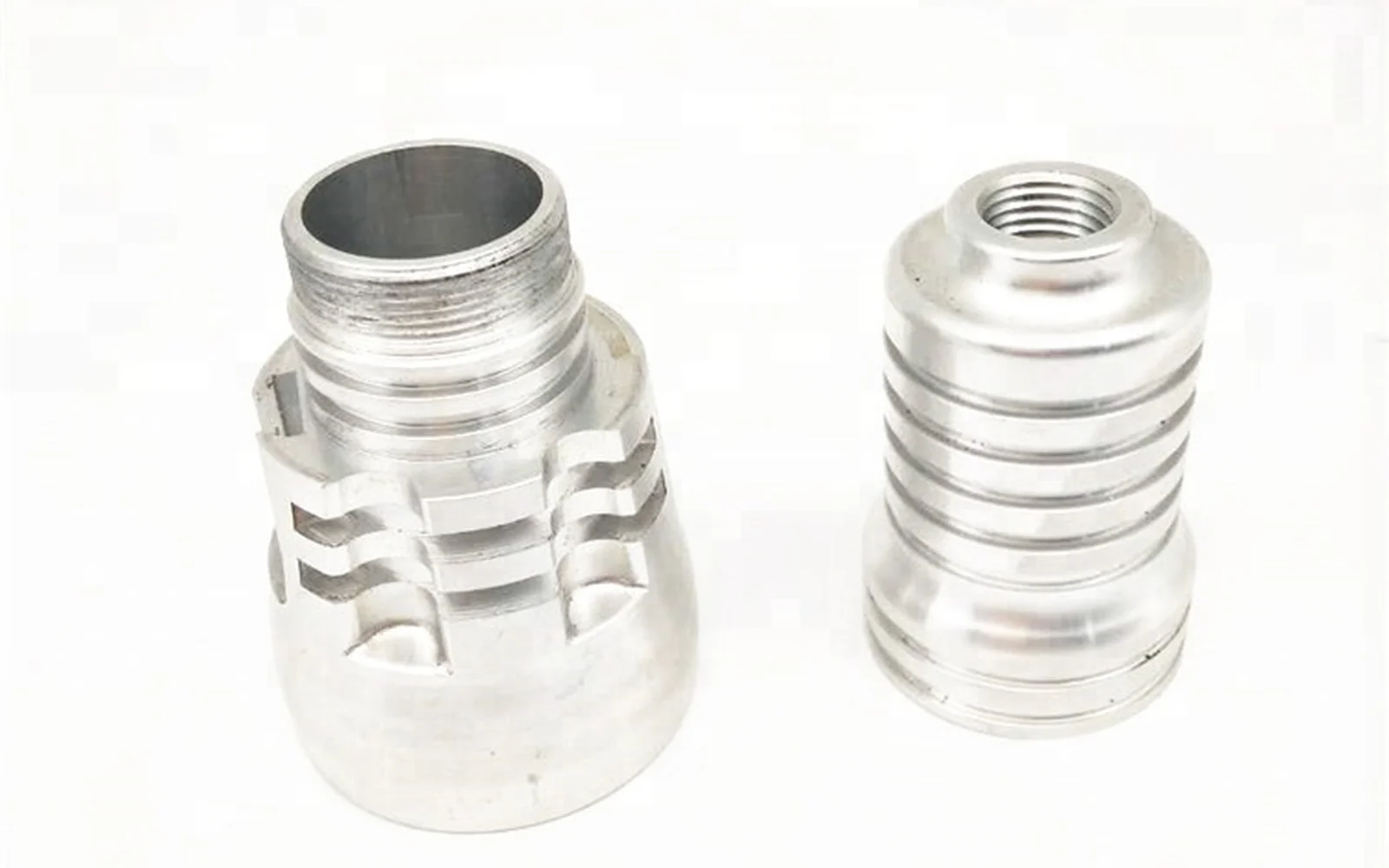
- For sealing faces, bearing fits and threaded features, machining is usually required for reliable function.
- When in doubt, send the CAD model and let an engineer confirm which process meets the drawing at the target quantity.
RFQ inputs that improve quote accuracy
- STEP/STL model plus a drawing with the tolerances, finish and datums the part actually needs.
- Function notes: load, sealing, mating parts, operating temperature and any certification requirement.
- Quantity and lead time, so the machining-versus-printing trade-off can be judged on real numbers.
Related FabVector resources
When the part includes thin walls, sealing faces, tight datums, threaded features or inspection requirements, upload the CAD model through the structured RFQ flow so material, finish, tolerance, inspection and delivery expectations stay attached to the same request.
Related resources
RFQ next step
Turn this requirement into a quote package.
Upload CAD, select material, finish, tolerance, inspection and delivery context. FabVector keeps the quote inputs tied to the same engineering request.
Start structured RFQ