How to Reduce CNC Machining Cost: A DFM Checklist for Cheaper Parts
Practical, design-for-manufacturing ways to lower CNC machining cost without losing function: tolerances, materials, finishes, features and quantity decisions that move the price.
2026-07-01 · FabVector Engineering
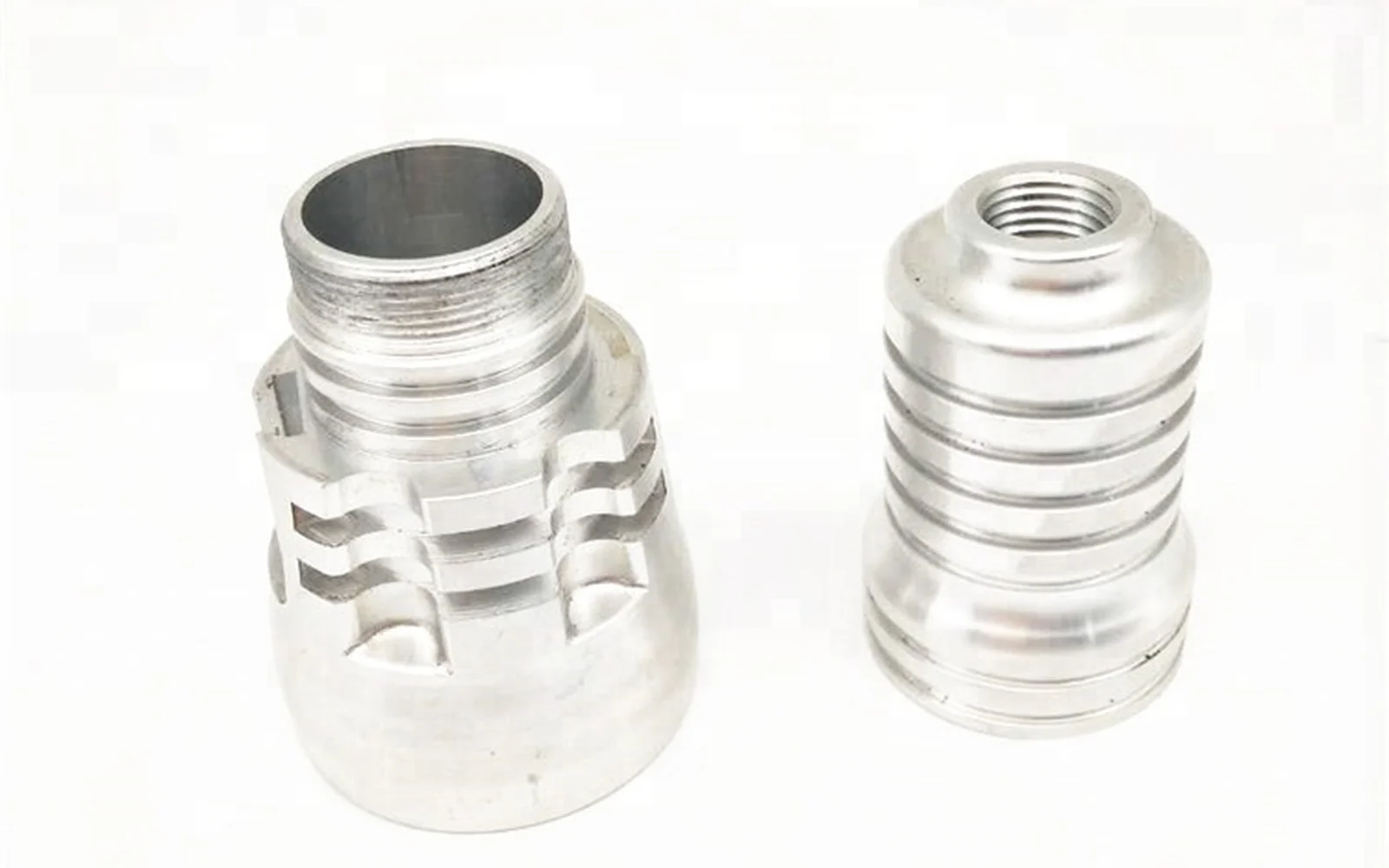

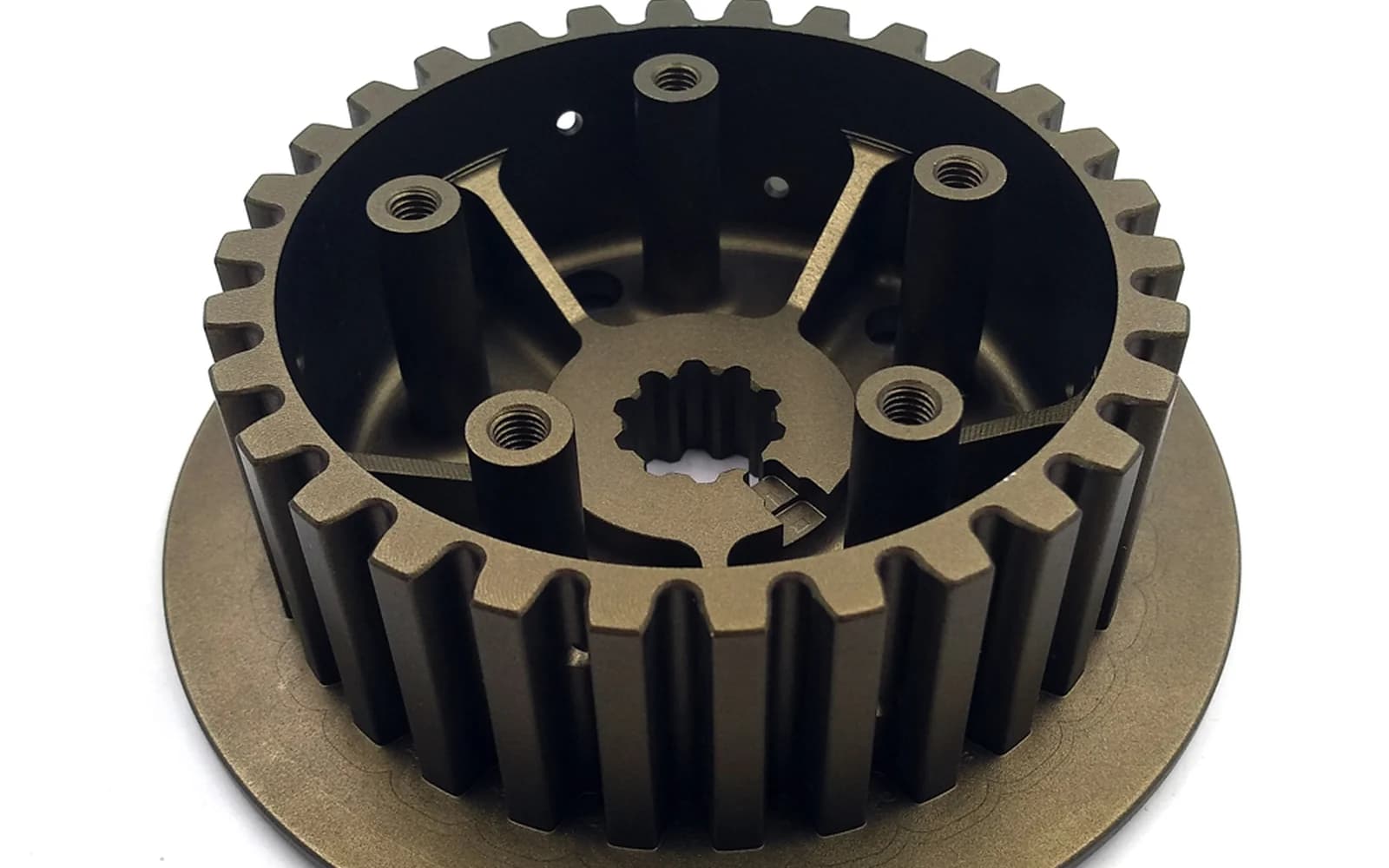
What buyers are trying to solve
Searches for CNC machining cost reduction usually come from engineering or procurement teams that already have a CAD model and need a manufacturable route, not a generic machining definition. The decision is normally about material risk, tolerance risk, surface finish, inspection paperwork and whether a supplier can move from prototype to repeat production without changing the process.
Best-fit applications
- Buyers whose first quote came back higher than expected and who want to redesign for cost.
- Startups moving from prototype to pilot volumes where unit cost suddenly matters.
- Teams comparing quotes and unsure which design choices are inflating the price.
Manufacturing route
- Loosen tolerances that do not need to be tight — only call out ±0.01 mm or tighter where the function truly requires it, and leave the rest at standard machining tolerances.
- Reduce machining time: add fillets on internal corners, avoid deep narrow pockets, limit ultra-thin walls and cut down the number of setups by simplifying multi-side features.
- Choose a cheaper but sufficient material and a finish that matches function, then confirm the redesign with a fresh instant quote.
Material and finish choices
- 6061-T6 aluminum is usually the lowest-cost workhorse; only step up to 7075 or titanium when strength or weight demands it.
- Free-machining grades (303 stainless, brass) cut faster and cost less than tougher alloys for non-critical parts.
- Skip cosmetic finishes on hidden surfaces; specify anodize or plating only where it protects or matters visually.
Risk controls before quoting
- Do not over-specify surface roughness or flatness on faces that do not seal or mate — tight finishes add inspection and machining time.
- Consolidate features into fewer setups; every additional workholding orientation adds cost.
- Order in sensible batch sizes — unit price usually drops sharply from 1 to 25 to 100 pieces as setup is amortised.
RFQ inputs that improve quote accuracy
- A STEP file plus a drawing that separates truly critical tolerances from standard ones.
- Real quantity and any repeat-order forecast so batch pricing can be applied.
- Function notes (what mates, seals or carries load) so an engineer can suggest DFM cost savings.
Related FabVector resources
When the part includes thin walls, sealing faces, tight datums, threaded features or inspection requirements, upload the CAD model through the structured RFQ flow so material, finish, tolerance, inspection and delivery expectations stay attached to the same request.
Related resources
RFQ next step
Turn this requirement into a quote package.
Upload CAD, select material, finish, tolerance, inspection and delivery context. FabVector keeps the quote inputs tied to the same engineering request.
Start structured RFQ