PEEK Surgical Guide CNC Machining: Medical Fixtures, Edges and Documentation
RFQ guide for PEEK surgical guide CNC machining: material grade, non-implant vs implant context, sterilization exposure, burr control and documentation.
2026-07-01 · FabVector Engineering

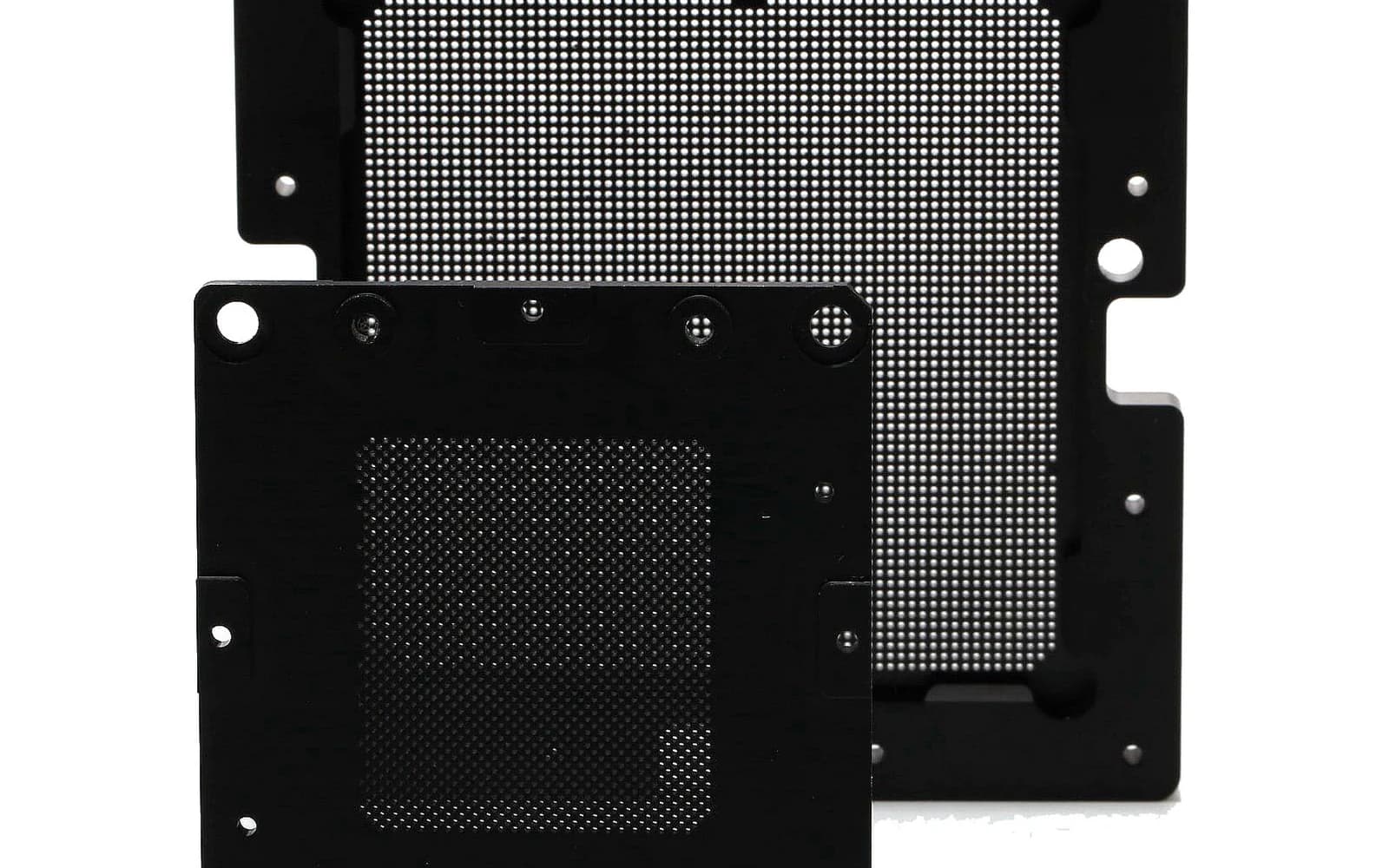
What buyers are trying to solve
Searches for PEEK surgical guide CNC machining usually come from engineering or procurement teams that already have a CAD model and need a manufacturable route, not a generic machining definition. The decision is normally about material risk, tolerance risk, surface finish, inspection paperwork and whether a supplier can move from prototype to repeat production without changing the process.
Best-fit applications
- Surgical guides, trial fixtures, instrument supports, anatomical model fixtures and sterilizable tooling.
- Medical prototypes that need material evidence and dimensional inspection before validation.
- High-performance polymer parts where metal is too conductive, reflective or heavy.
Manufacturing route
- Machine PEEK with sharp tools, conservative clamping and low-stress finishing passes.
- Finish slots, holes and guide surfaces after roughing when dimensional stability matters.
- Deburr edges carefully and document any patient-contact, instrument-contact or cleaning-critical surfaces.
Material and finish choices
- PEEK for high-performance medical fixtures and sterilization-resistant polymer parts.
- PEI/Ultem for heat-resistant fixtures when PEEK performance is not required.
- Titanium Grade 5 when metallic strength and biocompatibility are part of the design requirement.
Risk controls before quoting
- Clarify whether the part is non-implant, patient-specific, prototype, trial-use or production-intent.
- Do not assume implant suitability without exact grade, traceability and regulatory context.
- Thin flexible features, snap fits and small slots need realistic polymer tolerances.
RFQ inputs that improve quote accuracy
- Material grade, certificate requirement, intended use and sterilization or cleaning exposure.
- Critical dimensions, burr criteria, edge break and surface finish requirements.
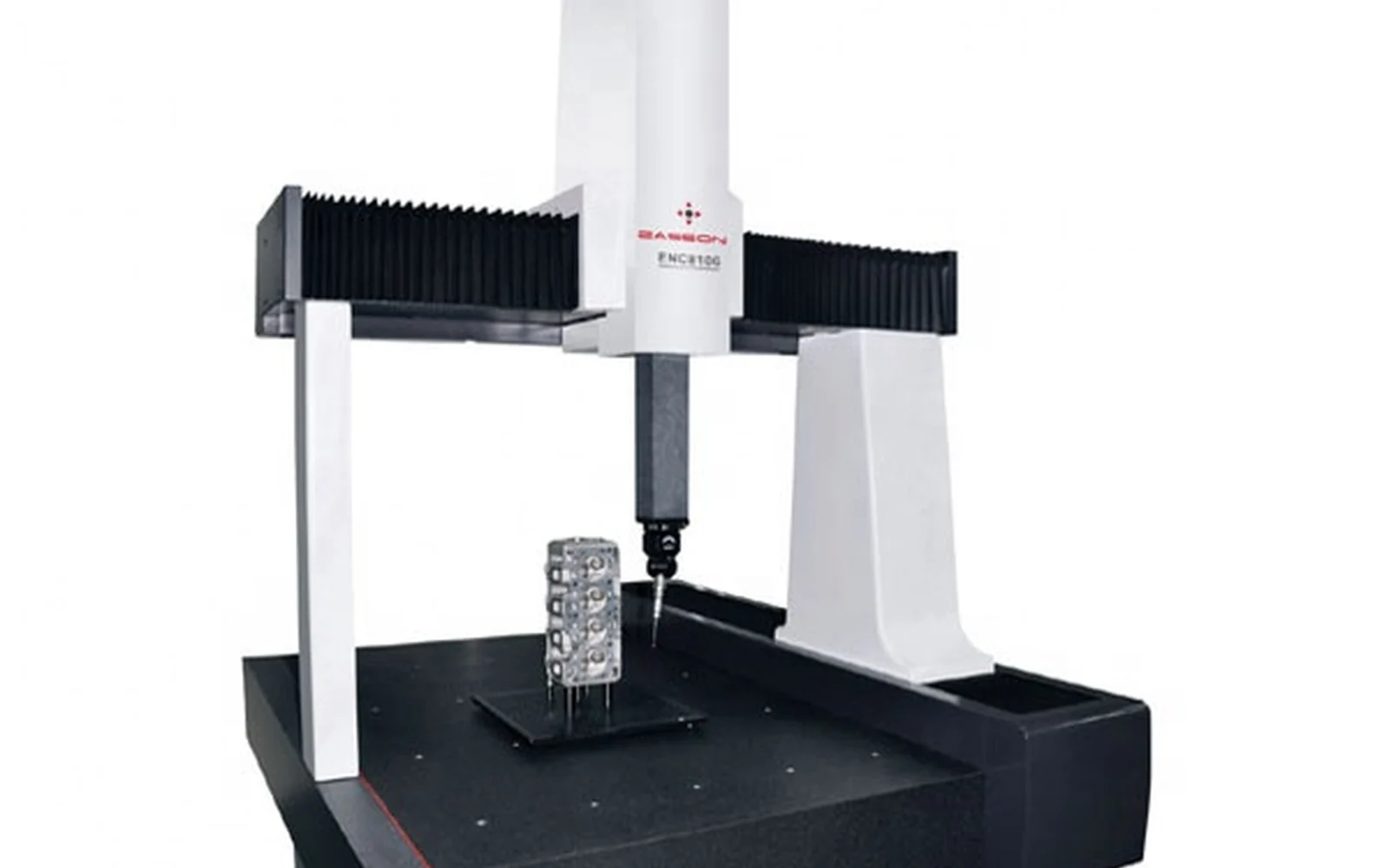
- Inspection package: dimensional report, material certificate, CoC, FAI or CMM report.
Related FabVector resources
When the part includes thin walls, sealing faces, tight datums, threaded features or inspection requirements, upload the CAD model through the structured RFQ flow so material, finish, tolerance, inspection and delivery expectations stay attached to the same request.
Related resources
RFQ next step
Turn this requirement into a quote package.
Upload CAD, select material, finish, tolerance, inspection and delivery context. FabVector keeps the quote inputs tied to the same engineering request.
Start structured RFQ