CNC Machining for Semiconductor Fixtures: Clean, Stable and Documented Parts
How to source CNC machined semiconductor fixtures, vacuum plates, wafer handling parts and inspection-ready tooling.
2026-06-30 · FabVector Engineering
What buyers are trying to solve
Searches for CNC machining for semiconductor fixtures usually come from engineering or procurement teams that already have a CAD model and need a manufacturable route, not a generic machining definition. The decision is normally about material risk, tolerance risk, surface finish, inspection paperwork and whether a supplier can move from prototype to repeat production without changing the process.
Best-fit applications
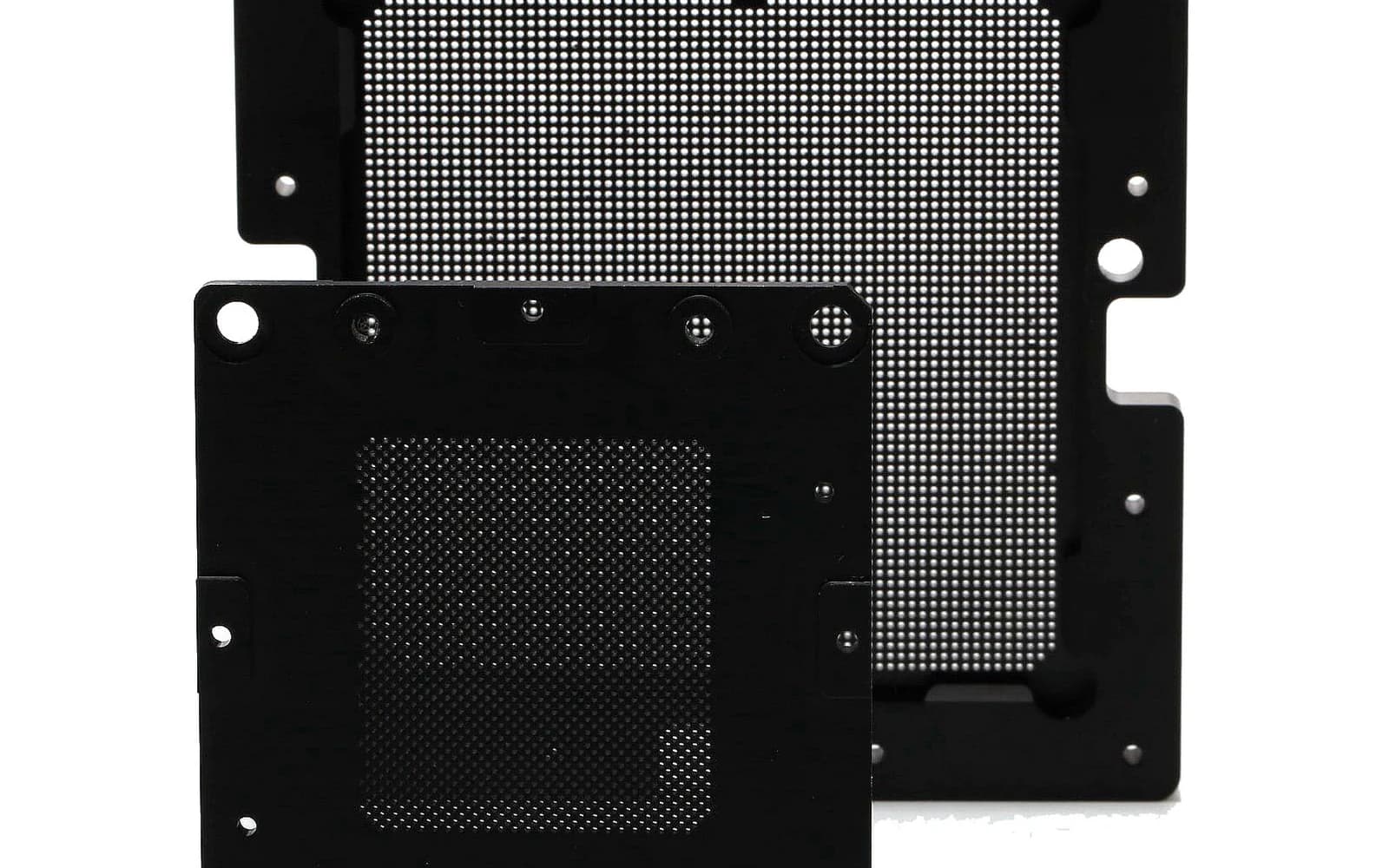
- Vacuum plates, wafer handling nests, sensor brackets and precision inspection fixtures.
- Parts that need cleanliness, dimensional stability and documentation.
- Low-volume tooling where process notes matter as much as price.
Manufacturing route
- Machine datum features and vacuum interfaces in controlled setups.
- Use deburring and cleaning routes that avoid trapped chips and fiber contamination.
- Inspect flatness, hole position and sealing features before finish.
Material and finish choices
- 6061-T6 or MIC-6 style tooling plate for stable aluminum fixtures.
- PEEK or PEI for insulating, low-outgassing or chemical-resistant fixture elements.
- Electroless nickel plating when wear, corrosion or surface stability is required.
Risk controls before quoting
- Clarify cleanroom, bagging and handling expectations before quoting.
- Specify whether vacuum channels need leak testing or only dimensional inspection.
- Avoid uncalled sharp edges near wafers, films or cables.
RFQ inputs that improve quote accuracy
- Vacuum pattern, flatness, surface roughness and cleaning requirement.
- Material certificate and inspection report expectations.
- Assembly context: wafer handling, test socket, optical inspection or process tooling.
Related FabVector resources
When the part includes thin walls, sealing faces, tight datums, threaded features or inspection requirements, upload the CAD model through the structured RFQ flow so material, finish, tolerance, inspection and delivery expectations stay attached to the same request.
Buyer questions
Questions about this manufacturing route
What matters most when sourcing CNC machining for semiconductor fixtures?
The critical inputs are CAD revision, material grade, tolerance stack, surface finish, quantity, inspection scope and delivery target. Missing any one of these usually creates quote revisions later.
Can FabVector quote from a STEP or STL file?
Yes. STEP and STL can start the structured RFQ. Drawings, GD&T, material certificates and inspection requirements should be attached when the part has regulated or tolerance-critical features.
What process route is usually reviewed first?
Machine datum features and vacuum interfaces in controlled setups.
What documentation can be requested?
CMM inspection, FAI, CoC, material certificates, traceability records and packing photos can be requested when the project requires them.
Related resources
RFQ next step
Turn this requirement into a quote package.
Upload CAD, select material, finish, tolerance, inspection and delivery context. FabVector keeps the quote inputs tied to the same engineering request.
Start structured RFQ