Industry
Semiconductor Equipment
Vacuum-grade and wafer-handling components machined with cleanliness discipline.
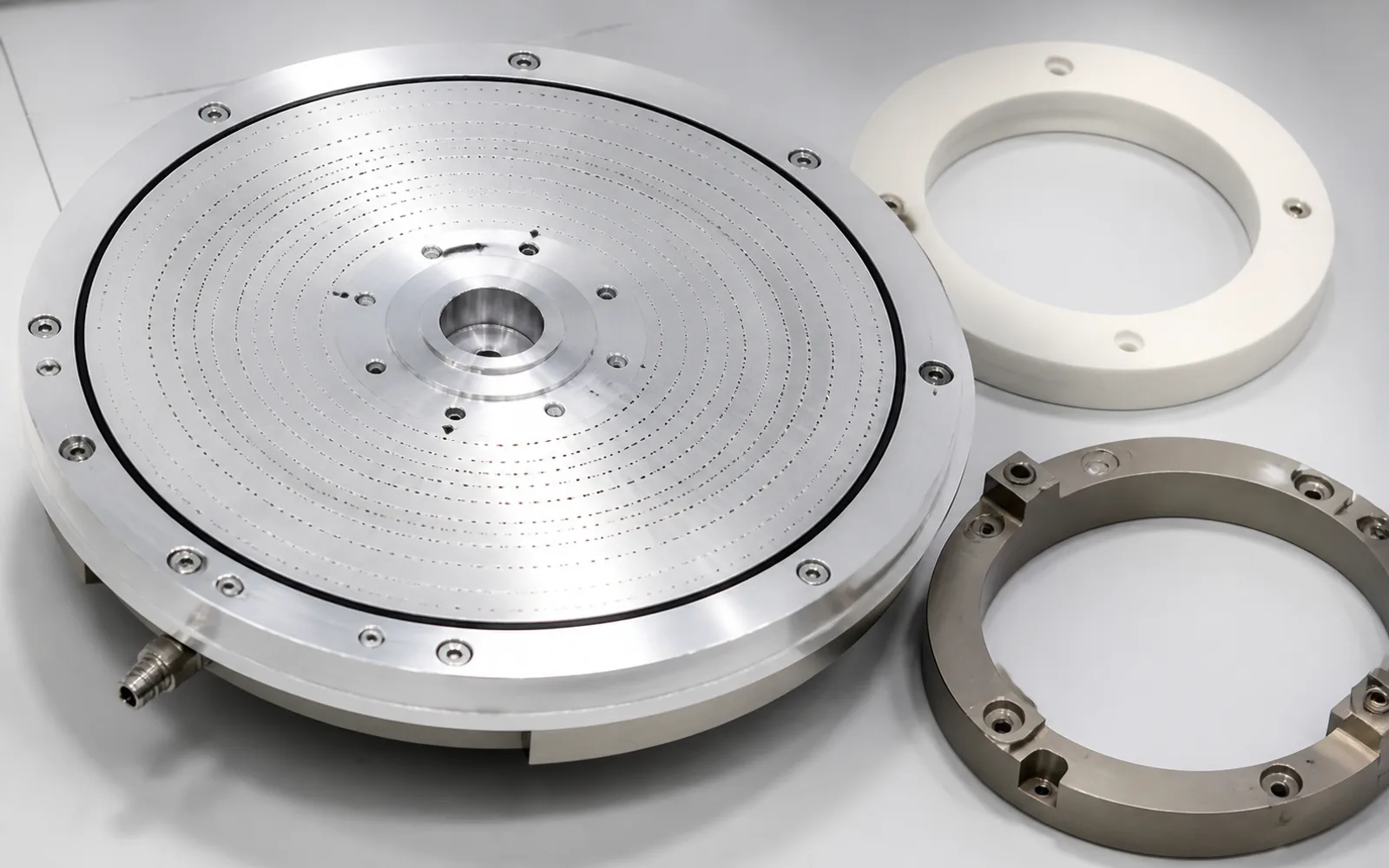
FabVector machines Semiconductor Equipment parts in MIC-6 Cast Aluminum Plate, Stainless Steel 316L, Aluminum 6061-T6, from 1 piece, with instant online estimates, engineer-reviewed quotes in 24 hours and NDA-protected files. Delivery with duties handled to the US, Canada, UK and Australia.
- Materials
- MIC-6 Cast Aluminum Plate, Stainless Steel 316L, Aluminum 6061-T6
- Minimum order
- 1 piece
- Estimate
- ~60s online
- Quote
- engineer-reviewed 24h
- IP
- NDA from upload
What slows this industry down
Semiconductor equipment is machining at its most unforgiving: on a vacuum sealing surface a single scratch is a virtual leak, and the drawing notes — cleanliness, no cross-seal tool marks, oil-free finishing — are harder than the dimensions. Wafer-handling end effectors live on 0.02–0.05 mm flatness, where a warped part is measured directly in yield. Contamination control extends to material handling itself, including Cu/Zn exclusion zones most shops have never managed. Fleets run for a decade or more, so suppliers must reproduce alpha-build parts as spares years later, from controlled revisions.
Typical parts we machine
- Vacuum chamber bodies, lids and flanges
- Wafer-handling end effectors and edge grips
- Stage, gantry and motion-platform hardware
- Gas-delivery manifolds and substrate blocks
- PEEK/PTFE wafer-contact components
Recommended materials
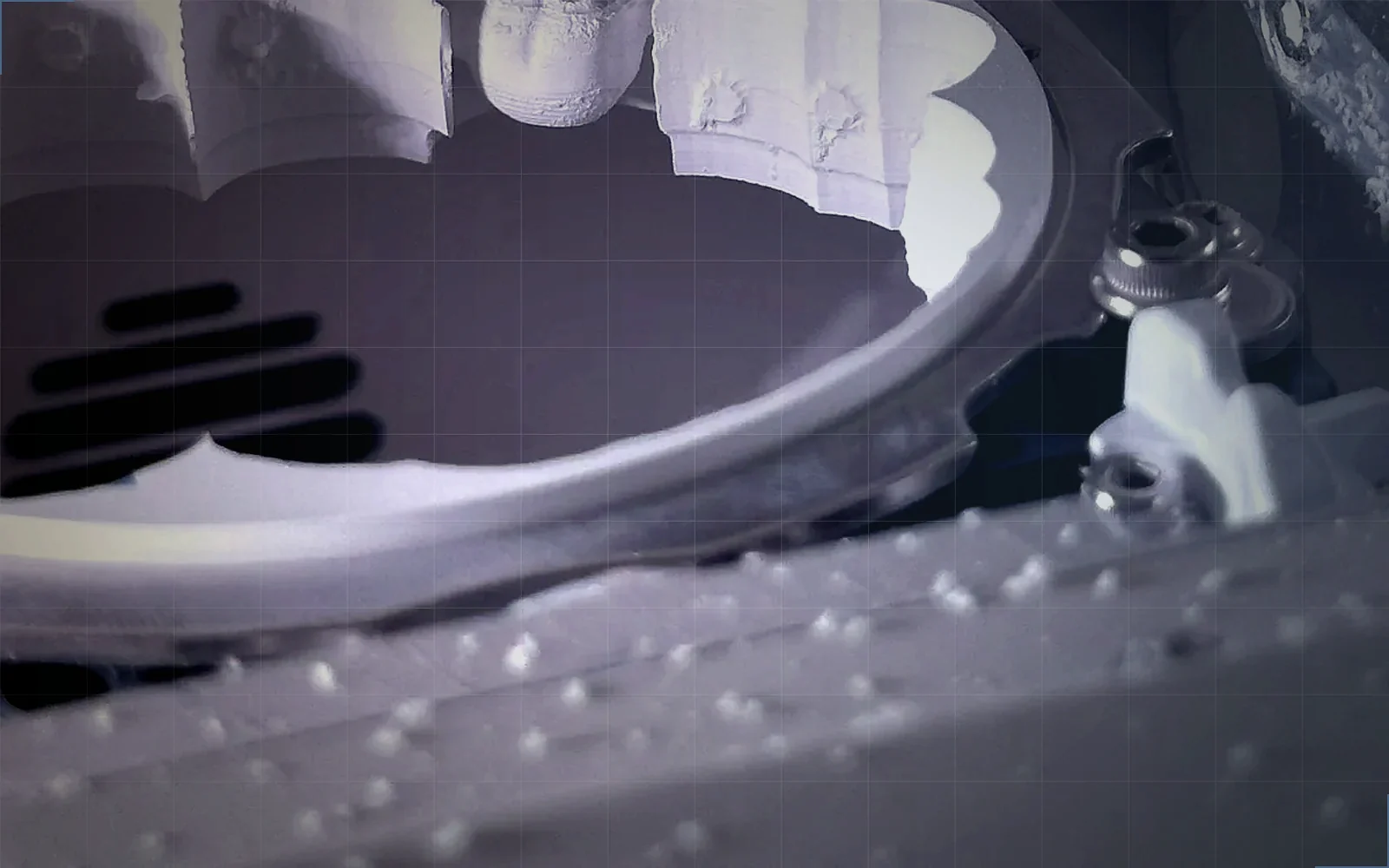
MIC-6 Cast Aluminum Plate
The flatness specialist: stress-relieved cast plate that will not move when you machine it.
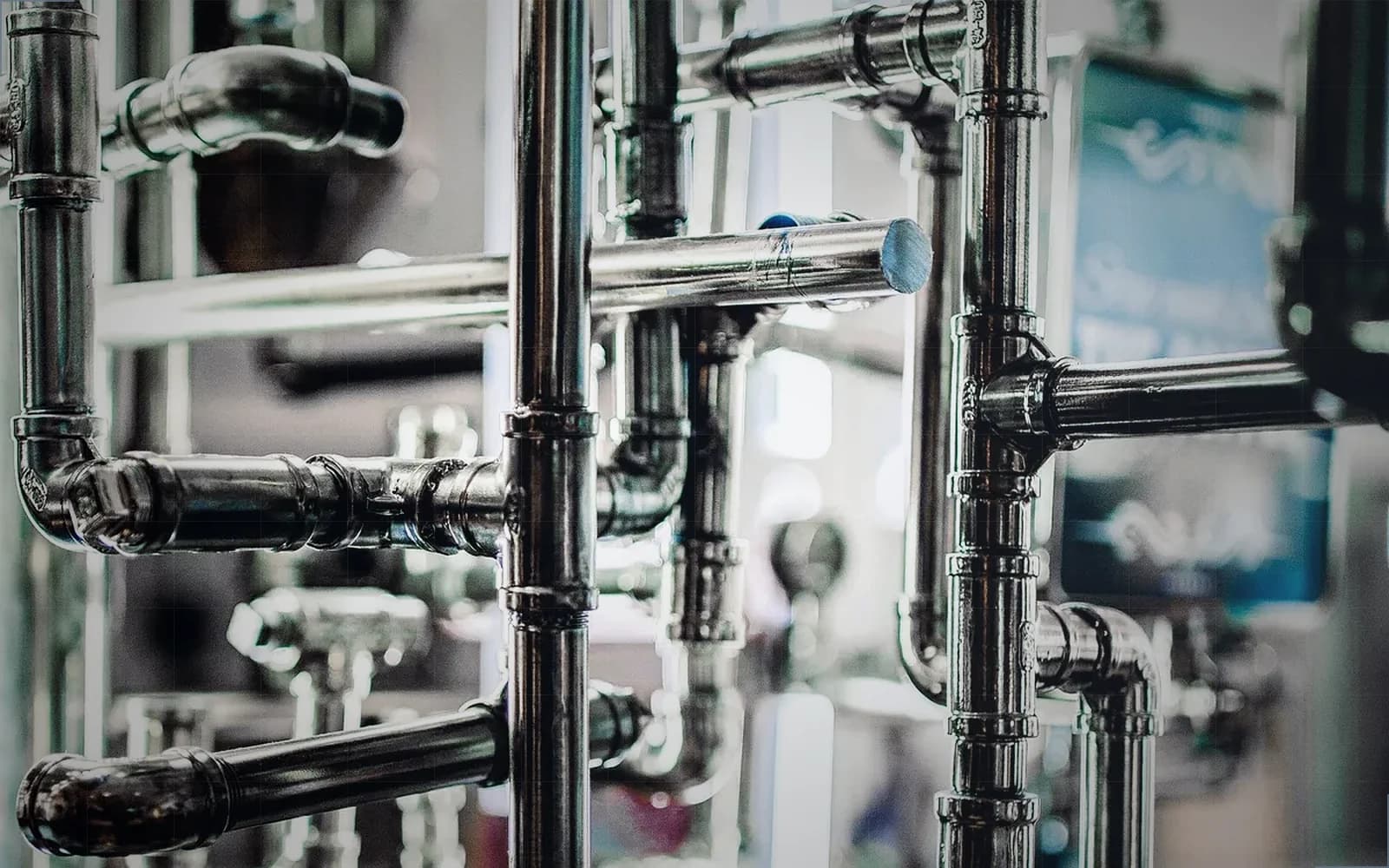
Stainless Steel 316L
Marine and medical stainless: molybdenum chemistry that shrugs off chlorides and sterilization cycles.
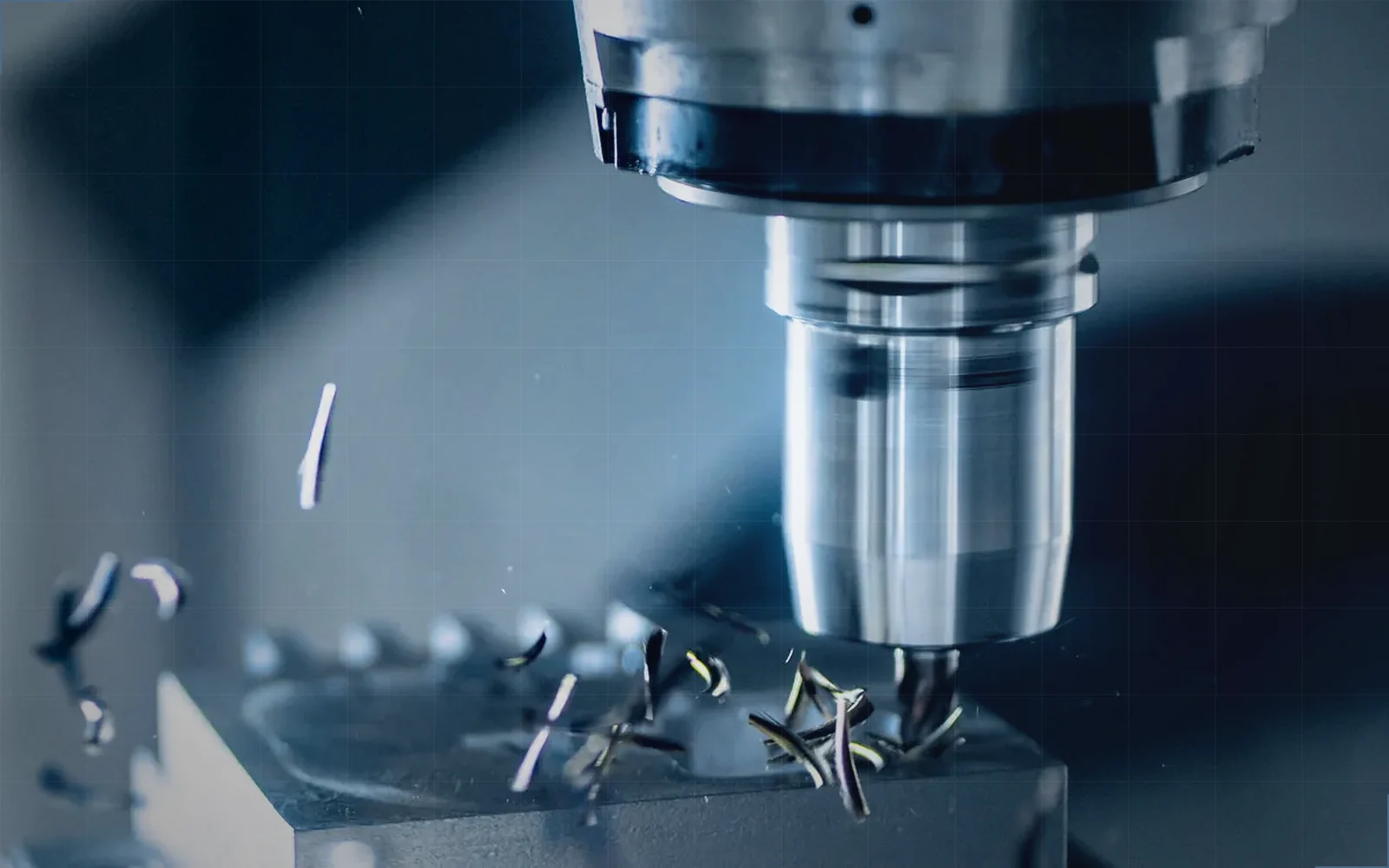
Aluminum 6061-T6
The default CNC aluminum: strong enough for most jobs, machines fast, anodizes well.
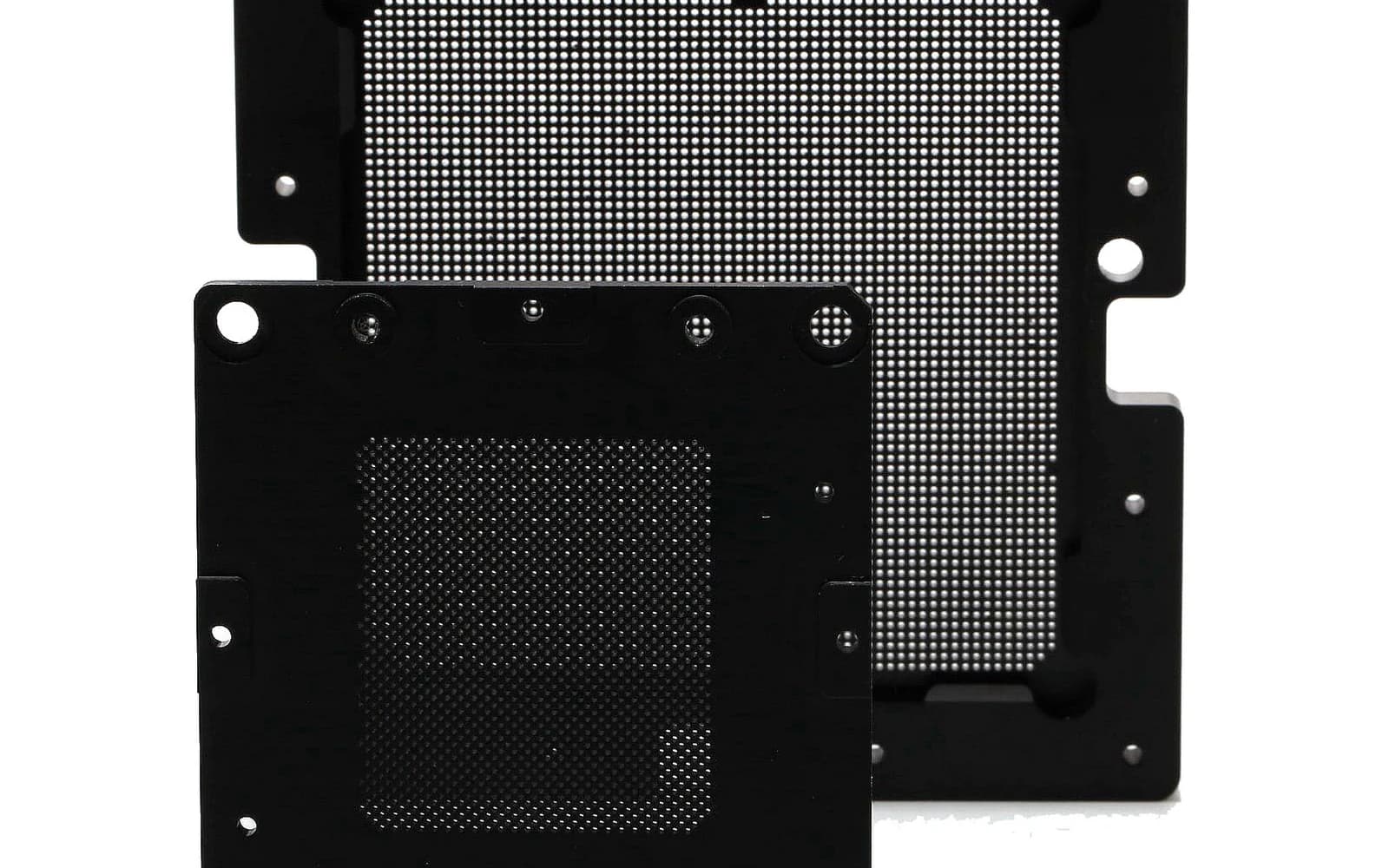
PEEK
The polymer that replaces metal: 250 °C service, chemical immunity, implant-grade options.
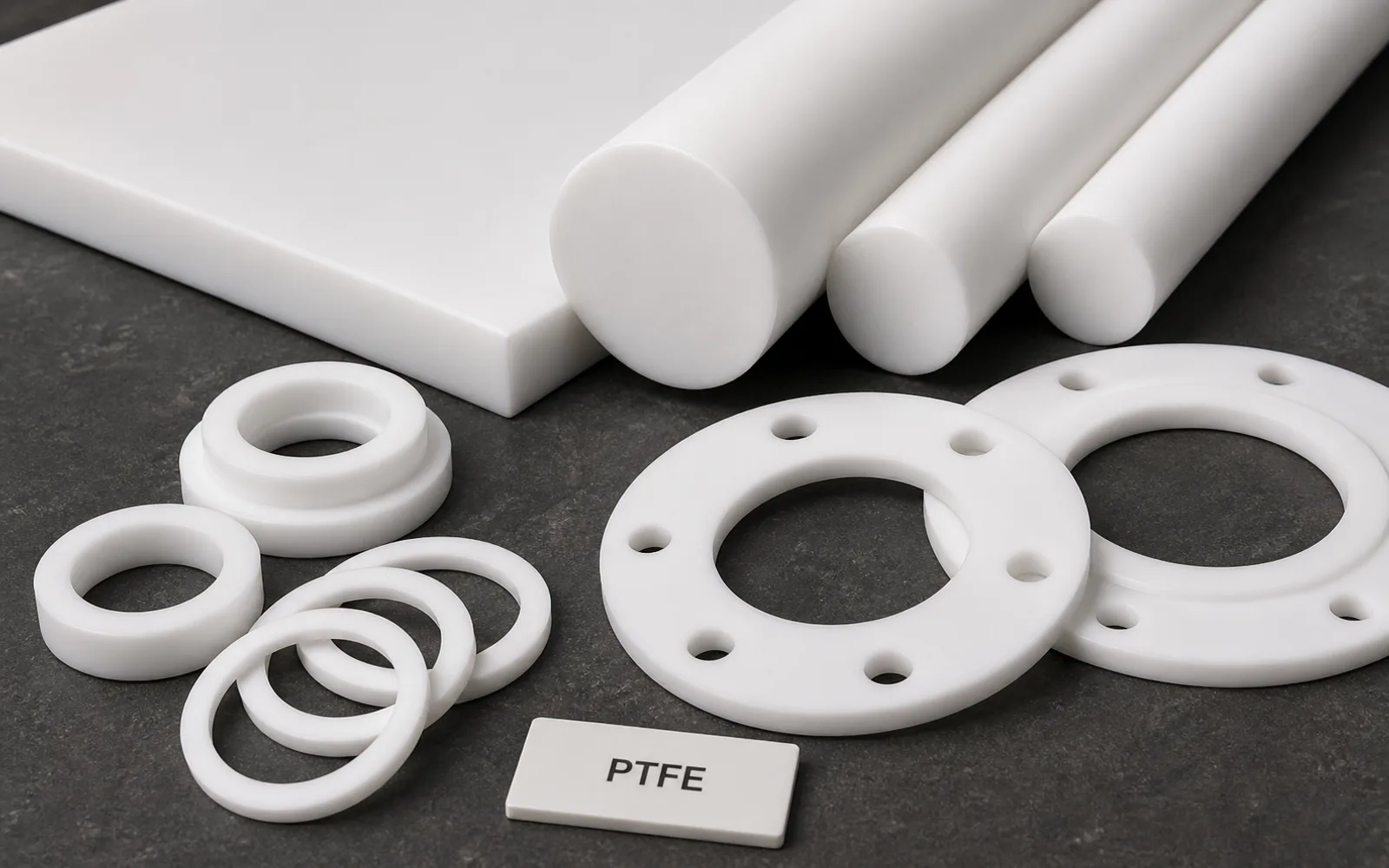
PTFE (Teflon)
The slipperiest solid known: seals and insulators immune to chemistry and heat alike.
Recommended finishes
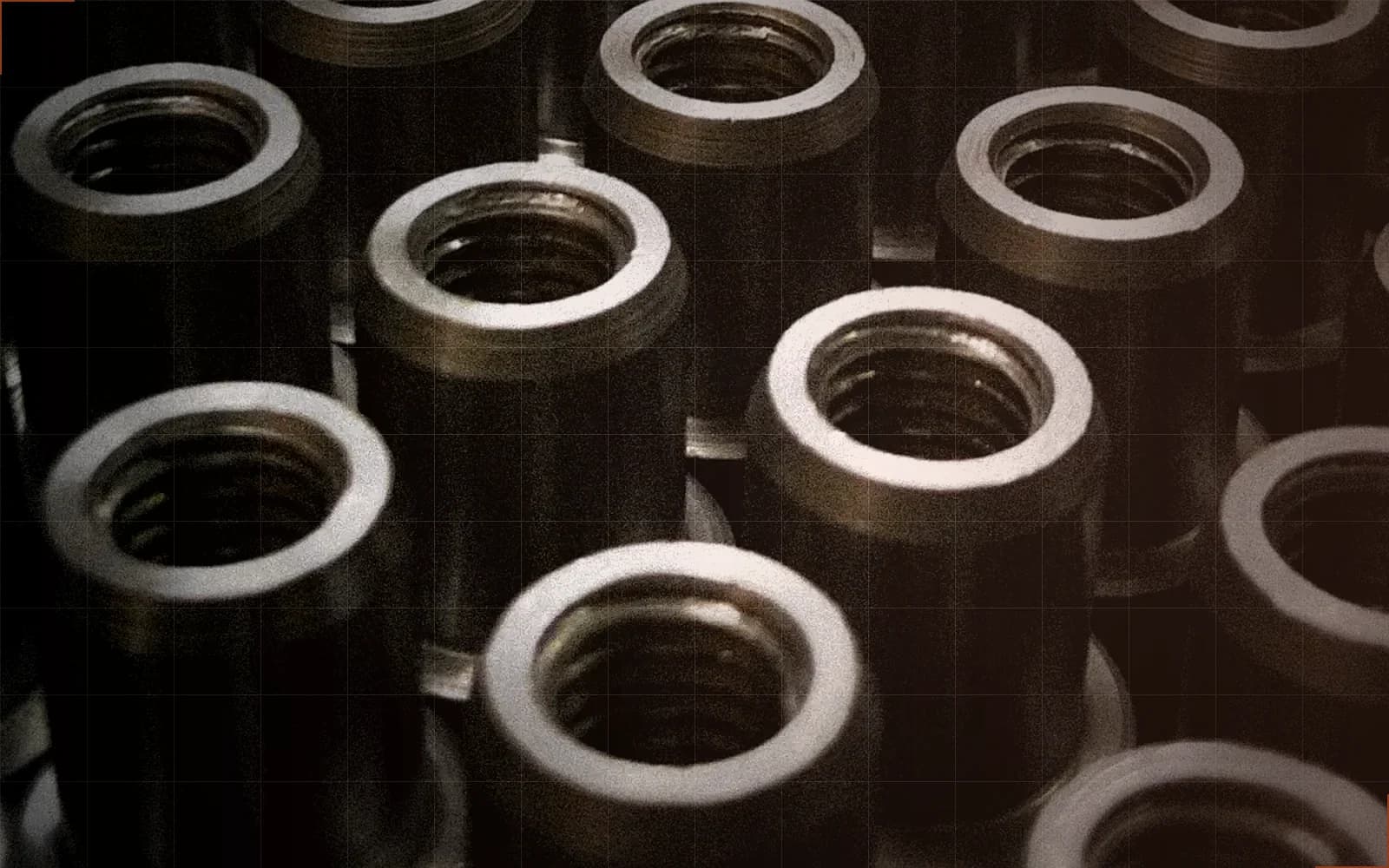
Electropolishing
Reverse plating that brightens, deburrs and passivates stainless in one step.
Passivation
Chemical hygiene for stainless: strips embedded iron so the steel can be as stainless as advertised.
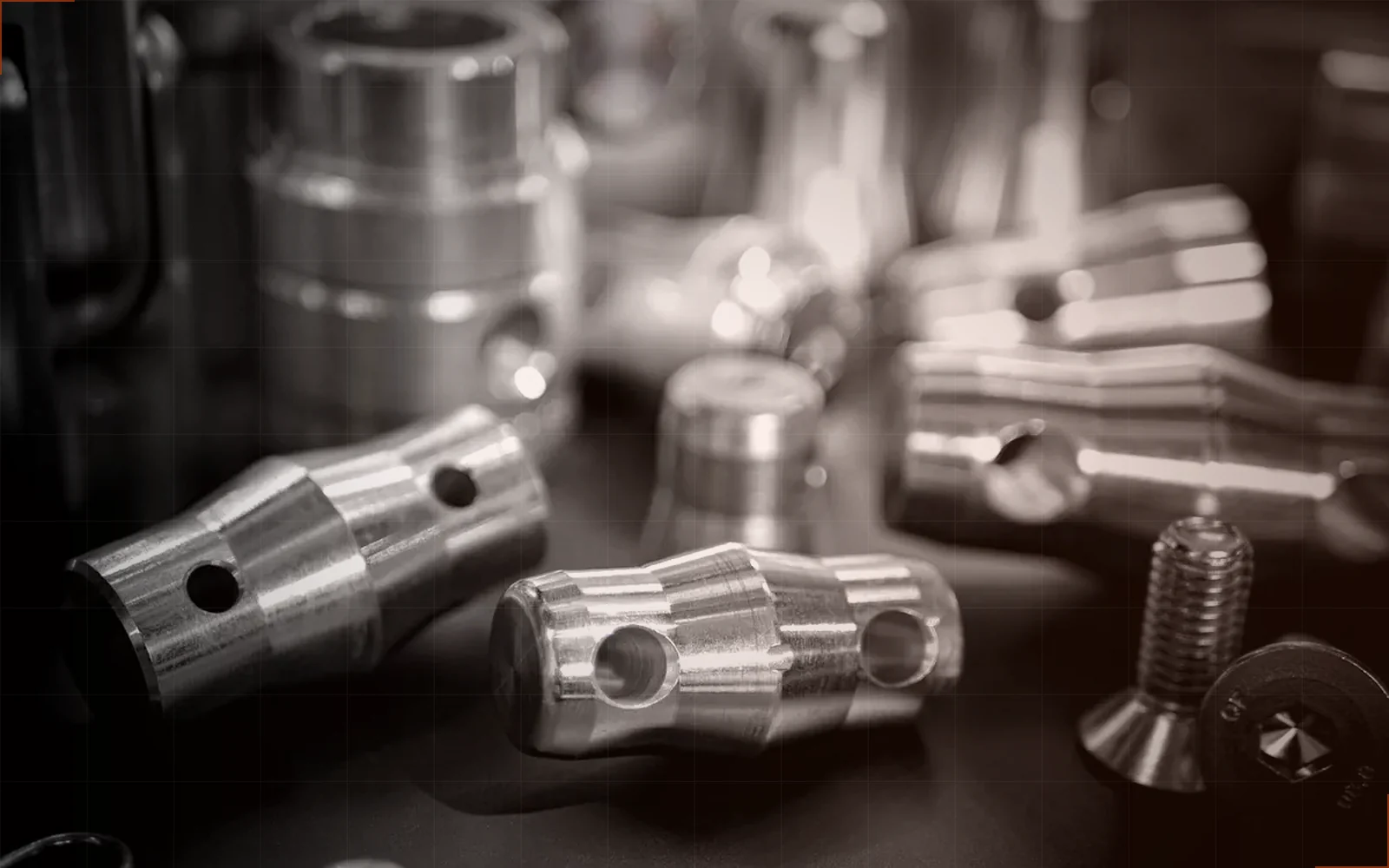
Anodizing Type II (Clear)
The standard aluminum finish: hard, clear oxide that keeps the metallic look.
Certifications & standards
- ISO 9001
- We understand semiconductor OEM supplier audits start at ISO 9001 process discipline and extend into cleanliness and handling procedures.
- EN 10204 3.1
- We support material traceability with EN 10204 3.1 mill certificates for vacuum and gas-path components where alloy chemistry matters.
- RoHS / REACH
- We support RoHS/REACH declarations for equipment modules shipping into regulated markets.
We understand and support these requirements; certification and documentation scope is confirmed per order.
Questions semiconductor equipment buyers ask
- What aluminum is used for semiconductor equipment plates and why?
- MIC-6 cast plate for anything where dimensional stability beats strength — stage plates, vacuum chucks, gauge bases — because it arrives stress-relieved and stays flat after machining. 6061-T6 for structural brackets. Swapping one for the other to save cost is how stages drift weeks after acceptance.
- Can machined parts be delivered clean enough for vacuum and cleanroom use?
- Yes, when it is specified at RFQ: silicone-free machining, controlled washing, low-outgassing handling and double-bagging are quoted as process steps, not afterthoughts. Electropolished 316L for UHV components is a standard combination on our fab-equipment work.
- What lead time is realistic for fab fixture and chuck spares?
- For a tool that is down, days matter: single fixtures in MIC-6 or 6061 can ship in 3–7 days with CMM report. Keeping the drawing and program on file from the first order is what makes the repeat a fast lane instead of a re-quote.
- What should a vacuum sealing surface specify on the drawing?
- More than a surface-finish number. State the Ra for the sealing face itself, separately from the rest of the part. State the lay: tool marks must not run across the seal, because a continuous path across the sealing band is a leak path regardless of how fine the finish measures. Give the O-ring groove its own dimensions, corner radii and finish — the groove, not the face, is where most vacuum problems originate. Add a no-scratch acceptance note for the sealing band and say how it will be judged. And define the leak criterion and the test: a helium leak rate with the method named is a specification; "vacuum tight" is not. These notes drive the process route — fixturing, tool path direction, deburring method and handling — so they belong in the RFQ, not in a revision after the first leak test.
- Anodised or bare aluminium inside a process chamber — who decides?
- The OEM’s process does, and it should be on the drawing before the RFQ. The reason it is not a machine-shop choice: a conventional sulphuric anodise is a porous layer that can hold moisture and shed particles, and it is attacked by fluorine-bearing plasmas, so which chambers tolerate it depends on chemistry you know and we do not. Hardcoat is denser but still a conversion layer with its own behaviour. Plasma-resistant ceramic coatings are applied by specialist coaters, not by the machine shop. What the machining supplier owns is everything that makes the coating succeed: substrate alloy and condition, the surface finish the coater requires, masking of threads, seal faces and electrical contacts, and dimensions stated as applying before or after coating. Tell us which of those apply and the part arrives ready for your coater instead of going back for rework.
- How does a copper and zinc exclusion requirement actually work in a machine shop?
- It is a handling regime, not a cleaning step, and it has to be agreed at RFQ because it changes the route. In practice it means the part never contacts brass or bronze at any stage: no brass fixturing, soft jaws, hammers, brushes or deburring tools; segregated storage and transport so it is not stacked with copper-alloy work; cutting fluid and wash chemistry chosen so there is no copper-bearing additive; and dedicated or verified-clean tooling for the operations that touch critical surfaces. Documentation matters as much as the practice — the shipment should carry a statement of what was excluded and how. If the requirement appears for the first time on a drawing note without discussion, assume it has not been costed; raise it explicitly in the RFQ so the process is planned rather than assumed.
Relevant services
CNC Milling
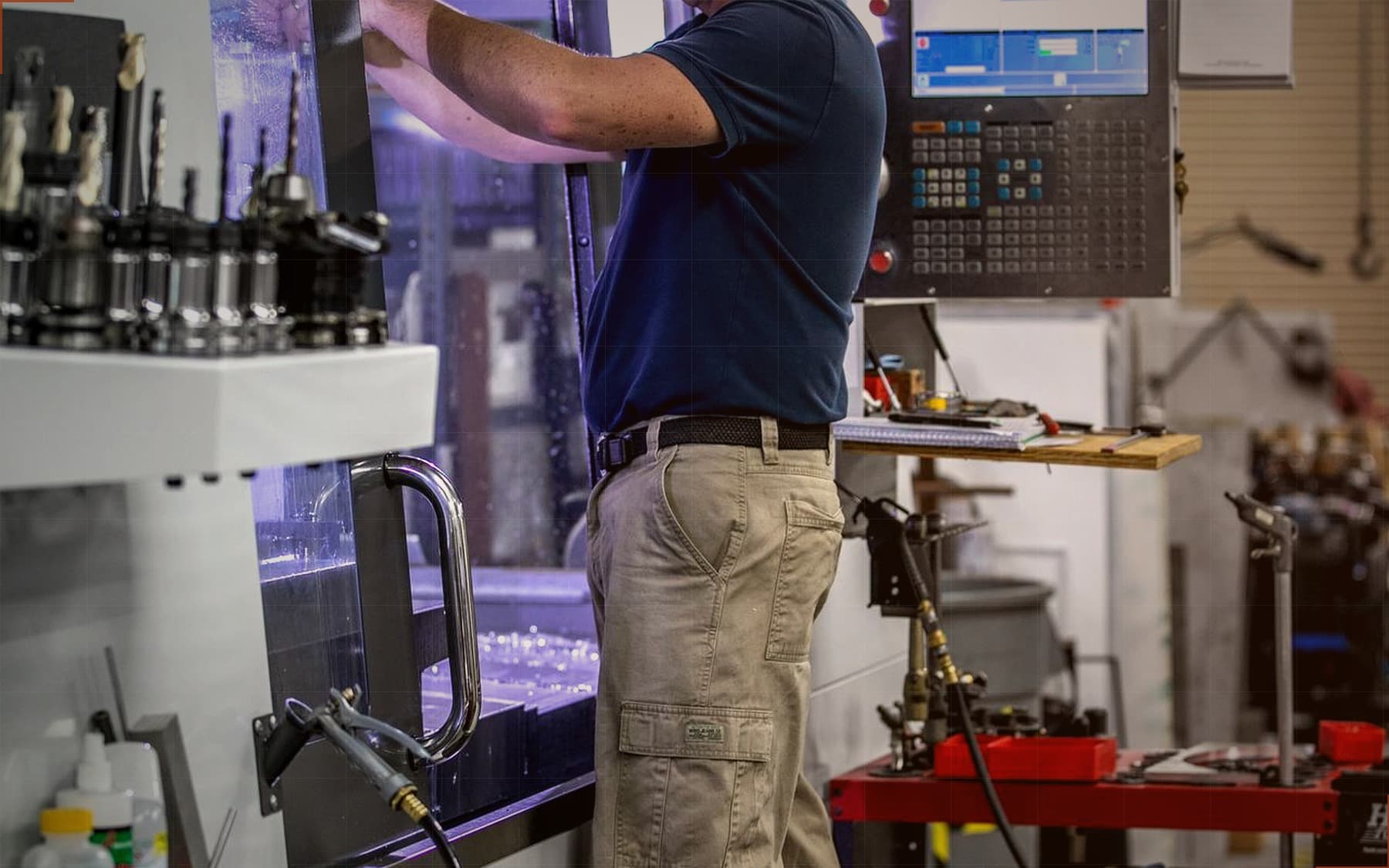
3- and 4-axis vertical machining for housings, brackets, manifolds and structural parts.
5-Axis Machining
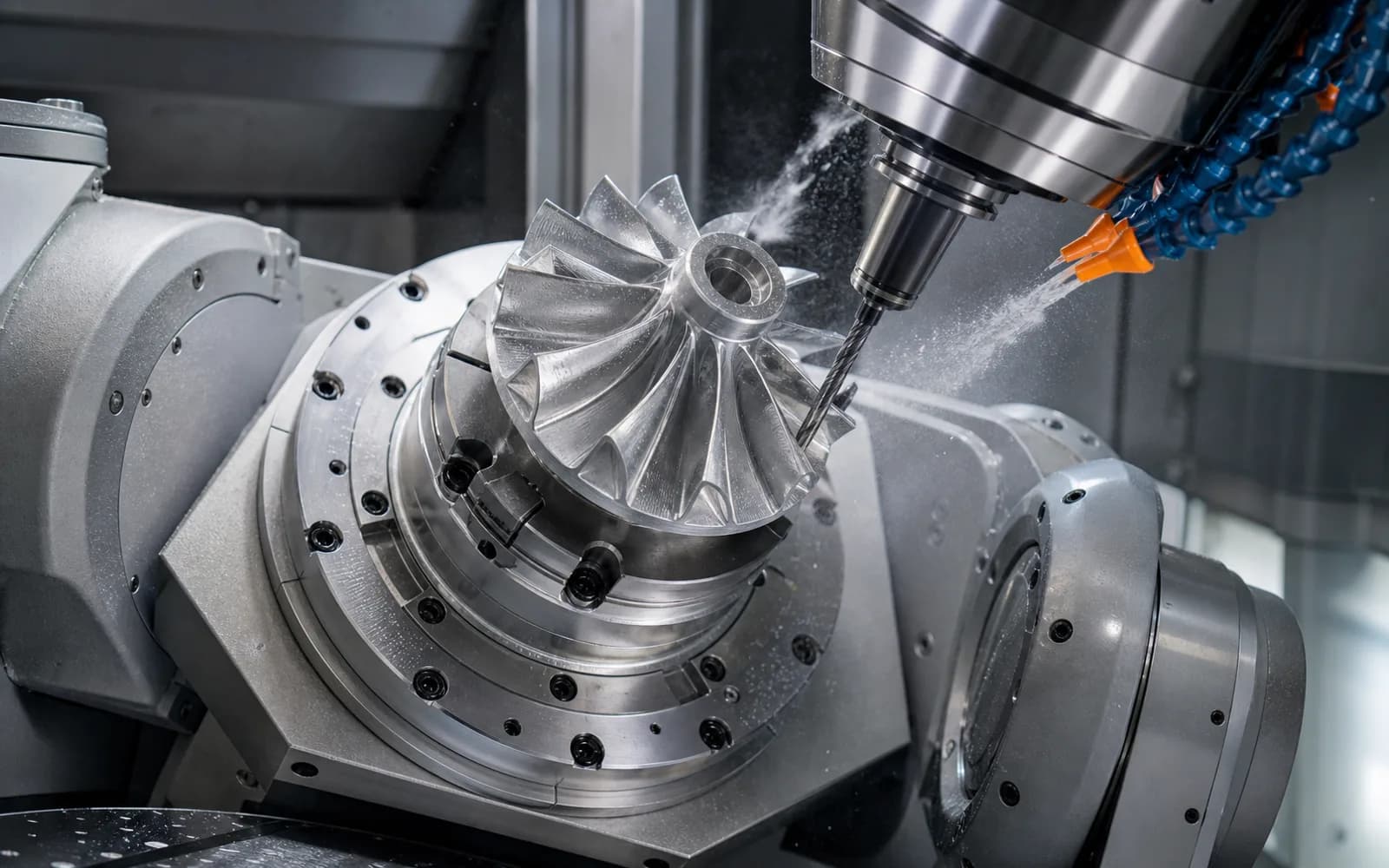
Simultaneous 5-axis machining for impellers, freeform surfaces and compound-angle features.
Micro Machining
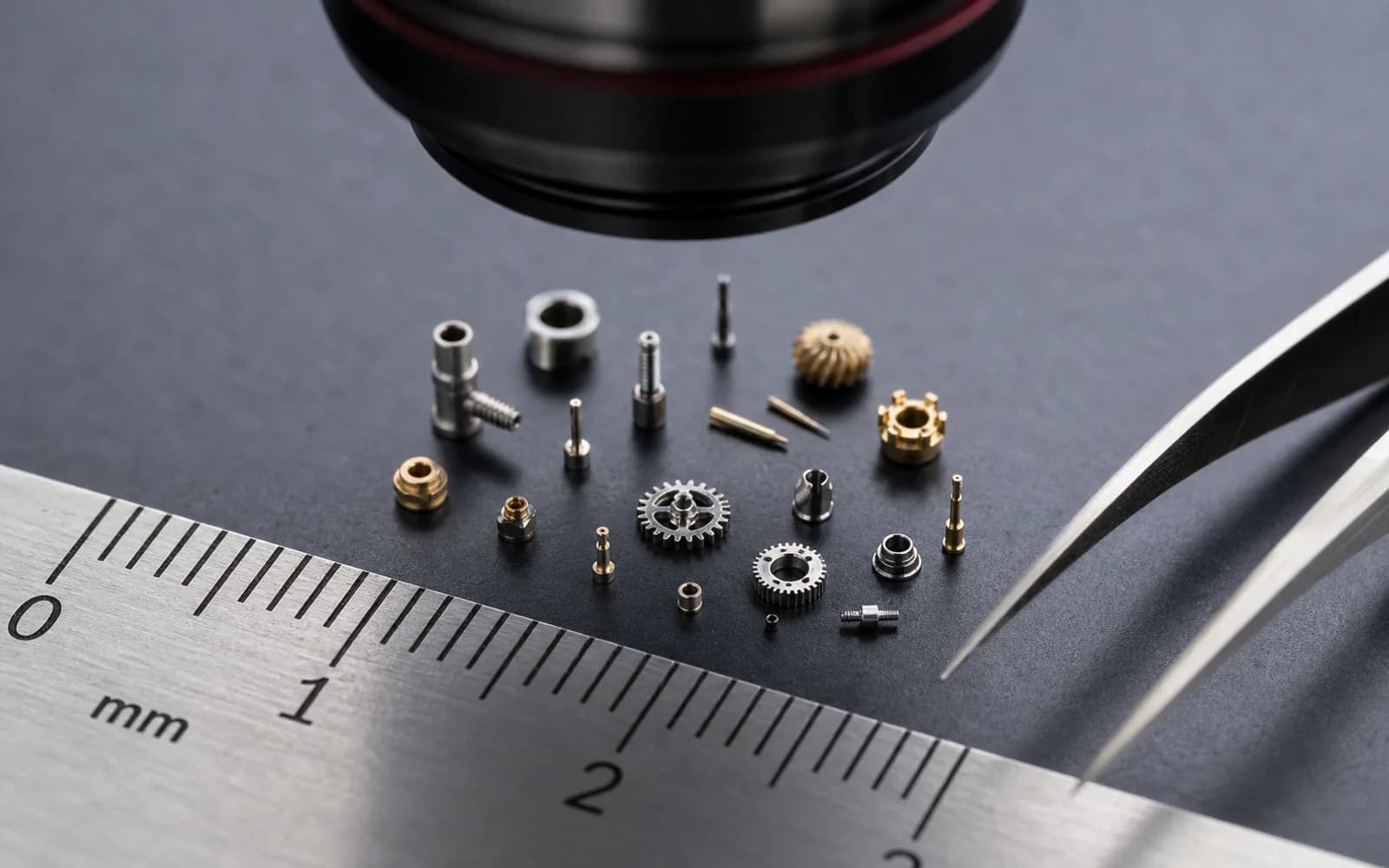
High-speed spindles and Ø0.1 mm tooling for features below 1 mm and watch-scale parts.
Related engineering guides
CNC machining for semiconductor fixtures
CNC Machining for Semiconductor Fixtures: Clean, Stable and Documented Parts
How to source CNC machined semiconductor fixtures, vacuum plates, wafer handling parts and inspection-ready tooling.
semiconductor vacuum chuck CNC machining
Semiconductor Vacuum Chuck CNC Machining: Flatness, Grooves and Clean Fixtures
Buyer guide for semiconductor vacuum chuck CNC machining: tooling plate selection, vacuum groove geometry, flatness, burr control, cleaning and inspection documents.
semiconductor vacuum fixture CNC machining
Application Case: Semiconductor Vacuum Fixture CNC Machining
A semiconductor vacuum fixture RFQ playbook for aluminum tooling plates, vacuum grooves, flatness, cleaning and inspection documents.
CNC machining service by country
Tool-side parts are frequently single-sourced until the supplier becomes a risk. Adding a second source is qualified against your existing drawings.
Have a part in mind?
Upload CAD or drawings. Eligible CNC work gets an instant estimate; other processes move to engineer review. NDA-protected from the first byte.
Start an RFQ