Industrial 3D Printing: Process and Material Selection for Functional Parts
A sourcing guide to SLS, MJF, SLA, FDM and metal additive manufacturing, including design risks, post-processing, inspection and RFQ inputs.
2026-08-02 · FabVector Engineering
What buyers are trying to solve
Searches for industrial 3D printing service usually come from engineering or procurement teams that already have a CAD model and need a manufacturable route, not a generic machining definition. The decision is normally about material risk, tolerance risk, surface finish, inspection paperwork and whether a supplier can move from prototype to repeat production without changing the process.
Best-fit applications
- Functional prototypes, ducts, housings, jigs, fixtures and low-volume assemblies with geometry that is expensive to machine conventionally.
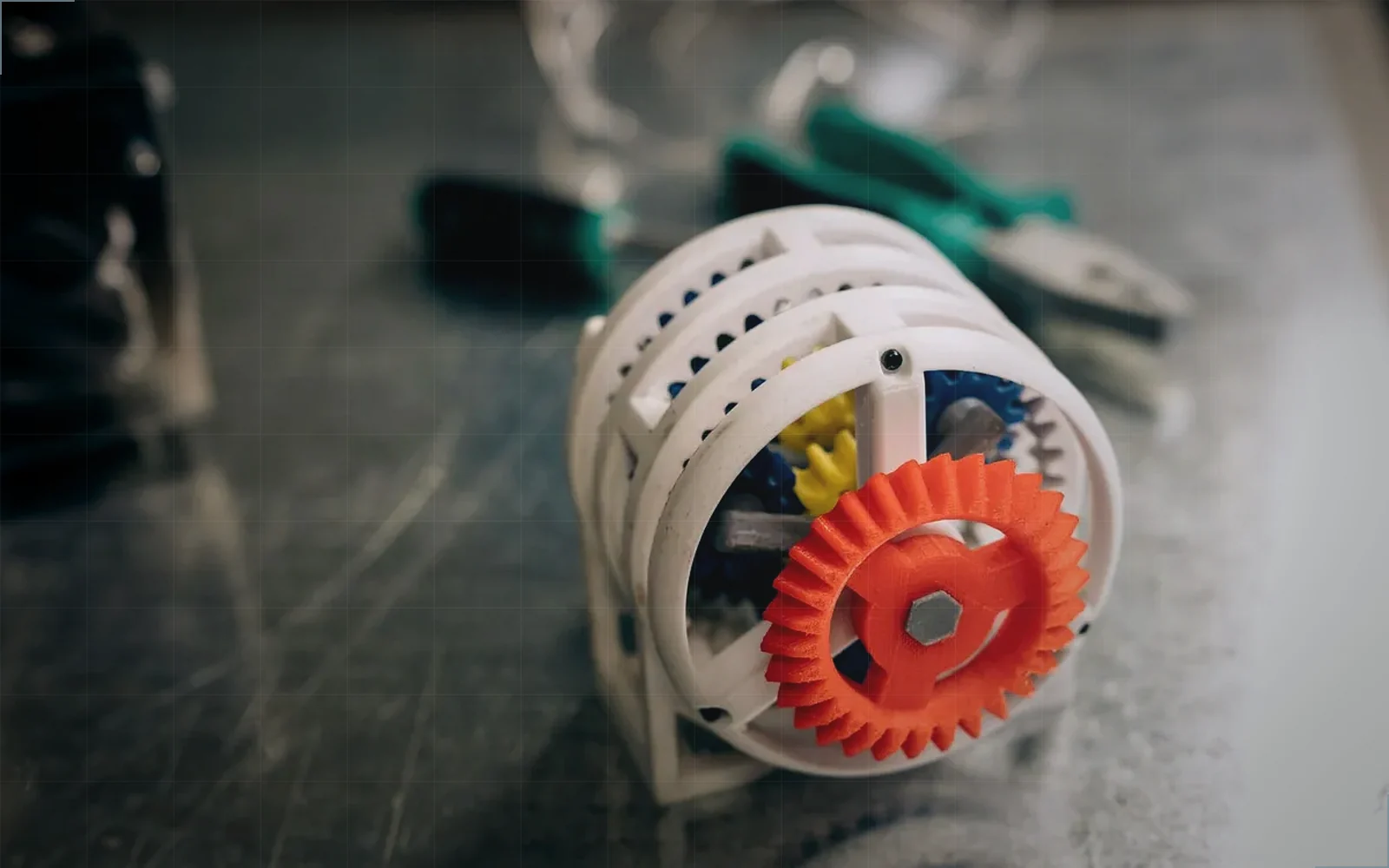
- Polymer parts that need fast iteration without dedicated production tooling.
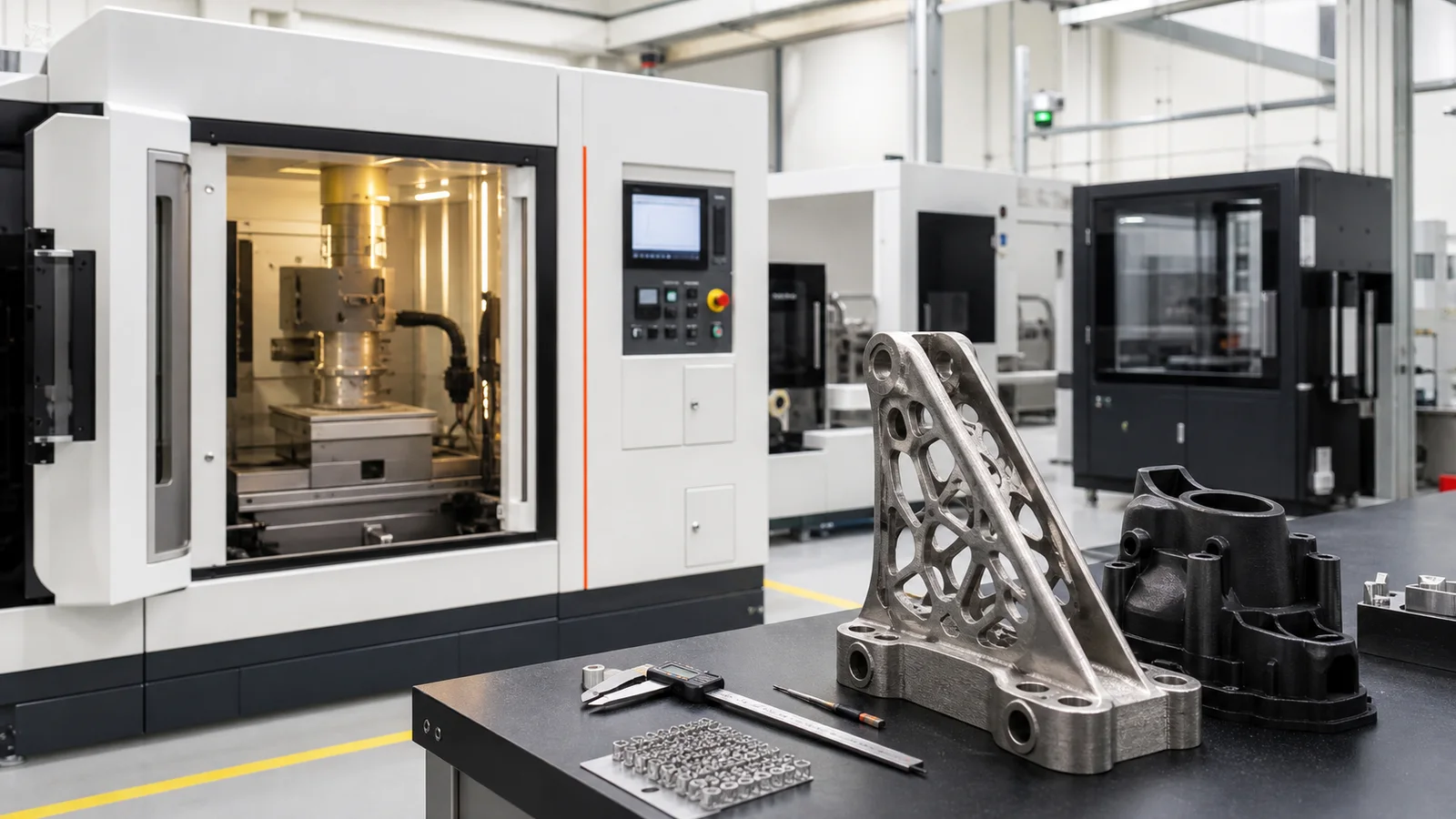
- Metal parts with internal channels, topology-optimized shapes or part consolidation where additive value outweighs qualification and finishing cost.
Manufacturing route
- Choose SLS or MJF for robust polymer parts, SLA for fine visual detail, FDM for economical large or simple fixtures, and laser powder-bed metal routes only after engineering and application review.
- Orient and support the build around function, surface access, distortion and anisotropy rather than cosmetic appearance alone.
- Plan support removal, depowdering, stress relief, heat treatment, dyeing, sealing, inserts and CNC finishing as part of the process route, not as late add-ons.
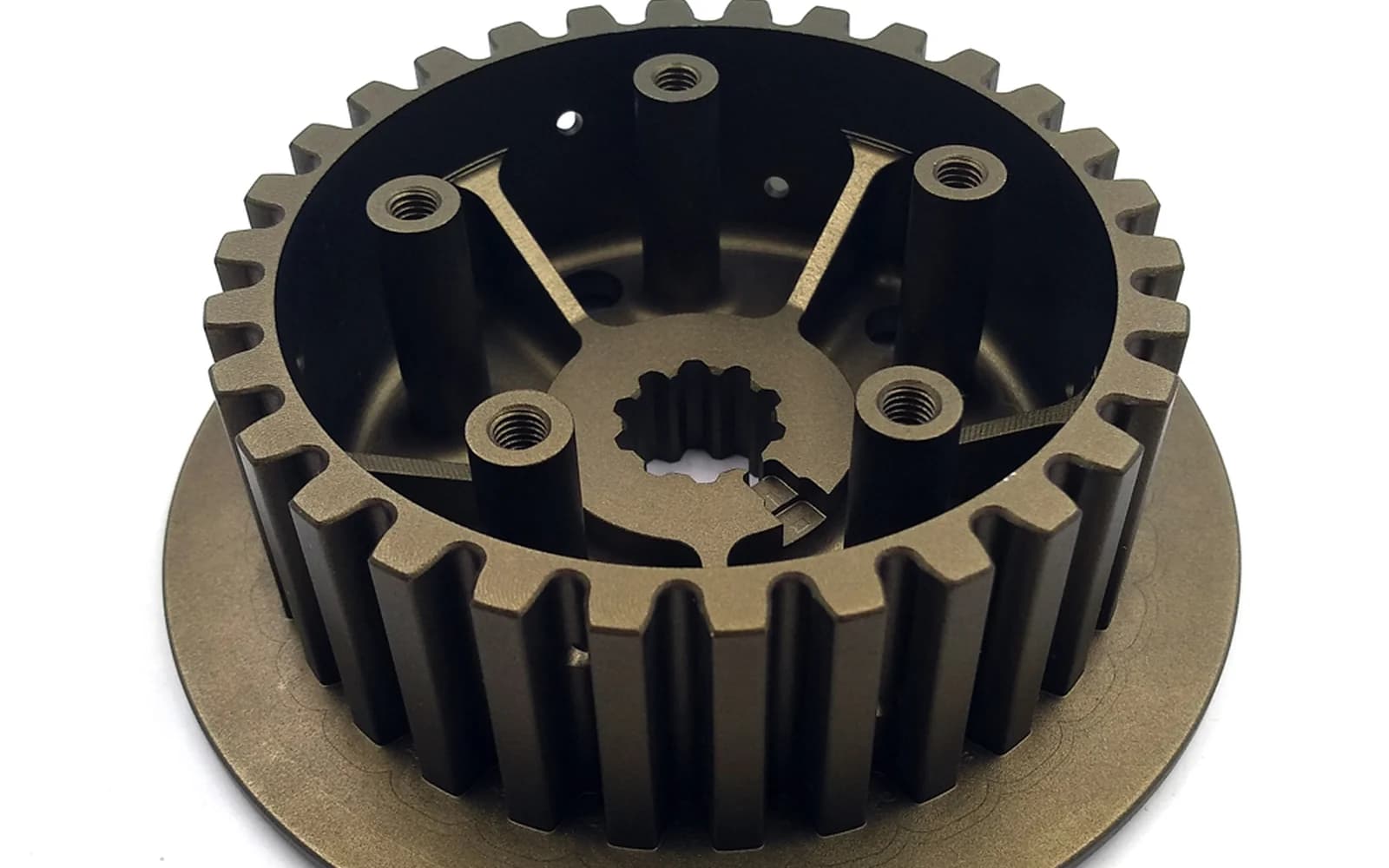
- Inspect the features the process can control directly and finish-machine critical holes, threads, sealing faces or datums when the drawing requires more precision.
Material and finish choices
- Engineering nylons are common for functional polymer parts; grade, reinforcement, moisture behavior and end-use temperature should be stated.
- Photopolymer resins can provide detail and appearance but require application-specific review for long-term load, heat, UV and chemical exposure.
- Thermoplastic filament routes offer broad material choices but layer direction and surface finish must be considered in the design.
- Metal additive alloys require a defined powder, build, heat-treatment, finishing and verification route; alloy name alone is not a complete specification.
Risk controls before quoting
- Do not assign machined-part tolerances to every printed surface; identify only the functional features that require post-machining or inspection.
- State load direction and operating environment because printed properties and failure modes can depend on build orientation and post-processing.
- Enclosed powder channels, trapped supports and inaccessible surfaces should be reviewed before release.
- Regulated or safety-critical use needs an agreed qualification and traceability plan; a general material datasheet is not part-level certification.
RFQ inputs that improve quote accuracy
- STEP or STL geometry plus a drawing for critical dimensions, datums, threads and surface requirements.
- Intended function, loads, temperature, chemicals, UV exposure and required service life.
- Material preference, color, cosmetic zones, inserts, heat treatment and secondary machining requirements.
- Quantity, target delivery, inspection plan and any lot traceability or certificate requirement.
Related FabVector resources
- Industrial 3D printing service
- CNC machining vs 3D printing
- Nylon PA6 material guide
- Research and development parts
When the part includes thin walls, sealing faces, tight datums, threaded features or inspection requirements, upload the CAD model through the structured RFQ flow so material, finish, tolerance, inspection and delivery expectations stay attached to the same request.
Buyer questions
Questions about this manufacturing route
Which industrial 3D printing process should I choose?
SLS and MJF are common starting points for functional polymer parts, SLA for fine visual detail, and FDM for economical larger fixtures. Metal powder-bed fusion is reviewed for geometry-driven metal applications. Final selection depends on material, loads, tolerance, finish, quantity and documentation.
Can FabVector finish-machine a 3D-printed part?
Yes. Critical bores, threads, sealing faces and datums can be CNC finished when sufficient stock and a workable datum strategy are designed into the printed blank. The additive and machining routes are reviewed together before quoting.
Are 3D-printed parts suitable for production use?
They can be when the selected process, material, orientation, post-processing and verification match the operating environment. Production suitability must be demonstrated against the application rather than inferred from a generic material datasheet.
Does industrial 3D printing receive an instant price?
No. Industrial additive RFQs receive manual engineering review because orientation, support strategy, post-processing, inspection and any secondary machining materially affect price and lead time.
Related resources
RFQ next step
Turn this requirement into a quote package.
Upload CAD, select material, finish, tolerance, inspection and delivery context. FabVector keeps the quote inputs tied to the same engineering request.
Start structured RFQ