5-Axis CNC Machining Service: When It Beats 3-Axis and How to Quote It
A practical 5-axis CNC machining service guide for complex angles, impellers, robotics housings, aerospace brackets and tight multi-face tolerances.
2026-06-30 · FabVector Engineering
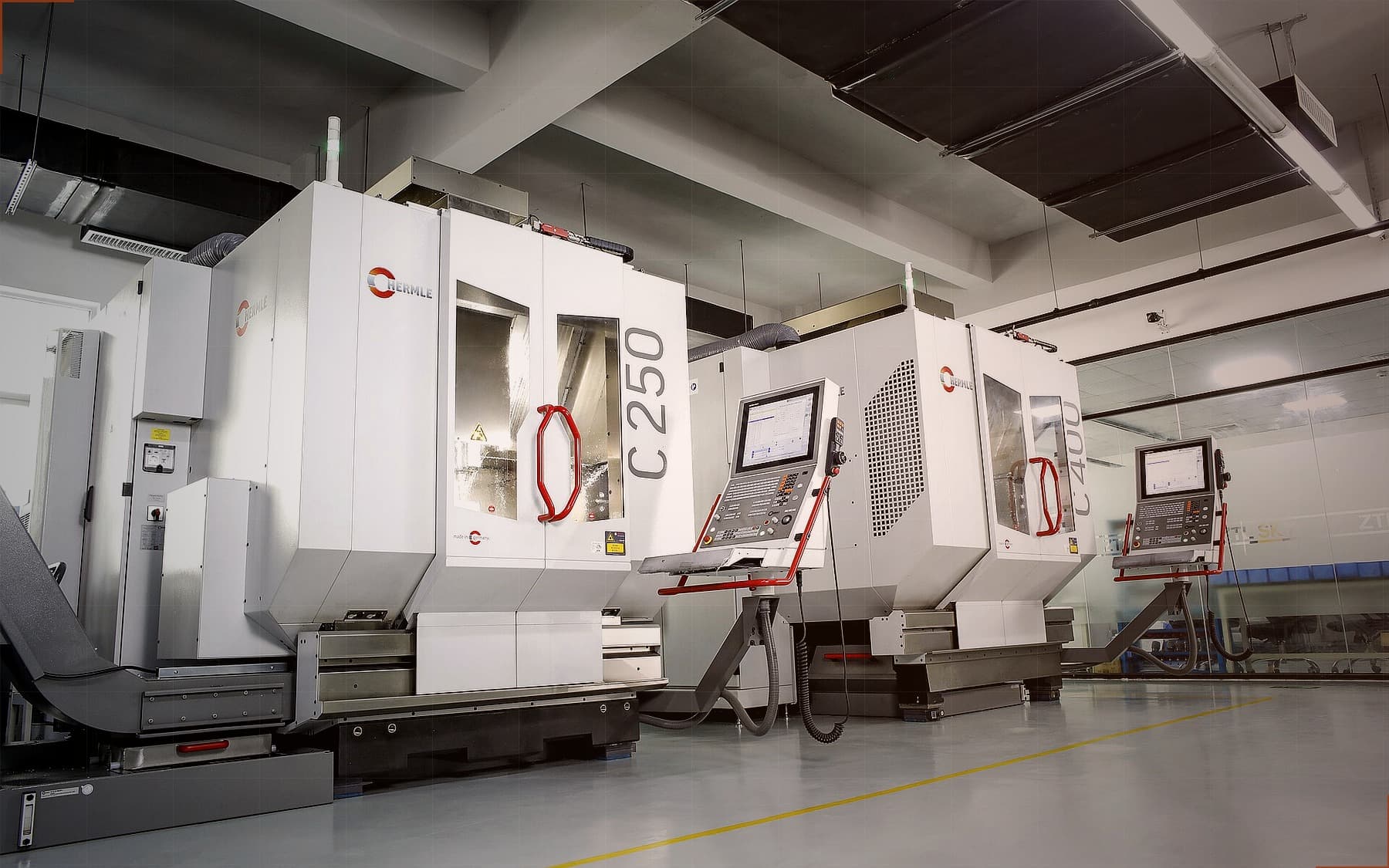
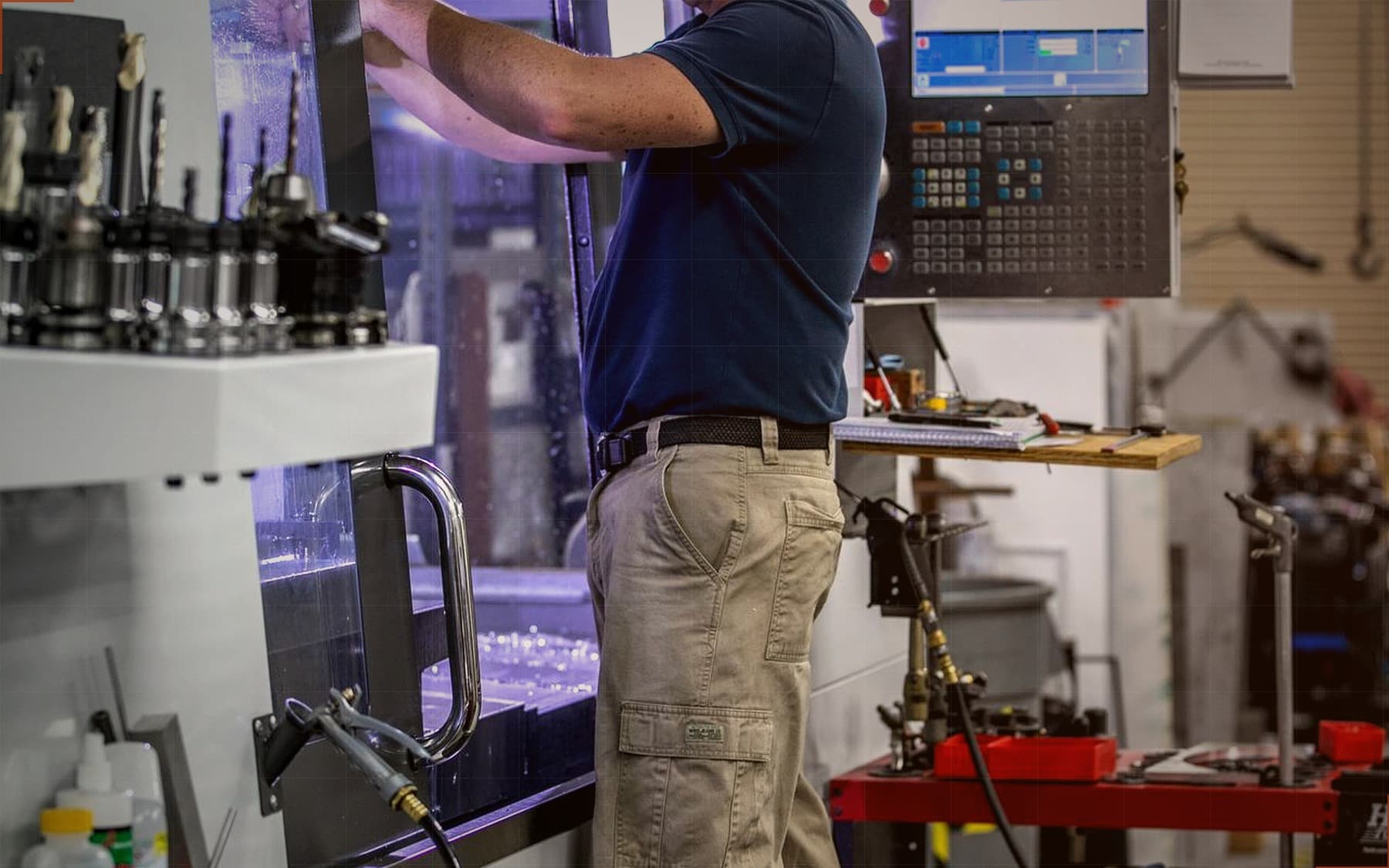
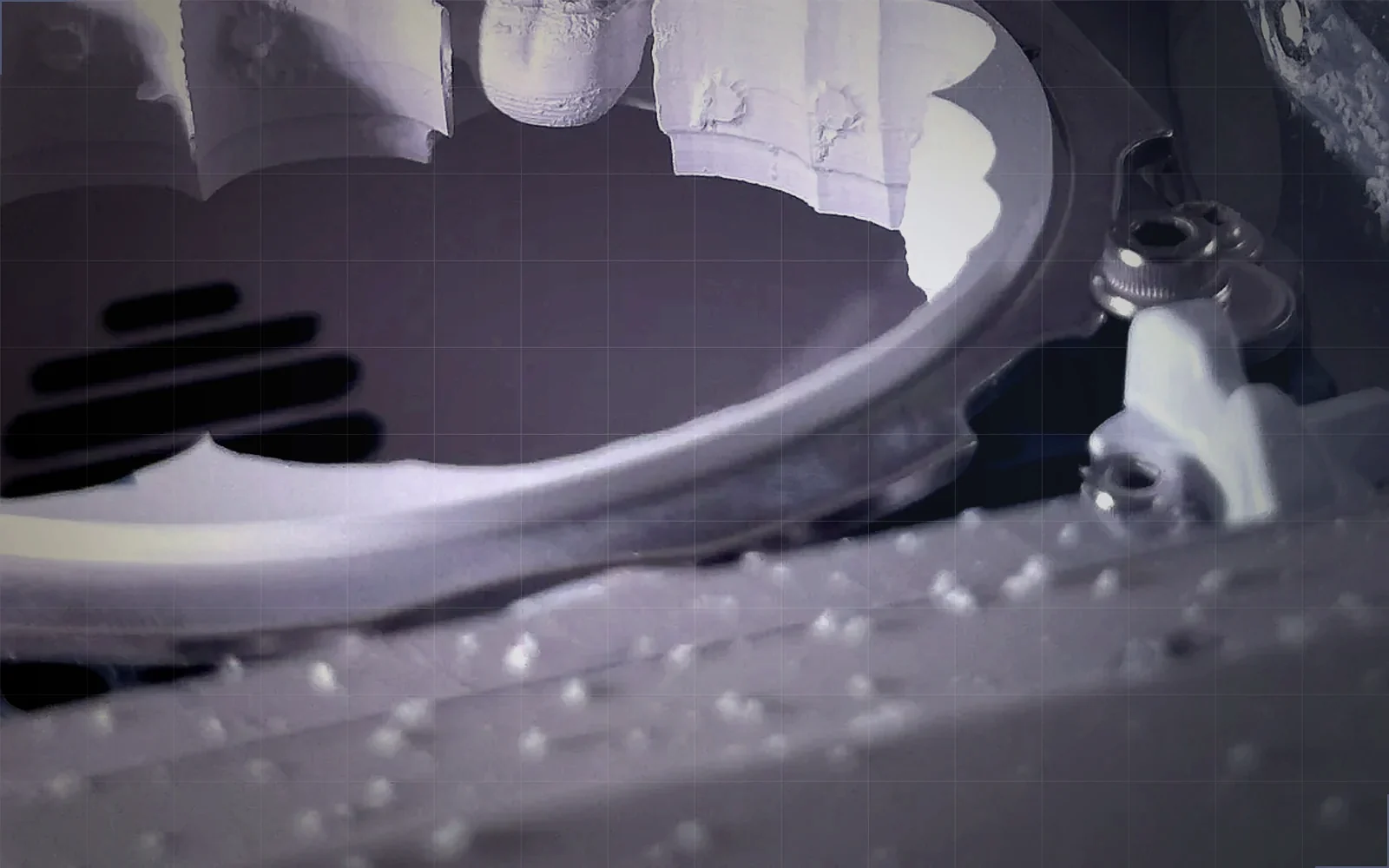

What buyers are trying to solve
Searches for 5-axis CNC machining service usually come from engineering or procurement teams that already have a CAD model and need a manufacturable route, not a generic machining definition. The decision is normally about material risk, tolerance risk, surface finish, inspection paperwork and whether a supplier can move from prototype to repeat production without changing the process.
Best-fit applications
- Parts with compound-angle features, underside access or multiple critical faces.
- Aerospace brackets, robot joints, impellers, turbine-like surfaces and optical mounts.
- Components where reducing setups improves positional accuracy and schedule.
Manufacturing route
- Use 5-axis indexed machining for multi-face features and simultaneous 5-axis for freeform surfaces.
- Define datum strategy before programming so inspection matches the machining setup.
- Combine roughing, stress relief and finishing when material movement is likely.
Material and finish choices
- Aluminum 7075 and titanium Grade 5 for structural parts with high strength-to-weight needs.
- Stainless 316L and 17-4 PH when corrosion resistance or strength dominates.
- PEEK and PEI for high-performance polymer components with complex access.
Risk controls before quoting
- Specify which surfaces are function-critical; not every surface needs tight tolerance.
- Avoid unnecessary ±0.005 mm callouts on freeform cosmetic faces.
- Include inspection method when positional tolerances cross multiple setups.
RFQ inputs that improve quote accuracy
- STEP file, 2D drawing, target datum scheme and quantity ladder.
- Material condition, heat treatment and finish requirements.
- Any machine-access constraints such as deep cavities or small internal radii.
Related FabVector resources
When the part includes thin walls, sealing faces, tight datums, threaded features or inspection requirements, upload the CAD model through the structured RFQ flow so material, finish, tolerance, inspection and delivery expectations stay attached to the same request.
Buyer questions
Questions about this manufacturing route
What matters most when sourcing 5-axis CNC machining service?
The critical inputs are CAD revision, material grade, tolerance stack, surface finish, quantity, inspection scope and delivery target. Missing any one of these usually creates quote revisions later.
Can FabVector quote from a STEP or STL file?
Yes. STEP and STL can start the structured RFQ. Drawings, GD&T, material certificates and inspection requirements should be attached when the part has regulated or tolerance-critical features.
What process route is usually reviewed first?
Use 5-axis indexed machining for multi-face features and simultaneous 5-axis for freeform surfaces.
What documentation can be requested?
CMM inspection, FAI, CoC, material certificates, traceability records and packing photos can be requested when the project requires them.
Related resources
RFQ next step
Turn this requirement into a quote package.
Upload CAD, select material, finish, tolerance, inspection and delivery context. FabVector keeps the quote inputs tied to the same engineering request.
Start structured RFQ