Material · Aluminum Alloys
Aluminum 6061-T6
The default CNC aluminum: strong enough for most jobs, machines fast, anodizes well.
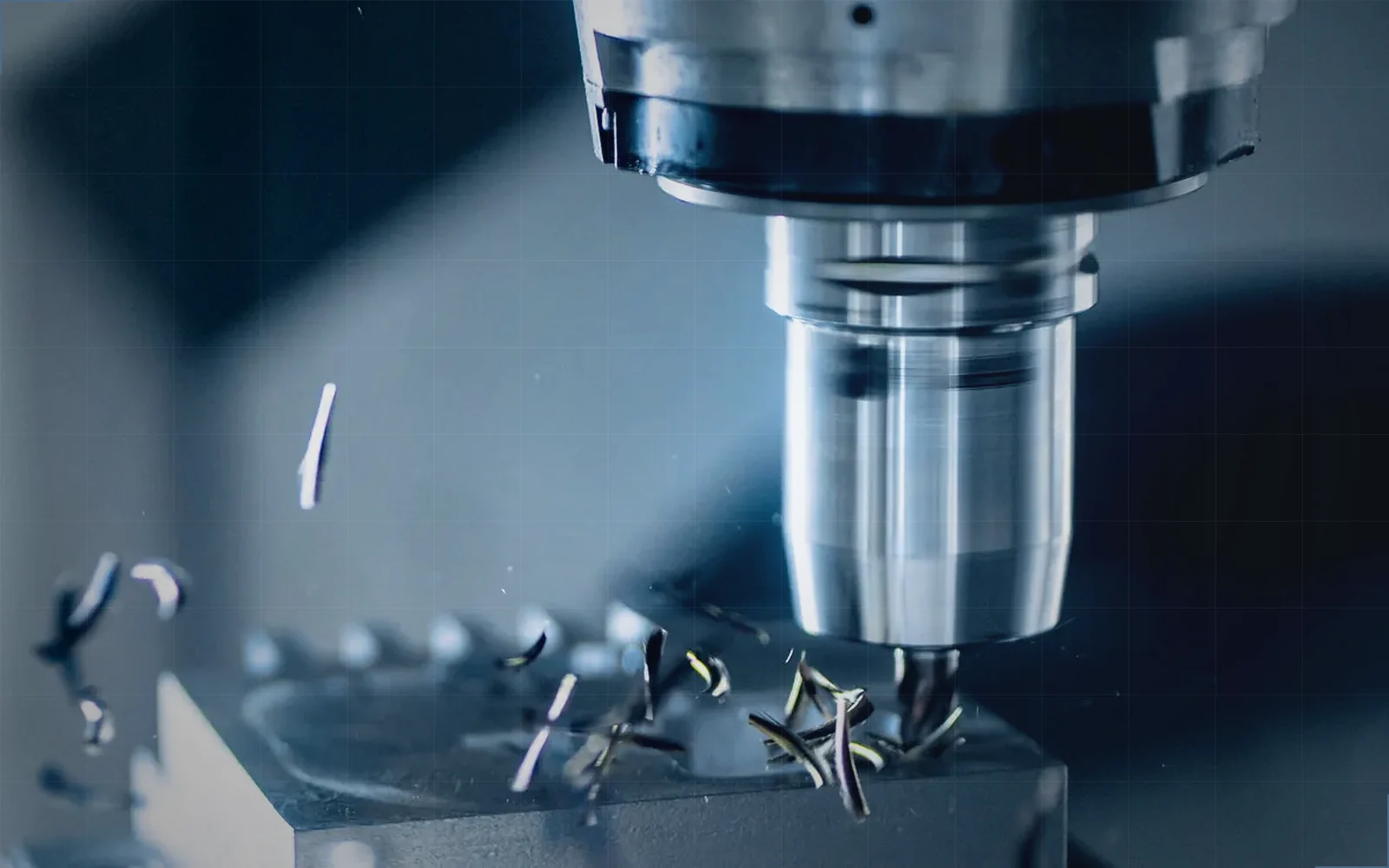
Price index: $
Instant quote onlineMaterial properties
| Parameter | Value |
|---|---|
| Tensile strength | 310 MPa |
| Yield strength | 276 MPa |
| Hardness | 95 HB |
| Density | 2.70 g/cm³ |
Choose it when
Default choice for structural and enclosure parts: the best balance of strength, machinability, cost and anodizing response. If in doubt, start here.
Look elsewhere when
Step up to 7075 when strength or fatigue governs the design; pick 6063 for display-grade anodized cosmetics; pick 5052/5083 for welded or marine assemblies.
Compatible finishes
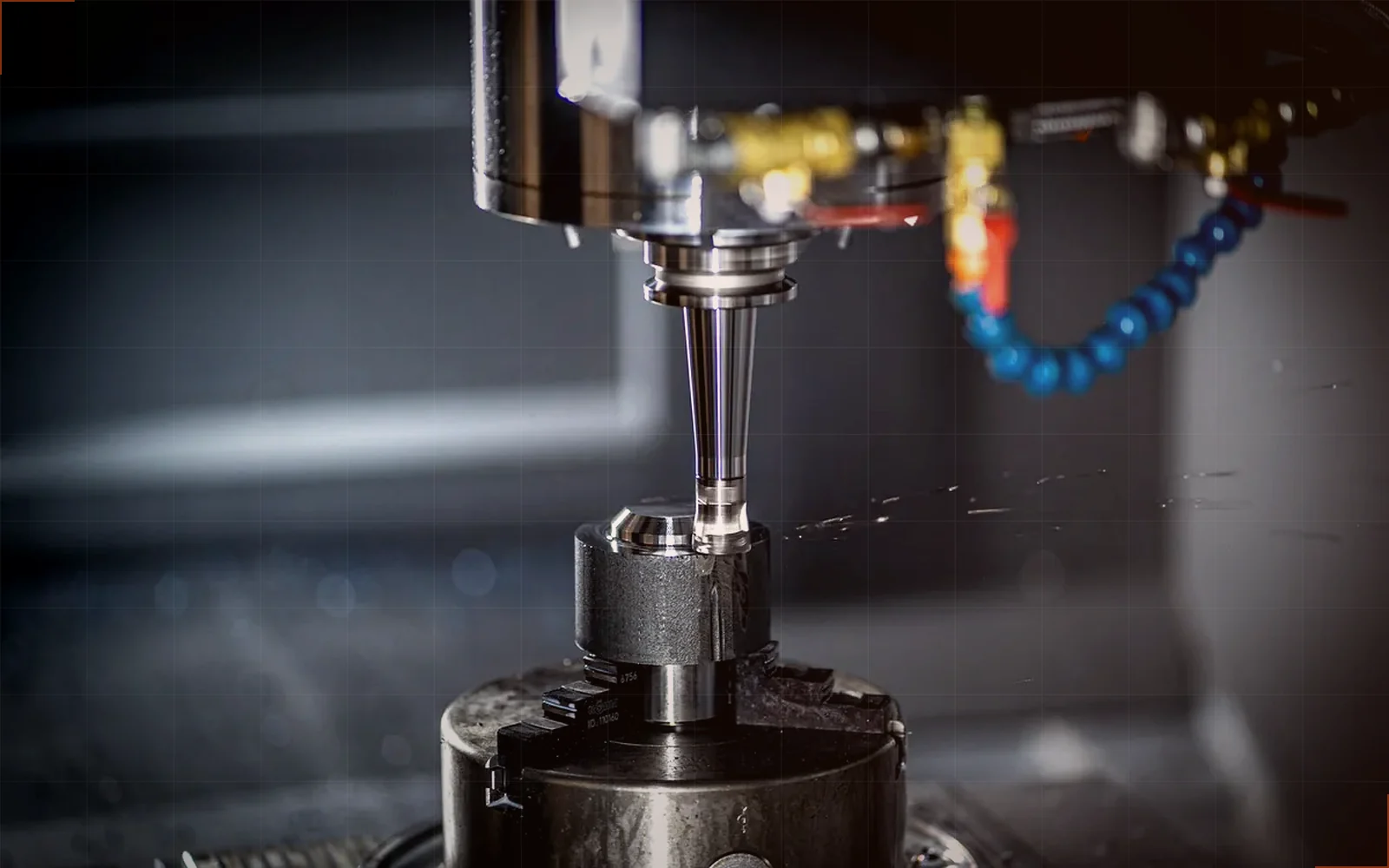
As-Machined
The baseline finish: straight off the machine, fastest and cheapest.
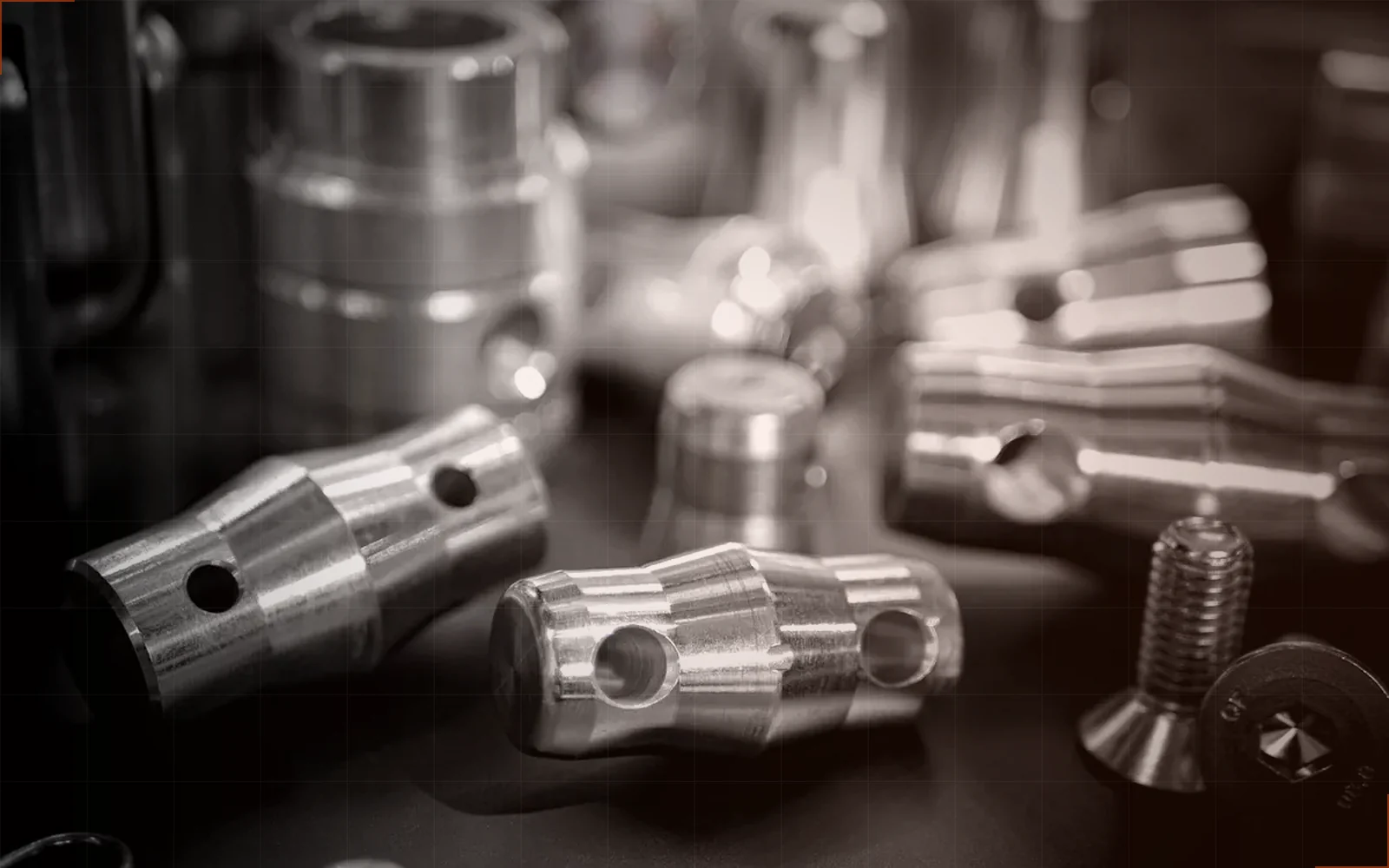
Anodizing Type II (Clear)
The standard aluminum finish: hard, clear oxide that keeps the metallic look.
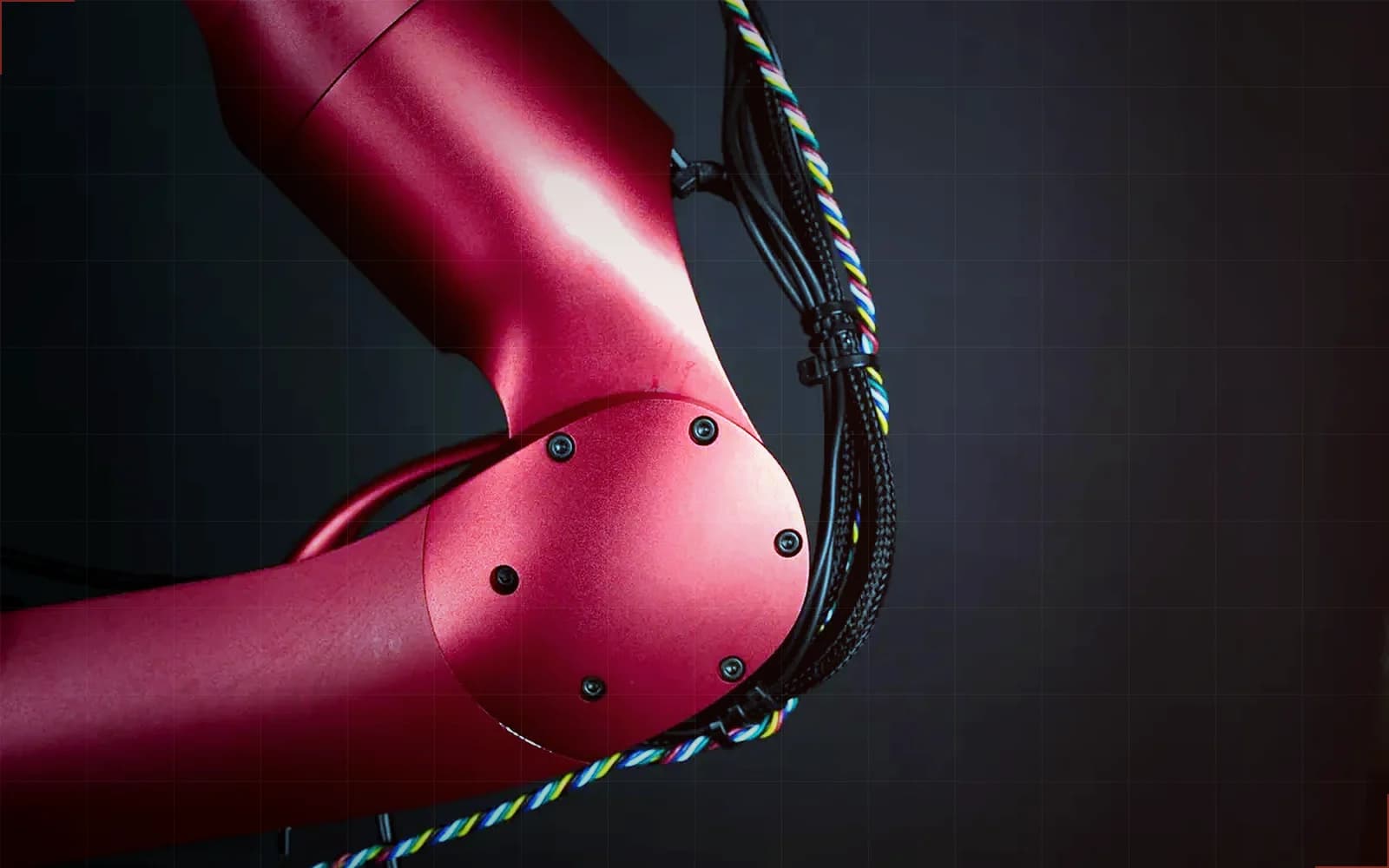
Anodizing Type II (Dyed)
Color that cannot peel: dye locked inside the part’s own oxide layer.
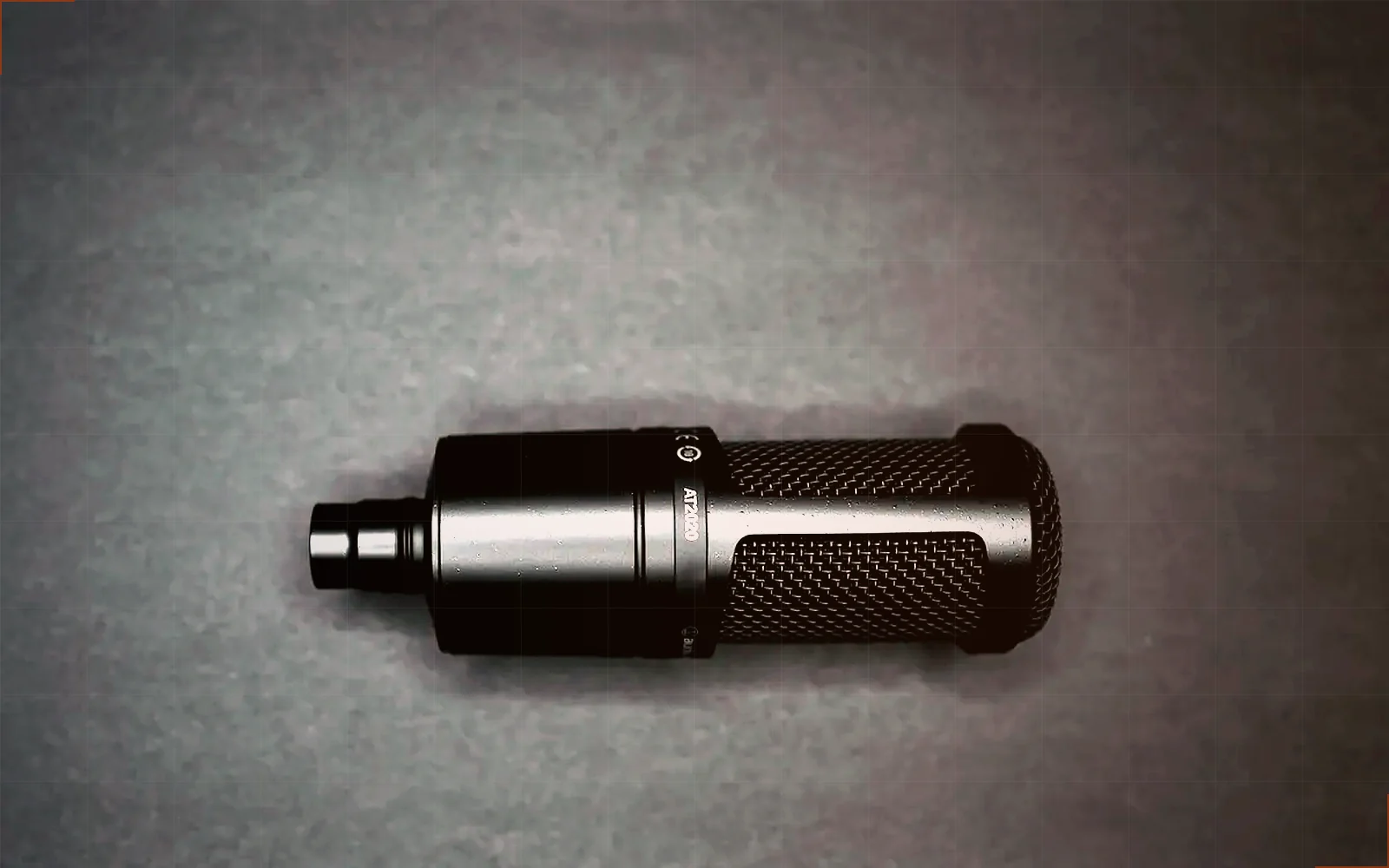
Hardcoat Anodizing Type III
Wear armor for aluminum: an oxide layer as hard as tool steel.
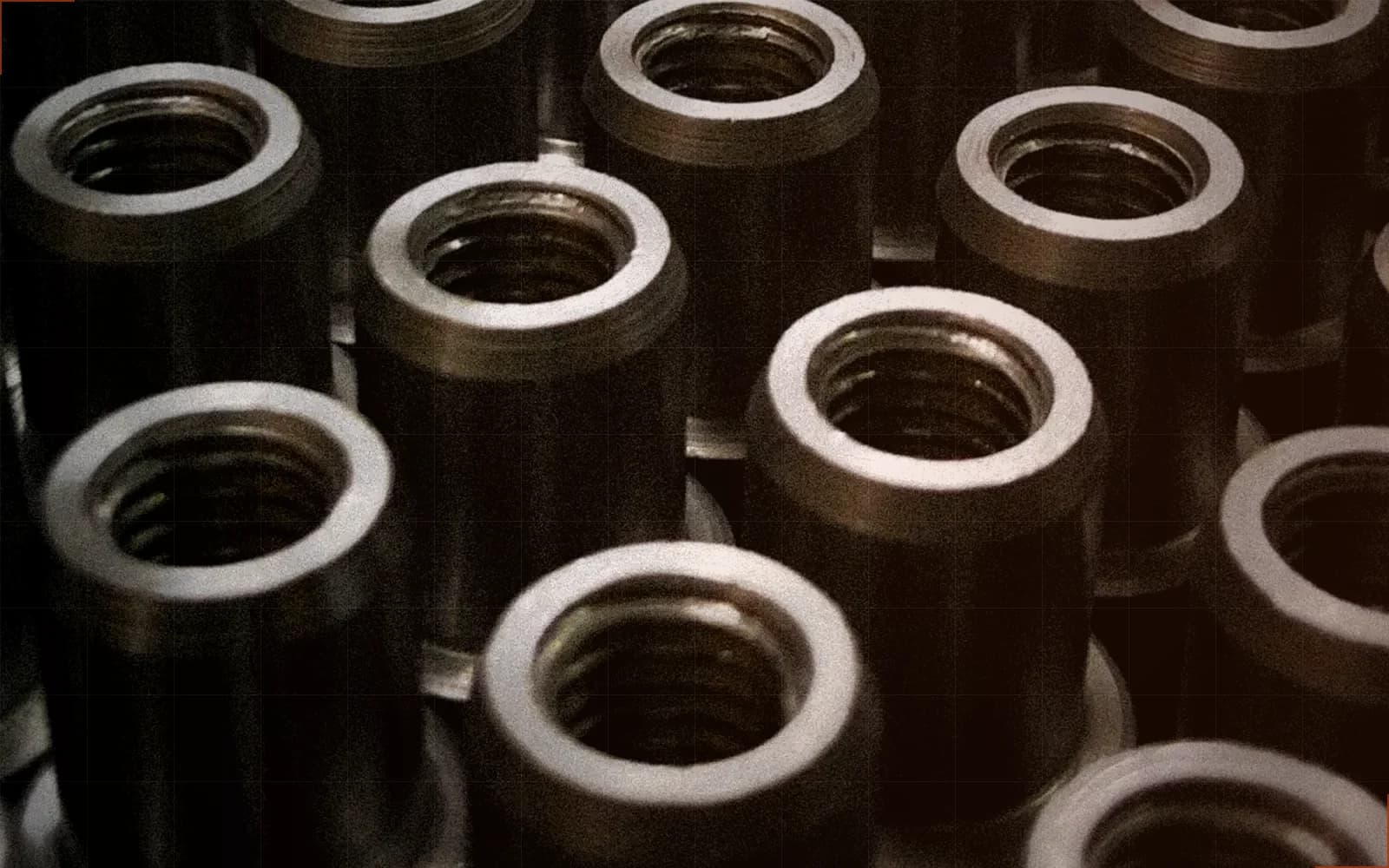
Chromate Conversion (Alodine / Chem Film)
Corrosion protection that stays conductive — the EMI-grounding finish for aluminum.
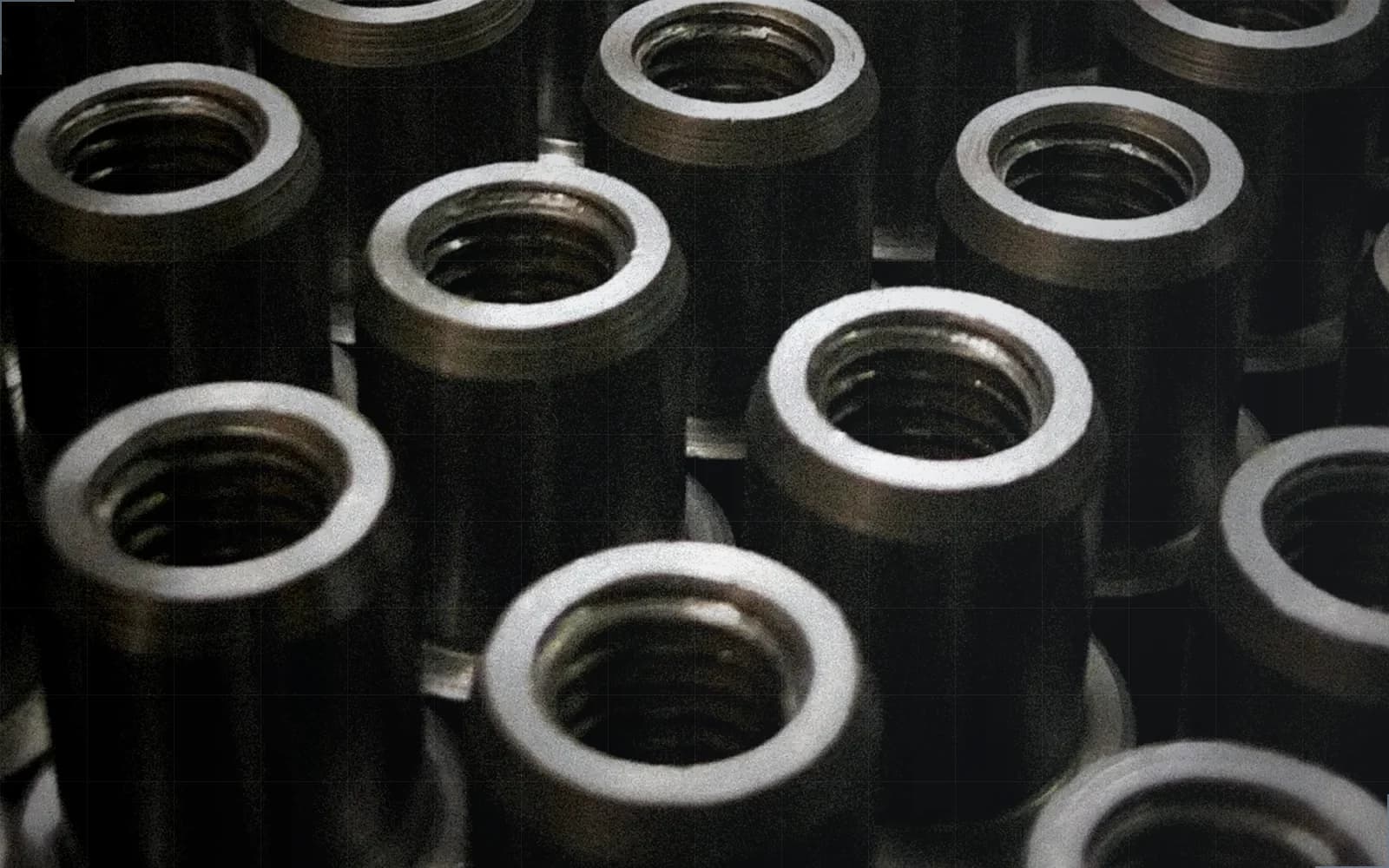
Electroless Nickel Plating (ENP)
Plating without electricity: dead-uniform thickness everywhere, bores and threads included.
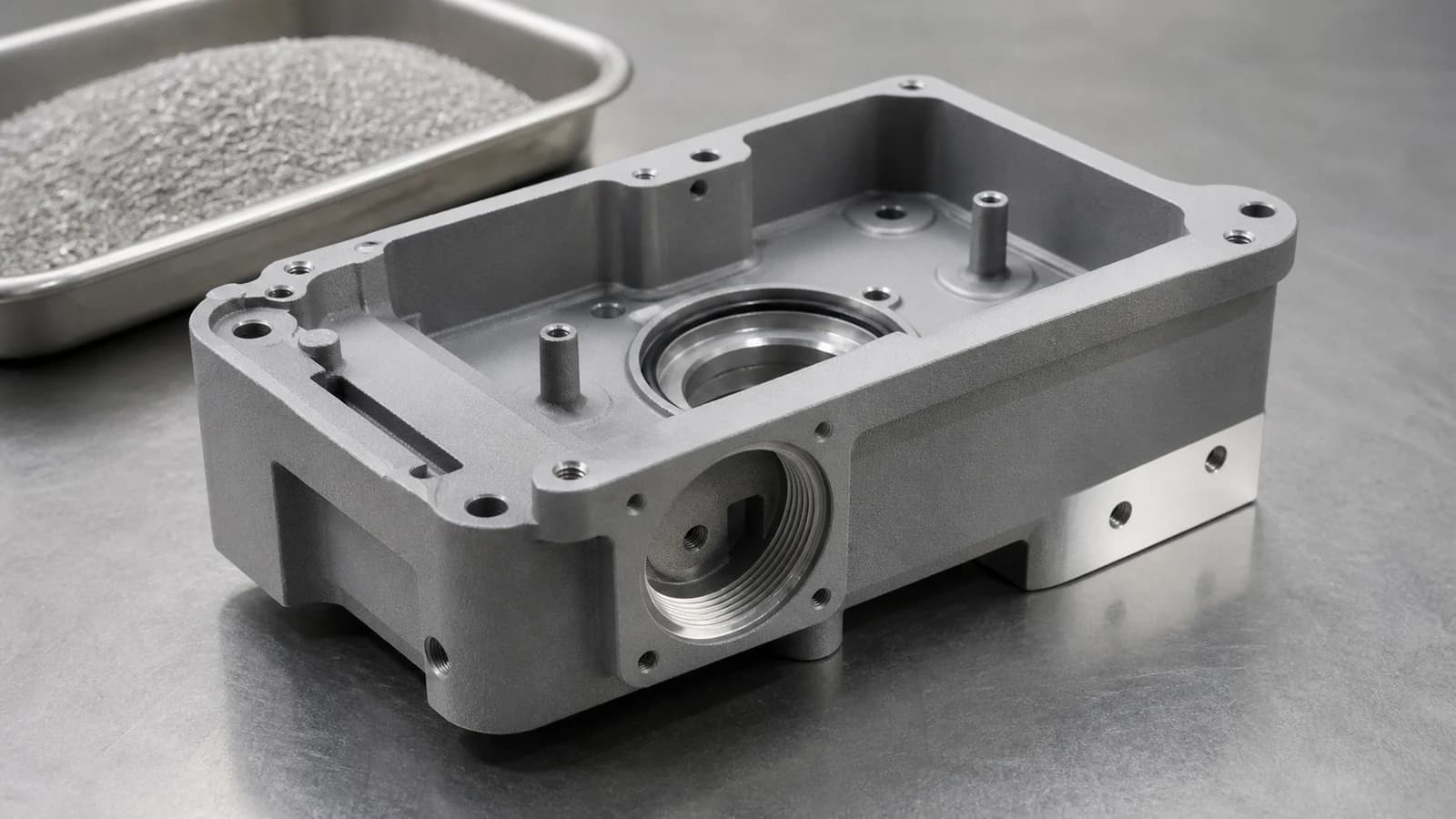
Bead Blasting
The uniform matte look: erases tool marks, hides fingerprints, preps perfect anodizing.
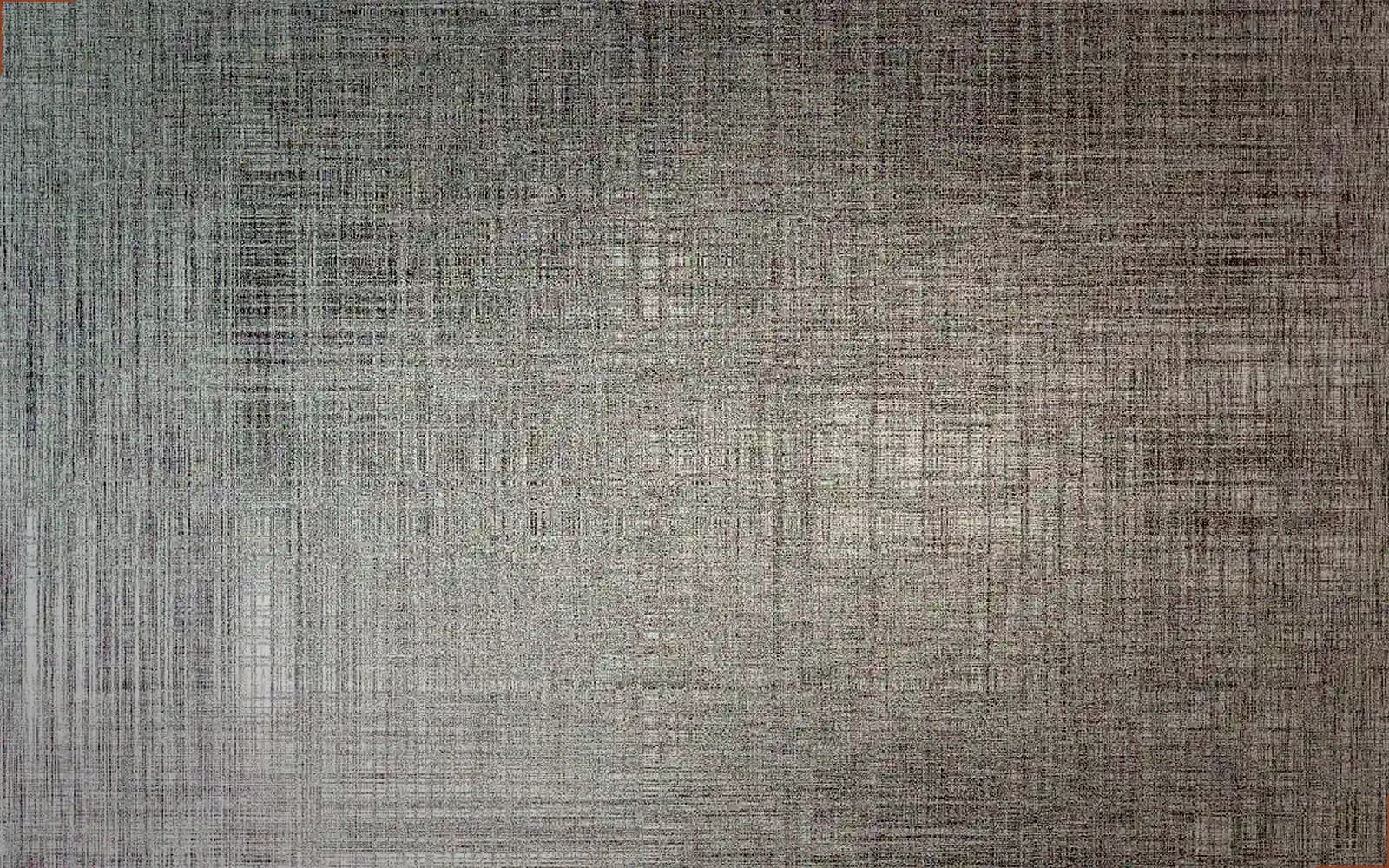
Brushed Finish
The appliance-grade look: directional satin grain on panels, bezels and show faces.
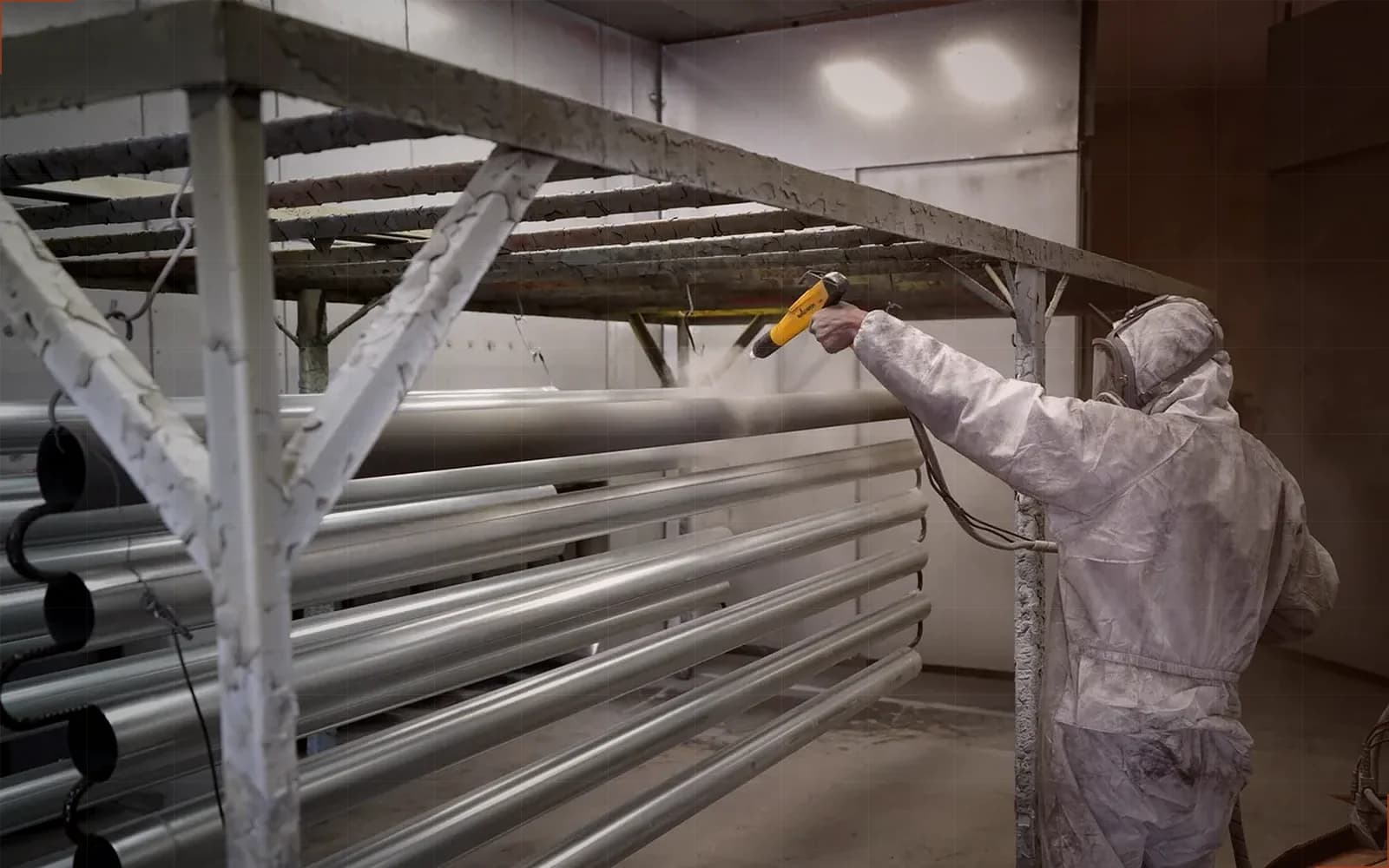
Powder Coating
Baked-on polymer armor: any RAL color, outdoor-proof, the toughest cosmetic coating.
Wet Painting
Any color, any gloss, any substrate: the flexible coat for plastics and appearance prototypes.

Vibratory Tumbling
Batch deburring by the bowl-full: every edge broken, every burr gone, at volume prices.
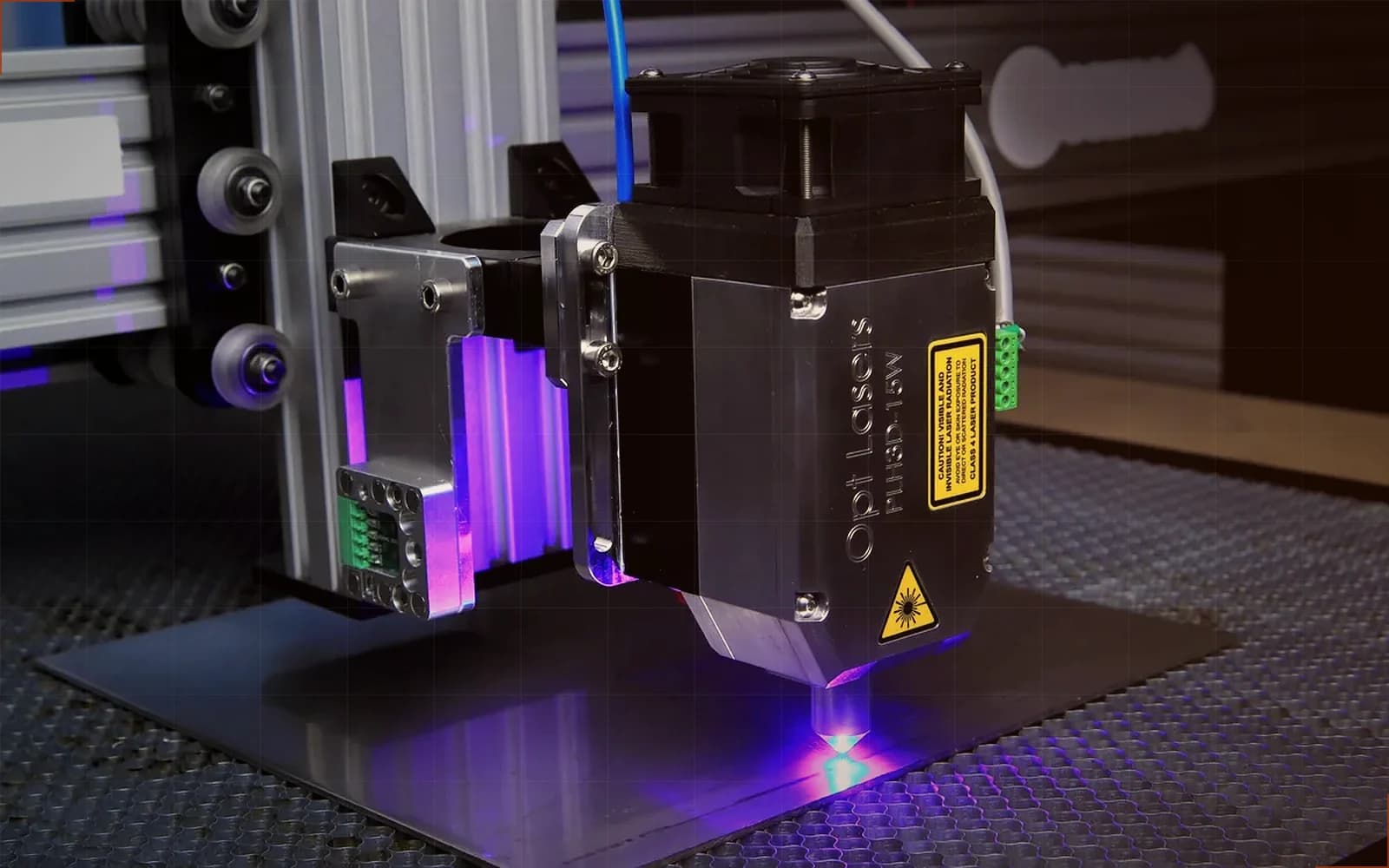
Laser Marking
Permanent identification with zero dimensional change: serials, logos and codes burned in, not stuck on.
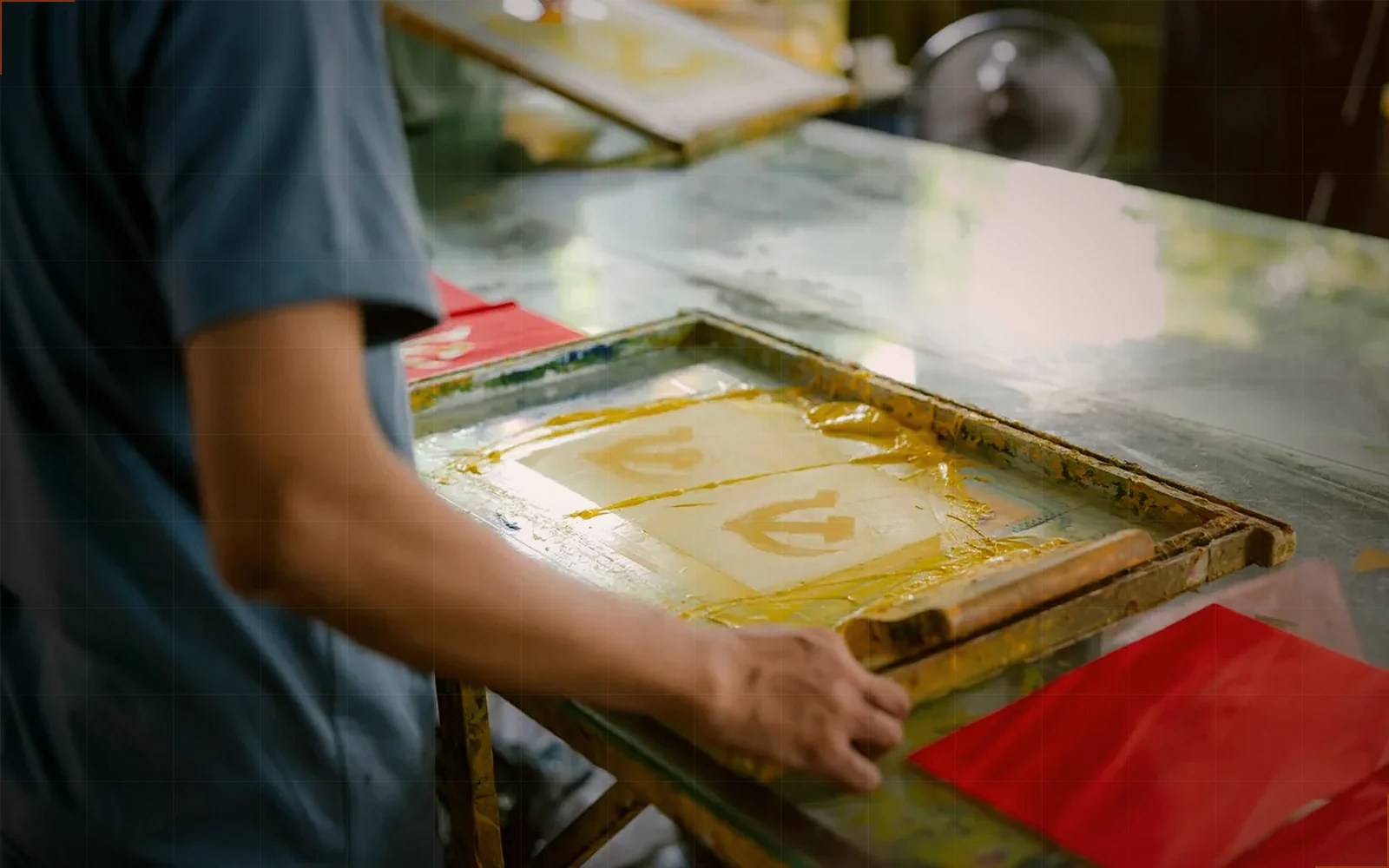
Silk Screening
The multi-color marking: inked legends and logos where laser’s single tone is not enough.
Typical applications
- Robot frames and structural brackets
- Electronics enclosures and heat sinks
- Drone arms and motor mounts
- Fixtures and automation tooling
Compared with similar grades
| Property | Aluminum 6061-T6 | Aluminum 6063-T5 | Aluminum 7075-T6 | Aluminum 2024-T351 |
|---|---|---|---|---|
| Tensile strength | 310 MPa | 186 MPa | 572 MPa | 470 MPa |
| Yield strength | 276 MPa | 145 MPa | 503 MPa | 325 MPa |
| Hardness | 95 HB | 60 HB | 150 HB | 120 HB |
| Density | 2.70 g/cm³ | 2.69 g/cm³ | 2.81 g/cm³ | 2.78 g/cm³ |
| Price index | $ | $ | $$ | $$ |
| Machinability | 5/5 | 4/5 | 3/5 | 3/5 |
Aluminum 6061-T6 buyer questions
016061-T6 or 6061-T651 — does the suffix matter for a machined part?
It matters for plate. T651 is T6 plate that has been stress-relieved by controlled stretching; when material is machined away it stays put, whereas ordinary T6 plate can release residual stress and bow or twist as pockets open up. Specify T651 for any thin-walled, asymmetric or large flat part cut from plate. Bar and extrusion are normally supplied T6 or T6511 and are less of a concern. The mechanical properties are the same in either case — the suffix is about stability during machining, not strength.
02How well does 6061 anodize, and what changes on the drawing?
Very well — it is the reference alloy for clear and colour Type II anodizing and takes hardcoat Type III cleanly. Two things belong on the drawing. Anodizing adds thickness: roughly half of a hardcoat layer builds outward from the original surface, so any fit that matters should be dimensioned as applying after coating, or the feature masked. And threads and datum faces are normally masked, so list them. If the part is a display-grade cosmetic component where a perfectly even bright finish is the point, 6063 anodizes slightly cleaner; for everything structural, 6061 is the right call.
03Can 6061 be welded?
Yes, with 4043 or 5356 filler, and it is one of the reasons 6061 is the default structural alloy. The catch is the heat-affected zone: welding wipes out the T6 strength locally, and the joint region ends up well below T6 properties unless the whole assembly is solution-treated and re-aged afterwards, which is rarely practical. Design welded 6061 structures around the softened zone, keep welds away from the most loaded sections, and machine critical fits after welding rather than before. For structures that are mostly weld, 5052 or 5083 — which do not depend on heat treatment for their strength — are often the better choice.
046061, 6063, 5052 or 7075 — how do I pick between them?
Start at 6061 and move only for a reason. Go to 7075 when strength or fatigue governs and you need to thin a section — it has nearly double the yield strength, the same stiffness, and cannot be welded. Go to 6063 when the part is a cosmetic extrusion or a display-grade anodized surface; it is weaker but anodizes more evenly. Go to 5052 or 5083 when the part is formed from sheet, heavily welded, or lives in a marine environment. If none of those apply, 6061 gives the best combination of machinability, cost, anodizing response and availability, which is why it is the default.
05What should I watch for when specifying 6061 parts?
Four things that are cheap on the drawing and expensive after delivery. Threads that will be assembled repeatedly gall in soft aluminium — call out threaded inserts. Steel fasteners against bare aluminium set up galvanic corrosion in damp service — specify plated fasteners, anodizing, or isolation. Thin edges burr easily — state the edge-break you want rather than "deburr all edges". And on heat sinks and enclosures, put the flatness tolerance on the one mating face that needs it, not on the whole part; that is the difference between a routine job and a fixture-and-grind job.
06Does 6061 machine better than 7075 — and what does machinability actually mean here?
It depends which part of machining you mean, which is why the two alloys get rated differently by different sources. On cost and tool life 6061 wins: at roughly 95 HB against about 150 HB for 7075-T6 it cuts with lower forces, is kinder to tooling and is the cheaper stock — that is the sense in which it carries the higher machinability rating. On chip behaviour and surface finish 7075 is the better-behaved alloy: 6061-T6 is gummy, builds up on the cutting edge and throws stringy chips unless you run sharp polished high-rake tooling with real coolant, while 7075 breaks chips cleanly and takes a finer finish. And on the thing that actually scraps parts — distortion — neither alloy is automatic: both move when residual stress leaves plate stock, which is what stress-relieved T651 material is for. Practical reading: a routine bracket is faster and cheaper in 6061; a thin-walled part where finish and dimensional behaviour under the cutter matter is often easier to hold in 7075-T651, and you are paying for the strength anyway.
CNC machining service by country
Have a part in mind?
Upload CAD or drawings. Eligible CNC work gets an instant estimate; other processes move to engineer review. NDA-protected from the first byte.
Start an RFQ