Custom Forging and Machining: A Buyer Guide for Load-Bearing Parts
How to source forged and finish-machined components: process selection, machining allowance, heat treatment, inspection, tooling and RFQ requirements.
2026-08-02 · FabVector Engineering
What buyers are trying to solve
Searches for custom forging and machining usually come from engineering or procurement teams that already have a CAD model and need a manufacturable route, not a generic machining definition. The decision is normally about material risk, tolerance risk, surface finish, inspection paperwork and whether a supplier can move from prototype to repeat production without changing the process.
Best-fit applications
- Load-bearing shafts, links, rings, flanges, hubs and hydraulic components where grain flow and fatigue performance matter.
- Replacement or redesign programs that need a forged blank plus controlled machining of datums, bores, threads and sealing faces.
- Prototype-to-production orders where tooling cost, annual demand and secondary operations must be evaluated together.
Manufacturing route
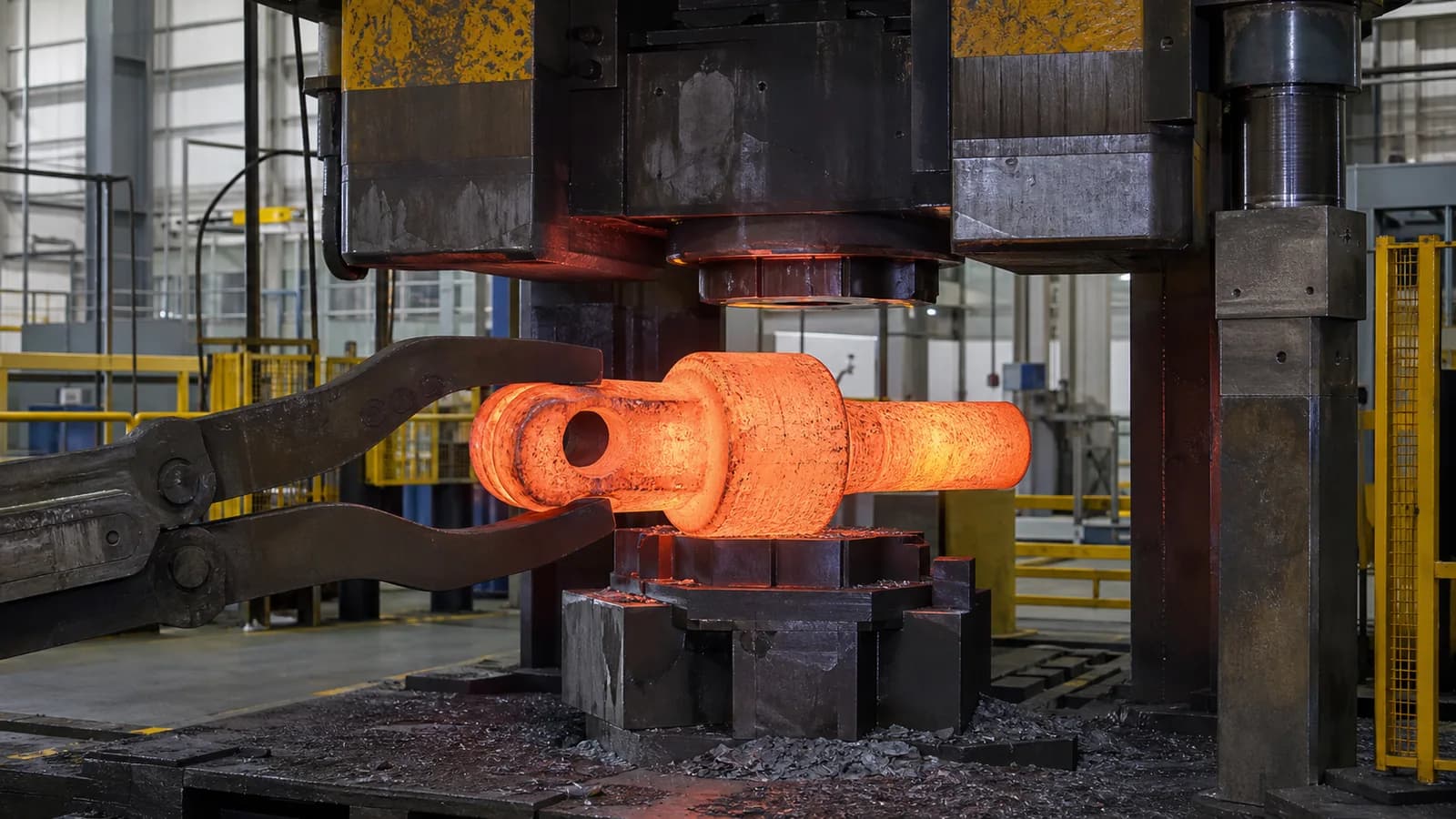
- Select open-die, closed-die or cold forging after reviewing geometry, alloy, quantity, load path and tooling economics; the final route is confirmed during engineering review.
- Define the forged envelope, draft, flash line, stock allowance and datum strategy before tooling so the machining plan does not fight the forging geometry.
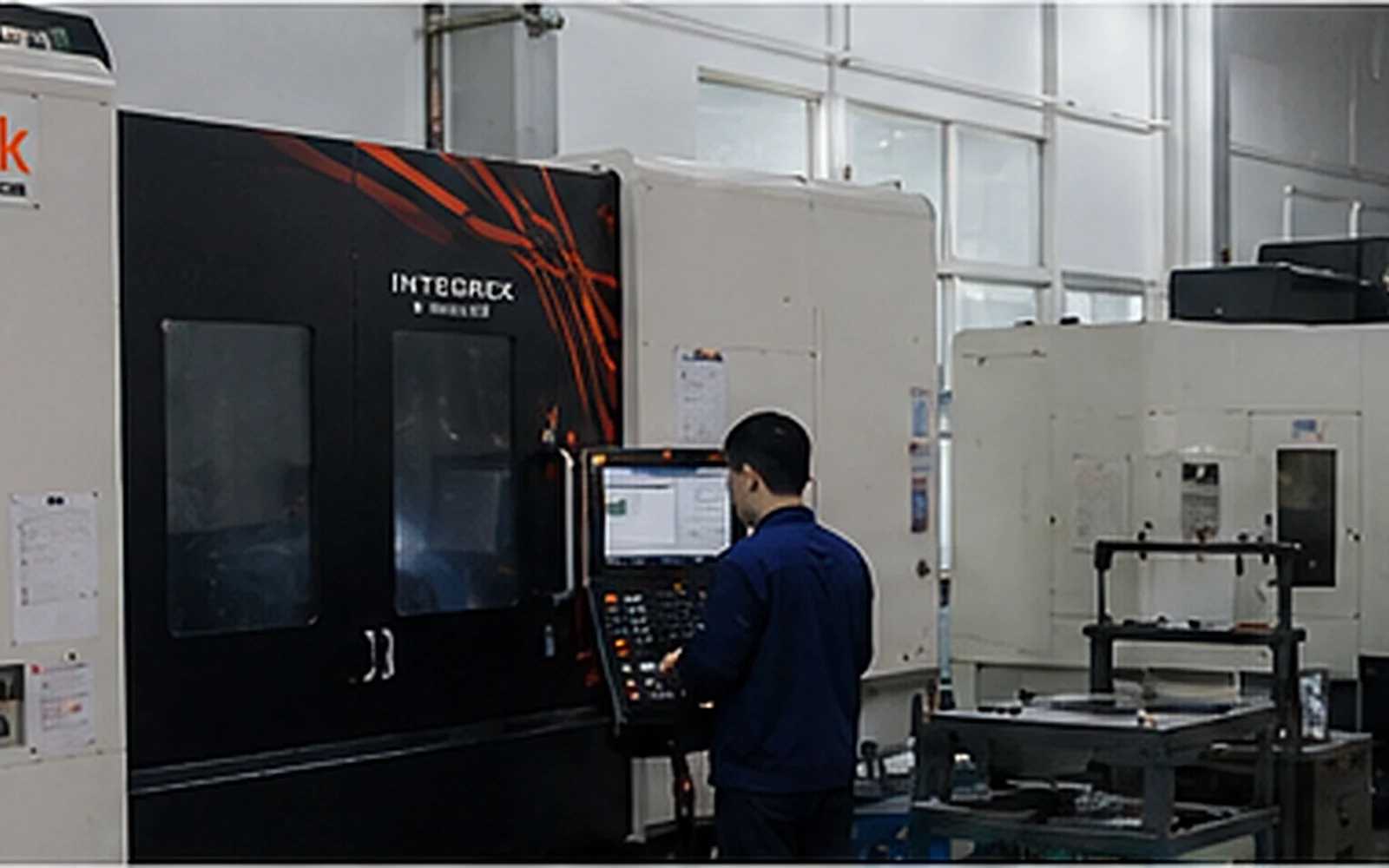
- Sequence heat treatment, straightening, rough machining and finish machining around distortion risk and the required mechanical condition.
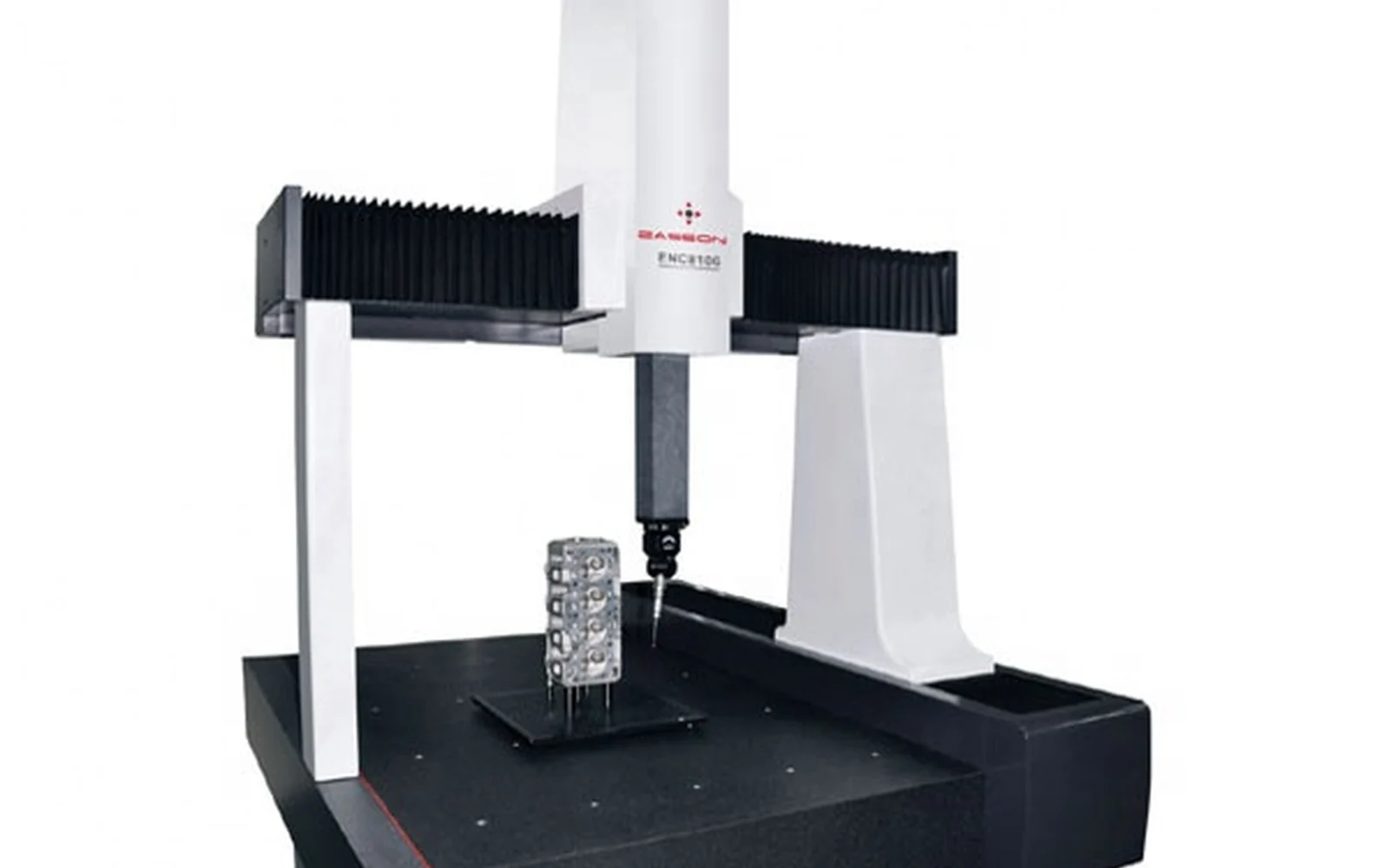
- Inspect material identity, forging condition and critical finished features under one control plan; add NDT only when the drawing or application requires it.
Material and finish choices
- Carbon and alloy steels are common for high-load parts; exact grade, heat treatment and hardness must come from the drawing or engineering specification.
- Stainless steel may fit corrosion-critical components but changes forging force, die wear, heat treatment and machining behavior.
- Aluminum forgings can reduce mass in transport and aerospace applications, subject to alloy, temper and documentation review.
- Surface protection such as plating, black oxide or paint is selected after material, environment and dimensional impact are known.
Risk controls before quoting
- Do not quote a finished drawing as if it were the forging drawing: machining stock, parting line, draft and scale-removal areas need explicit engineering review.
- State load direction, fatigue sensitivity and prohibited grain-flow interruptions so the forging route supports the actual function.
- Tooling ownership, expected tool life, replacement responsibility and revision rules should be agreed before a production release.
- Material certificates, heat-treatment records, hardness results, dimensional reports and NDT reports must be requested before production if required.
RFQ inputs that improve quote accuracy
- STEP model and finished-part drawing, plus any existing forging drawing or sample-part information.
- Exact material grade, heat-treatment condition, hardness range and applicable material or process specification.
- Prototype quantity, batch quantity, annual demand, target life and whether production tooling is acceptable.
- Critical datums, inspection sampling, traceability, NDT, coating, packaging and delivery requirements.
Related FabVector resources
- Custom forging service
- Production machining
- Heavy equipment components
- Hydraulic and pneumatic components
When the part includes thin walls, sealing faces, tight datums, threaded features or inspection requirements, upload the CAD model through the structured RFQ flow so material, finish, tolerance, inspection and delivery expectations stay attached to the same request.
Buyer questions
Questions about this manufacturing route
Can FabVector supply a forged blank and the finished machined part under one order?
Yes. FabVector can coordinate forging, heat treatment, rough and finish machining, surface treatment and inspection under one engineering-reviewed RFQ. The confirmed route and documentation scope are stated in the quote.
What information is needed to quote a custom forging?
Provide the finished STEP model and drawing, material and heat-treatment requirements, quantities and annual demand, critical load and datum information, inspection scope and any existing forging drawing or sample. Tooling cannot be priced reliably from a finished-part image alone.
When does forging make more sense than machining from bar or plate?
Forging becomes attractive when load path, fatigue performance, material utilization or repeat volume justifies a shaped blank and tooling. Machining from stock can remain the better route for prototypes, simple geometry or low demand. FabVector reviews both routes before committing.
Can forged parts include certificates and NDT reports?
Material certificates, heat-treatment records, hardness results, dimensional reports and specified NDT records can be included when they are defined in the RFQ and accepted quote. Requirements added after production may not be reconstructable.
Related resources
RFQ next step
Turn this requirement into a quote package.
Upload CAD, select material, finish, tolerance, inspection and delivery context. FabVector keeps the quote inputs tied to the same engineering request.
Start structured RFQ