Service
CNC Milling
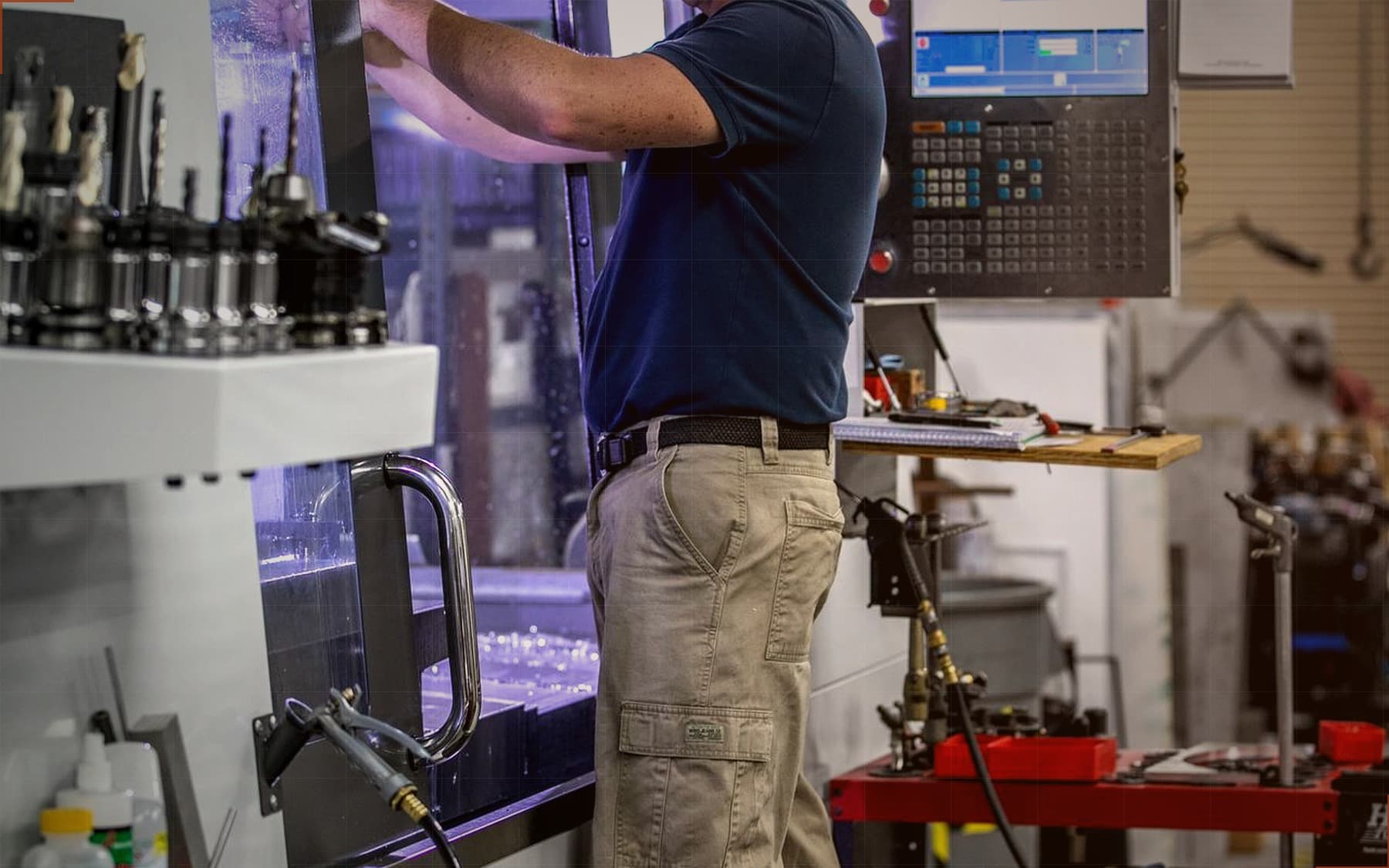
3- and 4-axis vertical machining for housings, brackets, manifolds and structural parts.
Capabilities
| Parameter | Value |
|---|---|
| Axes | 3-axis + 4th-axis rotary |
| Max travel | 1,000 × 600 × 500 mm |
| Positioning accuracy | ±0.005 mm |
| Min internal corner radius | 0.5 mm (Ø1 mm tool) |
| Surface finish | Ra 0.8 µm achievable |
| Typical lead time | 3–7 business days |
Typical applications
- Electronics enclosures and chassis
- Fluidic manifolds with cross-drilled ports
- Optical breadboards and sensor mounts
- Heat sinks with thin-fin geometry
Parts made with this process
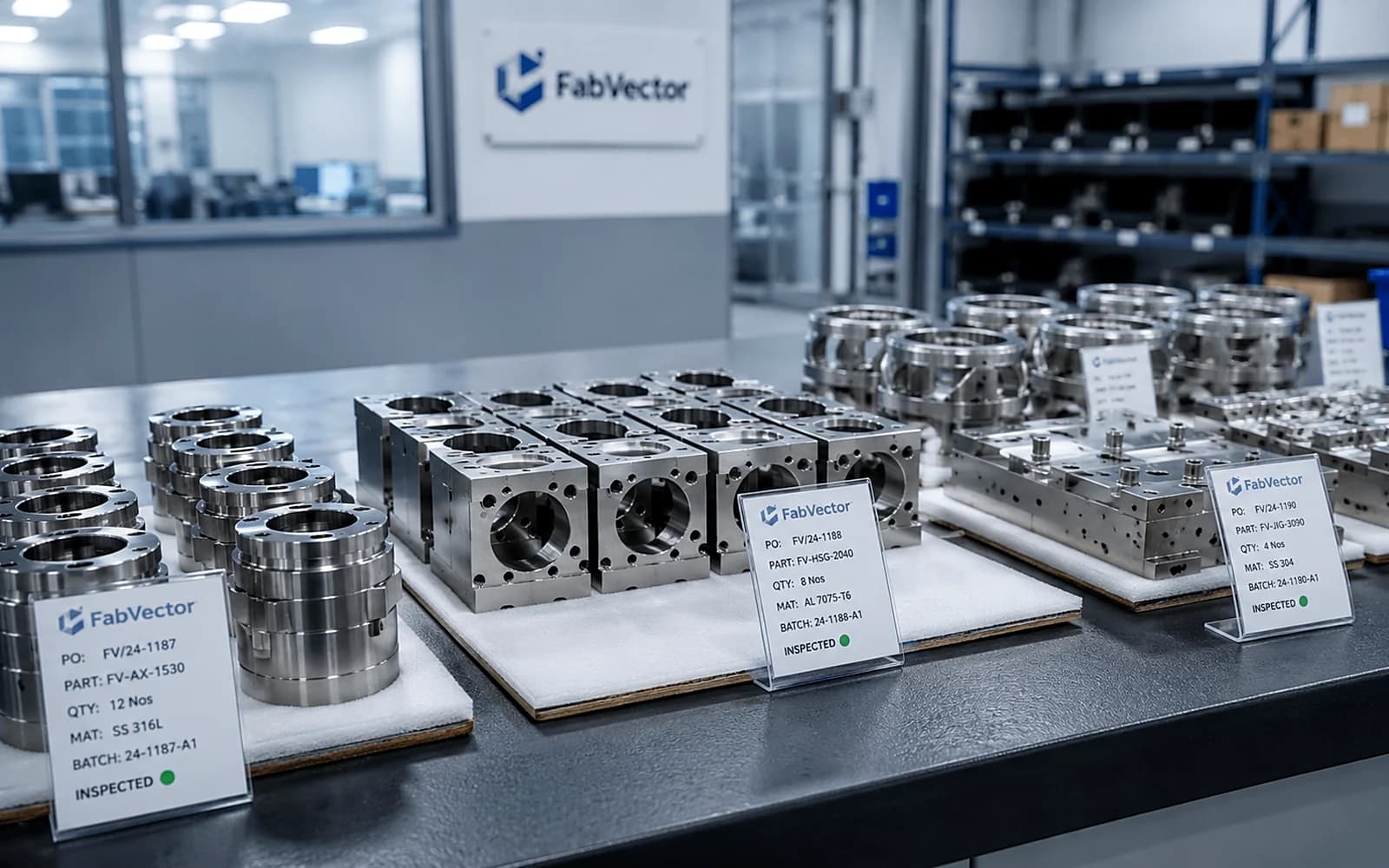
CNC Machined Enclosures & Housings
One-piece housings with controlled datums, sealed interfaces and assembly-ready finishes.
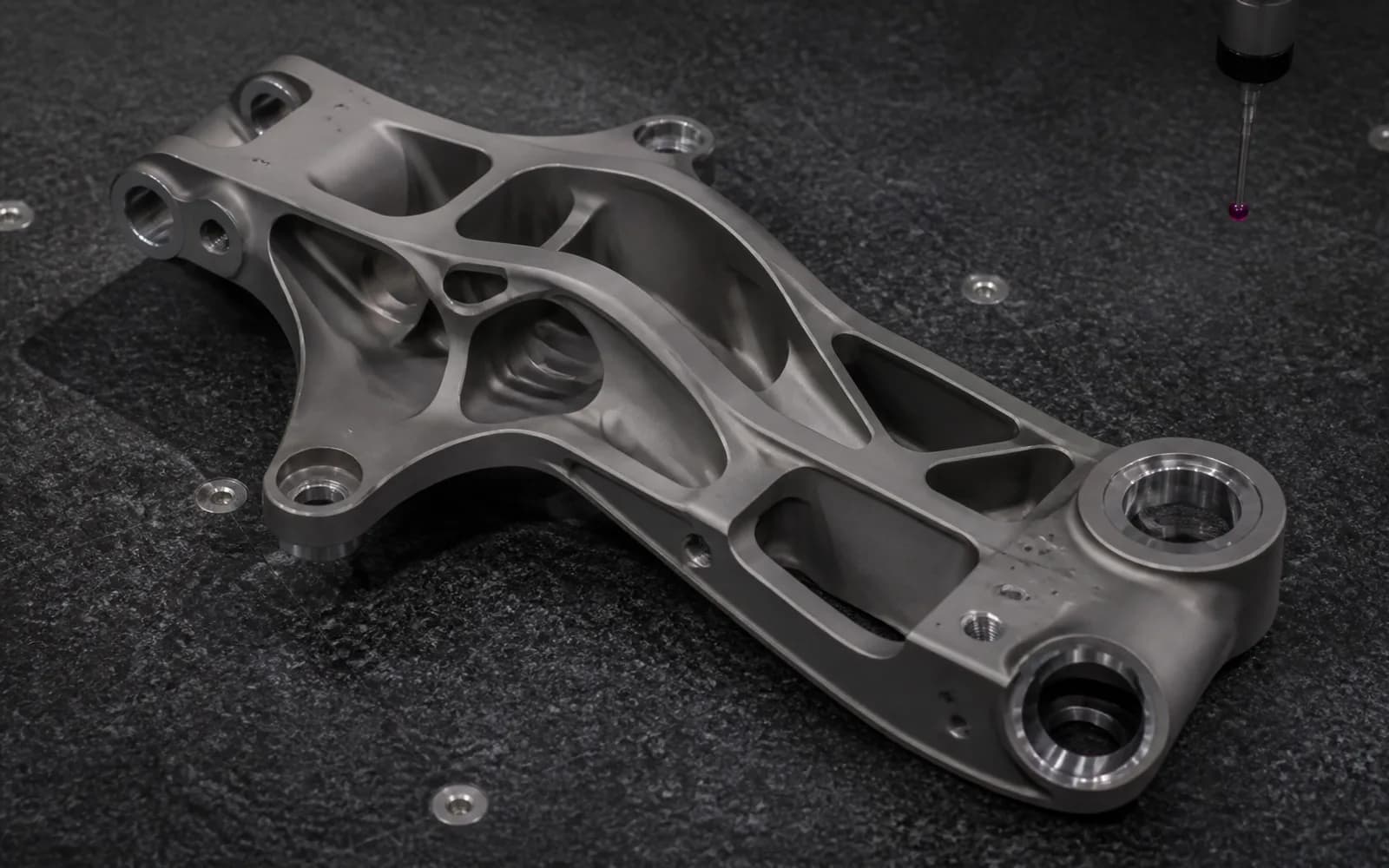
CNC Machined Brackets & Mounts
Structural parts that keep interfaces aligned without carrying unnecessary mass.
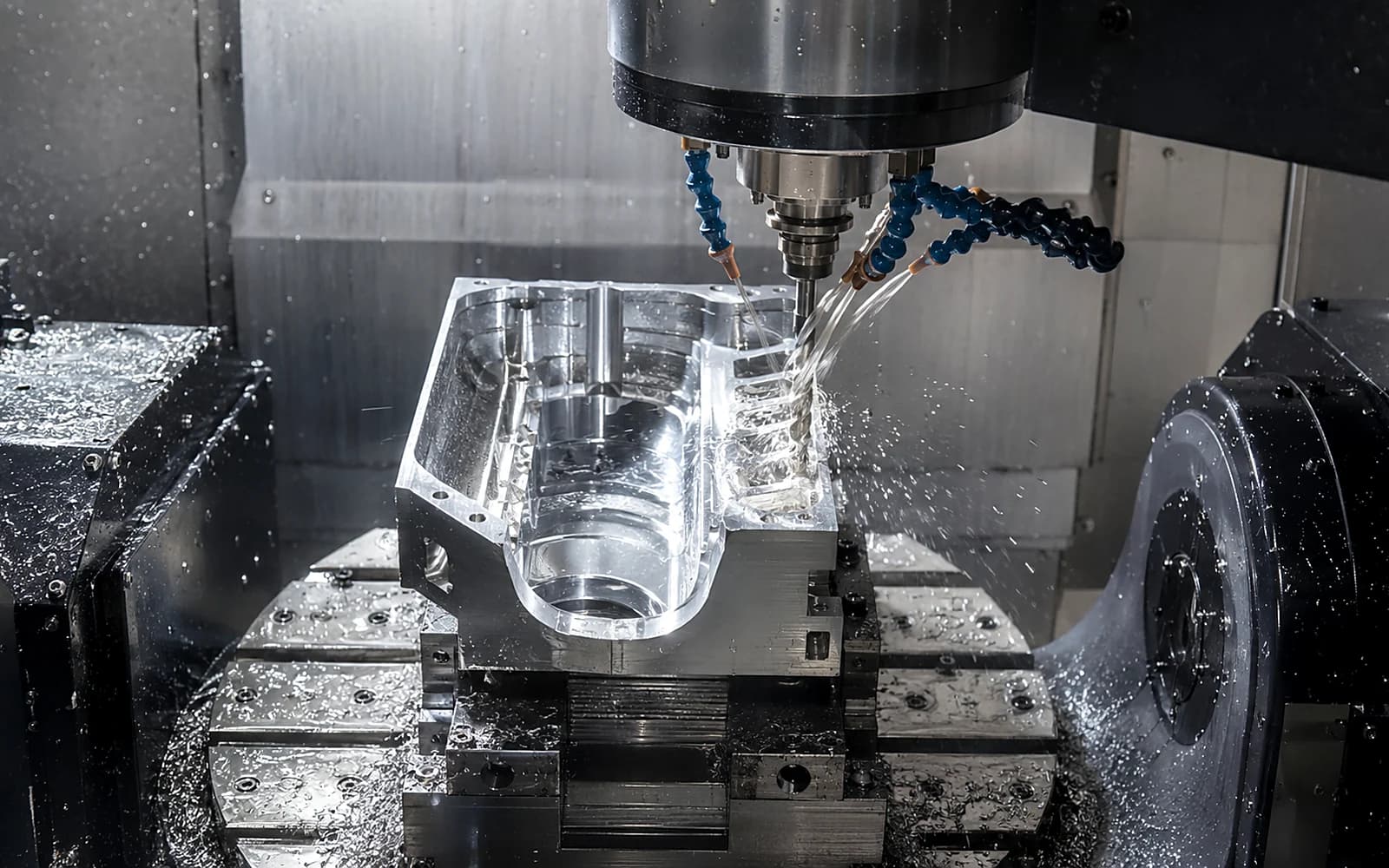
CNC Machined Manifolds
Cross-drilled flow paths, clean intersections and sealing geometry controlled as one part.
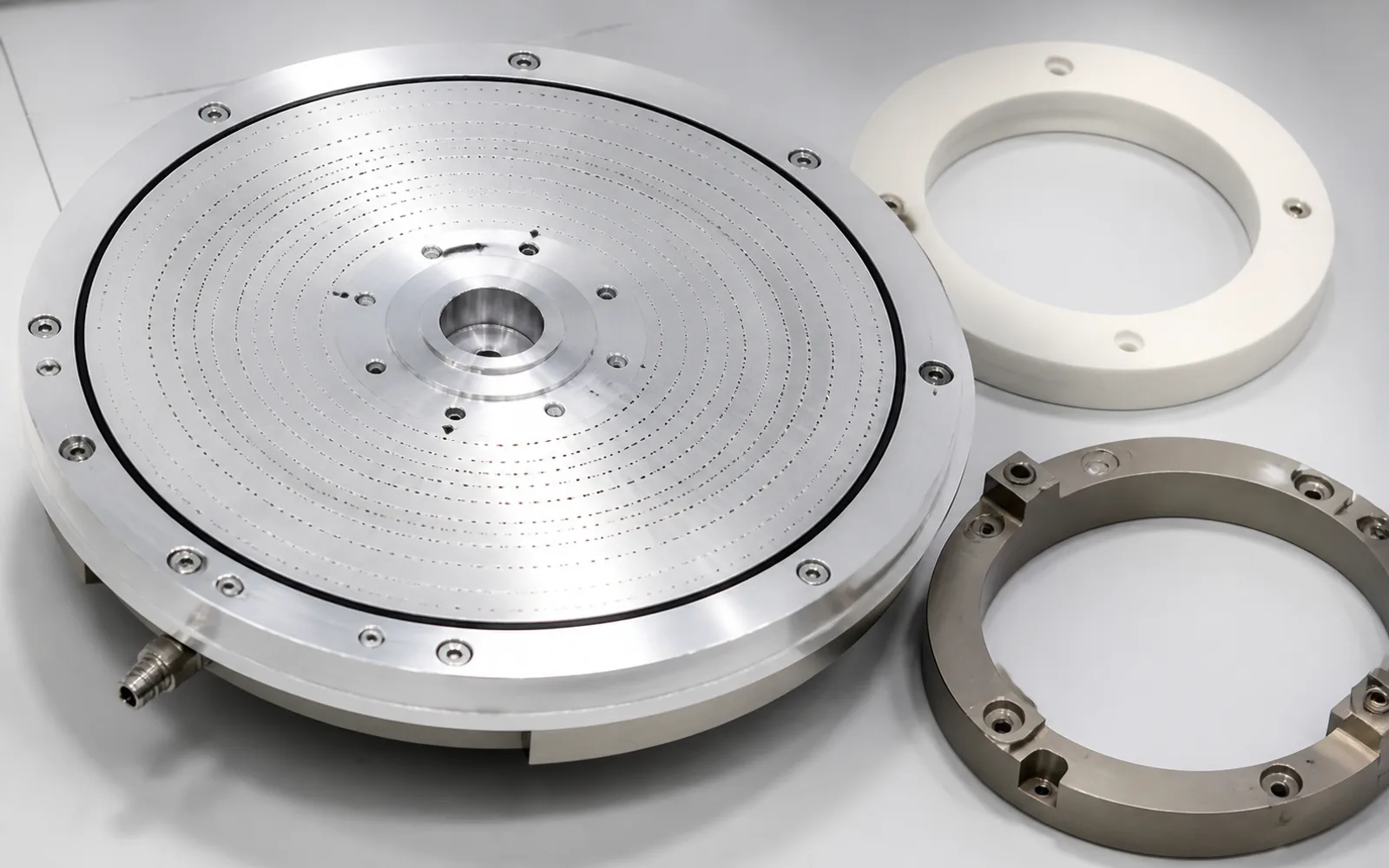
CNC Machined Plates & Panels
Large planar interfaces, dense hole patterns and markings delivered assembly-ready.
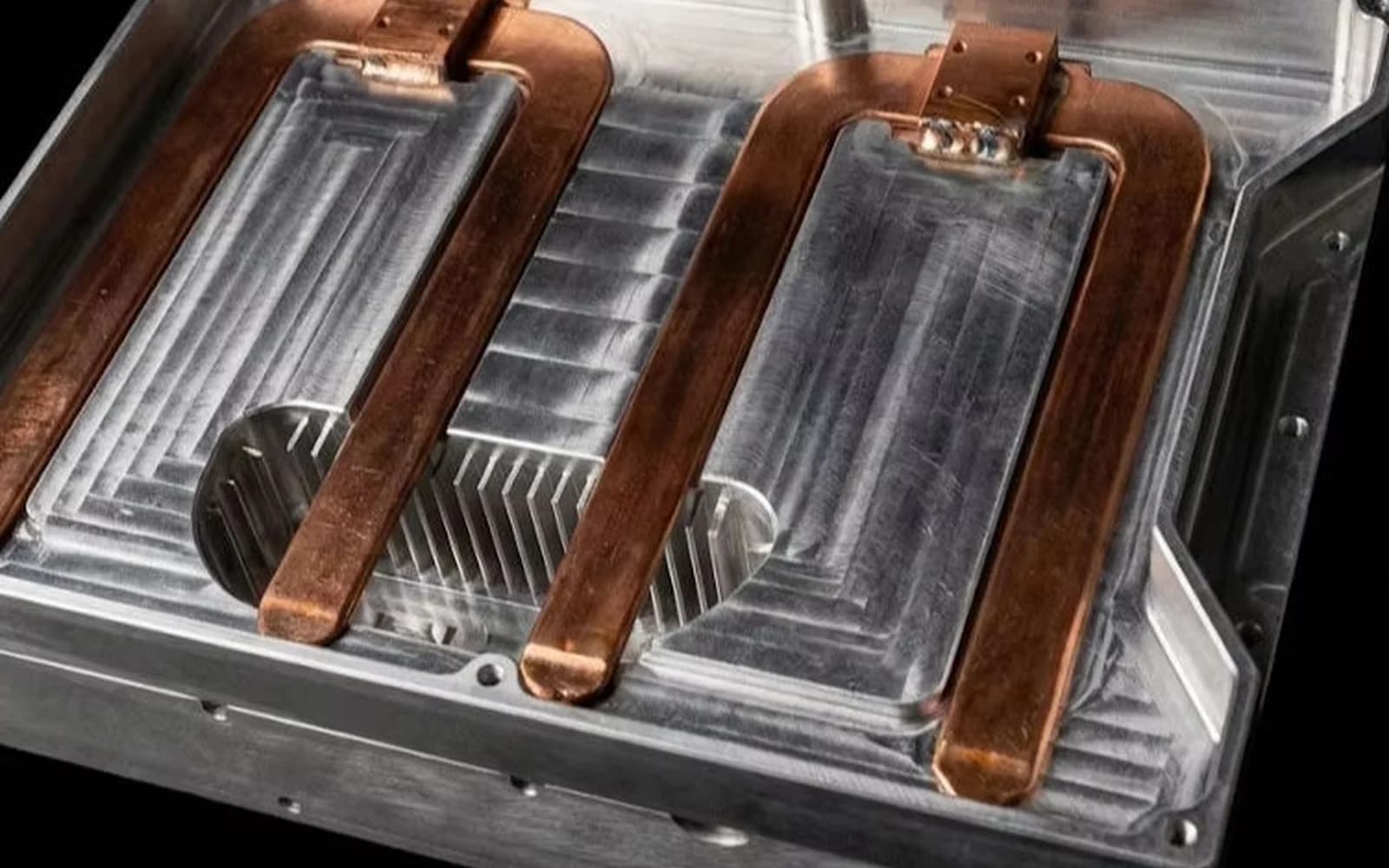
CNC Machined Heat Sinks & Cold Plates
Thermal surfaces, flow channels and sealed interfaces manufactured as one controlled system.
CNC Machined Jigs & Fixtures
Repeatable workholding and inspection tooling built around the part datum scheme.
CNC Milling buyer questions
013-axis or 4-axis: which does my milled part need?
Most milled parts are 3-axis work. The cutter comes straight down, and the part is flipped between setups to reach the other faces. That covers plates, brackets and most housings.
A 4th axis adds a rotary table so the part can turn under the spindle. It pays off when features wrap around the part, like holes or flats spaced around a shaft, or when four sides of a block need work and every flip would cost another setup. If every feature sits on one or two faces, 4-axis adds cost and nothing else.
02What should I send to get milled aluminum or stainless parts quoted?
A STEP file, plus a PDF drawing if any feature has a tighter tolerance than the general one, a thread, or a surface finish callout. The 3D file gives the geometry. The drawing tells the shop which dimensions actually matter.
State the alloy and temper (6061-T6, not just "aluminum"), the quantity and the finish. For stainless, say whether it needs passivation. When a quote comes back with questions instead of a price, it is almost always one of these that was missing.
03Which design details drive the cost of a milled part?
Deep pockets with small inside corners, more than anything else. A cutter can't make a sharp inside corner, and a small radius at the bottom of a deep pocket forces a long, thin tool that has to run slowly. Where you can, allow a corner radius of at least a third of the pocket depth.
Thin walls come next. Under about 1 mm in aluminum they chatter and need light passes.
After that it's tolerances and finish callouts applied to every surface instead of only the ones that function.
Recommended materials
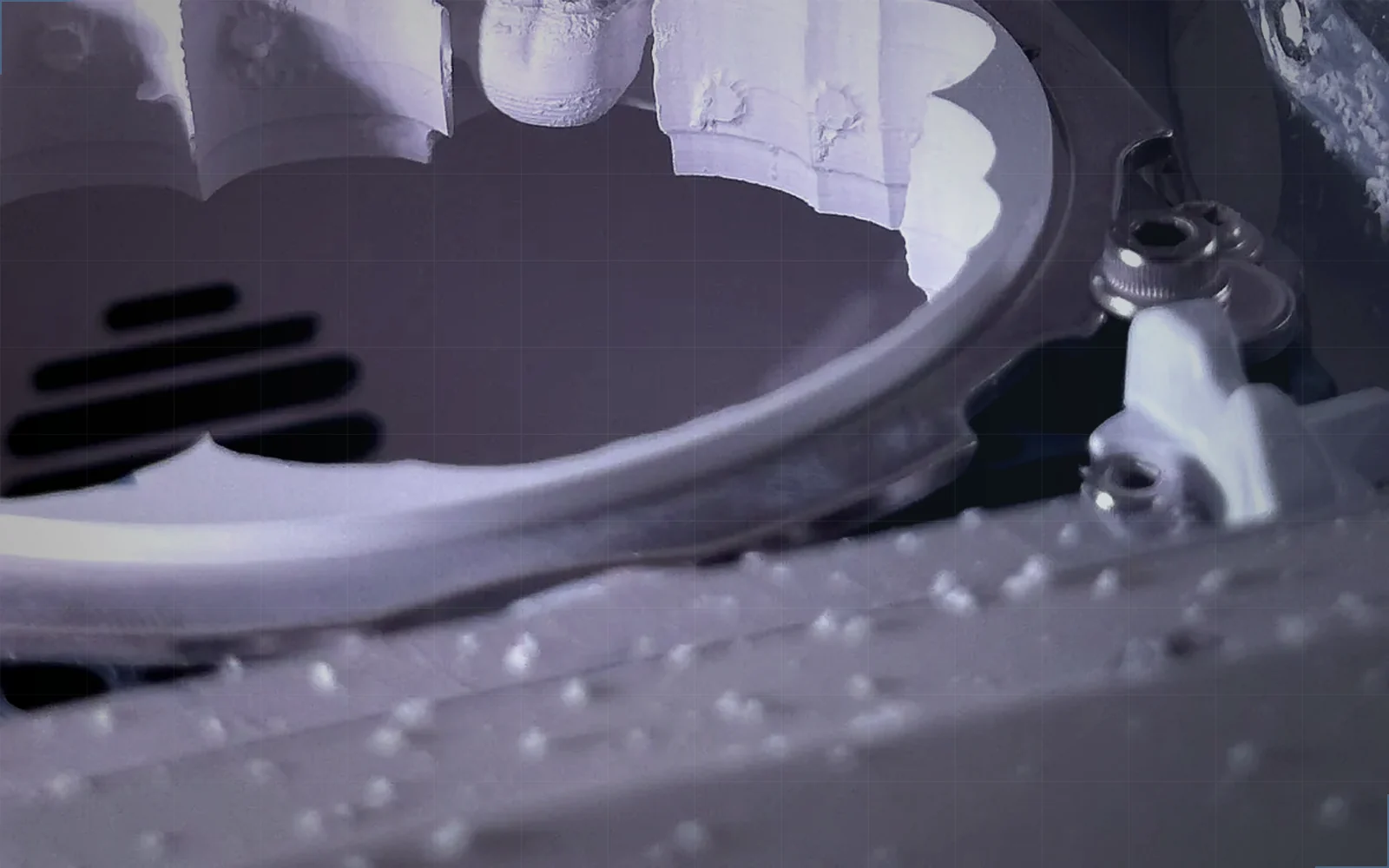
Aluminum 6061-T6
The default CNC aluminum: strong enough for most jobs, machines fast, anodizes well.
Aluminum 7075-T6
Aircraft-grade aluminum: steel-level strength at a third of the weight.
Stainless Steel 304
The world's default stainless: food-safe, weldable, corrosion-resistant for everyday environments.
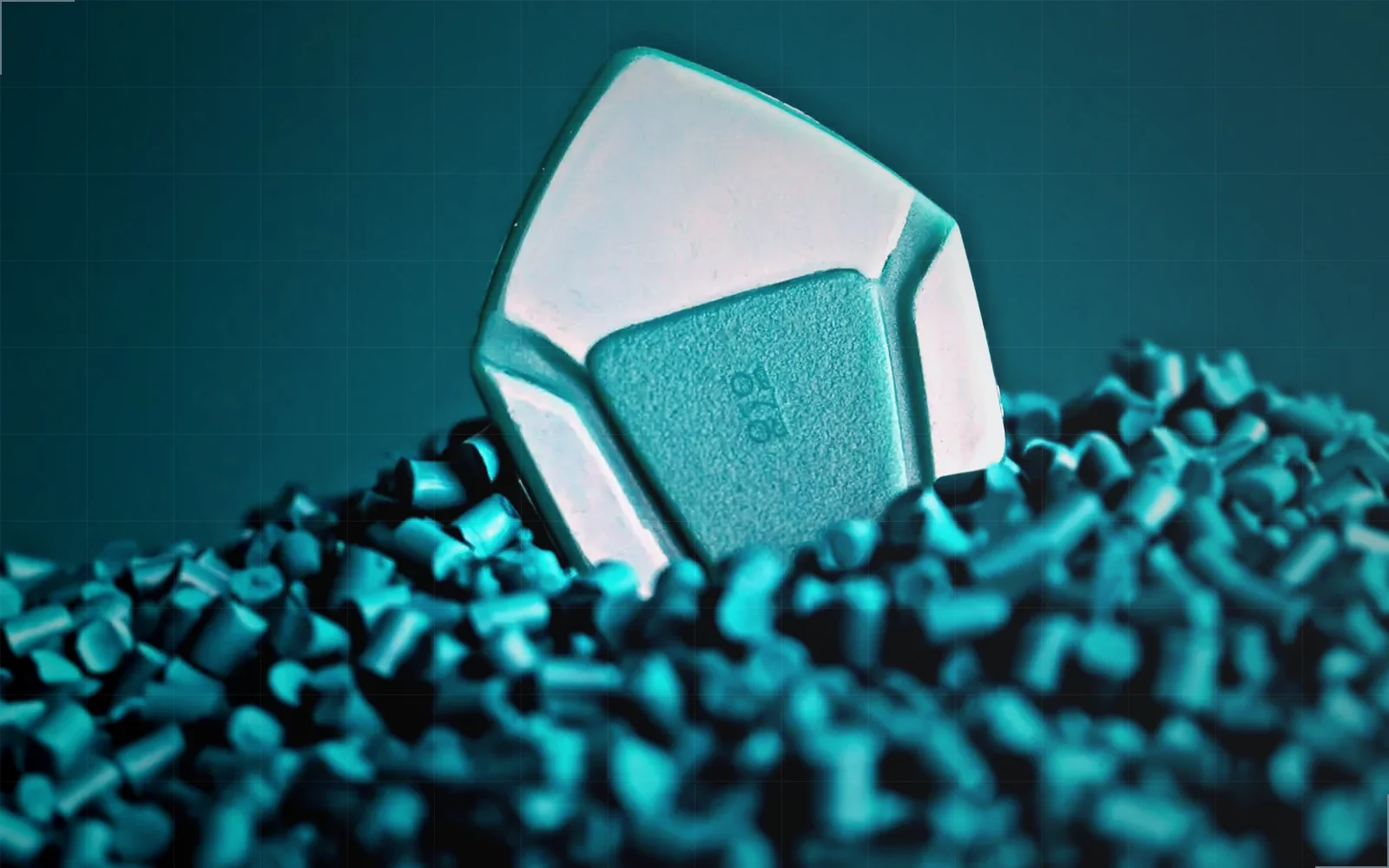
POM (Delrin / Acetal)
The machinist's favorite: stiff, slippery, stable — plastic parts with metal-like precision.
Related pages
CNC Machining
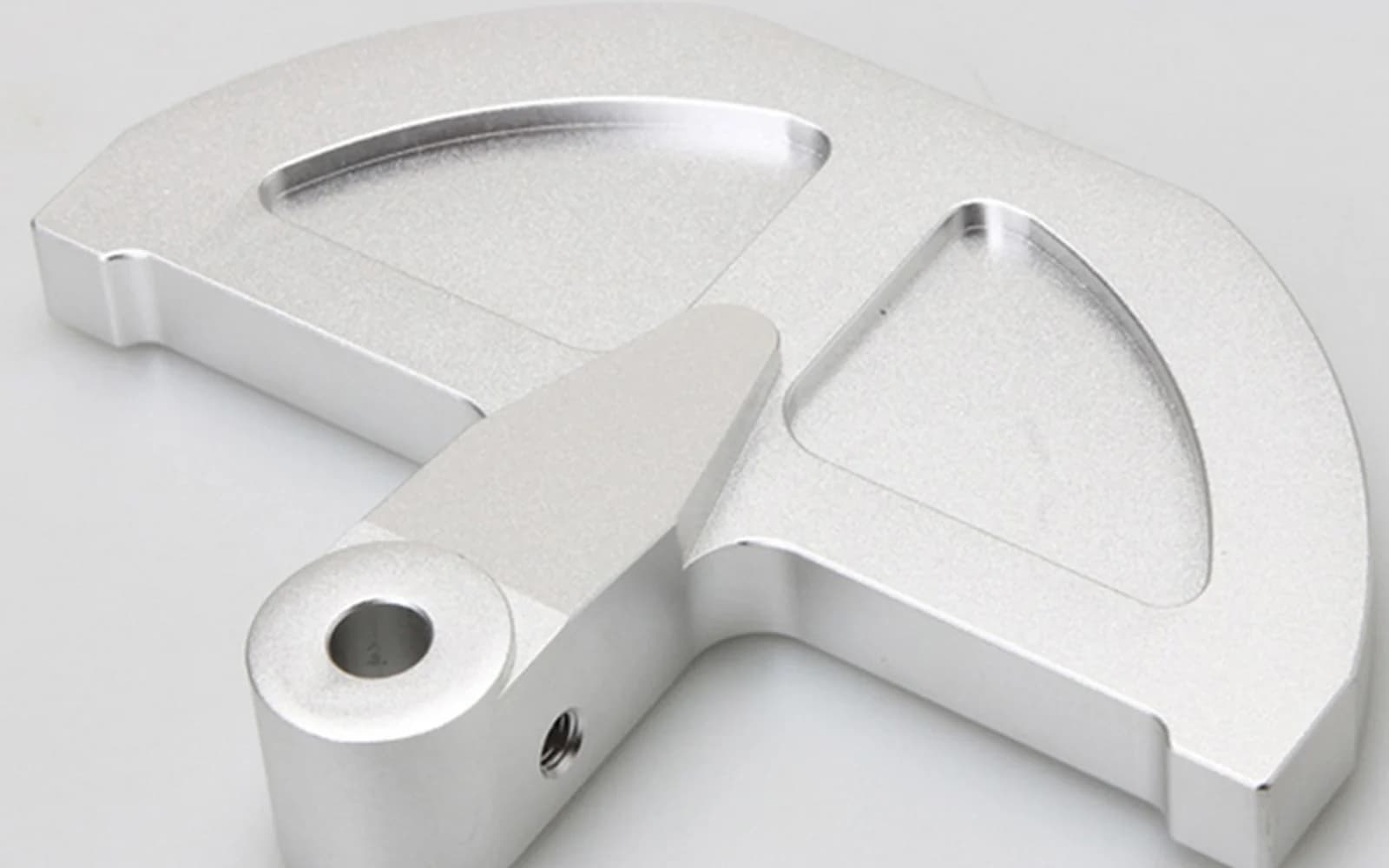
Milling, turning, 5-axis, Swiss-type, EDM and grinding under one roof. One upload, one accountable partner.
CNC Turning
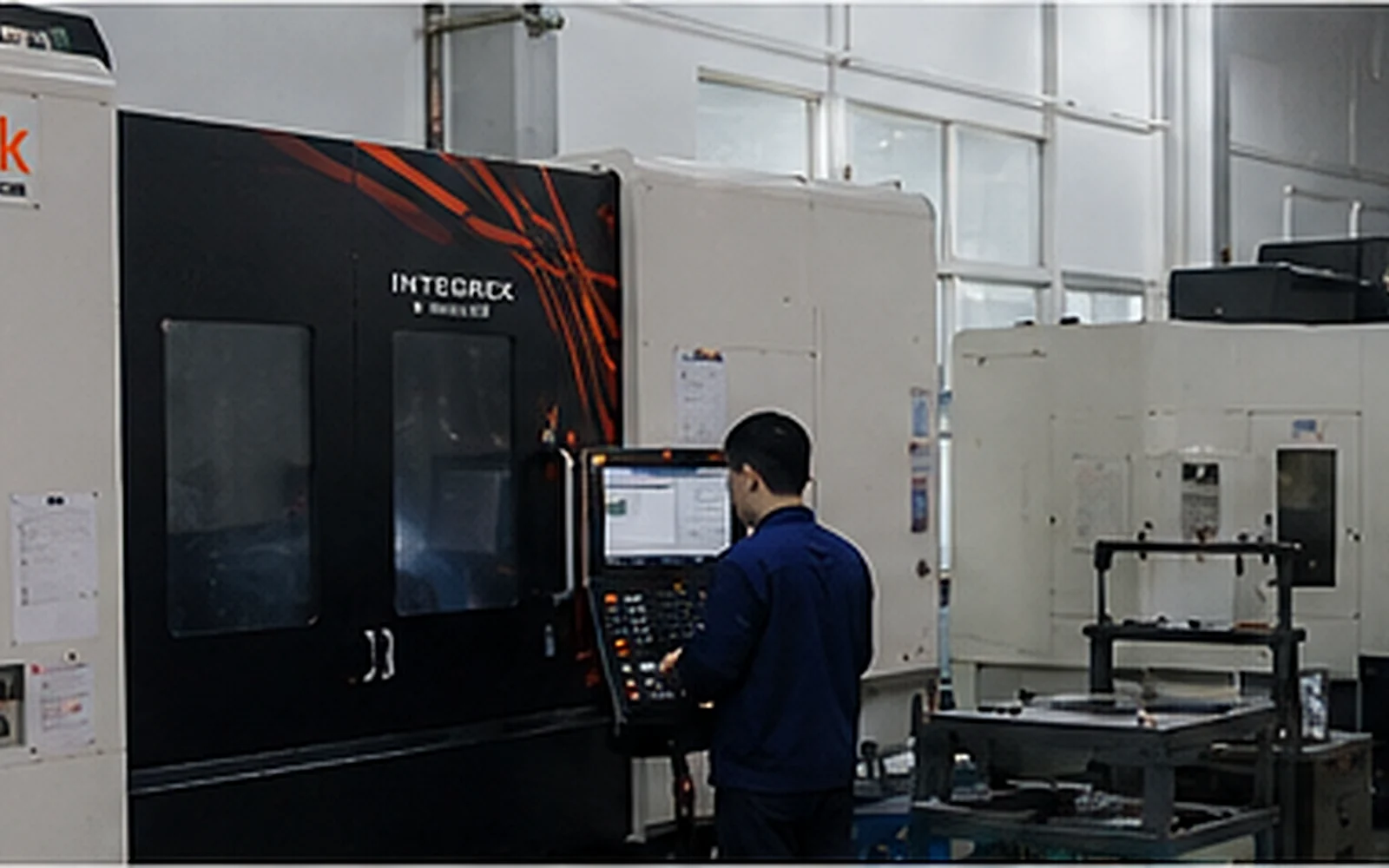
Live-tooling lathes for shafts, pins, bushings and threaded fittings up to Ø406 mm.
5-Axis Machining
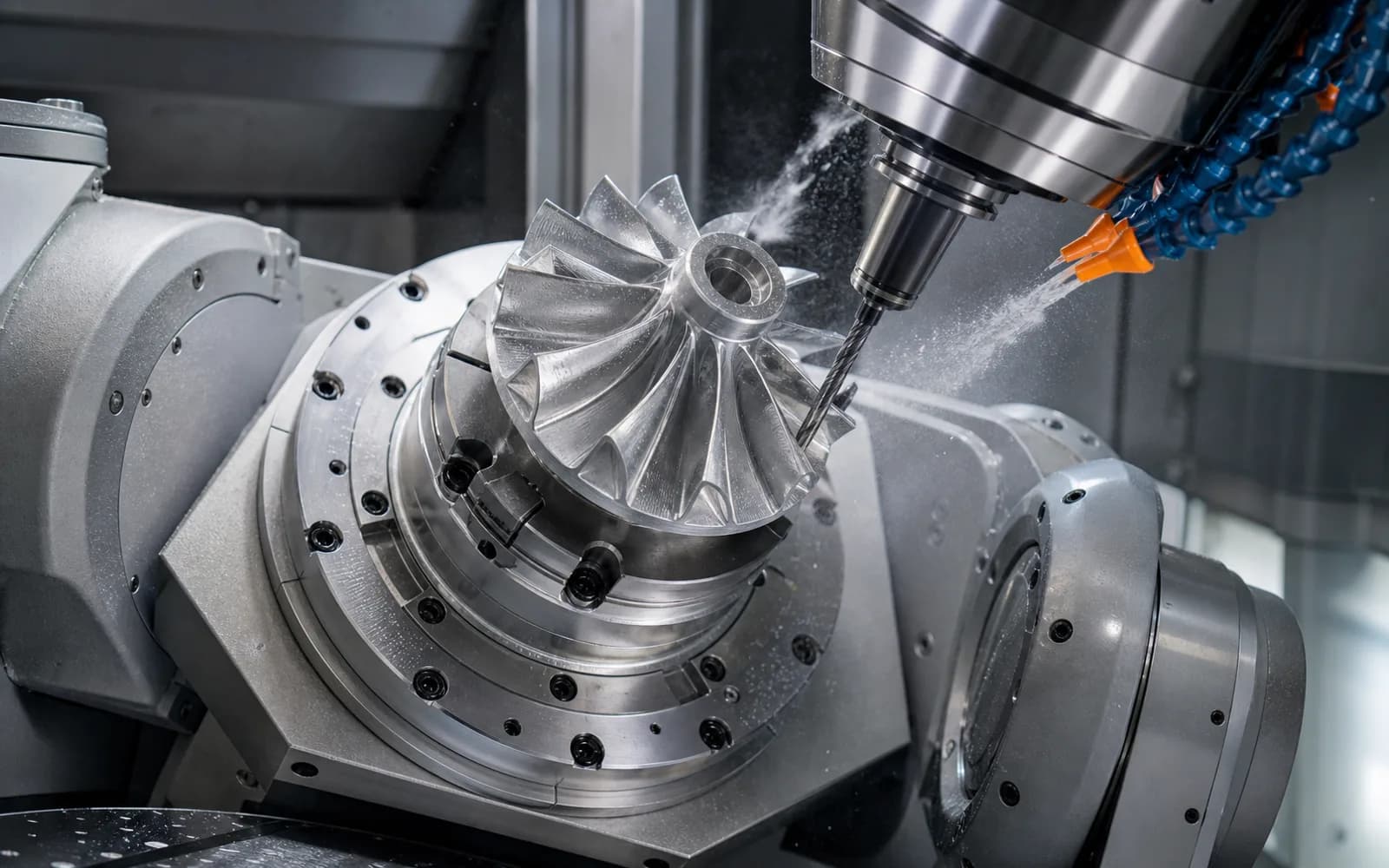
Simultaneous 5-axis machining for impellers, freeform surfaces and compound-angle features.
Swiss-Type Machining
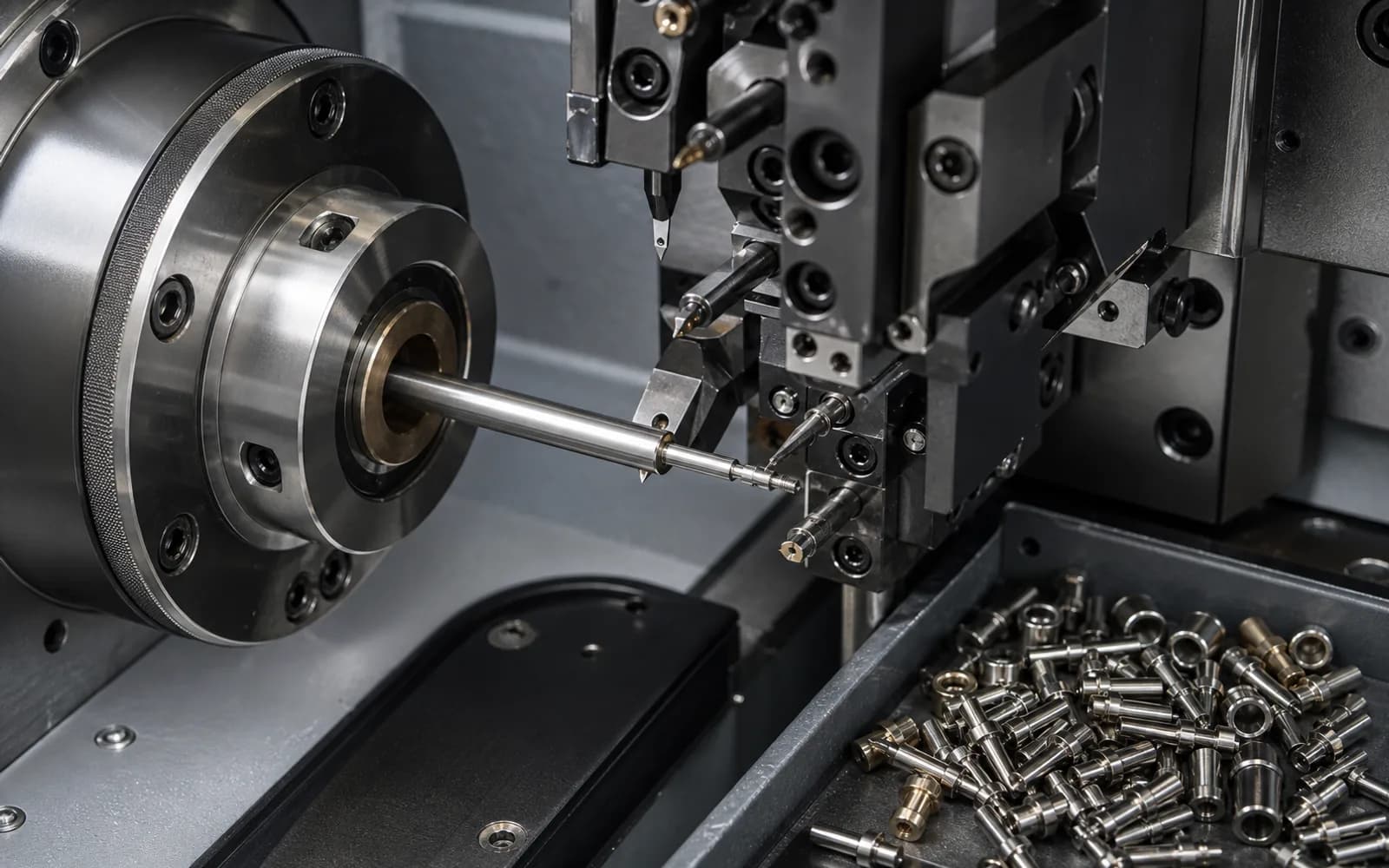
Sliding-headstock lathes for small, slender, high-precision turned parts from Ø1 mm.
Milled parts moving between shops usually break on fixturing knowledge nobody wrote down. What to confirm before you send a milled part to a new supplier.
Have a part in mind?
Upload CAD or drawings. Eligible CNC work gets an instant estimate; other processes move to engineer review. NDA-protected from the first byte.
Start an RFQ