Carbon Fiber Sheet Machining: Design, Cutting and Inspection Guide
How to source CNC-routed and drilled carbon-fiber laminate parts: laminate data, edge quality, dust control, hole design, inspection and RFQ inputs.
2026-08-02 · FabVector Engineering
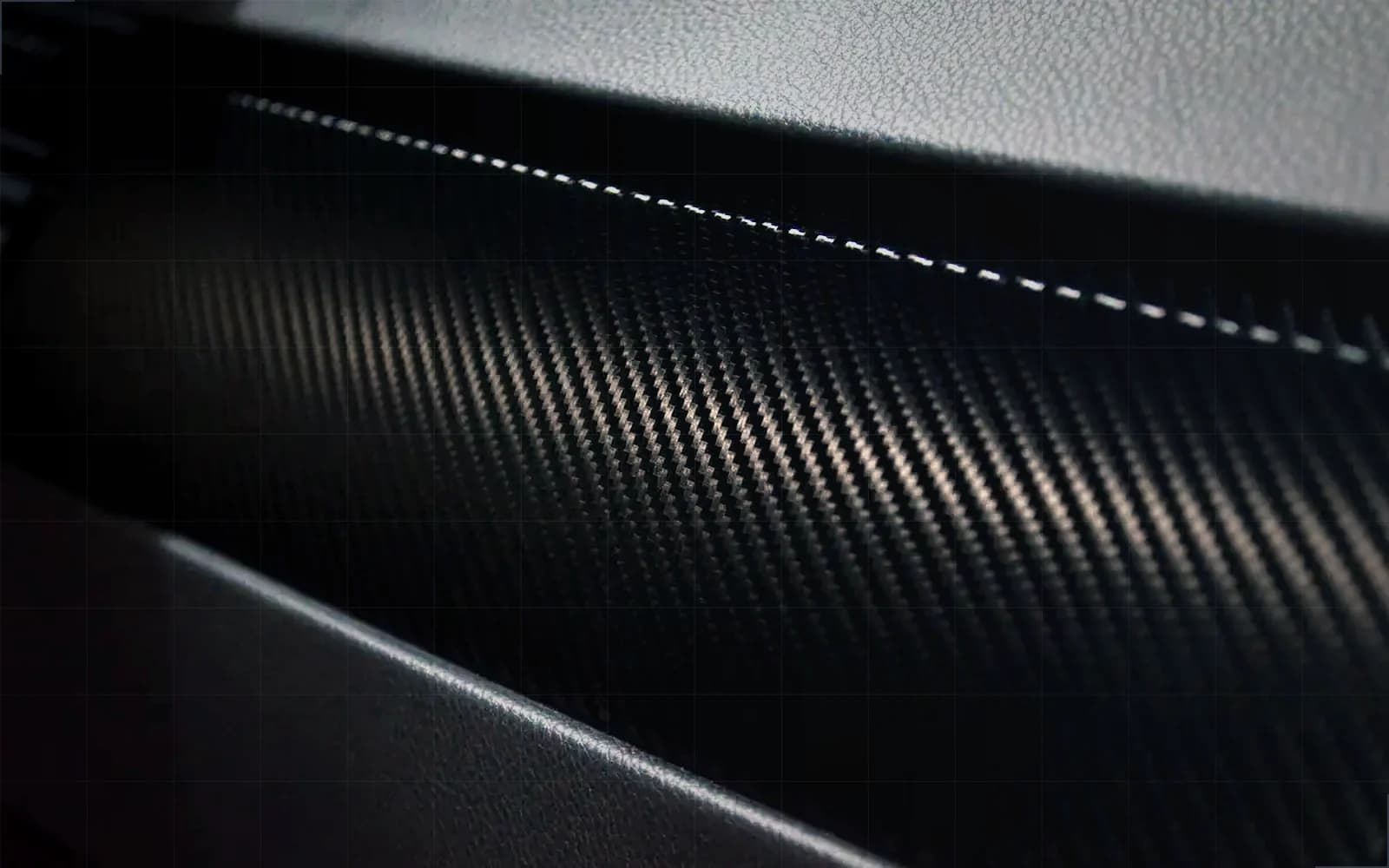
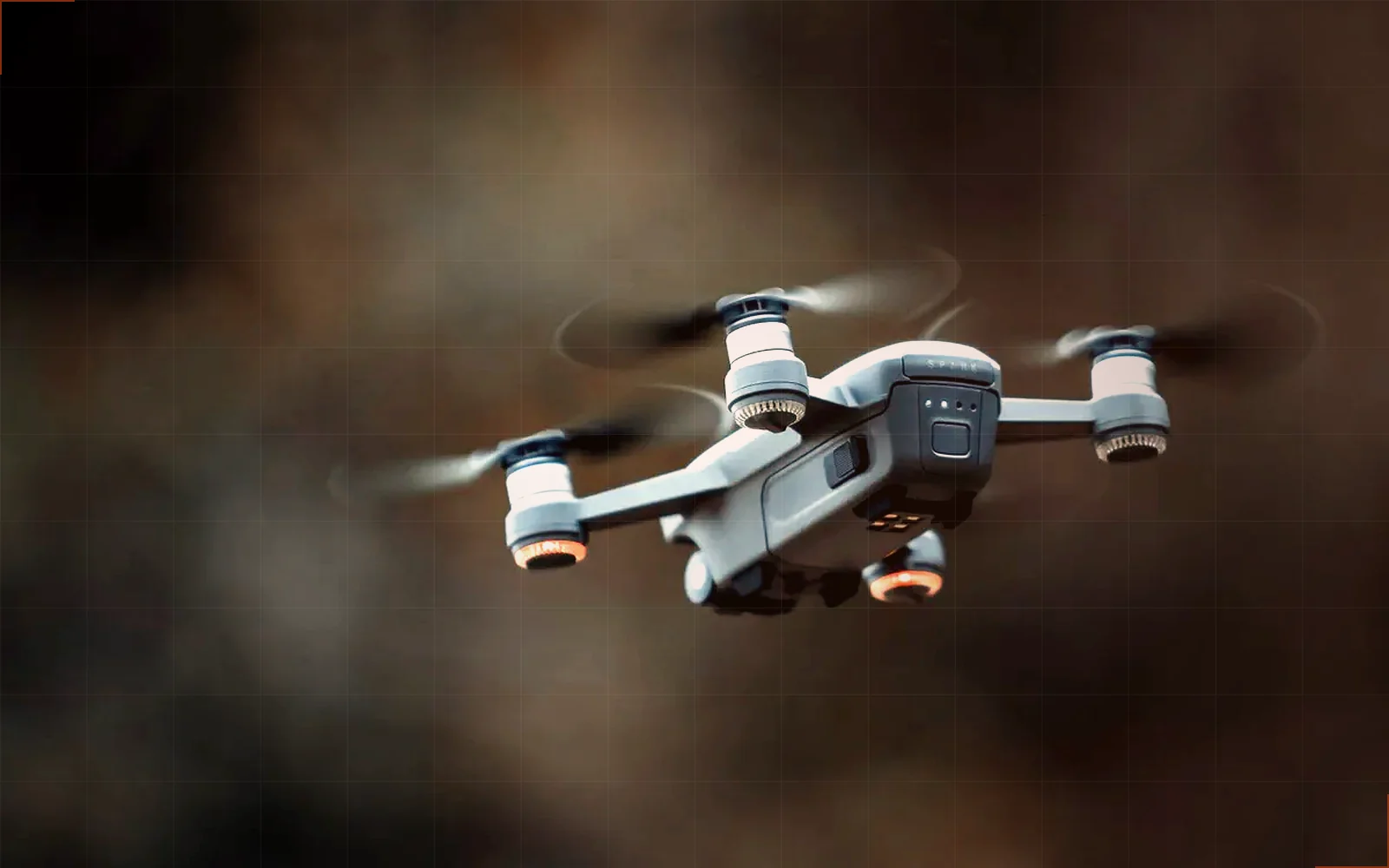
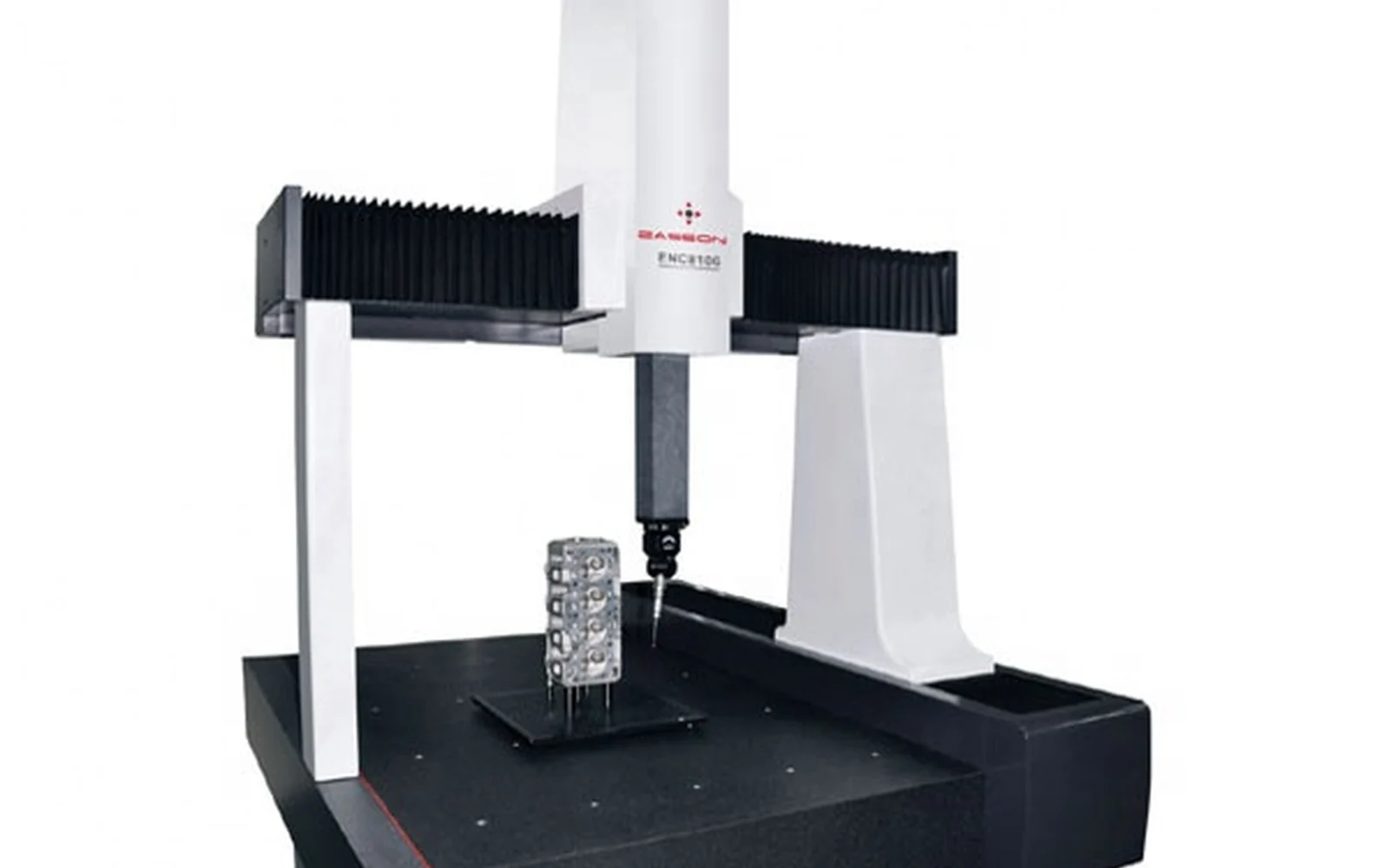
What buyers are trying to solve
Searches for carbon fiber sheet machining usually come from engineering or procurement teams that already have a CAD model and need a manufacturable route, not a generic machining definition. The decision is normally about material risk, tolerance risk, surface finish, inspection paperwork and whether a supplier can move from prototype to repeat production without changing the process.
Best-fit applications
- Drone plates, robot structures, equipment panels, brackets, electronics supports and lightweight fixture components cut from cured laminate sheet.
- Parts needing routed profiles, drilled or countersunk holes, pockets, edge finishing and coordinated inserts.
- Low-to-mid volume flat composite components where CNC-controlled repeatability matters more than manual trimming.
Manufacturing route
- Confirm laminate thickness, layup, fiber orientation, resin system, surface finish and allowable edge condition before nesting parts on sheet.
- Select workholding, tool geometry, cutting direction and extraction around delamination, breakout, heat and conductive dust risk.
- Route profiles and machine holes with supported entry and exit; add sacrificial backing or a revised drilling sequence where breakout is critical.
- Deburr and seal edges only when specified, then inspect dimensions, hole condition, surface damage and any insert installation.
Material and finish choices
- Cured carbon-fiber laminate sheet varies by fiber, weave, layup, resin and cure; thickness alone does not define equivalent material.
- Quasi-isotropic and directional layups behave differently around fasteners and load paths, so orientation must remain tied to the part drawing or nesting plan.
- G10/FR4 may be a better electrically insulating sheet material when carbon fiber conductivity is a system risk.
- Insert, adhesive and edge-seal materials must be compatible with the laminate and operating environment.
Risk controls before quoting
- Keep holes and narrow ligaments away from unsupported edges unless the laminate and fastener design have been validated.
- Define cosmetic faces and maximum allowable fray, breakout or delamination instead of relying on the phrase “clean edge.”
- Carbon dust is conductive and abrasive, so controlled extraction and equipment protection are process requirements.
- The published scope is machining cured flat laminate; molded 3D composite layup or autoclave work requires separate engineering confirmation.
RFQ inputs that improve quote accuracy
- STEP or DXF geometry plus a drawing showing thickness, fiber orientation, critical holes and cosmetic faces.
- Laminate specification or approved stock datasheet, including weave, layup and resin where controlled.
- Edge-seal, countersink, insert, adhesive, marking and packaging requirements.
- Quantity, nesting constraints, dimensional inspection scope and acceptance limits for edge quality.
Related FabVector resources
- Carbon fiber machining service
- Carbon fiber sheet material guide
- Drone and UAV components
- Robotics components
When the part includes thin walls, sealing faces, tight datums, threaded features or inspection requirements, upload the CAD model through the structured RFQ flow so material, finish, tolerance, inspection and delivery expectations stay attached to the same request.
Buyer questions
Questions about this manufacturing route
What carbon-fiber work does FabVector currently publish?
The published scope covers CNC routing, drilling, countersinking, profiling and coordinated secondary operations on cured laminate sheet. Molded three-dimensional composite layup and autoclave programs require separate engineering confirmation.
What information is needed to quote a carbon-fiber sheet part?
Provide STEP or DXF geometry, a drawing, laminate thickness and specification, fiber orientation, critical holes, cosmetic faces, edge acceptance, inserts or edge sealing, quantity and inspection requirements.
How is delamination controlled during carbon-fiber machining?
Control starts with suitable laminate, supported workholding, sharp composite tooling, appropriate cutting direction and supported hole entry and exit. Acceptance limits for fray, breakout and delamination should be defined on the RFQ.
Can FabVector install inserts or seal machined carbon-fiber edges?
These operations can be coordinated when insert type, adhesive or sealant, preparation, cure and inspection requirements are provided. Availability and the validated process route are confirmed during engineering review.
Related resources
RFQ next step
Turn this requirement into a quote package.
Upload CAD, select material, finish, tolerance, inspection and delivery context. FabVector keeps the quote inputs tied to the same engineering request.
Start structured RFQ