Material · Titanium Alloys
Titanium Grade 5 (Ti-6Al-4V)
Half the weight of steel at full strength, bio-inert, corrosion-proof — and priced accordingly.
Price index: $$$$$
Material properties
| Parameter | Value |
|---|---|
| Tensile strength | 950 MPa |
| Yield strength | 880 MPa |
| Hardness | 36 HRC |
| Density | 4.43 g/cm³ |
Choose it when
When the spec demands steel strength at 56% of steel weight, body-fluid biocompatibility or seawater immunity — airframe fittings, implants, subsea hardware. ELI (Grade 23) available for medical traceability.
Look elsewhere when
If 7075-T6 aluminum or 17-4 PH meets the load case, they cost a fraction: titanium machining runs ~2.5× stainless due to heat concentration at the tool edge and springy thin walls.
Compatible finishes
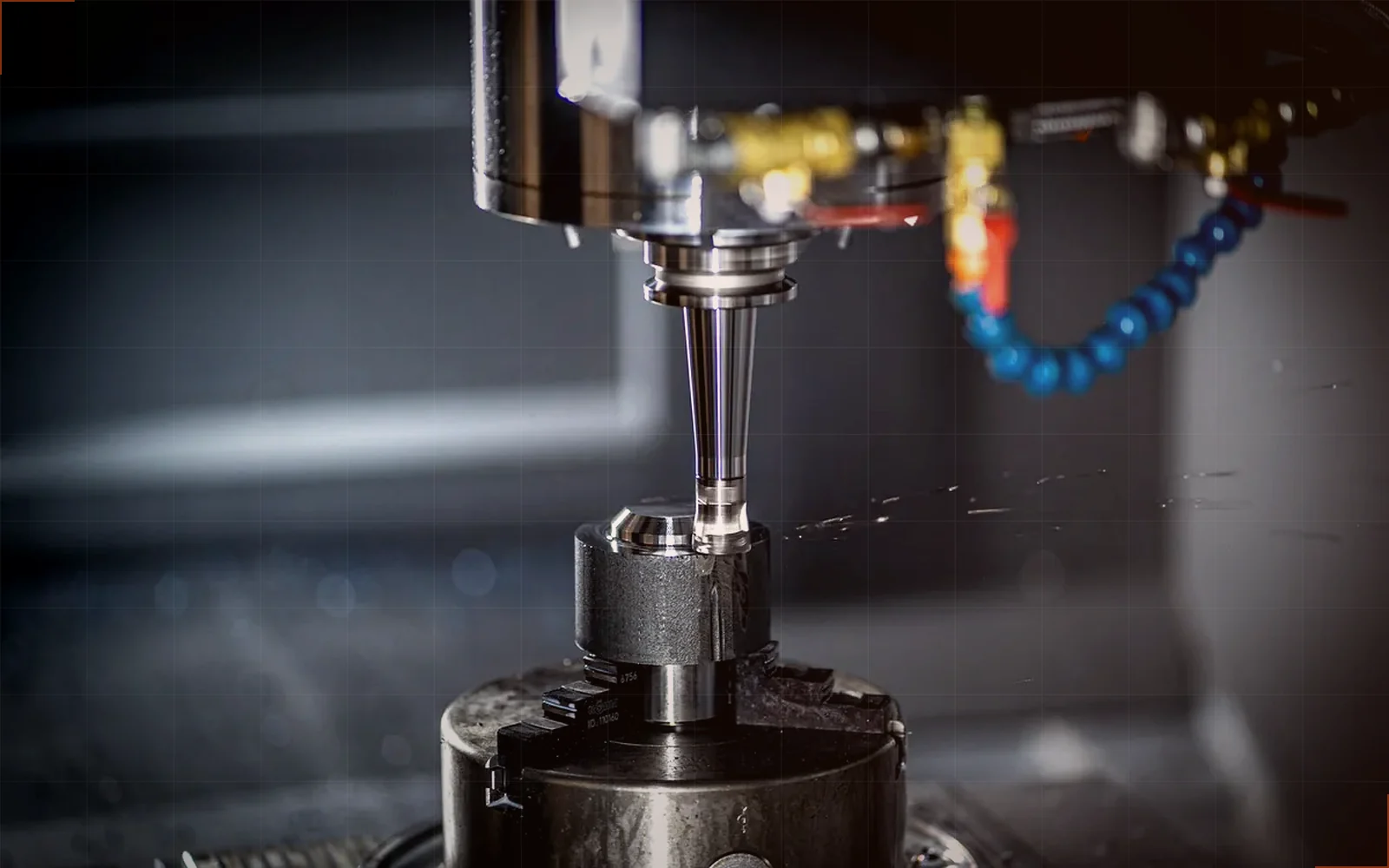
As-Machined
The baseline finish: straight off the machine, fastest and cheapest.
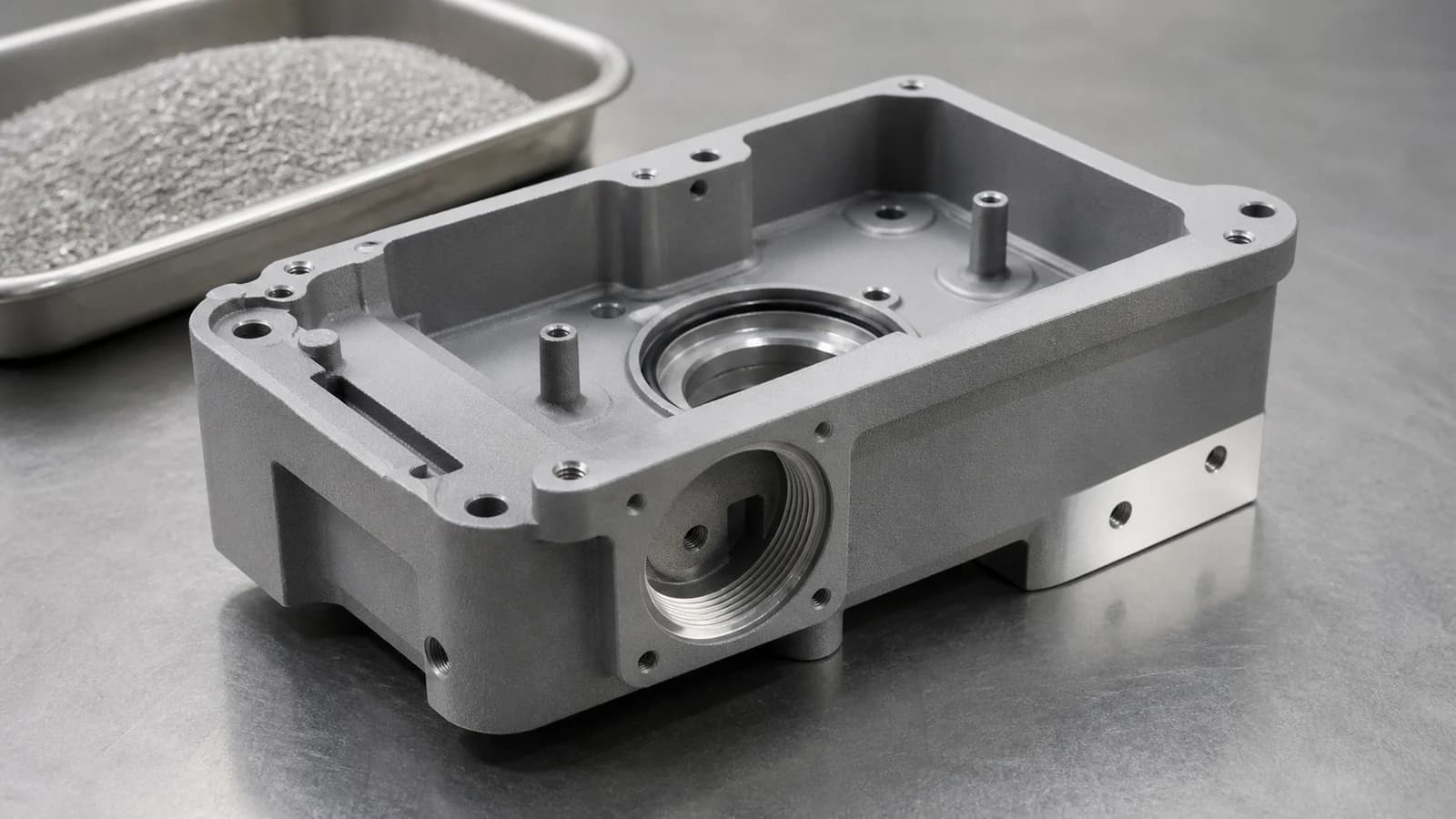
Bead Blasting
The uniform matte look: erases tool marks, hides fingerprints, preps perfect anodizing.

Polishing
Progressive abrasives down to mirror: the finish for optics, molds and show surfaces.
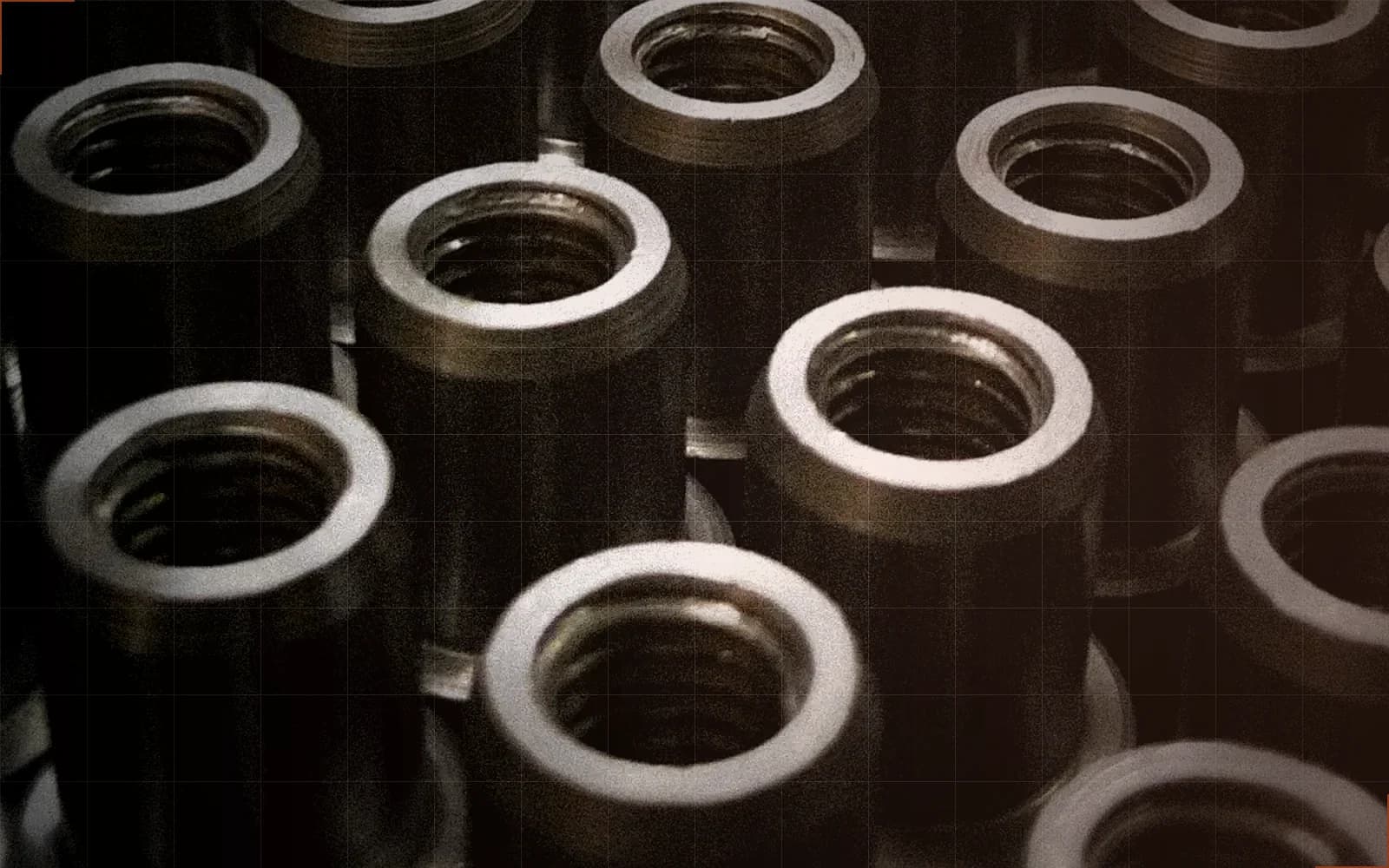
Electropolishing
Reverse plating that brightens, deburrs and passivates stainless in one step.
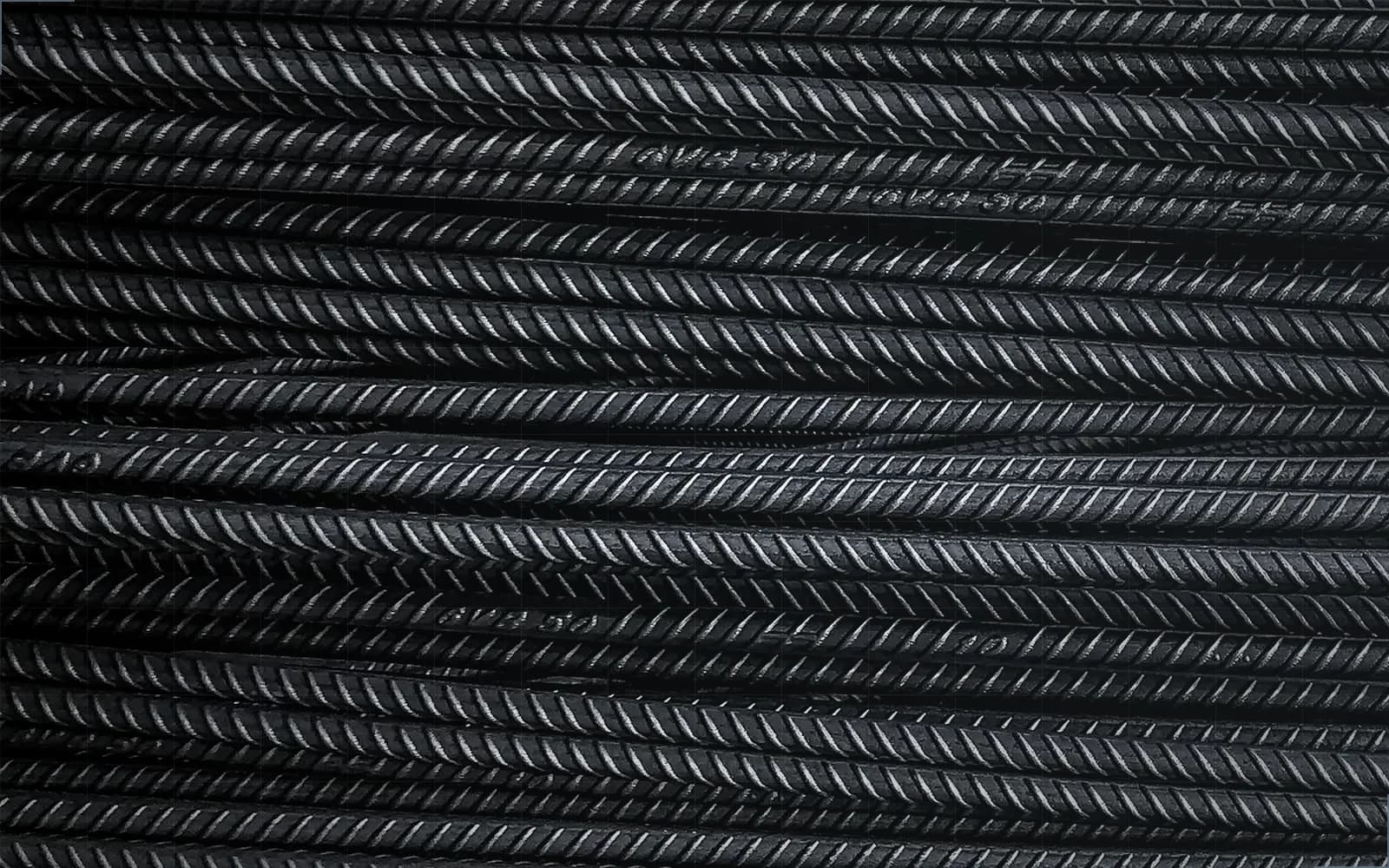
Passivation
Chemical hygiene for stainless: strips embedded iron so the steel can be as stainless as advertised.
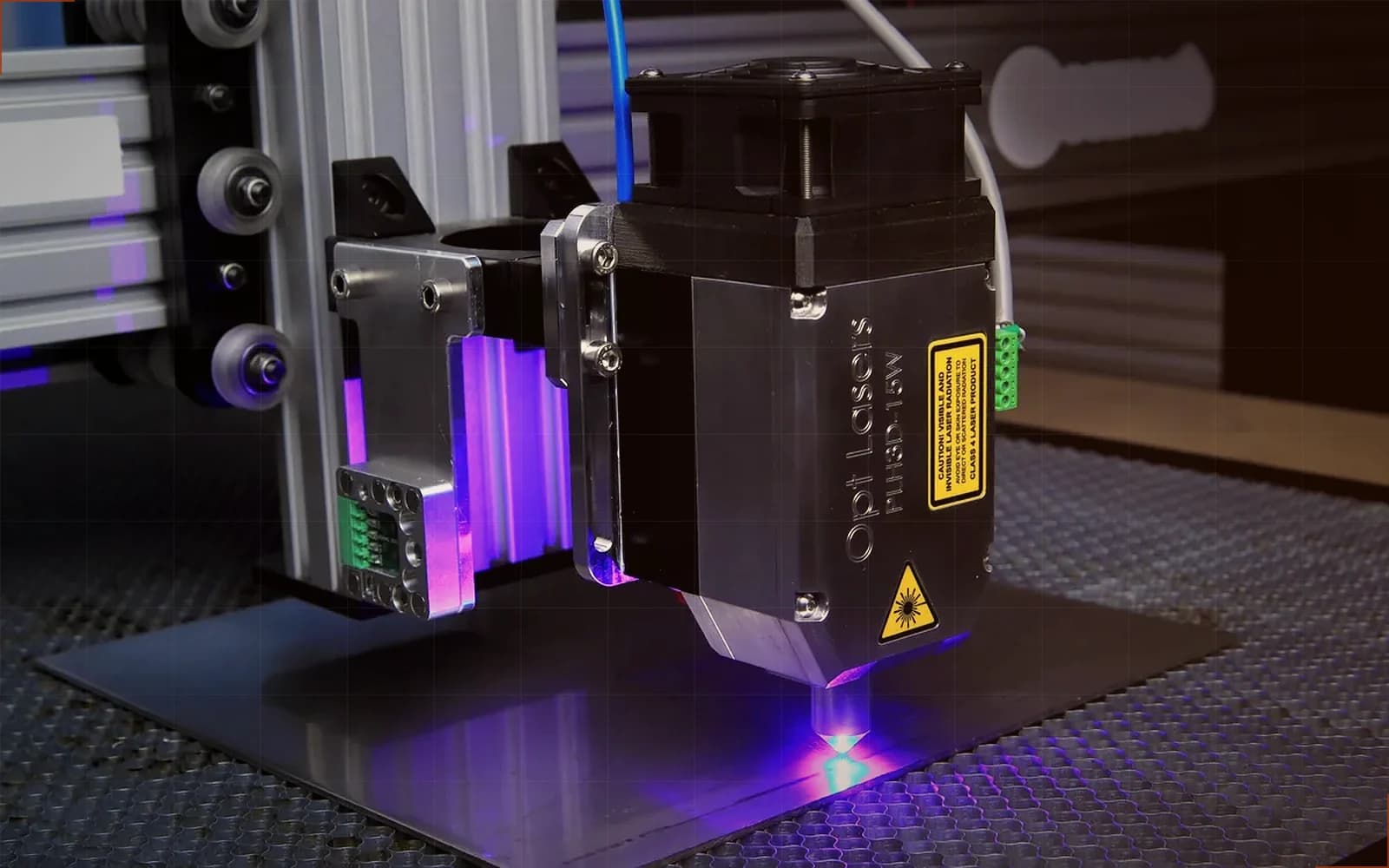
Laser Marking
Permanent identification with zero dimensional change: serials, logos and codes burned in, not stuck on.
Typical applications
- Orthopedic implants and trials (ELI grade)
- Airframe fittings and engine brackets
- Marine and subsea hardware
- Racing and aerospace fasteners
Compared with similar grades
| Property | Titanium Grade 5 (Ti-6Al-4V) | Titanium Grade 2 |
|---|---|---|
| Tensile strength | 950 MPa | 345 MPa |
| Yield strength | 880 MPa | 275 MPa |
| Hardness | 36 HRC | ~200 HV |
| Density | 4.43 g/cm³ | 4.51 g/cm³ |
| Price index | $$$$$ | $$$$$ |
| Machinability | 1/5 | 2/5 |
Titanium Grade 5 (Ti-6Al-4V) buyer questions
01Grade 5 or Grade 2 titanium — which does my part need?
Strength is what separates them; corrosion resistance does not. Grade 2 is commercially pure titanium at roughly 345 MPa tensile: formable, readily weldable, easier to machine and cheaper, and it is the right answer when the part exists to survive a corrosive medium — chemical handling, heat exchangers, marine and subsea fittings. Grade 5 (Ti-6Al-4V) is the alloy at roughly 950 MPa tensile and the same 4.43 g/cm³ density, which is why it carries structural and implant work. Both are effectively immune in seawater, so do not pay for Grade 5 to get corrosion performance you already have. If the part is loaded, or a section has to be thinned to save weight, Grade 5. If it is formed or welded and simply must not corrode, Grade 2.
02Is Grade 23 (ELI) the same as Grade 5, and which one do implants need?
Same alloy, tighter chemistry. Grade 23 is Ti-6Al-4V ELI — extra-low interstitial — with lower limits on oxygen, nitrogen, carbon and iron. Those interstitials raise strength but cost ductility and fracture toughness, so ELI trades a little strength for damage tolerance, which is what implant and cryogenic work wants. Surgical implant material is normally specified to ASTM F136 (Ti-6Al-4V ELI) or ASTM F1472 (standard Grade 5); general industrial bar and billet go to ASTM B348 or AMS 4928. Put the standard on the drawing rather than the word titanium, and state separately whether you need mill certificates traceable to the heat lot — that traceability, not the alloy name, is what makes material usable in a regulated build.
03Why does titanium machining cost so much more than aluminium or stainless?
Three physical properties, and none of them is the price of the metal. First, thermal conductivity is low, so the heat generated at the cut stays at the tool edge instead of leaving in the chip — that is what limits surface speed and burns tools. Second, titanium is chemically reactive at cutting temperature and will attack tool materials, which shortens tool life further and rules out running it like steel. Third, the elastic modulus is about 114 GPa, roughly half that of steel, so the part springs away from the cutter and thin sections chatter, which forces light engagement and rigid fixturing. The result is low speeds, flood or through-tool high-pressure coolant, frequent tool changes and more machine hours per part. Read the cost as machine time and tooling, not stock. If 7075-T6 aluminium or 17-4 PH stainless satisfies the load case, either will cost a fraction.
04What should the drawing say for a Ti-6Al-4V part?
Five things. Call out the grade with its standard — Grade 5 to ASTM B348 or AMS 4928, Grade 23 to ASTM F136 — not the word titanium alone. Give one datum scheme the part can realistically be clamped on, and mark which tolerances are functional, because holding everything tight in titanium is paid for in machine hours. Size internal corner radii for a tool that can survive the cut: a small radius in a deep pocket means a slender tool in the worst possible material, and it is usually cheaper to open the radius than to pay for the tool life. Specify the finish explicitly — titanium is commonly supplied as-machined or bead blasted, anodised to AMS 2488 where galling or wear resistance matters, and passivated where the specification calls for it. Finally, state the certification you need (material certificate, inspection report, first article) on the drawing rather than in an email, so it is quoted rather than discovered.
05What are the practical limits on thin walls in titanium?
Stiffness, not strength, sets the limit. At about 114 GPa the elastic modulus is roughly half that of steel, so a titanium wall of a given thickness deflects about twice as much under the same cutting pressure — it pushes away from the tool, springs back behind it, and chatters. The consequences are practical: leave more stock for finishing than you would in aluminium, rough symmetrically so the part does not bow toward one side, take the final wall in a single light pass with a sharp tool, and support the wall while it is cut — soft jaws, wax, a sacrificial rib machined away at the end. On the drawing, say which wall thicknesses and flatness callouts are functional and state the restraint condition for inspection, because a thin titanium part measured free-state and measured clamped are two different parts.
Related engineering guides
5-axis CNC machining service
5-Axis CNC Machining Service: When It Beats 3-Axis and How to Quote It
A practical 5-axis CNC machining service guide for complex angles, impellers, robotics housings, aerospace brackets and tight multi-face tolerances.
medical device CNC machining
Medical Device CNC Machining: Material Selection, Traceability and Inspection
A medical device CNC machining sourcing guide covering titanium, stainless steel, PEEK, passivation, traceability and inspection documents.
titanium CNC machining service
Titanium CNC Machining Service: Grade 2 vs Grade 5, Cost and Design Rules
How to quote titanium CNC machined parts: Ti Grade 2, Ti-6Al-4V Grade 5, heat, tooling, tolerance and finishing considerations.
aerospace titanium bracket 5-axis CNC machining
Aerospace Titanium Bracket 5-Axis CNC Machining: Ti-6Al-4V, FAI and Traceability
Long-tail aerospace RFQ guide for titanium bracket 5-axis CNC machining: Ti-6Al-4V, weight pockets, datums, FAI, CMM and traceability.
CNC machining service by country
Have a part in mind?
Upload CAD or drawings. Eligible CNC work gets an instant estimate; other processes move to engineer review. NDA-protected from the first byte.
Start an RFQ