Service
Production Machining
Dedicated fixturing, in-process CMM and SPC documentation for repeatable volume runs.
Capabilities
| Parameter | Value |
|---|---|
| Batch range | 50–1,000,000+ pcs/year |
| Process control | SPC, Cpk ≥ 1.33 on CTQs |
| Inspection | In-process CMM sampling |
| Documentation | PPAP-style, FAI per AS9102 format |
| Releases | Scheduled, blanket-order pricing |
| Material certs | Mill certs retained 7 years |
Typical applications
- Robot actuator components at scale
- Medical device housings under design control
- Automotive sensor and bracket programs
- Annual blanket orders with monthly releases
Cost structure
Where the unit price actually goes as quantity climbs
Two separate things happen when you order more of the same part, and buyers routinely get quoted as if only one of them did. The setup cost is fixed per batch, so it divides. The cutting cost per piece falls for a different reason: dedicated fixturing, a proven program and optimised toolpaths take time out of every cycle.
- Setup divides
- Programming, first-off checks and fixture set-up are paid once per batch, not once per piece. Ten pieces carry a tenth of it each; five hundred carry almost none.
- Cycle time falls
- Dedicated workholding, a proven program and optimised toolpaths take seconds out of every part. This is a separate saving from the setup one, and it is the reason a volume price is not just the prototype price divided.
- Material position changes
- Stock bought for a scheduled annual quantity is not priced like a single bar cut for one part.
- What does not change
- Tolerance, finish and inspection scope. If those move, the volume price moves with them — which is why they are agreed before the quote, not after.
Ask for the volume price at the volume you actually run. A quote taken at 25 pieces and multiplied out is the single most common reason a production programme looks more expensive than it is.
Annual programmes are priced by engineering review against your release schedule, material position and tooling plan. That is the number that goes on the blanket order — the instant estimate is indicative and is not binding until an engineer has reviewed the part.
For a number you can build a budget on, send the drawing with your annual quantity.
Fixtures, programs and gauges
Tooling: what gets built, who owns it, and how it is carried
A production price assumes dedicated workholding and a proven CAM program. Someone pays to create those, once. The questions below are settled in writing before a volume order — not discovered at the second release.
- What is built
- Dedicated fixtures and soft jaws for each operation, the CAM programs, and any go/no-go or functional gauges the inspection plan calls for.
- Who owns it
- Ownership of fixtures, programs and gauges is written into the order. This matters most on the way out: if your incumbent owns the tooling for a part you are moving, transferring means paying to build it again.
- How it is carried
- Tooling can sit as a separate line on the first order or be carried inside the unit price across an agreed volume. Which one you want changes the unit price you will be comparing, so it is agreed before quoting, not after.
- What happens on a revision
- A drawing revision that changes a datum, a clamped face or a critical feature can invalidate the fixture. Revision control is part of the tooling agreement for exactly this reason.
Section E of the transfer file readiness checklist.
Inspection
What gets measured on every piece, and what gets sampled
Full dimensional inspection of every piece at volume is neither affordable nor useful. The plan that replaces it is a decision, and it is made with you rather than assumed.
- Critical-to-quality characteristics
- You identify the features that fail the part in service. Those carry SPC with Cpk ≥ 1.33 and are monitored across the run, not just at the start.
- Everything else
- Sampled against an inspection plan agreed in the RFQ: which characteristics, at what frequency, and what happens to a batch that falls outside. In-process CMM sampling runs against the same plan.
- First article
- FAI in AS9102 format for a new part number and again on a revision change. Who signs it off, and whether volume may start before that signature, is stated in the order.
- Records
- Mill certificates are retained seven years and tied to heat or lot number, so a question raised two years into a programme can still be answered.
Full documentation scope: inspection reports, certificates and traceability.
Documentation
What is in the PPAP-style pack
FabVector submits a PPAP-style production part approval pack. The table below is the standard element list, with who normally produces each one. Submission level and the exact element set are agreed per programme in the RFQ — this is a scope table, not a blanket claim that every element ships by default.
| Element | Normally produced by |
|---|---|
| Design record — drawing and 3D model at the approved revision | You |
| Engineering change documents | You |
| Dimensional results against the approved drawing | FabVector |
| First article inspection, AS9102 format | FabVector |
| Material certificates, tied to heat or lot number | FabVector |
| Performance or functional test results | Agreed per programme |
| Process flow diagram | FabVector |
| Control plan | FabVector |
| Process capability studies on critical characteristics | FabVector |
| Measurement system analysis | Agreed per programme |
| Process FMEA | Agreed per programme |
| Appearance approval report, where cosmetics are specified | Agreed per programme |
| Sample production parts and a master sample | FabVector |
| Certificate of conformance per shipment | FabVector |
We state which quality-system certifications we actually hold rather than implying coverage we cannot show. If your programme requires a certified system as a condition of award, raise it in the RFQ so it is answered before you spend time on a quote.
Moving a part that already runs somewhere else? production transfer and second-source qualification.
Earlier in the programme: prototype machining.
Volume pricing
Size your programme. An engineer prices it.
The instant quote covers the first 500 pieces. Beyond that, pricing depends on annual quantity, release schedule and tooling plan — send the outline and an engineer replies with volume pricing against your programme.
Parts made with this process
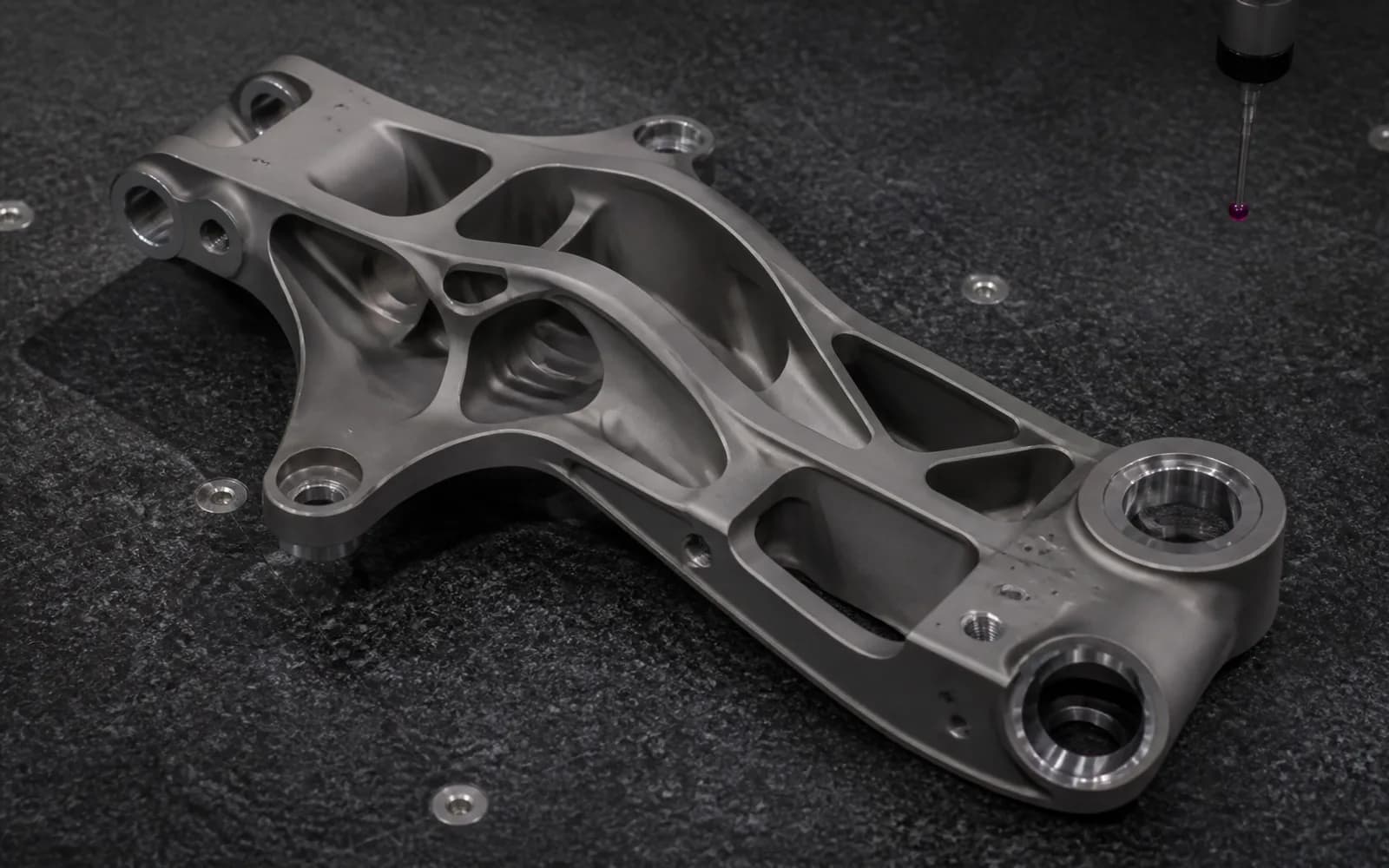
CNC Machined Brackets & Mounts
Structural parts that keep interfaces aligned without carrying unnecessary mass.
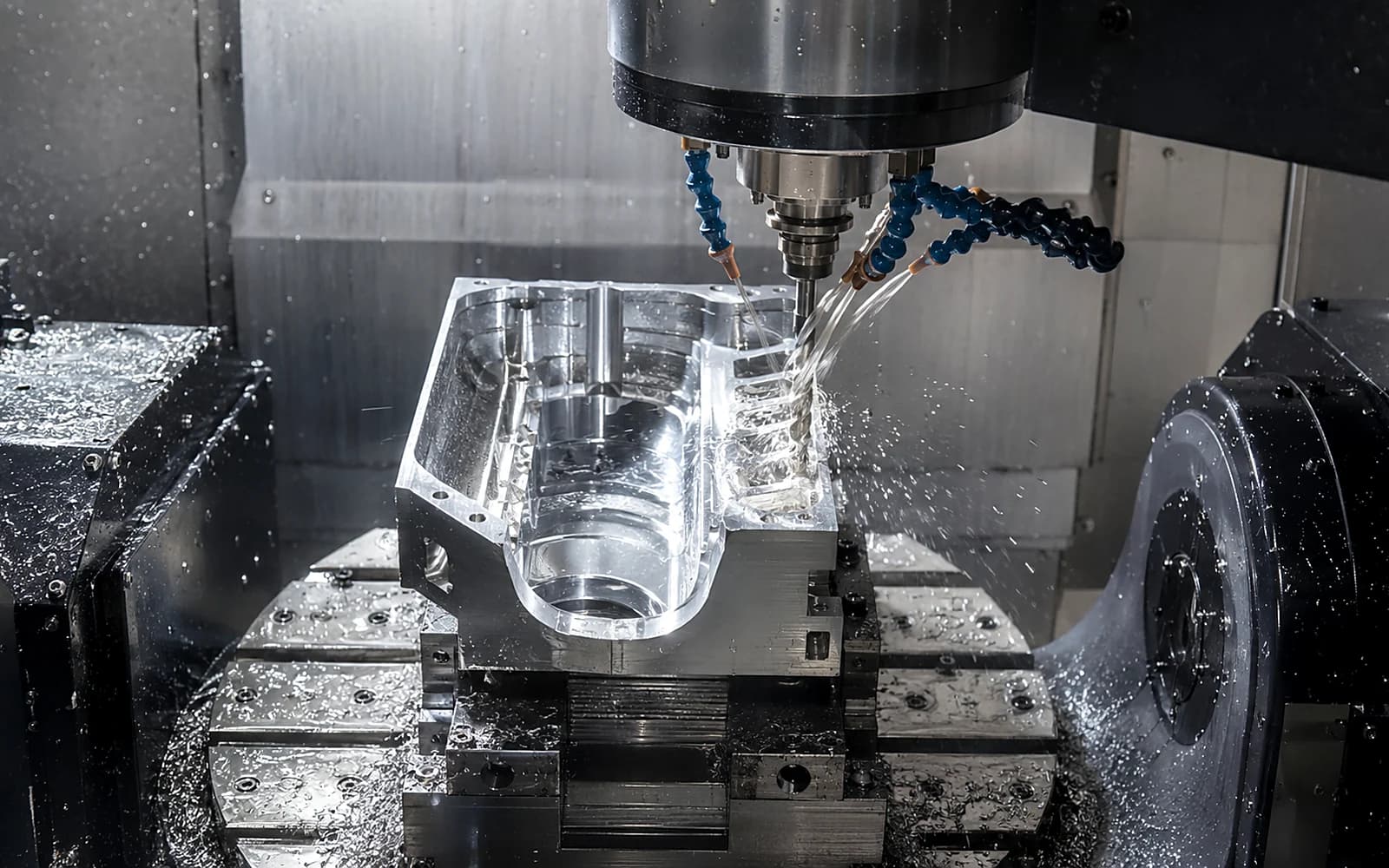
CNC Machined Manifolds
Cross-drilled flow paths, clean intersections and sealing geometry controlled as one part.
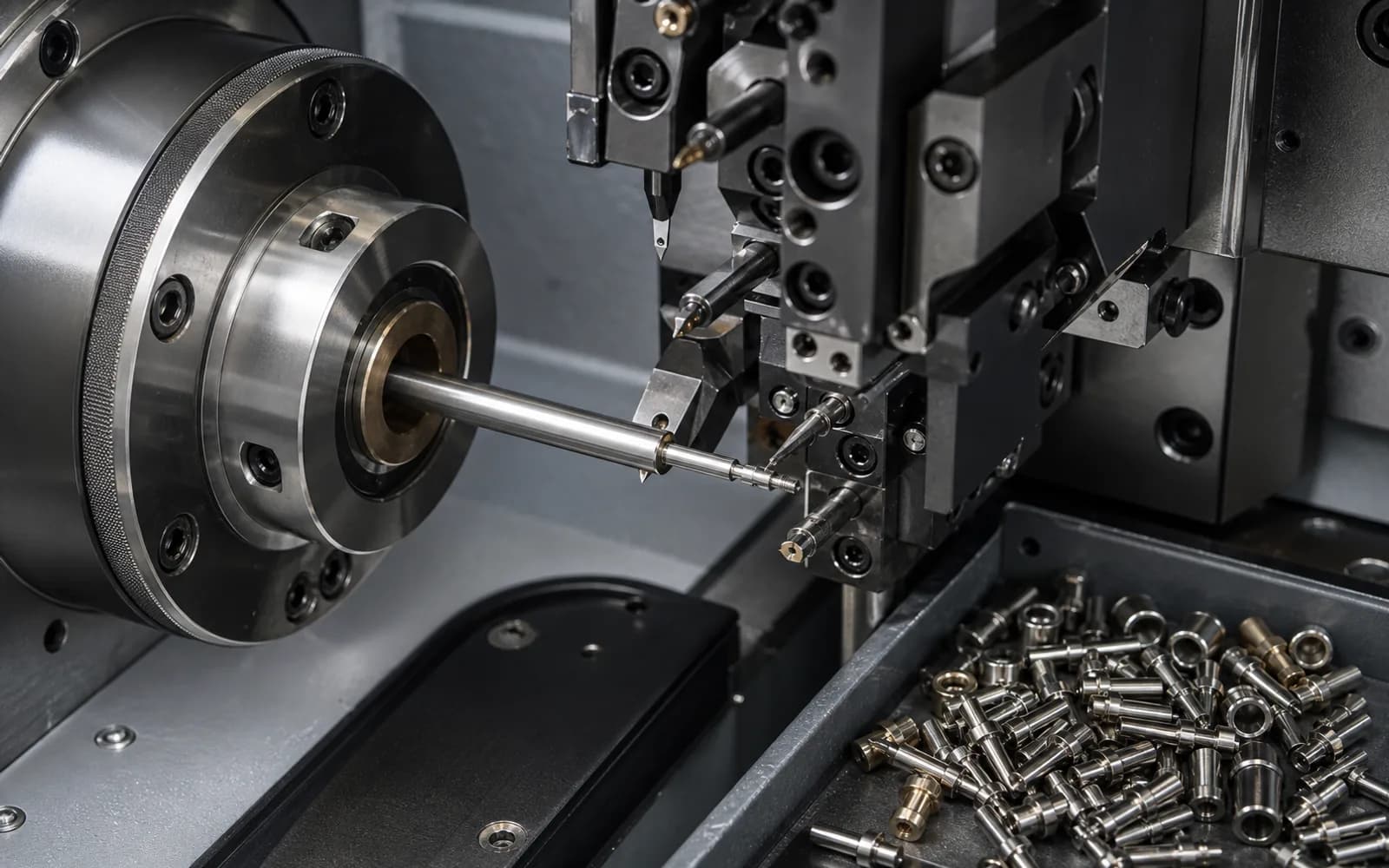
CNC Machined Shafts & Pins
Turned geometry with bearing fits, threads and runout controlled from a common datum axis.
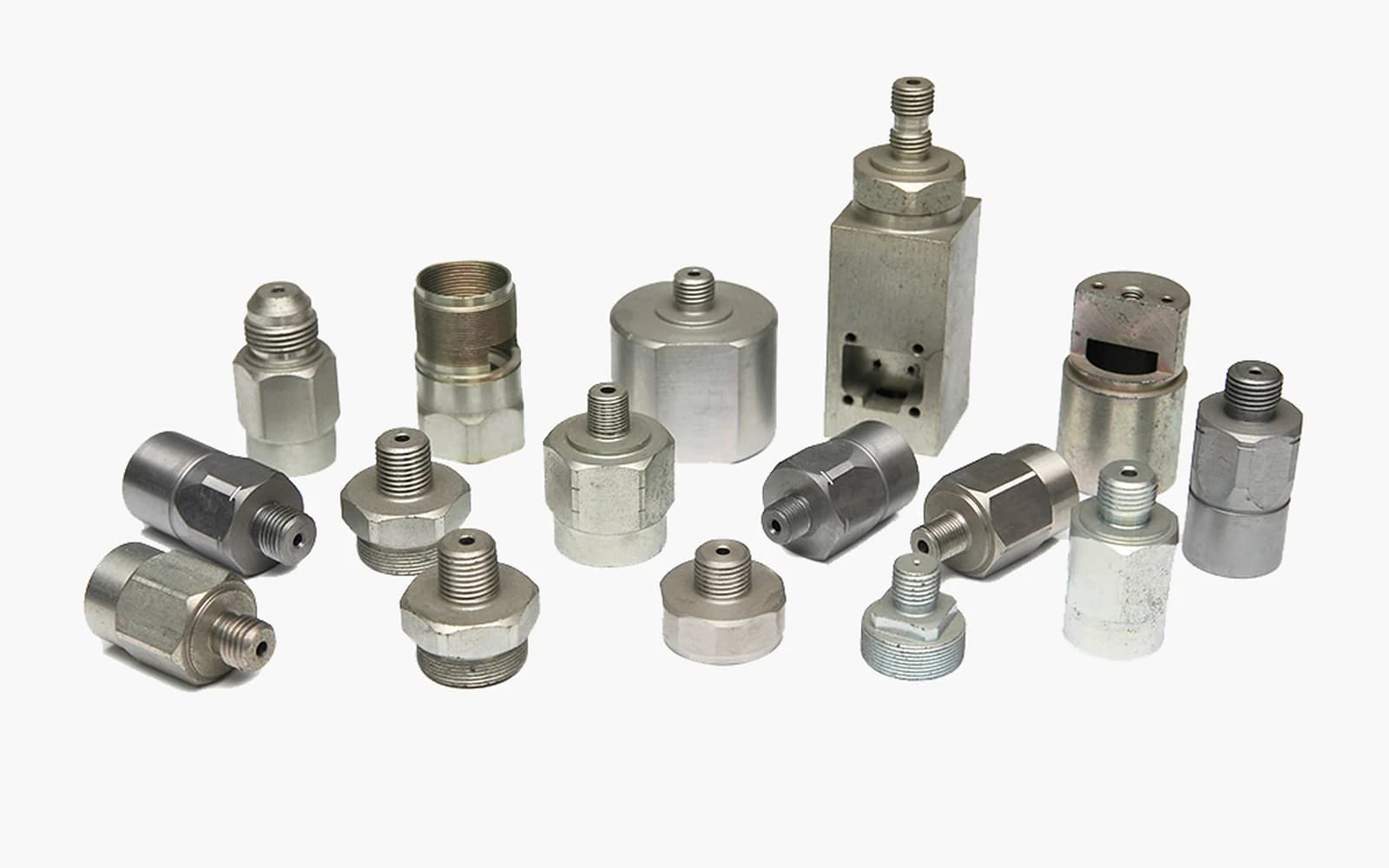
CNC Machined Bushings & Sleeves
Bore-first turned components for controlled clearance, wear and alignment.
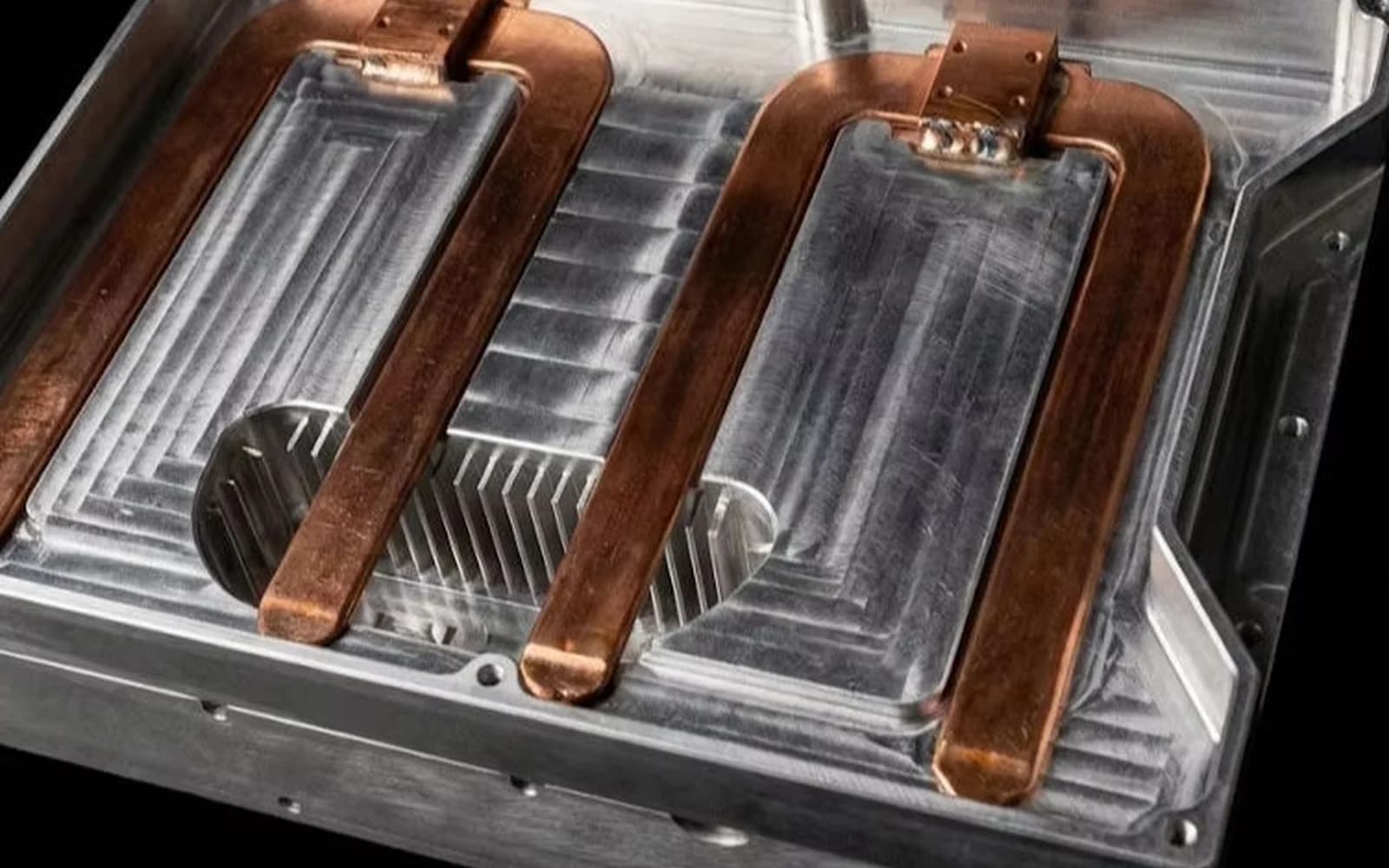
CNC Machined Heat Sinks & Cold Plates
Thermal surfaces, flow channels and sealed interfaces manufactured as one controlled system.
Recommended materials
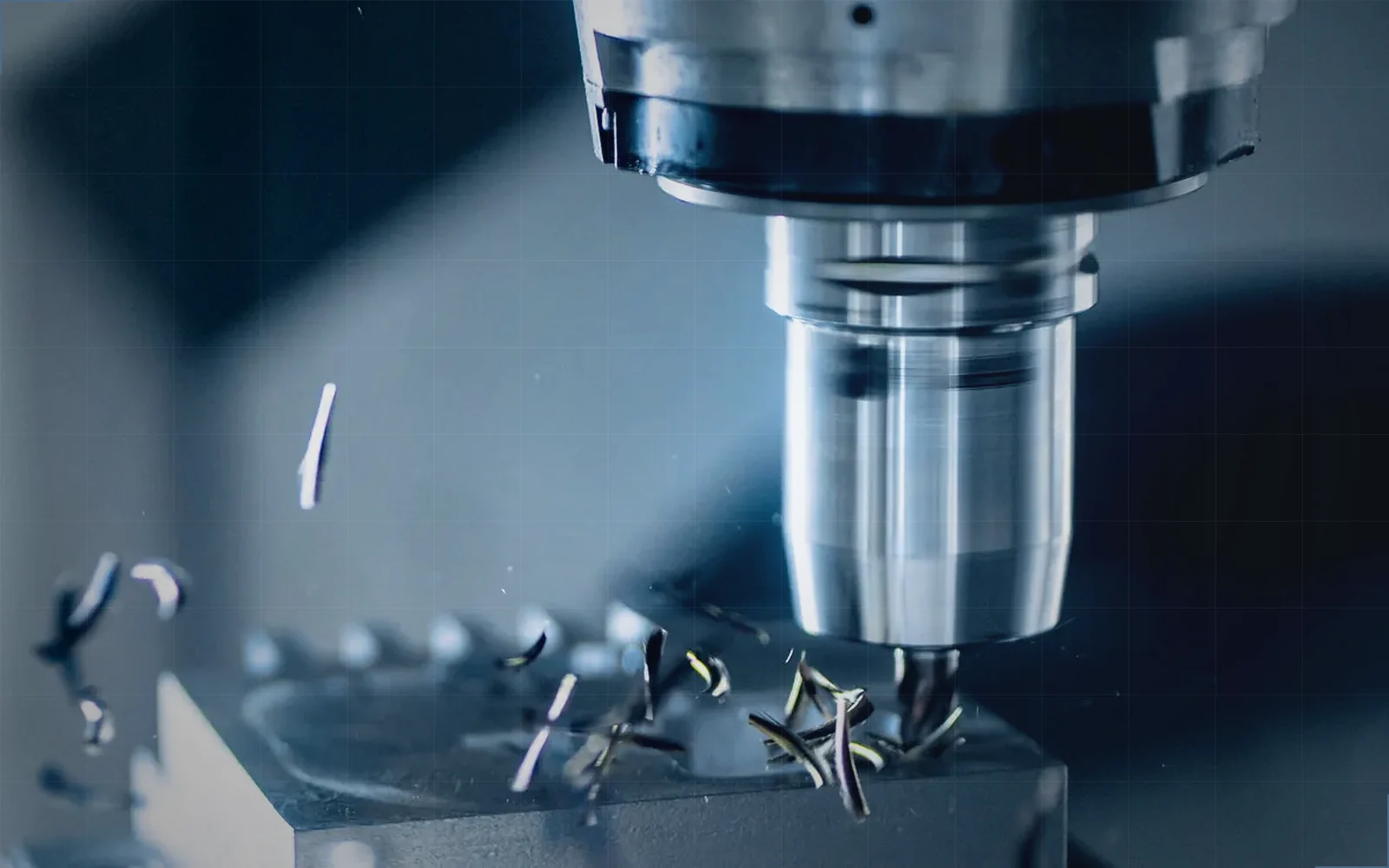
Aluminum 6061-T6
The default CNC aluminum: strong enough for most jobs, machines fast, anodizes well.
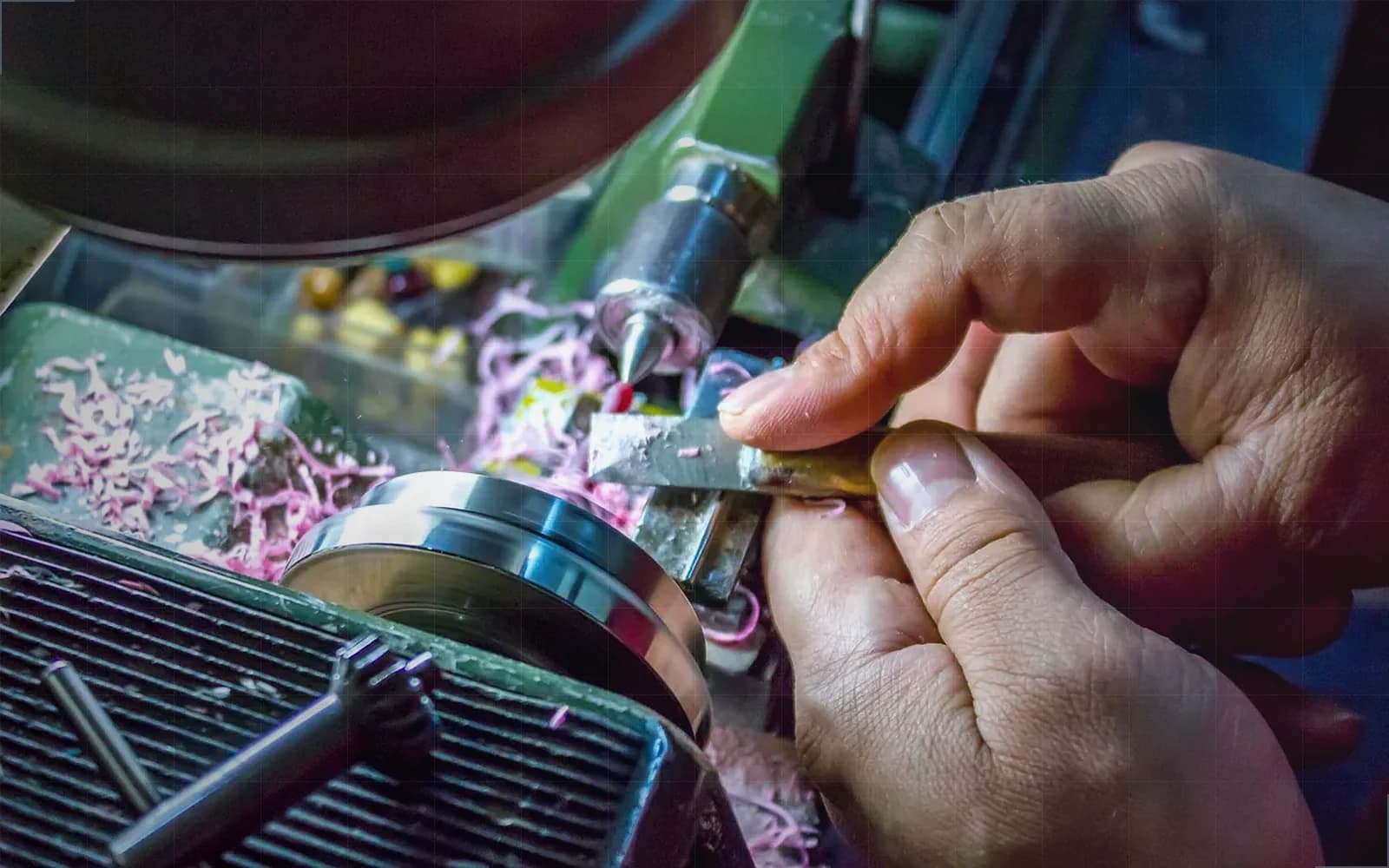
Carbon Steel 1045
The shaft steel: strong, cheap, induction-hardenable exactly where it counts.
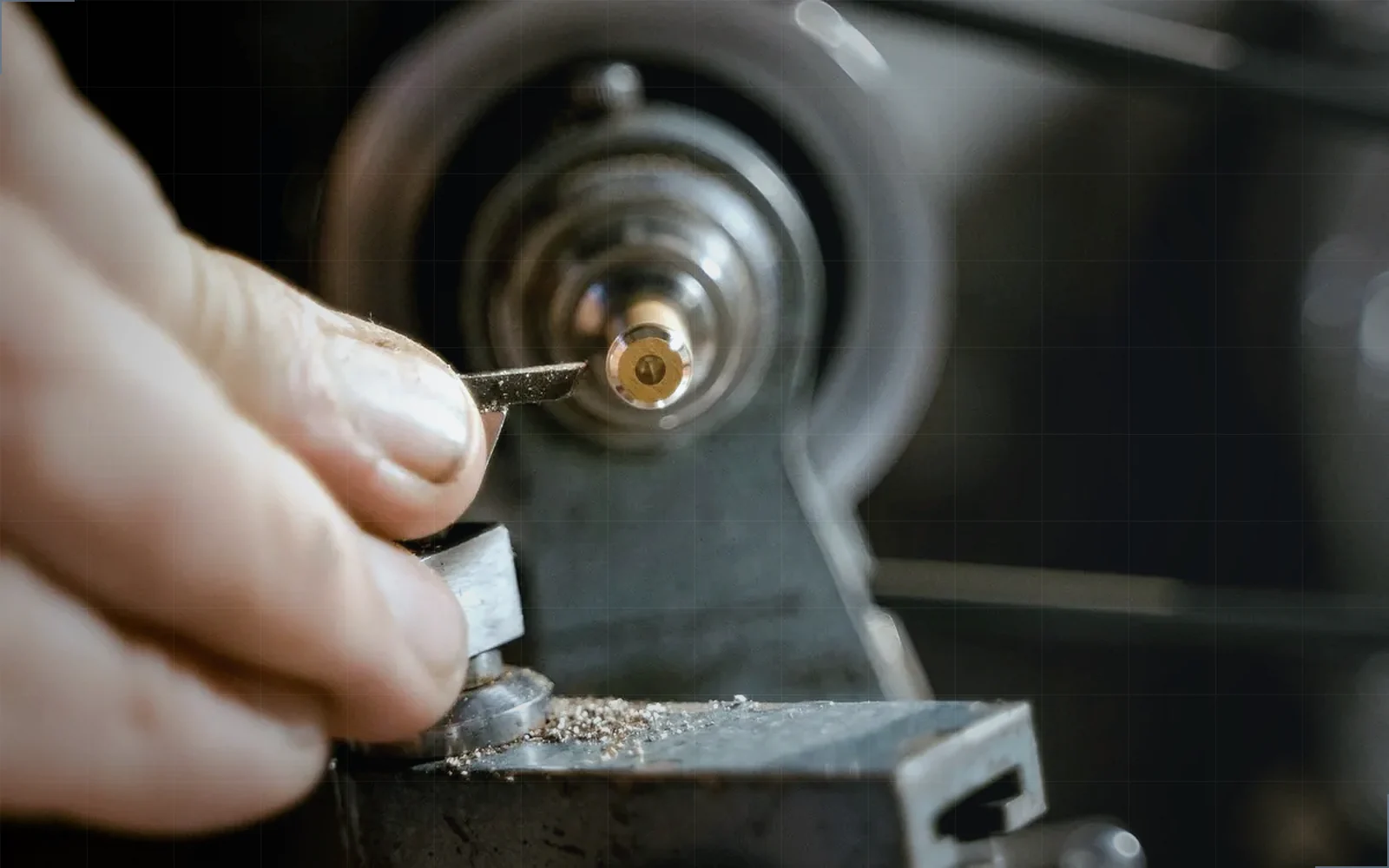
Stainless Steel 303
The machinist's stainless: sulfur additions cut machining cost ~30% versus 304 on turned parts.
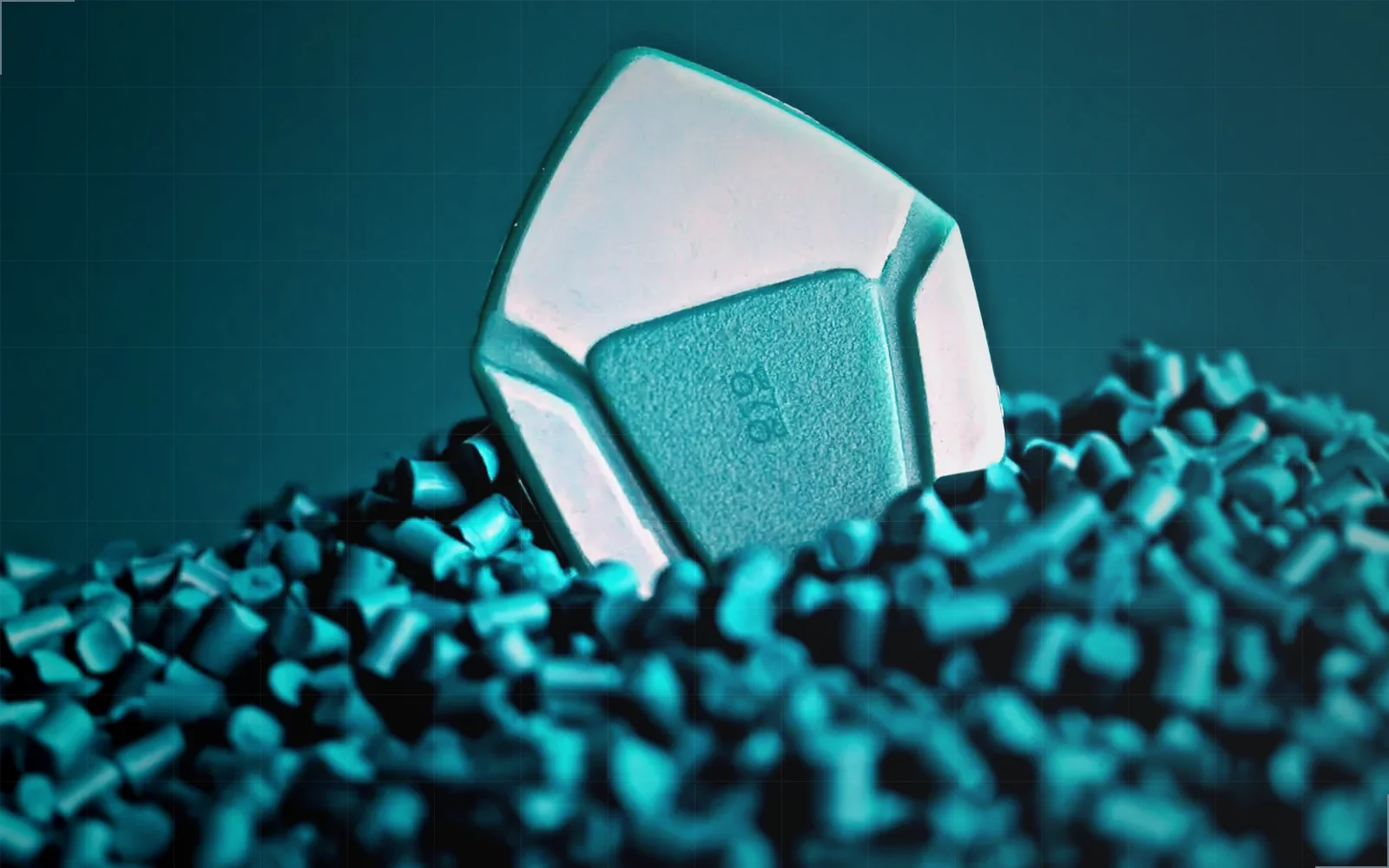
POM (Delrin / Acetal)
The machinist's favorite: stiff, slippery, stable — plastic parts with metal-like precision.
Related pages
CNC Machining
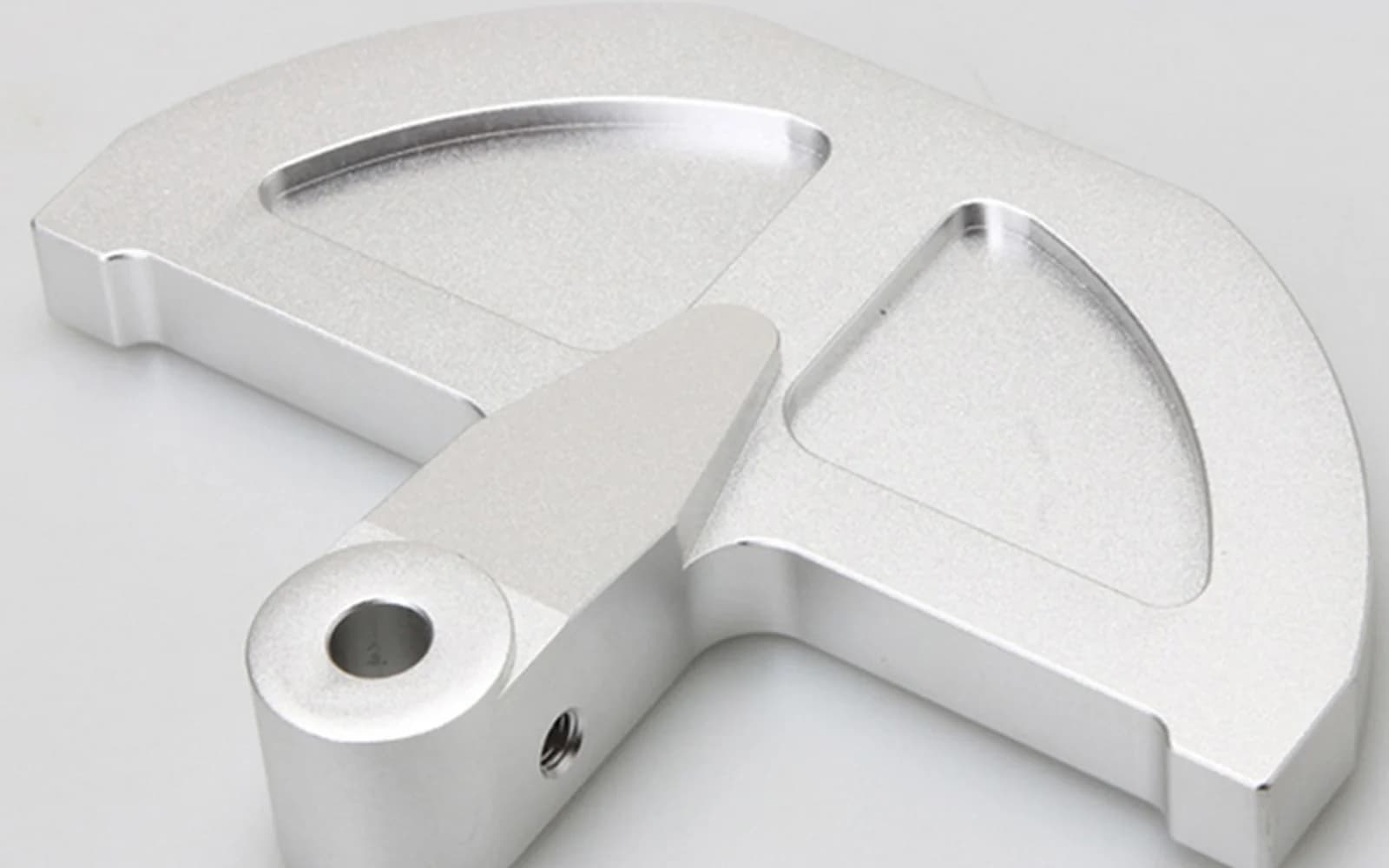
Milling, turning, 5-axis, Swiss-type, EDM and grinding under one roof. One upload, one accountable partner.
CNC Milling
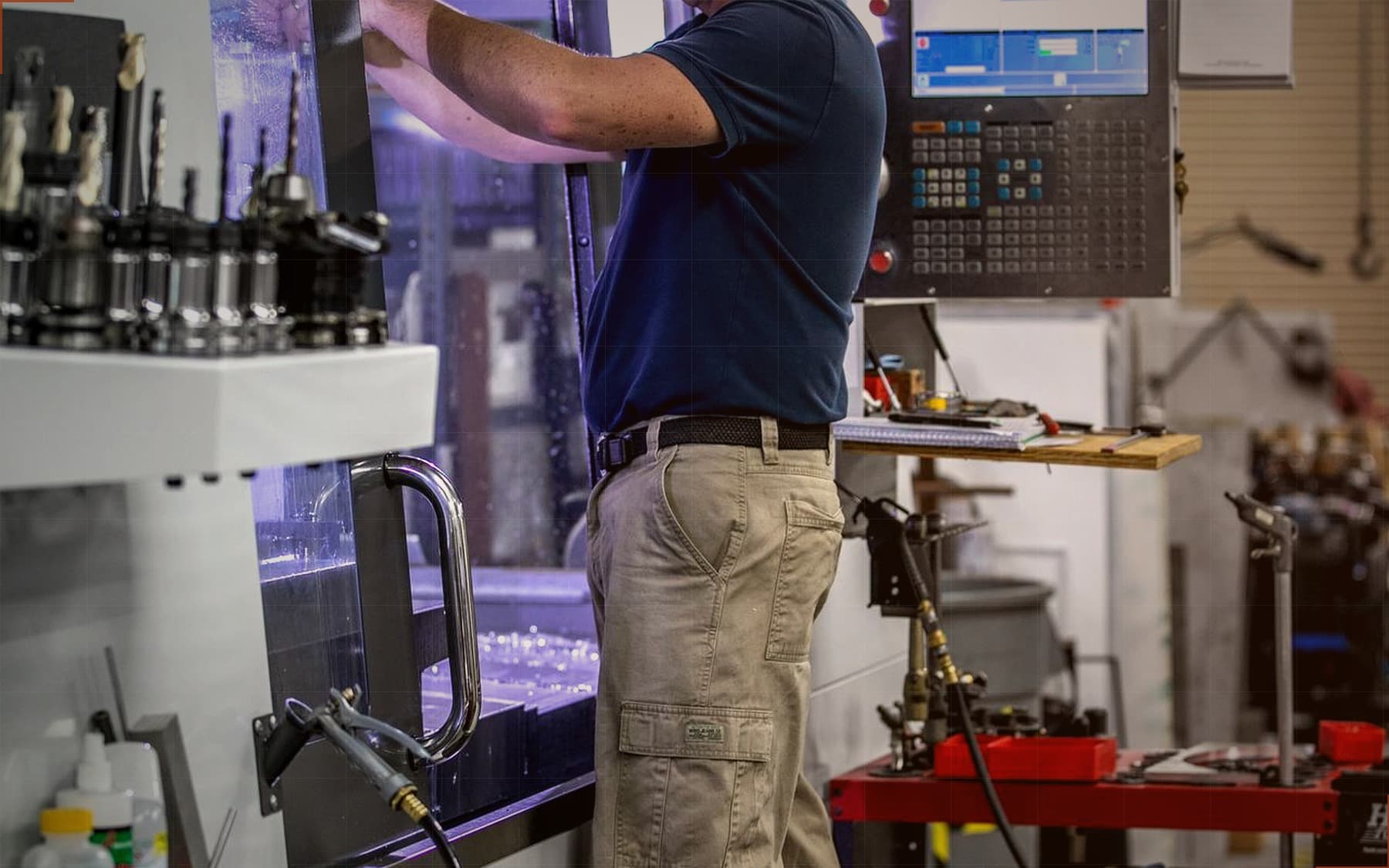
3- and 4-axis vertical machining for housings, brackets, manifolds and structural parts.
CNC Turning
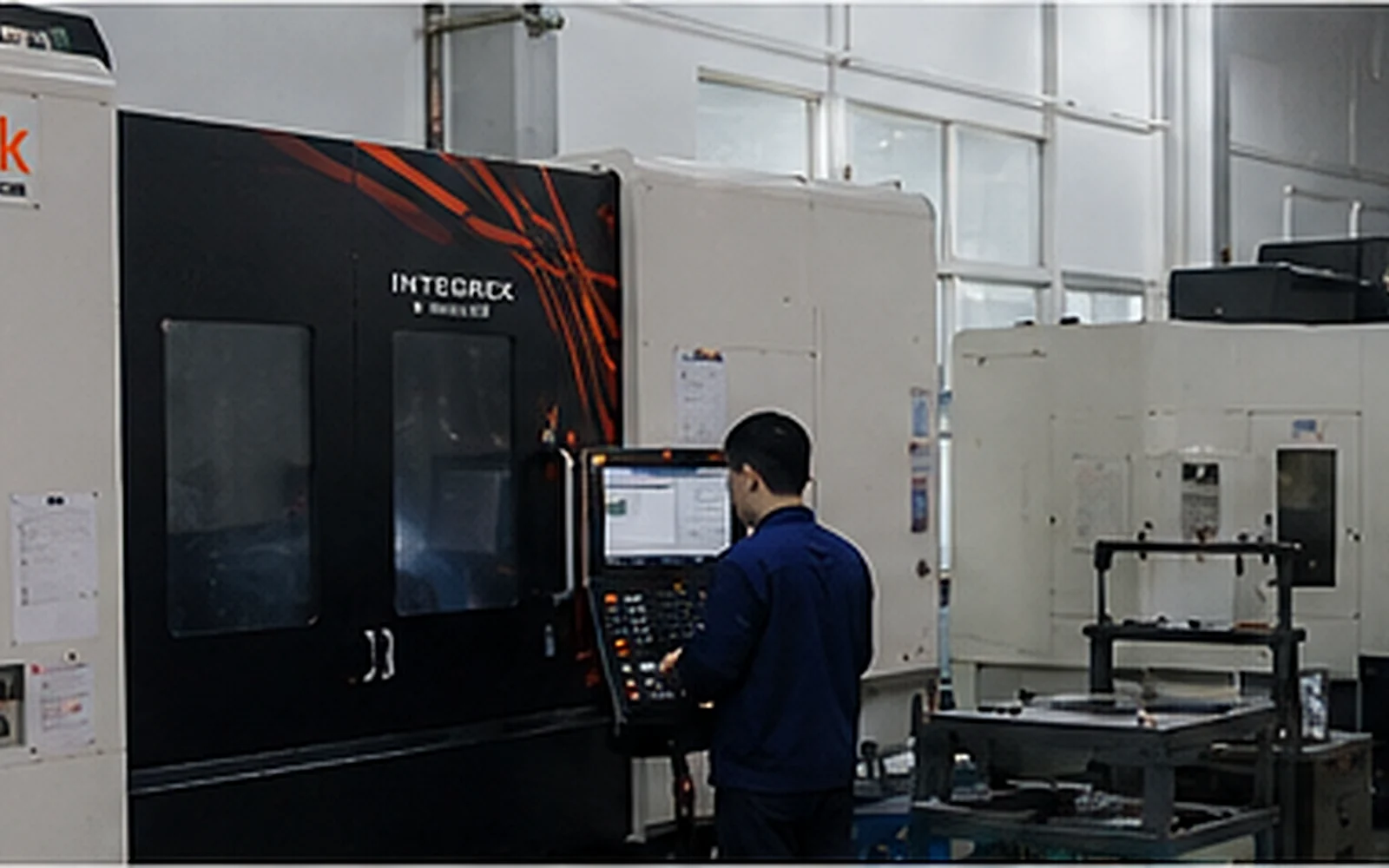
Live-tooling lathes for shafts, pins, bushings and threaded fittings up to Ø406 mm.
5-Axis Machining
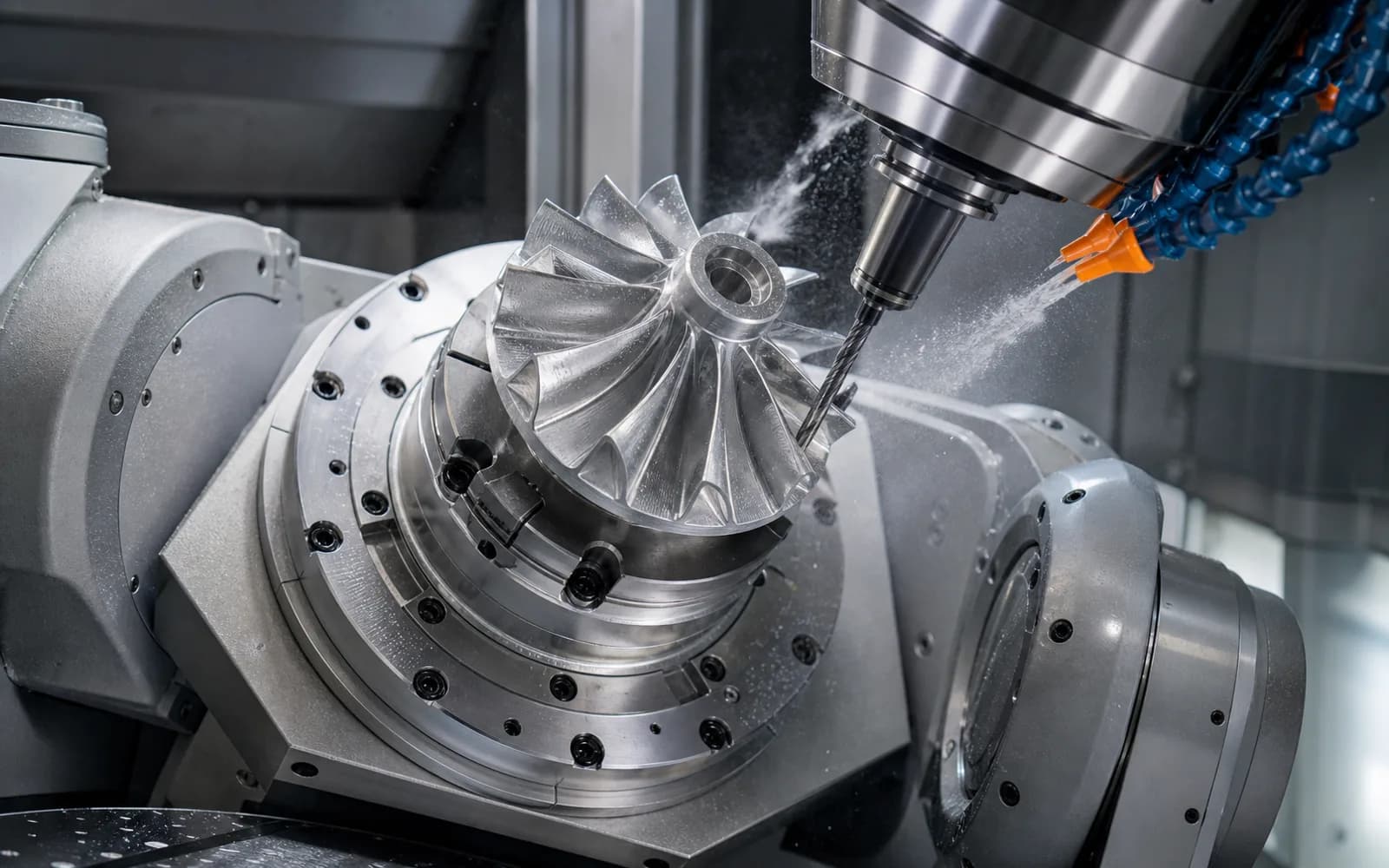
Simultaneous 5-axis machining for impellers, freeform surfaces and compound-angle features.
Related engineering guides
CNC prototyping to production
CNC Prototyping to Production: How to Keep Quote Data, Tolerances and Quality Aligned
A guide to moving CNC parts from first prototype to pilot and production without losing material, finish, inspection or delivery context.
custom forging and machining
Custom Forging and Machining: A Buyer Guide for Load-Bearing Parts
How to source forged and finish-machined components: process selection, machining allowance, heat treatment, inspection, tooling and RFQ requirements.
If the part already runs somewhere and you are adding capacity or a backup, start as a second source and let your incumbent keep the line fed while the part is qualified here.
Have a part in mind?
Upload CAD or drawings. Eligible CNC work gets an instant estimate; other processes move to engineer review. NDA-protected from the first byte.
Start an RFQ