Material · Copper Alloys
Brass C360 (Free-Machining)
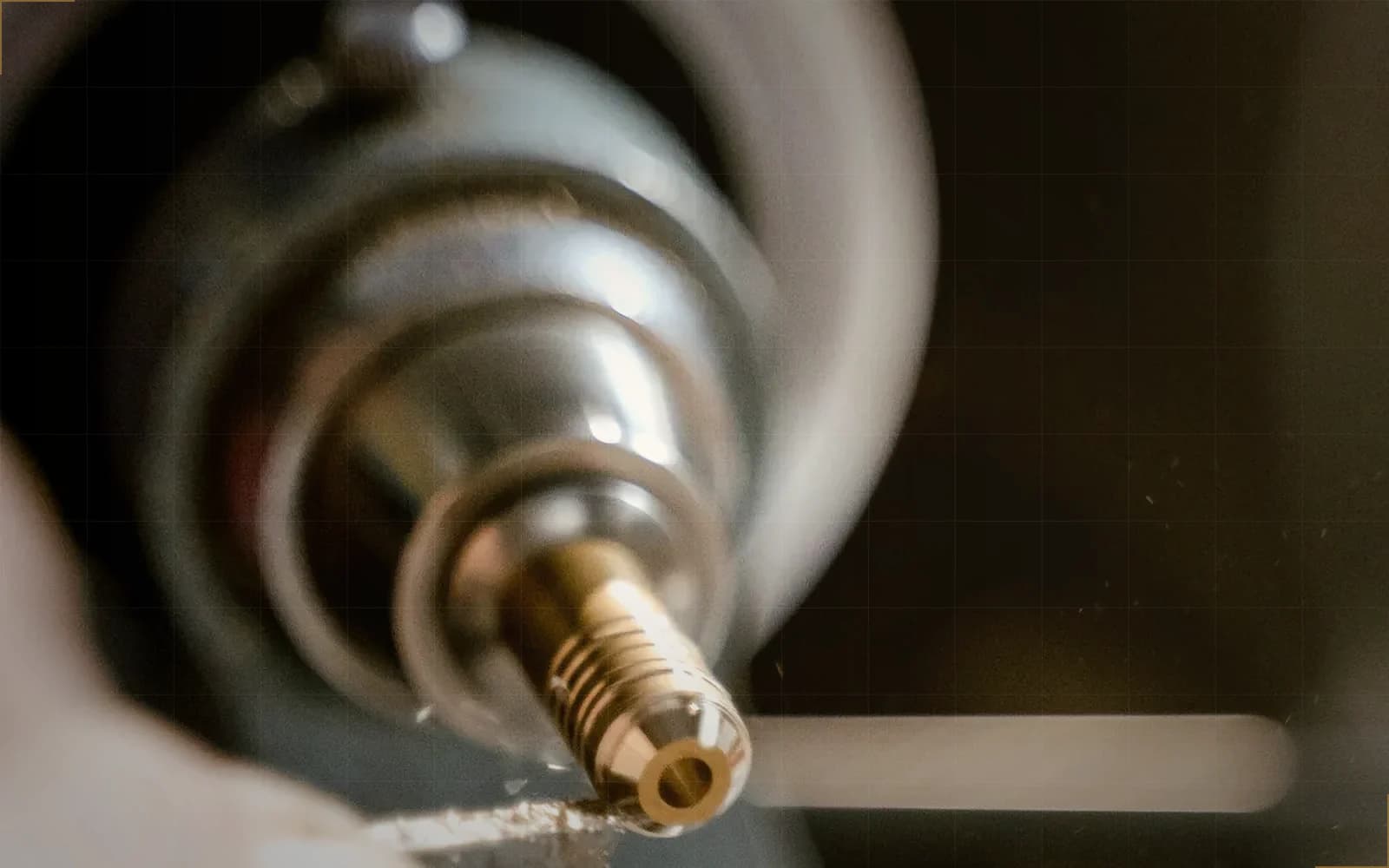
The machinability benchmark itself: fastest cycle times in the shop, naturally low-friction.
Price index: $$
Instant quote onlineMaterial properties
| Parameter | Value |
|---|---|
| Tensile strength | 385 MPa |
| Yield strength | 310 MPa |
| Hardness | 78 HRB |
| Density | 8.50 g/cm³ |
Choose it when
Wherever machining dominates cost — small complex turned parts at volume — and where its bearing behavior, conductivity (~26% IACS) or golden as-machined finish earn their keep.
Look elsewhere when
The ~3% lead bars it from potable-water and lead-restricted assemblies (specify lead-free C69300 instead), and modest strength rules out loaded structural parts.
Compatible finishes
As-Machined
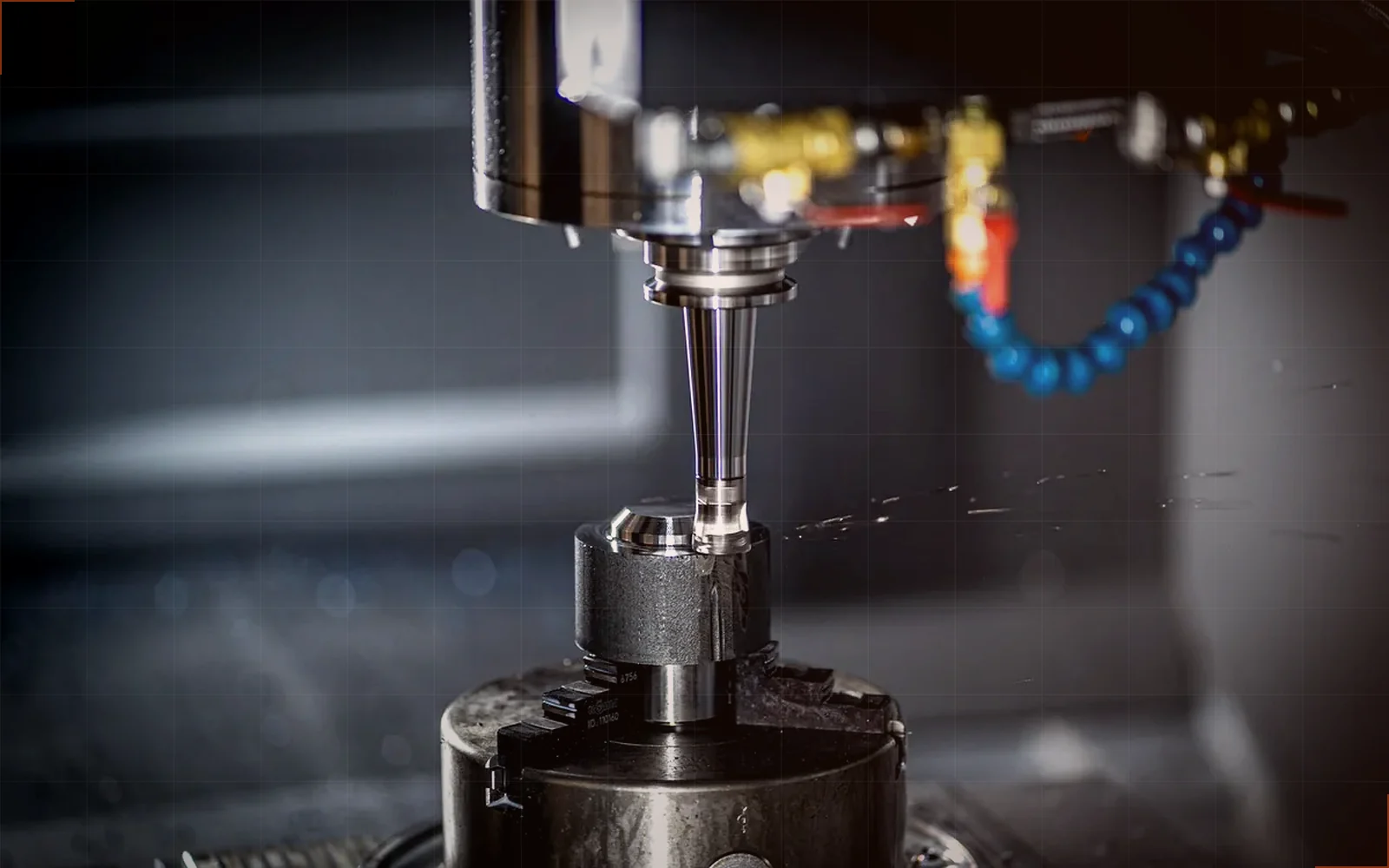
The baseline finish: straight off the machine, fastest and cheapest.
Nickel Plating (Electrolytic)
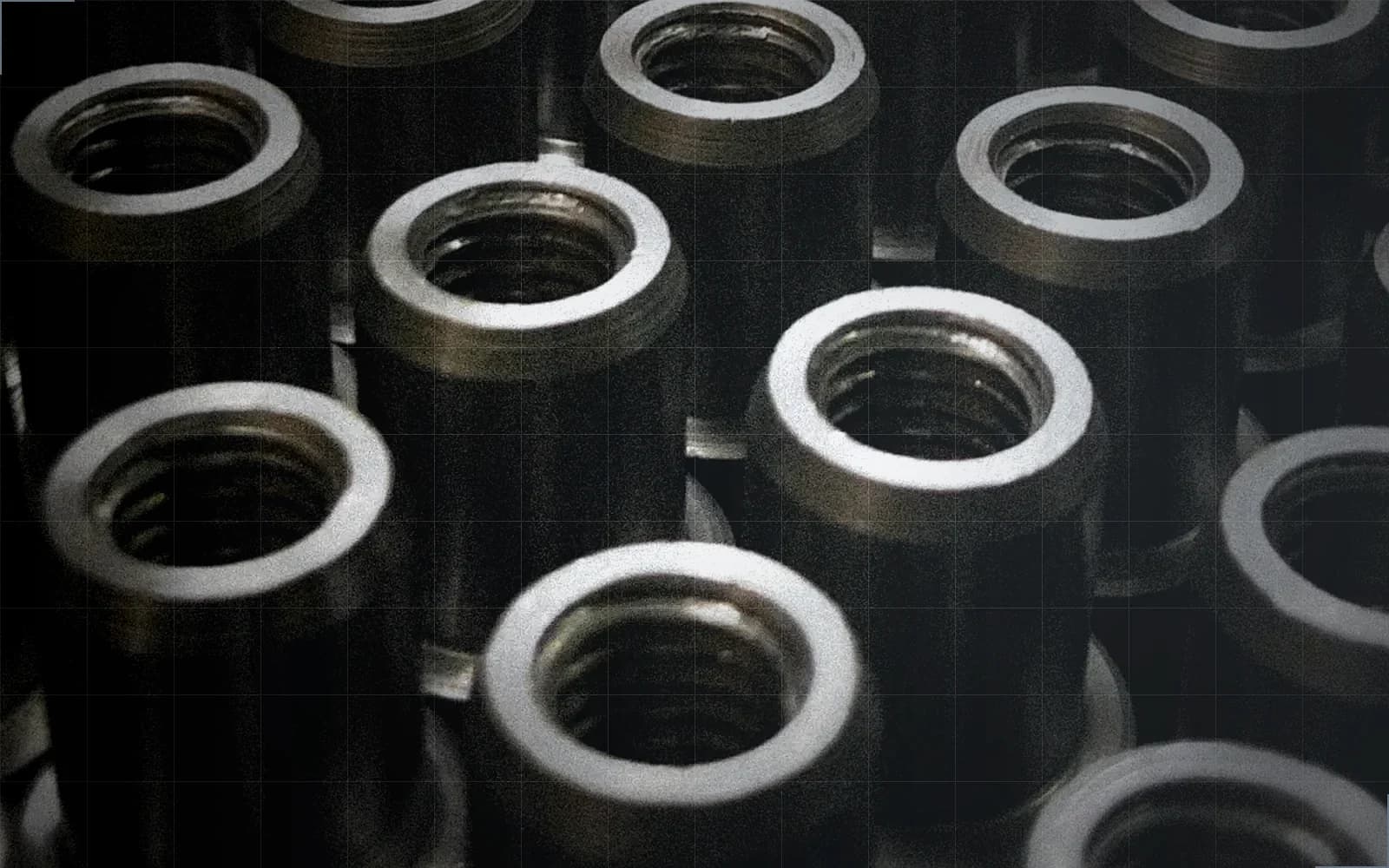
Bright, polishable nickel for decorative protection and contact underlayers.
Electroless Nickel Plating (ENP)
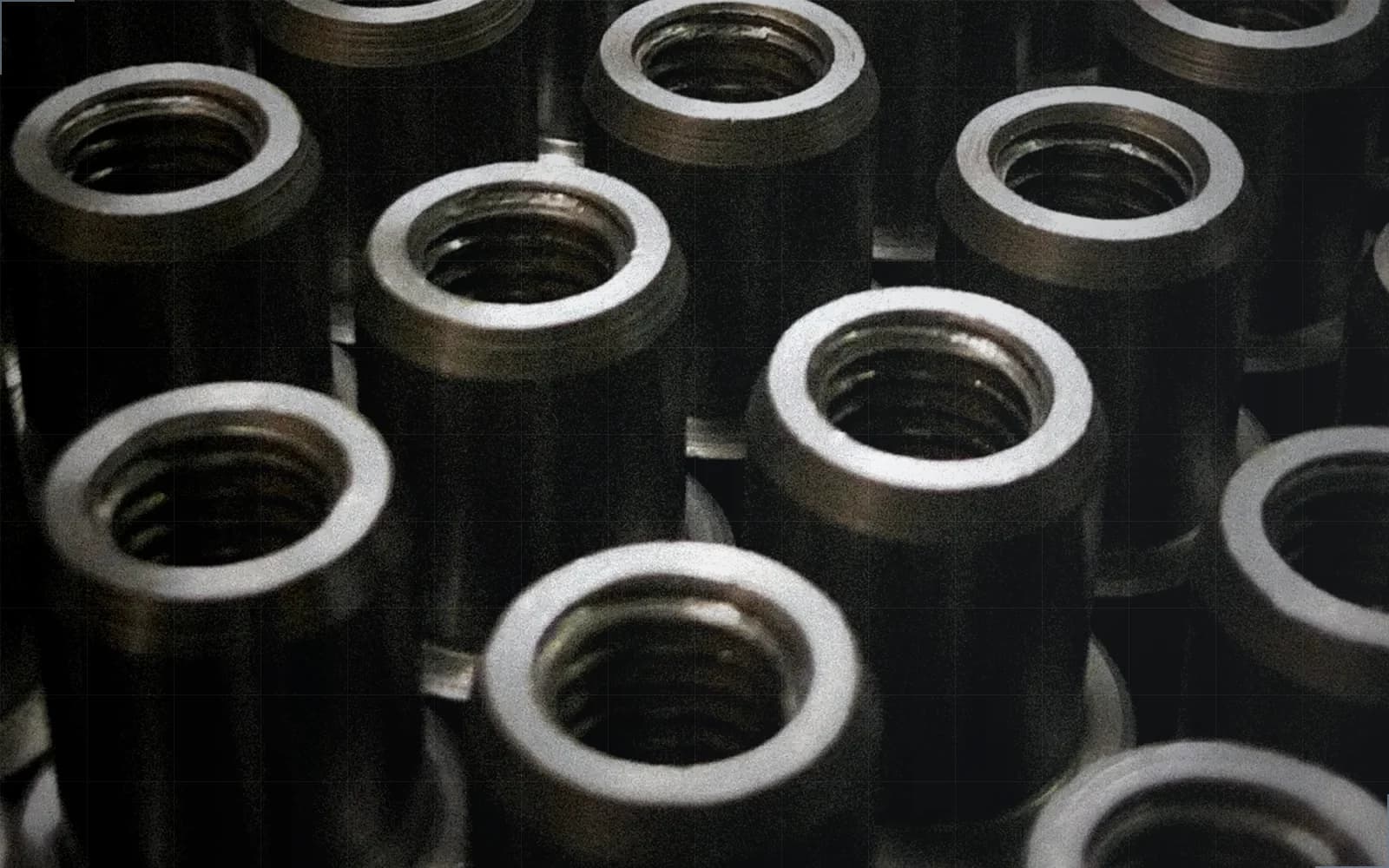
Plating without electricity: dead-uniform thickness everywhere, bores and threads included.
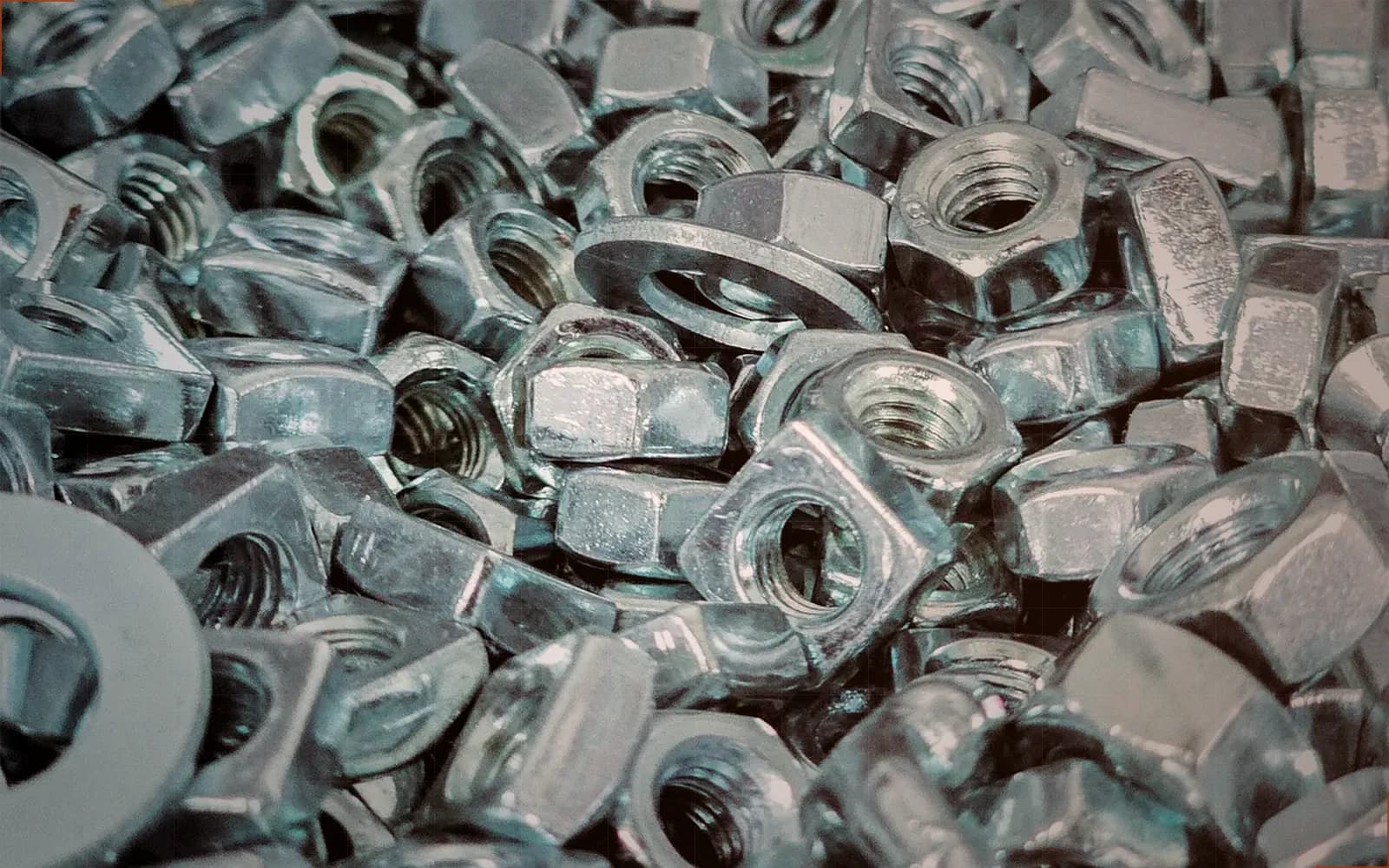
Tin Plating
The solder-friendly finish: tin for bus bars, terminals and food-contact hardware.
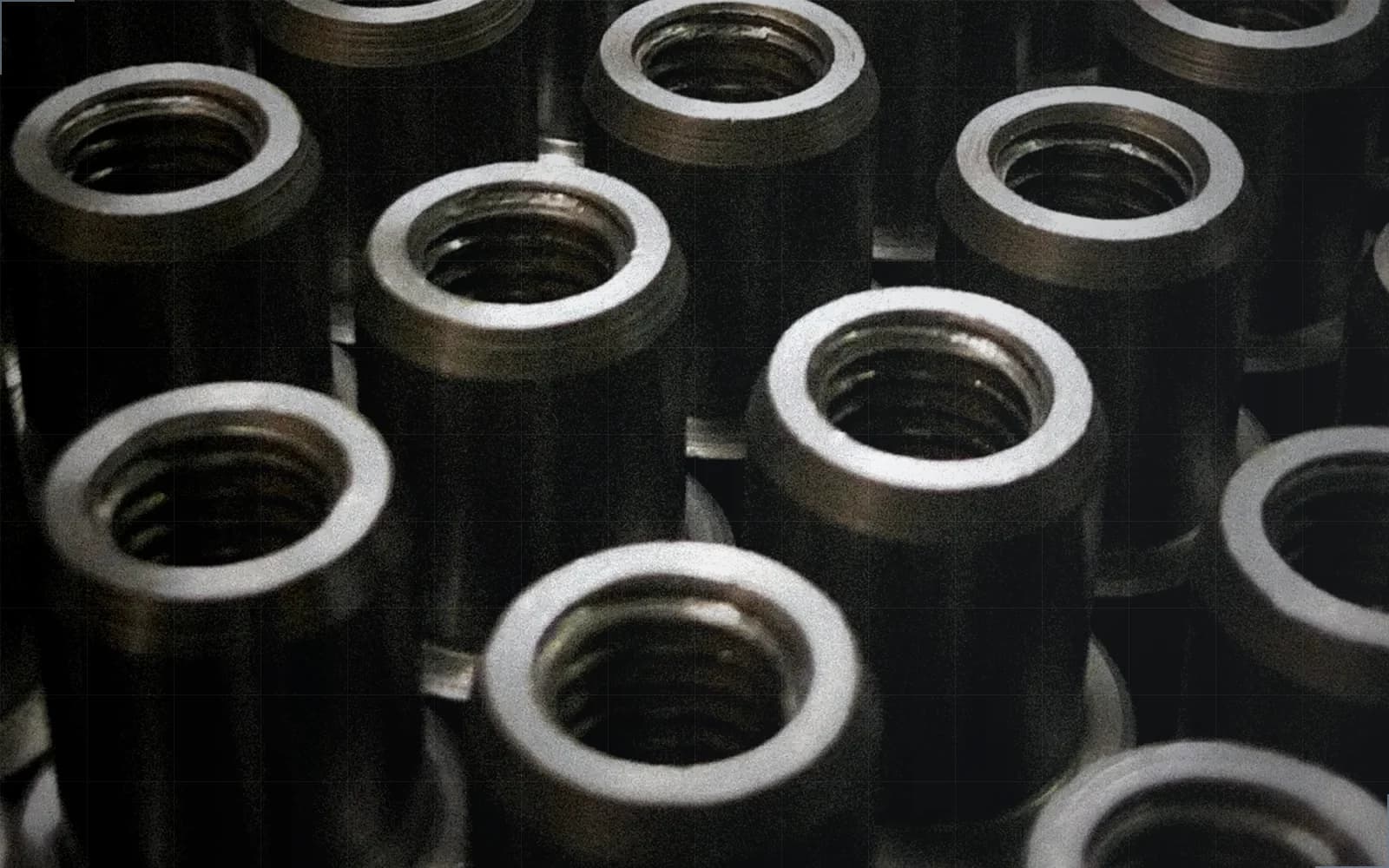
Hard Chrome Plating
The hardest plated surface in the shop: ~65 HRC chrome for sliding and abrasive service.
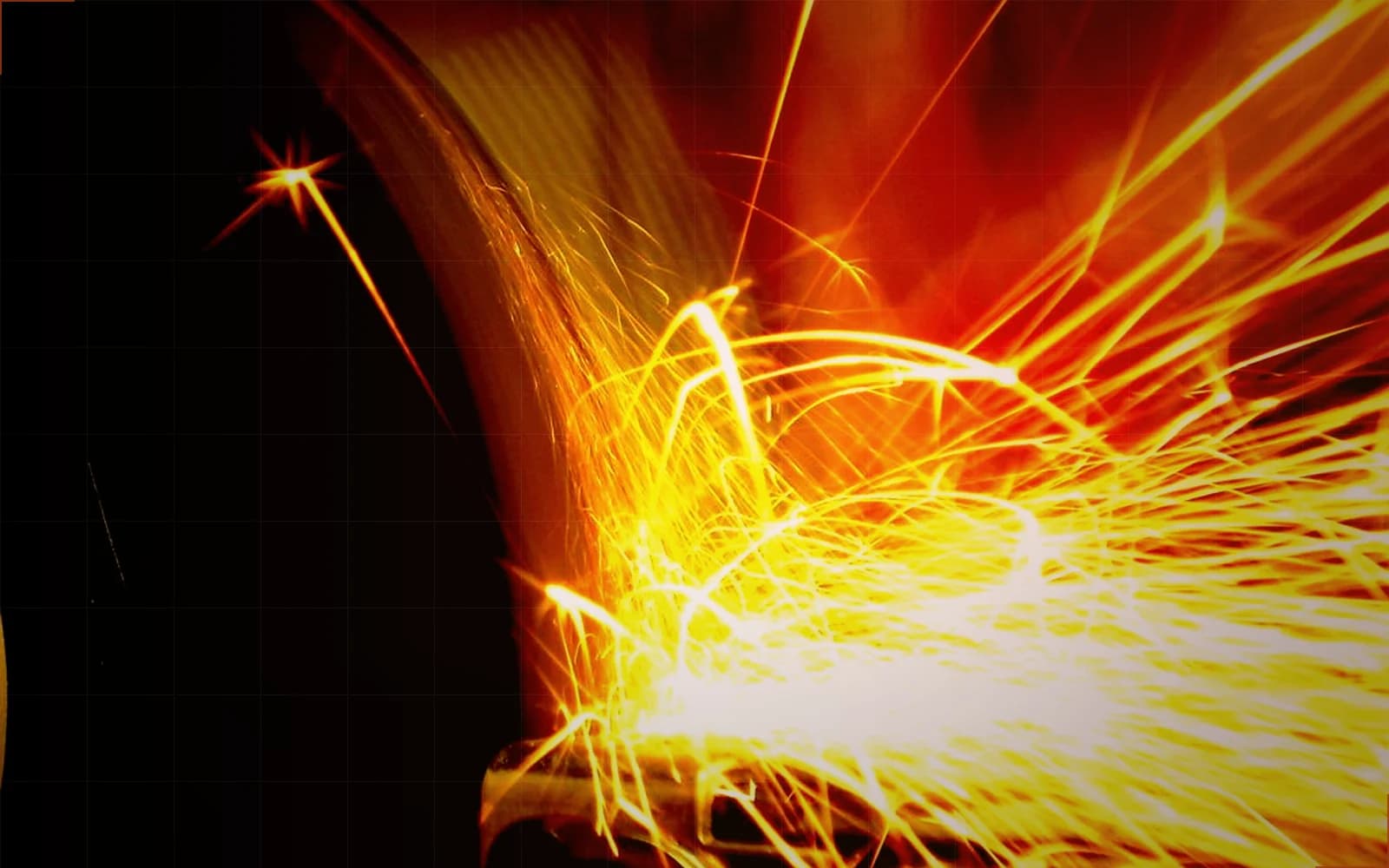
Polishing
Progressive abrasives down to mirror: the finish for optics, molds and show surfaces.

Vibratory Tumbling
Batch deburring by the bowl-full: every edge broken, every burr gone, at volume prices.
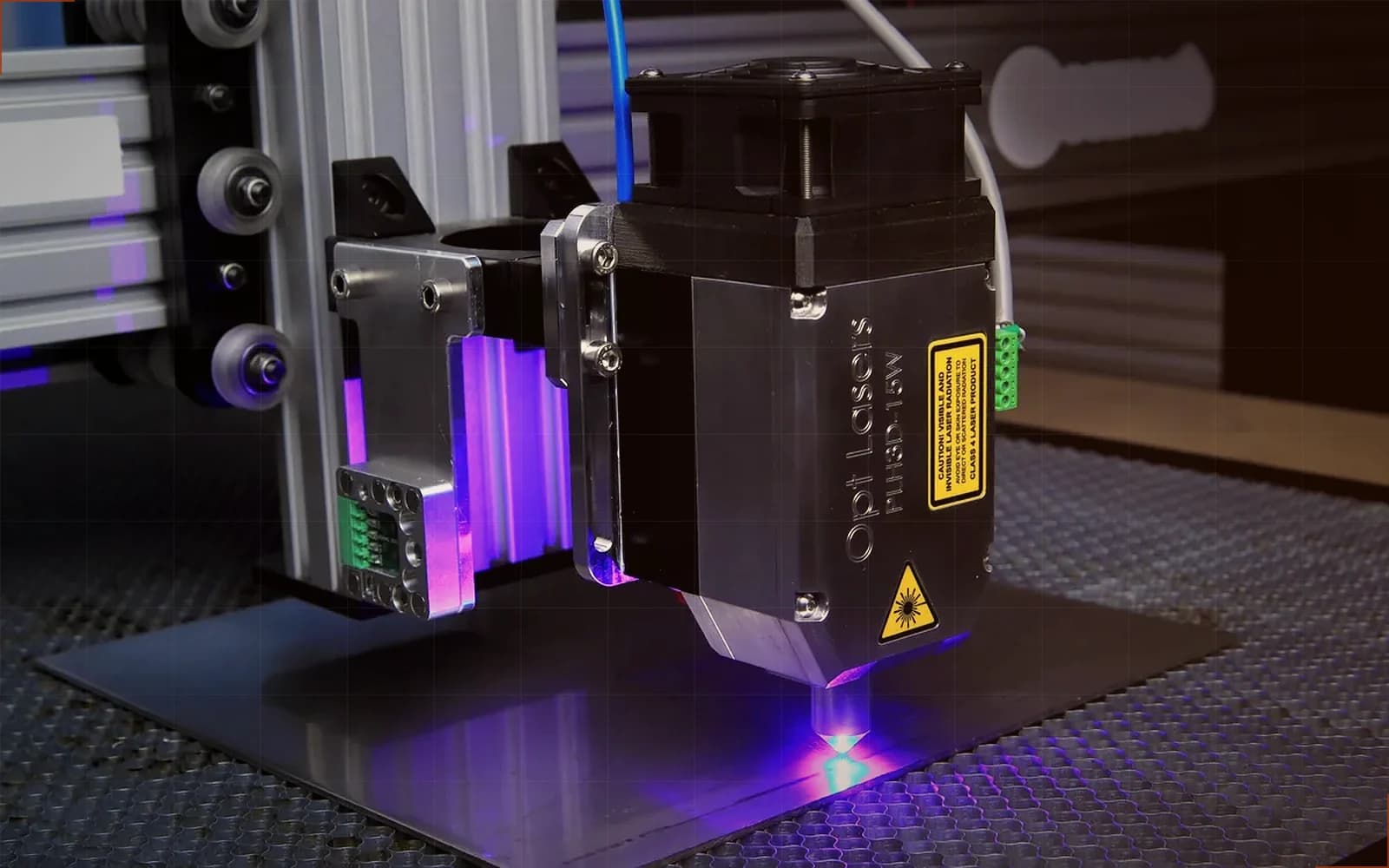
Laser Marking
Permanent identification with zero dimensional change: serials, logos and codes burned in, not stuck on.
Typical applications
- Valve and fluid fittings (non-potable)
- Electrical contacts and terminals
- Bushings and thrust washers
- High-volume Swiss-turned small parts
Compared with similar grades
| Property | Brass C360 (Free-Machining) | Copper C110 | Brass C260 (Cartridge Brass) | Phosphor Bronze C510 |
|---|---|---|---|---|
| Tensile strength | 385 MPa | 220–345 MPa (temper) | ~370 MPa | ~470 MPa (H02) |
| Yield strength | 310 MPa | 70–320 MPa (temper) | ~250 MPa (temper dependent) | ~345 MPa (temper dependent) |
| Hardness | 78 HRB | 40–95 HRF | ~55 HRB | ~80 HRB |
| Density | 8.50 g/cm³ | 8.94 g/cm³ | 8.53 g/cm³ | 8.86 g/cm³ |
| Price index | $$ | $$$ | $$$ | $$$ |
| Machinability | 5/5 | 2/5 | 4/5 | 3/5 |
Brass C360 (Free-Machining) buyer questions
01What's in 360 brass, and how strong is it?
C36000 (ASTM B16) is 60–63% copper, 2.5–3.0% lead, up to 0.35% iron, and the rest zinc. Density is 8.50 g/cm³ (0.307 lb/in³).
Strength depends on temper. The tensile, yield and hardness numbers in the table above are for half-hard (H02) rod, which is what most shops stock. Annealed bar is noticeably softer. It's non-magnetic, and conductivity is about 26% IACS.
02Why is C360 the 100% machinability benchmark?
Because of the lead. It doesn't dissolve into the brass. It sits in tiny particles that break the chip and lubricate the cutting edge, so chips come off short and the tool lasts a long time.
The copper-alloy machinability index is built around it: C36000 is 100 and every other alloy is rated against it. Lead-free C260 cartridge brass comes in around 30.
One thing buyers don't always see: brass chips have real scrap value. On a turned part where most of the bar ends up as chips, that recovery shows up in the price.
03How do I spec C360 on a drawing? What are the equivalents?
Write the alloy, the spec and the temper: "Brass, UNS C36000 per ASTM B16, H02." 360 brass, CDA 360 and CA360 all mean the same alloy.
The closest foreign grades are CW614N (CuZn39Pb3) in Europe and C3604 in Japan. They machine about the same, but the composition limits aren't identical. If your part was qualified on one of them, name it.
04Can I use 360 brass for drinking water or RoHS parts?
Not for drinking water. At around 3% lead it's far over the limit for wetted surfaces: in the US, NSF/ANSI 372 and the Safe Drinking Water Act cap weighted-average lead at 0.25%. Use a lead-free brass such as C69300 instead. It machines well, just slower than C360.
RoHS is a separate question. Leaded copper alloys up to 4% lead have been covered by an exemption, but exemptions get reviewed. Check the current status before you lock the design.
05C360 or C260 brass?
If the part is mostly machining, C360. It's the fast option.
If it gets bent, crimped or flared after machining, or it has to be lead-free, go with C260. It's more ductile, but it cuts slowly and tends to gum up the tool.
Neither is great in seawater. Look at naval brass (C464) or a bronze for that.
CNC machining service by country
Have a part in mind?
Upload CAD or drawings. Eligible CNC work gets an instant estimate; other processes move to engineer review. NDA-protected from the first byte.
Start an RFQ