Application Case: Invar Optical Alignment Stage CNC Machining
An optics and photonics RFQ playbook for Invar 36 alignment stages, low thermal expansion, datum control and inspection planning.
2026-07-02 · FabVector Engineering

Application context
Optical alignment stages need thermal stability and repeatable datums. Invar reduces expansion risk but changes machining economics and inspection strategy.
This is an application case playbook, not a fabricated customer success story. It describes the engineering information a buyer should prepare and the manufacturing route FabVector would evaluate before issuing a firm quote.
Suggested manufacturing route
- Machine datum surfaces and slot patterns with stress and flatness review.
- Use controlled finishing for alignment faces and fastener seats.
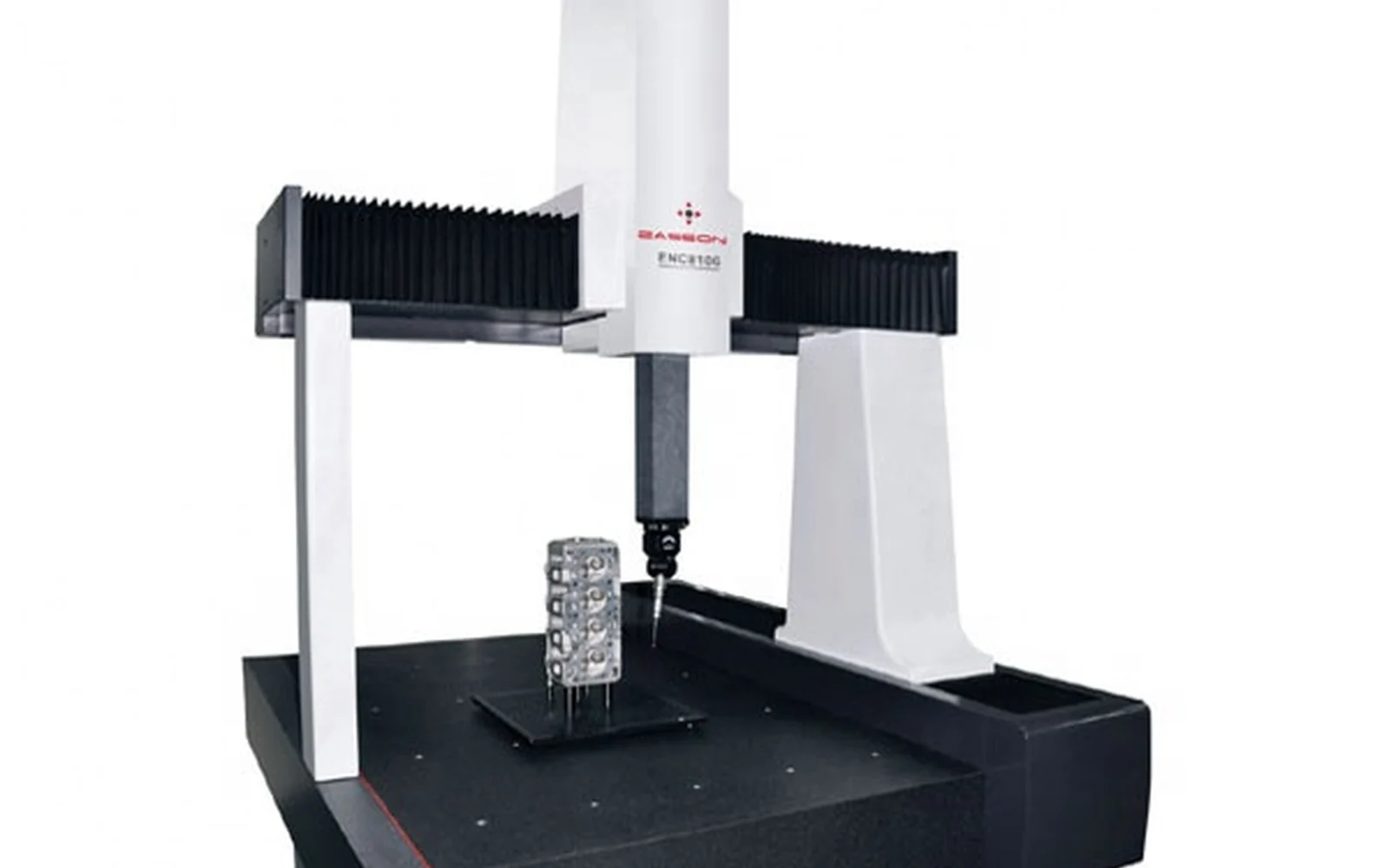
- Inspect geometry against optical datum assumptions rather than only external shape.
Material and finish decisions
- Invar 36 for very low thermal expansion.
- Aluminum 6061 when weight and cost are more important than thermal stability.
- Stainless or titanium when stiffness, corrosion or vacuum compatibility dominate.
Quality and risk controls
- Invar is chosen for thermal behavior, not fast machining.
- Flatness and parallelism should be tied to the optical function.
- Surface finish requirements should avoid unnecessary polishing where matte stability is acceptable.
What to include in the RFQ
- Operating temperature range and alignment datum scheme.
- Flatness, parallelism and hole position requirements.
- Material certificate and inspection report expectations.
Related FabVector resources
Use the RFQ workflow when the project needs price, lead time, inspection scope, material certificates or a production-ready handoff package.
Buyer questions
Questions about this manufacturing route
What matters most when sourcing Invar optical alignment stage CNC machining?
The critical inputs are CAD revision, material grade, tolerance stack, surface finish, quantity, inspection scope and delivery target. Missing any one of these usually creates quote revisions later.
Can FabVector quote from a STEP or STL file?
Yes. STEP and STL can start the structured RFQ. Drawings, GD&T, material certificates and inspection requirements should be attached when the part has regulated or tolerance-critical features.
What process route is usually reviewed first?
Machine datum surfaces and slot patterns with stress and flatness review.
What documentation can be requested?
For application cases, request dimensional inspection for critical features and add material certificates, CoC, FAI or CMM reporting when the assembly risk justifies it.
Related resources
RFQ next step
Turn this requirement into a quote package.
Upload CAD, select material, finish, tolerance, inspection and delivery context. FabVector keeps the quote inputs tied to the same engineering request.
Start structured RFQ