Surface Finish · Anodizing
Hardcoat Anodizing Type III
Wear armor for aluminum: an oxide layer as hard as tool steel.
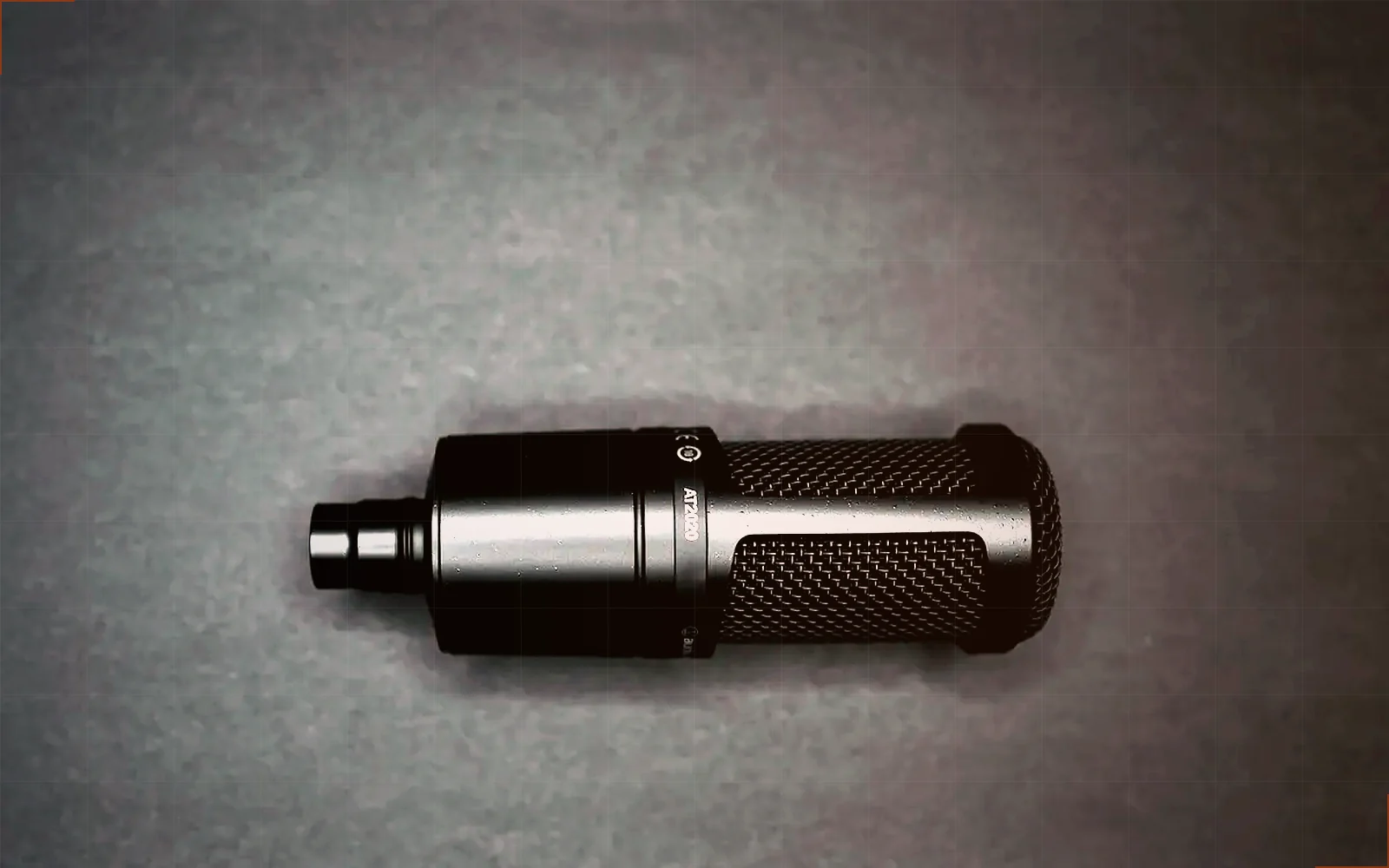
Process specifications
| Parameter | Value |
|---|---|
| Process group | Anodizing |
| Coating thickness | 25–75 µm |
| Tolerance impact | Grows ~50% of coating thickness per surface — at 50 µm that is ~25 µm per face, ~50 µm on a diameter. Pre-finish compensation is mandatory; tolerances tighter than ±0.01 mm post-coat may need grind-after-coat. Threads are normally masked. |
| Corrosion rating | 1,000+ h salt spray typical when sealed — well beyond the 336 h MIL-A-8625 requires for sealed Type III coatings. |
| Appearance | Matte gray to bronze-black depending on alloy and thickness; dye options limited and muted — this is an engineering finish, not a cosmetic one. A PTFE impregnation seal (Type III hardcoat with PTFE, per AMS 2482) adds dry lubricity and drops the friction coefficient for sliding assemblies. |
⚠ Not suitable for
Thin-walled parts with sharp corners (coating stress causes micro-cracking at edges); surfaces that must remain electrically conductive afterwards; fits with less than 25 µm of clearance that were not pre-compensated for coating growth; decorative parts expecting vivid color.
Works on these materials
Conditional compatibility
- Aluminum 2024-T351
High-copper alloy degrades hardcoat quality — coating is softer, less uniform and prone to burning; review with engineering before specifying.
Typical applications
- Pneumatic and hydraulic cylinder bores
- Slides, guide rails and cam tracks (PTFE-sealed hardcoat for dry running)
- Robot joint wear surfaces
- Defense and ruggedized equipment components
Hardcoat Anodizing Type III buyer questions
01Type III hardcoat with PTFE: what is it and when do you need it?
It's a standard Type III hardcoat with PTFE worked into the pores of the oxide after anodizing. The hard oxide takes the wear. The PTFE lets the surface slide dry, without grease.
Specify it on aluminum parts that rub and can't be relubricated, such as pneumatic cylinder bores, cam tracks and valve spools. If the part runs lubricated and only needs abrasion resistance, plain Type III is cheaper and does the job.
02How do I call out hardcoat with PTFE on a drawing?
Something like: "Hard anodize per MIL-A-8625, Type III, Class 1, 50 µm (0.002 in); PTFE impregnated per AMS 2482." Class 1 means undyed, which is what you want here.
The specs don't tell the shop which holes and threads to mask, or which dimensions are checked after coating. Put that on the drawing. Also mark where rack contacts are allowed: those spots stay bare aluminum, and you don't want one in the middle of a sliding face. A note that only says "hardcoat + Teflon" almost always comes back with questions.
03Does the PTFE add thickness or change hardness?
Very little. The PTFE goes into pores that are already there, so the growth you plan for is the hardcoat's: about half the coating thickness per surface. Some processes leave a thin film on top, so ask whether your toleranced dimensions are checked before or after impregnation.
Where PTFE really earns its place is sealing. A normal hot-water seal improves corrosion resistance but takes away some of the hardcoat's wear resistance, which is why wear faces are often left unsealed. PTFE closes the pores without that loss.
04Which alloys work best, and what color does it come out?
6061-T6 and 7075-T6 give the hardest, most even coating. 2024 and high-silicon cast alloys come out softer and patchy, so check with engineering before you commit.
Expect dark gray to almost black, a little slick to the touch. Don't plan on bright colors.
Break sharp outside edges with a small radius or chamfer. The oxide grows out from each face and cracks on a knife edge.
Have a part in mind?
Upload CAD or drawings. Eligible CNC work gets an instant estimate; other processes move to engineer review. NDA-protected from the first byte.
Start an RFQ