Application Case: PEEK Surgical Guide and Medical Fixture Machining
A medical PEEK machining RFQ playbook covering grade selection, sterilization exposure, edge quality, certificates and inspection.
2026-07-02 · FabVector Engineering

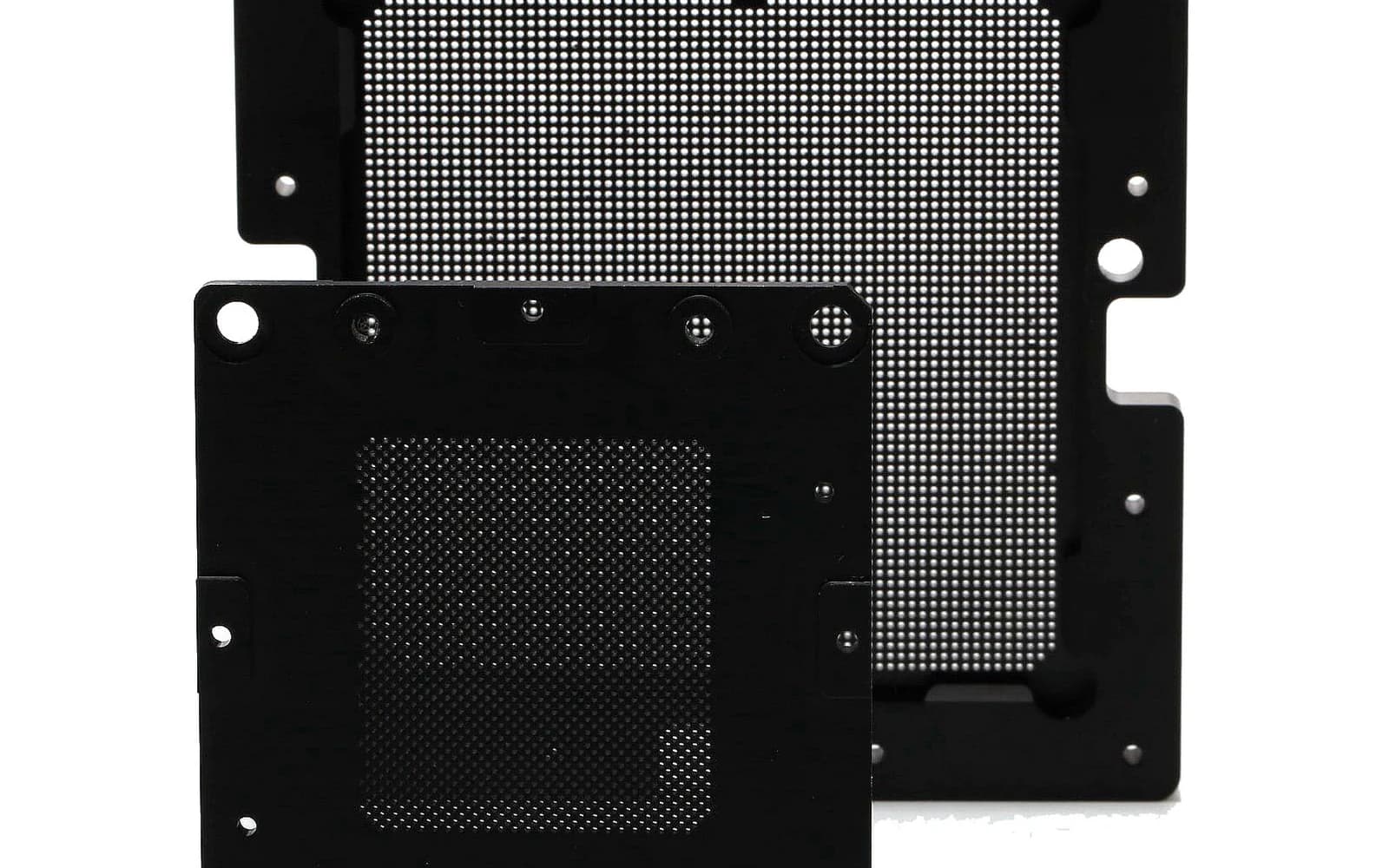
Application context
PEEK medical fixtures and surgical guides require careful language: prototype, non-implant, implantable-grade or validated production each means different documentation and risk.
This is an application case playbook, not a fabricated customer success story. It describes the engineering information a buyer should prepare and the manufacturing route FabVector would evaluate before issuing a firm quote.
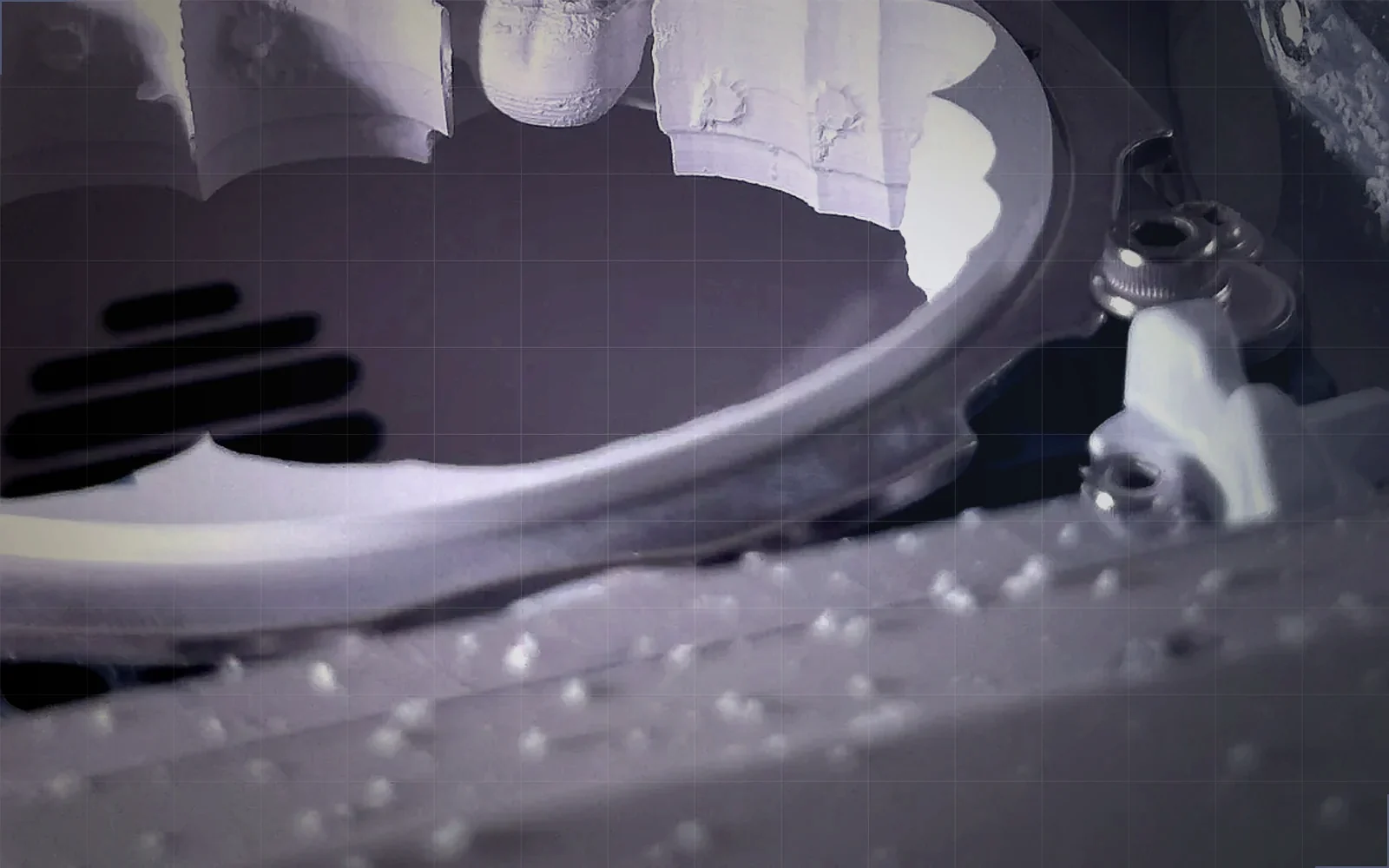
Suggested manufacturing route
- Machine with sharp tools and low-stress clamping.
- Finish critical slots and holes after roughing to improve stability.
- Deburr edges and document dimensions that interact with instruments or anatomy models.
Material and finish decisions
- PEEK for high-performance polymer medical hardware.
- PEI/Ultem for heat-resistant fixtures where PEEK is not necessary.
- Titanium Grade 5 when metallic strength and biocompatibility are required.
Quality and risk controls
- Do not assume implant suitability without exact grade and regulatory context.
- Clarify sterilization and cleaning exposure.
- Thin flexible features need tolerance review.
What to include in the RFQ
- Material grade, certificate requirement and intended use.
- Critical dimensions, burr/edge criteria and cleaning expectation.
- Prototype, trial, or production-intent status.
Related FabVector resources
Use the RFQ workflow when the project needs price, lead time, inspection scope, material certificates or a production-ready handoff package.
Buyer questions
Questions about this manufacturing route
What matters most when sourcing PEEK surgical guide CNC machining?
The critical inputs are CAD revision, material grade, tolerance stack, surface finish, quantity, inspection scope and delivery target. Missing any one of these usually creates quote revisions later.
Can FabVector quote from a STEP or STL file?
Yes. STEP and STL can start the structured RFQ. Drawings, GD&T, material certificates and inspection requirements should be attached when the part has regulated or tolerance-critical features.
What process route is usually reviewed first?
Machine with sharp tools and low-stress clamping.
What documentation can be requested?
For application cases, request dimensional inspection for critical features and add material certificates, CoC, FAI or CMM reporting when the assembly risk justifies it.
Related resources
RFQ next step
Turn this requirement into a quote package.
Upload CAD, select material, finish, tolerance, inspection and delivery context. FabVector keeps the quote inputs tied to the same engineering request.
Start structured RFQ