CNC Machining for Drones and UAVs: Lightweight Structures and Flight-Test Parts
How to source CNC machined drone and UAV parts: carbon fiber plates, aluminum frames, motor mounts, brackets and vibration-critical hardware.
2026-06-30 · FabVector Engineering
What buyers are trying to solve
Searches for CNC machining for drones usually come from engineering or procurement teams that already have a CAD model and need a manufacturable route, not a generic machining definition. The decision is normally about material risk, tolerance risk, surface finish, inspection paperwork and whether a supplier can move from prototype to repeat production without changing the process.
Best-fit applications
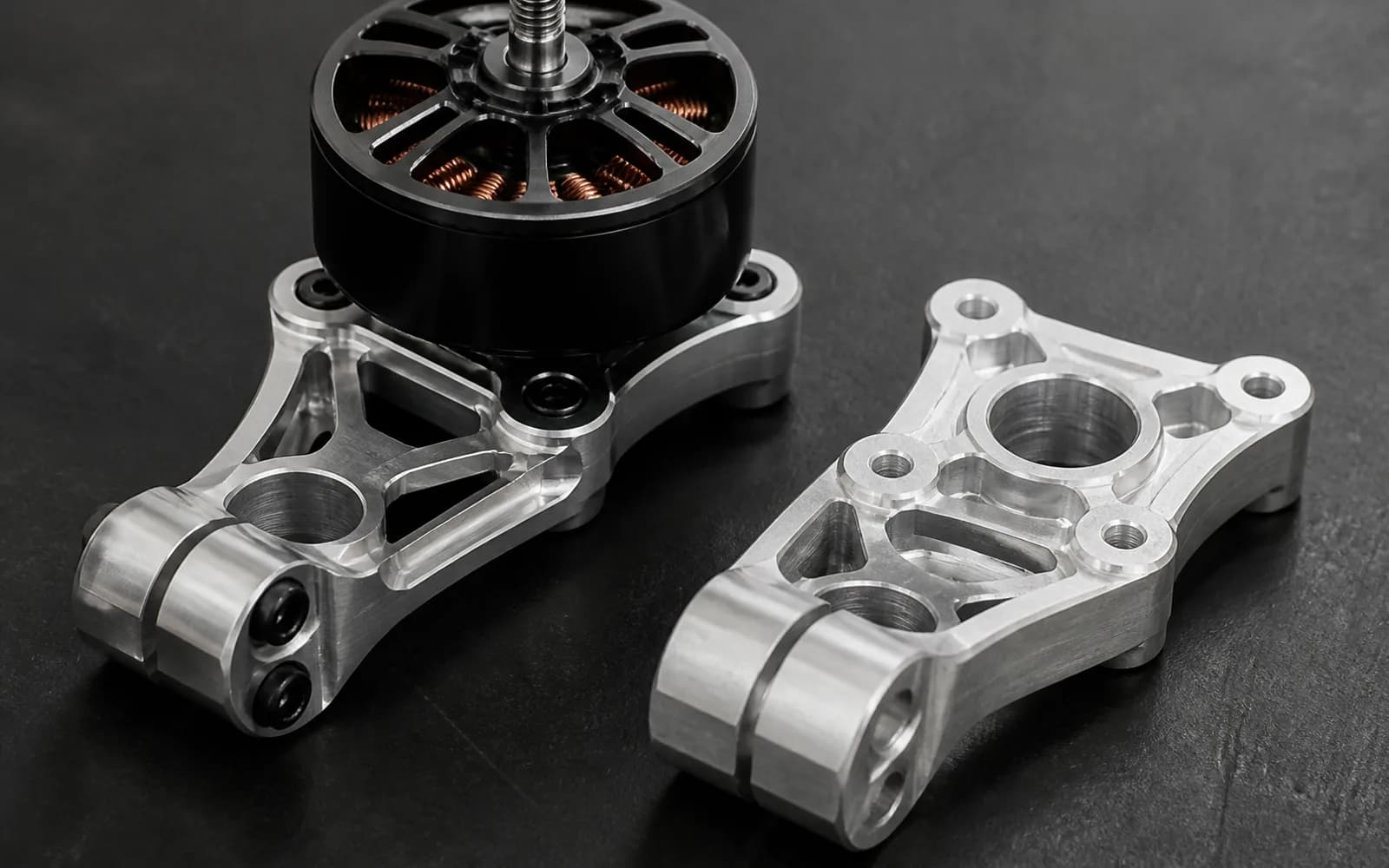
- Motor mounts, battery trays, gimbal brackets, carbon fiber plates and lightweight fixtures.
- Fast design iterations driven by flight testing.
- Hardware where vibration, fatigue and weight dominate material selection.
Manufacturing route
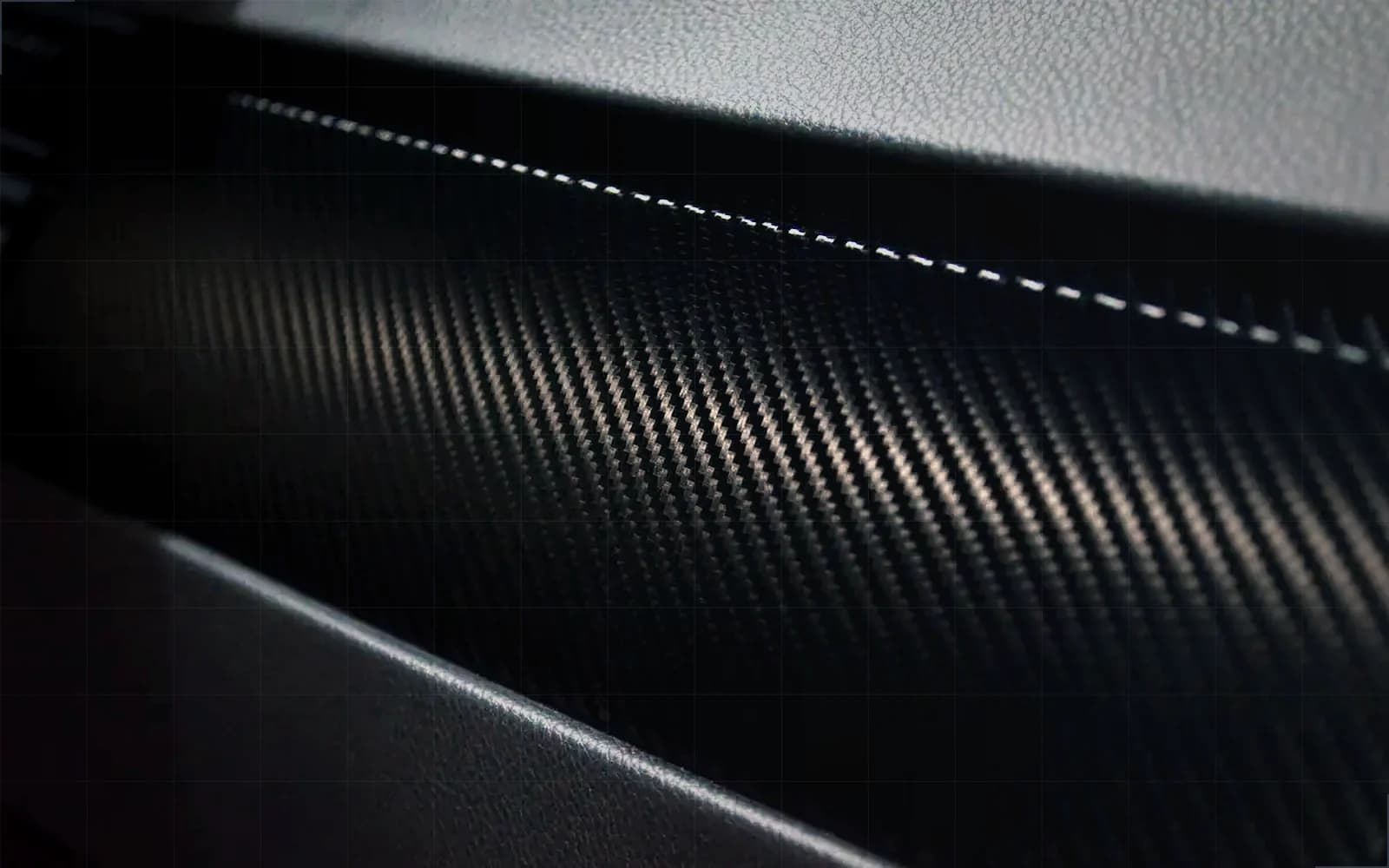
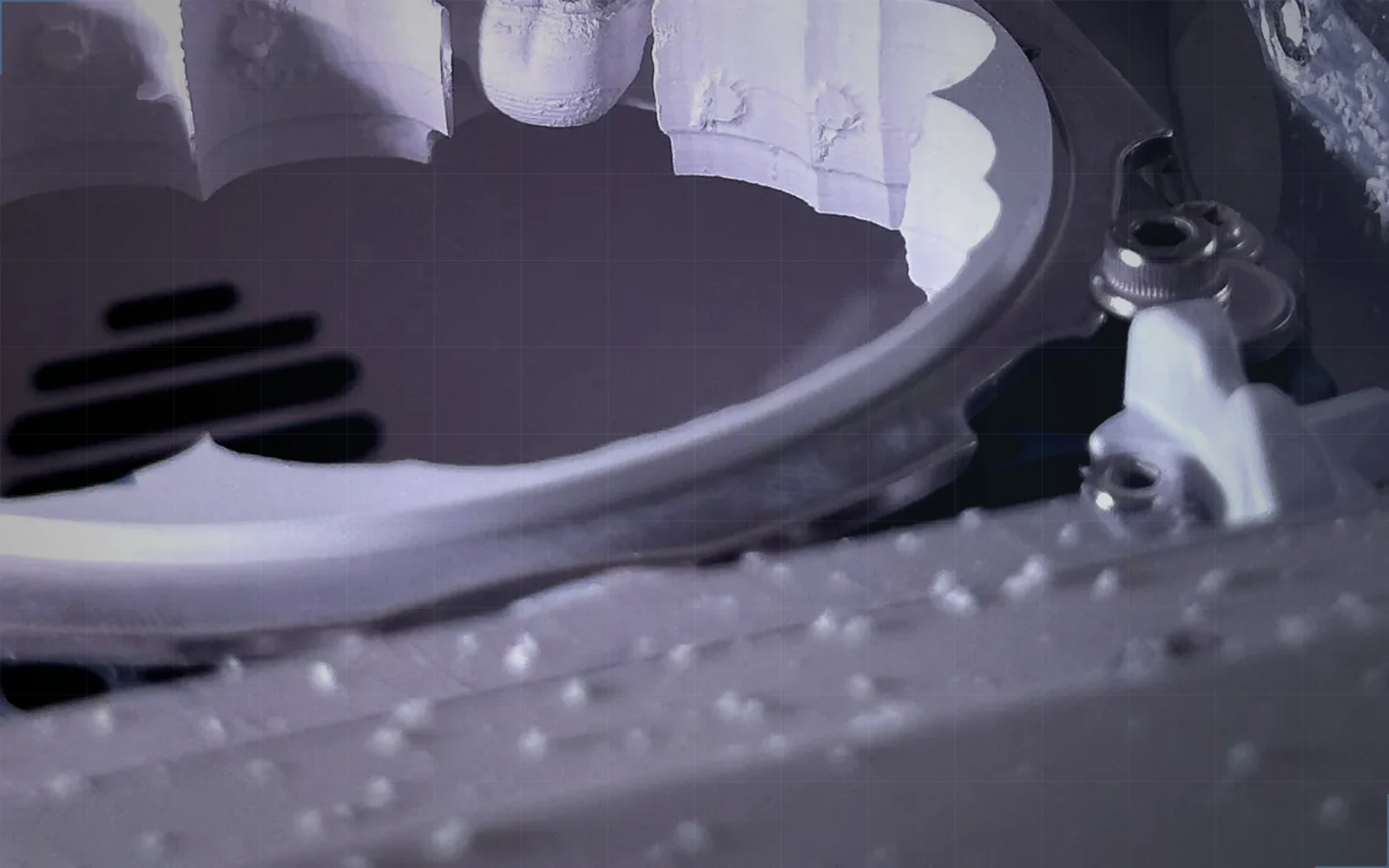
- Route carbon fiber with diamond tooling and sealed edge requirements.
- Machine aluminum mounts with fillets and avoid stress risers near fasteners.
- Use 7075 for high-load compact features and 6061 for general structures.
Material and finish choices
- Carbon fiber sheet for stiffness-to-weight plates.
- Aluminum 7075 for motor mounts and high-load brackets.
- Aluminum 6061 for prototype frames and general payload fixtures.
Risk controls before quoting
- Dust control and edge sealing matter for carbon fiber parts.
- Thin skeletonized parts should include minimum wall and fillet assumptions.
- Vibration can turn cosmetic burrs into fatigue initiation sites.
RFQ inputs that improve quote accuracy
- Material, thickness, fiber direction or aluminum temper.
- Motor bolt pattern, payload load case and vibration exposure.
- Finish, edge sealing and quantity by revision.
Related FabVector resources
When the part includes thin walls, sealing faces, tight datums, threaded features or inspection requirements, upload the CAD model through the structured RFQ flow so material, finish, tolerance, inspection and delivery expectations stay attached to the same request.
Buyer questions
Questions about this manufacturing route
What matters most when sourcing CNC machining for drones?
The critical inputs are CAD revision, material grade, tolerance stack, surface finish, quantity, inspection scope and delivery target. Missing any one of these usually creates quote revisions later.
Can FabVector quote from a STEP or STL file?
Yes. STEP and STL can start the structured RFQ. Drawings, GD&T, material certificates and inspection requirements should be attached when the part has regulated or tolerance-critical features.
What process route is usually reviewed first?
Route carbon fiber with diamond tooling and sealed edge requirements.
What documentation can be requested?
CMM inspection, FAI, CoC, material certificates, traceability records and packing photos can be requested when the project requires them.
Related resources
RFQ next step
Turn this requirement into a quote package.
Upload CAD, select material, finish, tolerance, inspection and delivery context. FabVector keeps the quote inputs tied to the same engineering request.
Start structured RFQ