CNC Turning for Medical Instruments: Swiss Micro Turning of Small Precision Parts
Swiss-type CNC turning for medical instruments: micro shafts, cannula fittings and handle components in titanium, 316L and PEEK with tight tolerance control.
2026-07-01 · FabVector Engineering

What buyers are trying to solve
Searches for CNC turning services for medical instruments usually come from engineering or procurement teams that already have a CAD model and need a manufacturable route, not a generic machining definition. The decision is normally about material risk, tolerance risk, surface finish, inspection paperwork and whether a supplier can move from prototype to repeat production without changing the process.
Best-fit applications
- Micro shafts, pins, nozzles, cannula fittings and threaded couplers below Ø32 mm.
- Medical instrument handles, knobs and drive components with knurls and fine threads.
- Batches from prototype dozens to tens of thousands on the same Swiss platform.
Manufacturing route
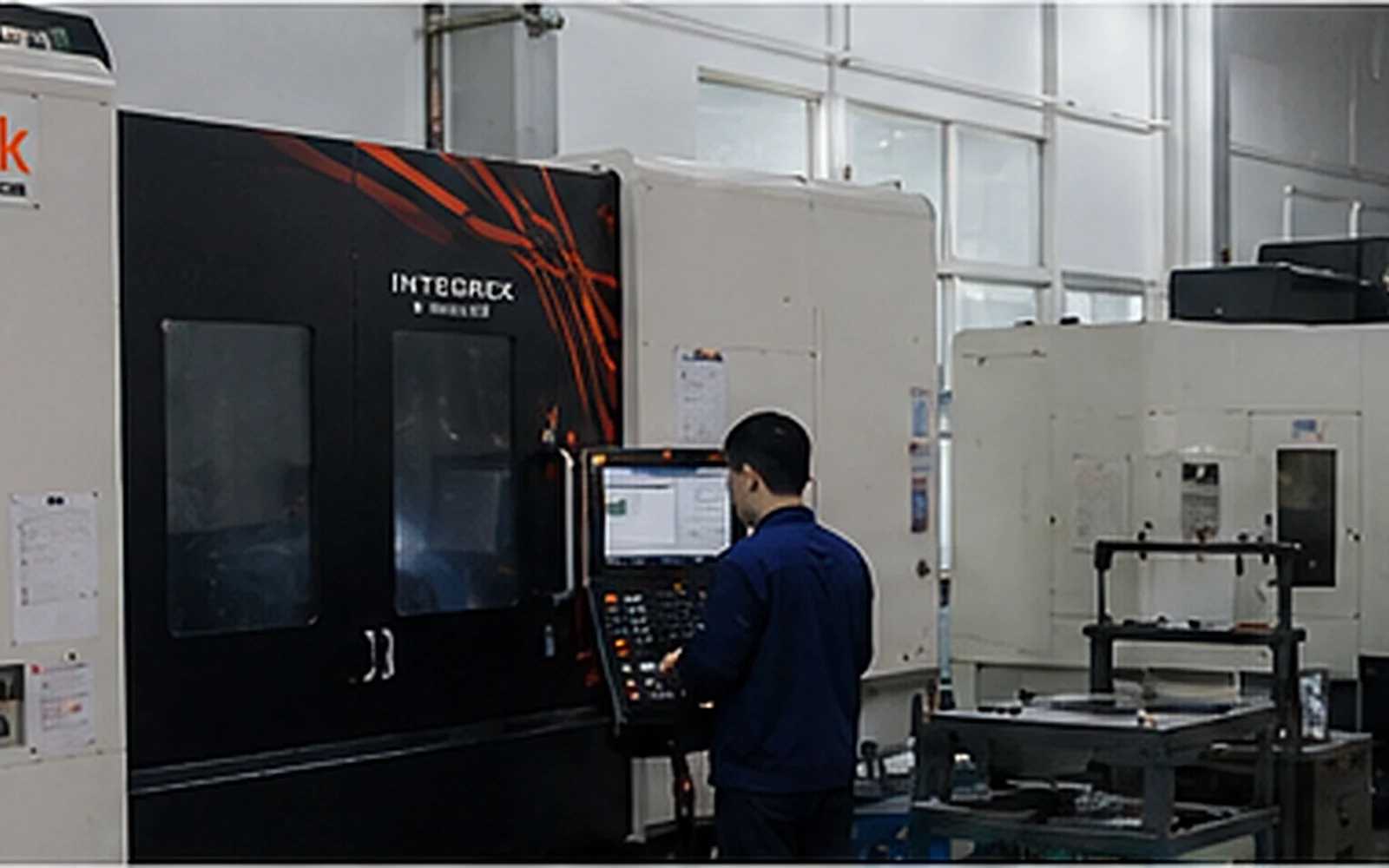
- Swiss-type turning with guide bushing holds long thin medical shafts to tight diameters without deflection.
- Single-setup turn-mill finishes cross holes, flats and slots — no secondary op variation.
- Sequence passivation or electropolish after machining for 316L; keep PEEK dry-machined and clean.
Material and finish choices
- 316L and 17-4PH stainless for reusable instruments and drive shafts.
- Titanium Grade 5 where weight and MRI-adjacent use matter.
- PEEK and PPSU for sterilizable, electrically insulating instrument components.
Risk controls before quoting
- Tolerance-band economics: ±0.01 mm on a Swiss lathe is routine, ±0.005 mm needs process talk first.
- Define burr limits and edge condition on patient-adjacent features explicitly.
- Confirm sterilization cycles (autoclave count) — it changes polymer grade selection.
RFQ inputs that improve quote accuracy
- Drawing with critical diameters, runout and surface finish callouts.
- Material grade, certification and passivation/electropolish requirement.
- Annual volume and lot size so the right lathe class is quoted.
Related FabVector resources
When the part includes thin walls, sealing faces, tight datums, threaded features or inspection requirements, upload the CAD model through the structured RFQ flow so material, finish, tolerance, inspection and delivery expectations stay attached to the same request.
Buyer questions
Questions about this manufacturing route
What matters most when sourcing CNC turning services for medical instruments?
The critical inputs are CAD revision, material grade, tolerance stack, surface finish, quantity, inspection scope and delivery target. Missing any one of these usually creates quote revisions later.
Can FabVector quote from a STEP or STL file?
Yes. STEP and STL can start the structured RFQ. Drawings, GD&T, material certificates and inspection requirements should be attached when the part has regulated or tolerance-critical features.
What process route is usually reviewed first?
Swiss-type turning with guide bushing holds long thin medical shafts to tight diameters without deflection.
What documentation can be requested?
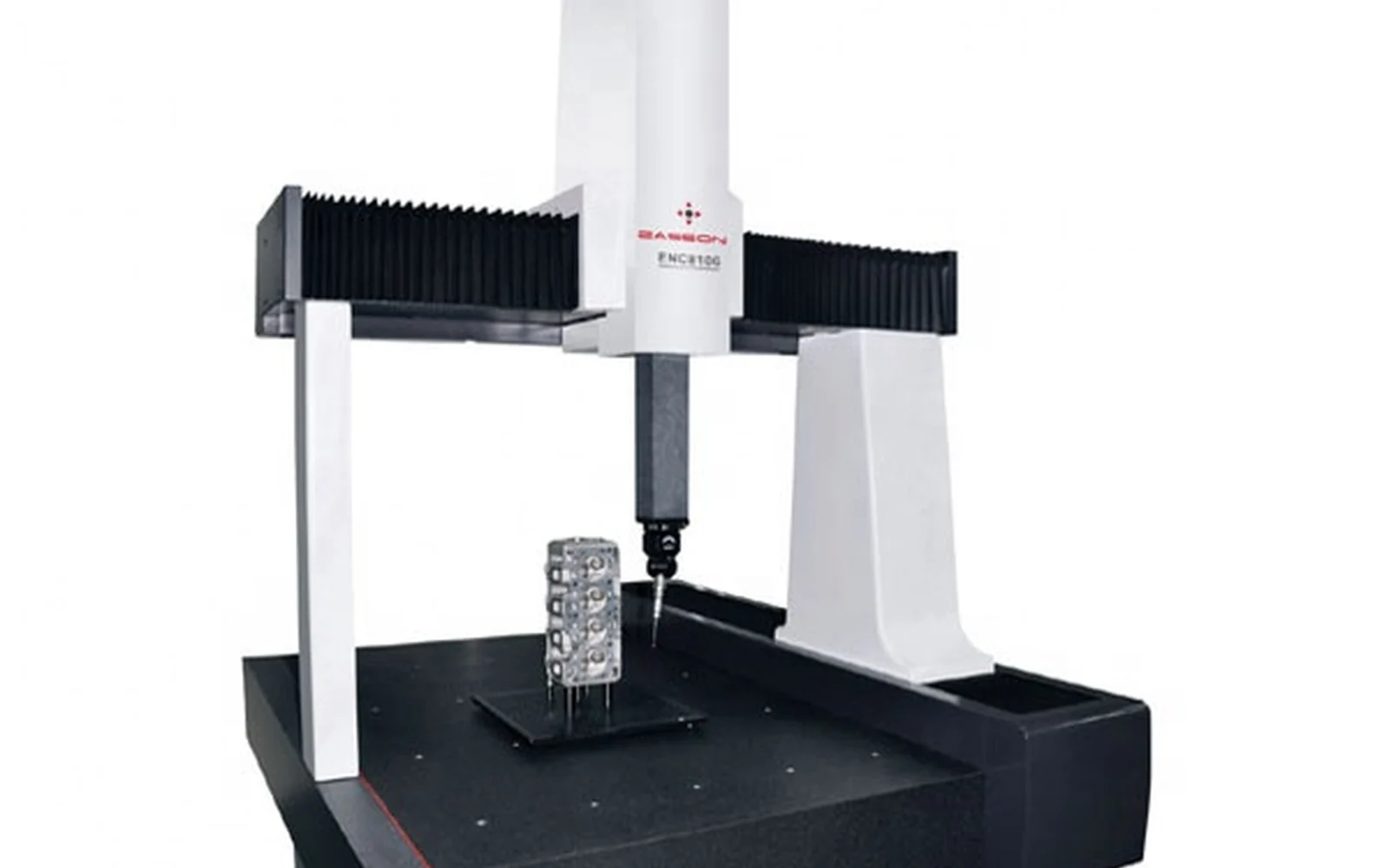
CMM inspection, FAI, CoC, material certificates, traceability records and packing photos can be requested when the project requires them.
Related resources
RFQ next step
Turn this requirement into a quote package.
Upload CAD, select material, finish, tolerance, inspection and delivery context. FabVector keeps the quote inputs tied to the same engineering request.
Start structured RFQ