Industry
Hydraulics & Pneumatics
A manifold is judged by the passages you cannot see and the burr you did not remove.
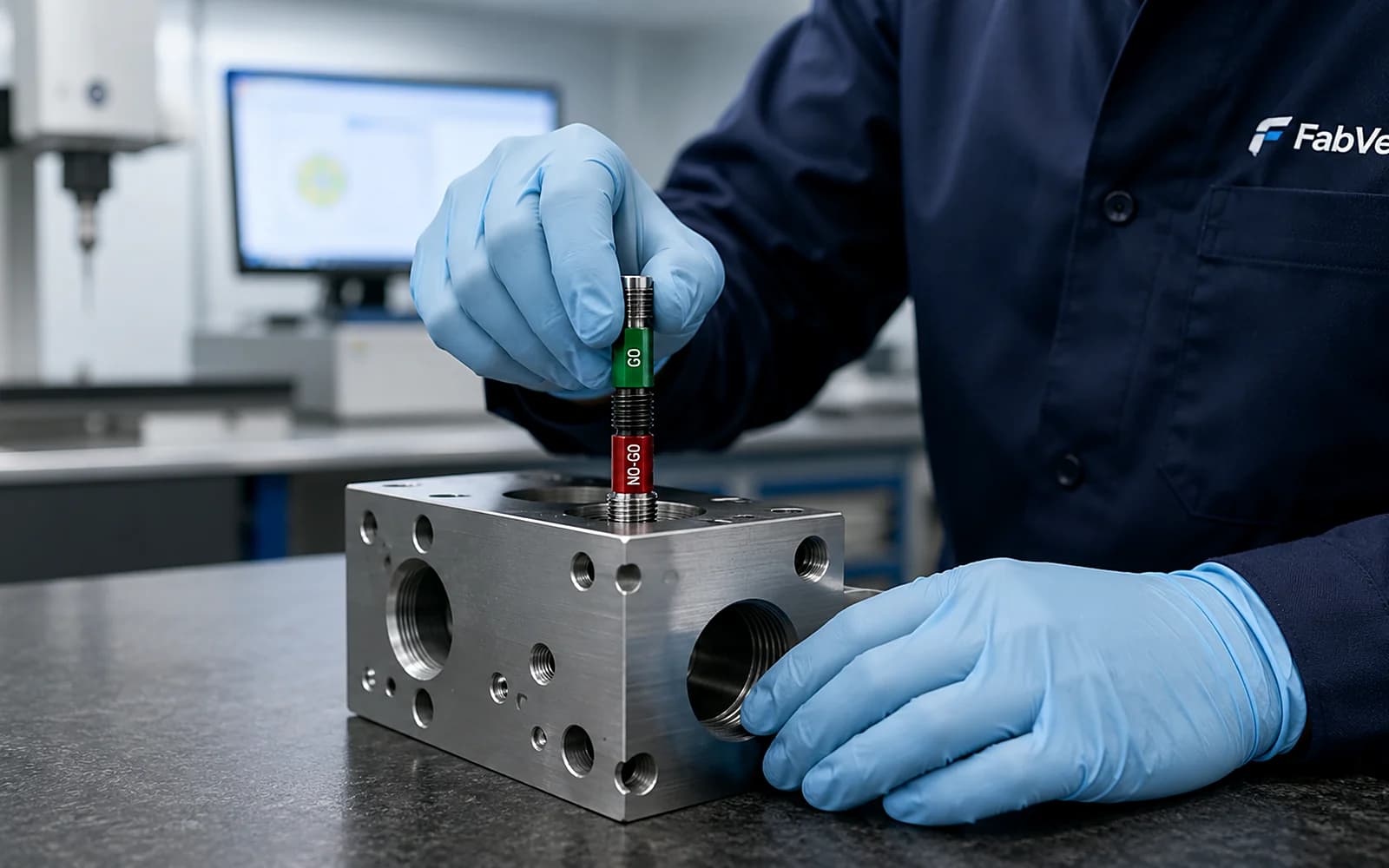
FabVector machines Hydraulics & Pneumatics parts in Aluminum 6061-T6, Alloy Steel 4140, Stainless Steel 316L, from 1 piece, with instant online estimates, engineer-reviewed quotes in 24 hours and NDA-protected files. Delivery with duties handled to the US, Canada, UK and Australia.
- Materials
- Aluminum 6061-T6, Alloy Steel 4140, Stainless Steel 316L
- Minimum order
- 1 piece
- Estimate
- ~60s online
- Quote
- engineer-reviewed 24h
- IP
- NDA from upload
What slows this industry down
Manifold work is where cheap machining gets expensive. Cross-drilled passages intersect at angles that throw a burr on the far side of a bore no borescope reaches easily, and that burr becomes a valve failure in the field six months later — after the block is welded into a machine. Port forms are unforgiving: SAE J1926 and ISO 6149 seats have a sealing face and a spotface depth that either seal or weep, with no middle ground. Spool-to-bore clearance runs in single-digit microns, so bore roundness and finish matter more than the tolerance printed on the drawing. Then cleanliness: parts washed to a general standard and bagged loosely arrive with enough particulate to fail an ISO 4406 count before the customer has even installed them.
Typical parts we machine
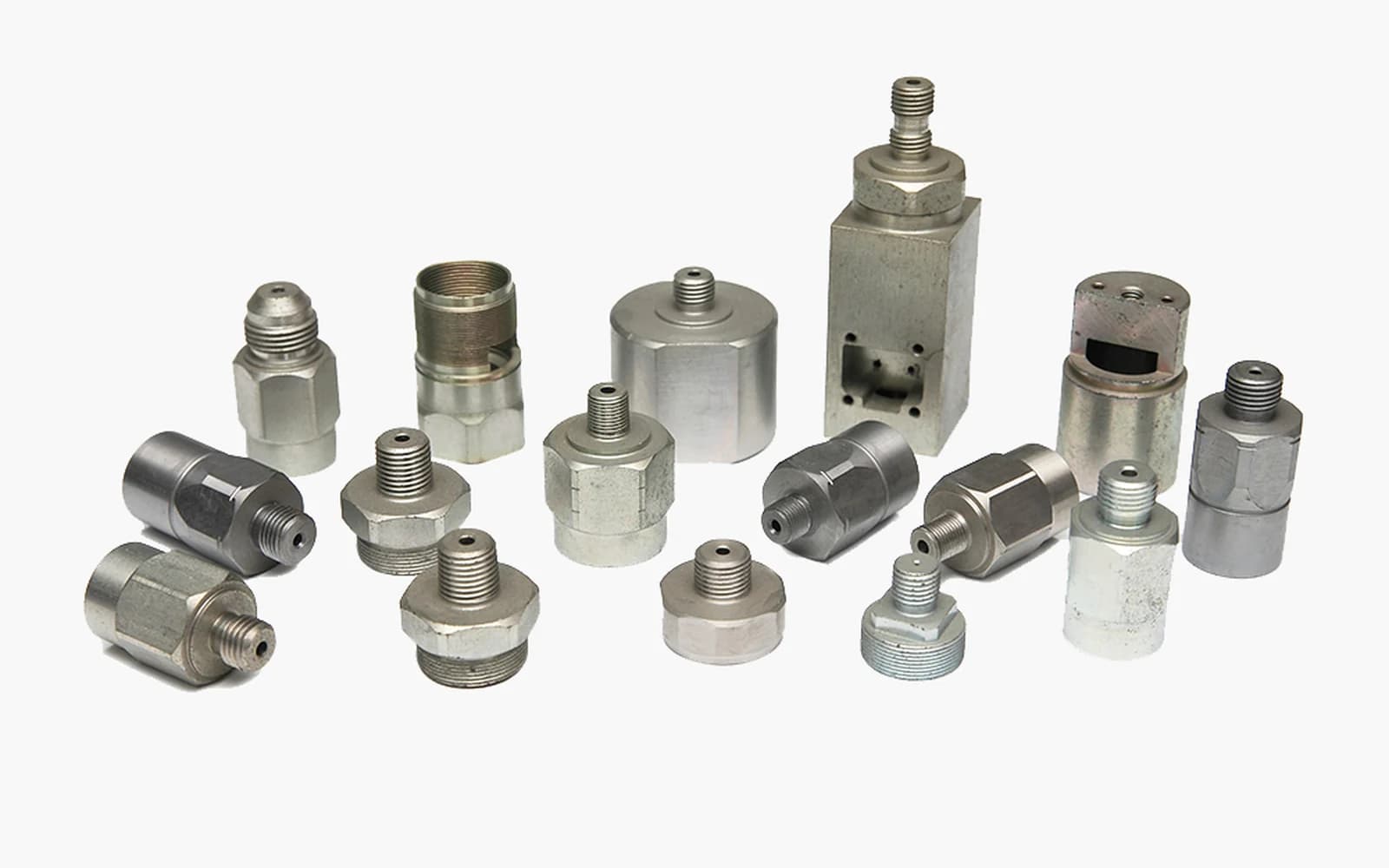
- Hydraulic manifold blocks with cross-drilled porting
- Valve bodies, spools and sleeves
- Cylinder end caps, glands and pistons
- Adapters, fittings and port blocks
- Pneumatic actuator bodies and end covers
Recommended materials
Aluminum 6061-T6
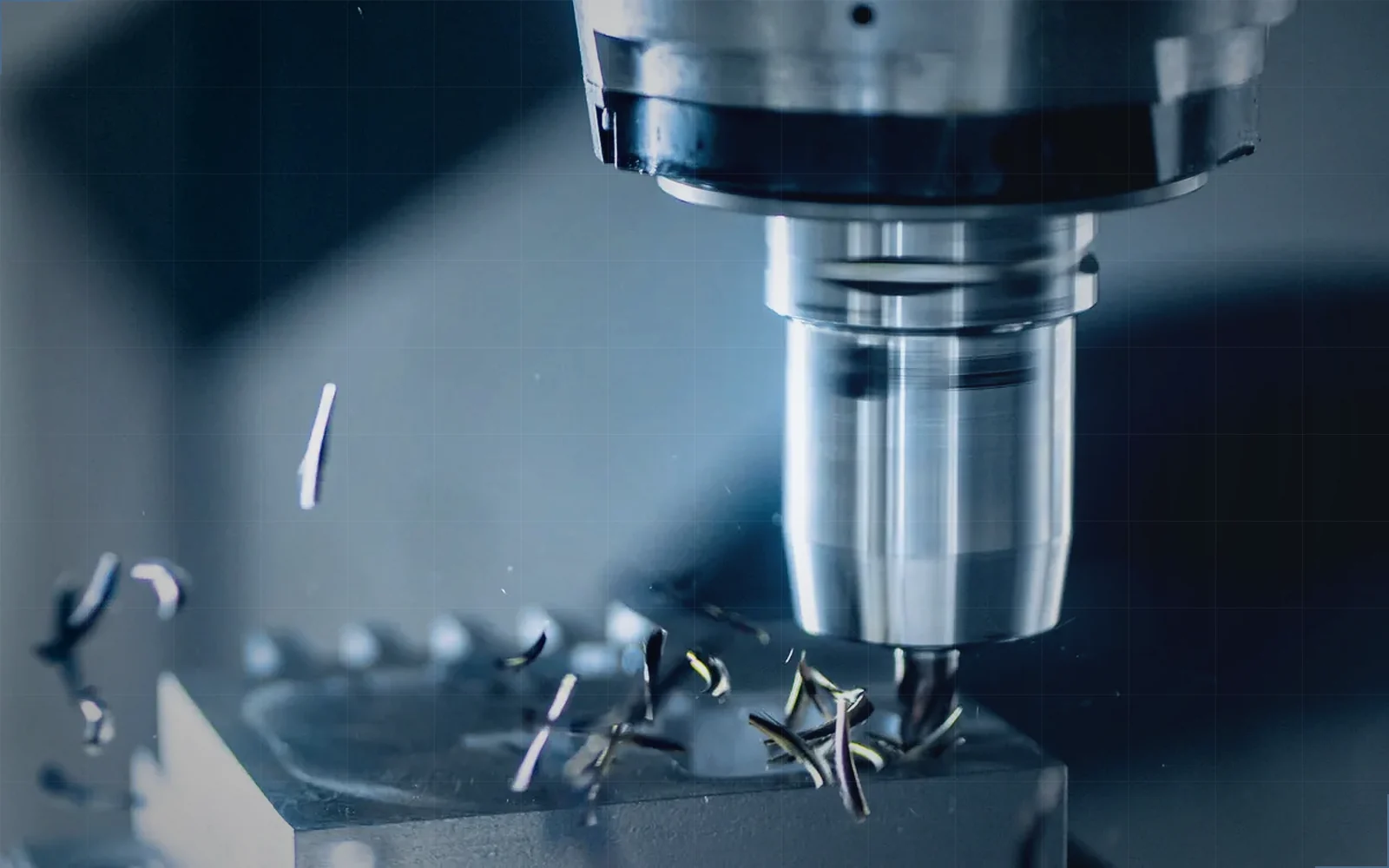
The default CNC aluminum: strong enough for most jobs, machines fast, anodizes well.
Alloy Steel 4140
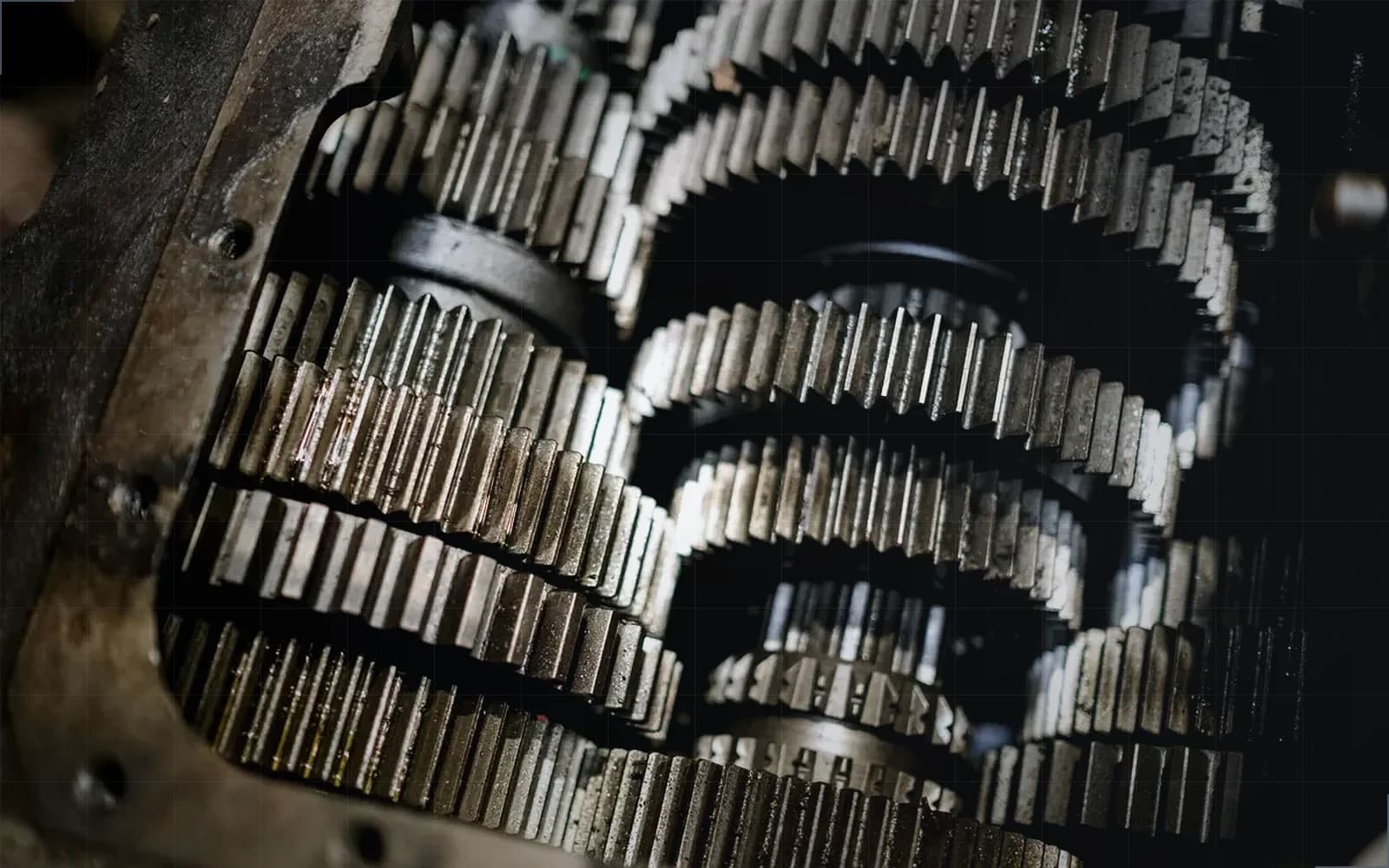
Chromoly muscle: deep-hardening alloy steel for heavily loaded shafts, tooling and gears.
Stainless Steel 316L
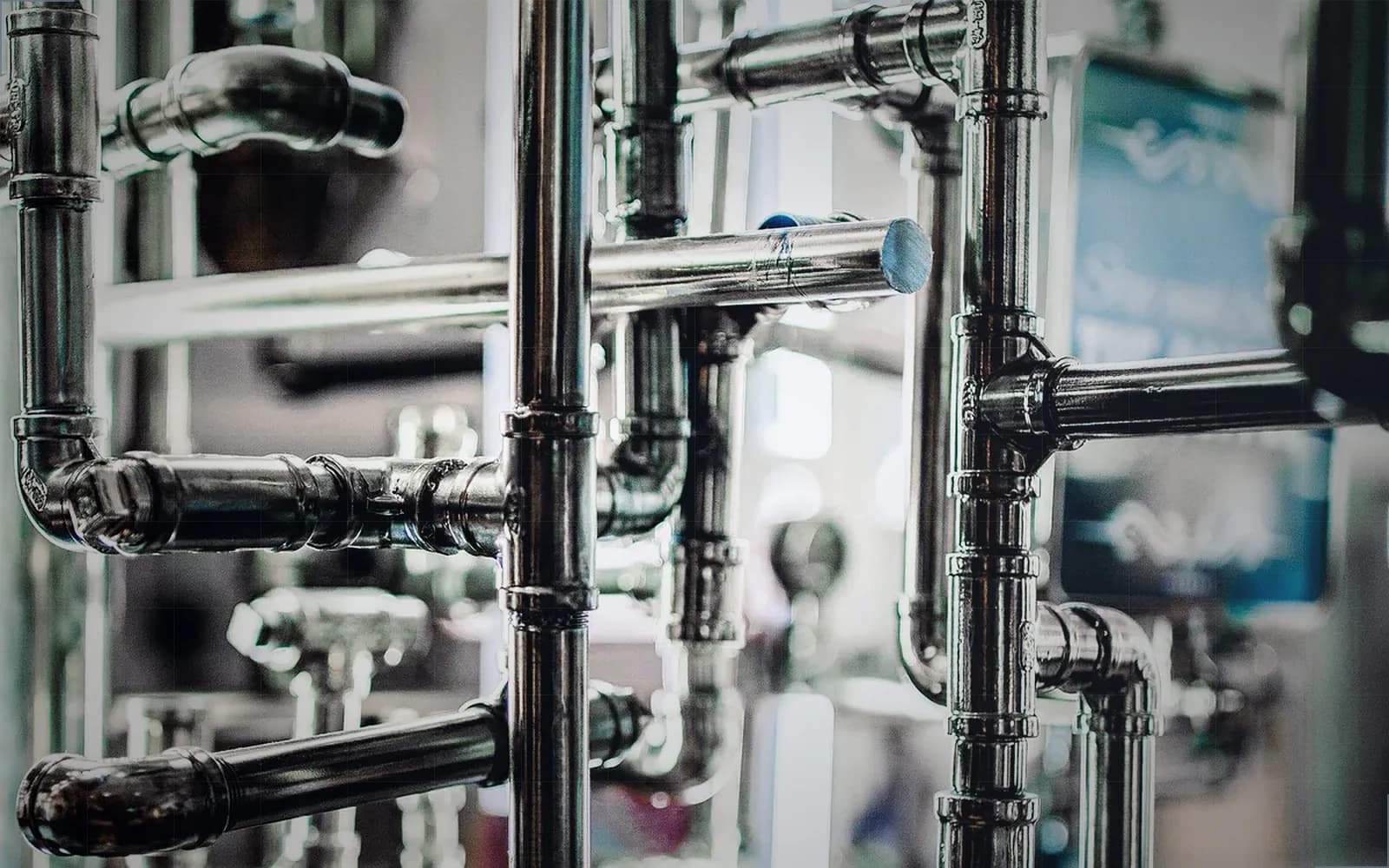
Marine and medical stainless: molybdenum chemistry that shrugs off chlorides and sterilization cycles.
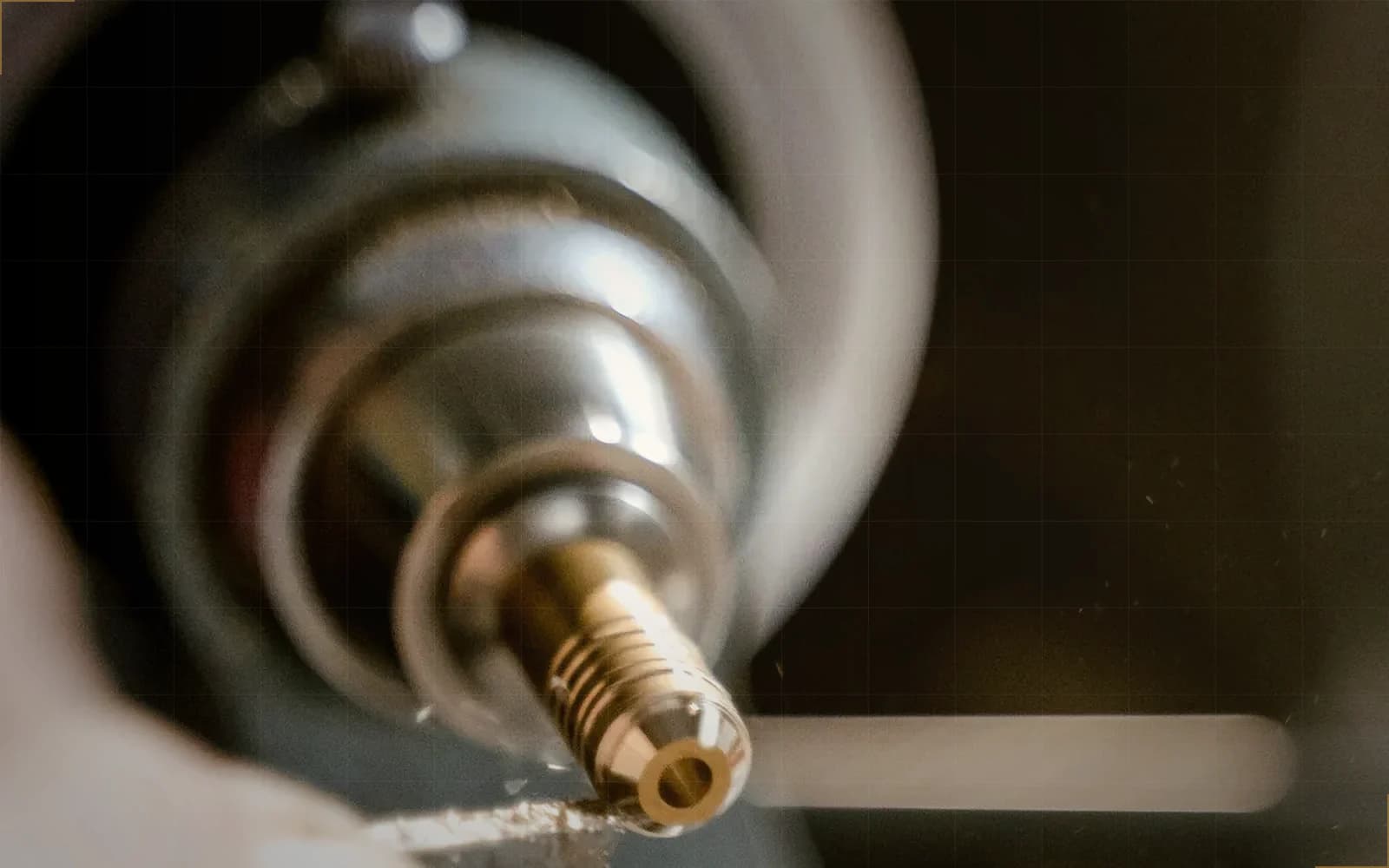
Brass C360 (Free-Machining)
The machinability benchmark itself: fastest cycle times in the shop, naturally low-friction.
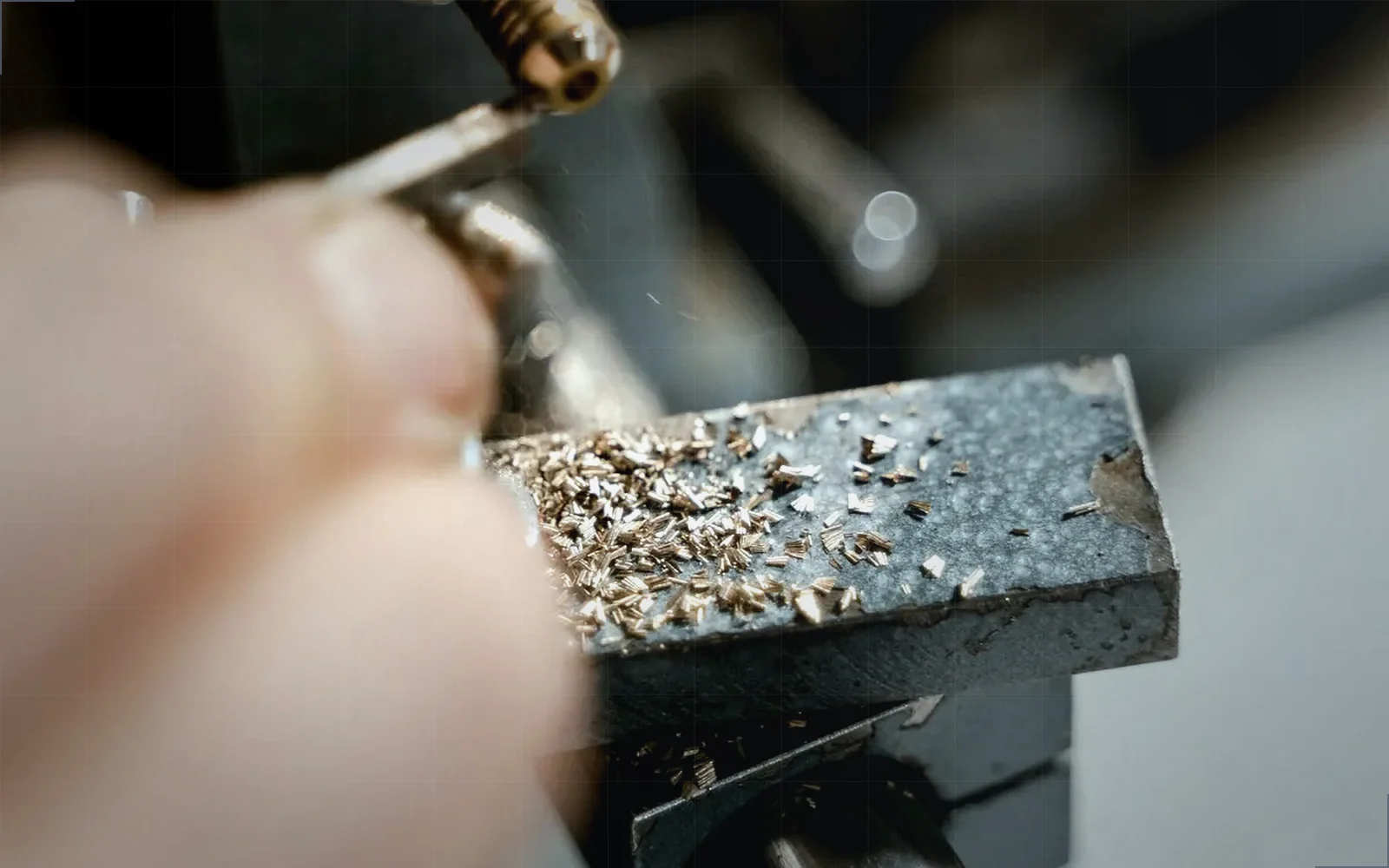
Low-Carbon Steel 1018
The friendly mild steel: welds beautifully, case-hardens to a glassy skin, costs less than anything.
Recommended finishes
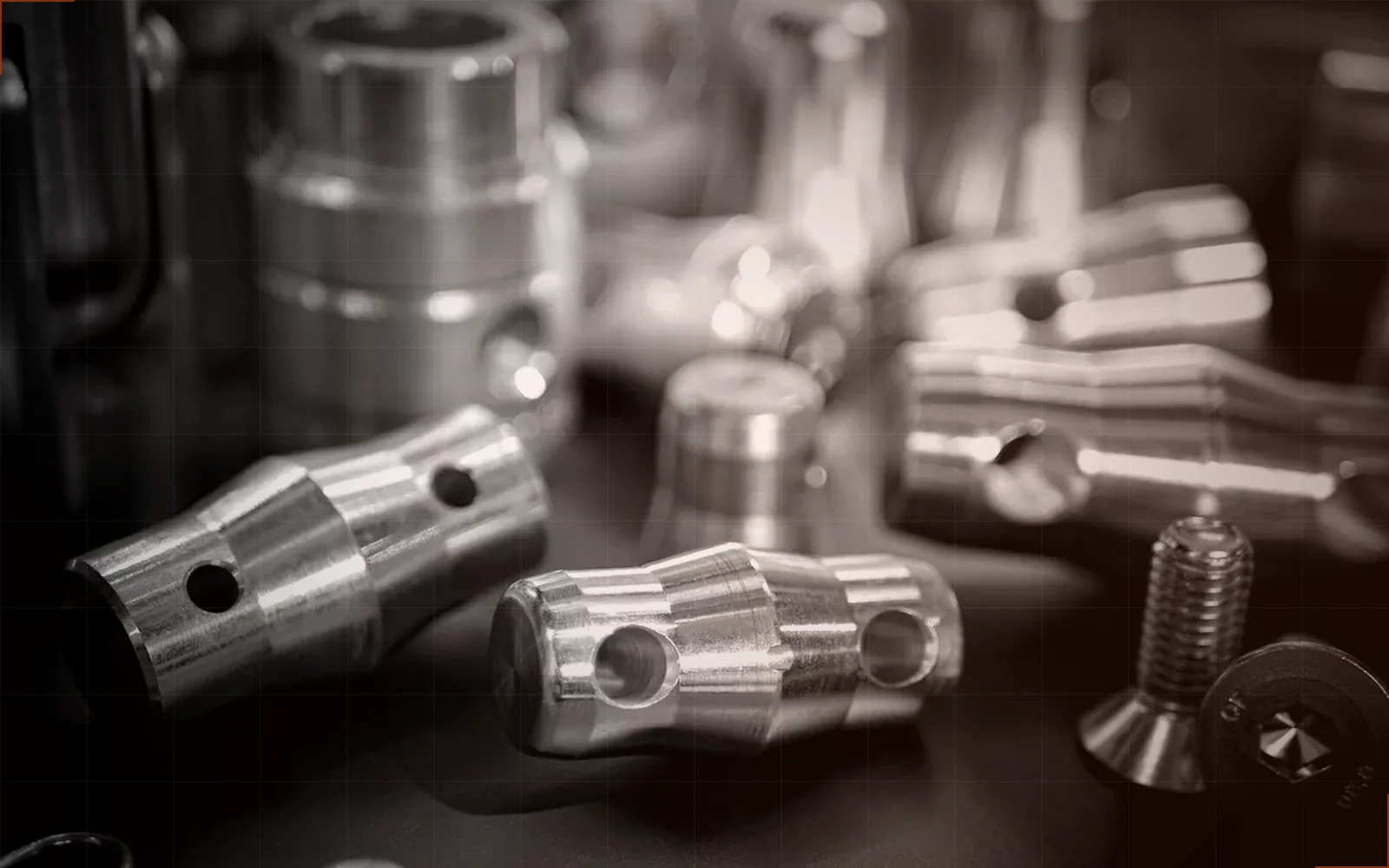
Anodizing Type II (Clear)
The standard aluminum finish: hard, clear oxide that keeps the metallic look.
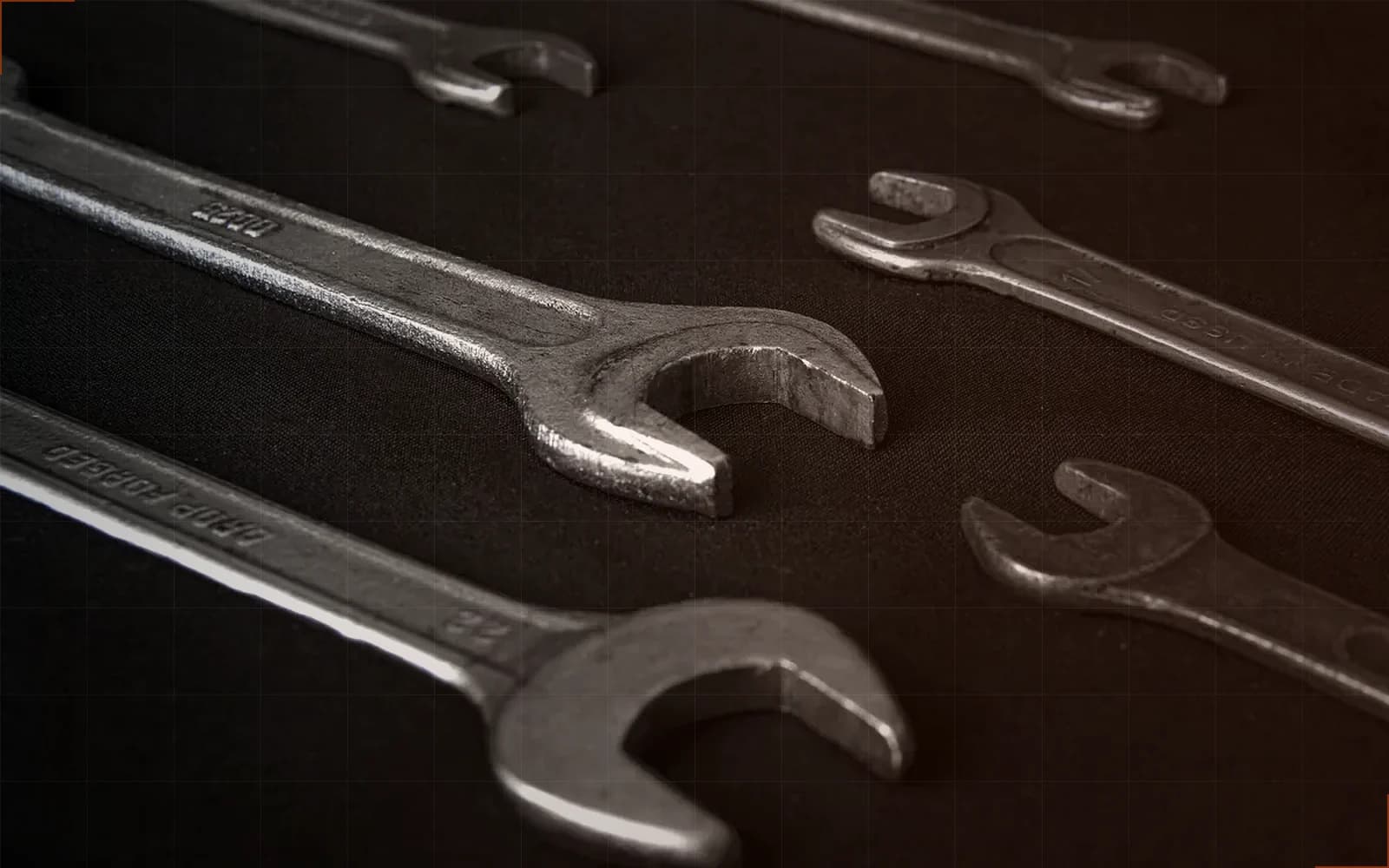
Black Oxide
Black with zero dimensional change: the gauge-and-tool finish for precision steel.
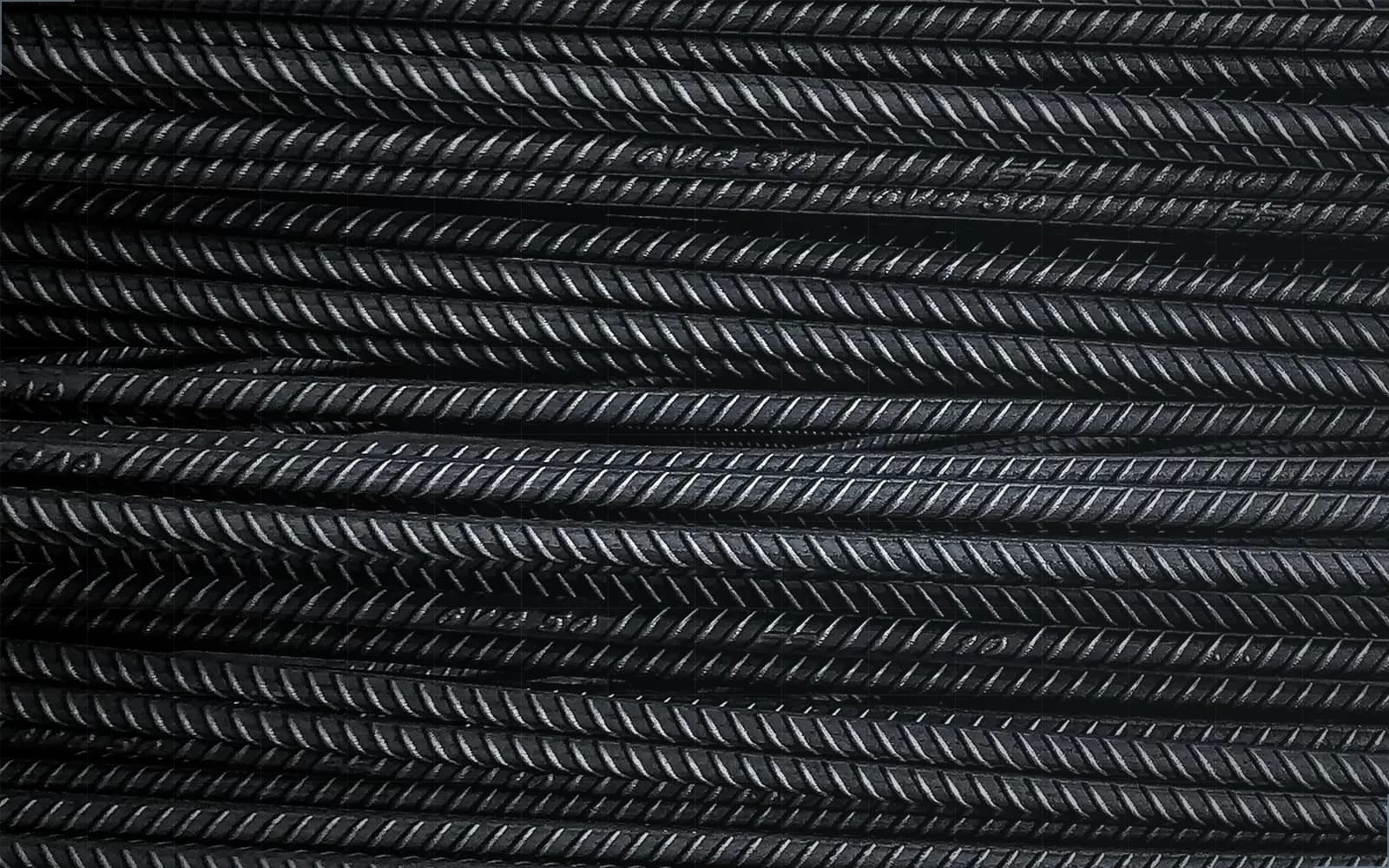
Passivation
Chemical hygiene for stainless: strips embedded iron so the steel can be as stainless as advertised.
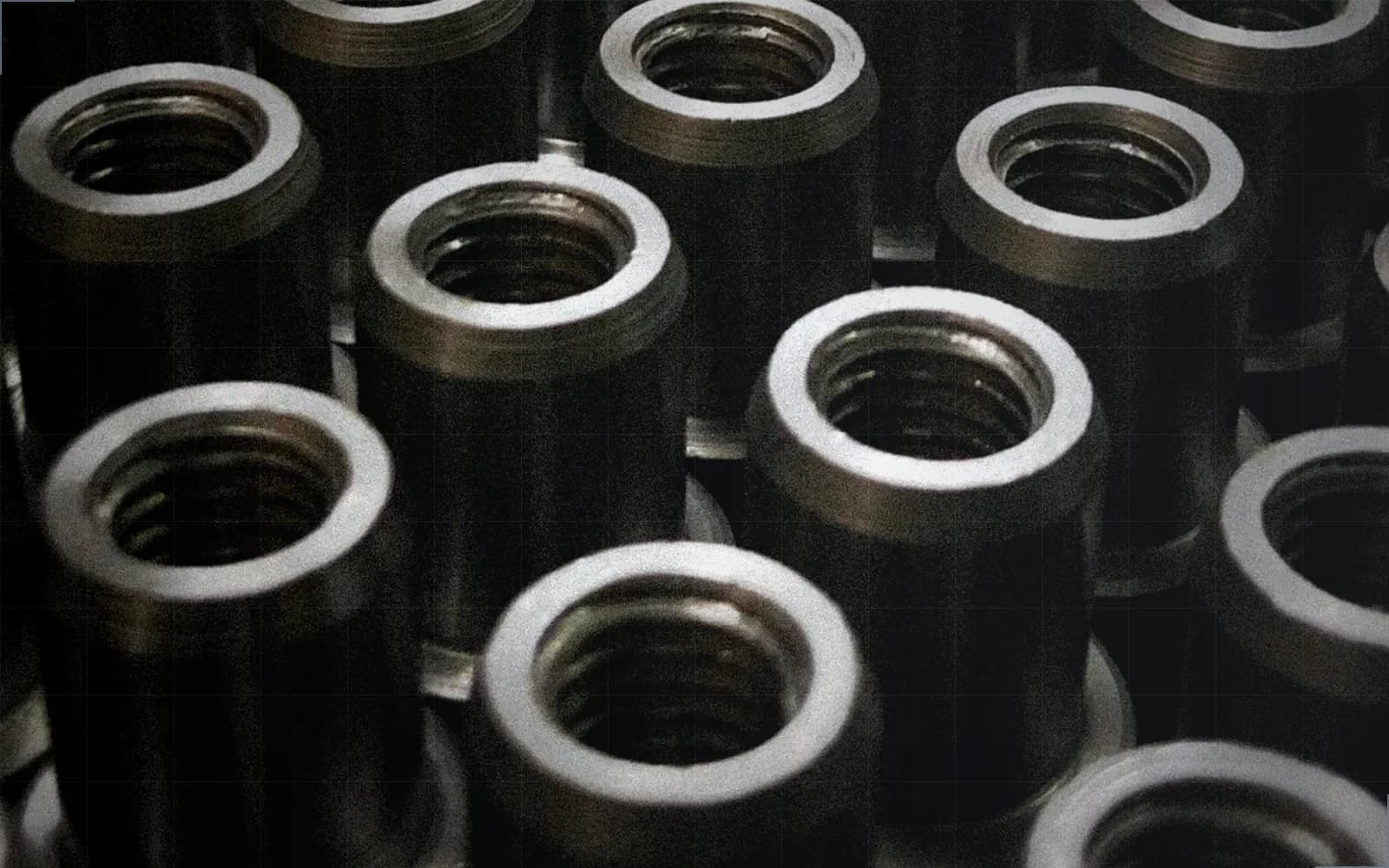
Electroless Nickel Plating (ENP)
Plating without electricity: dead-uniform thickness everywhere, bores and threads included.
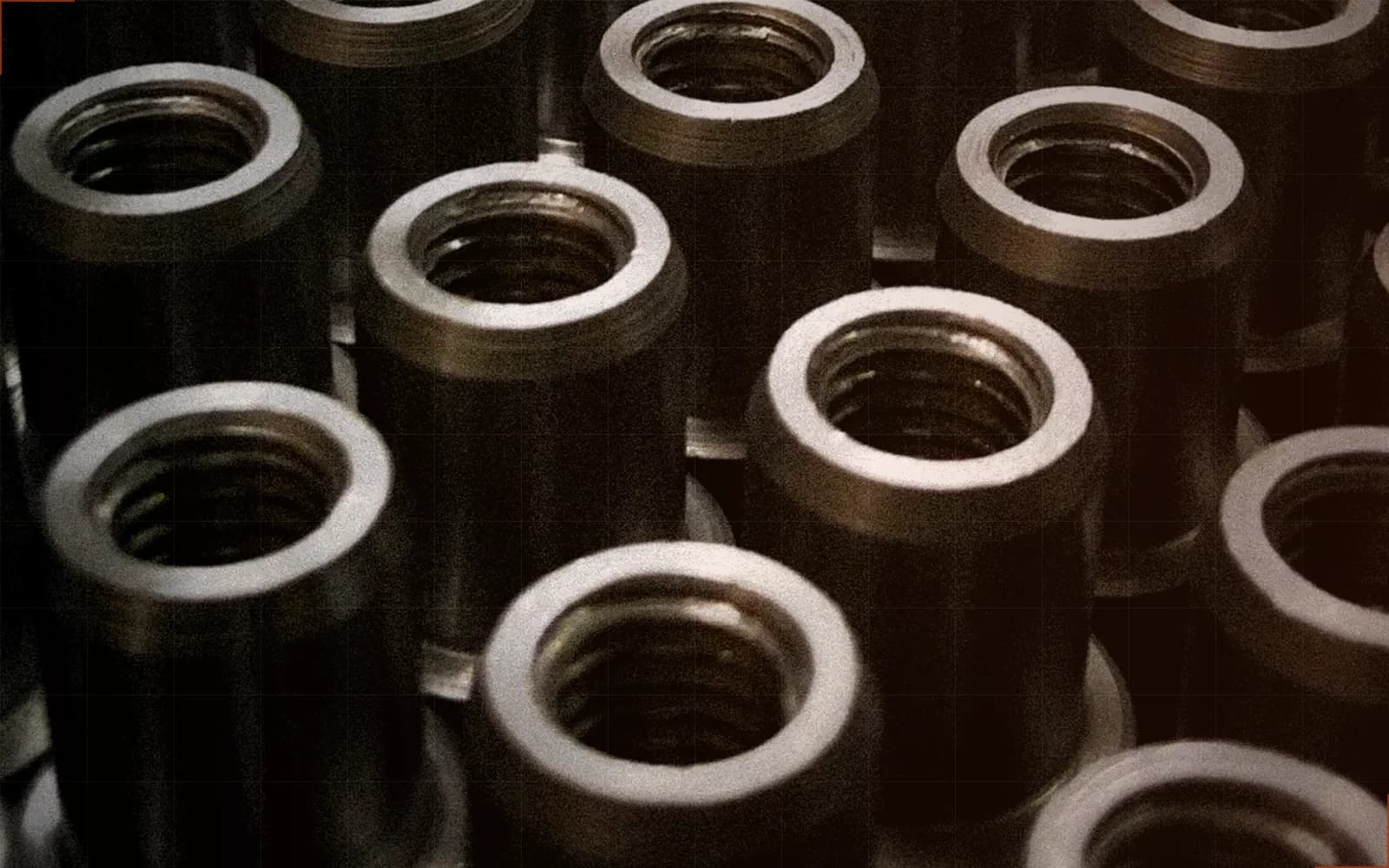
Chromate Conversion (Alodine / Chem Film)
Corrosion protection that stays conductive — the EMI-grounding finish for aluminum.
Certifications & standards
- ISO 4401 / ISO 6149
- We machine to the published valve mounting and port-form standards you specify; interface dimensions and spotface depths are inspected features, not assumed from the tool.
- ISO 4406
- We support cleanliness-controlled deburring, washing and sealed packing when an ISO 4406 particle count is part of your incoming inspection.
- ISO 9001
- We understand fluid-power buyers expect ISO 9001-grade discipline on internal passage verification — the feature most likely to pass visual and fail in service.
We understand and support these requirements; certification and documentation scope is confirmed per order.
Questions hydraulics & pneumatics buyers ask
- How are burrs inside cross-drilled manifold passages actually removed and verified?
- Deburr at every intersection with shaped tools or abrasive flow, then verify with borescope at the intersections the drawing flags as critical. The burr you cannot see is the valve failure six months out — after the block is welded into the machine — so intersection verification is quoted as an operation, not assumed.
- What port forms can be machined — SAE J1926, ISO 6149, BSPP?
- All of the standard forms, cut with dedicated port tooling rather than improvised from stub drills — the sealing counterbore, spotface depth and thread class either meet the table or the port weeps. Tell us the standard and dash size; the tooling exists in the network.
- Can parts be delivered to an ISO 4406 cleanliness level?
- Yes, when specified at RFQ: controlled washing, particle-count-compatible packing and capped ports are process steps we quote. Parts washed to a generic standard and bagged loosely can fail an incoming particle count before installation — cleanliness is part of the drawing, not of the courier.
Relevant services
CNC Milling
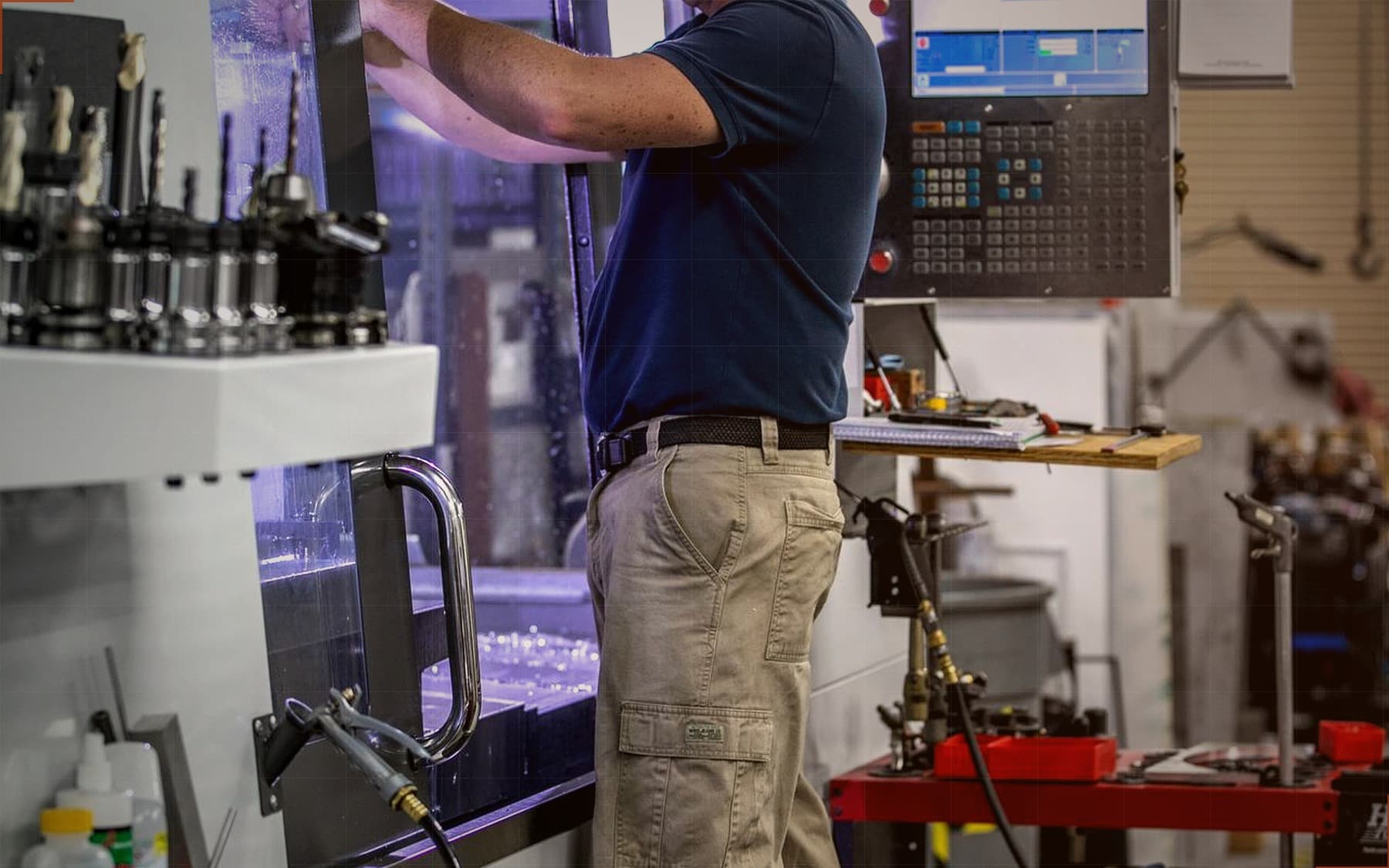
3- and 4-axis vertical machining for housings, brackets, manifolds and structural parts.
CNC Turning
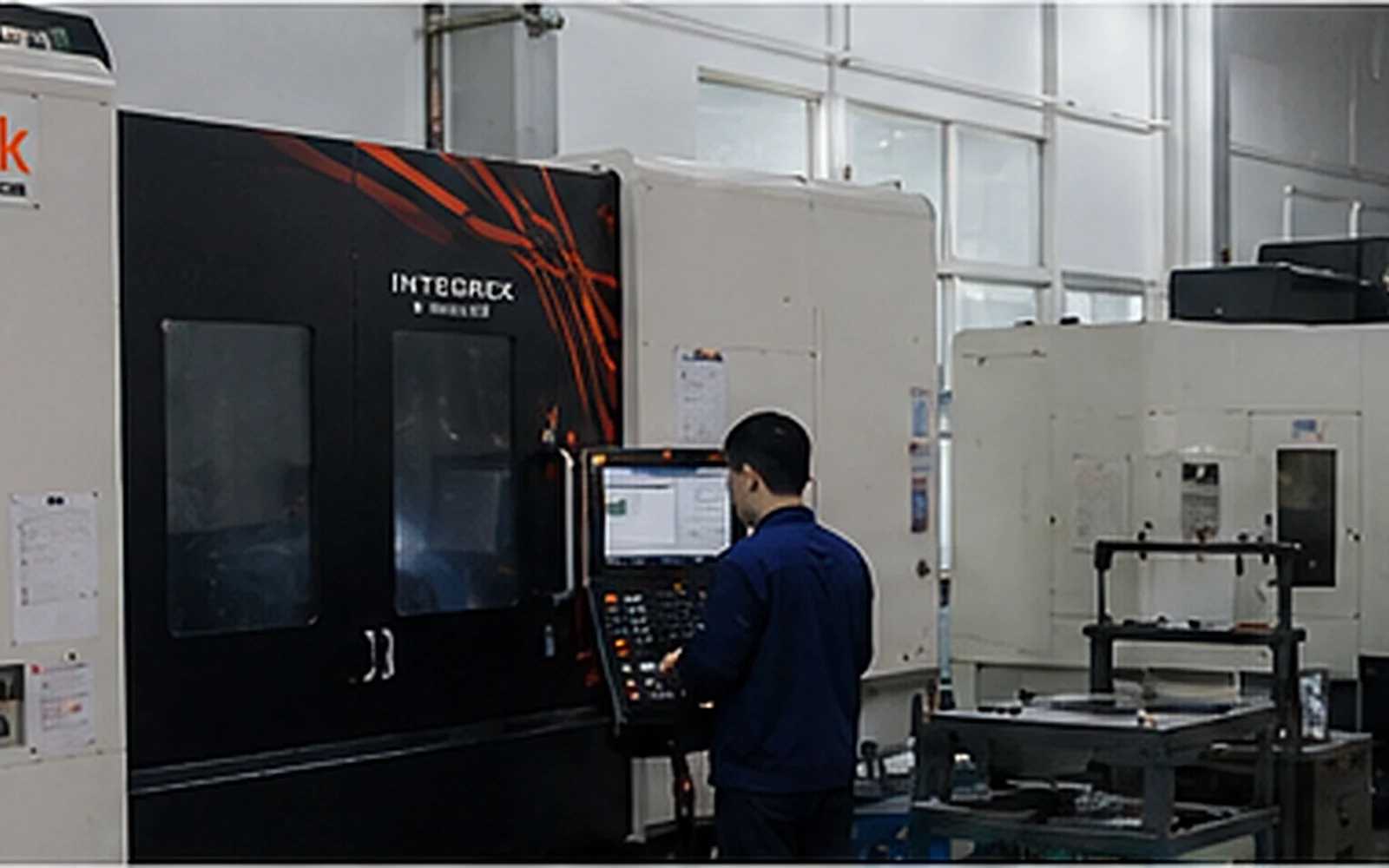
Live-tooling lathes for shafts, pins, bushings and threaded fittings up to Ø406 mm.
Swiss-Type Machining
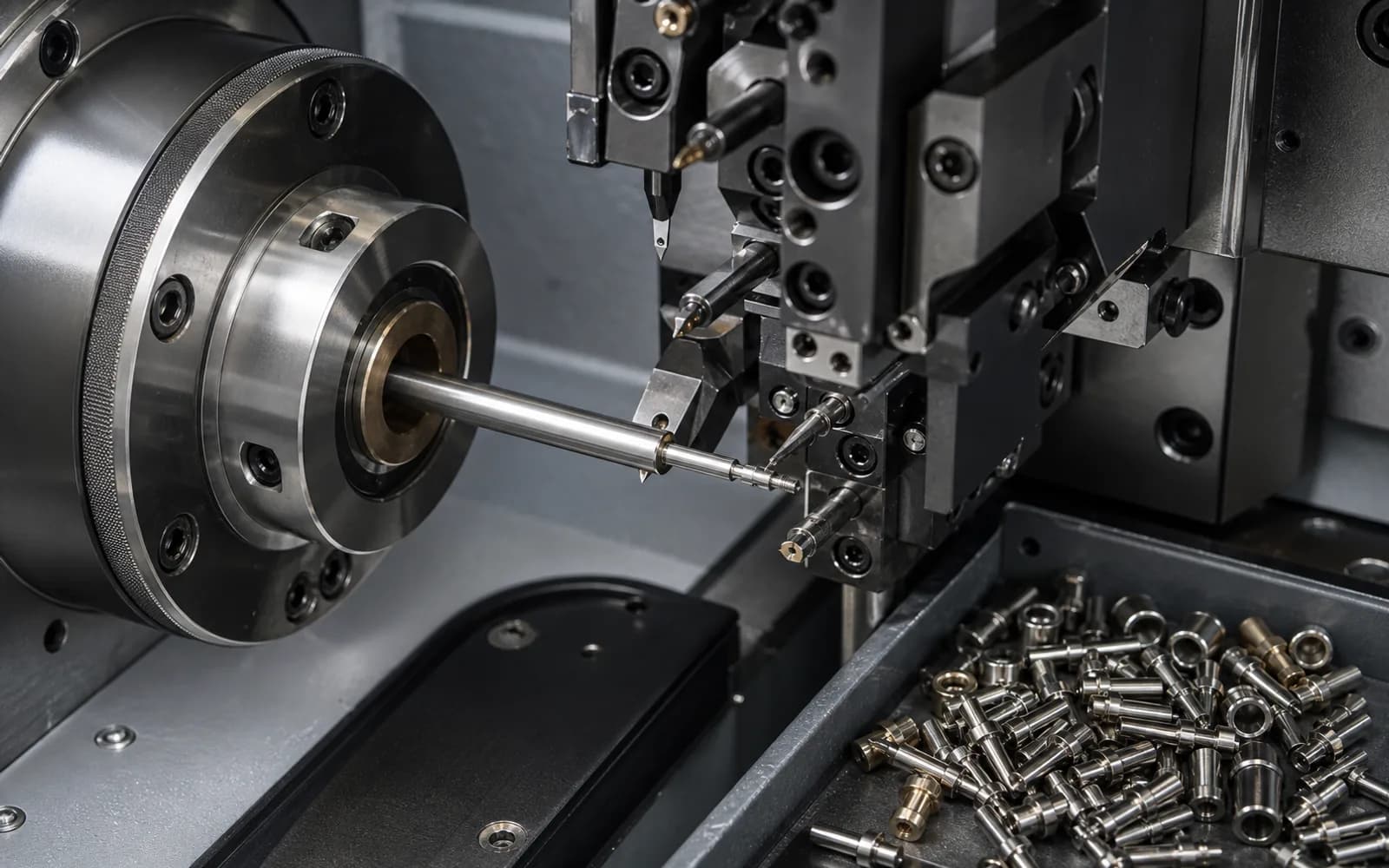
Sliding-headstock lathes for small, slender, high-precision turned parts from Ø1 mm.
Production Machining
Dedicated fixturing, in-process CMM and SPC documentation for repeatable volume runs.
CNC machining service by country
Sealing surfaces carry acceptance criteria that rarely reach the drawing. Undocumented requirements are what a transfer exposes.
Have a part in mind?
Upload CAD or drawings. Eligible CNC work gets an instant estimate; other processes move to engineer review. NDA-protected from the first byte.
Start an RFQ