Industry
Rail Transit
Rail parts live for thirty years in weather, vibration and inspection regimes. The paperwork lasts as long as the part.
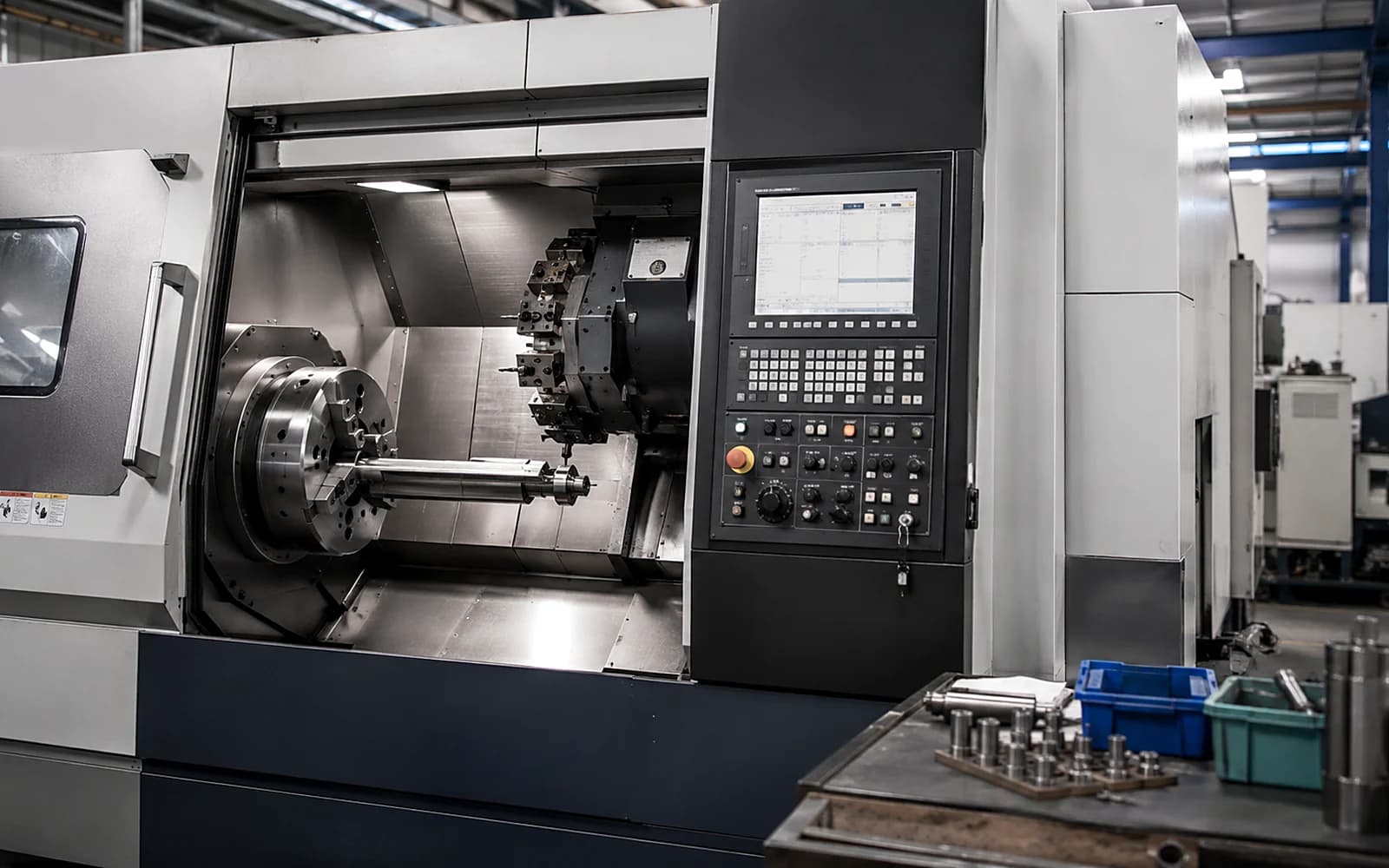
FabVector machines Rail Transit parts in Alloy Steel 4140, Carbon Steel 1045, Aluminum 6061-T6, from 1 piece, with instant online estimates, engineer-reviewed quotes in 24 hours and NDA-protected files. Delivery with duties handled to the US, Canada, UK and Australia.
- Materials
- Alloy Steel 4140, Carbon Steel 1045, Aluminum 6061-T6
- Minimum order
- 1 piece
- Estimate
- ~60s online
- Quote
- engineer-reviewed 24h
- IP
- NDA from upload
What slows this industry down
Rail programs run on documentation as much as geometry. A bracket that measures perfectly is still rejected without the mill certificate that ties it to a heat number, because the maintenance record has to survive decades of audits. Volumes are unhelpfully mid-sized: a fleet retrofit might need 40 to 600 of a part, too few for a dedicated line and too many for a jobbing shop to price sensibly. Fire and smoke rules (EN 45545) push material choice on anything inside the saloon, and coating specs are usually written for a corrosion life measured in decades rather than a finish anyone will see. Late design freezes are normal, so the supplier who can re-cut a revised bracket in days is worth more than the one who quoted 4% cheaper.
Typical parts we machine
- Bogie brackets and suspension mounting plates
- Brake caliper bodies, pins and levers
- Coupler and draft gear components
- Door mechanism arms, rollers and guides
- Pantograph and current-collector fittings
Recommended materials
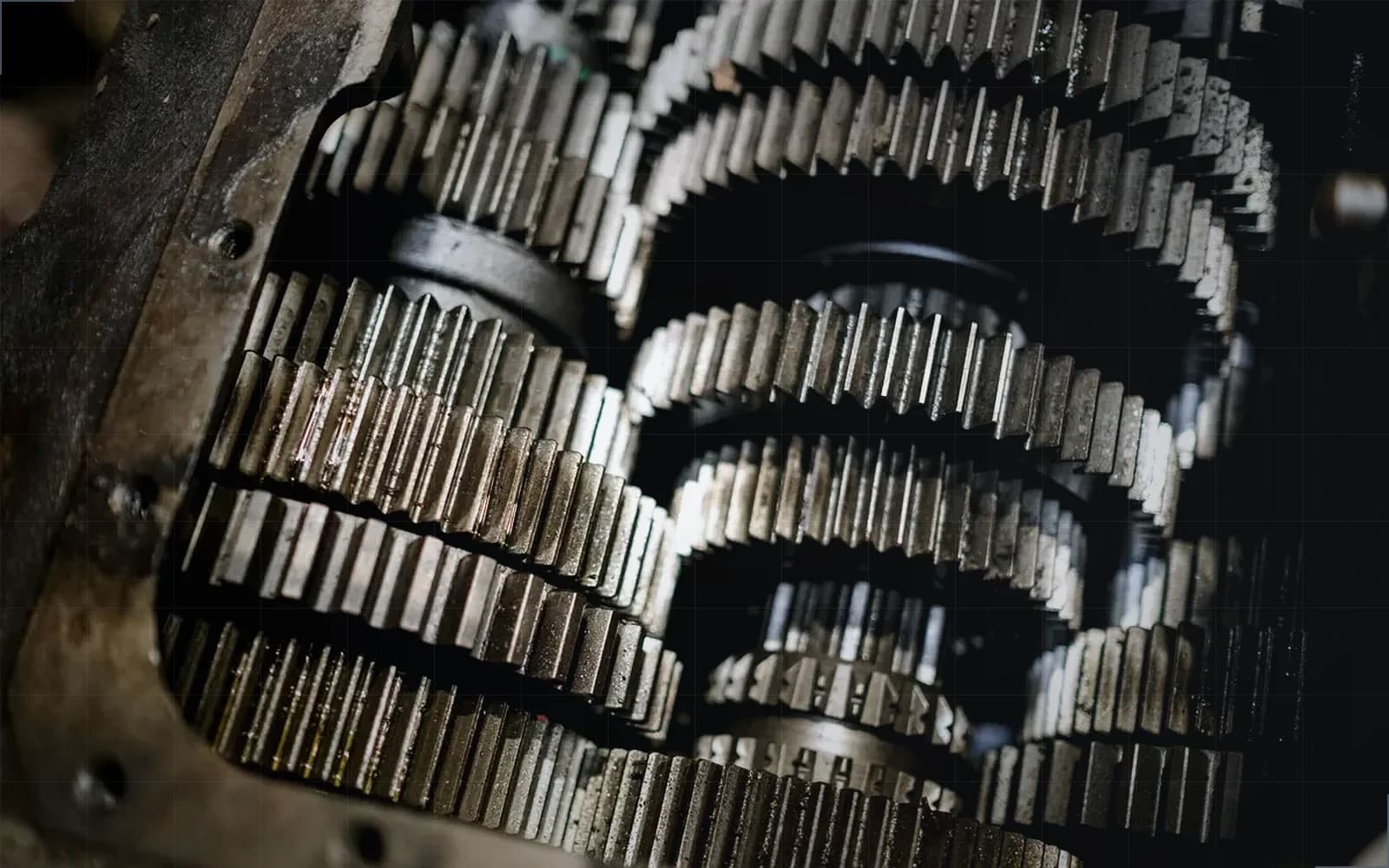
Alloy Steel 4140
Chromoly muscle: deep-hardening alloy steel for heavily loaded shafts, tooling and gears.
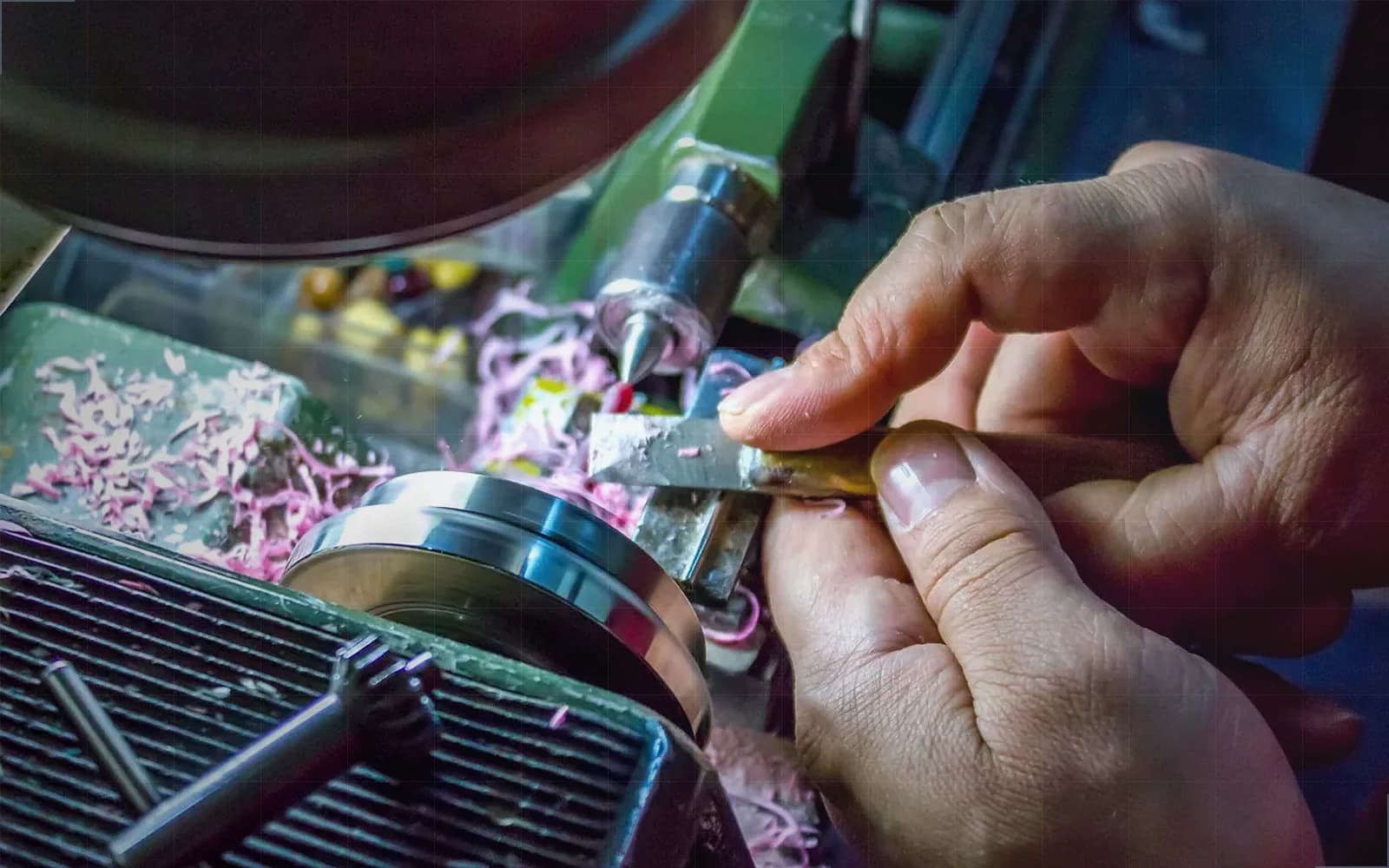
Carbon Steel 1045
The shaft steel: strong, cheap, induction-hardenable exactly where it counts.
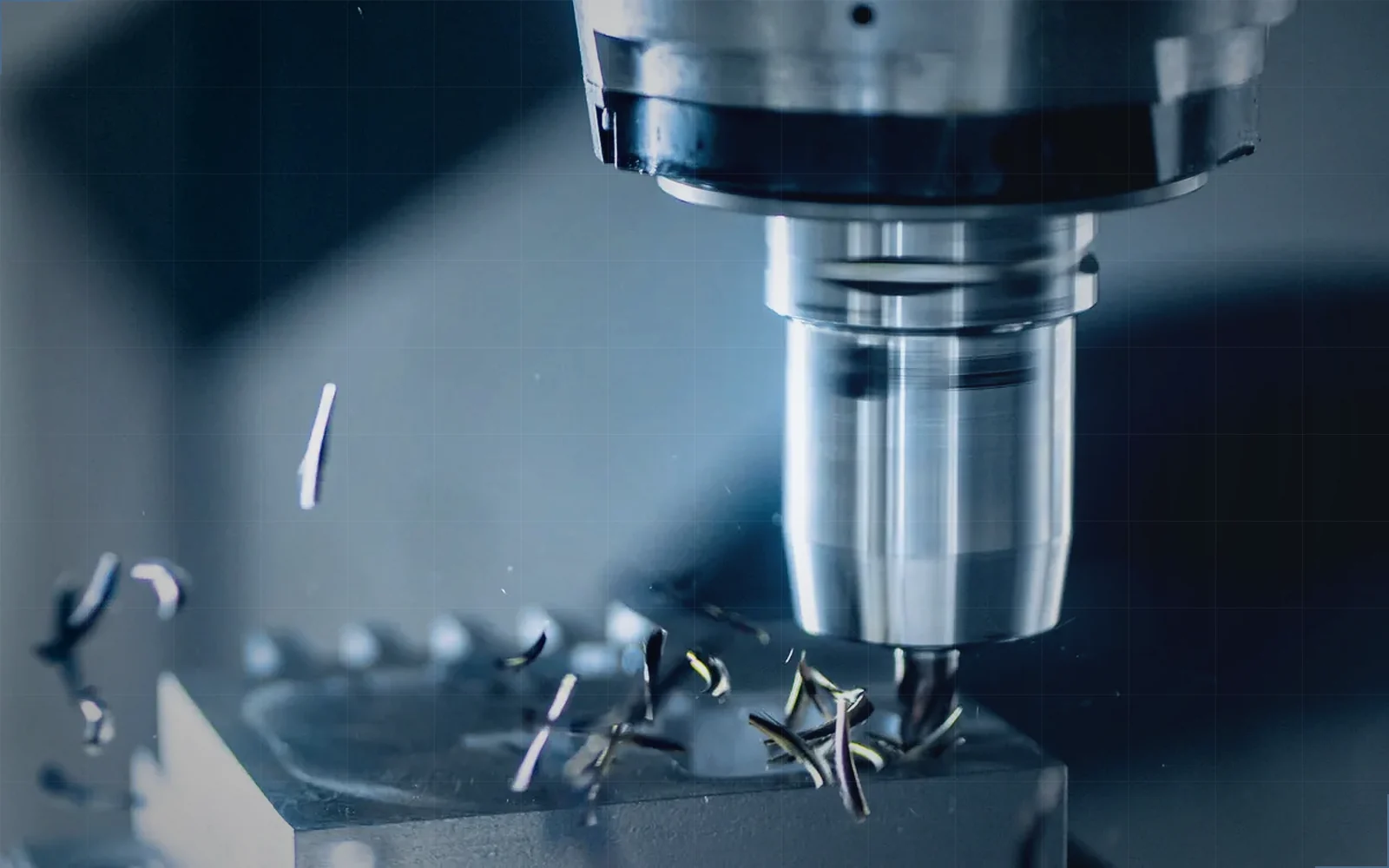
Aluminum 6061-T6
The default CNC aluminum: strong enough for most jobs, machines fast, anodizes well.
Aluminum 5083-H111
The shipbuilding aluminum: highest-strength weldable 5xxx for marine and cryogenic structure.
Stainless Steel 304
The world's default stainless: food-safe, weldable, corrosion-resistant for everyday environments.
Recommended finishes
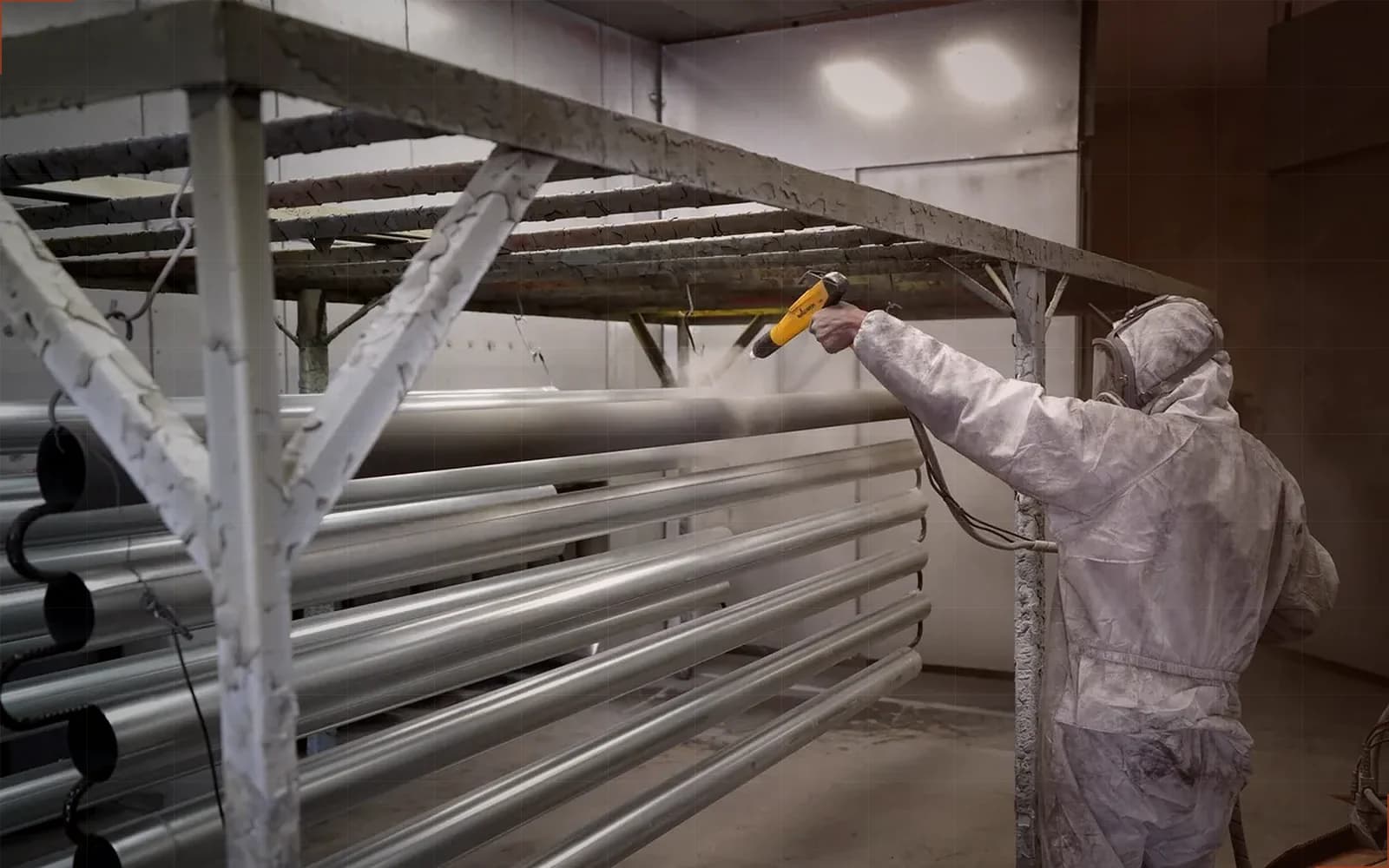
Powder Coating
Baked-on polymer armor: any RAL color, outdoor-proof, the toughest cosmetic coating.
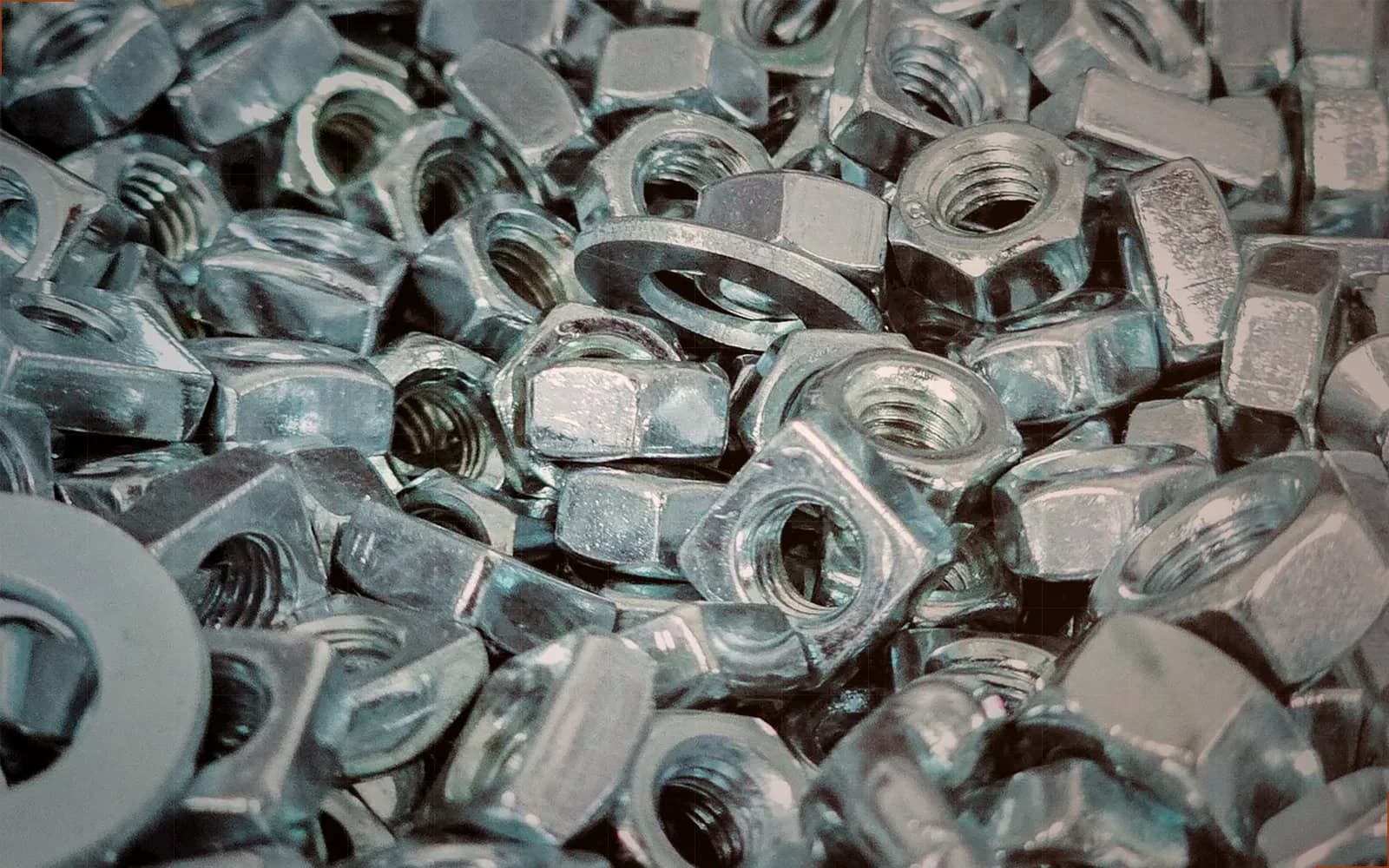
Zinc Plating
The economy rust-stopper: sacrificial zinc keeps protecting even when scratched.
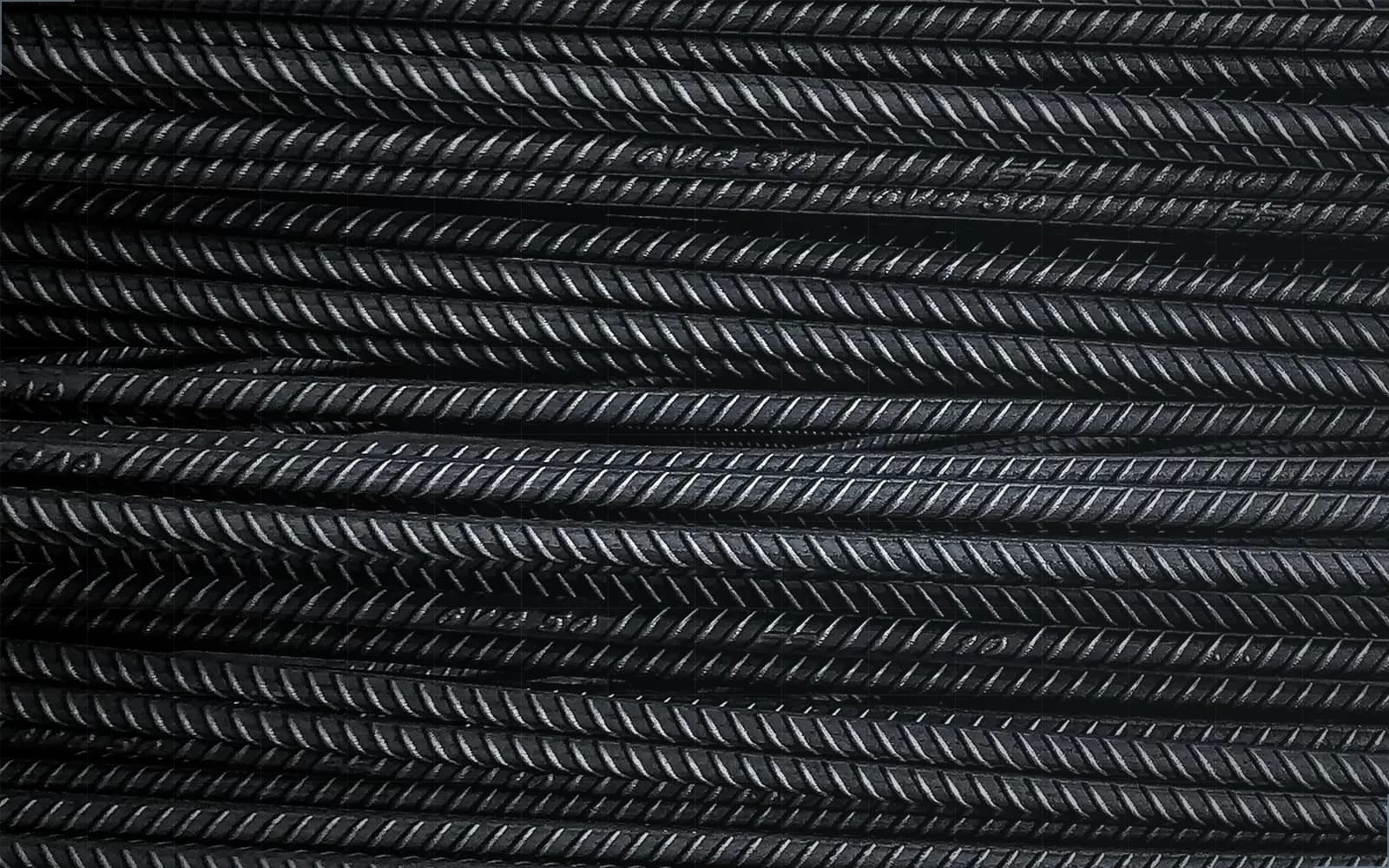
Passivation
Chemical hygiene for stainless: strips embedded iron so the steel can be as stainless as advertised.
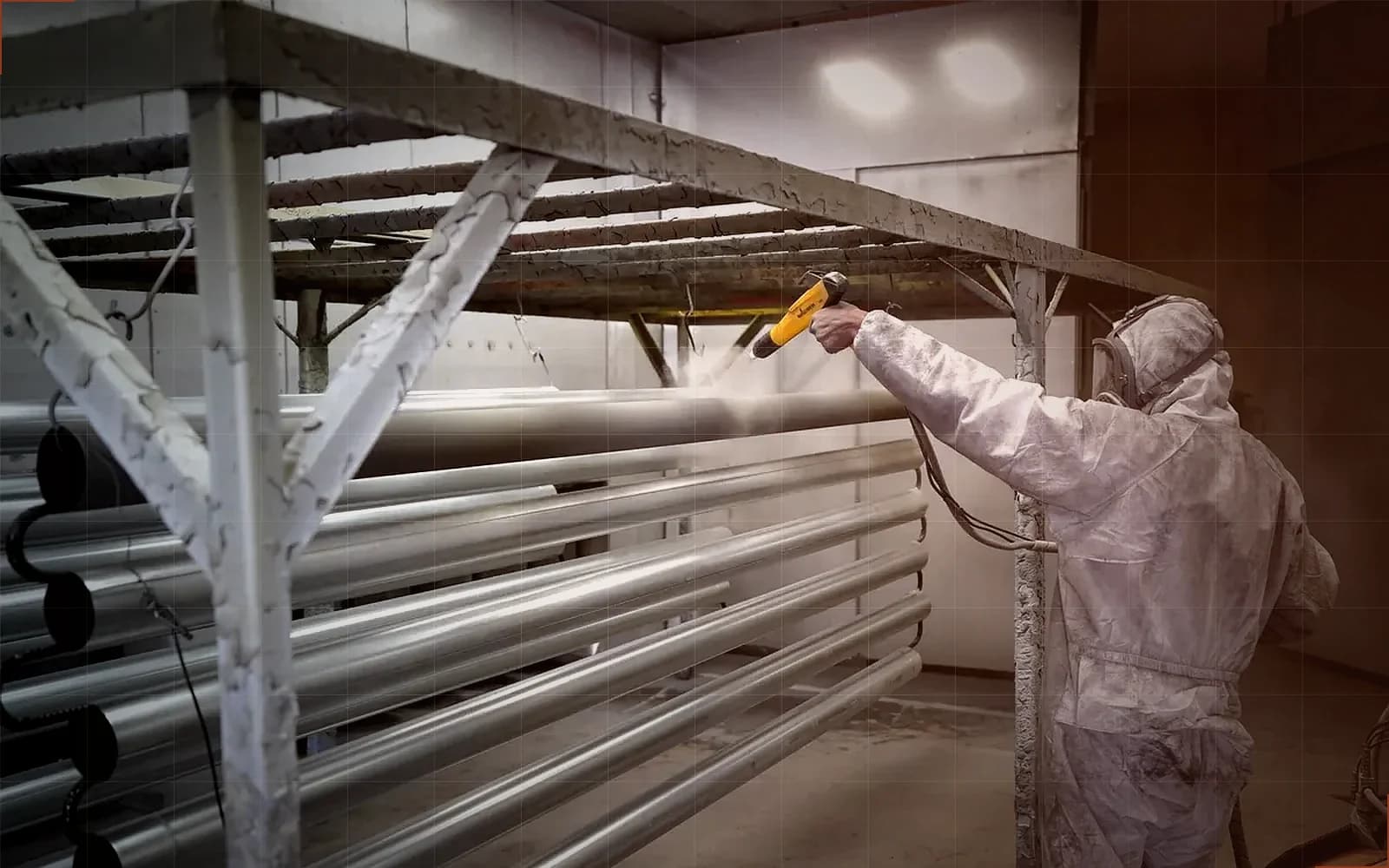
Wet Painting
Any color, any gloss, any substrate: the flexible coat for plastics and appearance prototypes.
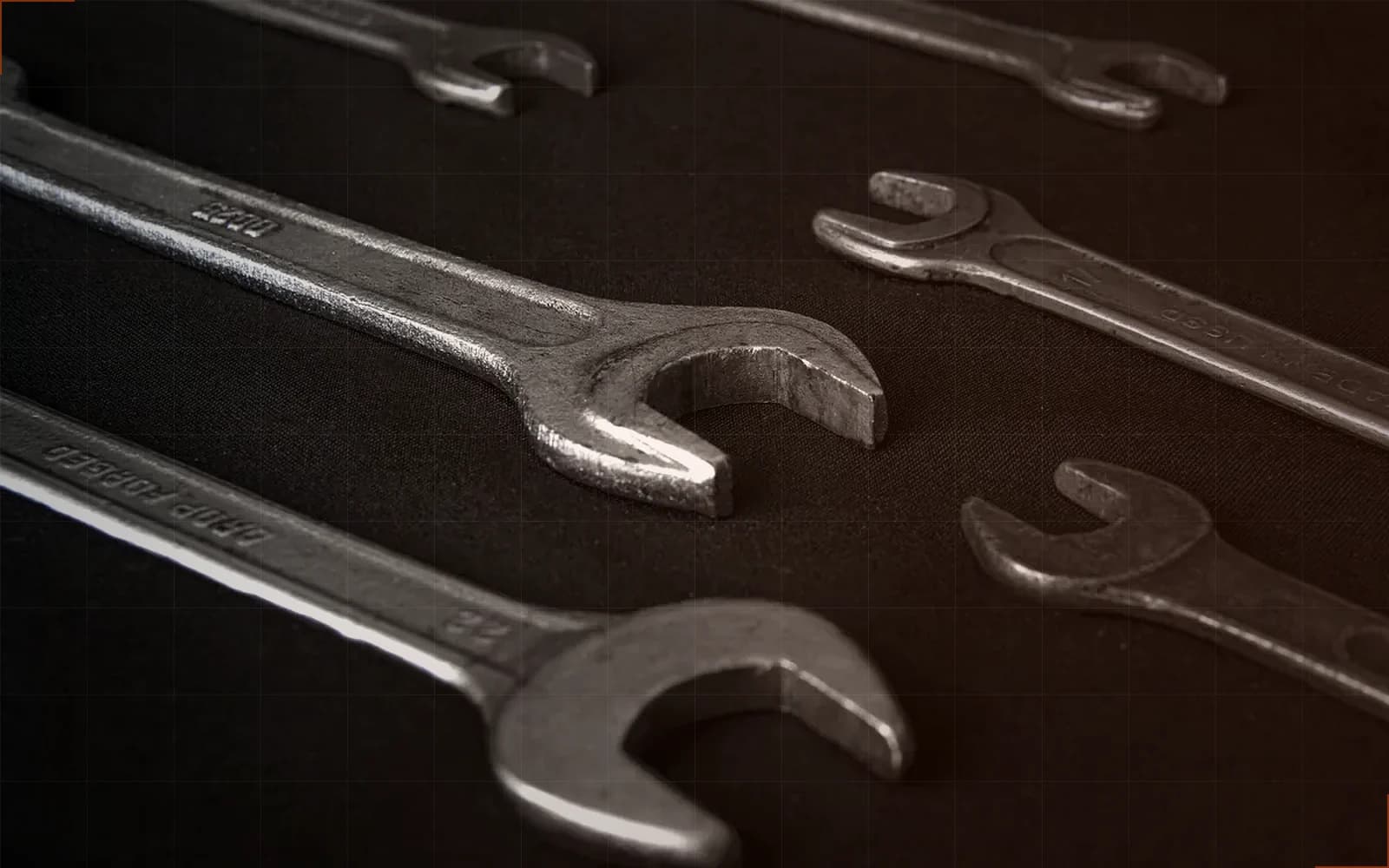
Black Oxide
Black with zero dimensional change: the gauge-and-tool finish for precision steel.
Certifications & standards
- ISO 22163 (IRIS)
- We understand rail primes cascade IRIS-derived requirements to their machining supply base: fixed process, documented changes and a record that survives the audit trail.
- EN 10204 3.1
- We support EN 10204 3.1 material certificates tying each machined lot to a heat number — normally mandatory on structural and braking components.
- EN 45545
- EN 45545 fire performance is a property of the material and coating you specify. We machine to your approved material list and will not substitute a grade without written approval.
We understand and support these requirements; certification and documentation scope is confirmed per order.
Questions rail transit buyers ask
- Why is a heat-number certificate mandatory on rail brackets that measure fine?
- Because rail maintenance records outlive the part by decades: an EN 10204 3.1 certificate tying the bracket to a steel heat is what lets a 2040s auditor confirm what went on a 2020s bogie. A dimensionally perfect part without it is a rejection, and rightly so.
- How do EN 45545 fire rules affect machined interior parts?
- The fire performance belongs to the material and coating, not the machining — so the approved material list on your drawing is law. We buy to the specified grade, never substitute without written approval, and pass through the material declarations your hazard-level file needs.
- A fleet retrofit needs 40–600 machined parts — too small for a production house, too big for a job shop?
- That mid-volume band is exactly what a tiered factory network prices well: the job routes to a plant whose economics fit the quantity, while first-article approval, inspection format and lot traceability stay uniform. One contract, one document set, whatever the volume.
Relevant services
CNC Milling
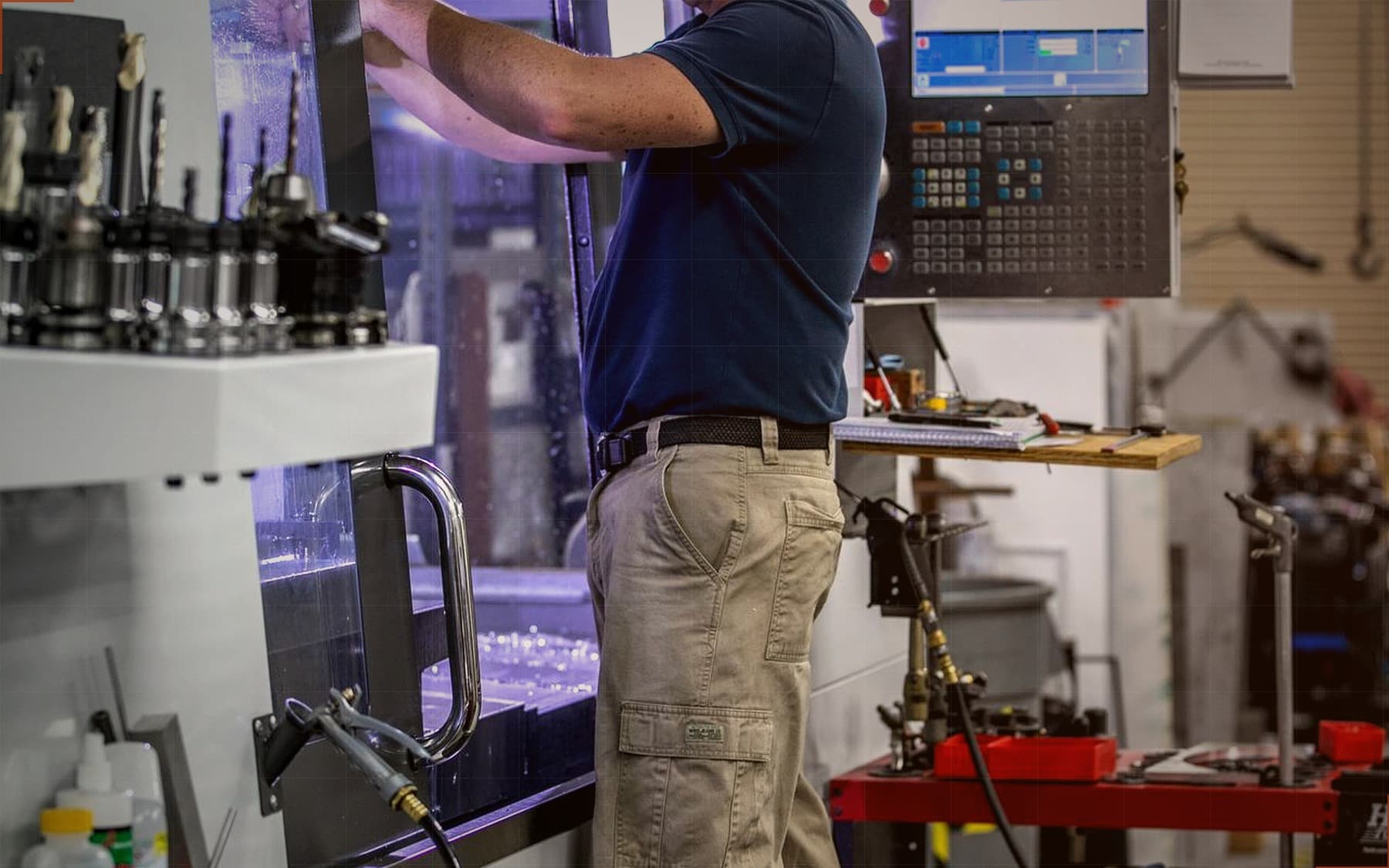
3- and 4-axis vertical machining for housings, brackets, manifolds and structural parts.
CNC Turning
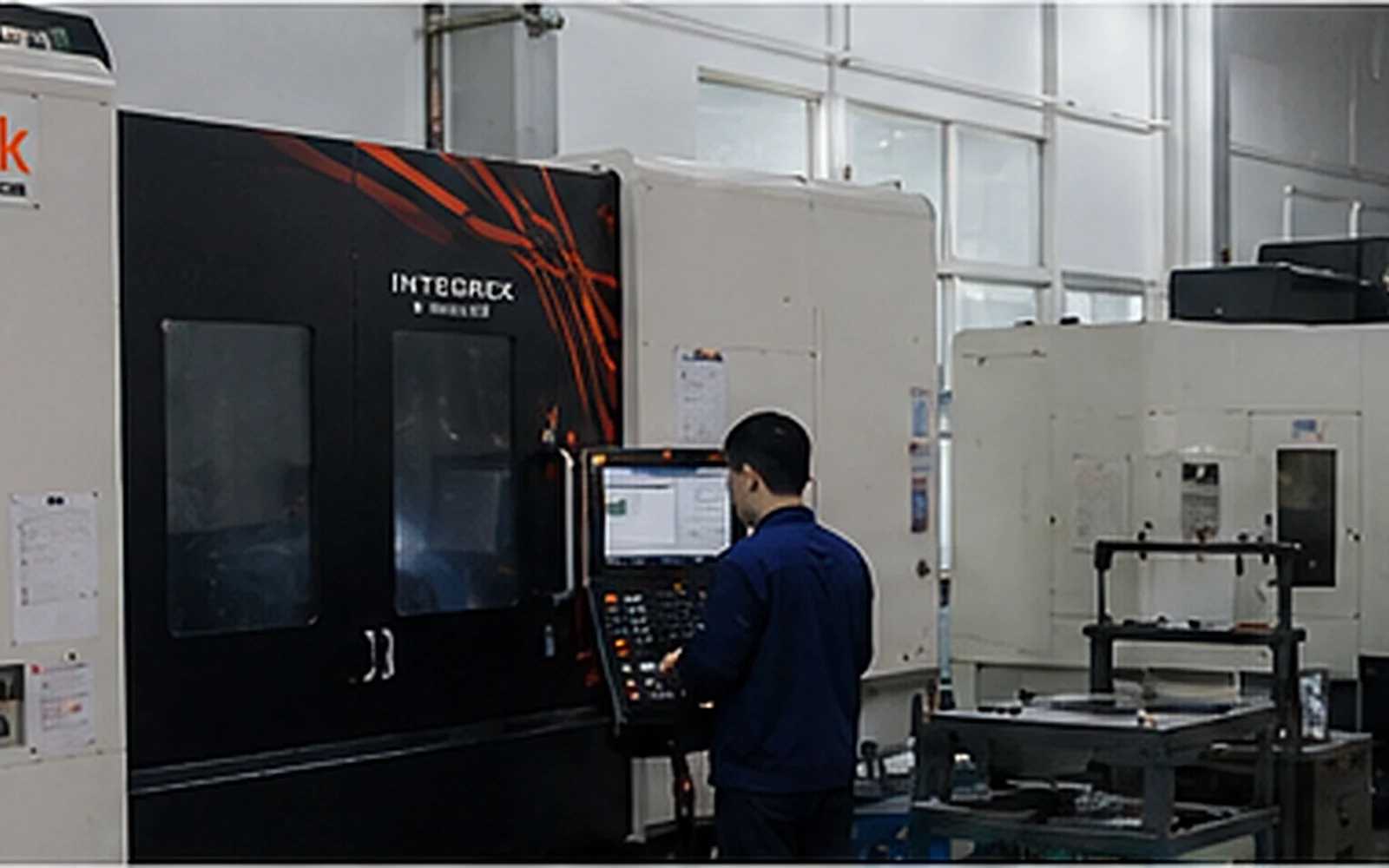
Live-tooling lathes for shafts, pins, bushings and threaded fittings up to Ø406 mm.
Production Machining
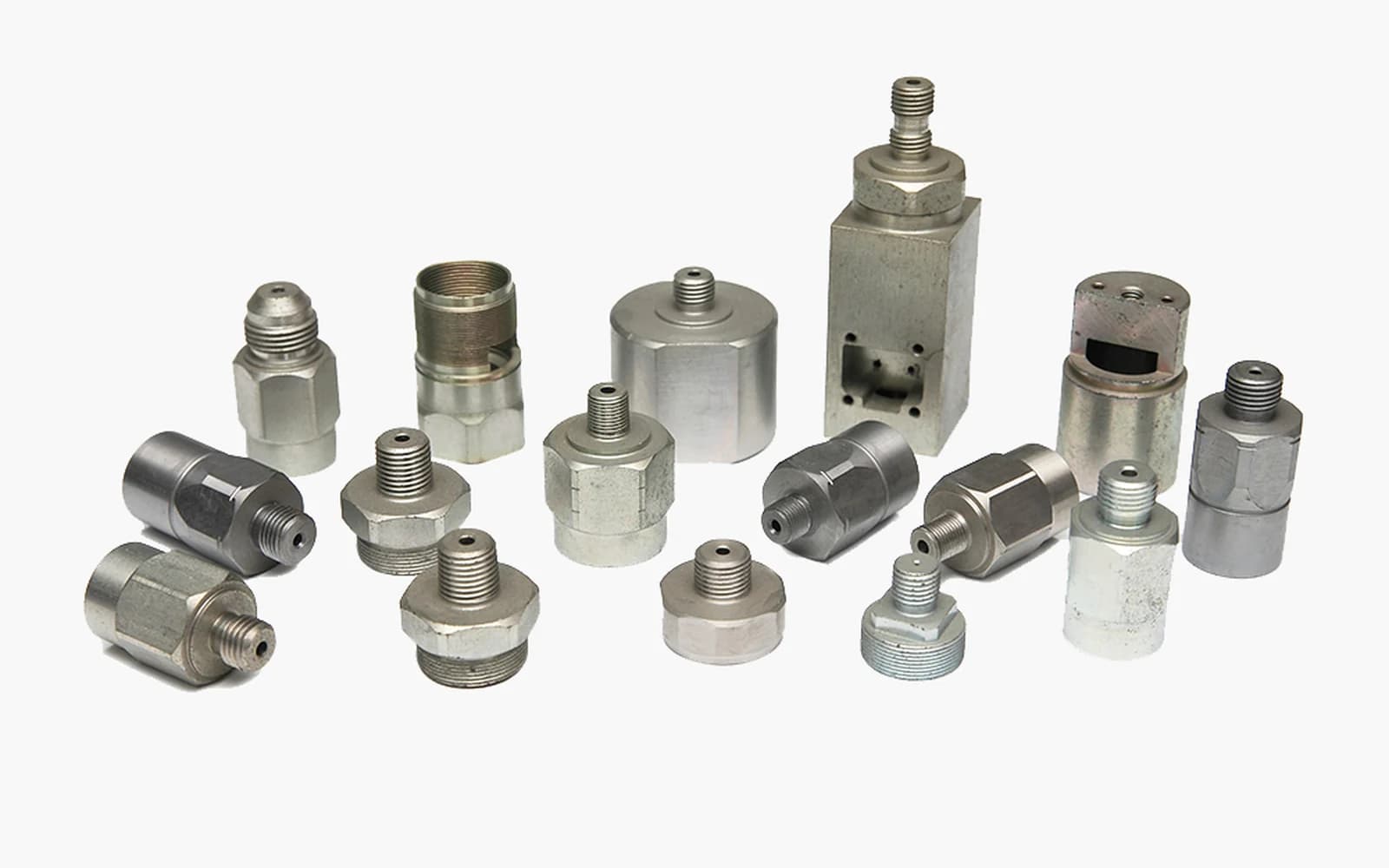
Dedicated fixturing, in-process CMM and SPC documentation for repeatable volume runs.
Surface Grinding
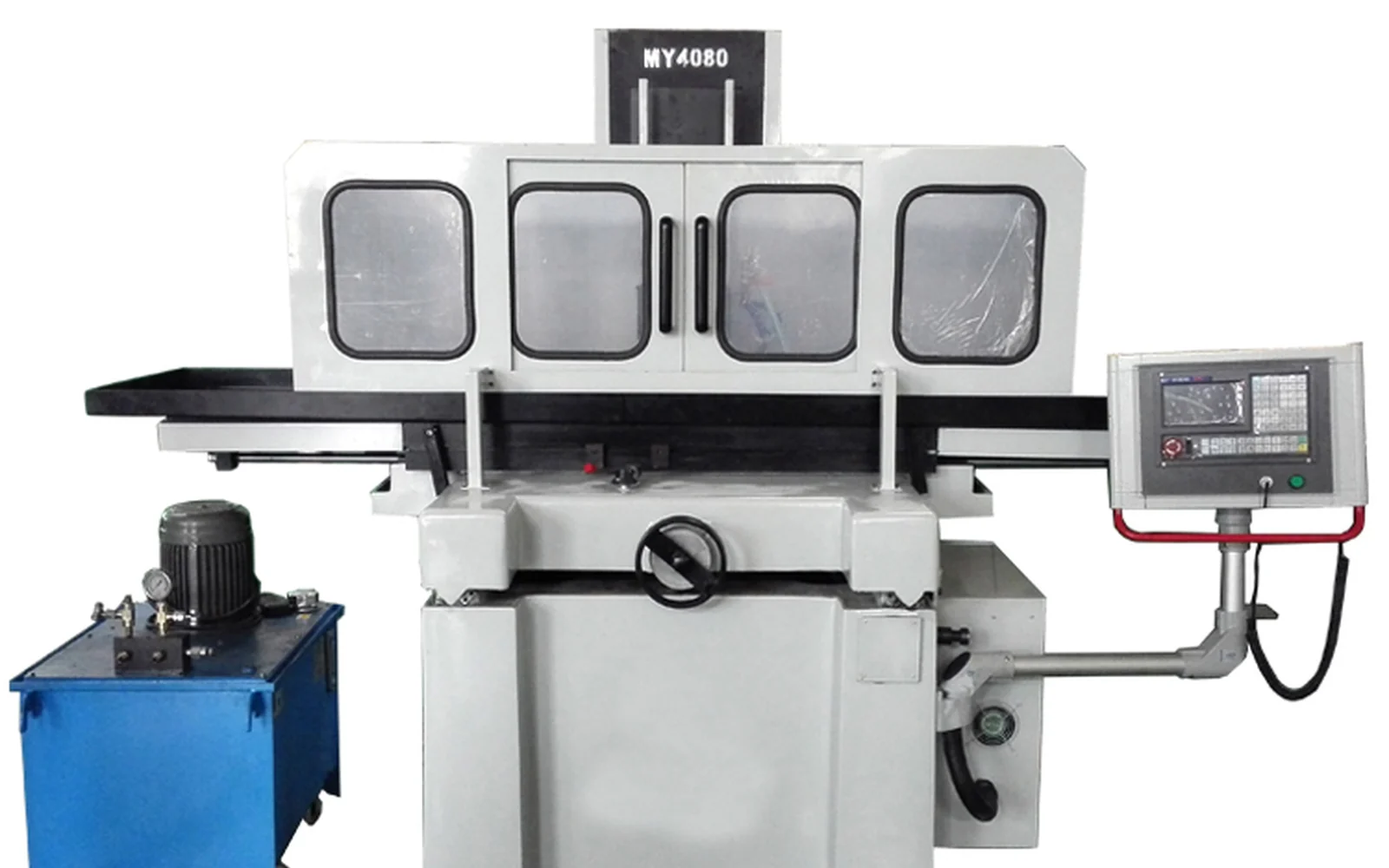
Abrasive finishing for flatness, parallelism and tight thickness control on hardened parts.
Custom Forging
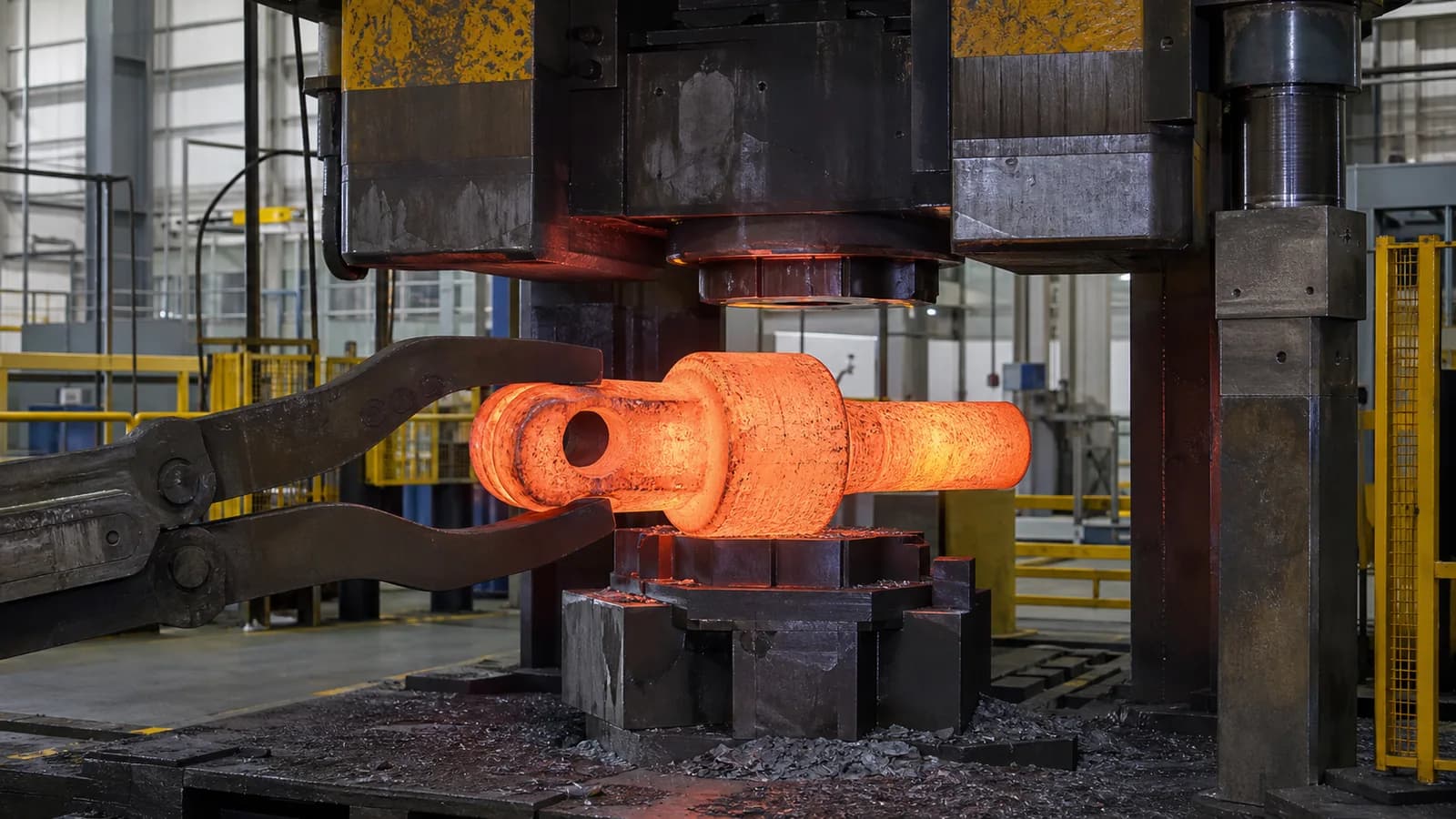
Forged blanks and finished load-bearing parts, with tooling, machining, heat treatment and inspection coordinated as one program.
CNC machining service by country
Fleet parts stay in service far longer than the supply agreements behind them. Moving a part to a new supplier is mostly a question of what was ever written down.
Have a part in mind?
Upload CAD or drawings. Eligible CNC work gets an instant estimate; other processes move to engineer review. NDA-protected from the first byte.
Start an RFQ