CNC Turning for Surgical Instruments: Swiss, Micro and Finish Requirements
How surgical instrument bodies, tips and handles are turned: Swiss-type versus micro-turning, 316L and titanium behaviour, Ra targets and passivation.
2026-07-01 · FabVector Engineering

What buyers are trying to solve
Searches for CNC turning for surgical instruments usually come from engineering or procurement teams that already have a CAD model and need a manufacturable route, not a generic machining definition. The decision is normally about material risk, tolerance risk, surface finish, inspection paperwork and whether a supplier can move from prototype to repeat production without changing the process.
Best-fit applications
- Instrument bodies, shafts, tips and knurled handles between Ø1 and Ø32 mm.
- Slender components where length-to-diameter ratio makes conventional turning deflect.
- Reusable instruments that must survive repeated autoclave cycles without pitting.
Manufacturing route
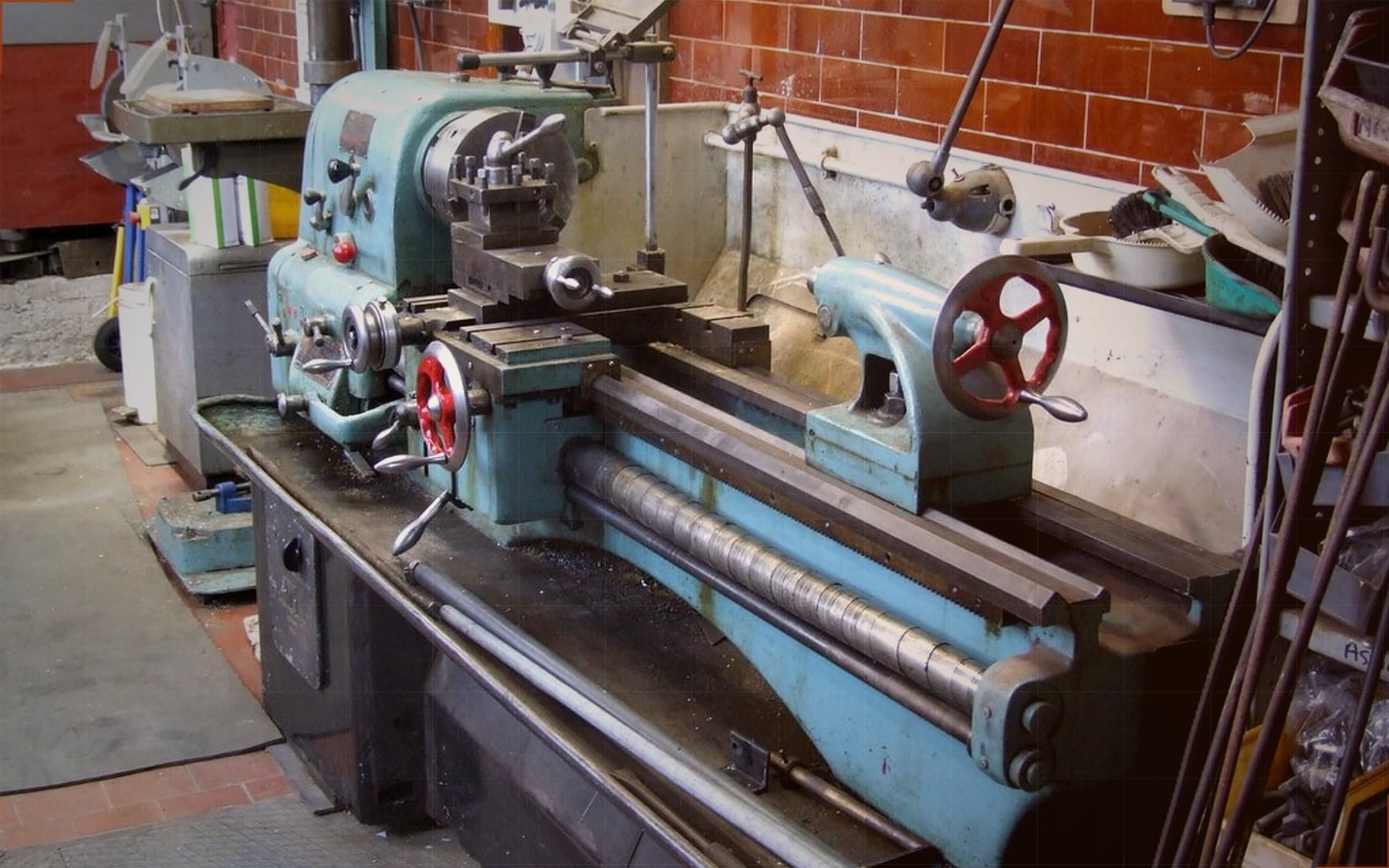
- Swiss-type turning with a guide bushing is the default for slender parts: support next to the cut holds ±0.002 mm on diameters that would chatter on a conventional lathe.
- Live tooling puts cross-holes, flats and threads in the same setup, which removes the concentricity error a second fixture would introduce.
- Micro-turning with tools from Ø0.1 mm covers tip geometry and features under 1 mm that Swiss tooling cannot reach.
- Passivation or electropolishing follows machining — never precedes it — because any subsequent cut exposes fresh, unpassivated metal.
Material and finish choices
- 316L is the default: it work-hardens, so feed must stay constant and dwelling is what ruins a surface, not speed.
- Titanium Grade 5 for weight-critical or MRI-adjacent instruments; it needs rigid setups and flood coolant because of poor thermal conductivity.
- 17-4 PH when the instrument needs edge hardness — machine in condition A, then age, and hold the growth in the tolerance model.
- PEEK for radiolucent handles and non-conductive components.
Risk controls before quoting
- State whether the surface is patient-contact. Ra 0.4 µm with electropolish is a different process and cost from an as-turned Ra 1.6 µm.
- Free-machining grades such as 303 contain sulphur and are usually rejected for implant-adjacent or patient-contact use — confirm before substituting for machinability.
- Specify passivation standard (ASTM A967 citric or nitric) rather than the word "passivated"; the method affects both the result and the certificate.
- Knurls, laser marks and etched identification change the surface state — sequence them against passivation deliberately.
RFQ inputs that improve quote accuracy
- Length-to-diameter ratio and the tightest diameter tolerance with its datum.
- Patient-contact surfaces, required Ra and the passivation or electropolish standard cited.
- Material grade with certificate requirement (EN 10204 3.1), and whether substitutes are permitted at all.
- Marking requirement: laser-marked serials, UDI codes or lot identification.
Related FabVector resources
- Swiss-type machining capability
- Micro machining capability
- Electropolishing data
- Medical device machining
When the part includes thin walls, sealing faces, tight datums, threaded features or inspection requirements, upload the CAD model through the structured RFQ flow so material, finish, tolerance, inspection and delivery expectations stay attached to the same request.
Related resources
RFQ next step
Turn this requirement into a quote package.
Upload CAD, select material, finish, tolerance, inspection and delivery context. FabVector keeps the quote inputs tied to the same engineering request.
Start structured RFQ