Industry
Consumer Electronics
Cosmetic-grade machining where the part surface is the brand surface.
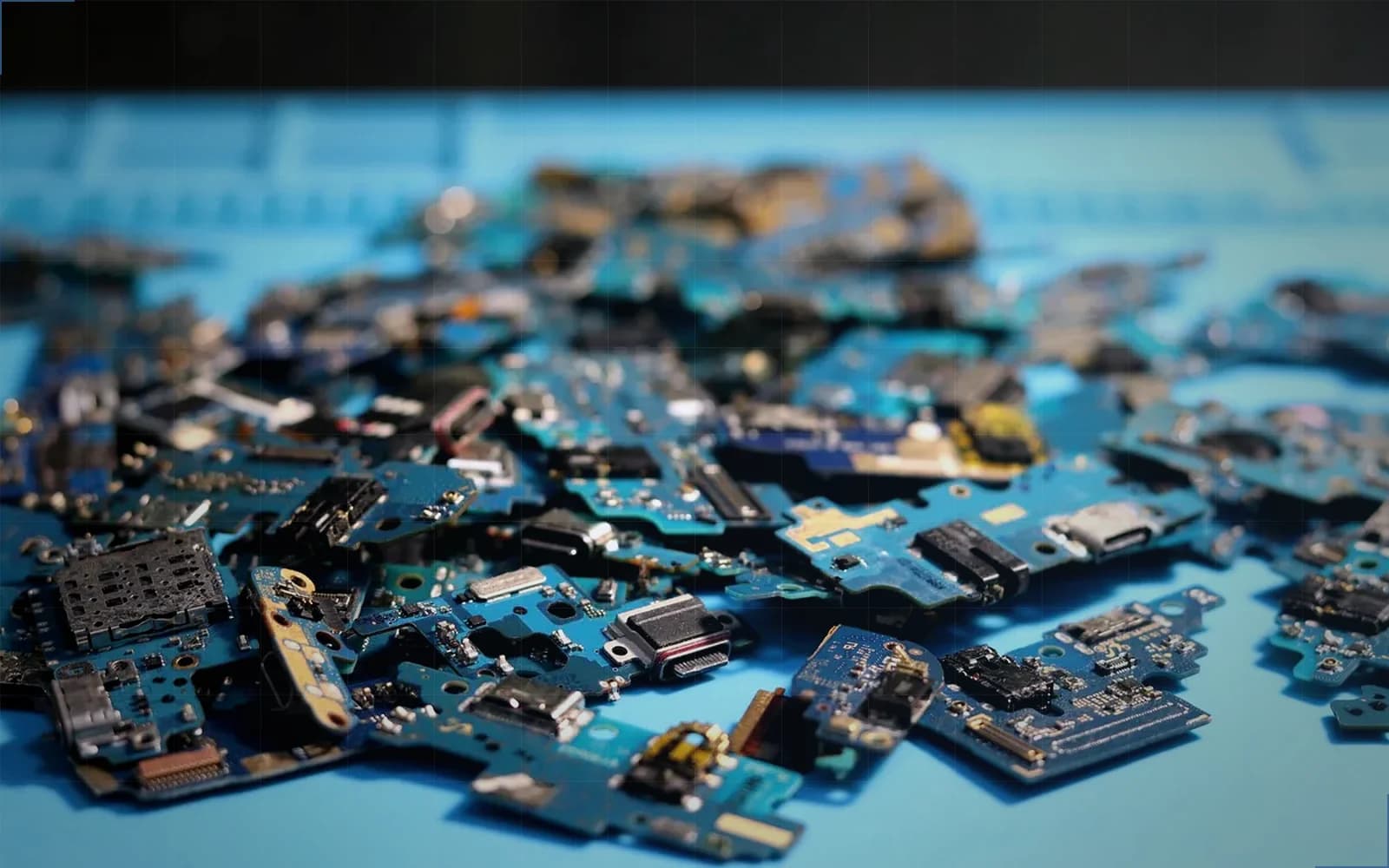
FabVector machines Consumer Electronics parts in Aluminum 6063-T5, Aluminum 6061-T6, Stainless Steel 304, from 1 piece, with instant online estimates, engineer-reviewed quotes in 24 hours and NDA-protected files. Delivery with duties handled to the US, Canada, UK and Australia.
- Materials
- Aluminum 6063-T5, Aluminum 6061-T6, Stainless Steel 304
- Minimum order
- 1 piece
- Estimate
- ~60s online
- Quote
- engineer-reviewed 24h
- IP
- NDA from upload
What slows this industry down
Consumer electronics machining is judged in the hand, not on the CMM: the blasted-and-anodized texture of a unibody enclosure, the chamfer catching light around a grille, a button with zero wobble. Dimensional conformance is assumed — the acceptance criterion is cosmetic, and "no visible defect at arm's length" is tighter than any tolerance band. Anodize color must hold within ΔE limits across batches against golden samples, or assembled products look mismatched. EVT/DVT gates demand 20–200 cosmetic-grade sets on consumer-launch timelines, a volume-and-finish combination most shops cannot deliver.
Typical parts we machine
- Unibody enclosures and housings
- Midframes and internal chassis
- Buttons, dials, switch caps and trim
- Speaker grilles and camera surrounds
- Heat spreaders and vapor-chamber lids
Recommended materials
Aluminum 6063-T5
The cosmetic-finish aluminum: silky anodized surfaces for consumer-facing parts.
Aluminum 6061-T6
The default CNC aluminum: strong enough for most jobs, machines fast, anodizes well.
Stainless Steel 304
The world's default stainless: food-safe, weldable, corrosion-resistant for everyday environments.
ABS
The prototype plastic: tough, light, cheap — and it glues and paints like nothing else.
Polycarbonate (PC)
Transparent armor: machine guards, viewports and light guides that survive real impacts.
Recommended finishes
Anodizing Type II (Dyed)
Color that cannot peel: dye locked inside the part’s own oxide layer.
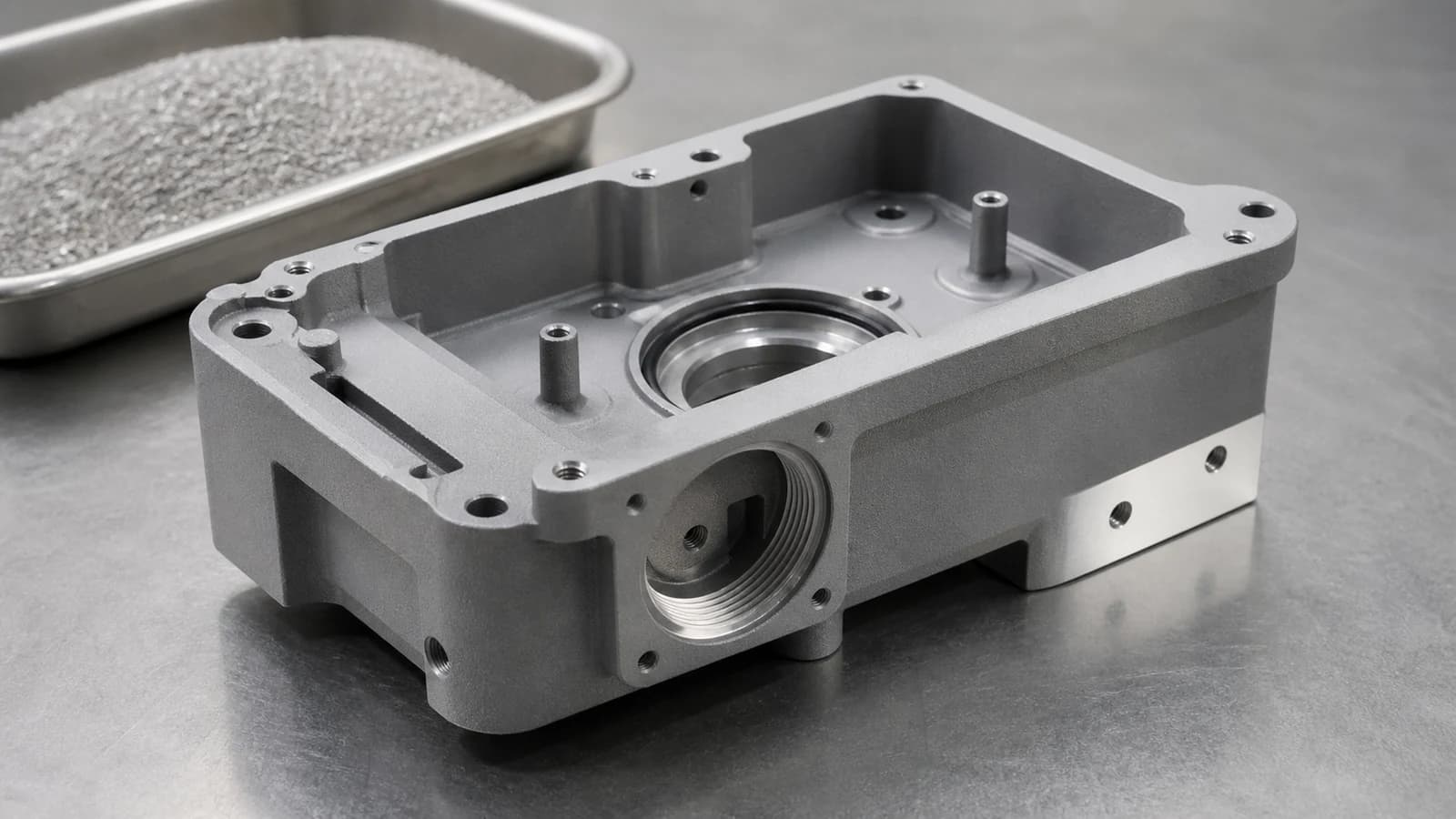
Bead Blasting
The uniform matte look: erases tool marks, hides fingerprints, preps perfect anodizing.
Brushed Finish
The appliance-grade look: directional satin grain on panels, bezels and show faces.
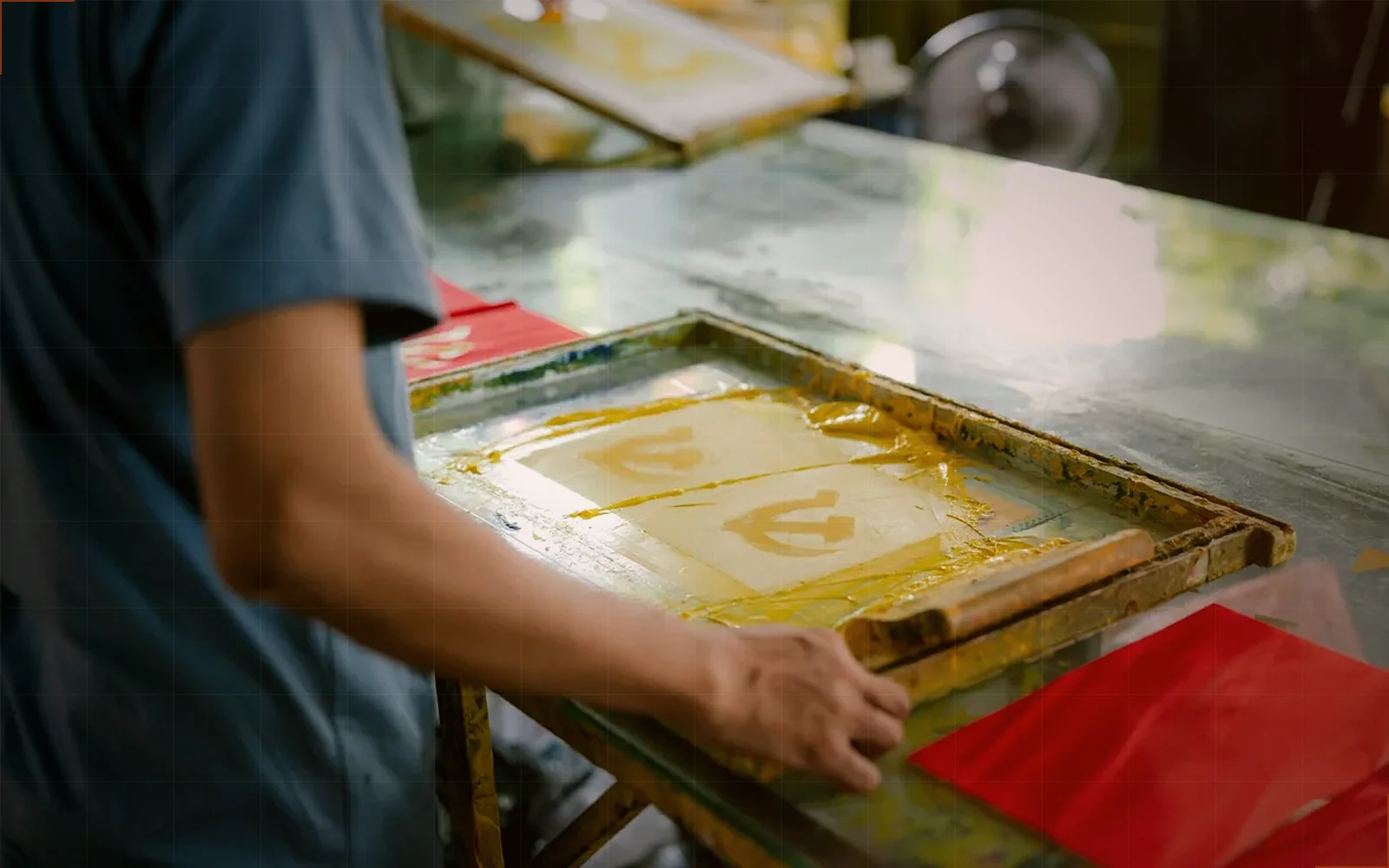
Silk Screening
The multi-color marking: inked legends and logos where laser’s single tone is not enough.
Certifications & standards
- ISO 9001
- We understand consumer brands audit suppliers to ISO 9001 discipline, including cosmetic inspection standards and golden-sample control.
- RoHS / REACH
- We support RoHS/REACH compliance with substance declarations for parts and finishes entering consumer products.
We understand and support these requirements; certification and documentation scope is confirmed per order.
Questions consumer electronics buyers ask
- How are cosmetic anodized housings kept consistent across a batch?
- Same alloy lot, same bead-blast media and pressure, same anodize bath window — cosmetic consistency is a process-control problem, so we fix all three per batch and approve against a signed limit sample. 6063 anodizes more evenly than 6061 when the part is a visible face.
- What is the minimum wall thickness for machined phone-scale enclosures?
- 0.5–0.8 mm is workable in 6063/6061 with vacuum or wax fixturing; below 0.5 mm distortion control dominates cost. Internal corner radii from tool diameter — plan for R0.4 minimum in pockets — matter more to your industrial designer than the wall number.
- Prototype in titanium for a wearable — realistic or overkill?
- Realistic when the production intent is Ti: Grade 5 Swiss-machined hinges and frames at 1–50 pieces are routine work (AI-glasses hinges at ±0.005 mm are a live example). Prototyping in aluminum and switching alloy later hides mass, spring-back and finish surprises until it is expensive.
Relevant services
CNC Milling
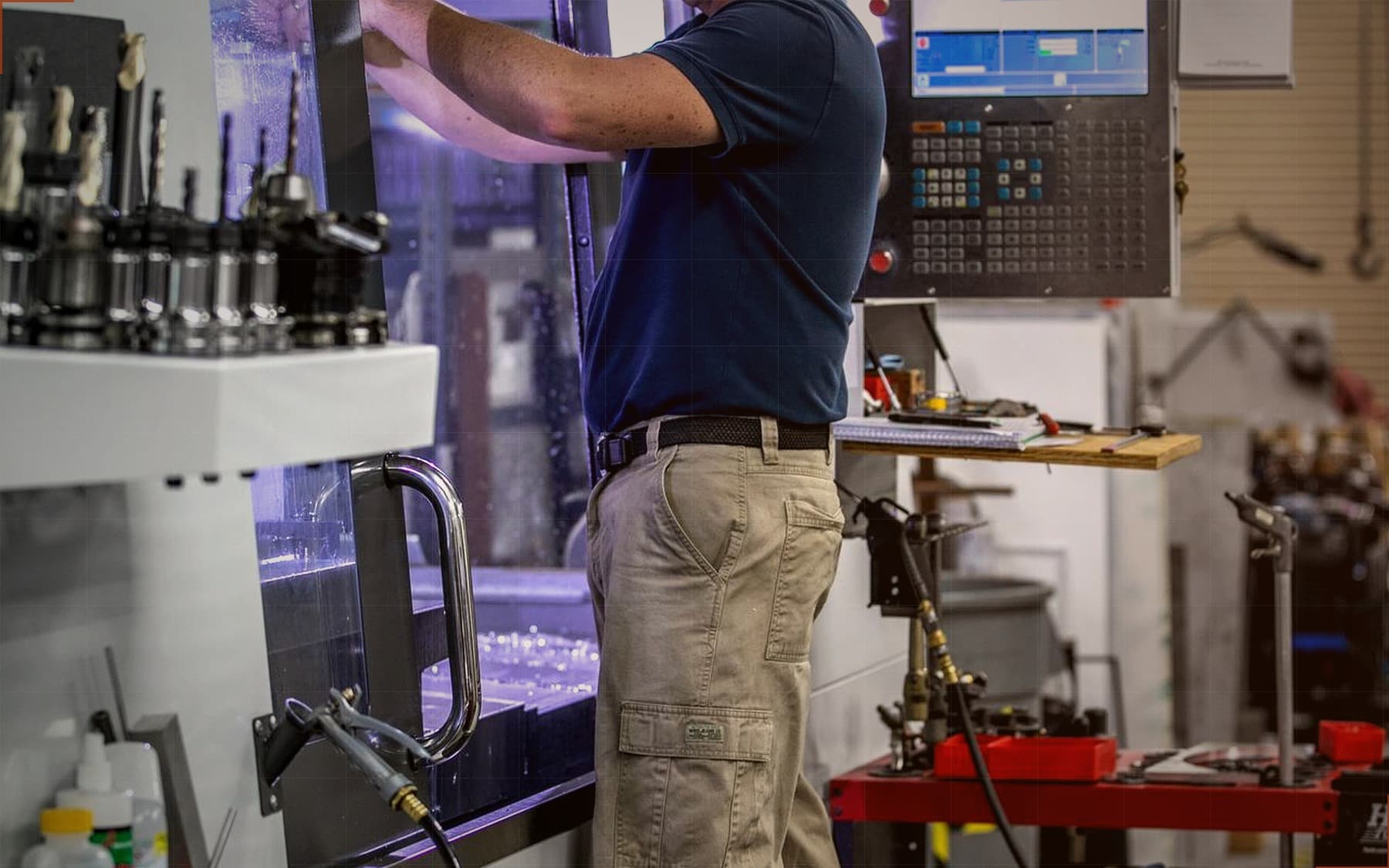
3- and 4-axis vertical machining for housings, brackets, manifolds and structural parts.
5-Axis Machining
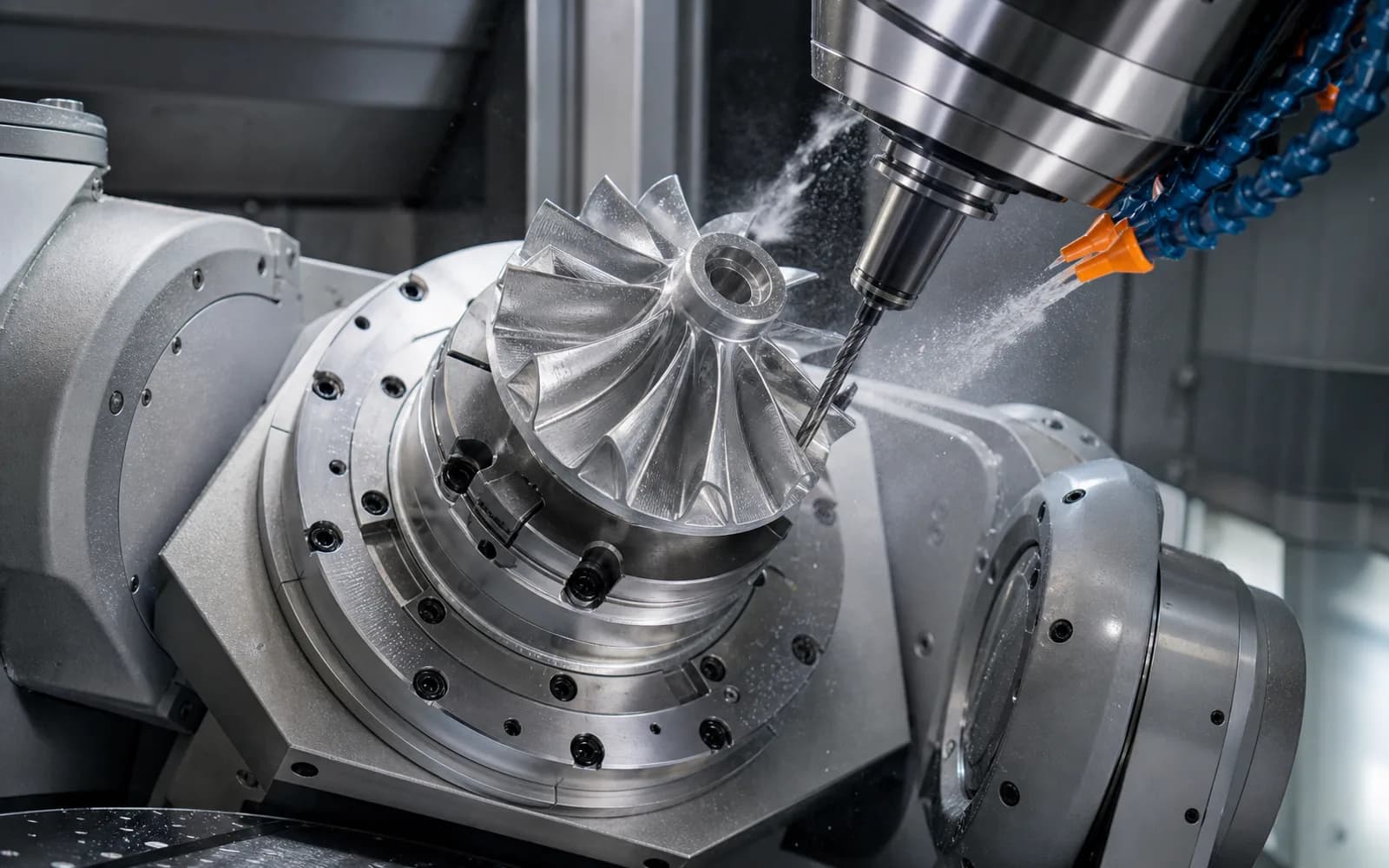
Simultaneous 5-axis machining for impellers, freeform surfaces and compound-angle features.
Production Machining
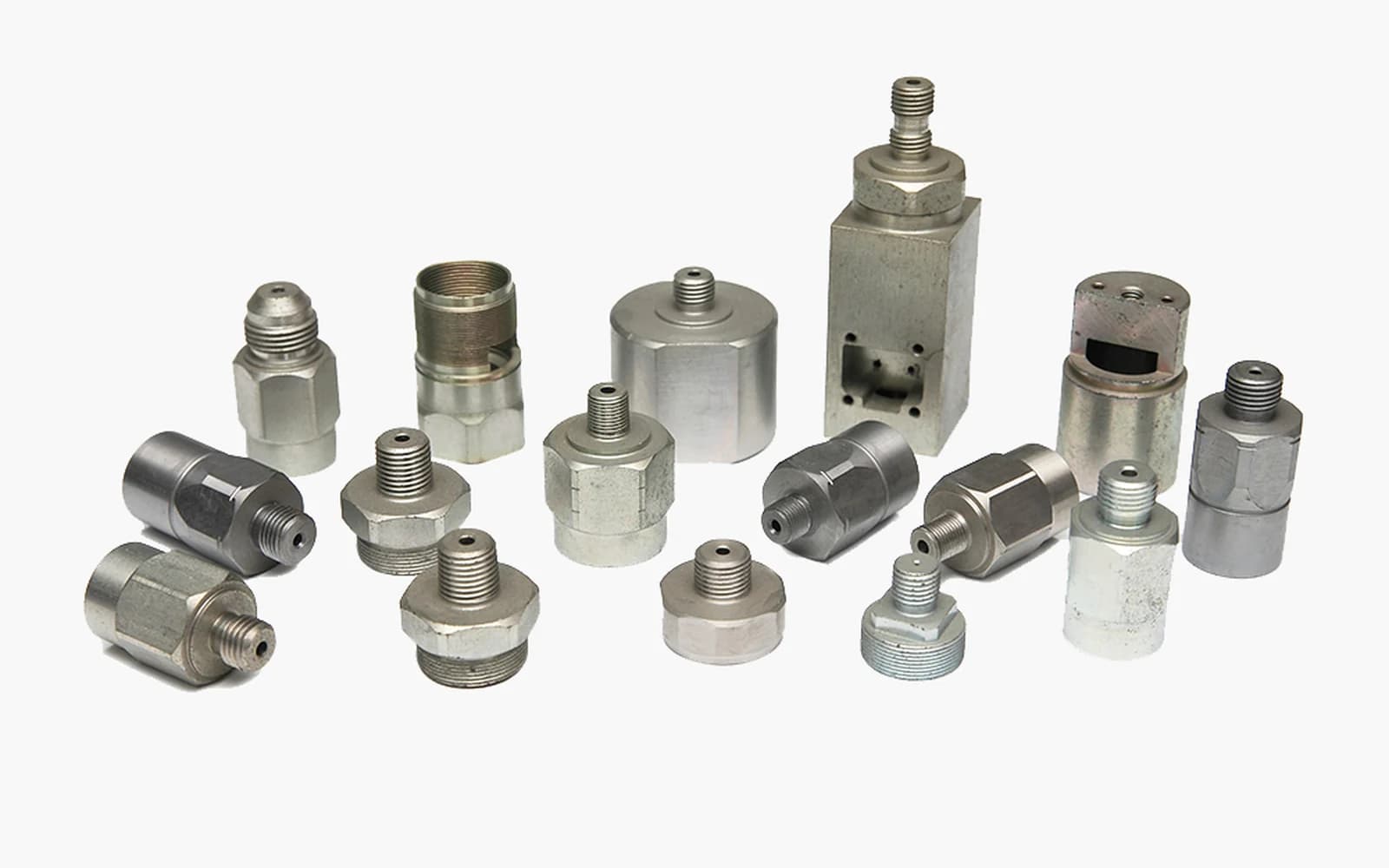
Dedicated fixturing, in-process CMM and SPC documentation for repeatable volume runs.
CNC machining service by country
Have a part in mind?
Upload CAD or drawings. Eligible CNC work gets an instant estimate; other processes move to engineer review. NDA-protected from the first byte.
Start an RFQ