Industry
Marine
Hardware engineered for permanent salt exposure, from deck fittings to deep-water ROV frames.
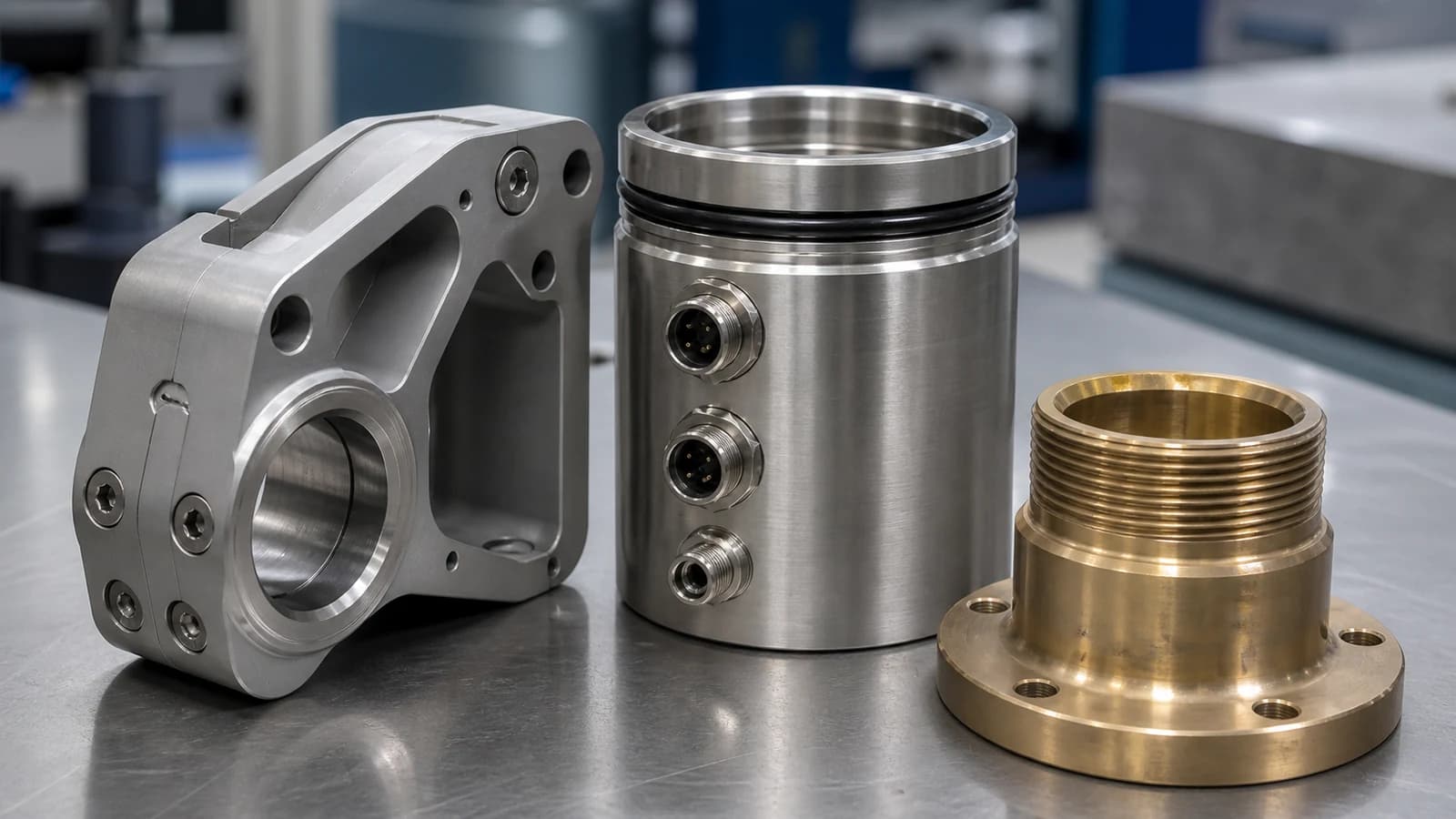
FabVector machines Marine parts in Aluminum 5083-H111, Stainless Steel 316L, Phosphor Bronze C510, from 1 piece, with instant online estimates, engineer-reviewed quotes in 24 hours and NDA-protected files. Delivery with duties handled to the US, Canada, UK and Australia.
- Materials
- Aluminum 5083-H111, Stainless Steel 316L, Phosphor Bronze C510
- Minimum order
- 1 piece
- Estimate
- ~60s online
- Quote
- engineer-reviewed 24h
- IP
- NDA from upload
What slows this industry down
Seawater is a relentless corrosion test: pick the wrong alloy pair and galvanic attack eats a fitting in one season, so material selection — 5083, 316L, phosphor bronze — is the first engineering decision, not an afterthought. Watertight housings live on O-ring groove tolerances and surface finish, where one bad groove floods the electronics it protects. Classification societies (DNV, ABS, CCS) require certified materials and documented processes on critical components. Vessel and offshore schedules are brutal: a part missing at dock means a ship that does not sail.
Typical parts we machine
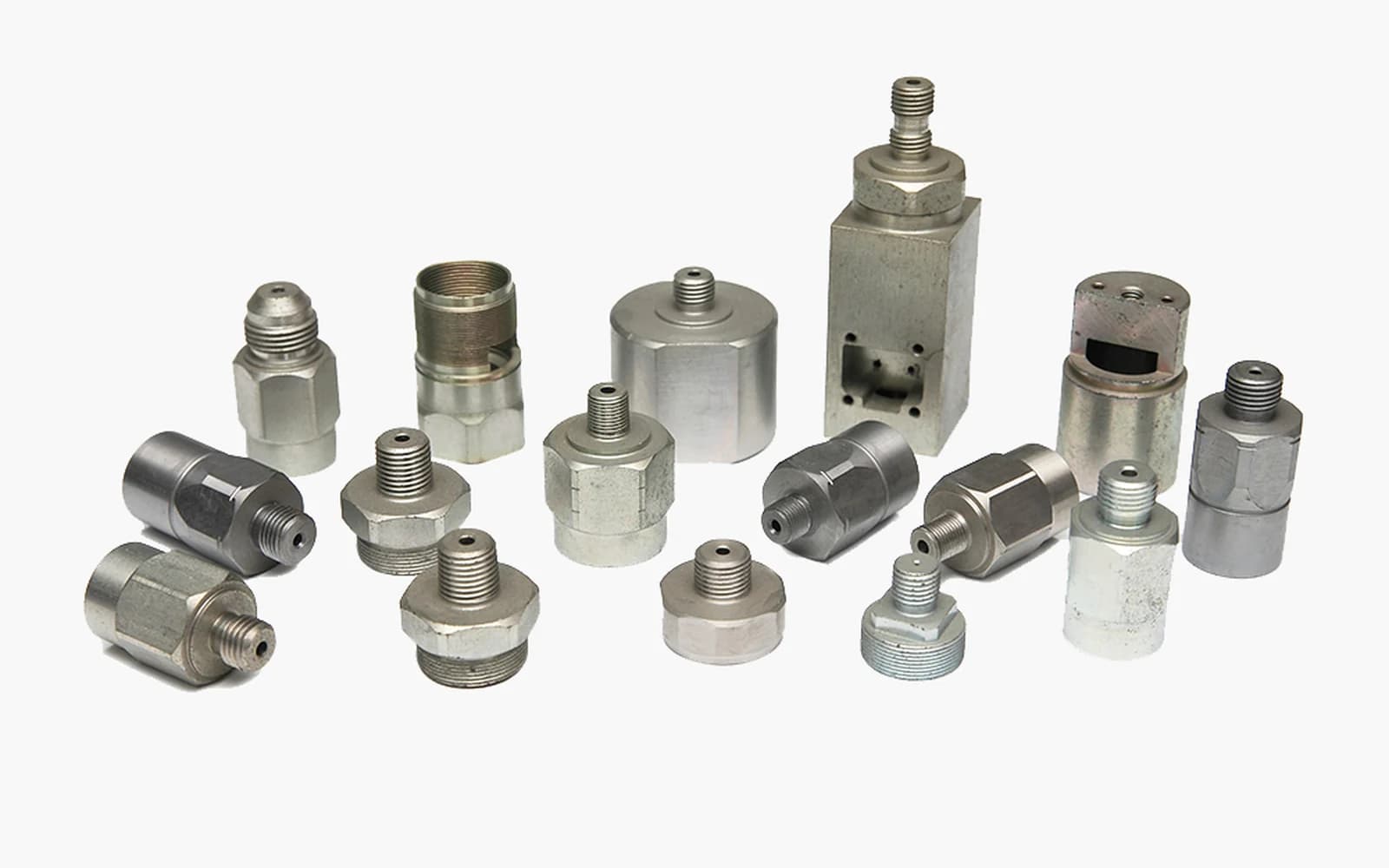
- Watertight enclosures and connector housings
- Sonar and transducer mounts
- Deck hardware and rigging fittings
- ROV/AUV frames and thruster components
- Bronze bushings and shaft-line components
Recommended materials
Aluminum 5083-H111
The shipbuilding aluminum: highest-strength weldable 5xxx for marine and cryogenic structure.
Stainless Steel 316L
Marine and medical stainless: molybdenum chemistry that shrugs off chlorides and sterilization cycles.
Phosphor Bronze C510
The spring bronze: fatigue resistance and low-friction wear for contacts and bushings.
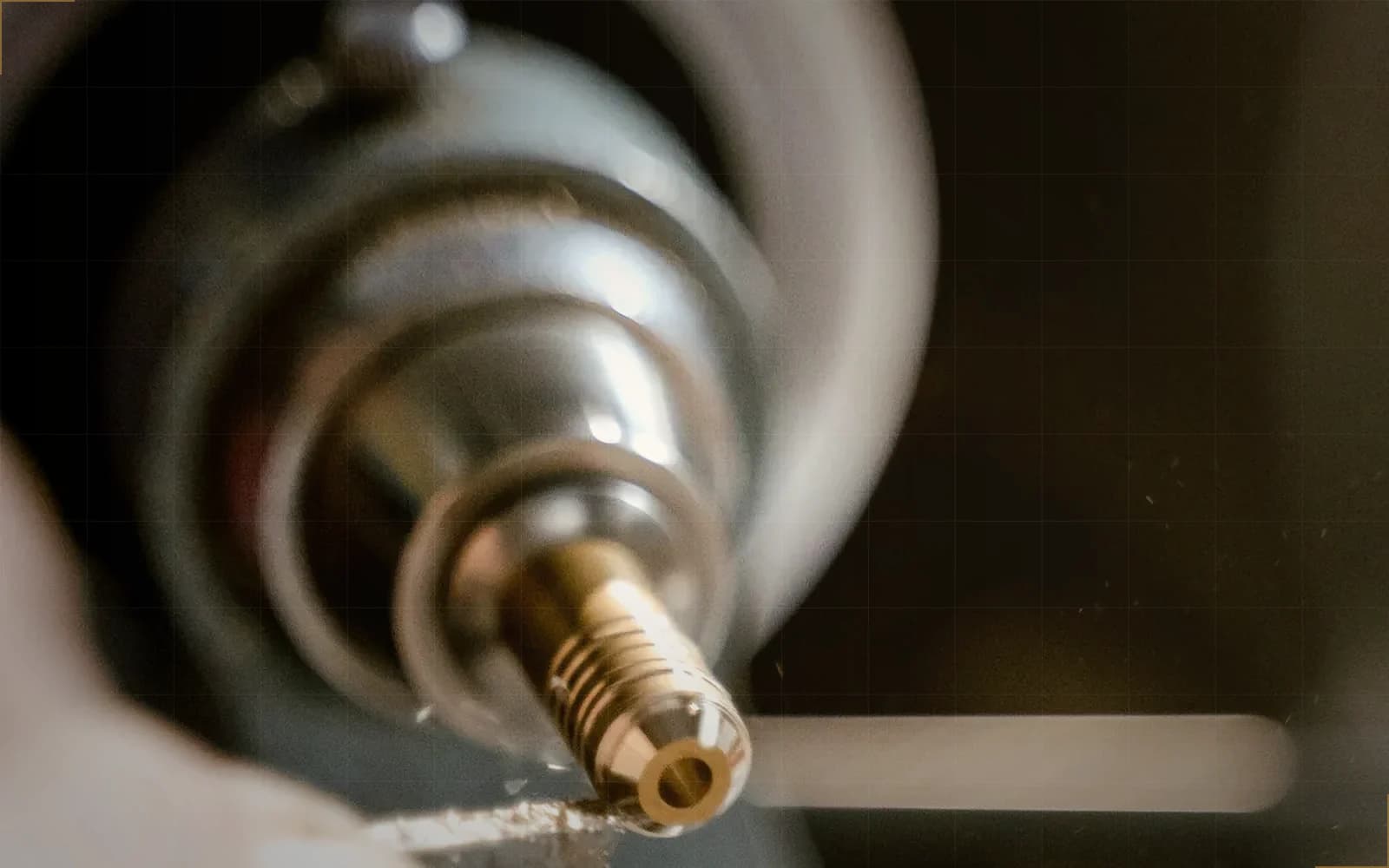
Brass C360 (Free-Machining)
The machinability benchmark itself: fastest cycle times in the shop, naturally low-friction.
Recommended finishes
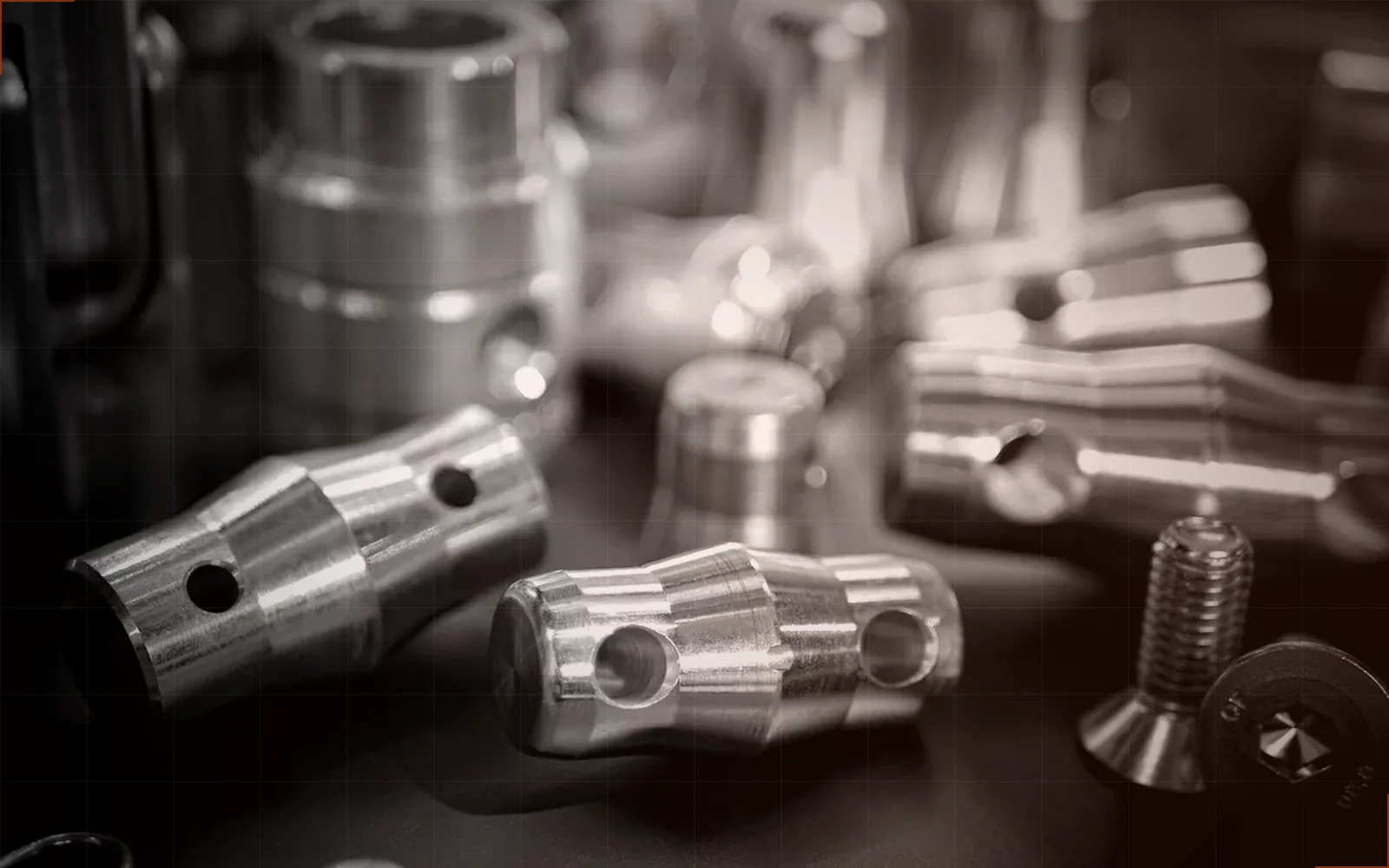
Anodizing Type II (Clear)
The standard aluminum finish: hard, clear oxide that keeps the metallic look.
Electropolishing
Reverse plating that brightens, deburrs and passivates stainless in one step.
Passivation
Chemical hygiene for stainless: strips embedded iron so the steel can be as stainless as advertised.
Certifications & standards
- DNV / ABS / CCS
- We understand classification-society requirements for critical marine components, including certified materials and documented process records.
- ISO 9001
- We understand marine buyers expect ISO 9001 process discipline with corrosion-conscious material control on every order.
- EN 10204 3.1
- We support EN 10204 3.1 material certificates plus salt-spray test documentation where the application demands it.
We understand and support these requirements; certification and documentation scope is confirmed per order.
Questions marine buyers ask
- Which aluminum survives seawater — and which quietly does not?
- 5083 is the marine structural default; 6061 is acceptable coated and isolated; 7075 has no business near seawater — its copper content makes it corrode aggressively. For fittings that stay wet, 316L or phosphor bronze C510 outlast any aluminum.
- What matters when machining watertight ROV and subsea housings?
- O-ring gland dimensions and surface finish decide everything: groove width and depth to the seal maker's table, Ra 0.8–1.6 µm on sealing surfaces, no tool-exit marks across the gland. We machine and inspect glands as critical features and pressure-test tooling is quoted when depth rating demands it.
- Do marine parts need classification society approval?
- Only class-relevant items on classed vessels — typically pressure boundaries, steering and propulsion-line parts — and the approval attaches to the vessel programme, not the machine shop. We supply the material certs and dimensional records your class surveyor needs, and say plainly that we are not ourselves a class-approved works.
Relevant services
CNC machining service by country
Have a part in mind?
Upload CAD or drawings. Eligible CNC work gets an instant estimate; other processes move to engineer review. NDA-protected from the first byte.
Start an RFQ