Industry
Pharmaceutical Machinery
Product-contact parts finished for cleanability, documented to the lot.
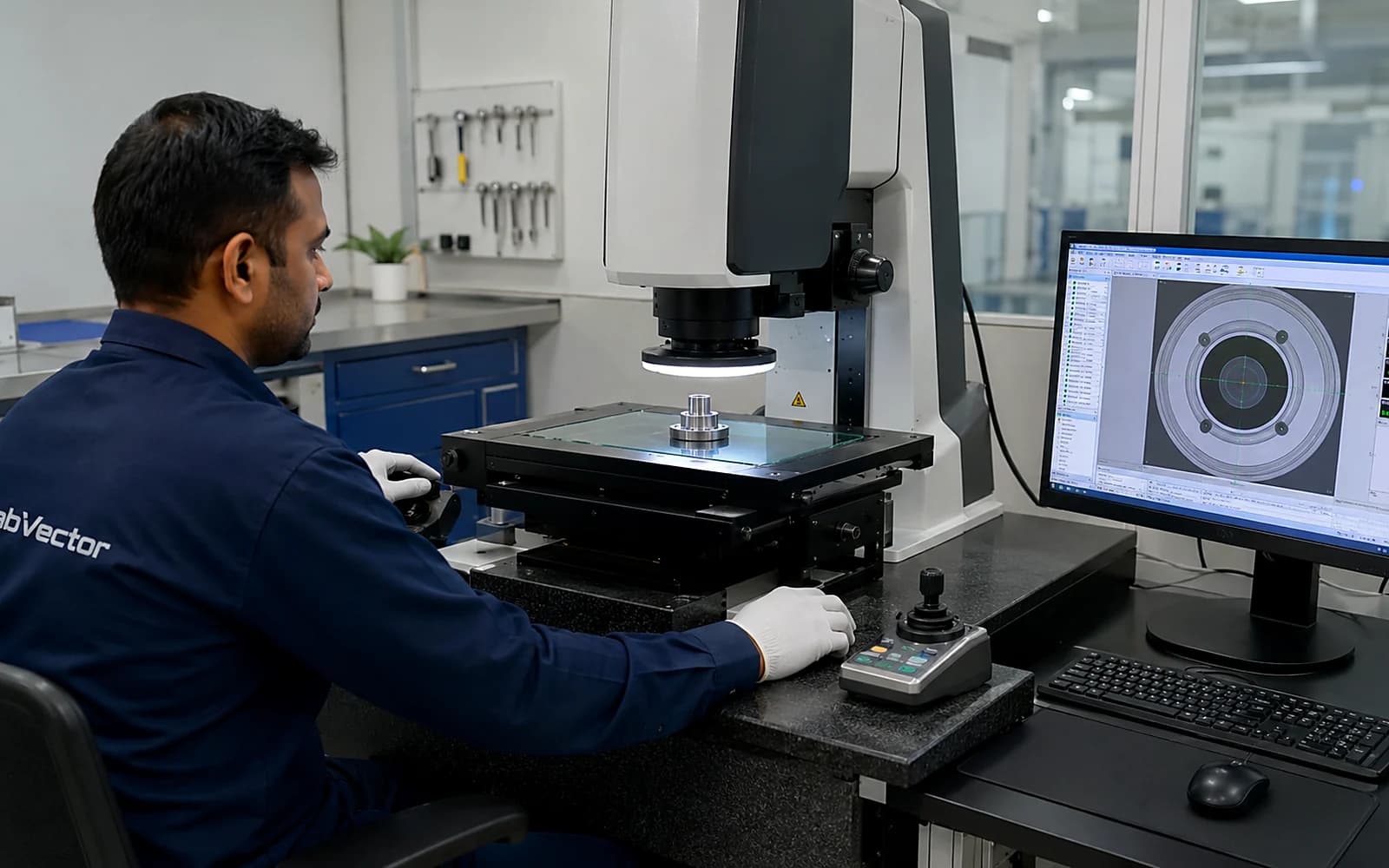
FabVector machines Pharmaceutical Machinery parts in Stainless Steel 316L, Stainless Steel 304, PEEK, from 1 piece, with instant online estimates, engineer-reviewed quotes in 24 hours and NDA-protected files. Delivery with duties handled to the US, Canada, UK and Australia.
- Materials
- Stainless Steel 316L, Stainless Steel 304, PEEK
- Minimum order
- 1 piece
- Estimate
- ~60s online
- Quote
- engineer-reviewed 24h
- IP
- NDA from upload
What slows this industry down
Pharmaceutical machining is judged at the product-contact surface. Anything the drug touches has to be crevice-free and cleanable in place, which in practice means Ra 0.8 µm as a floor and Ra 0.4 µm or better where ASME BPE is cited — achieved by electropolishing, not by a finer end mill. Material provenance is not negotiable: 316L needs an EN 10204 3.1 certificate tying the part back to certified stock, and polymer parts have to be grades with USP Class VI or FDA 21 CFR 177 support, so the substitutions other industries accept are off the table. The second pressure is time: format and change parts are what a validated packaging line waits on, and a line that is down costs more per day than the parts do — which is why single-piece orders and 3-day turnarounds matter more here than unit price.
Typical parts we machine
- Filling nozzles, dosing pistons and product-contact valve bodies
- Tablet press change parts: turret segments, feed frames, punch holders
- Capsule filler dosing discs and tamping pins
- CIP/SIP manifolds, spray-ball fittings and sanitary clamps
- Packaging-line format parts: star wheels, guide rails, change parts
Recommended materials
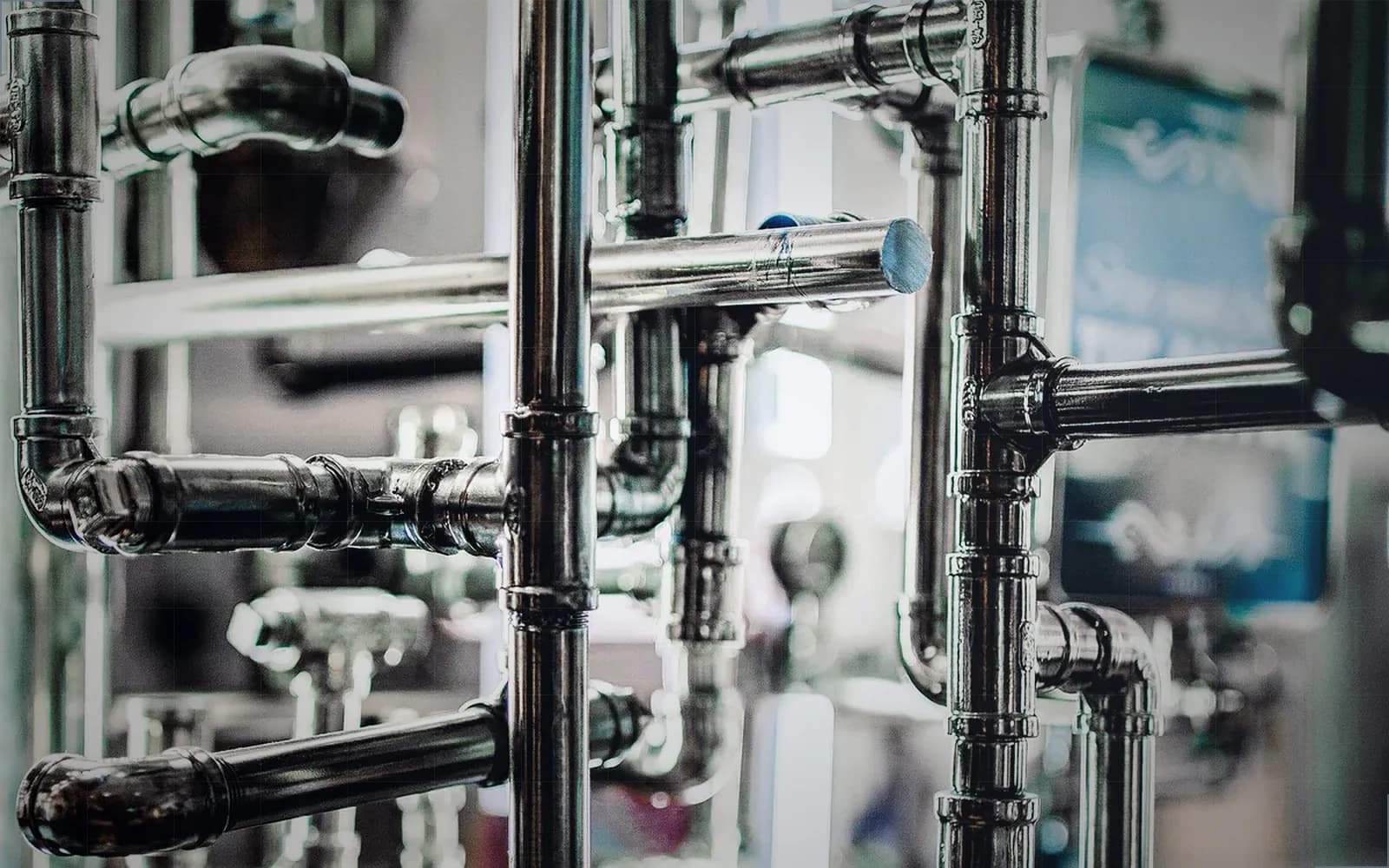
Stainless Steel 316L
Marine and medical stainless: molybdenum chemistry that shrugs off chlorides and sterilization cycles.
Stainless Steel 304
The world's default stainless: food-safe, weldable, corrosion-resistant for everyday environments.
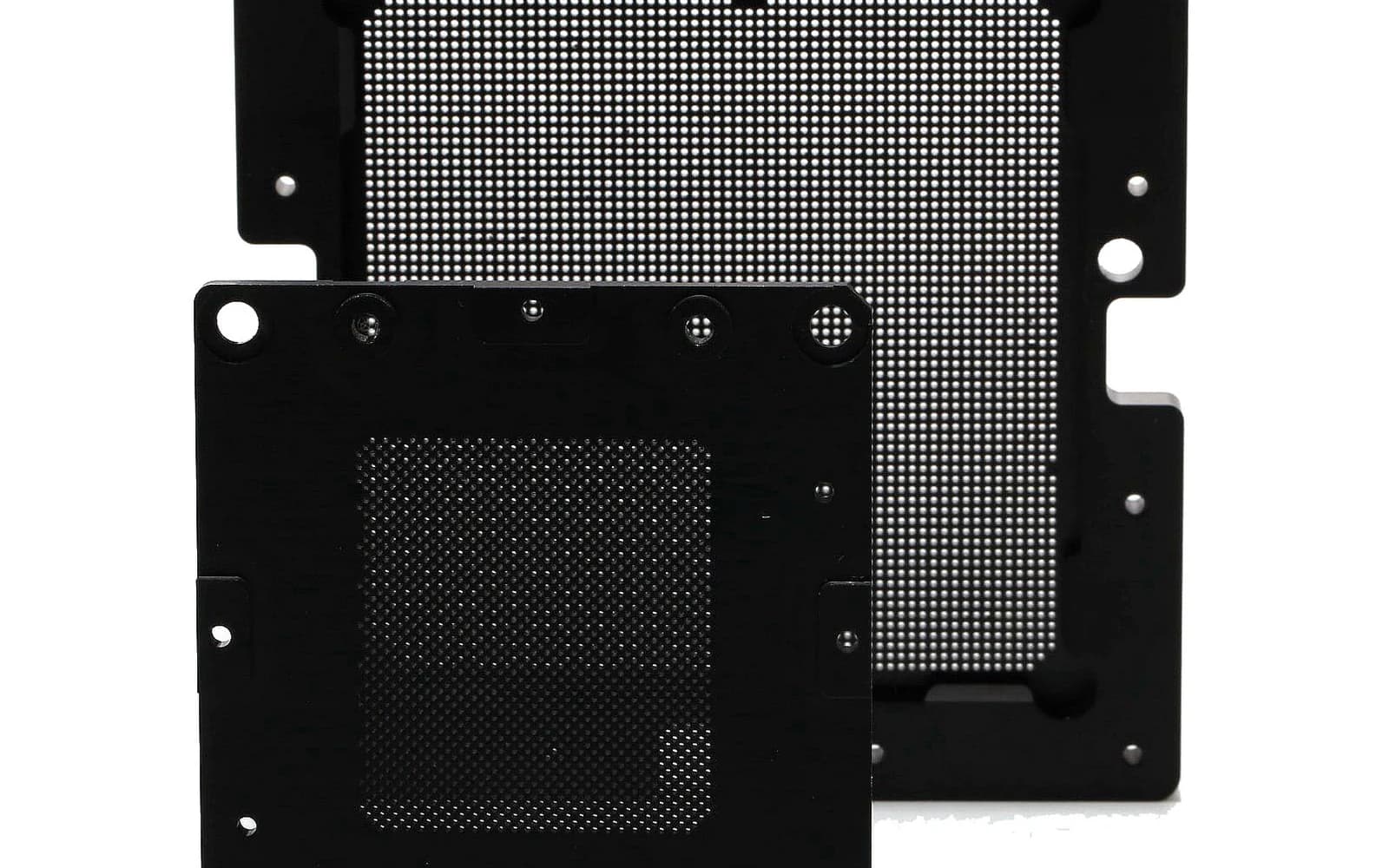
PEEK
The polymer that replaces metal: 250 °C service, chemical immunity, implant-grade options.
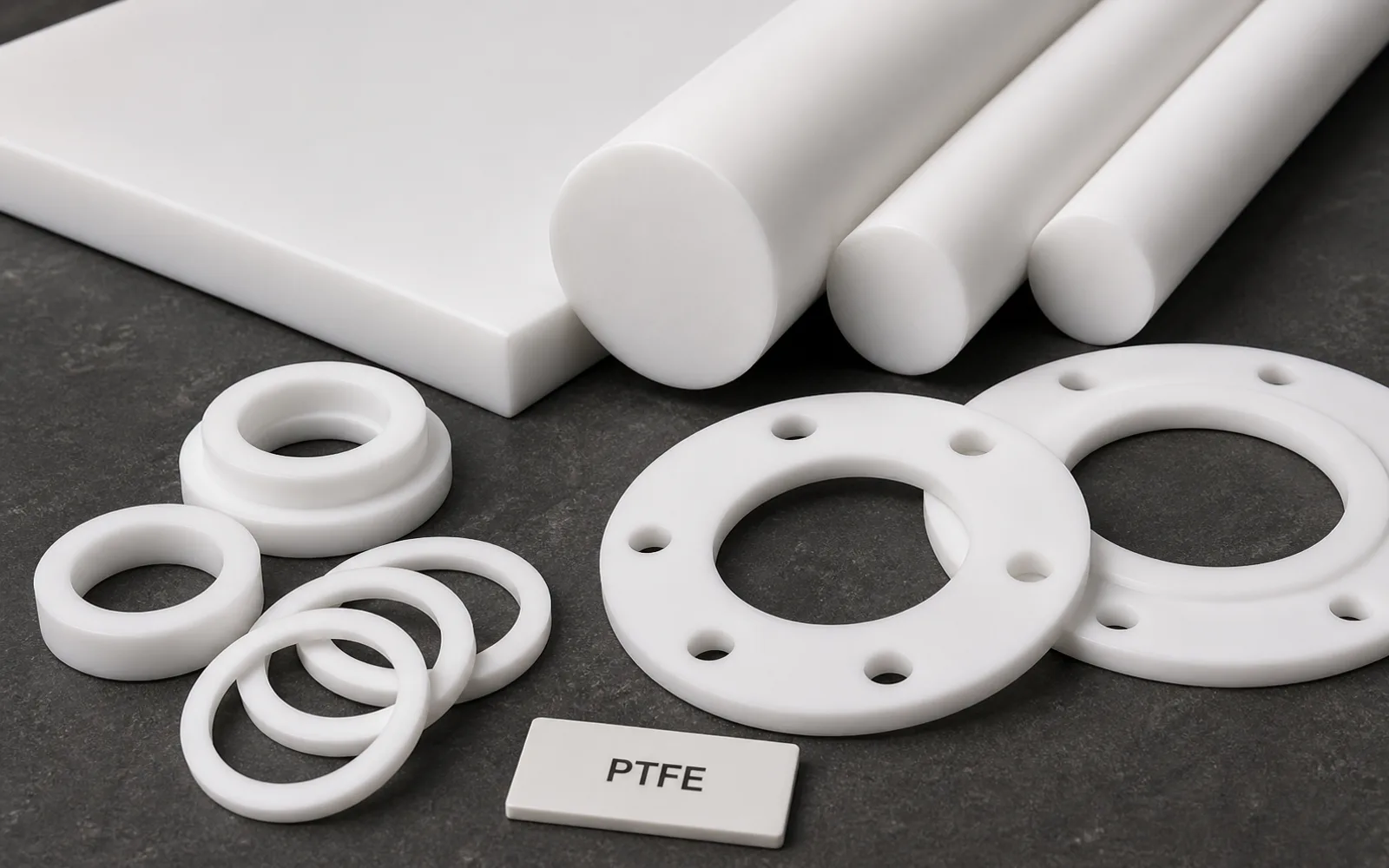
PTFE (Teflon)
The slipperiest solid known: seals and insulators immune to chemistry and heat alike.
POM (Delrin / Acetal)
The machinist's favorite: stiff, slippery, stable — plastic parts with metal-like precision.
Recommended finishes
Electropolishing
Reverse plating that brightens, deburrs and passivates stainless in one step.
Passivation
Chemical hygiene for stainless: strips embedded iron so the steel can be as stainless as advertised.

Polishing
Progressive abrasives down to mirror: the finish for optics, molds and show surfaces.
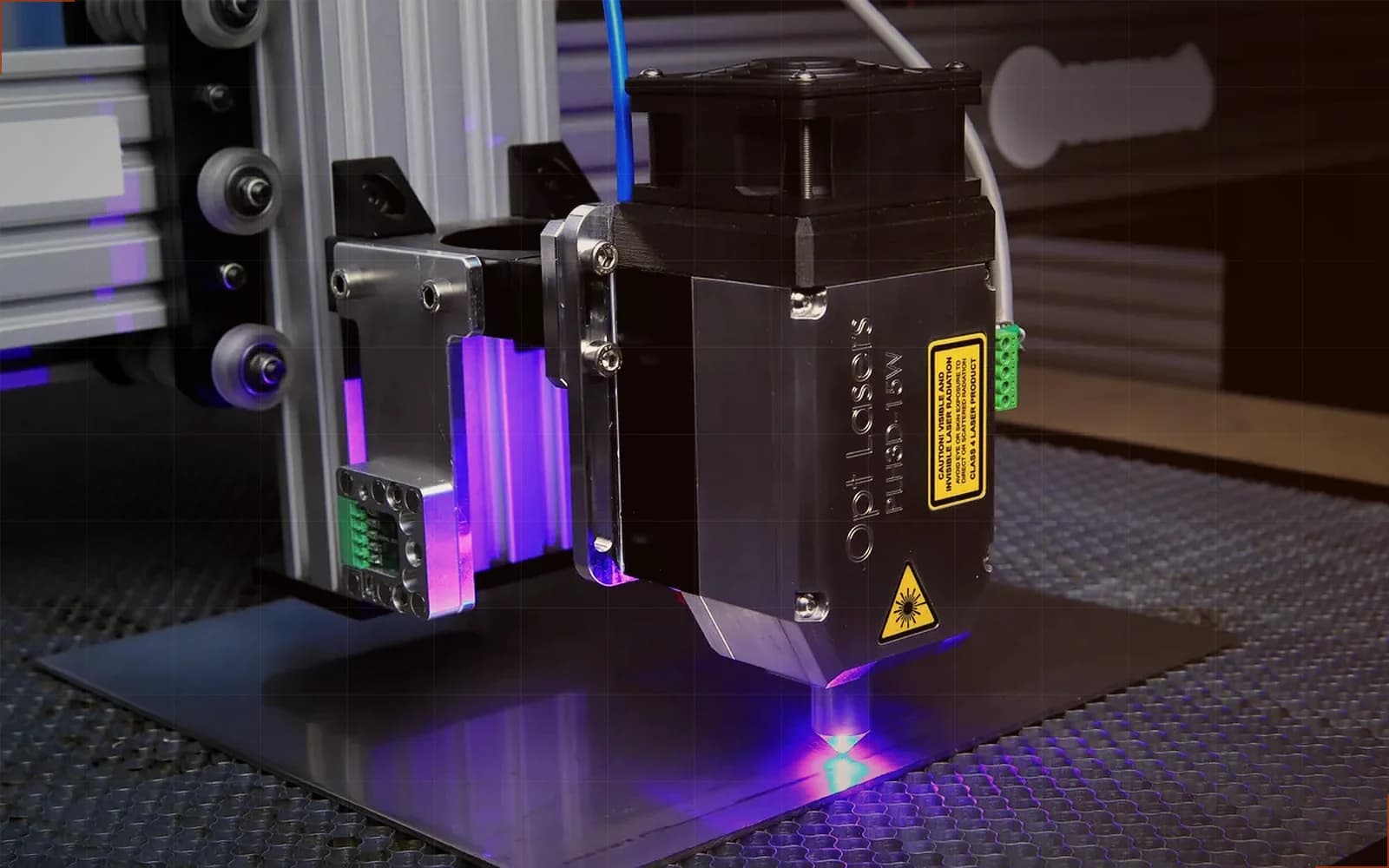
Laser Marking
Permanent identification with zero dimensional change: serials, logos and codes burned in, not stuck on.
Certifications & standards
- ASME BPE
- We machine and finish to the product-contact surface grades ASME BPE cites, and report the achieved Ra per lot rather than asserting it generically.
- cGMP (21 CFR 210/211)
- We understand what cGMP purchasing controls expect from a parts supplier: controlled processes, lot-level traceability and a certificate of conformance with every shipment.
- EN 10204 3.1
- Stainless product-contact parts ship with 3.1 mill certificates tying the finished part back to the certified heat.
- USP Class VI / FDA 21 CFR 177
- We source PEEK, PTFE and acetal in grades with USP Class VI or FDA 21 CFR 177 support, and never substitute a polymer grade without written approval.
We understand and support these requirements; certification and documentation scope is confirmed per order.
Questions pharmaceutical machinery buyers ask
- What finish do product-contact parts on pharma machinery need?
- 316L electropolished to Ra ≤ 0.8 µm (often ≤ 0.5 µm on drawing) with crevice-free geometry is the working standard for contact parts — the finish is about cleanability and inspection, not looks. We machine, electropolish and report Ra per surface when the drawing calls it.
- Format parts for a filling line changeover — how fast can a set be made?
- A format set — star wheels, guides, nozzles — in 316L and Delrin typically runs 1–12 pieces per geometry and ships in 5–10 days from approved CAD. The bottleneck is usually confirming the container model, not the machining; send the bottle CAD with the RFQ.
- Who issues the food/pharma material compliance declaration for machined plastics?
- The resin producer — FDA CFR 21 / EC 1935-2004 compliance is a property of the material grade, not of machining. We buy your approved grade, pass the supplier declaration through unaltered, and never substitute a cheaper equivalent, because that substitution is exactly what your auditor is looking for.
- What should the drawing specify for a product-contact part on pharmaceutical machinery?
- Five things, and every one of them is something a supplier will otherwise guess. The material grade with its certificate requirement (316L to EN 10204 3.1, or the named polymer grade with the producer declaration). Surface finish per face, as an Ra value and whether it is achieved by electropolishing, not a blanket note. Internal corner radii and a crevice-free requirement where product can collect. The marking method — laser, never ink, and where on the part. And the documents that must travel with the shipment: certificate of conformity, material certificate, measured Ra report. A drawing that carries these five turns an RFQ into a quote; one that does not turns it into a round of questions.
- Can change parts be made from a worn sample instead of CAD?
- They can, but understand what you are buying. A part reverse-engineered from a sample is measured, modelled and approved before it is cut — an extra loop — and to a validated line it is a new part, not a replacement, because its geometry now traces to a measurement rather than to the OEM drawing. Where the line is validated, send the OEM drawing or controlled CAD and keep the validation package intact. Where it is not, a sample plus a marked-up sketch of the functional dimensions is a workable starting point; state which features must match the sample and which are free.
- 316L, 304 or a machined polymer for pharma machine parts — how do I choose?
- By what the part touches. Product-contact and wetted parts — nozzles, dosing pistons, valve bodies, CIP manifolds — are 316L: it tolerates cleaning chemistry and chlorides that 304 does not, and it is what ASME BPE assumes. Frames, guards, brackets and anything the product never reaches can be 304 at lower cost. Change parts that run against containers or tablets, or that must not shed metal, go to machined polymers — POM for guides and star wheels, PEEK where temperature or steam sterilisation is involved, PTFE where release matters — always in an FDA- or USP-supported grade with the resin producer’s declaration attached. The mistake to avoid is 304 on a wetted surface because it looked the same on the quote.
Relevant services
CNC Turning
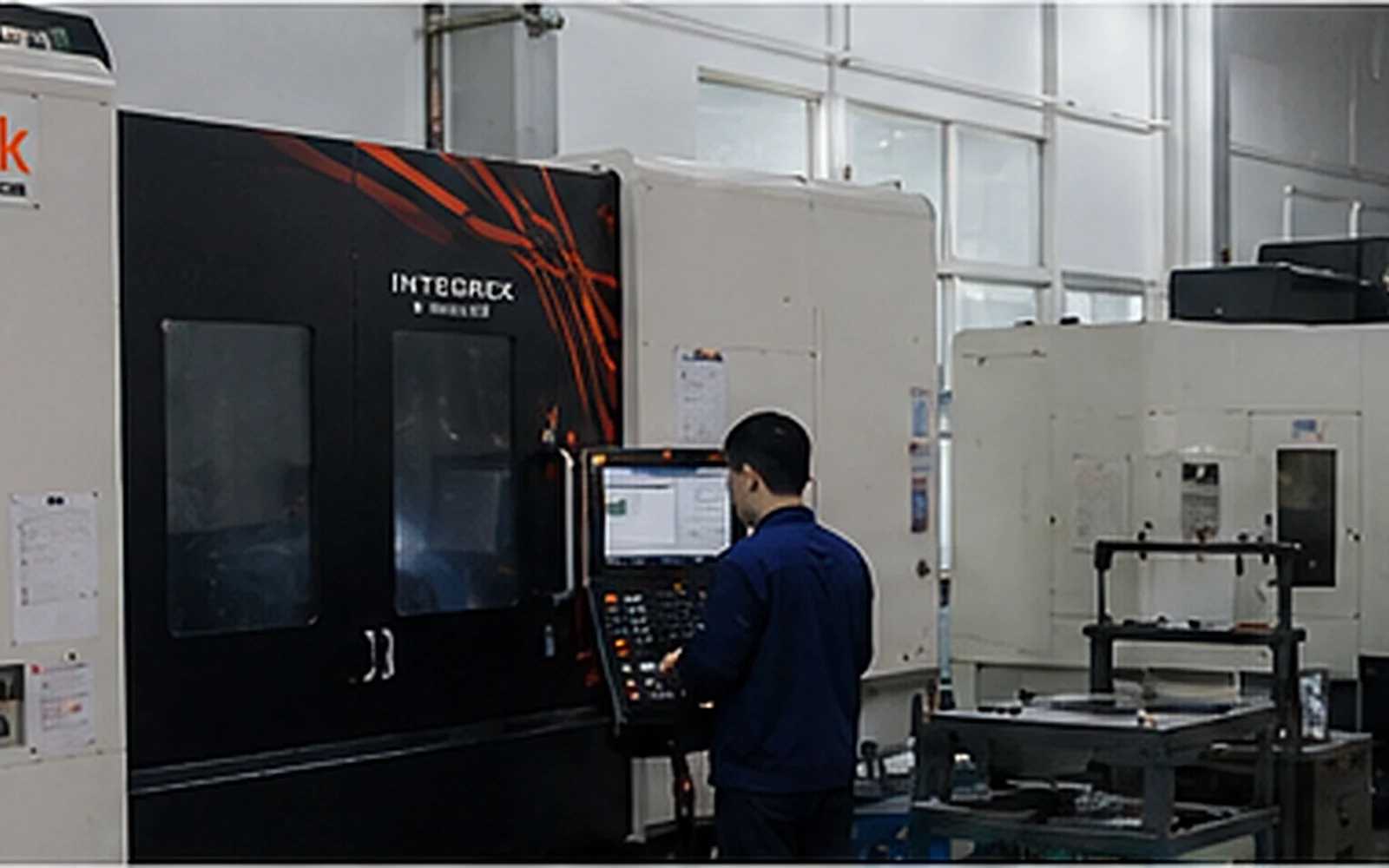
Live-tooling lathes for shafts, pins, bushings and threaded fittings up to Ø406 mm.
CNC Milling
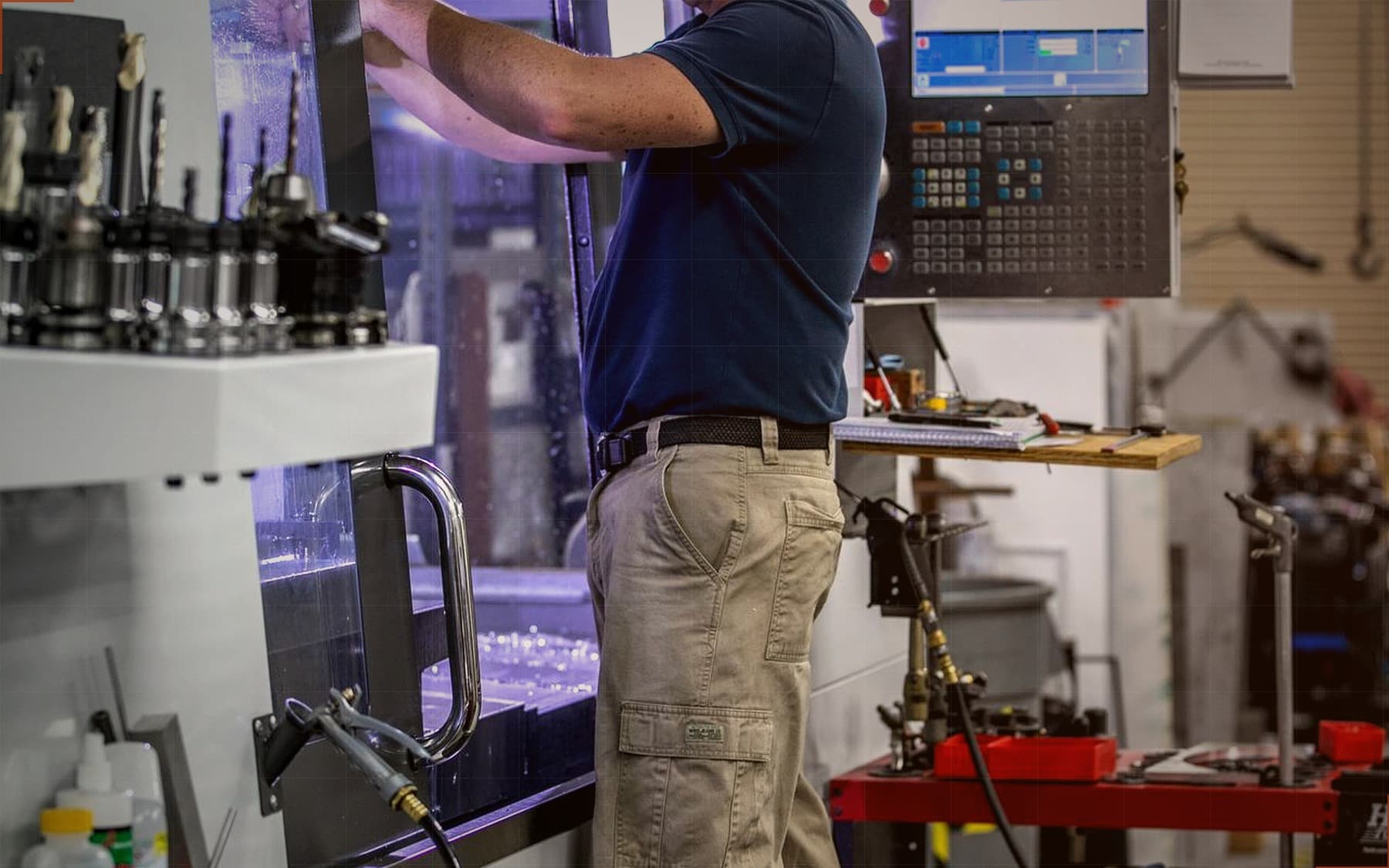
3- and 4-axis vertical machining for housings, brackets, manifolds and structural parts.
5-Axis Machining
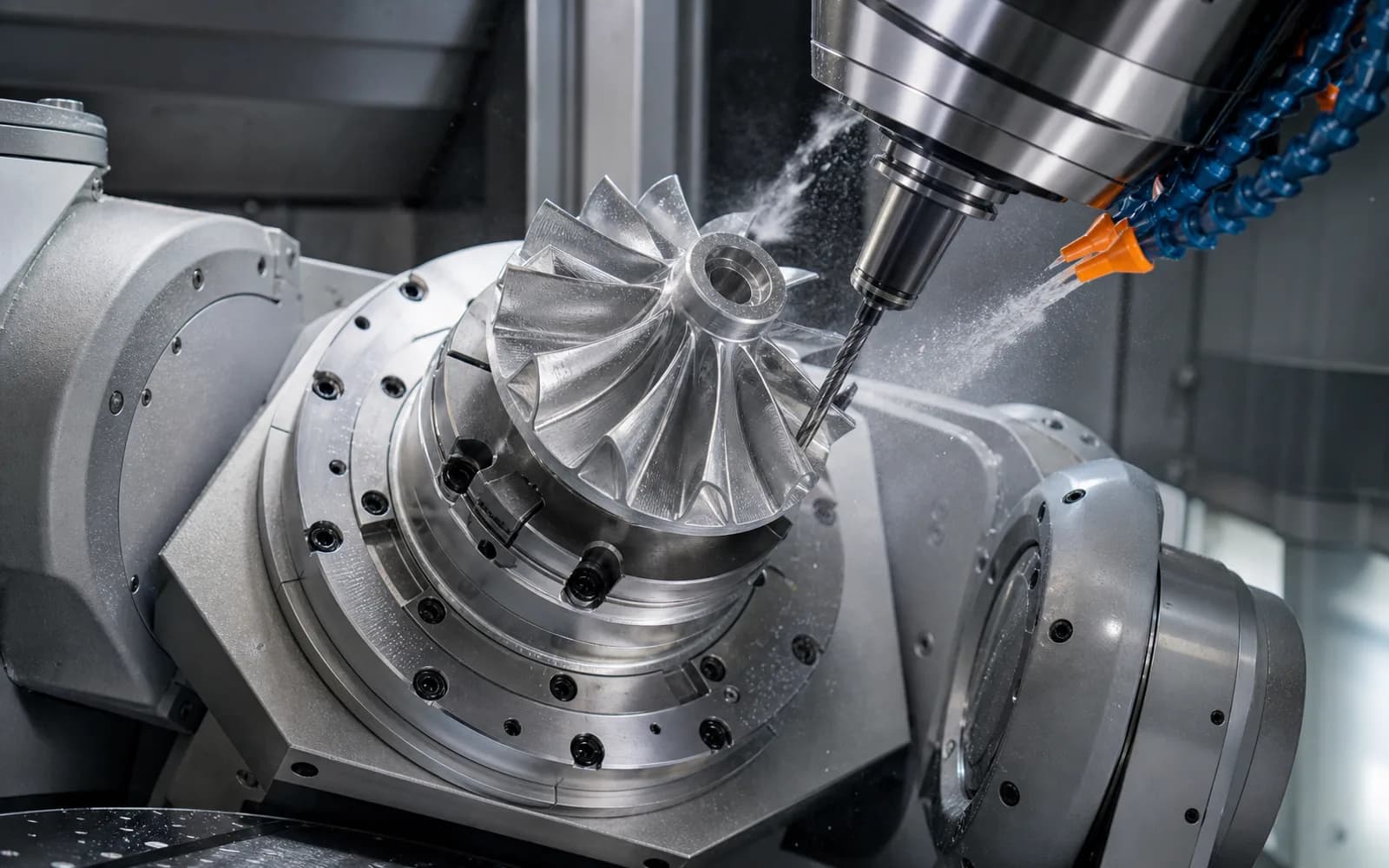
Simultaneous 5-axis machining for impellers, freeform surfaces and compound-angle features.
Surface Grinding
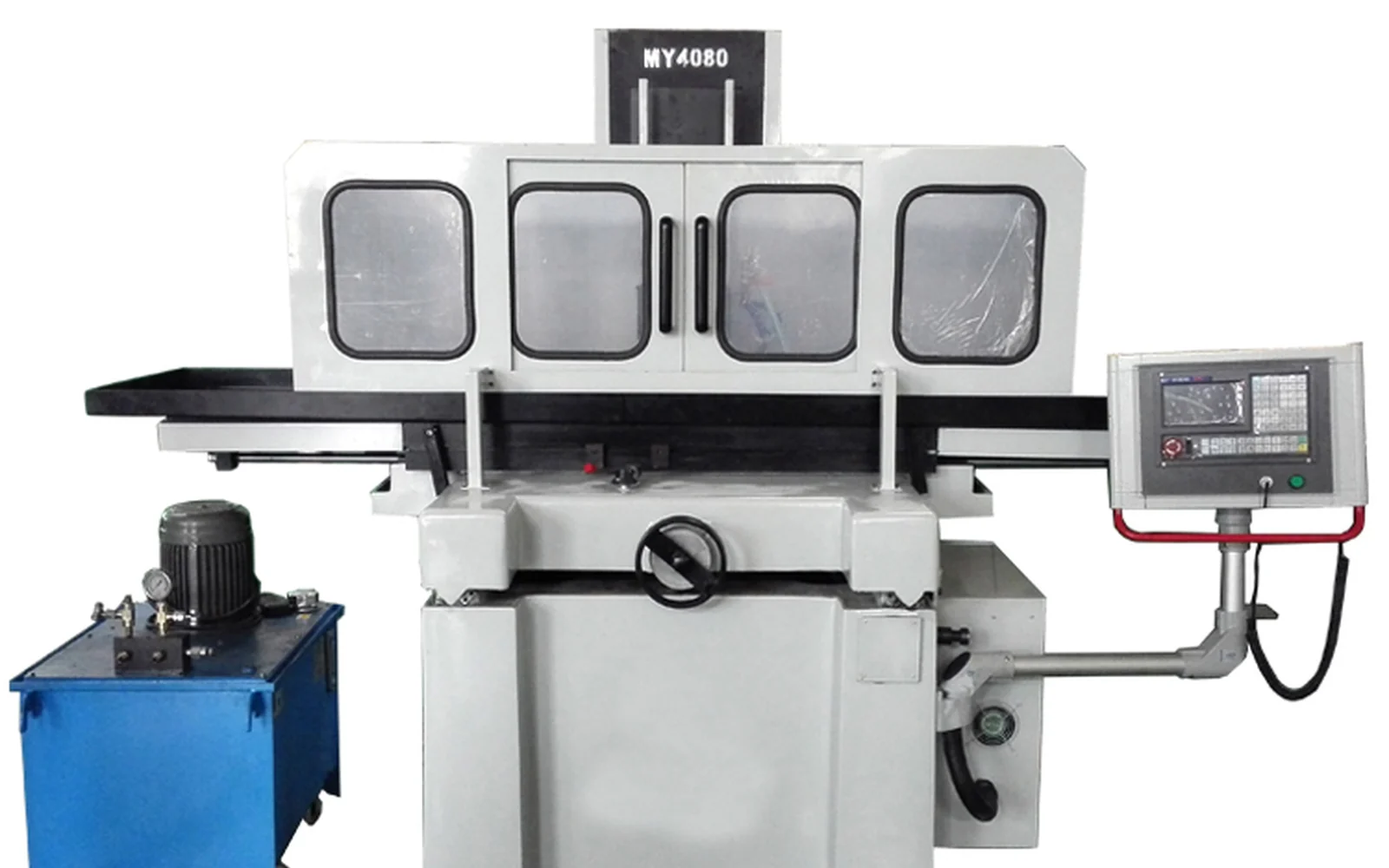
Abrasive finishing for flatness, parallelism and tight thickness control on hardened parts.
CNC machining service by country
Have a part in mind?
Upload CAD or drawings. Eligible CNC work gets an instant estimate; other processes move to engineer review. NDA-protected from the first byte.
Start an RFQ