Industry
Energy & Power Systems
Current-carrying, pressure-bearing, weather-facing parts for the energy transition.
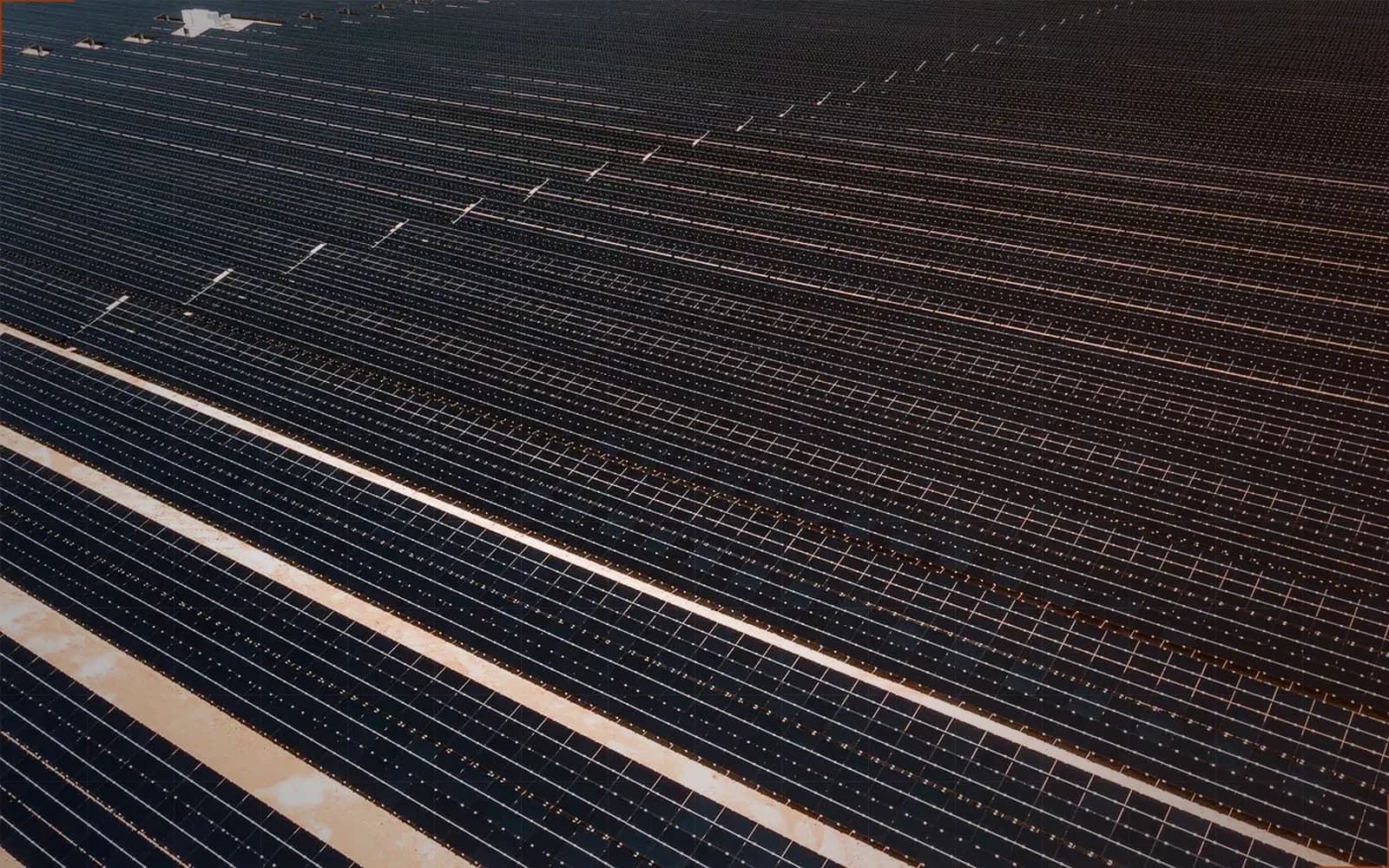
FabVector machines Energy & Power Systems parts in Alloy Steel 4140, Stainless Steel 316L, Copper C110, from 1 piece, with instant online estimates, engineer-reviewed quotes in 24 hours and NDA-protected files. Delivery with duties handled to the US, Canada, UK and Australia.
- Materials
- Alloy Steel 4140, Stainless Steel 316L, Copper C110
- Minimum order
- 1 piece
- Estimate
- ~60s online
- Quote
- engineer-reviewed 24h
- IP
- NDA from upload
What slows this industry down
Energy hardware concentrates three unforgiving jobs in machined metal: carrying current, where busbar contact resistance is generated heat; containing pressure, where a hydrogen manifold leak path must simply not exist; and surviving weather for decades, from -40 °C winters to salt fog. Each failure mode writes its own drawing notes — plating specs, pressure-test documentation, environmental sealing — and a supplier who misses one creates a field failure years later. Programs scale from prototypes through pilot sites to fleet releases, demanding price and process stability across that whole arc. Material certificates for pressure-bearing parts are contractual, not optional.
Typical parts we machine
- Copper busbars and flexible-link terminals
- Battery module end plates and compression hardware
- Hydrogen/fuel-cell manifolds and valve bodies
- Inverter and converter housings
- Cooling plates for power electronics
Recommended materials
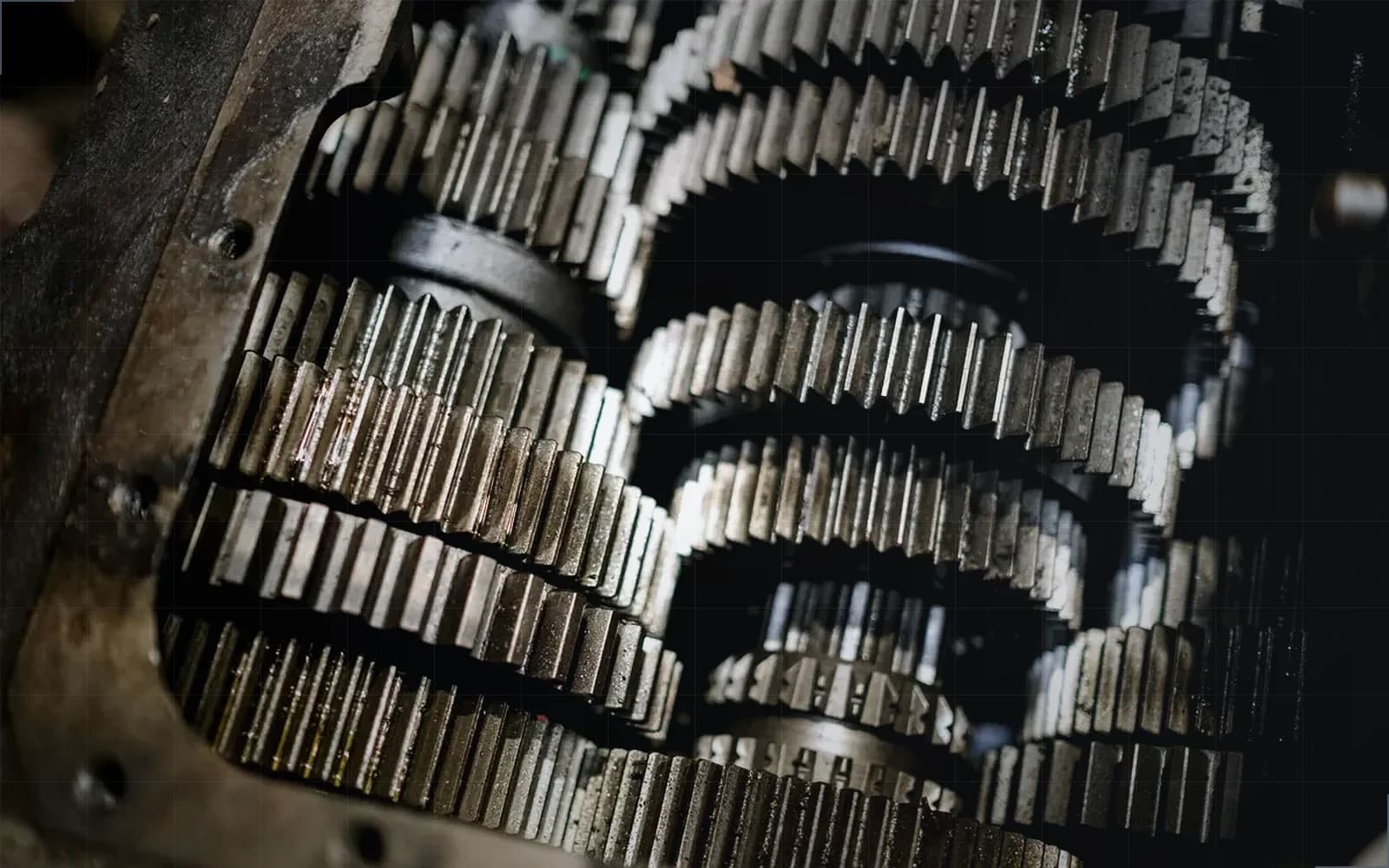
Alloy Steel 4140
Chromoly muscle: deep-hardening alloy steel for heavily loaded shafts, tooling and gears.
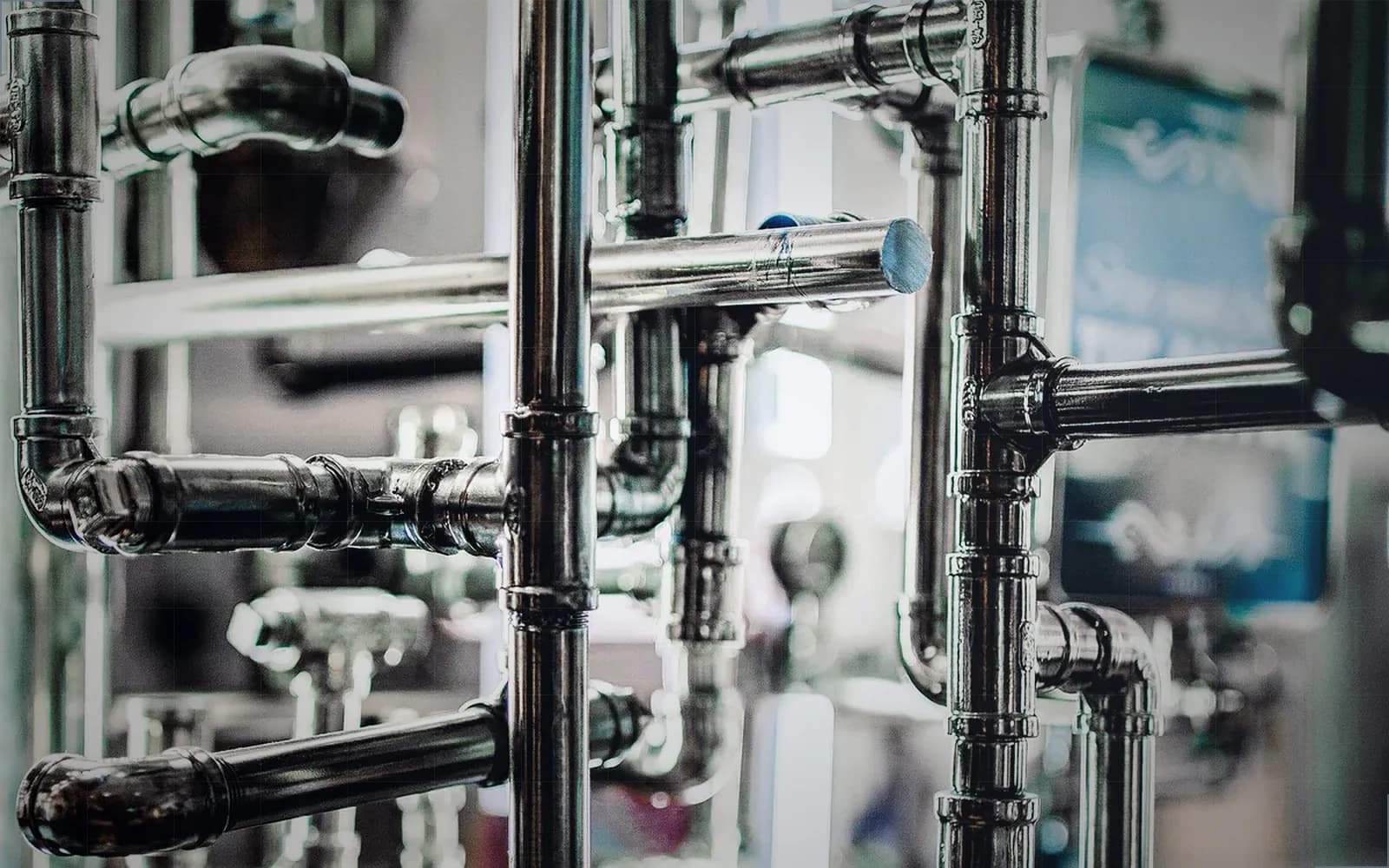
Stainless Steel 316L
Marine and medical stainless: molybdenum chemistry that shrugs off chlorides and sterilization cycles.
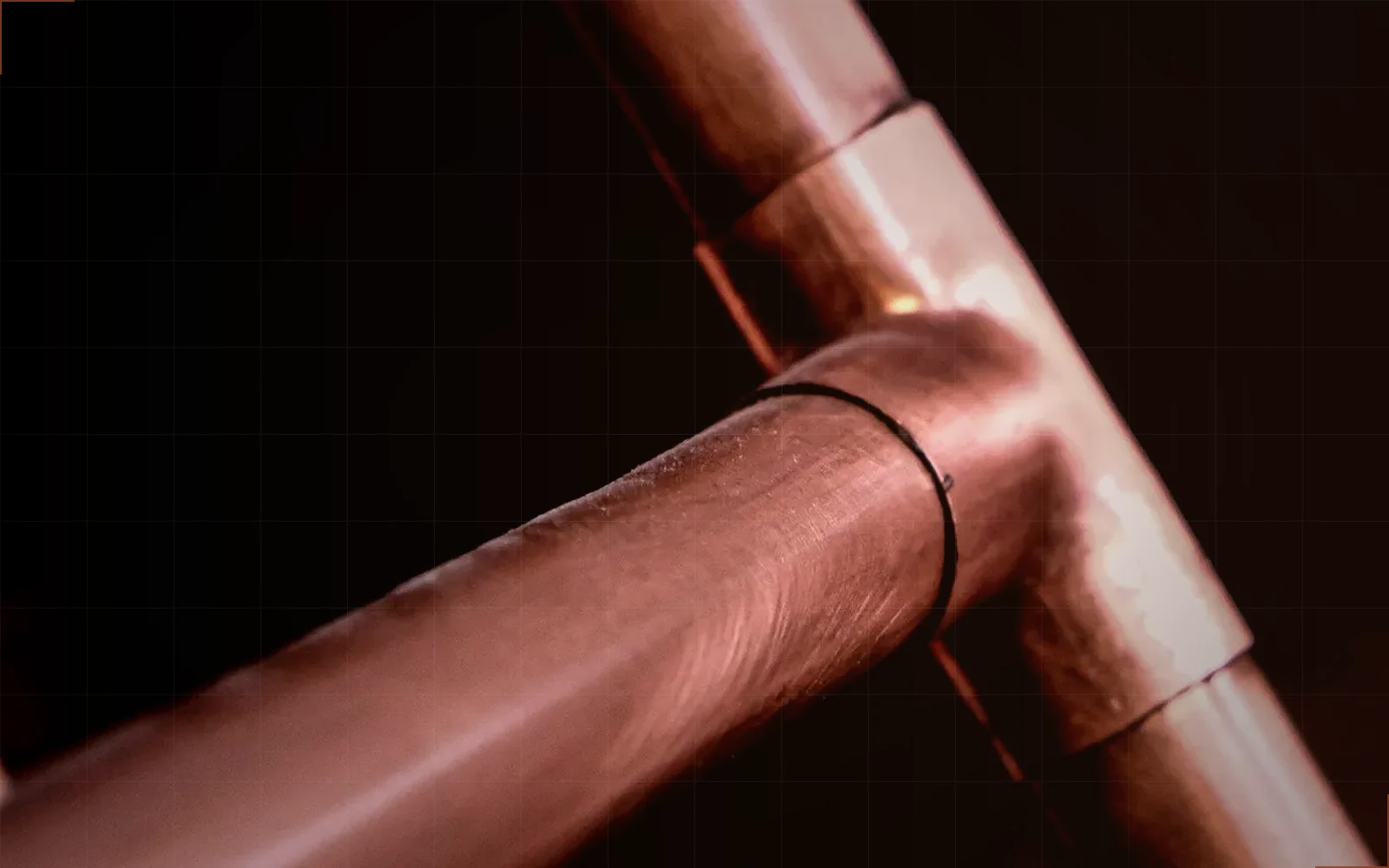
Copper C110
The conductivity king: when watts or amps per gram is the whole point of the part.
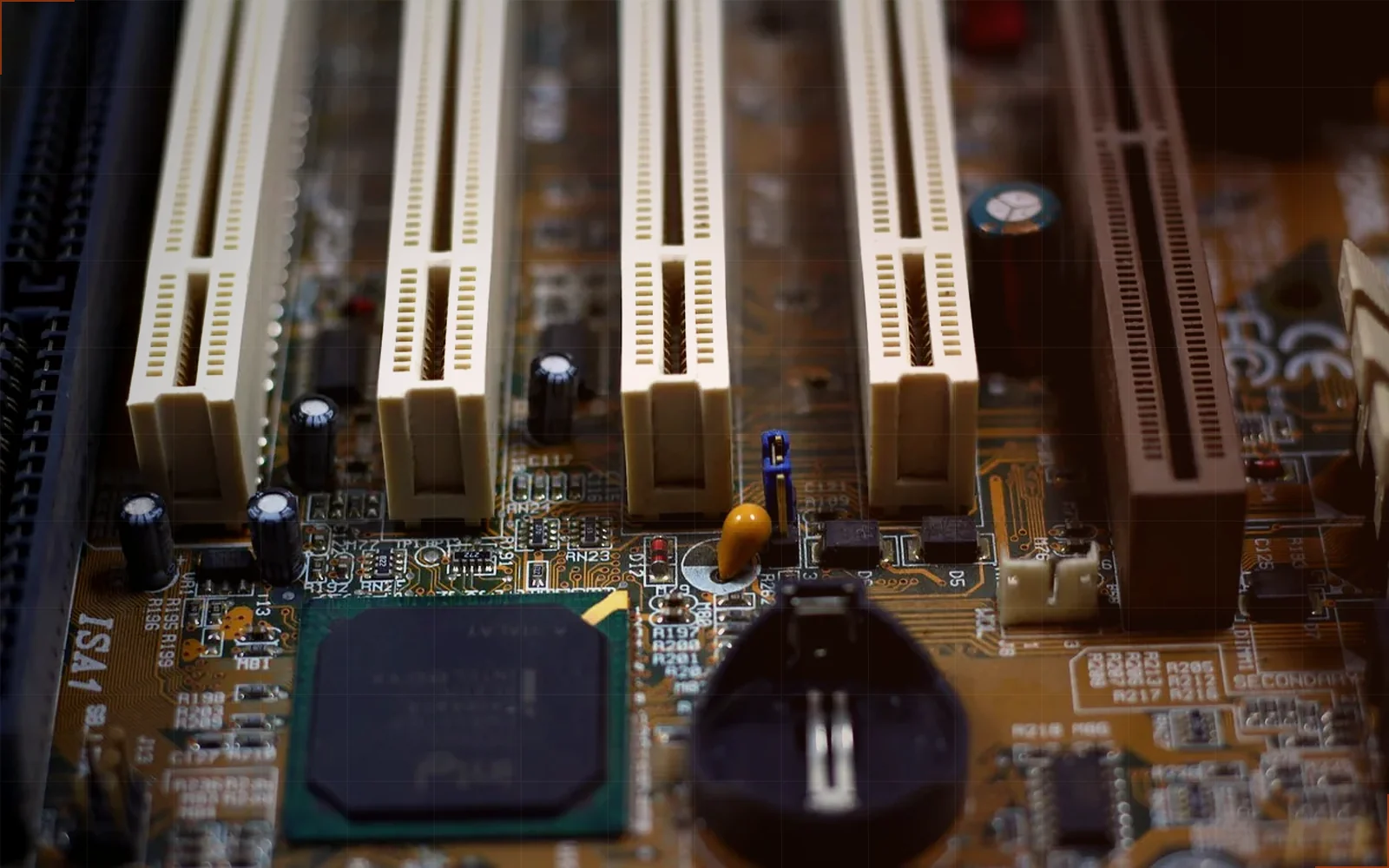
G10/FR4 Glass Epoxy
The insulator that carries load: glass-epoxy laminate with metal-adjacent strength and full dielectric duty.
Recommended finishes
Electroless Nickel Plating (ENP)
Plating without electricity: dead-uniform thickness everywhere, bores and threads included.
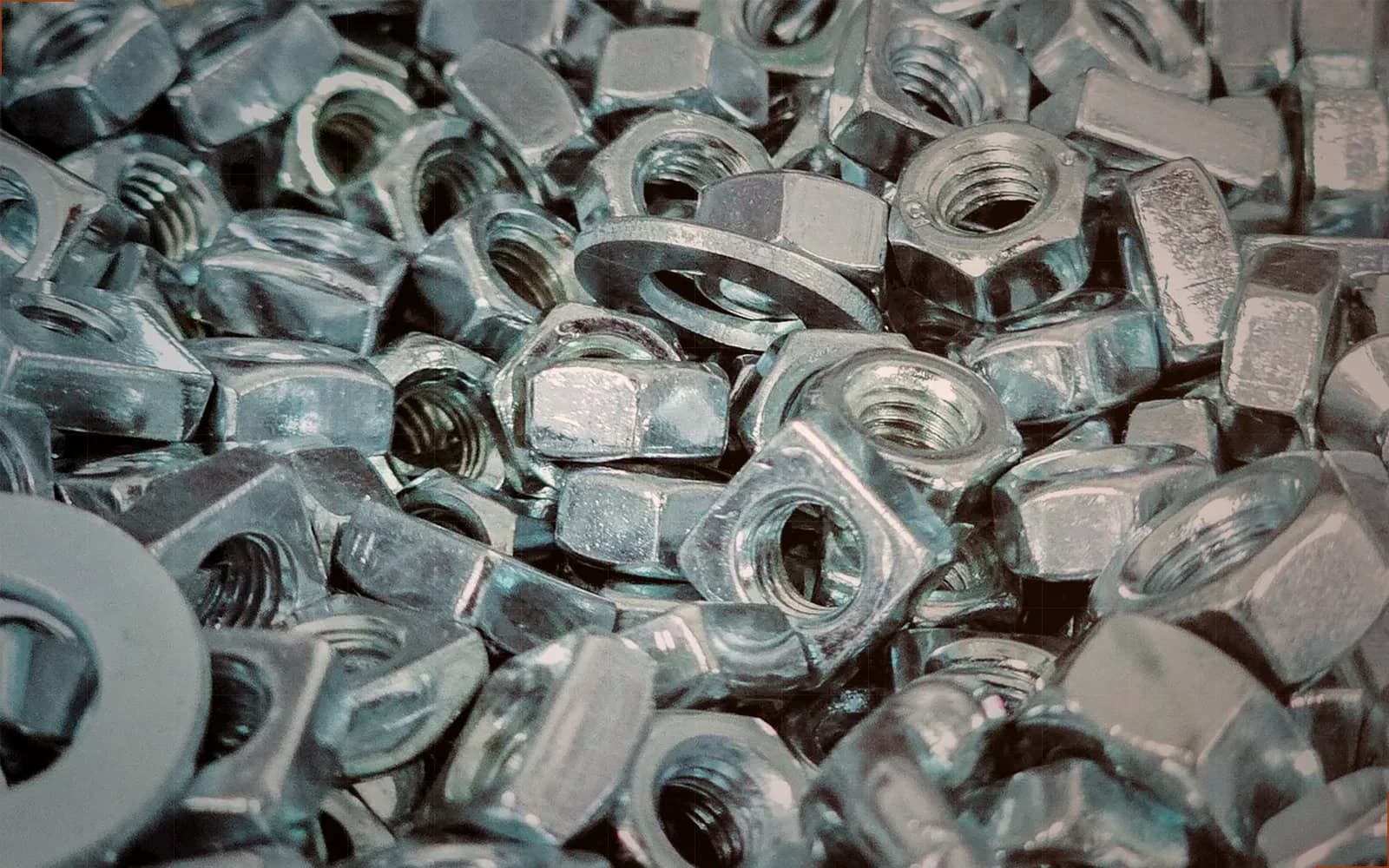
Zinc Plating
The economy rust-stopper: sacrificial zinc keeps protecting even when scratched.
Hardcoat Anodizing Type III
Wear armor for aluminum: an oxide layer as hard as tool steel.
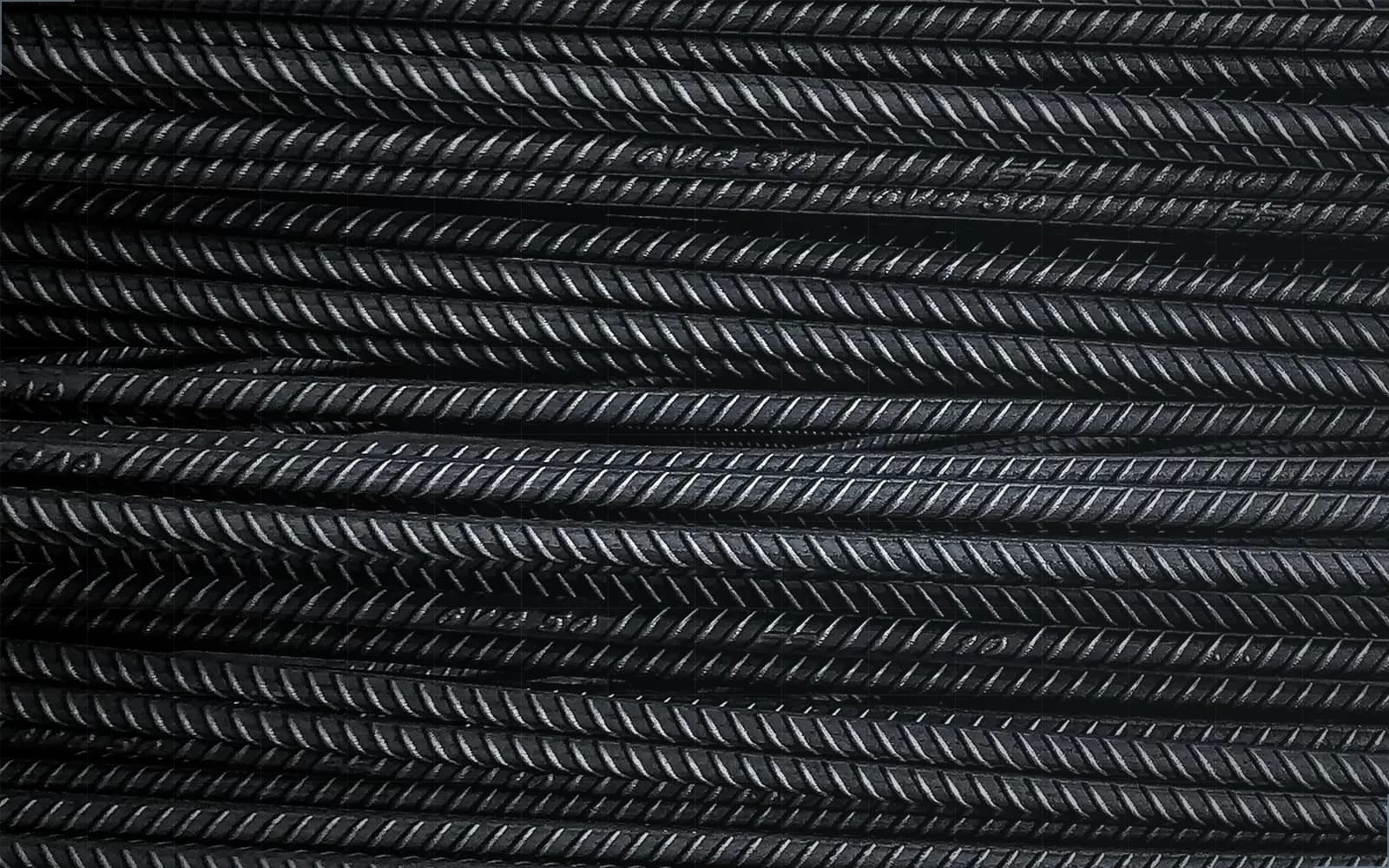
Passivation
Chemical hygiene for stainless: strips embedded iron so the steel can be as stainless as advertised.
Certifications & standards
- ISO 9001
- We understand energy OEMs require ISO 9001-level process control on parts whose service life is measured in decades.
- EN 10204 3.1
- We support EN 10204 3.1 material certificates for pressure-bearing and structural components where chemistry and heat-lot matter.
- CE
- We support CE conformity at system level with the part documentation your declaration of conformity builds on.
We understand and support these requirements; certification and documentation scope is confirmed per order.
Questions energy & power systems buyers ask
- What materials are right for machined hydrogen and fuel-cell components?
- 316L for hydrogen-wetted parts where embrittlement resistance and weldability matter, 6061 for balance-of-plant brackets and manifolds, C110 copper for current collectors and thermal paths. On bipolar-plate and manifold work the sealing-land finish is the feature that decides pass or leak.
- Can battery energy storage (BESS) busbars and cooling plates be CNC machined?
- Yes — C110 busbars with tin or nickel plating for contact surfaces, and 6061 cold plates with milled channels, are standard energy-storage work from prototype through few-thousand volume. Plating spec and torque-pad flatness are where BESS drawings usually under-specify; we flag both at review.
- What documentation do energy-sector buyers typically need with machined parts?
- EN 10204 3.1 material certificates on load- or pressure-path parts, dimensional reports on sealing and interface features, and CoC per shipment. Define the documentation scope at RFQ — adding traceability after machining is the one thing that cannot be retrofitted.
Relevant services
CNC Milling
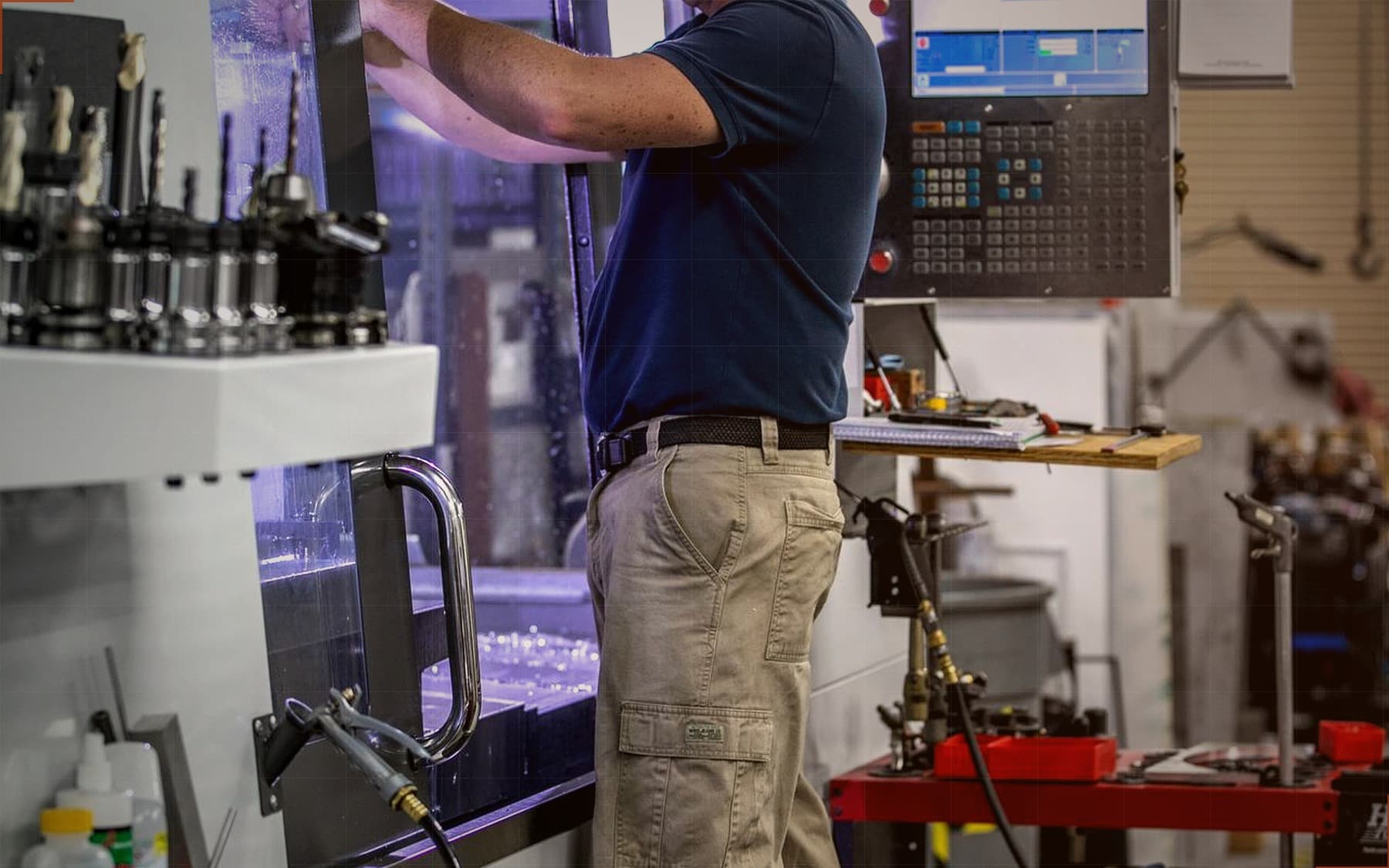
3- and 4-axis vertical machining for housings, brackets, manifolds and structural parts.
CNC Turning
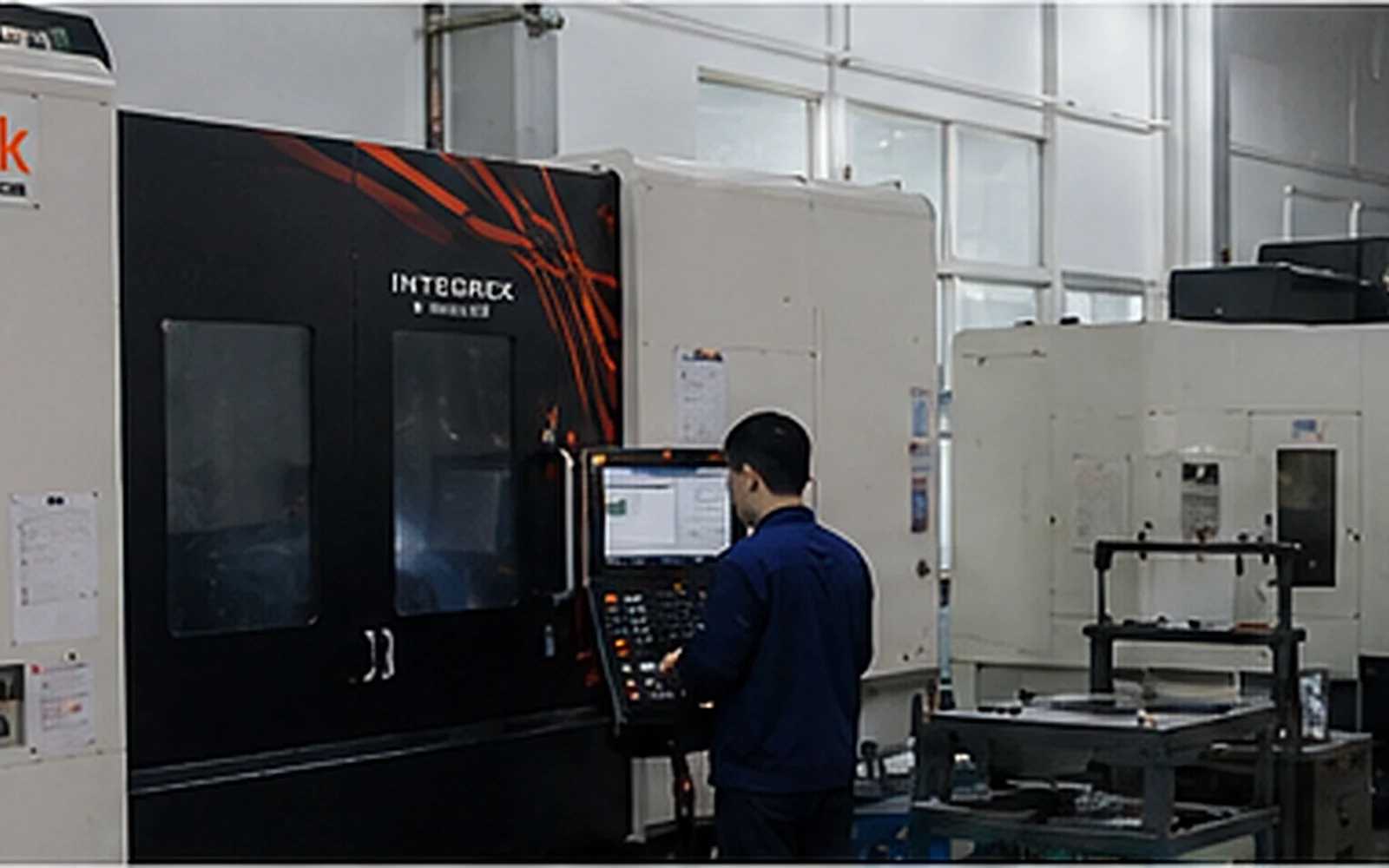
Live-tooling lathes for shafts, pins, bushings and threaded fittings up to Ø406 mm.
Production Machining
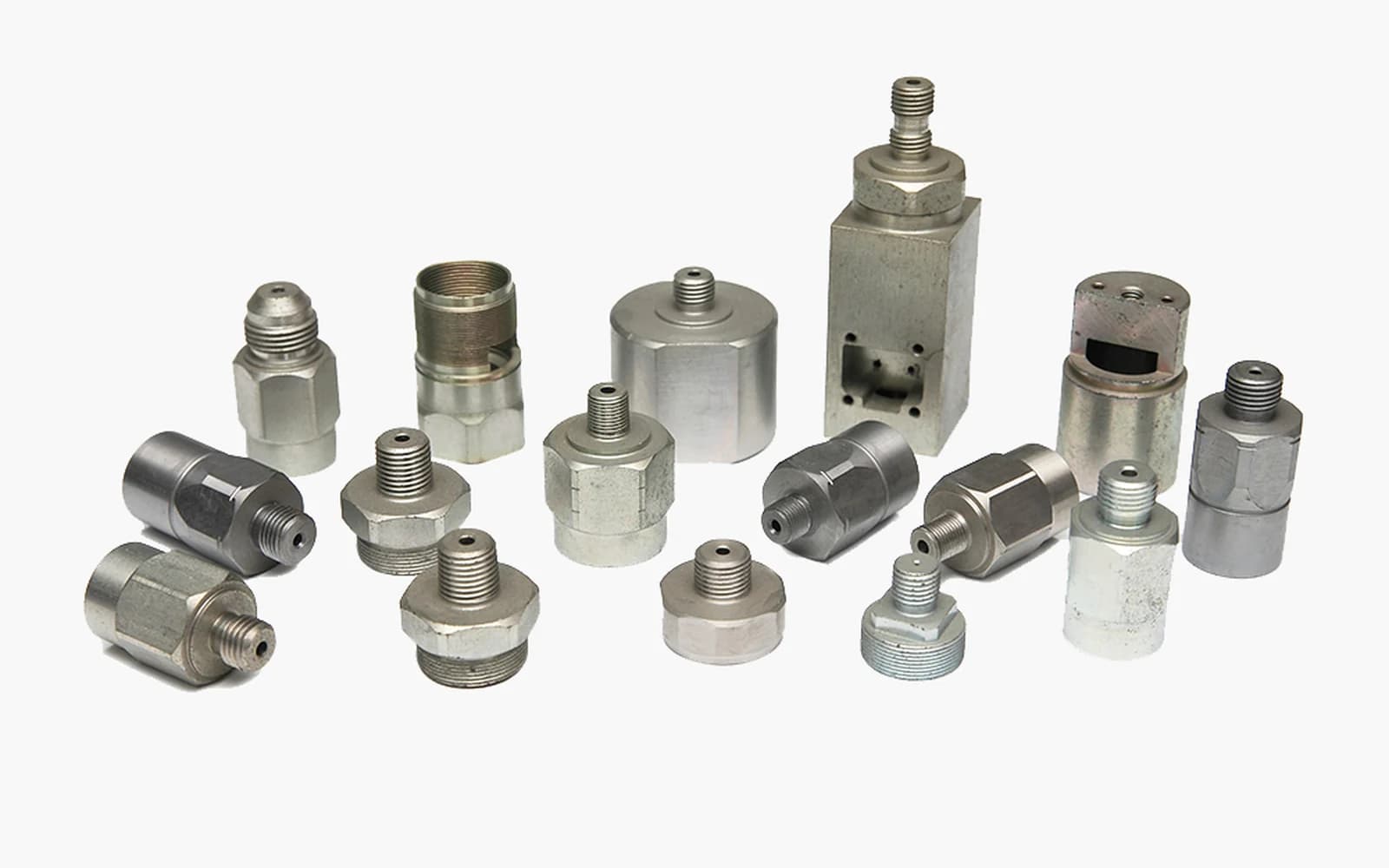
Dedicated fixturing, in-process CMM and SPC documentation for repeatable volume runs.
Custom Forging
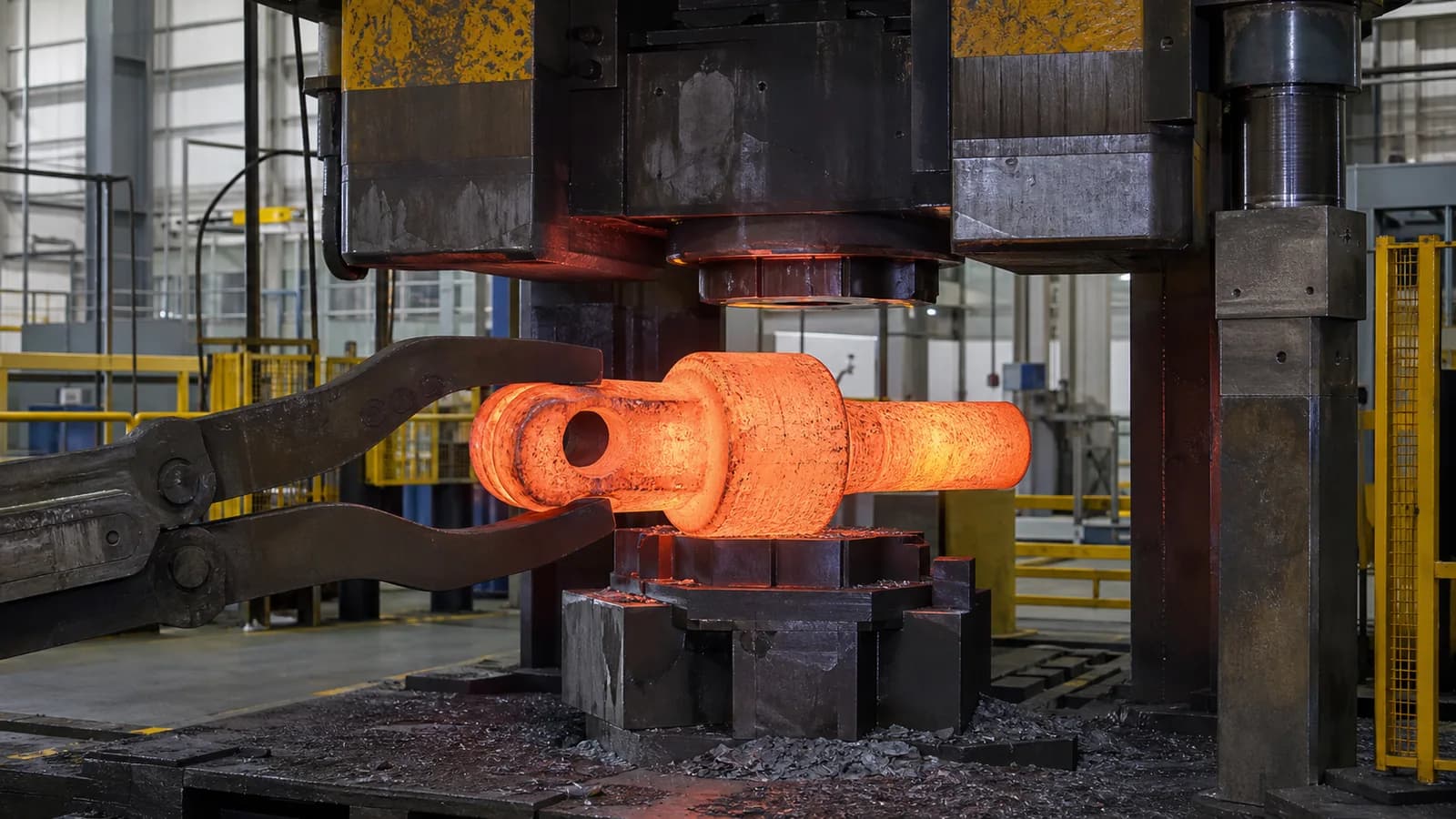
Forged blanks and finished load-bearing parts, with tooling, machining, heat treatment and inspection coordinated as one program.
Industrial 3D Printing
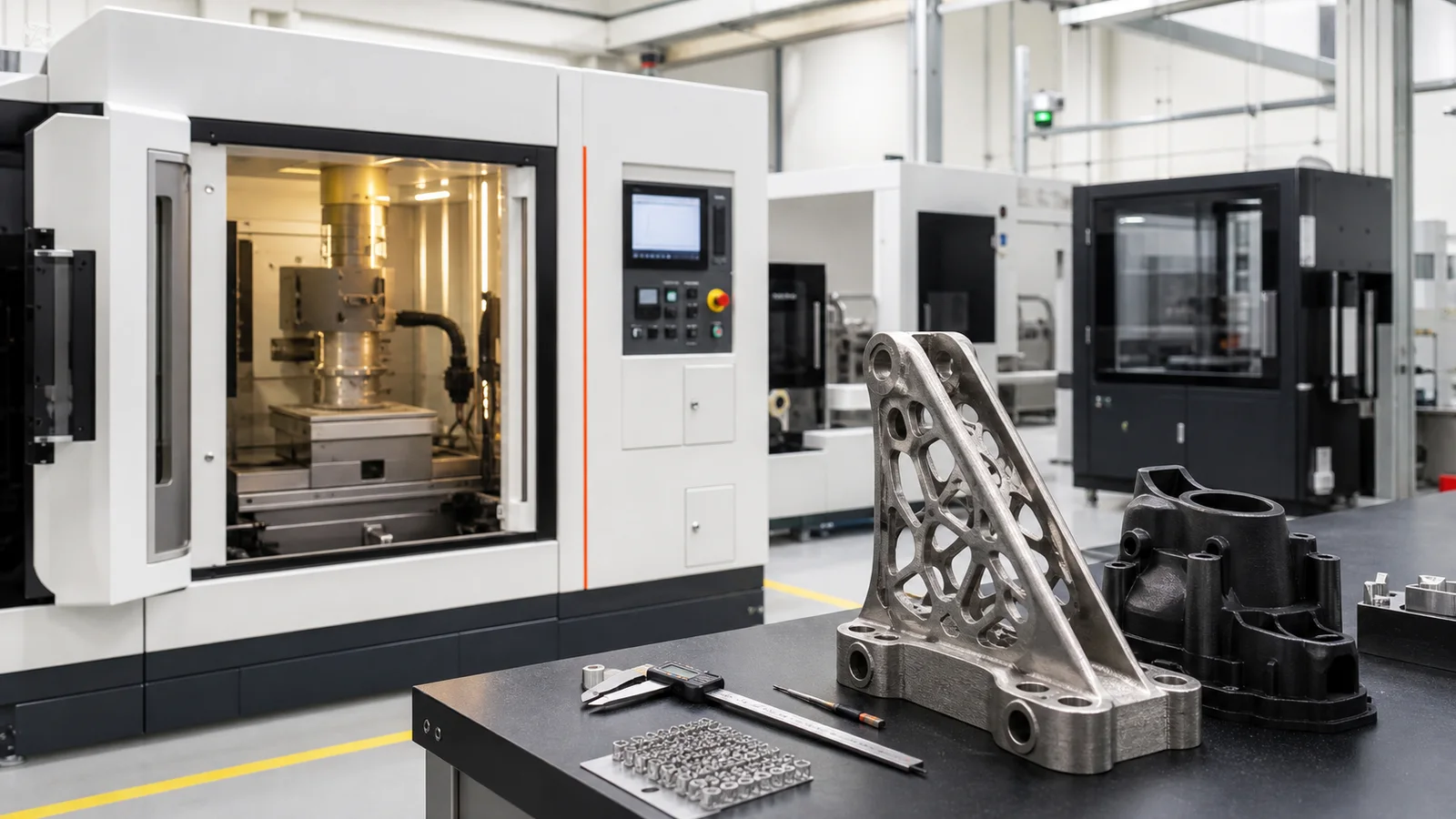
Functional polymer and metal additive parts for prototypes, complex geometry, tooling and bridge production.
CNC machining service by country
Long-life assets outlive their original suppliers. Re-sourcing a part whose maker has exited starts with what survives of the file package.
Have a part in mind?
Upload CAD or drawings. Eligible CNC work gets an instant estimate; other processes move to engineer review. NDA-protected from the first byte.
Start an RFQ