Custom CNC parts
CNC Machined Manifolds
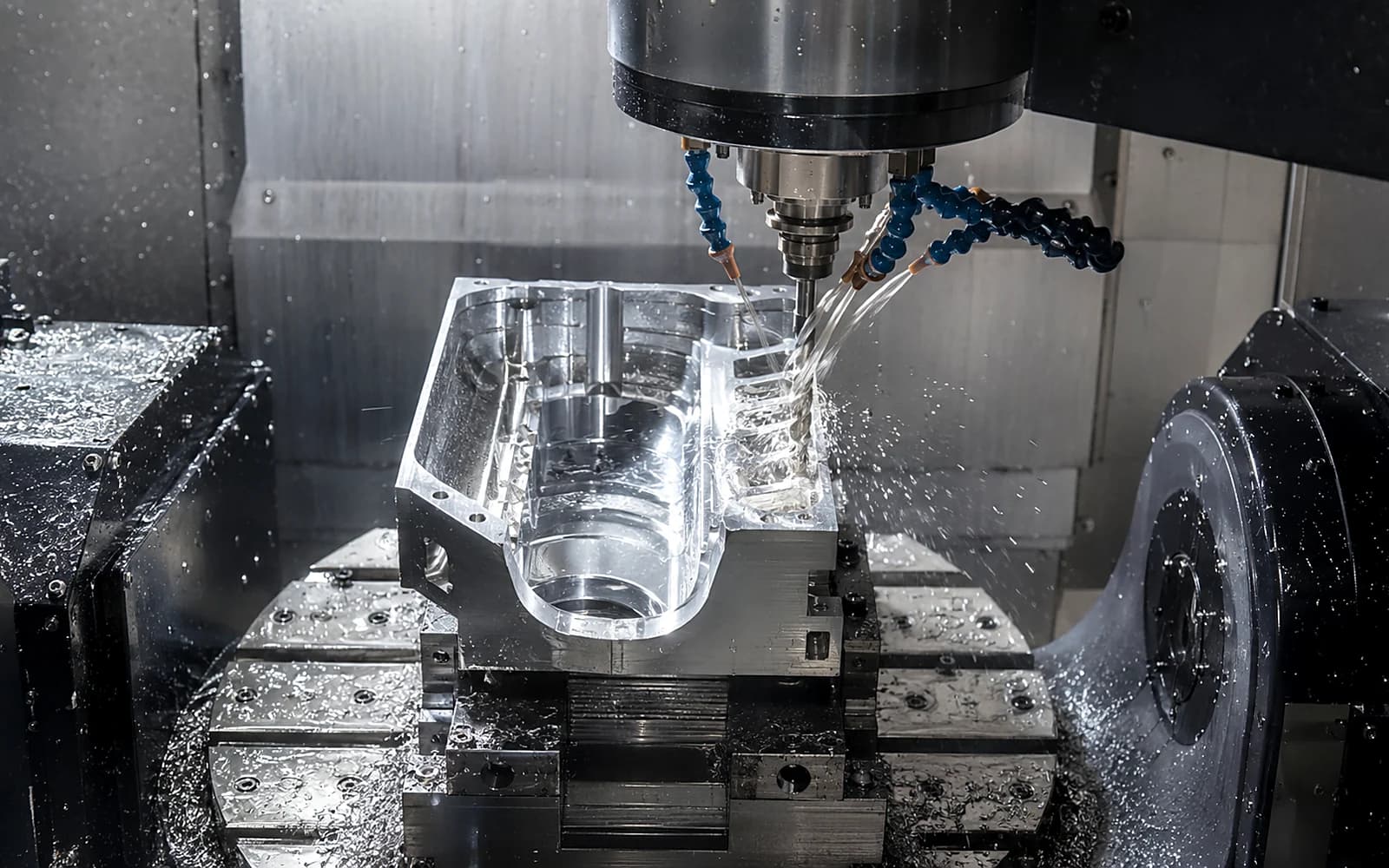
Cross-drilled flow paths, clean intersections and sealing geometry controlled as one part.
Direct answer
A CNC manifold combines ports and internal flow paths into one leak-controlled block, reducing hoses and separate fittings. The critical work is not only drilling: port standards, intersection burrs, sealing-face finish, cleaning and the requested pressure or leak test must be defined before quoting.
Typical applications
- Hydraulic valve blocks
- Pneumatic distribution manifolds
- Liquid-cooling distribution blocks
- Laboratory and process-fluid manifolds
Recommended manufacturing route
- 01
Review the circuit, port standard and plug strategy before toolpath planning.
- 02
Machine datum faces and external interfaces, then drill intersecting passages.
- 03
Remove intersection burrs using an agreed mechanical or thermal method.
- 04
Clean, inspect and perform pressure or leak testing when included in the RFQ.
Controls to put on the drawing
| Control | Quote guidance |
|---|---|
| Port definition | Call out thread or cartridge-cavity standard, size, depth and sealing method. |
| Channel intersections | Provide access for deburring and identify passages that cannot retain loose chips. |
| Minimum wall | Check wall thickness between passages at maximum material condition and operating pressure. |
| Test condition | State medium, test pressure, dwell time, allowable leakage and plugged-port condition. |
Recommended materials
Aluminum 6061-T6
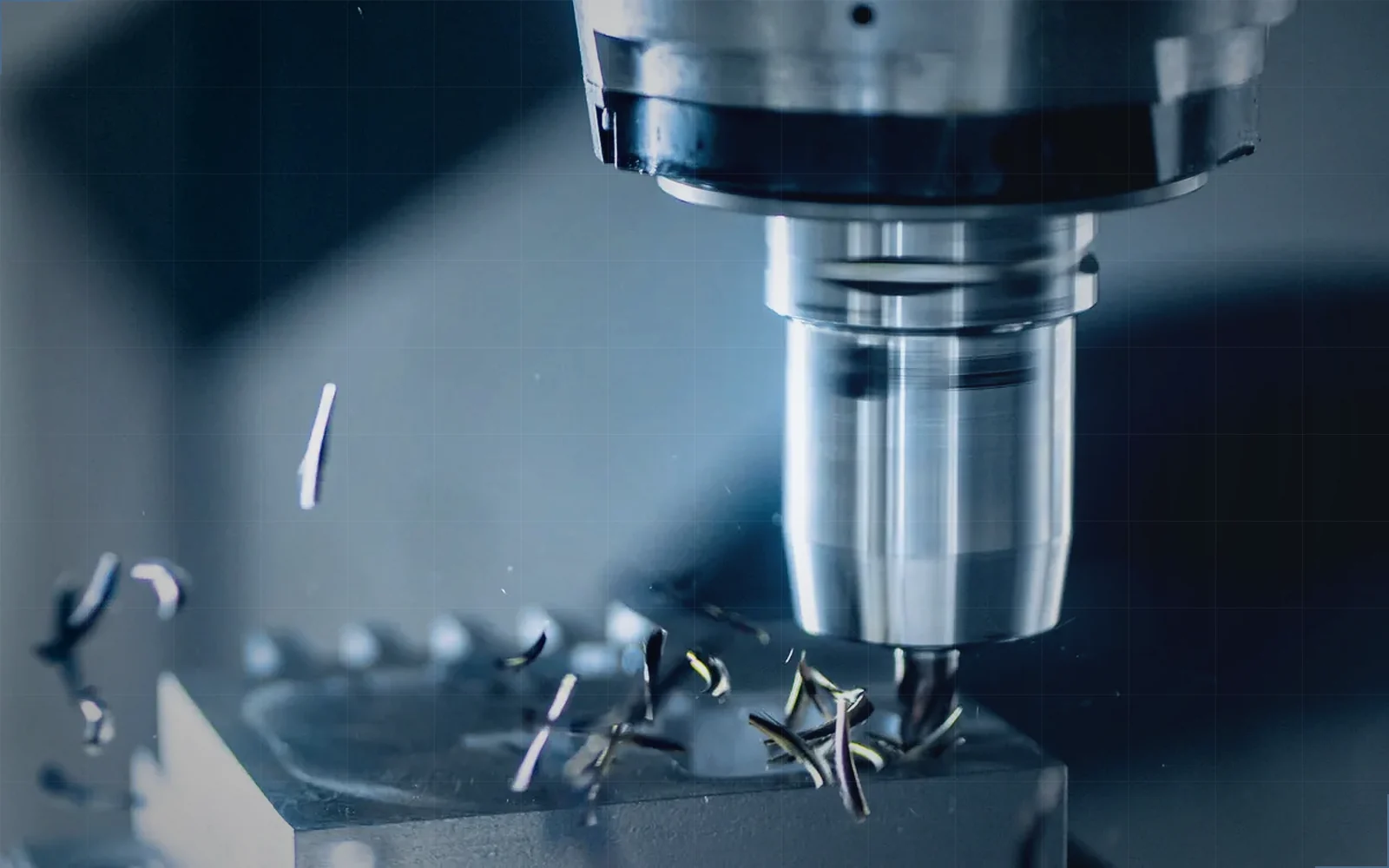
Lightweight, machinable and widely used for pneumatic and moderate-pressure blocks.

Stainless Steel 316L
Corrosion resistance for aggressive, clean or hygienic fluids.
Brass C360 (Free-Machining)
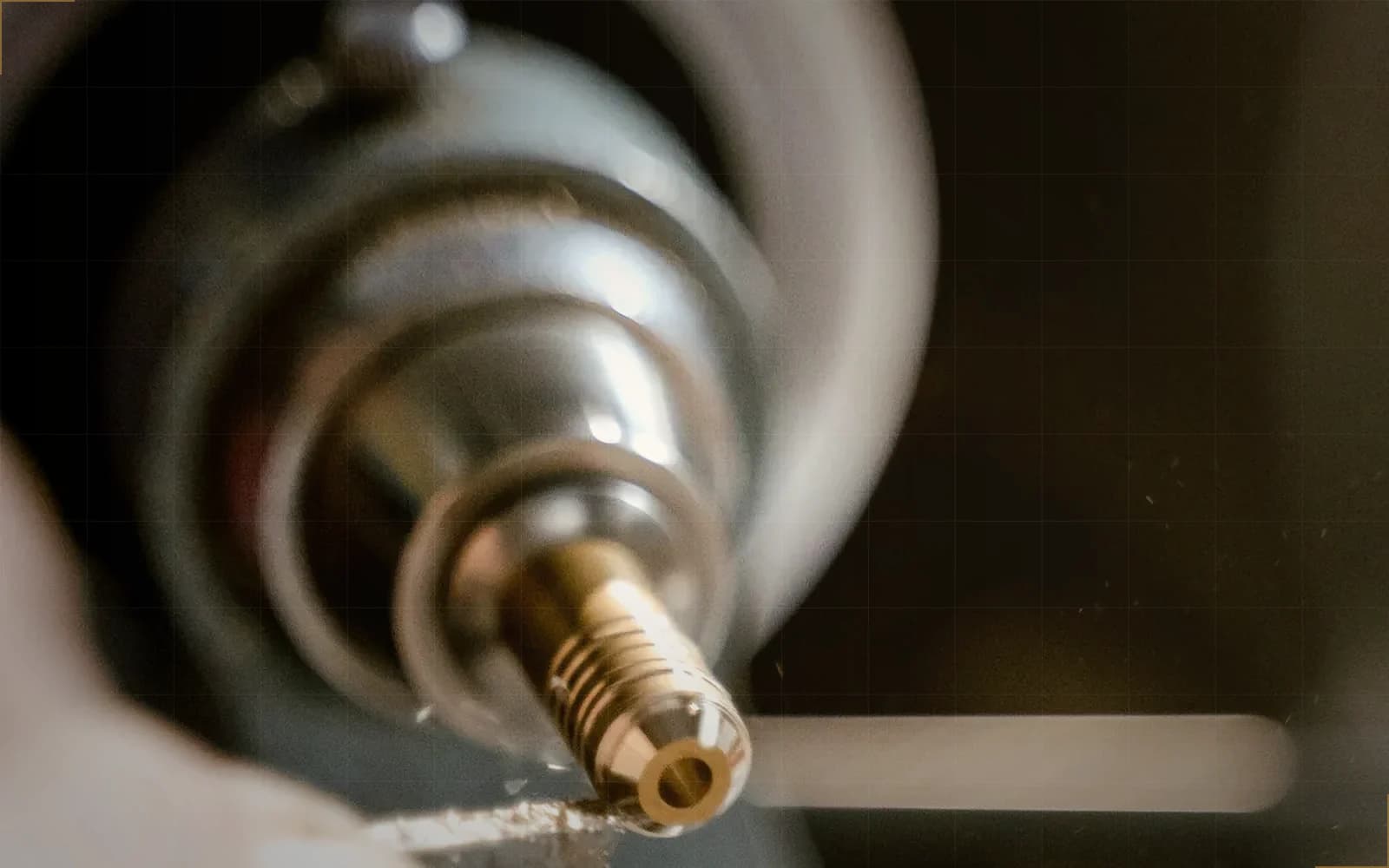
Good machinability for compact fittings and instrument-fluid hardware.
POM (Delrin / Acetal)
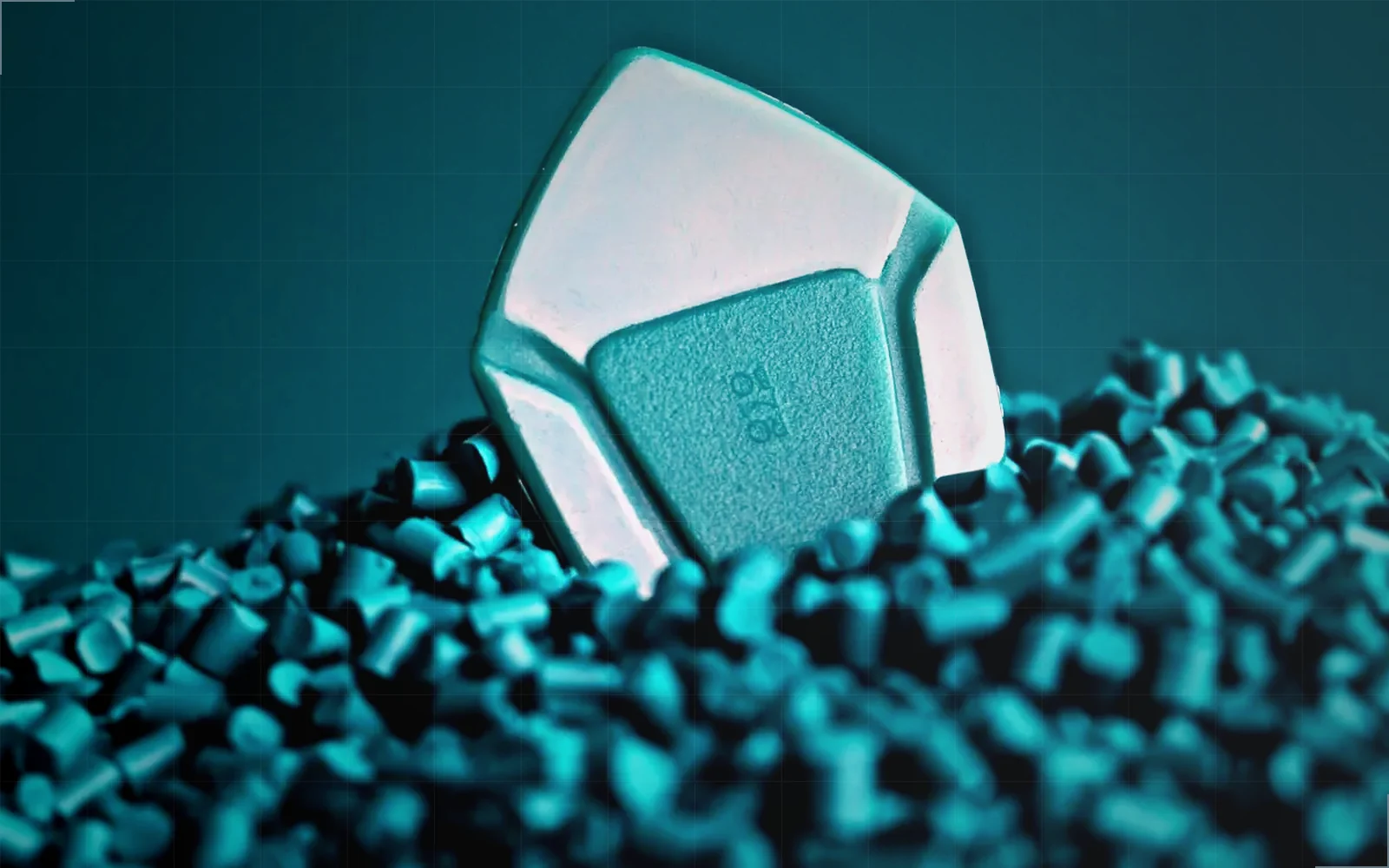
Low-mass manifolds for compatible low-pressure media.
Related processes
CNC Milling
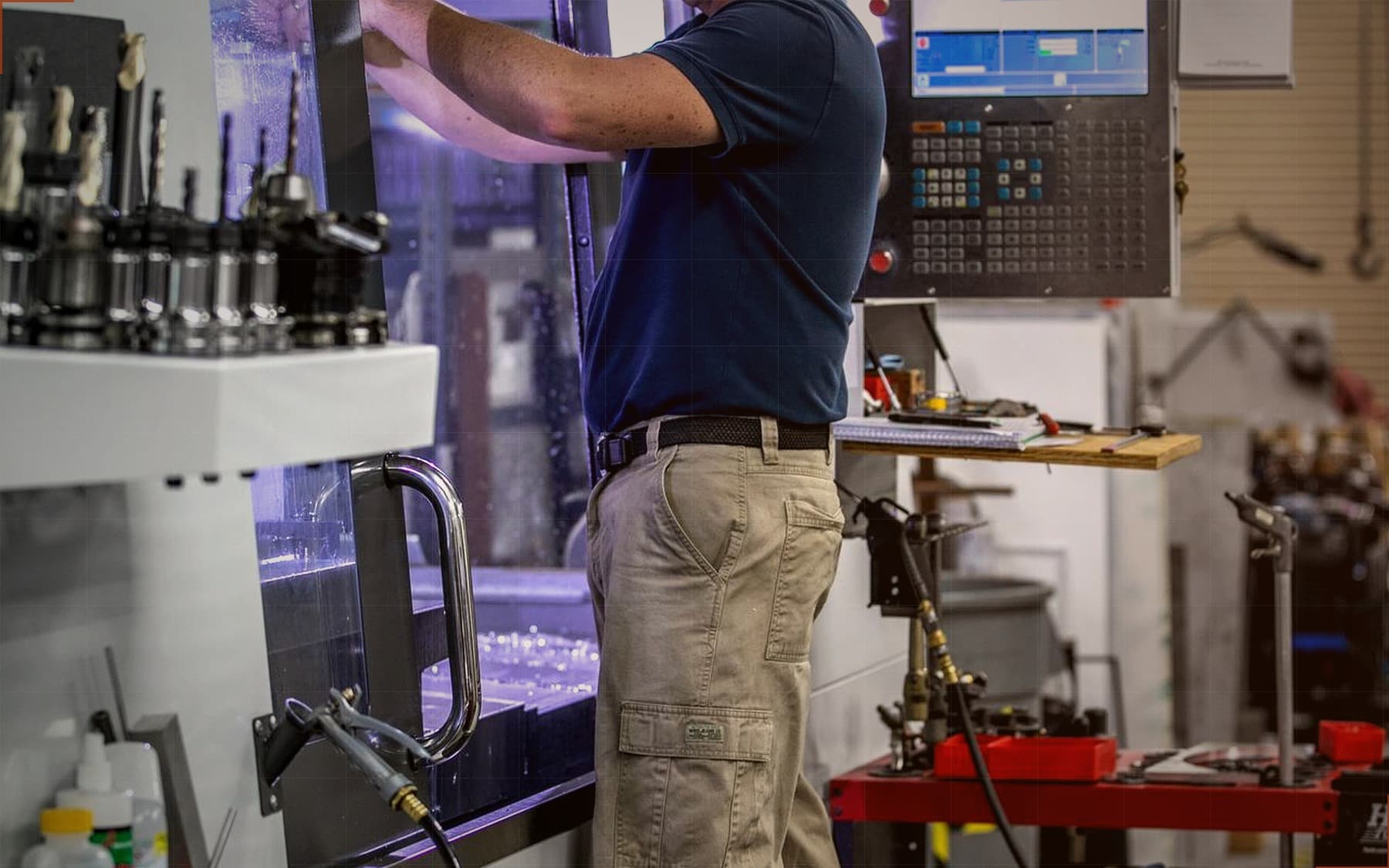
3- and 4-axis vertical machining for housings, brackets, manifolds and structural parts.
5-Axis Machining
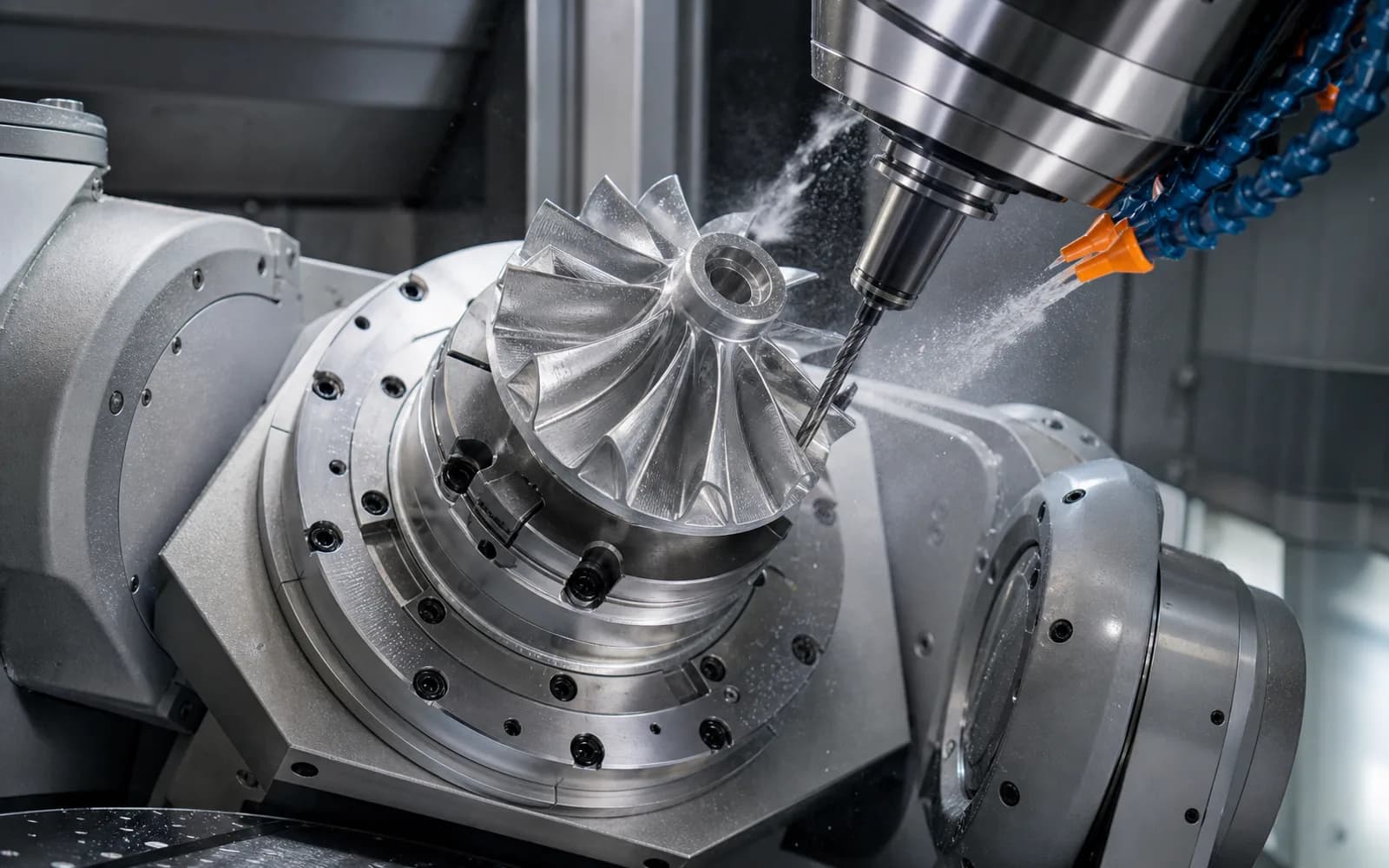
Simultaneous 5-axis machining for impellers, freeform surfaces and compound-angle features.
Production Machining
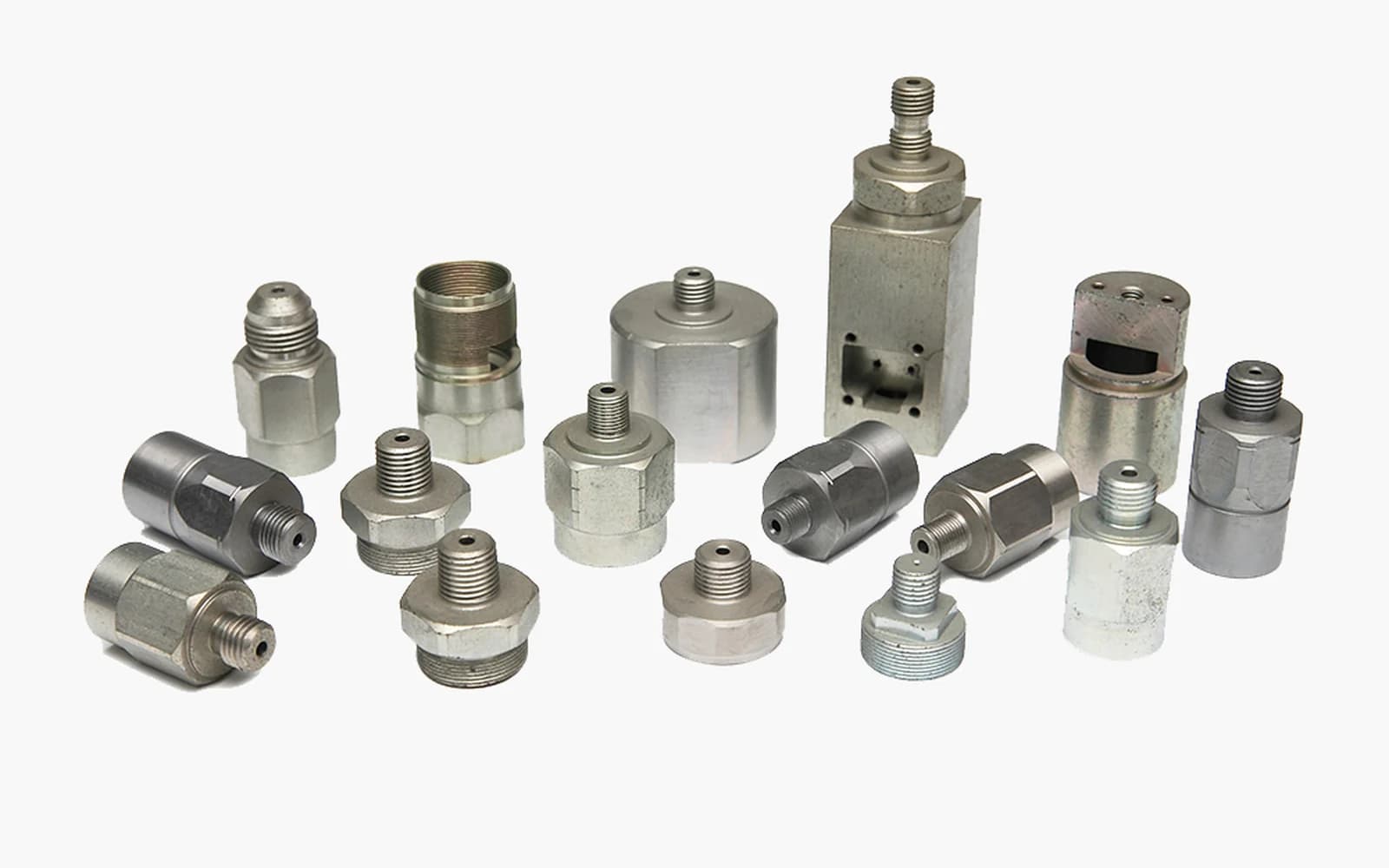
Dedicated fixturing, in-process CMM and SPC documentation for repeatable volume runs.
Compatible finishes
Inspection scope to define in the RFQ
- CMM inspection of port and mounting locations
- Borescope or validated cleaning check for internal passages when required
- Pressure, decay or bubble leak test to the RFQ acceptance criteria
Related engineering guides
CNC Machined Manifolds buyer questions
01Can internal manifold passages be fully deburred?
They can be controlled when intersections are accessible and the deburring method is agreed before production. Blind intersections may require a geometry change or a validated special process.
02Is leak testing automatically included?
No. State the test medium, pressure, dwell time and acceptance threshold in the RFQ. These details affect fixtures, plugs, cleaning and price.
03Can standard hydraulic cartridge cavities be machined?
Yes when the exact cavity standard and revision are supplied. A generic valve name is not enough because spotfaces, pilot diameters and thread details vary.
04Which drawing data prevents manifold quote delays?
Include a port schedule, section views of every passage, plug requirements, material, finish, cleanliness level, operating pressure, test condition and critical inspection points.
Other custom CNC part families
CNC Machined Enclosures & Housings
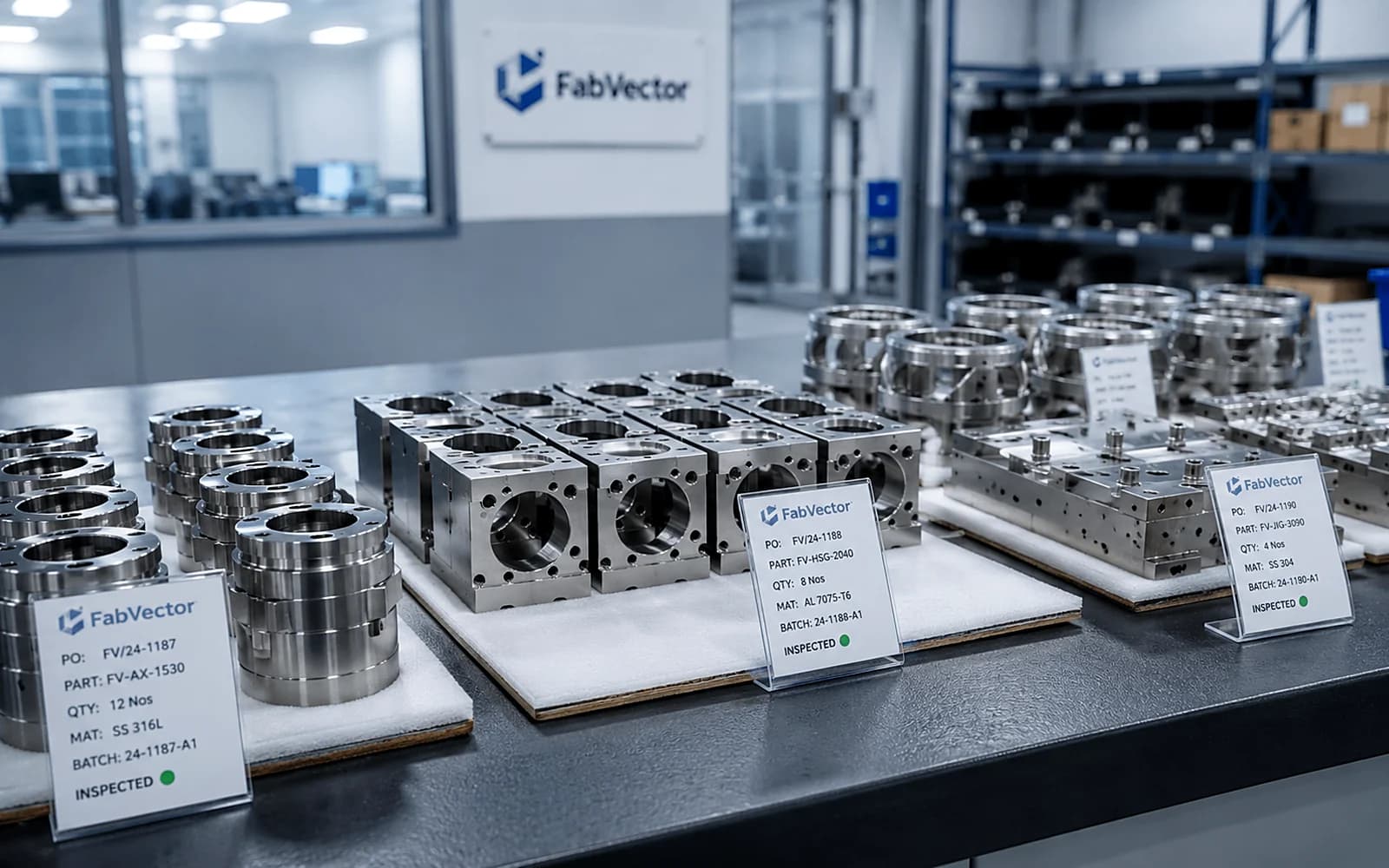
One-piece housings with controlled datums, sealed interfaces and assembly-ready finishes.
CNC Machined Brackets & Mounts
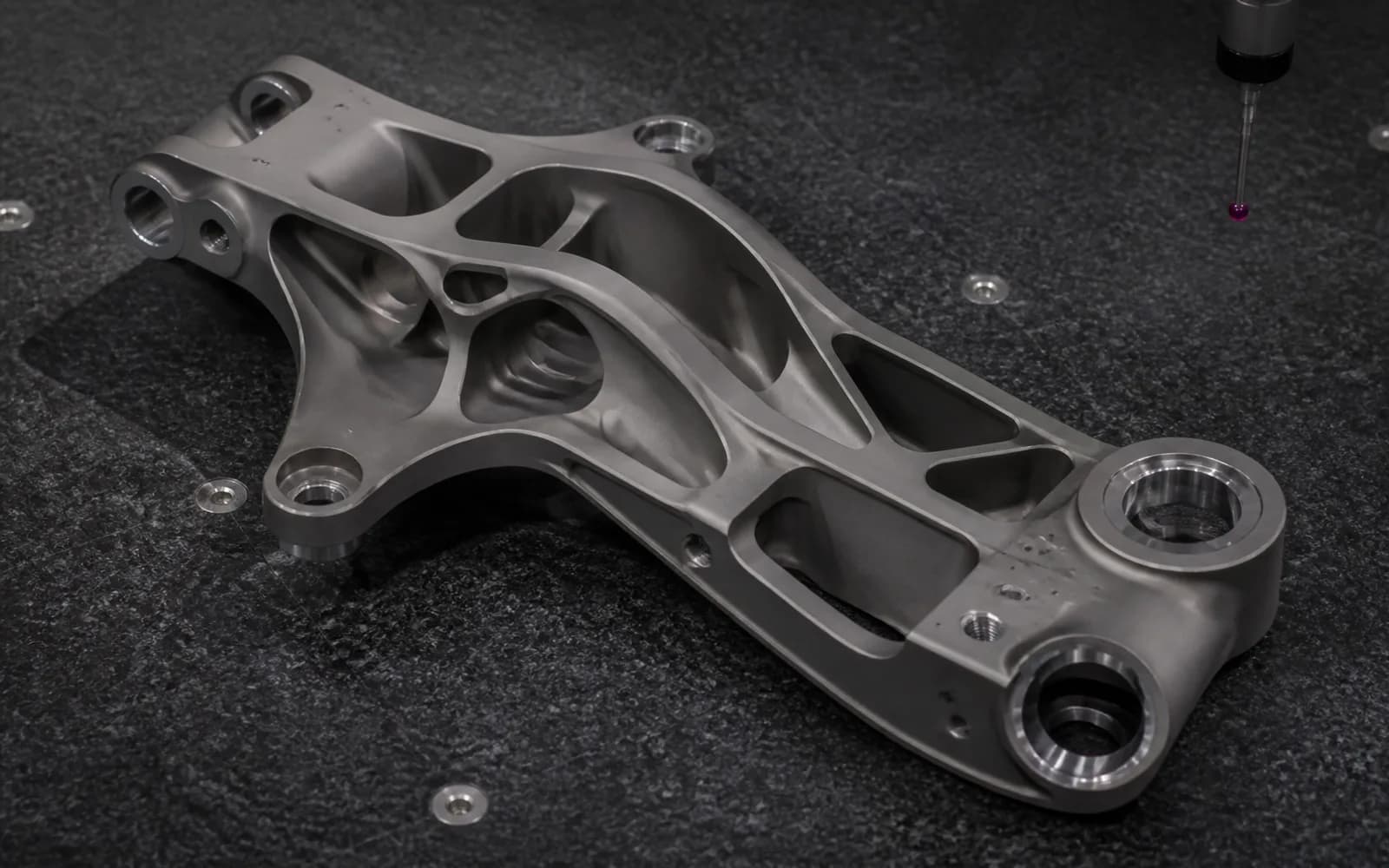
Structural parts that keep interfaces aligned without carrying unnecessary mass.
CNC Machined Shafts & Pins
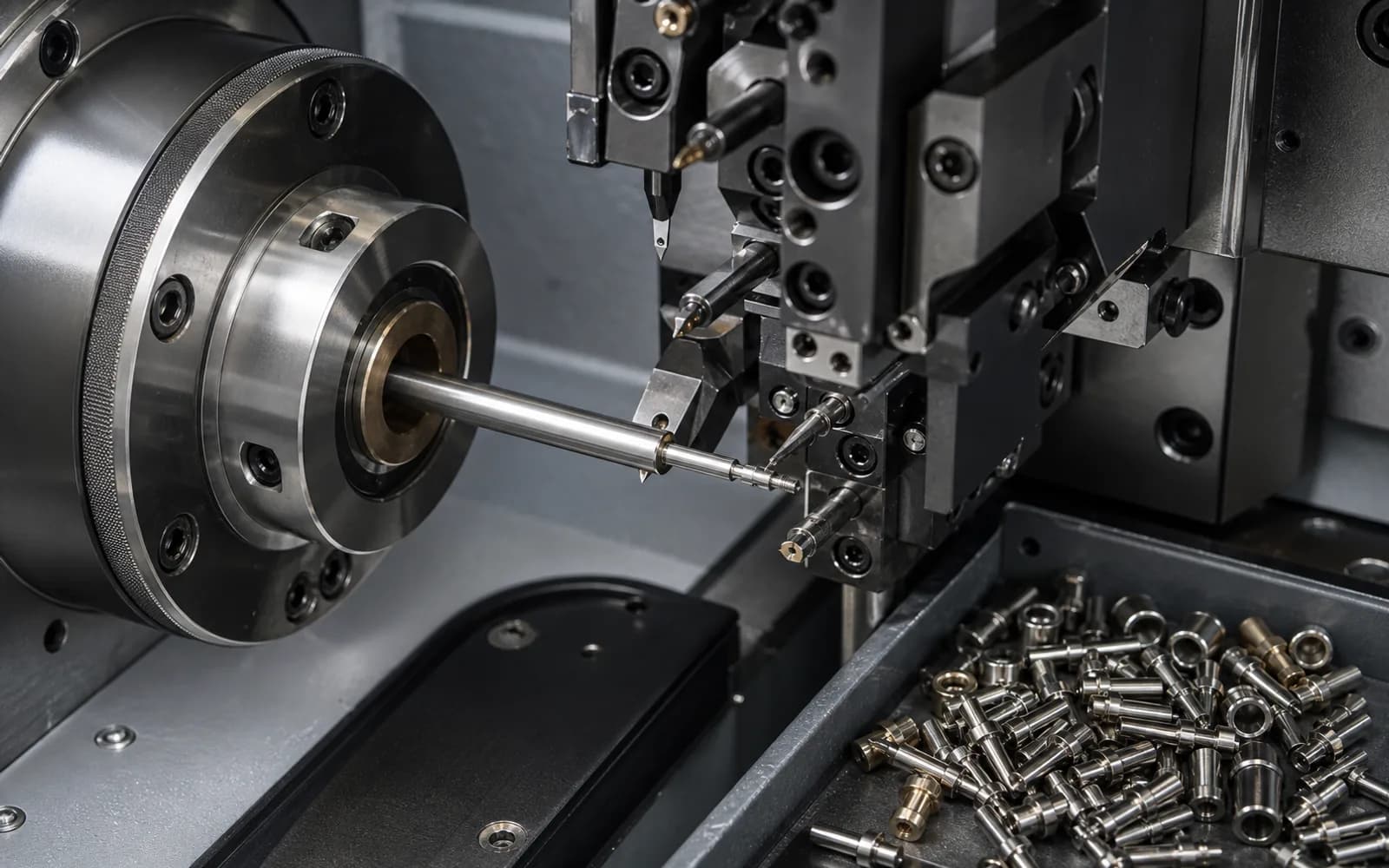
Turned geometry with bearing fits, threads and runout controlled from a common datum axis.
CNC Machined Bushings & Sleeves
Bore-first turned components for controlled clearance, wear and alignment.
Have a part in mind?
Upload CAD or drawings. Eligible CNC work gets an instant estimate; other processes move to engineer review. NDA-protected from the first byte.
Start an RFQ