Custom CNC parts
CNC Machined Brackets & Mounts
Structural parts that keep interfaces aligned without carrying unnecessary mass.
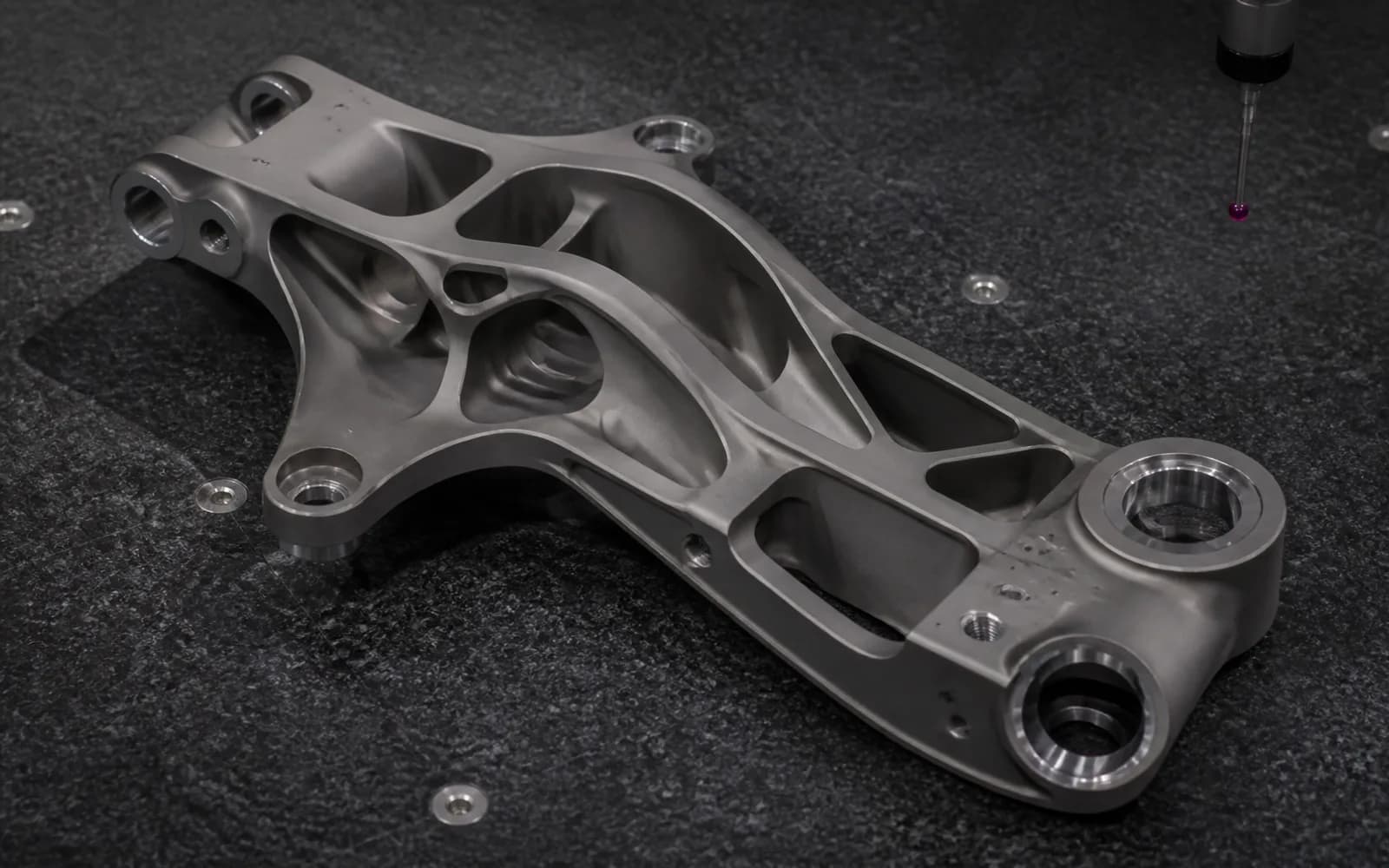
Direct answer
Machined brackets are appropriate when hole position, perpendicularity, stiffness or interface flatness cannot be held reliably by bent sheet metal. The economical route is usually 3-axis milling for open geometry and indexed or simultaneous 5-axis machining when critical features sit on several faces.
Typical applications
- Robot motor and sensor mounts
- Aerospace equipment brackets
- Camera, lidar and optical mounts
- Industrial automation end-effector plates
Recommended manufacturing route
- 01
Define the functional mounting planes and locate the primary datum on the stiffest face.
- 02
Rough pockets symmetrically to reduce residual-stress movement.
- 03
Finish hole patterns and alignment features in the fewest practical setups.
- 04
Inspect loaded interfaces and protect cosmetic surfaces through packing.
Controls to put on the drawing
| Control | Quote guidance |
|---|---|
| Load path | Keep material around fasteners and transitions; avoid sharp section changes at the highest bending moment. |
| Hole position | Use position tolerances referenced to assembly datums instead of isolated plus/minus dimensions. |
| Weight relief | Pocket only where tool access is stable and corner radii do not create stress risers. |
| Mating planes | Specify flatness only on interfaces that control alignment; blanket tight flatness adds cost. |
Recommended materials
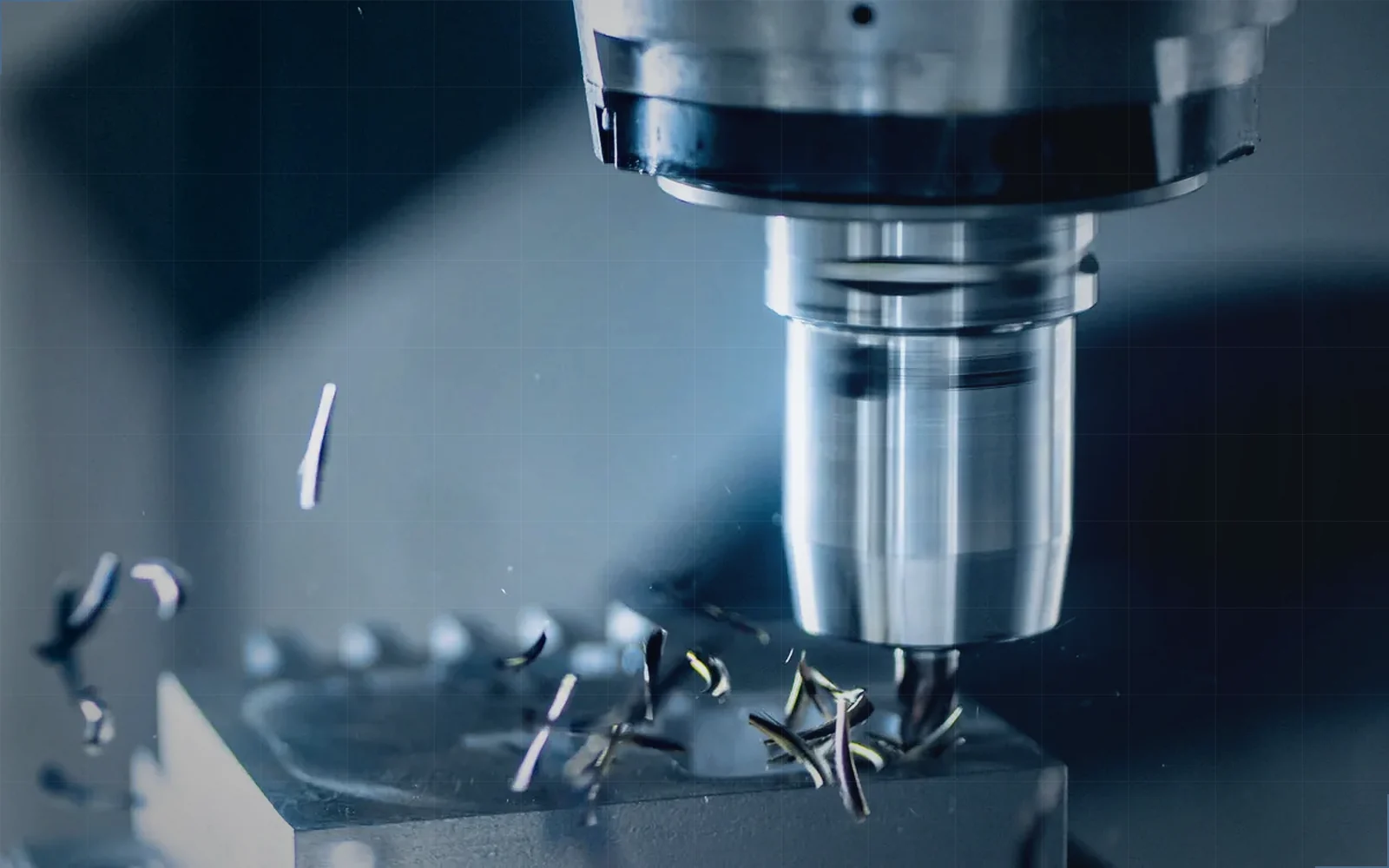
Aluminum 6061-T6
Cost-effective for general mounts, automation and prototypes.
Aluminum 7075-T6
Higher strength where weight matters.
Alloy Steel 4140
Loaded brackets needing strength, wear resistance or heat treatment.
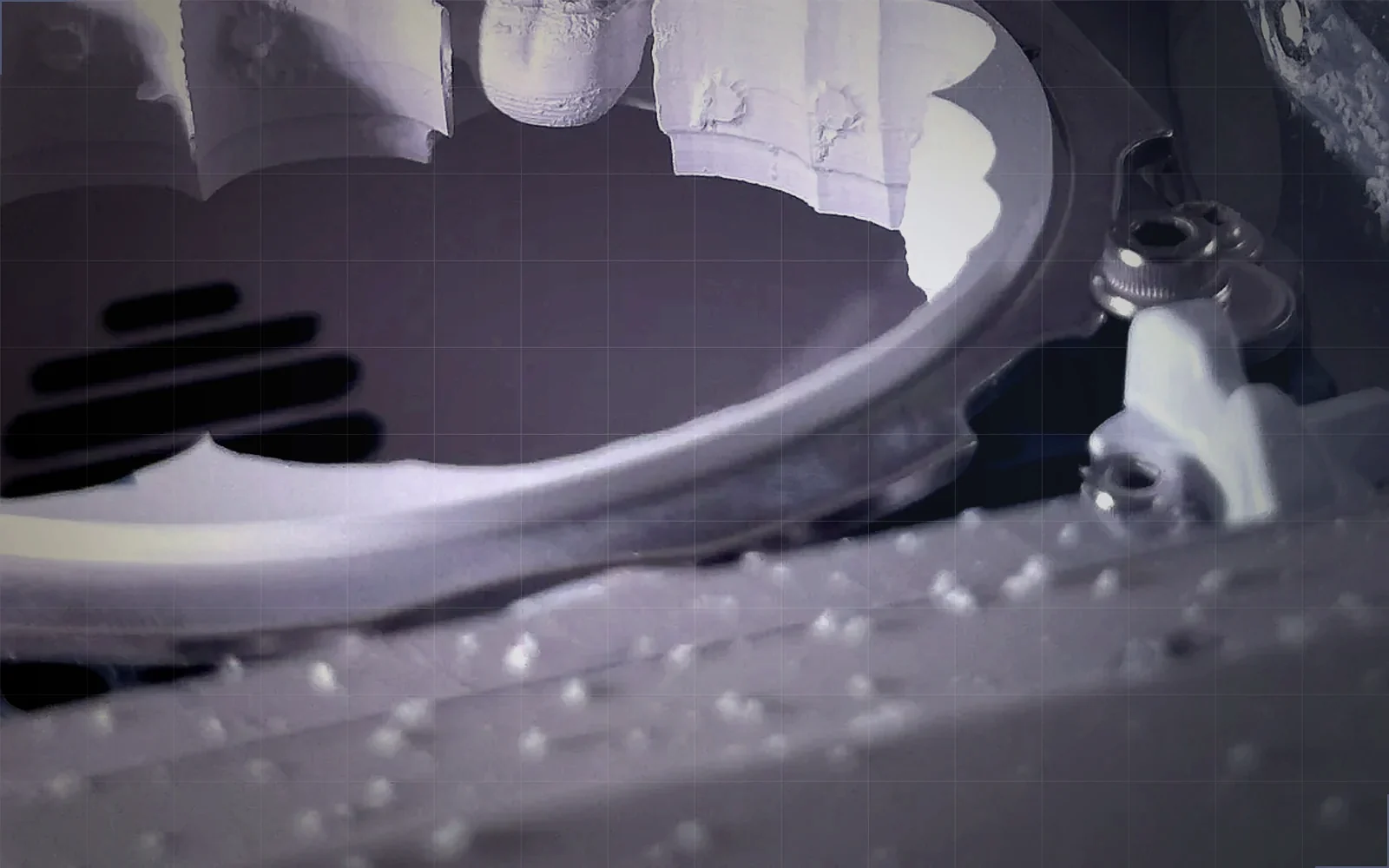
Titanium Grade 5 (Ti-6Al-4V)
High strength-to-weight and corrosion resistance for demanding programs.
Related processes
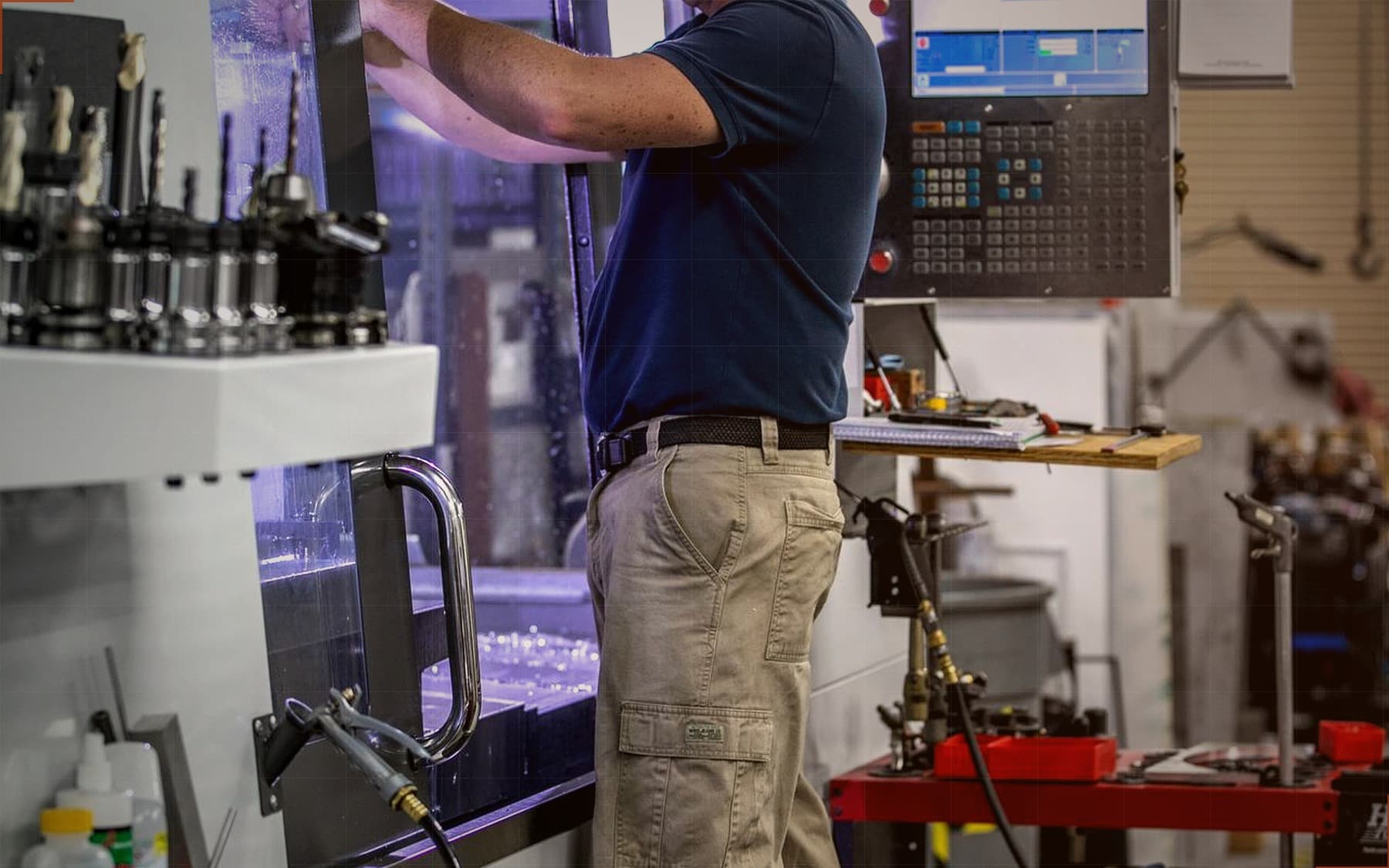
CNC Milling
3- and 4-axis vertical machining for housings, brackets, manifolds and structural parts.
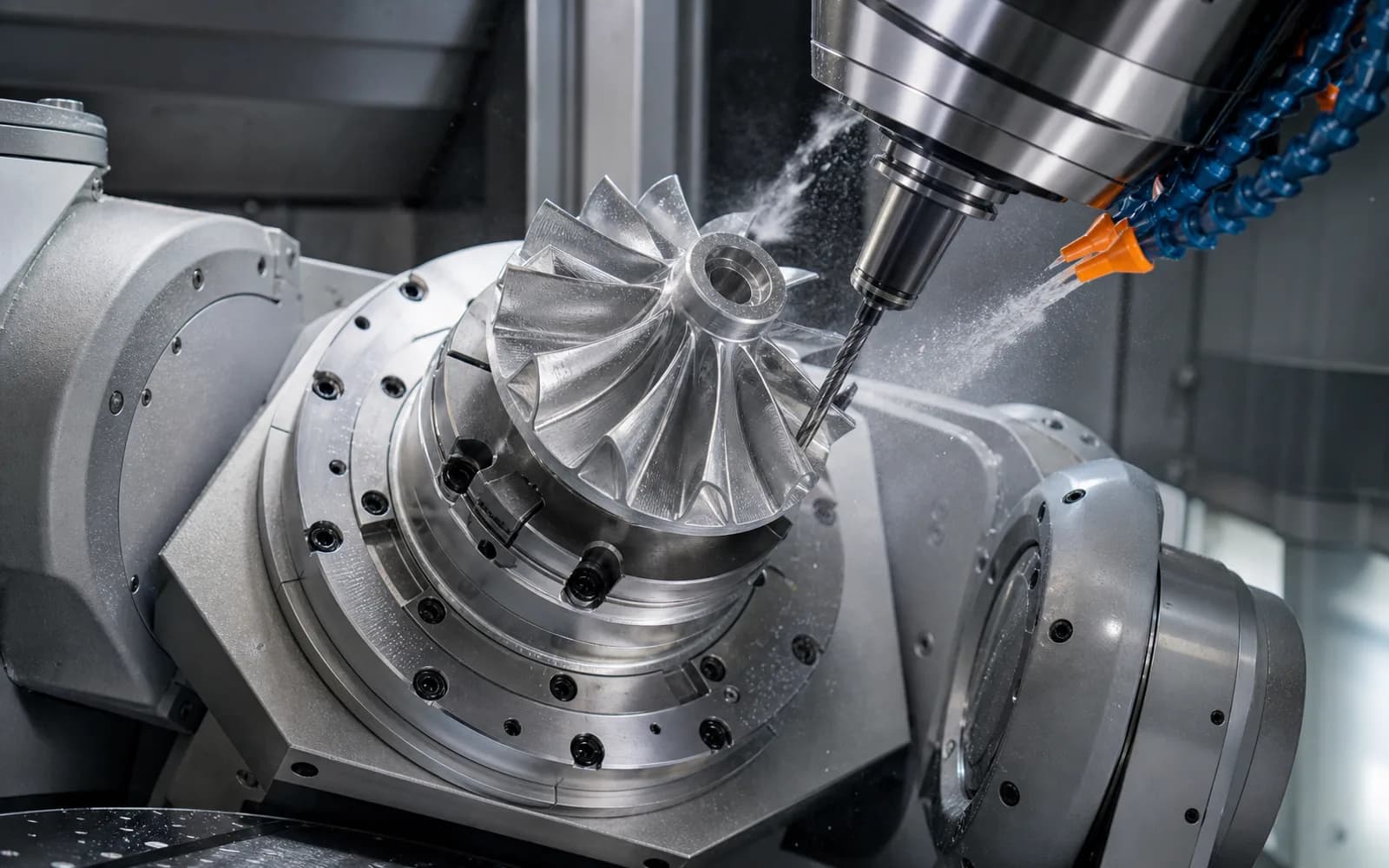
5-Axis Machining
Simultaneous 5-axis machining for impellers, freeform surfaces and compound-angle features.
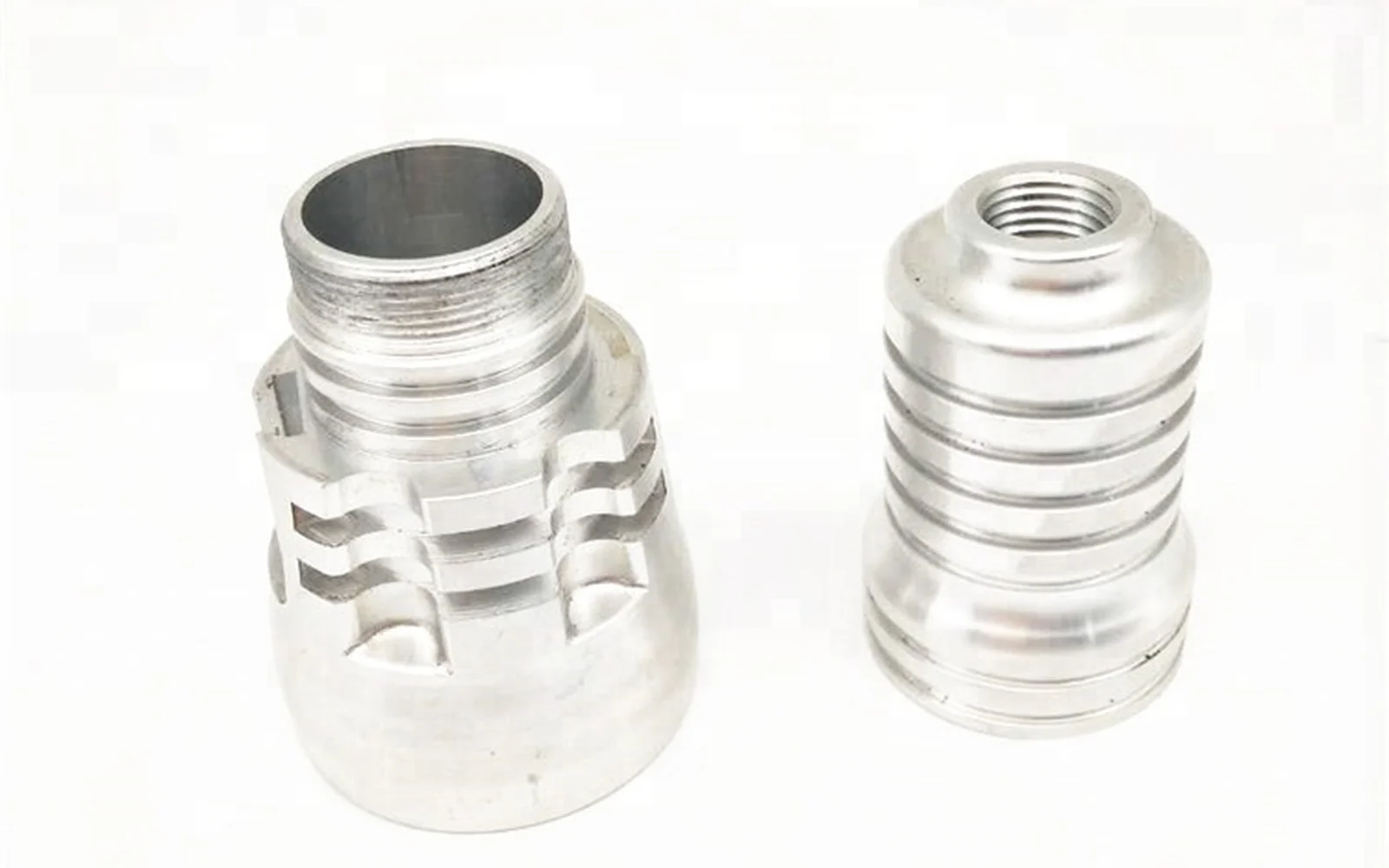
Prototype Machining
Functional prototypes in production-grade materials, shipped in days with DFM feedback included.
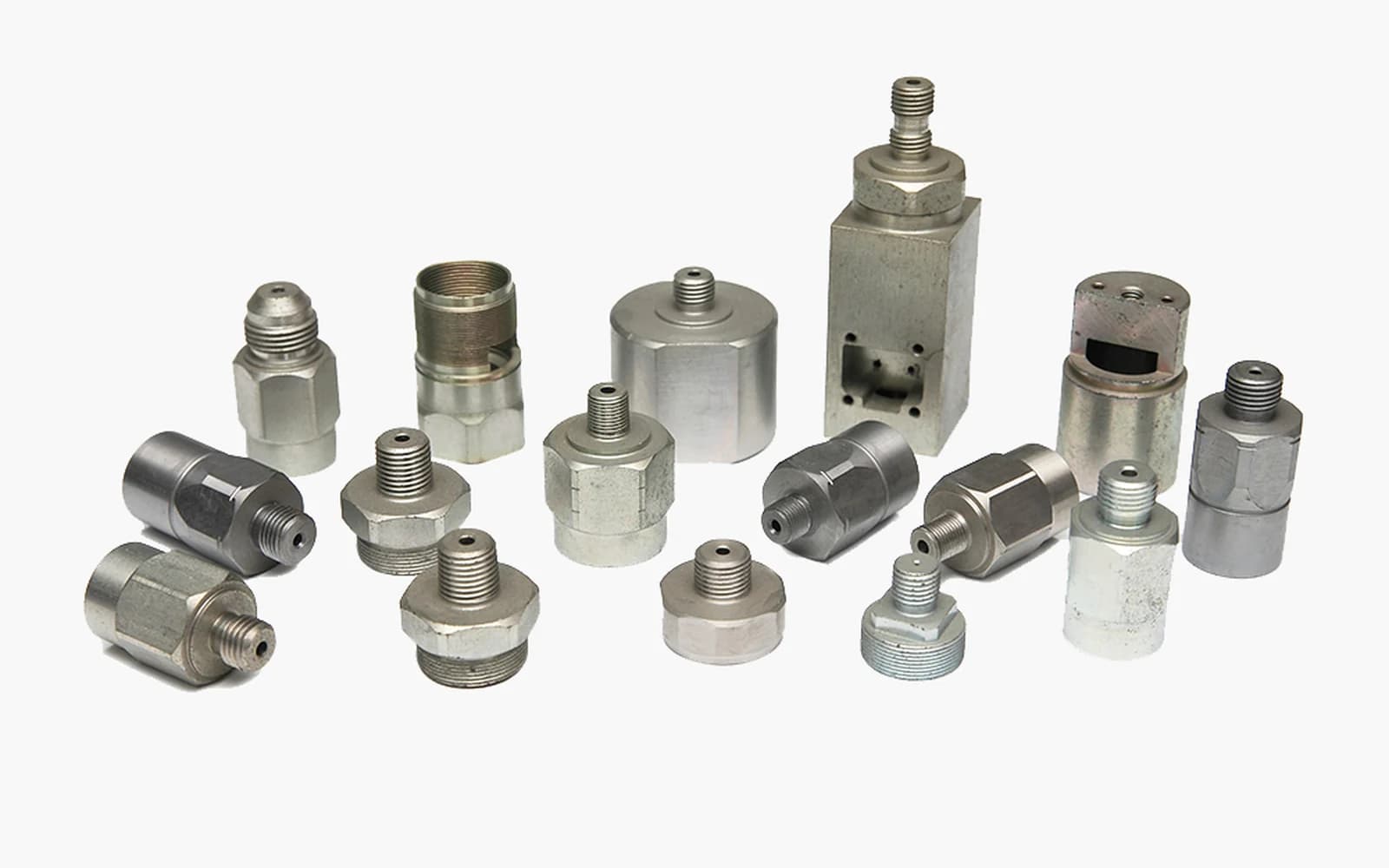
Production Machining
Dedicated fixturing, in-process CMM and SPC documentation for repeatable volume runs.
Compatible finishes
Inspection scope to define in the RFQ
- CMM position report for mounting patterns
- Flatness and perpendicularity of assembly interfaces
- Material certificate and FAI when specified in the RFQ
Related engineering guides
CNC Machined Brackets & Mounts buyer questions
01When should a bracket be machined instead of bent from sheet?
Choose machining when several interfaces must stay accurately related, the section needs local thickness, or the load path needs pockets and ribs. Sheet metal is often better for thin, constant-wall brackets with generous bend radii.
02Do all bracket dimensions need tight tolerances?
No. Tighten mounting faces, locating holes and alignment features; leave clearance holes, outer profiles and cosmetic pockets at a practical general tolerance unless function requires more.
03Can FabVector machine thin aerospace-style brackets?
Yes, subject to engineering review. Thin sections may need sacrificial tabs, staged roughing, stress relief and inspection in the intended restraint condition.
04What should the RFQ state about inspection?
Identify critical characteristics and request the required output: dimensional report, CMM report, FAI, material certificate or CoC. Documentation added after production may require re-inspection.
Other custom CNC part families
CNC Machined Enclosures & Housings
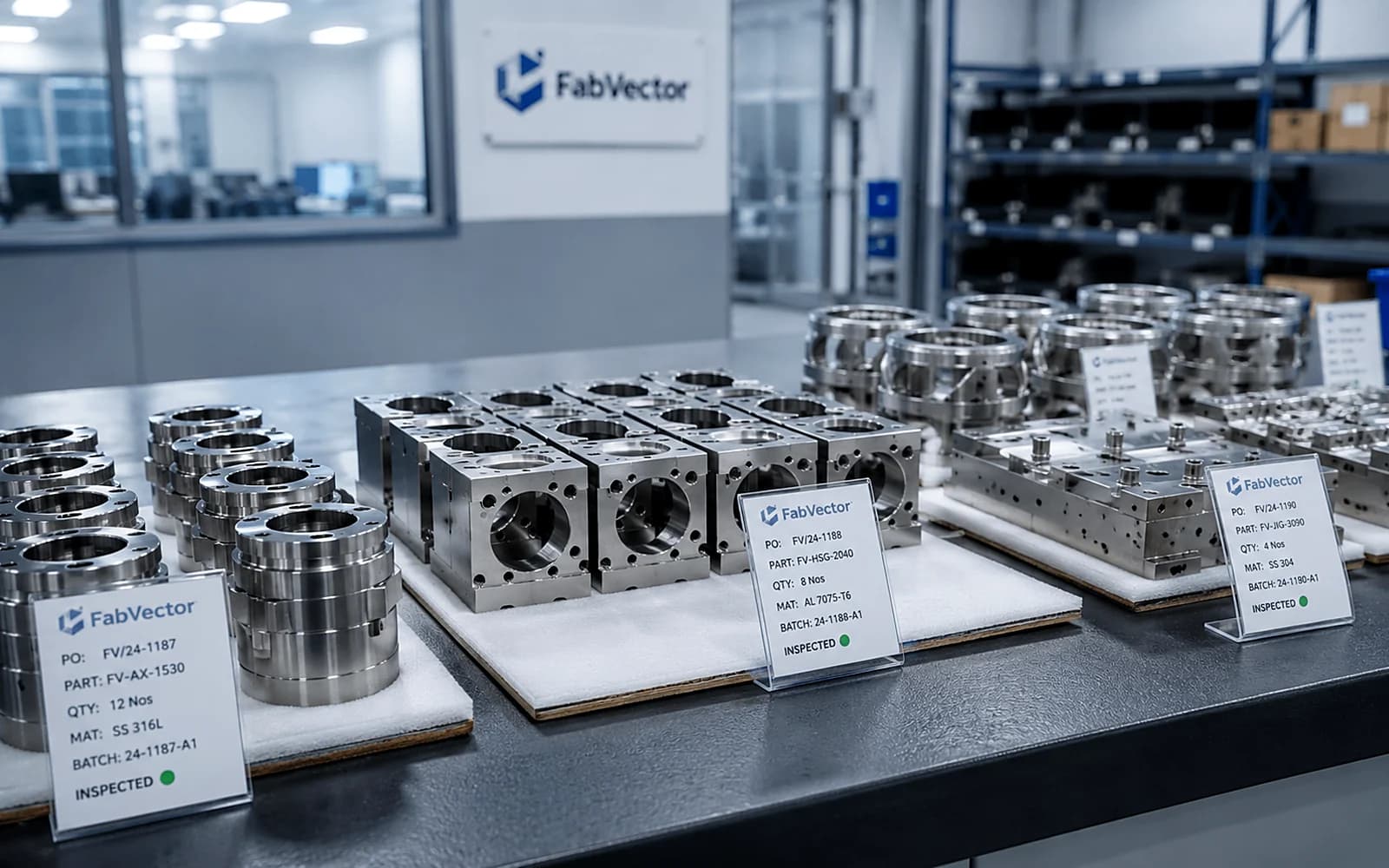
One-piece housings with controlled datums, sealed interfaces and assembly-ready finishes.
CNC Machined Manifolds
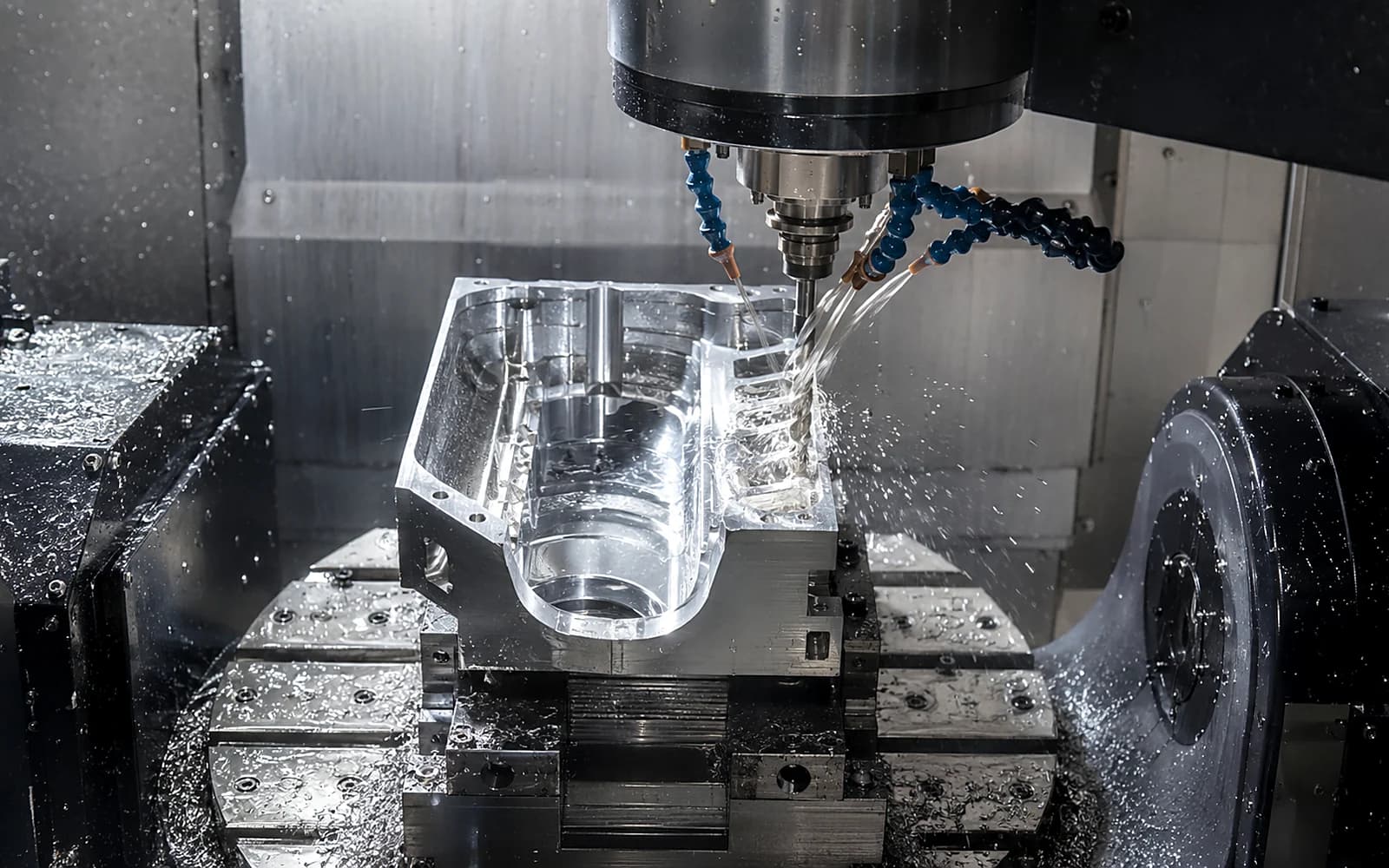
Cross-drilled flow paths, clean intersections and sealing geometry controlled as one part.
CNC Machined Shafts & Pins
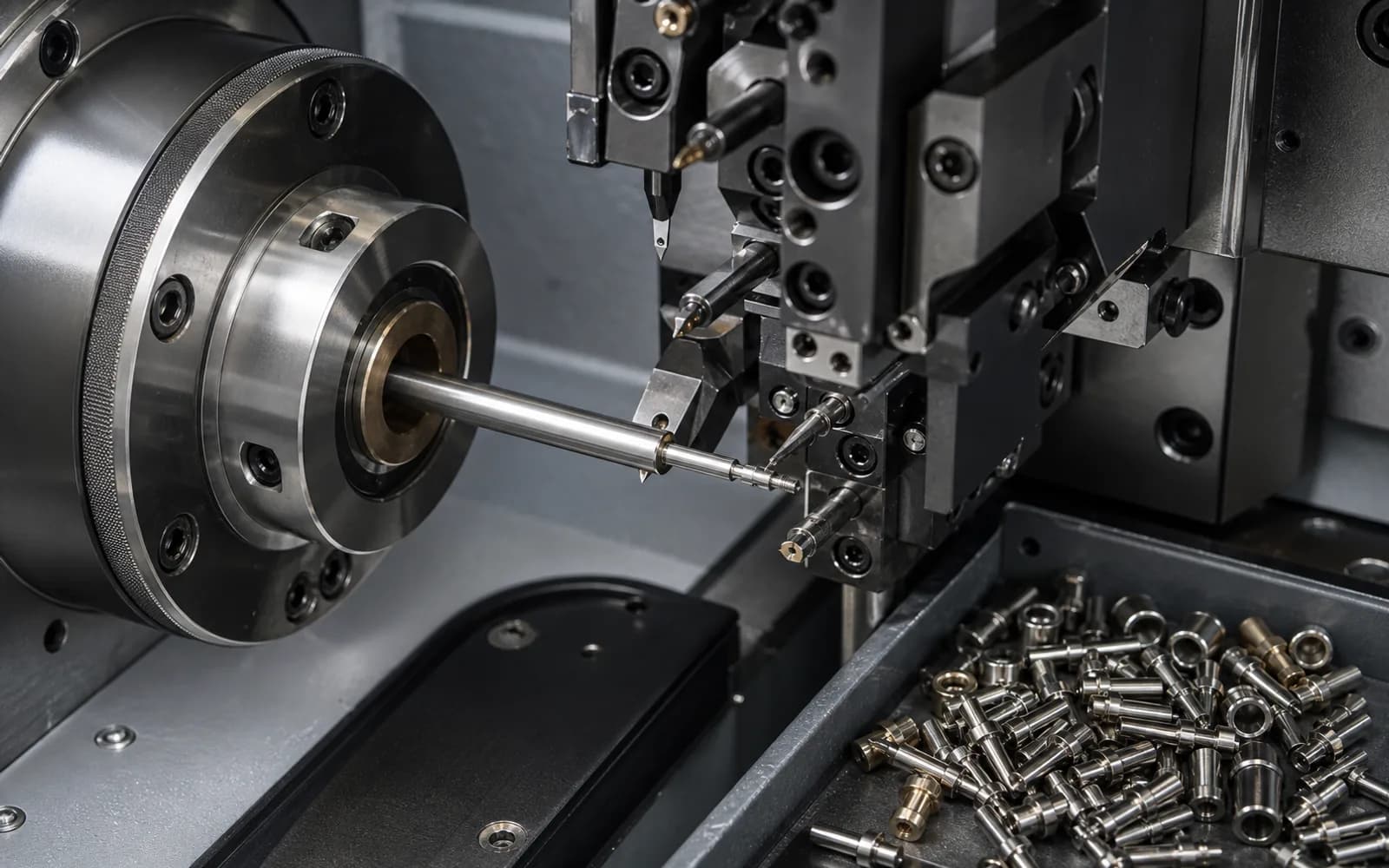
Turned geometry with bearing fits, threads and runout controlled from a common datum axis.
CNC Machined Bushings & Sleeves
Bore-first turned components for controlled clearance, wear and alignment.
Have a part in mind?
Upload CAD or drawings. Eligible CNC work gets an instant estimate; other processes move to engineer review. NDA-protected from the first byte.
Start an RFQ