Custom CNC parts
CNC Machined Plates & Panels
Large planar interfaces, dense hole patterns and markings delivered assembly-ready.
Direct answer
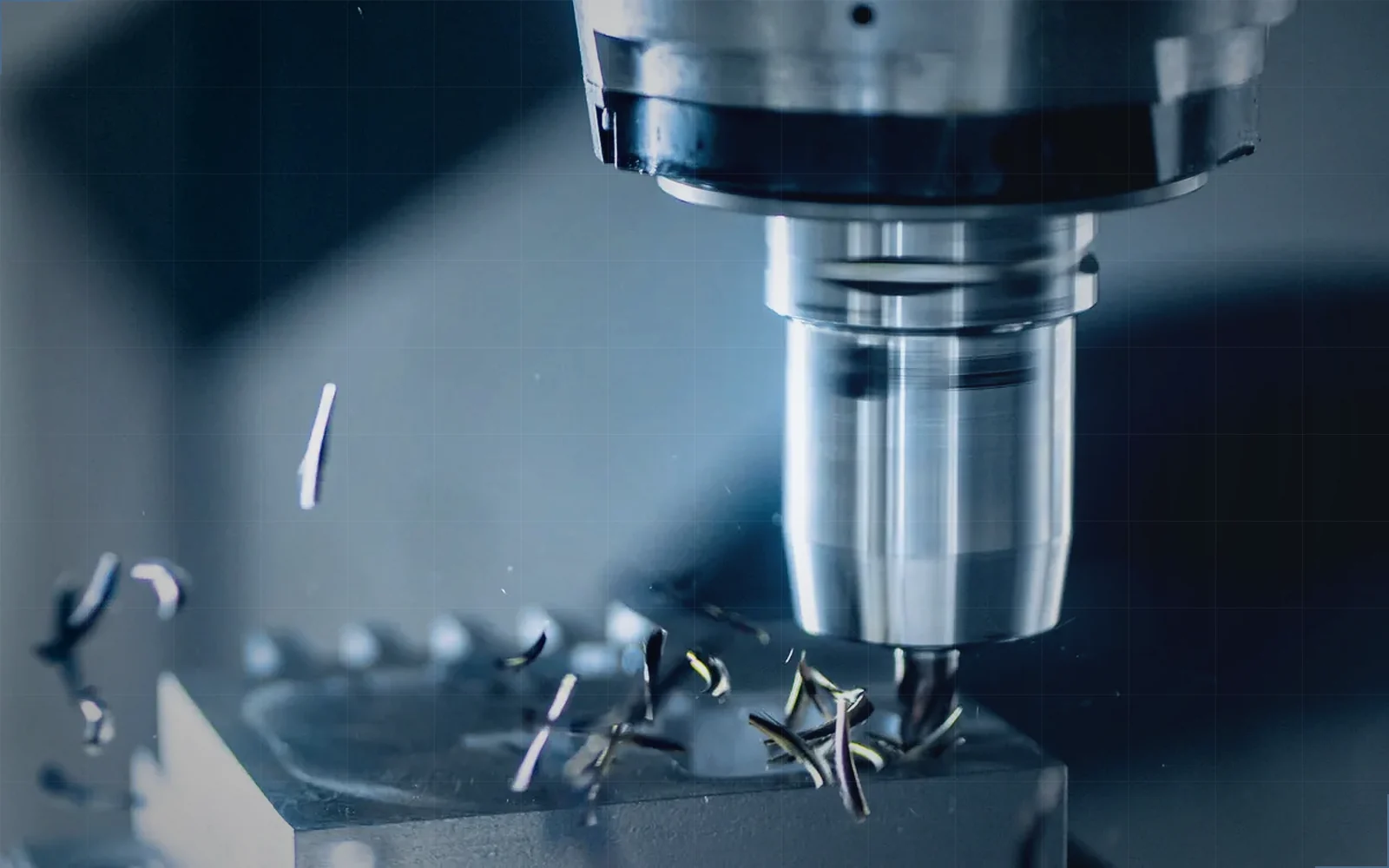
CNC milling is suited to plates and panels that need accurate hole patterns, counterbores, pockets, connector cutouts or controlled flatness. Stock condition, material removal balance and inspection support matter more as the plate becomes thinner or larger.
Typical applications
- Machine and robot baseplates
- Electronics front panels and faceplates
- Optical mounting plates
- Carbon-fiber and aluminum structural panels
Recommended manufacturing route
- 01
Review raw plate condition, grain direction and required inspection restraint.
- 02
Balance roughing across faces when flatness is sensitive to released stress.
- 03
Finish datums, hole patterns and pockets from common coordinates.
- 04
Apply marking and finish after protecting tolerance-critical surfaces.
Controls to put on the drawing
| Control | Quote guidance |
|---|---|
| Flatness state | Define whether flatness is free-state, clamped to a fixture or measured on supports. |
| Hole pattern | Use common datums for mating patterns and identify dowel holes separately from clearance holes. |
| Edge distance | Leave enough material around countersinks, inserts and connector cutouts. |
| Marking | Provide artwork, text height, location, contrast and durability requirement. |
Recommended materials
Aluminum 6061-T6
General baseplates and panels with broad finish options.
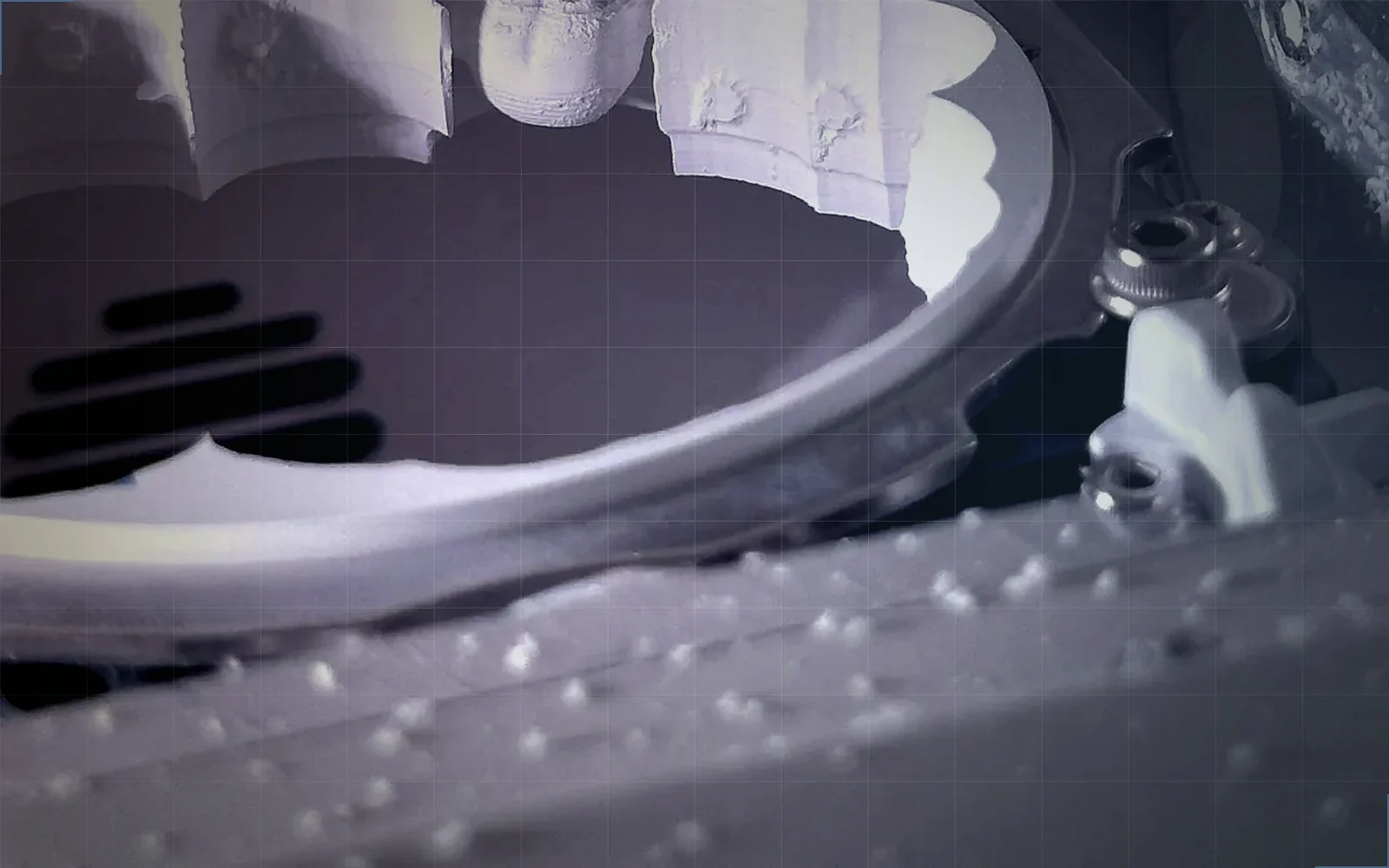
MIC-6 Cast Aluminum Plate
Cast plate selected for dimensional stability and machined flat surfaces.
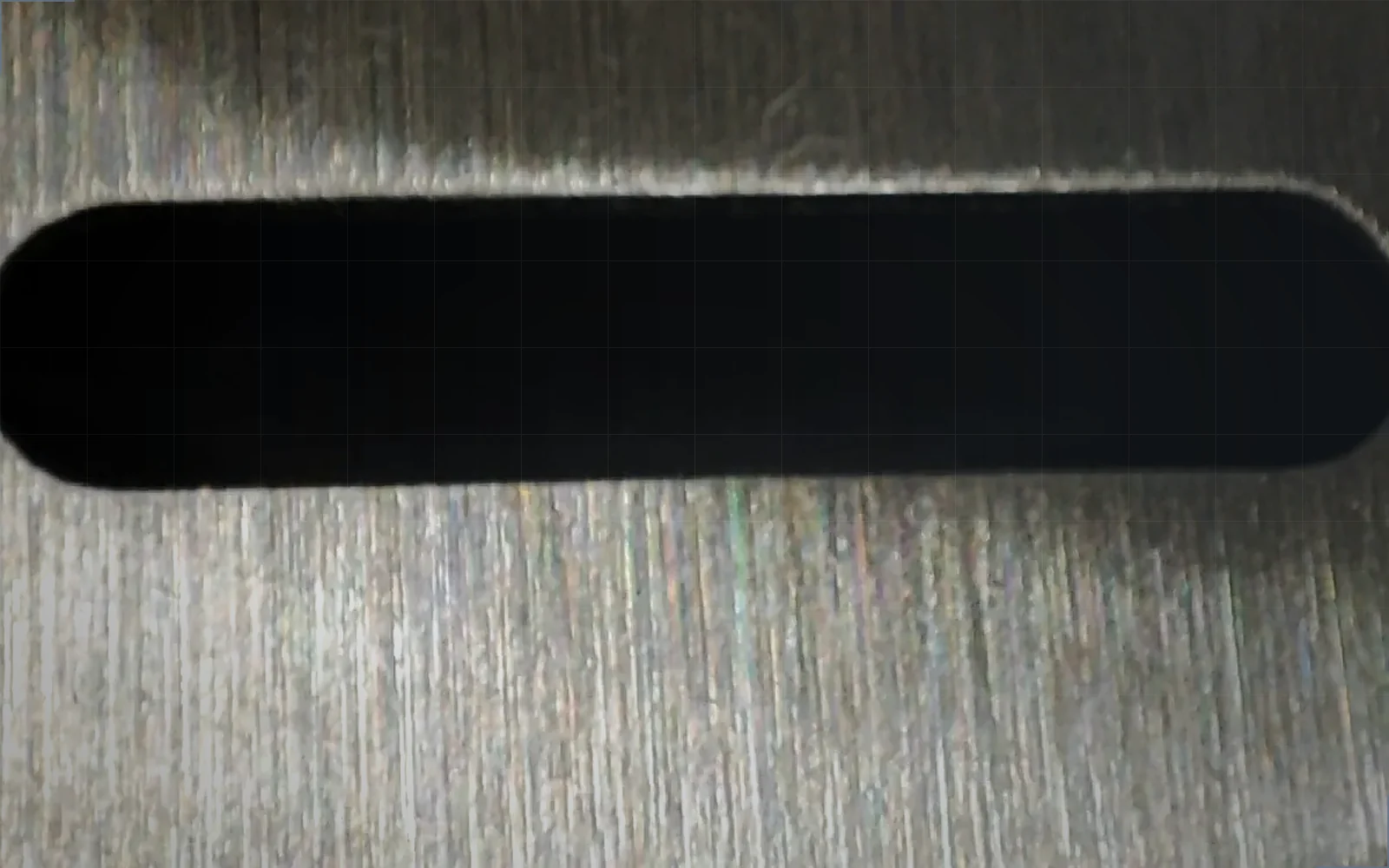
Stainless Steel 304
Durable corrosion-resistant faceplates and process panels.
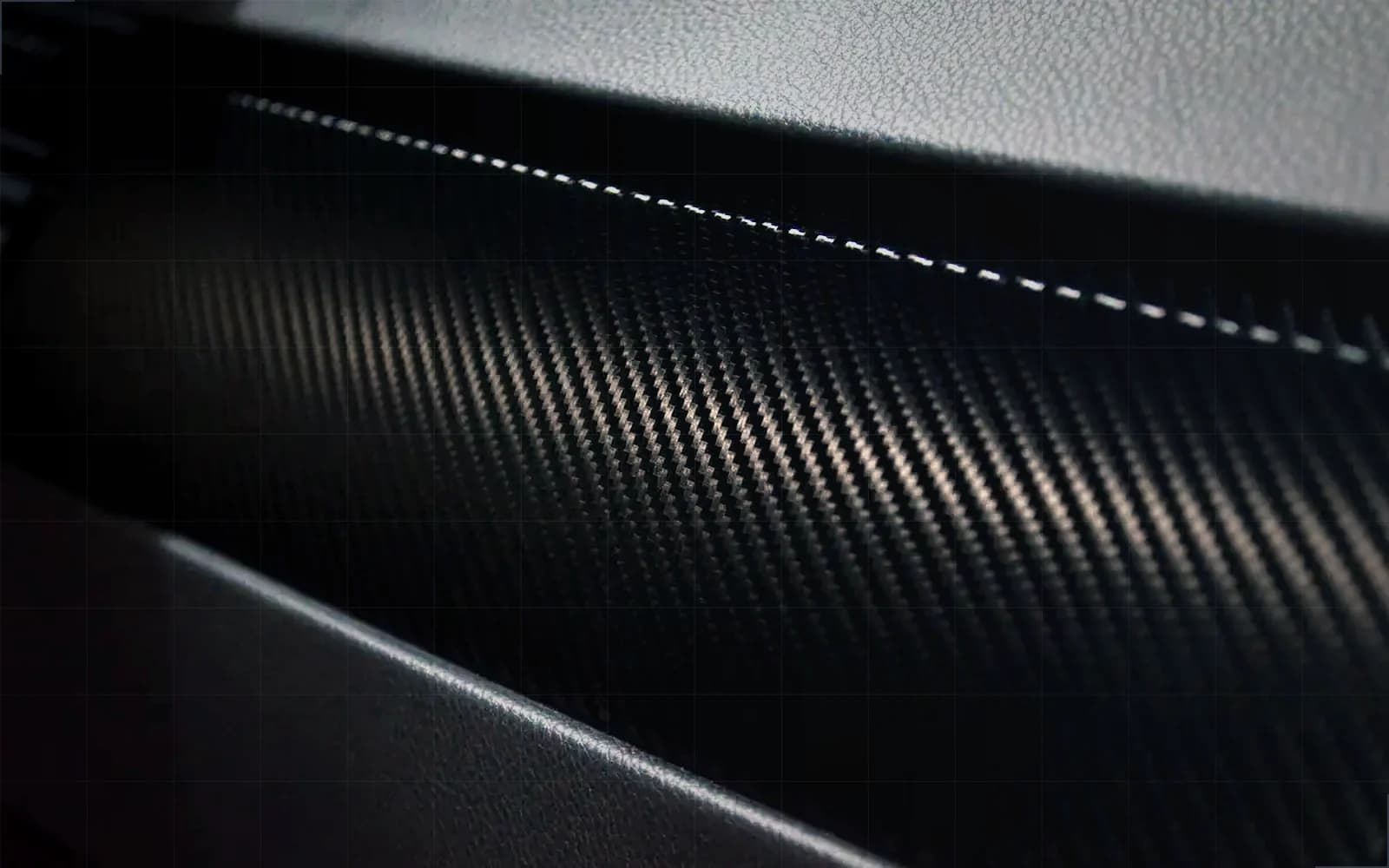
Carbon Fiber Sheet
High stiffness-to-weight flat structures with controlled drilling and edge sealing.
Related processes
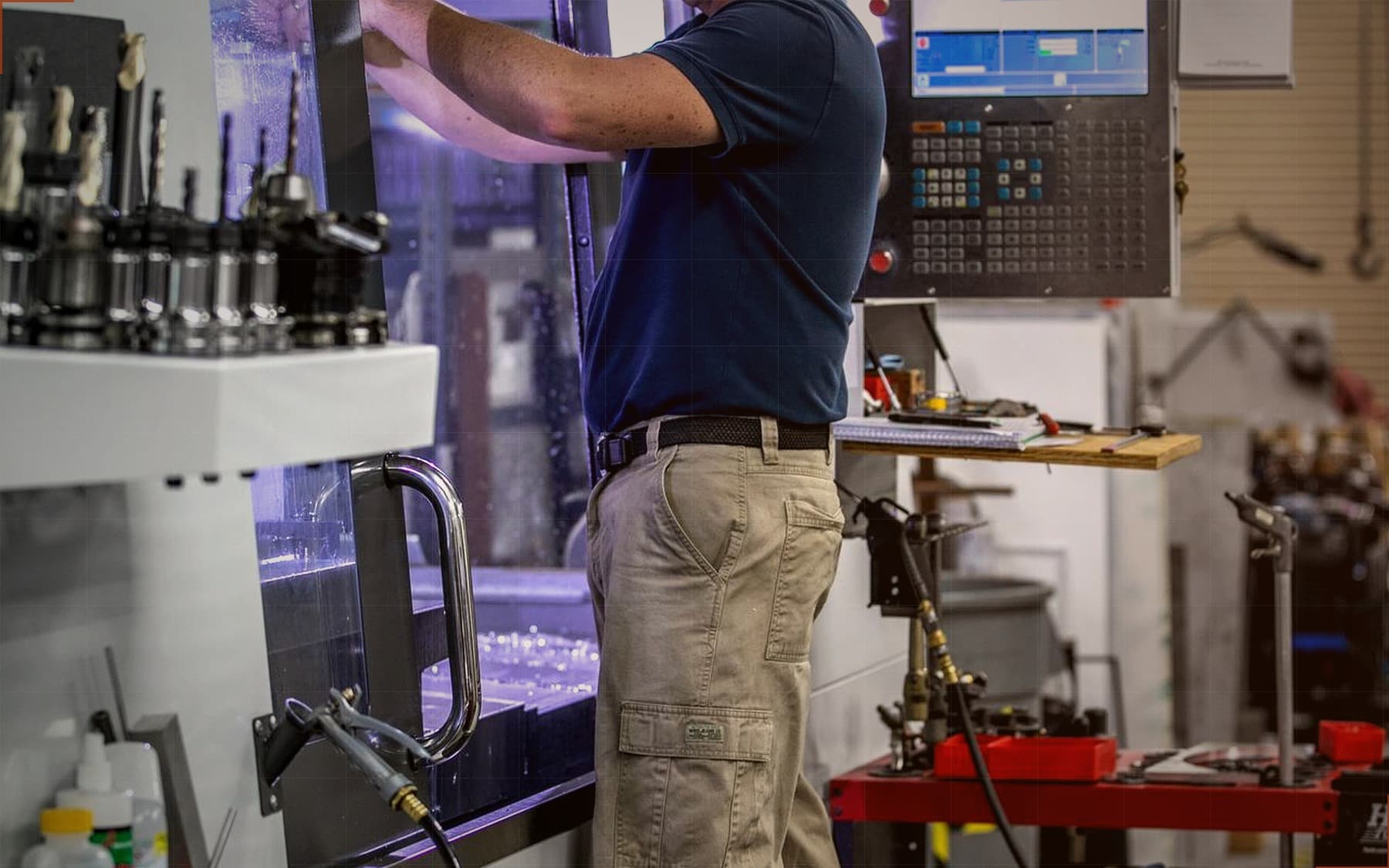
CNC Milling
3- and 4-axis vertical machining for housings, brackets, manifolds and structural parts.
Carbon Fiber Machining
CNC-routed carbon-fiber sheet parts with delamination control, clean holes and optional sealed edges.
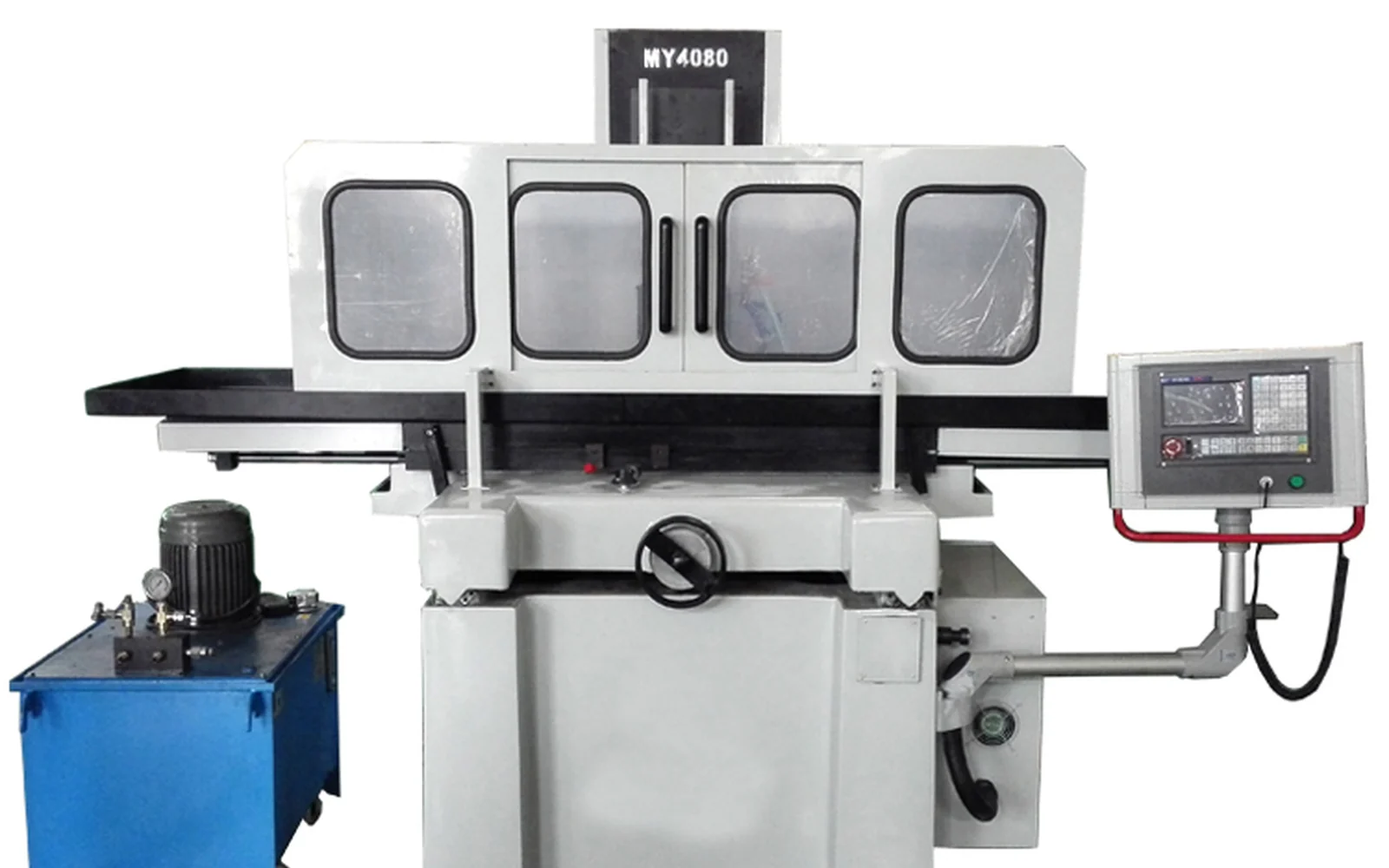
Surface Grinding
Abrasive finishing for flatness, parallelism and tight thickness control on hardened parts.
Compatible finishes
Inspection scope to define in the RFQ
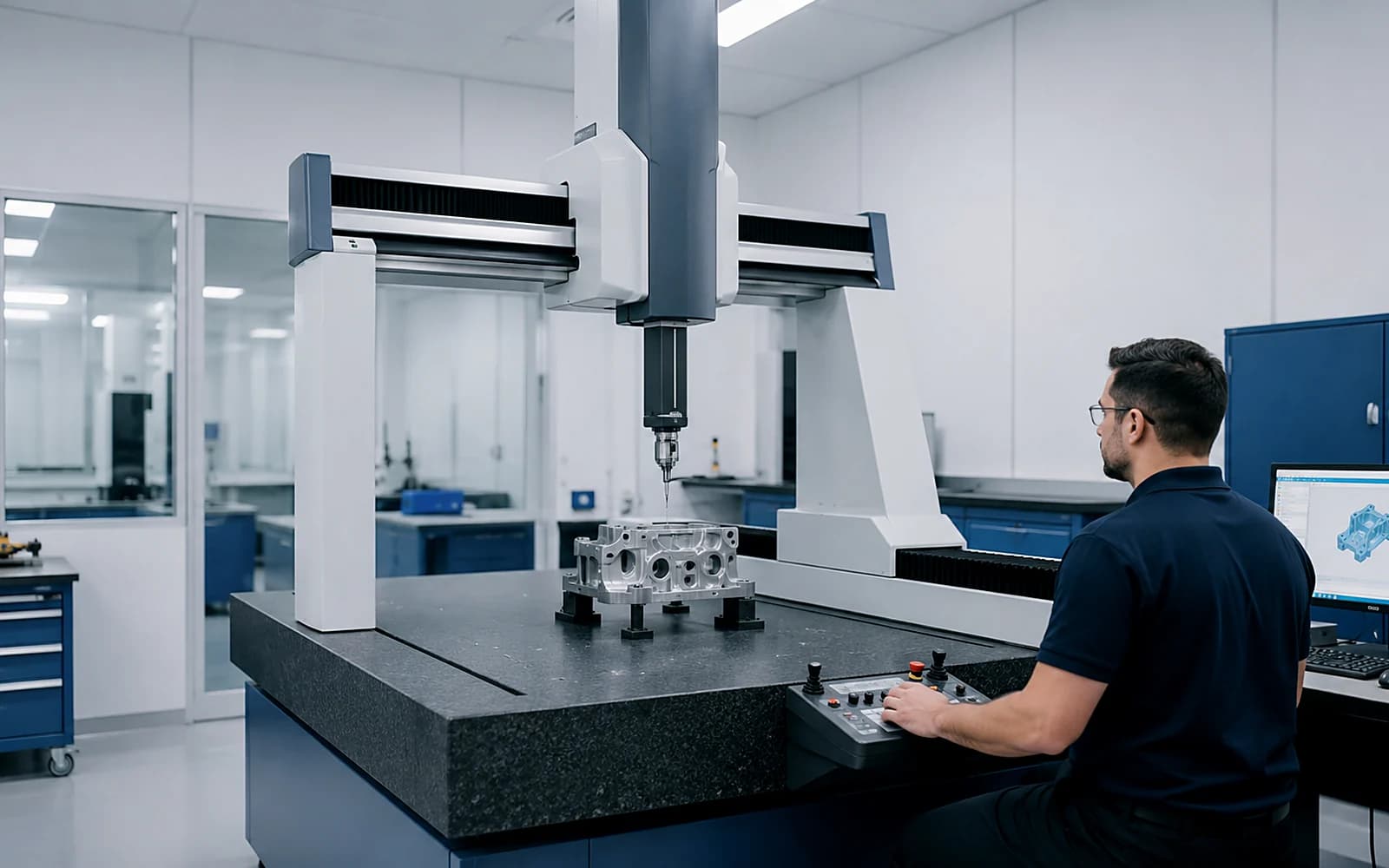
- CMM or optical report for critical hole patterns
- Flatness check in the drawing-defined support condition
- Visual standard for finish, engraving and printing
Related engineering guides
CNC Machined Plates & Panels buyer questions
01How should flatness be specified on a large machined plate?
Tie the requirement to function and state the measurement support or clamping condition. An unrestricted tight free-state flatness can drive stress-relief, double-sided machining and inspection cost.
02Can engraving and silkscreen be included?
Yes. Send vector artwork or controlled text, color, location, orientation and durability requirements. Identify whether marking is applied before or after the final surface finish.
03Can threaded inserts be installed before delivery?
Yes when the insert manufacturer, part number, installation side, orientation and pull-out or torque requirement are included in the RFQ.
04Is MIC-6 always better than 6061 for a baseplate?
No. MIC-6 is often selected for stable, flat tooling plates, while 6061 offers better structural-property familiarity and wider anodizing use. Load, thickness, finish and certification needs decide.
Other custom CNC part families
CNC Machined Enclosures & Housings
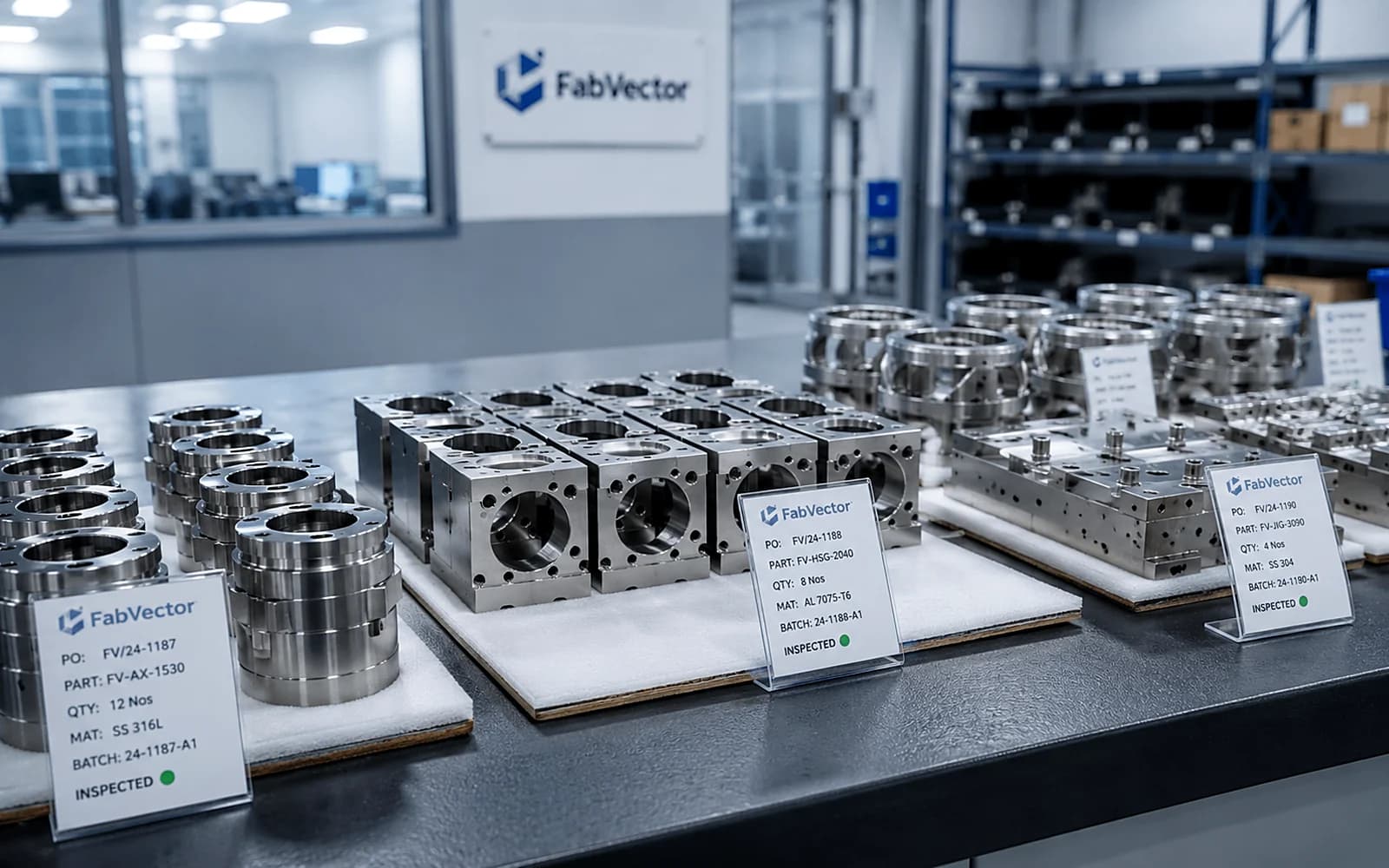
One-piece housings with controlled datums, sealed interfaces and assembly-ready finishes.
CNC Machined Brackets & Mounts
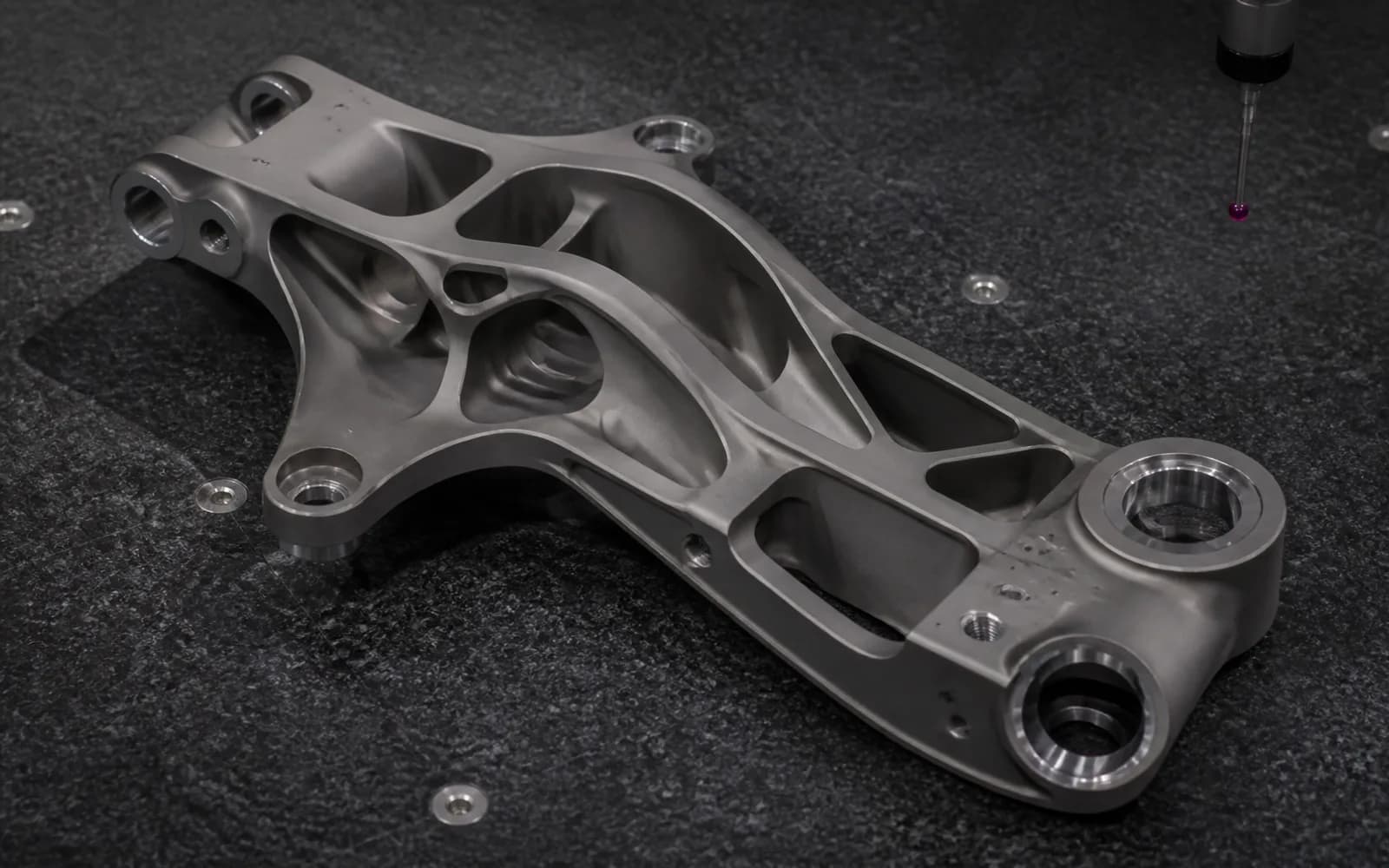
Structural parts that keep interfaces aligned without carrying unnecessary mass.
CNC Machined Manifolds
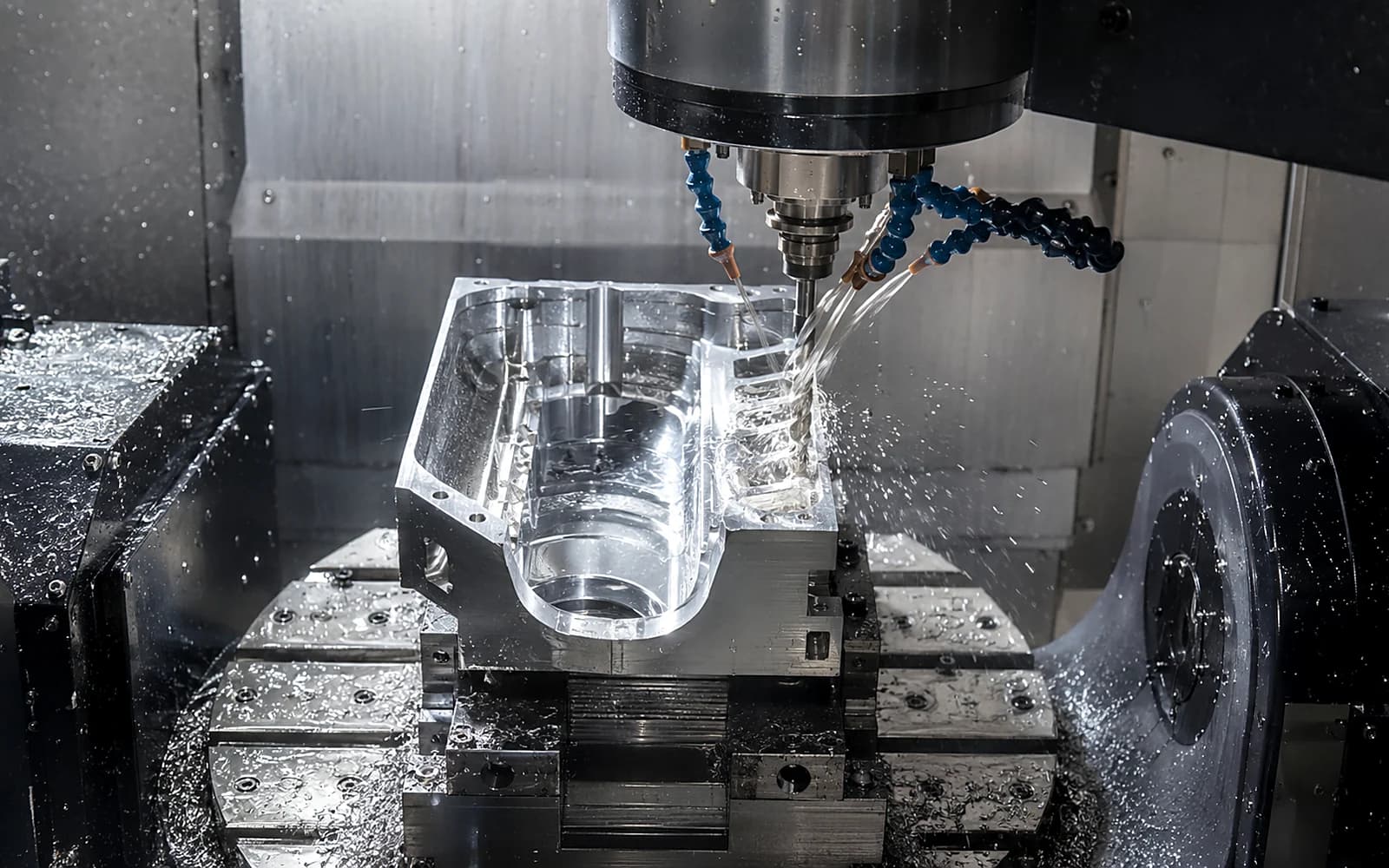
Cross-drilled flow paths, clean intersections and sealing geometry controlled as one part.
CNC Machined Shafts & Pins
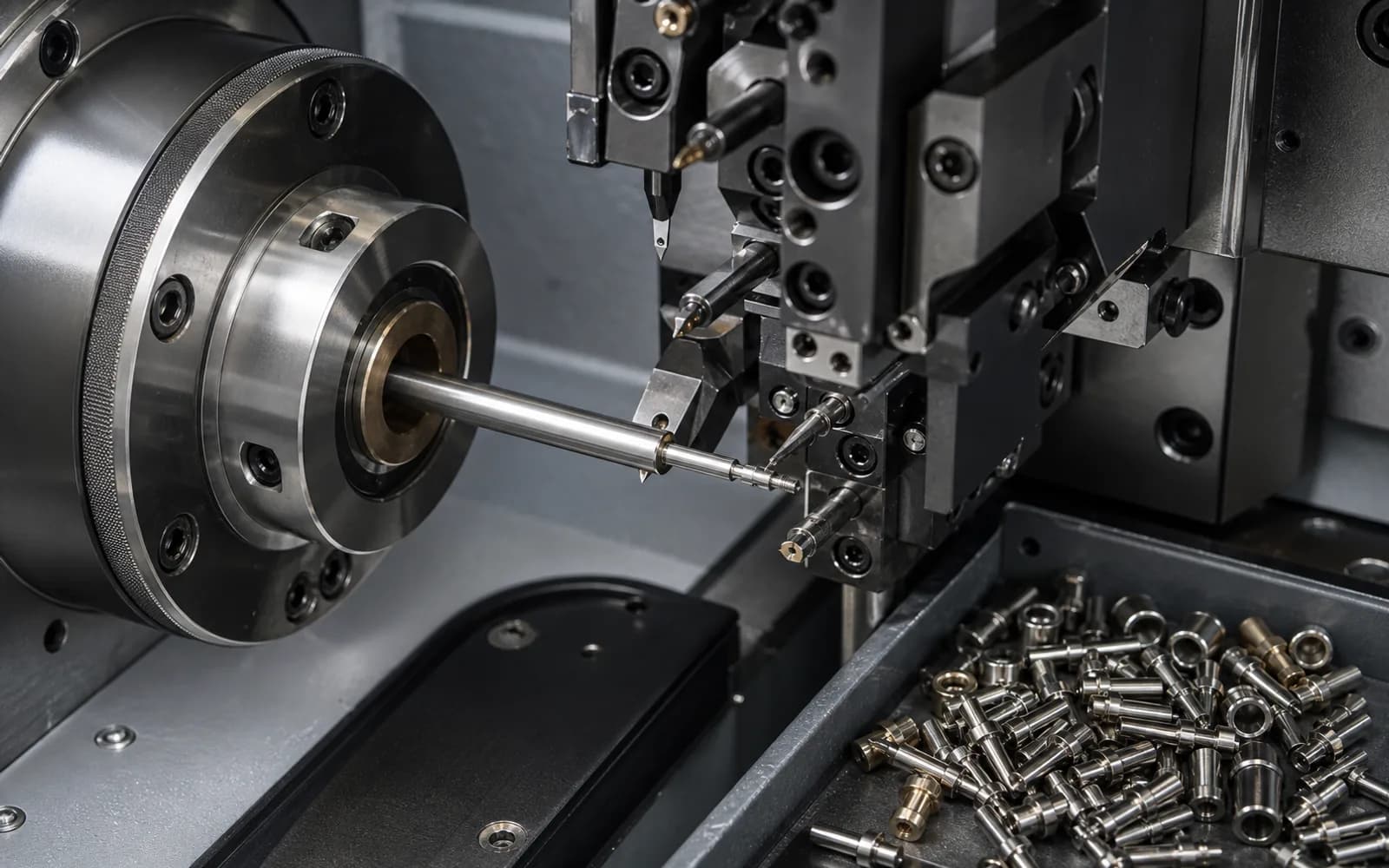
Turned geometry with bearing fits, threads and runout controlled from a common datum axis.
Have a part in mind?
Upload CAD or drawings. Eligible CNC work gets an instant estimate; other processes move to engineer review. NDA-protected from the first byte.
Start an RFQ