Custom CNC parts
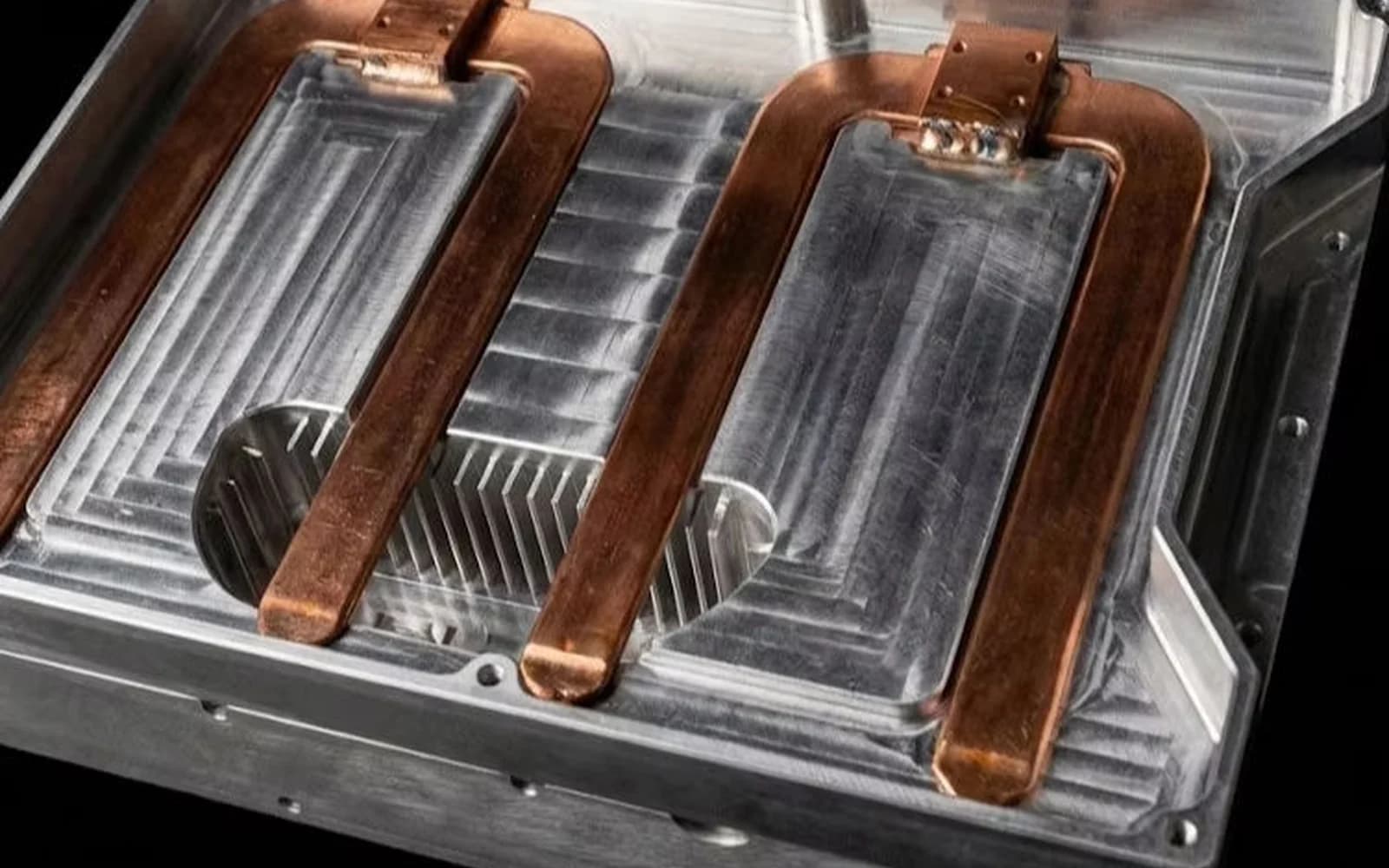
CNC Machined Heat Sinks & Cold Plates
Thermal surfaces, flow channels and sealed interfaces manufactured as one controlled system.
Direct answer
CNC machining is appropriate for custom thermal parts when chip location, mounting pattern, flatness, internal channels or prototype quantity prevents use of an extrusion or standard cooler. Aluminum 6061 balances machining, mass and finishing; copper C110 improves conductivity but increases machining and weight considerations.
Typical applications
- AI accelerator and server cold plates
- Power-electronics heat sinks
- Laser and optics thermal bases
- Battery and inverter cooling plates
Recommended manufacturing route
- 01
Define the thermal interface, flow circuit, cover or joining route and test boundary.
- 02
Machine base datums, channels or fins while controlling thin-feature deflection.
- 03
Join or seal the cover using the approved process, then clean the flow path.
- 04
Inspect flatness and perform the specified leak or pressure test before packing.
Controls to put on the drawing
| Control | Quote guidance |
|---|---|
| Thermal interface | State flatness and surface finish over the actual chip or module contact zone. |
| Channel geometry | Avoid unreachable corners and provide wall margin around ports, screws and seals. |
| Joining method | Define brazed, friction-stir-welded, bonded or gasketed construction before quoting. |
| Leak acceptance | Specify medium, pressure, time, temperature and allowable leak rate. |
Recommended materials
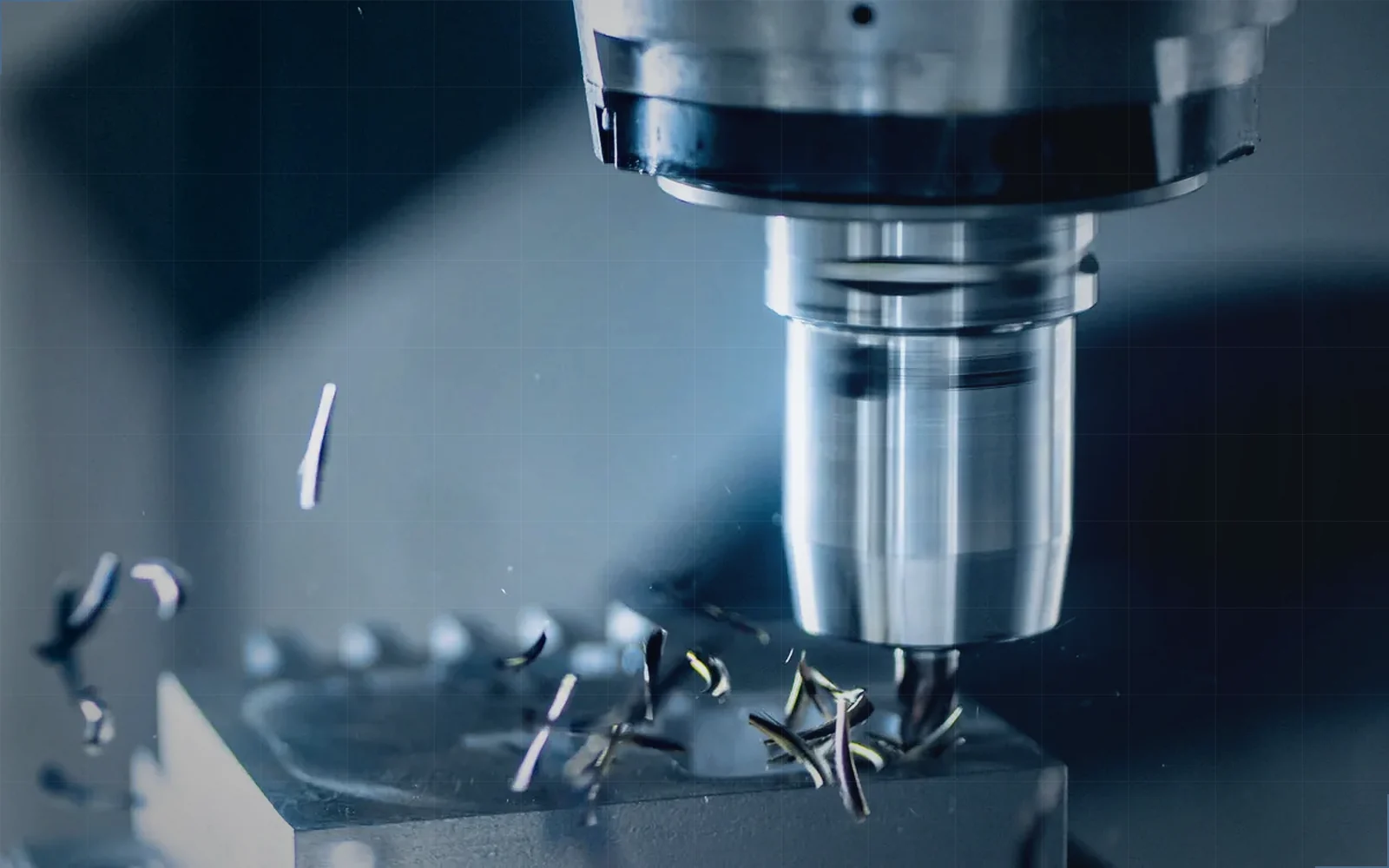
Aluminum 6061-T6
Common balance of thermal performance, mass, machining and corrosion protection.
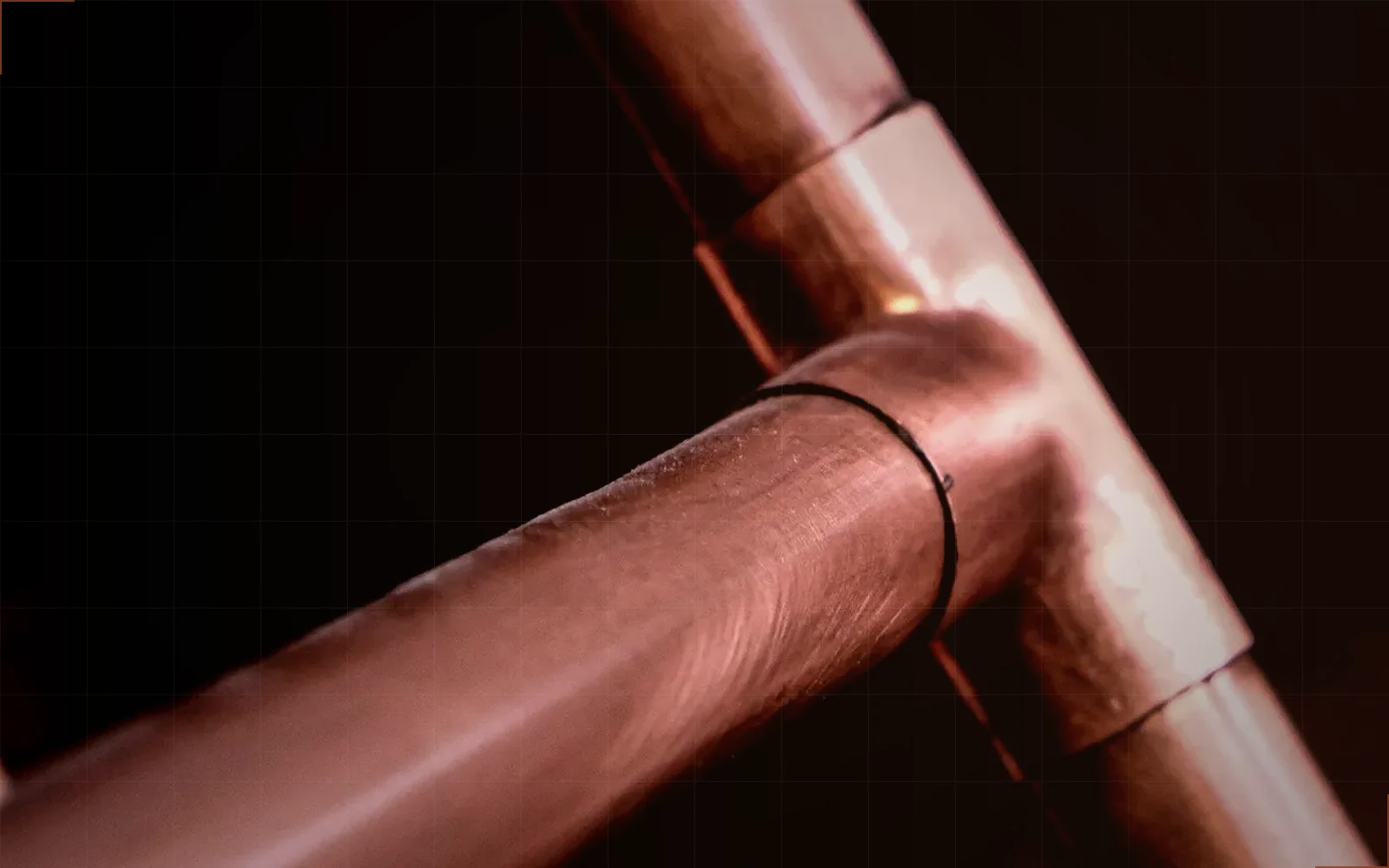
Copper C110
Higher conductivity for dense heat flux and electrical bus structures.
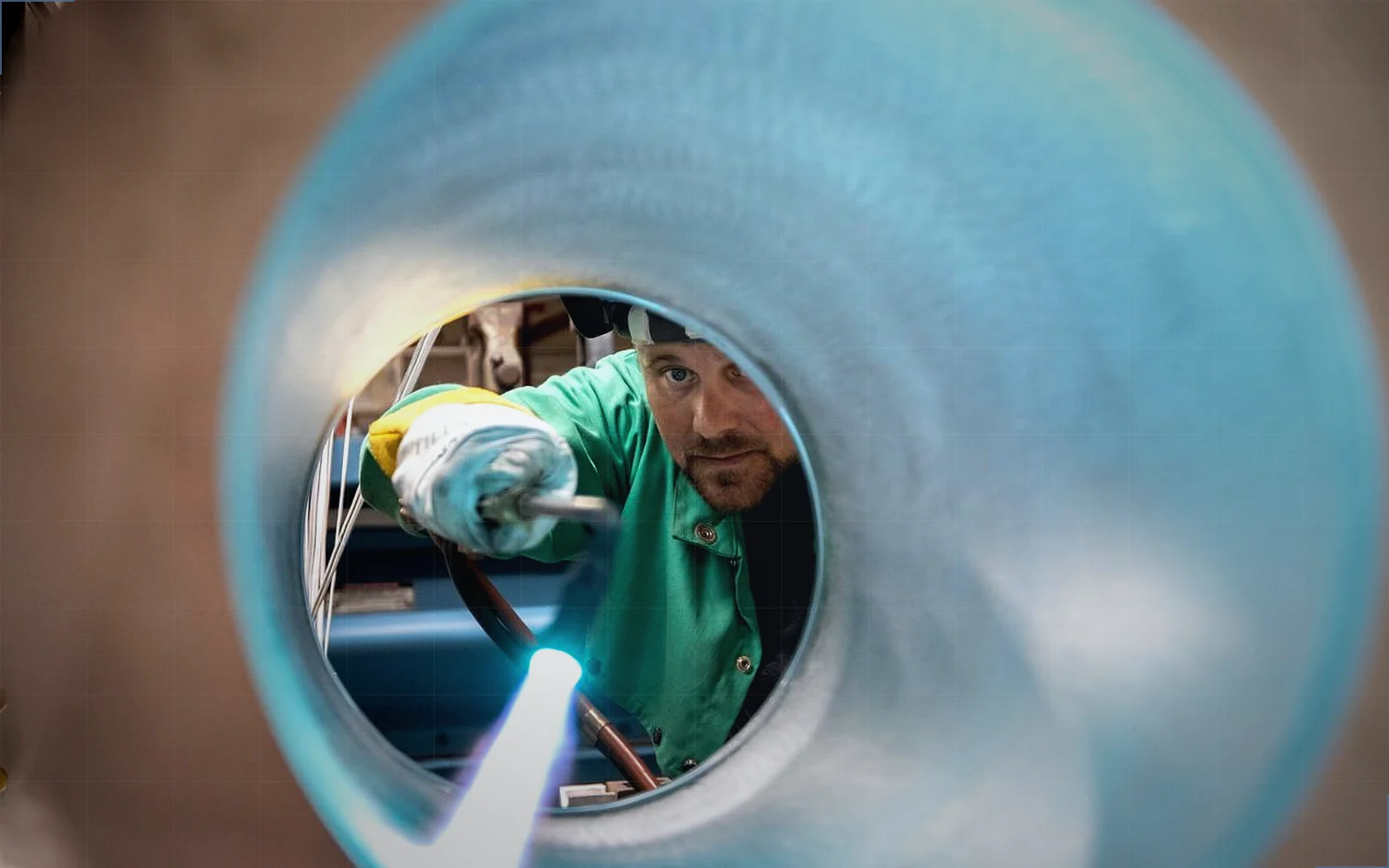
Aluminum 6063-T5
Useful when an extrusion-derived heat-sink form is part of the route.
Related processes
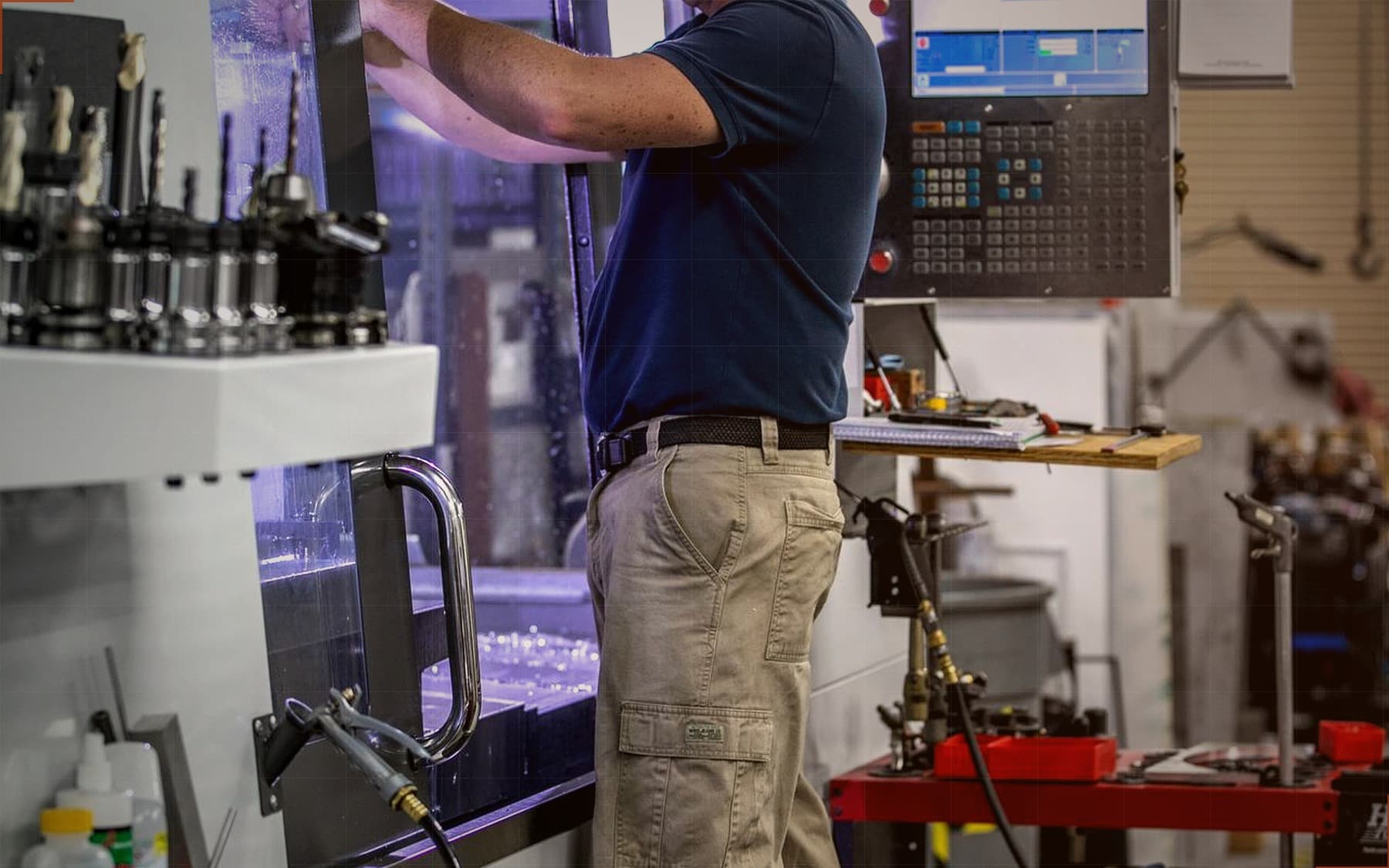
CNC Milling
3- and 4-axis vertical machining for housings, brackets, manifolds and structural parts.
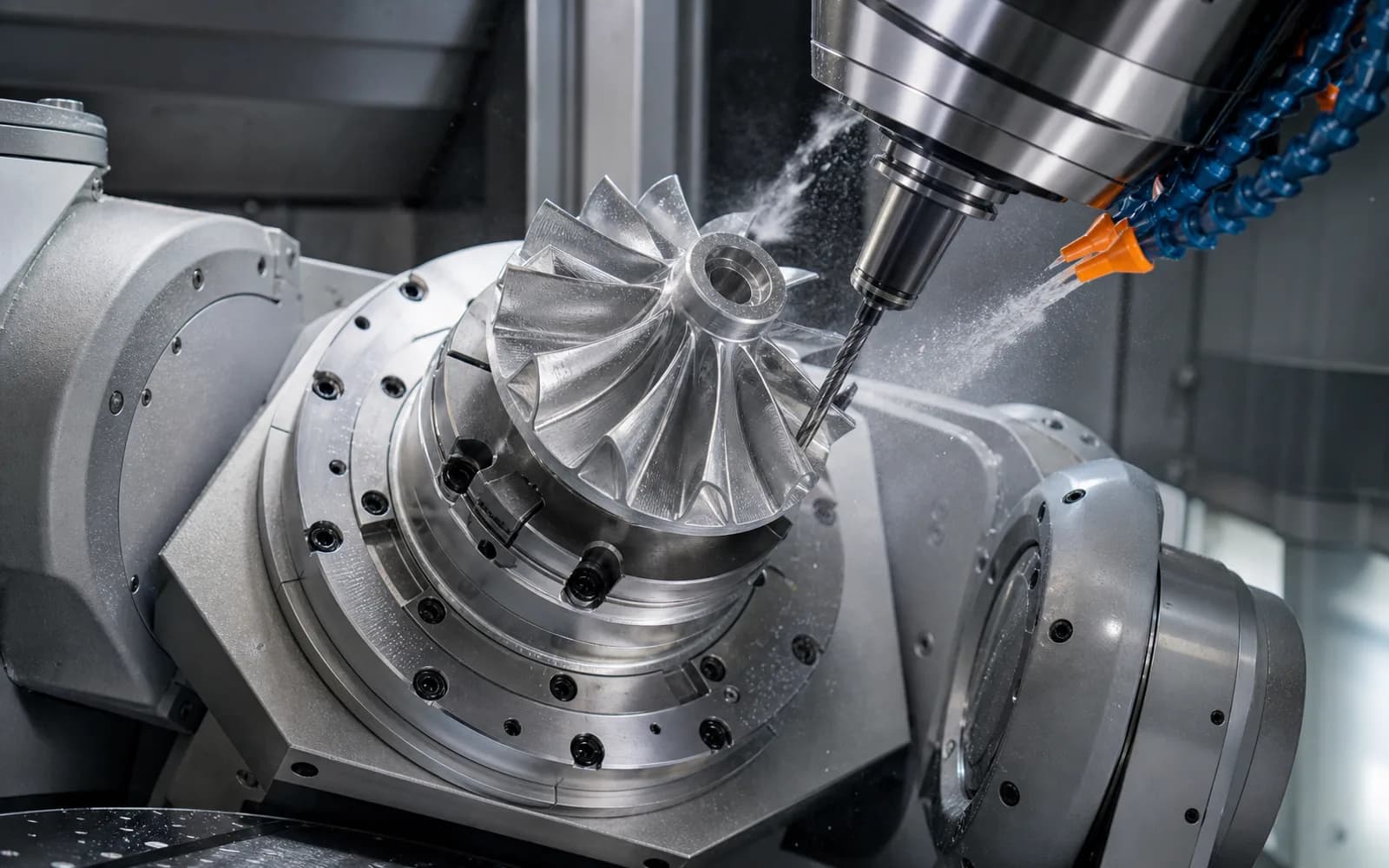
5-Axis Machining
Simultaneous 5-axis machining for impellers, freeform surfaces and compound-angle features.
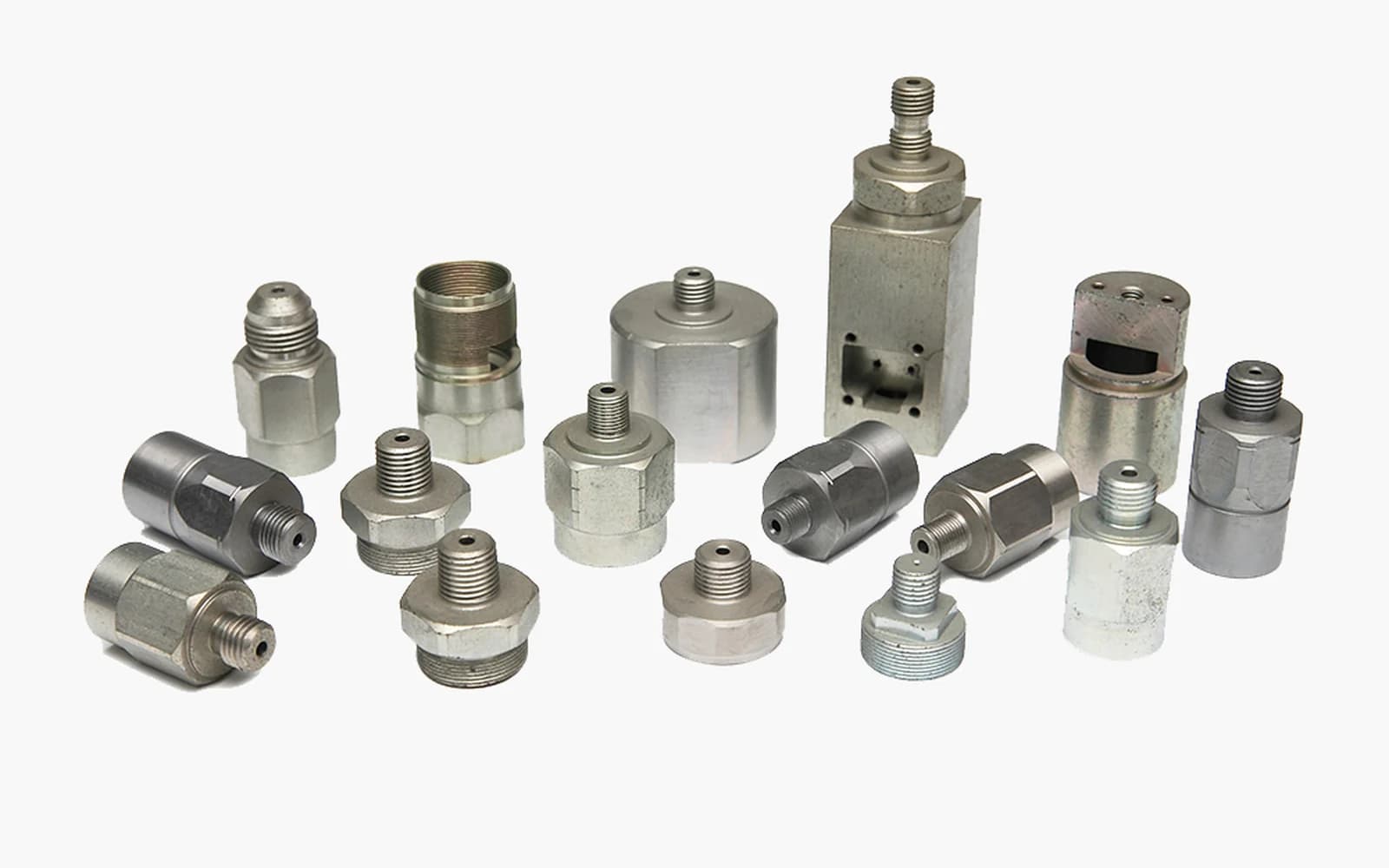
Production Machining
Dedicated fixturing, in-process CMM and SPC documentation for repeatable volume runs.
Compatible finishes
Inspection scope to define in the RFQ
- Flatness and roughness report for the thermal interface
- Pressure or leak test using RFQ-defined acceptance criteria
- Cleanliness and channel-flow verification when specified
Related engineering guides
CNC Machined Heat Sinks & Cold Plates buyer questions
01Can FabVector machine both air-cooled heat sinks and liquid cold plates?
Yes. Air-cooled parts focus on fin geometry and base flatness; liquid parts add channels, ports, joining, cleaning and a defined leak-test scope.
02Is copper always better than aluminum for a cold plate?
No. Copper conducts heat better, but aluminum is lighter, easier to machine and often easier to protect from corrosion. Thermal load, coolant, galvanic pairing, mass and cost must be evaluated together.
03What leak-test information is required for a quote?
State test medium, pressure, dwell time, temperature, allowable leakage, port plugs and whether a certificate or raw data is required.
04Can the thermal interface be machined after joining?
Often yes, and post-join finishing can recover flatness affected by brazing or welding. The sequence depends on joint process, access, distortion risk and final coating.
Other custom CNC part families
CNC Machined Enclosures & Housings
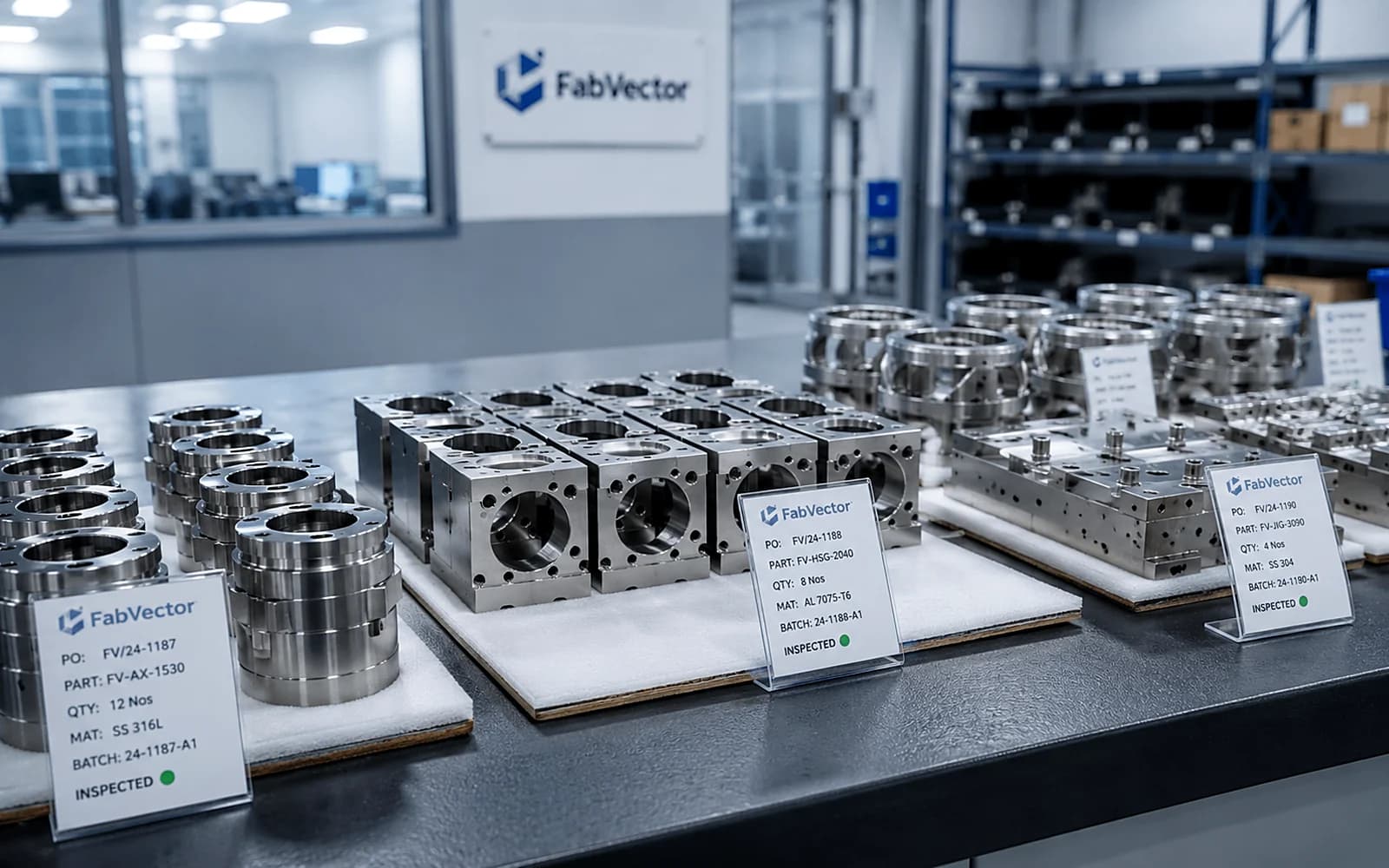
One-piece housings with controlled datums, sealed interfaces and assembly-ready finishes.
CNC Machined Brackets & Mounts
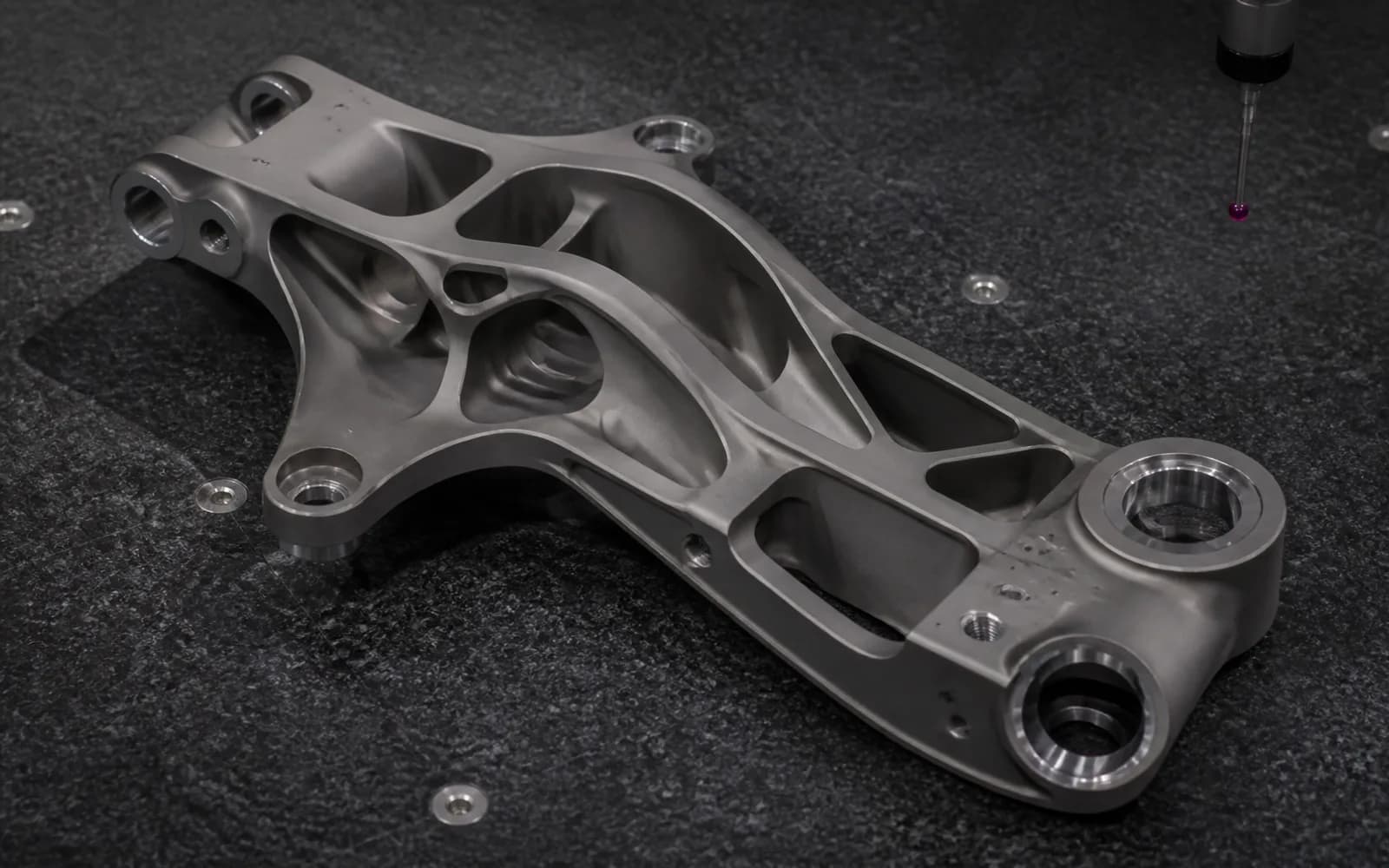
Structural parts that keep interfaces aligned without carrying unnecessary mass.
CNC Machined Manifolds
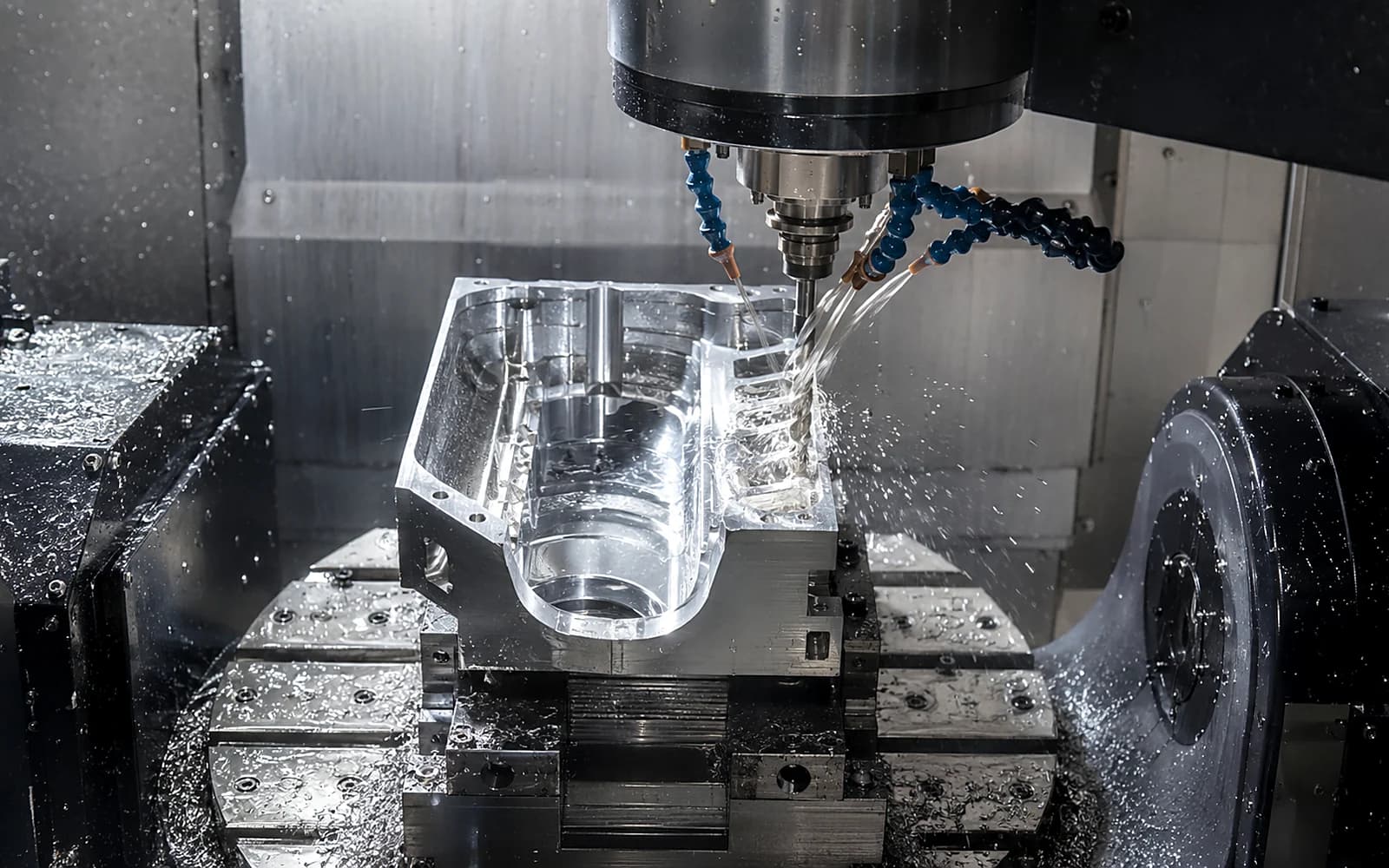
Cross-drilled flow paths, clean intersections and sealing geometry controlled as one part.
CNC Machined Shafts & Pins
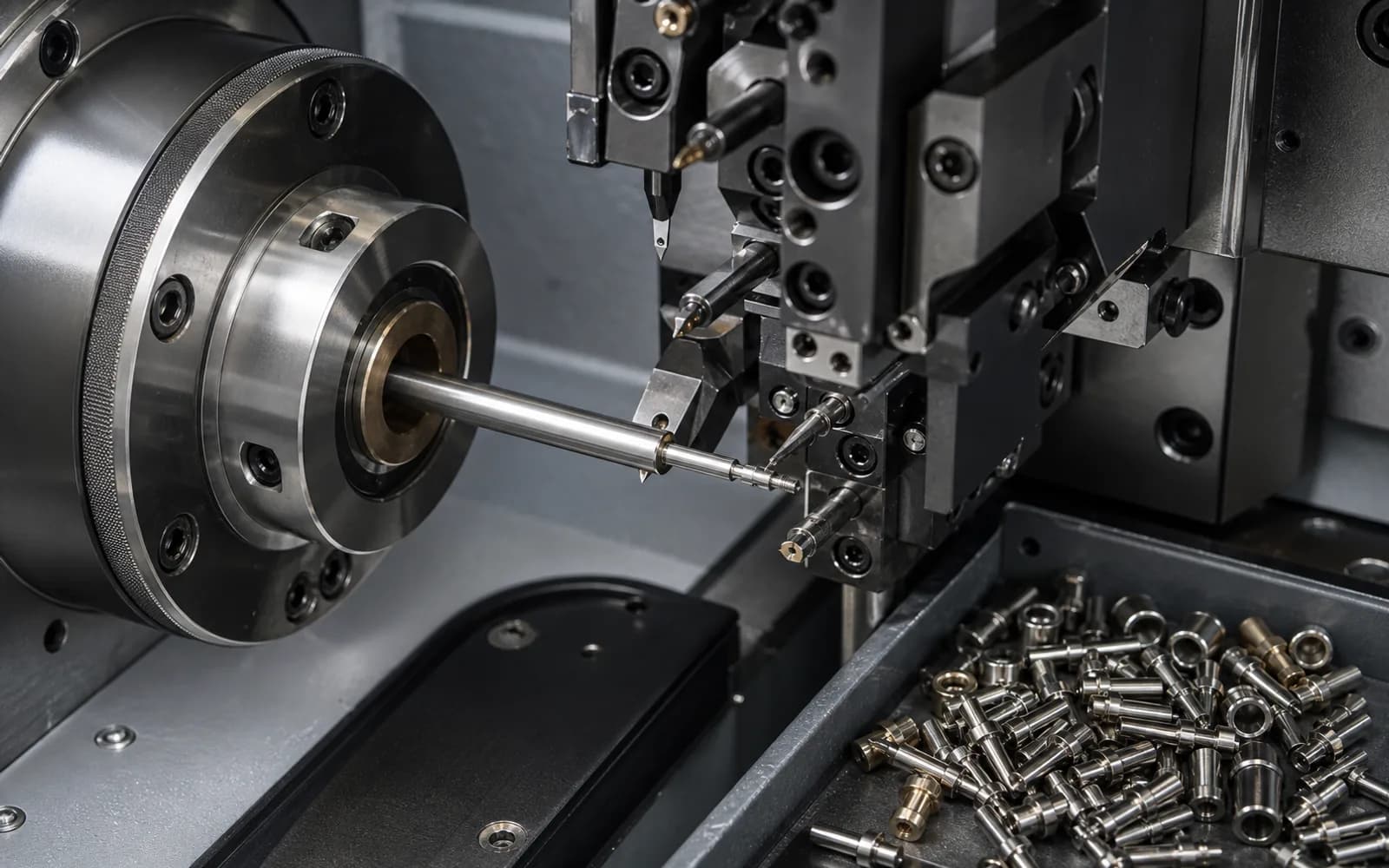
Turned geometry with bearing fits, threads and runout controlled from a common datum axis.
Have a part in mind?
Upload CAD or drawings. Eligible CNC work gets an instant estimate; other processes move to engineer review. NDA-protected from the first byte.
Start an RFQ