Custom CNC parts
CNC Machined Shafts & Pins
Turned geometry with bearing fits, threads and runout controlled from a common datum axis.
Direct answer
CNC turning is the primary process for shafts and pins because cylindrical features remain concentric in one setup. Live tooling adds flats, cross holes and key features; grinding is considered when bearing fits, surface finish or hardened material exceed the stable turning capability.
Typical applications
- Motor and gearbox shafts
- Pivot and clevis pins
- Hydraulic valve spools and rods
- Instrument and medical drive components
Recommended manufacturing route
- 01
Establish the datum axis between centers or from the functional journal.
- 02
Turn diameters, shoulders and threads with maximum one-setup continuity.
- 03
Add flats, cross holes or key features with live tooling or a second operation.
- 04
Grind, finish and inspect fits or runout when the drawing requires it.
Controls to put on the drawing
| Control | Quote guidance |
|---|---|
| Datum axis | Reference runout and coaxial features to the journal that locates the shaft in service. |
| Shoulder relief | Provide a relief or compatible mating chamfer where a bearing must seat against a shoulder. |
| Slenderness | Long small-diameter shafts may need steady support, grinding or a straightness agreement. |
| Heat treatment | Define hardness, case depth and whether dimensions apply before or after heat treatment. |
Recommended materials
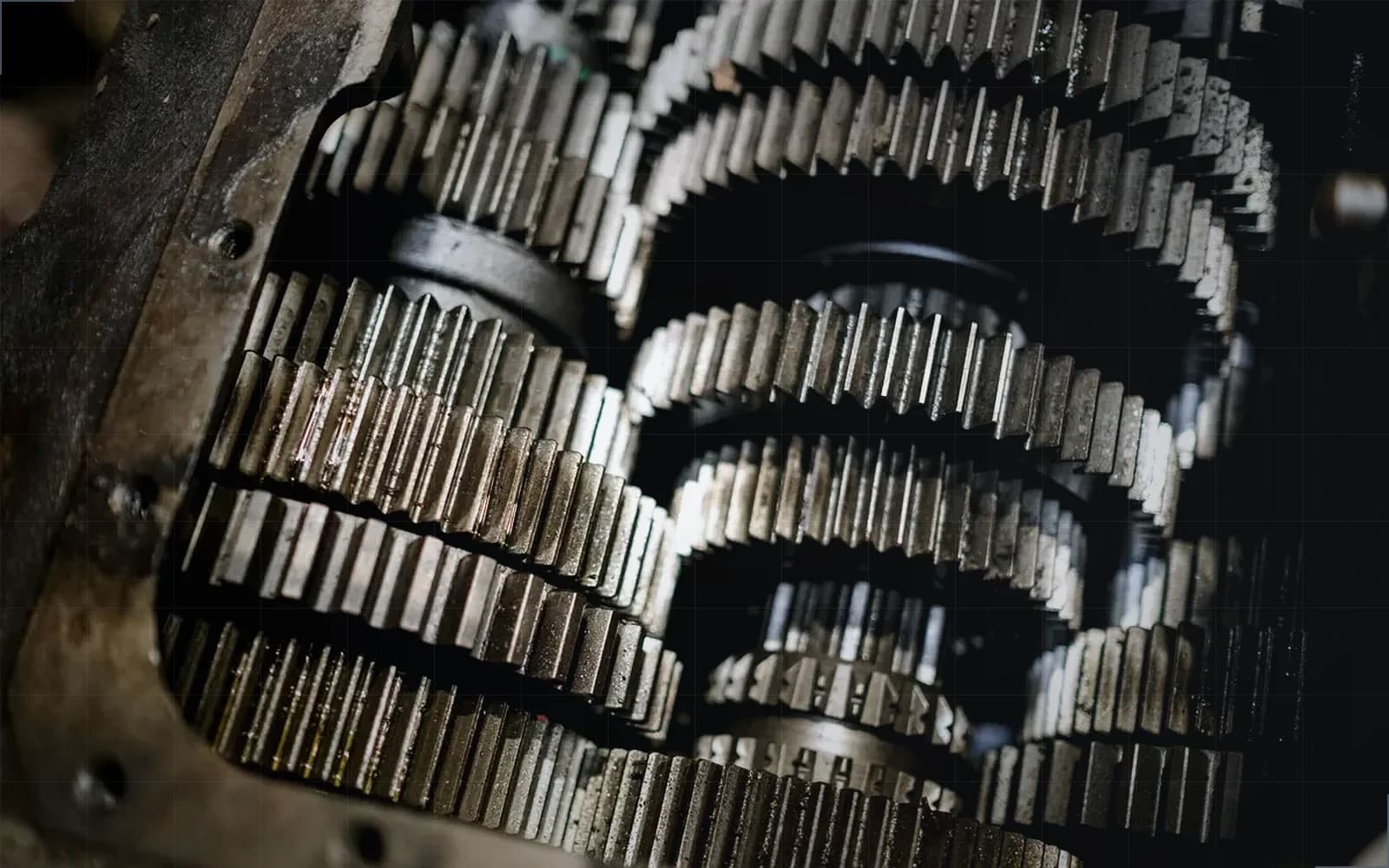
Alloy Steel 4140
Strong, heat-treatable shafts for industrial loads.
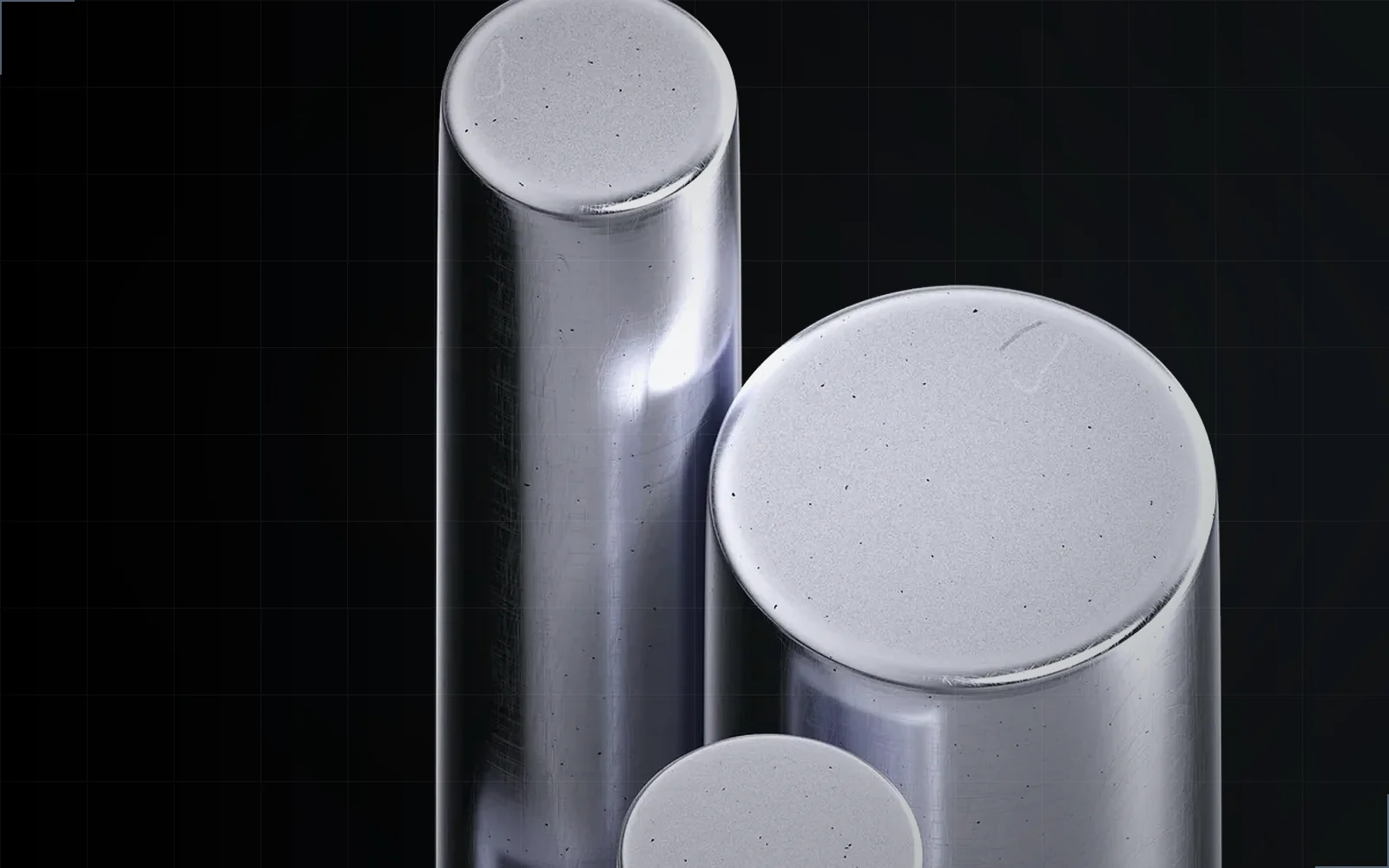
Stainless Steel 17-4 PH
Strength plus corrosion resistance for loaded precision parts.
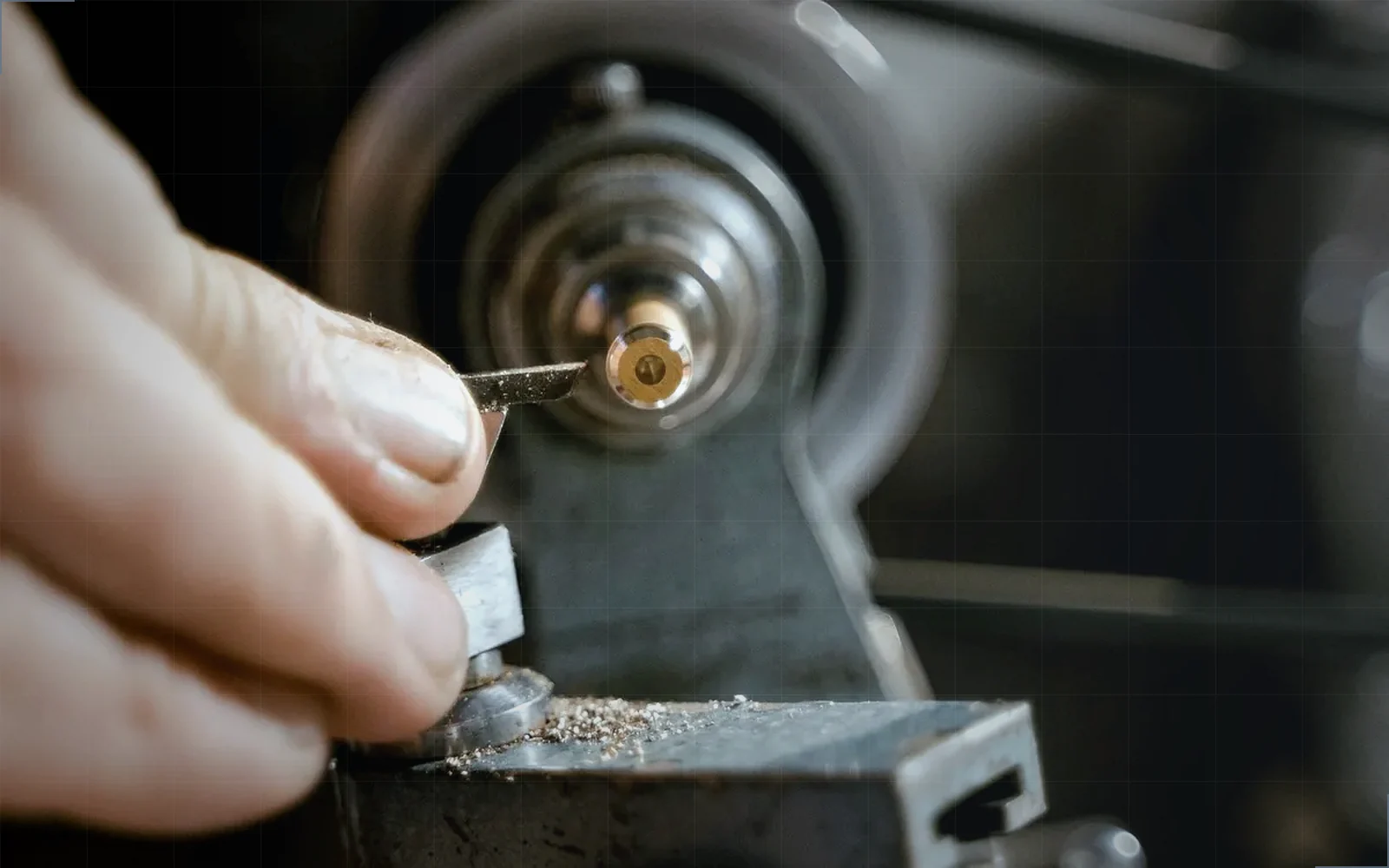
Stainless Steel 303
Efficient turning for moderate-duty corrosion-resistant pins.
Titanium Grade 5 (Ti-6Al-4V)
High strength-to-weight for aerospace and medical mechanisms.
Related processes
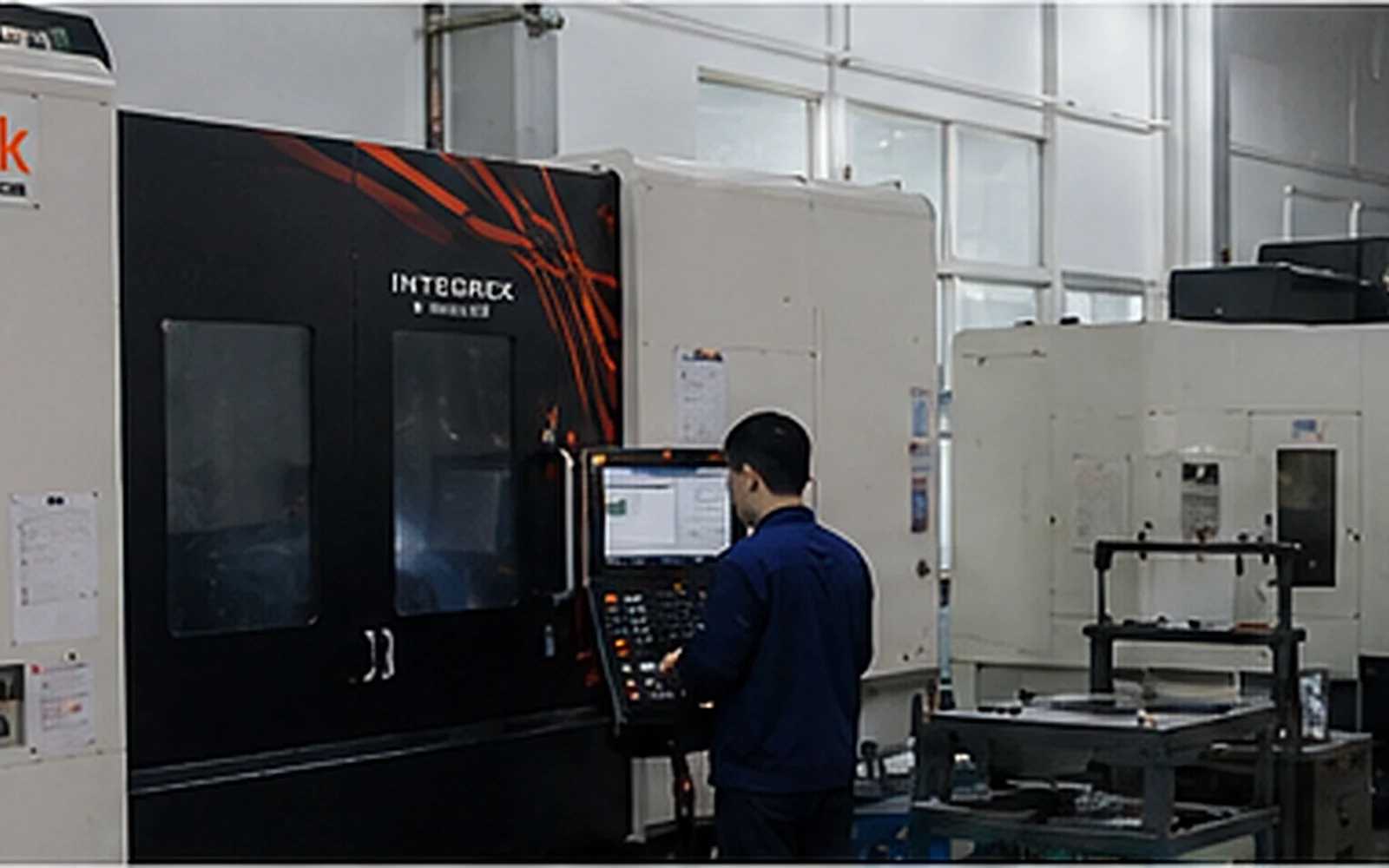
CNC Turning
Live-tooling lathes for shafts, pins, bushings and threaded fittings up to Ø406 mm.
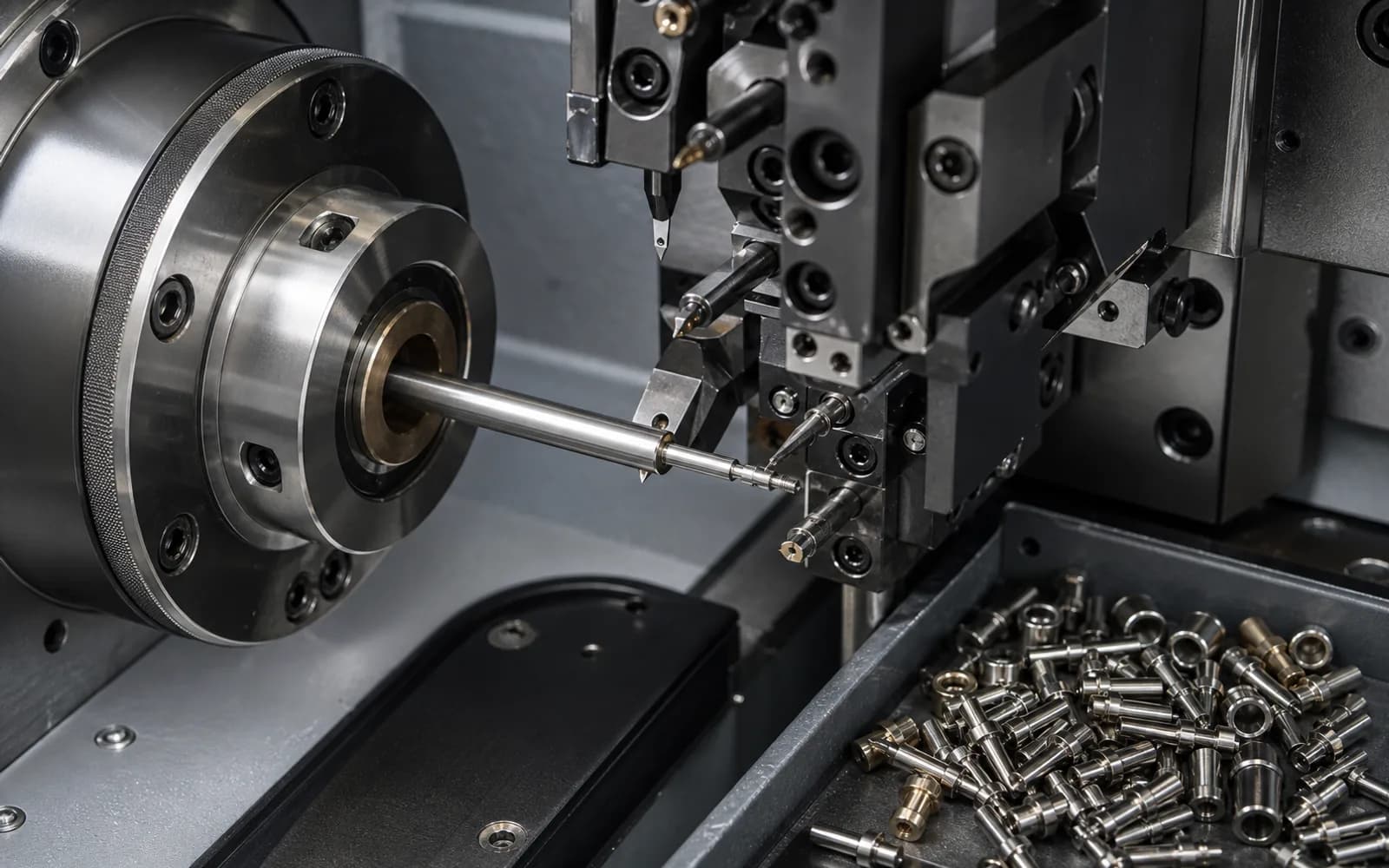
Swiss-Type Machining
Sliding-headstock lathes for small, slender, high-precision turned parts from Ø1 mm.
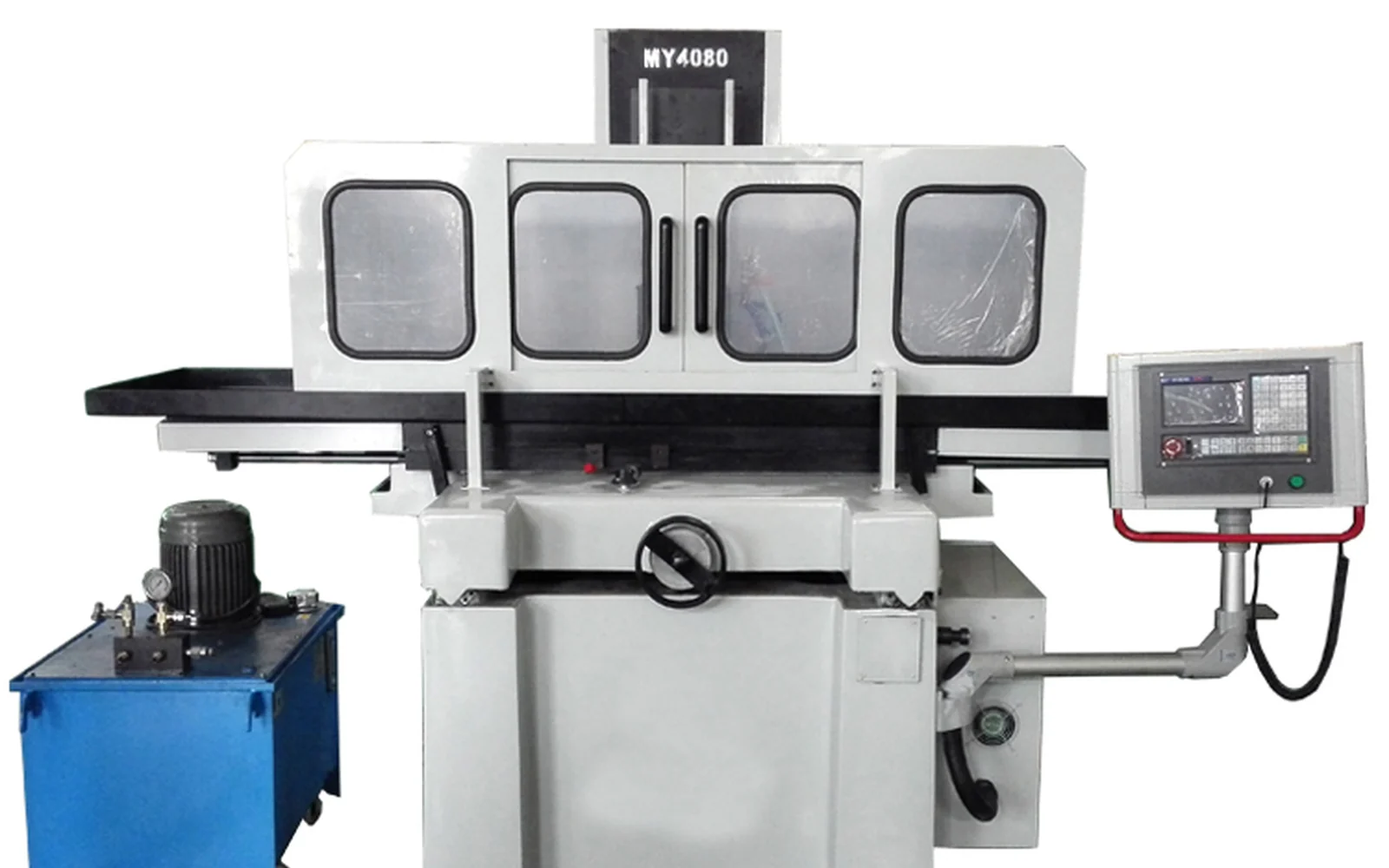
Surface Grinding
Abrasive finishing for flatness, parallelism and tight thickness control on hardened parts.
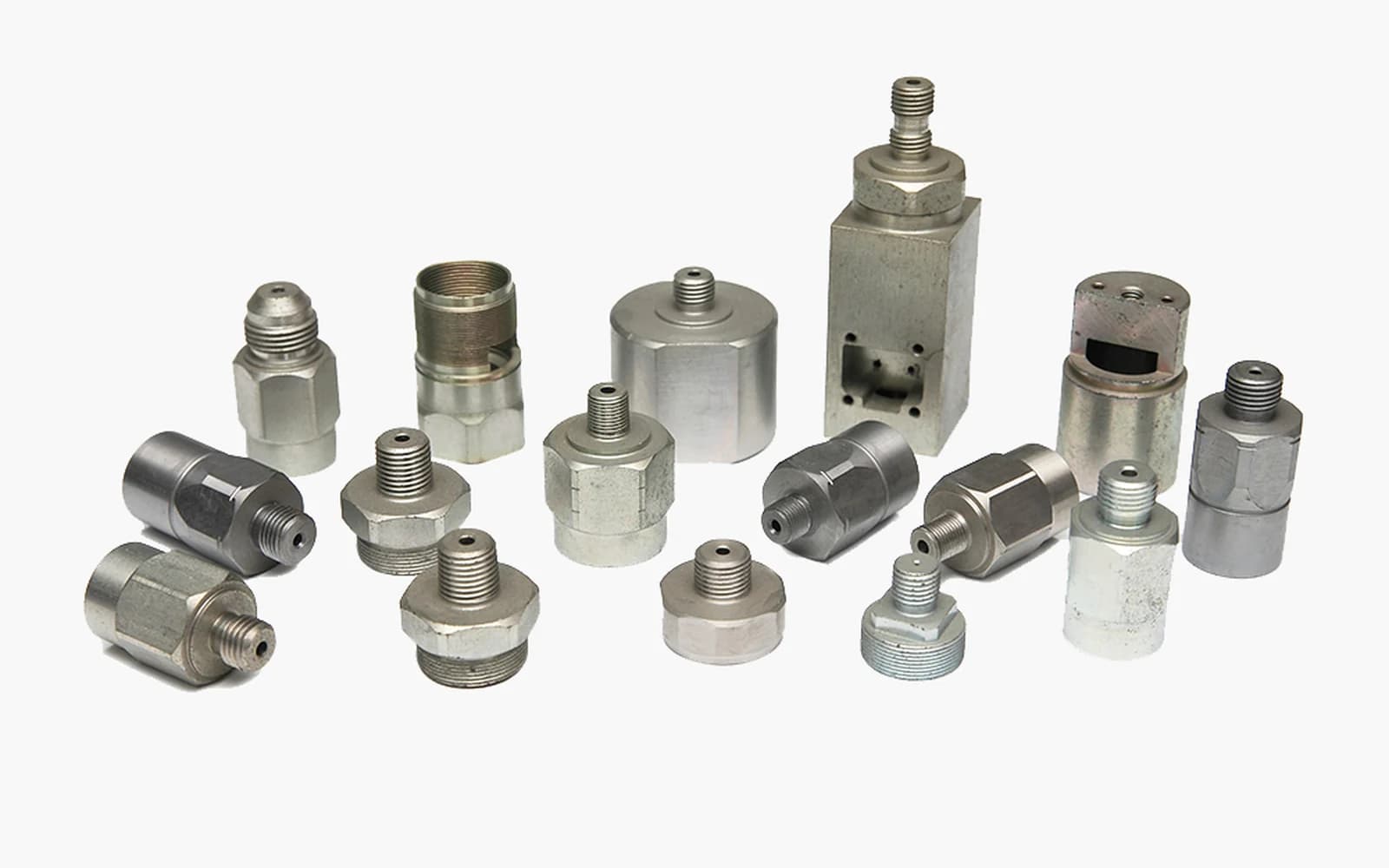
Production Machining
Dedicated fixturing, in-process CMM and SPC documentation for repeatable volume runs.
Compatible finishes
Inspection scope to define in the RFQ
- Micrometer or air-gauge results for fit diameters
- Runout, concentricity or position from the specified datum axis
- Thread gauges, hardness and surface finish when specified
Related engineering guides
CNC Machined Shafts & Pins buyer questions
01What tolerance can be held on a turned shaft diameter?
FabVector publishes capability to +/-0.003 mm on selected turned diameters, but the achievable tolerance depends on length, diameter, material, heat treatment and inspection method. The drawing must identify only the fit diameters that need it.
02When is cylindrical grinding needed after turning?
Grinding is considered for hardened journals, fine surface finish, close roundness or diameter tolerance, and long bearing fits where turning alone is not stable enough.
03Can flats and cross holes be made in the same operation?
Often yes on a live-tooling lathe, depending on feature orientation and tool access. Consolidating operations can improve relationship to the turned datum and reduce handling.
04What quantity is suitable for custom shafts?
One-off replacements, prototypes and repeat bar-fed batches are all quotable. Batch economics improve when stock diameter, cutoff, workholding and inspection can be standardized.
Other custom CNC part families
CNC Machined Enclosures & Housings
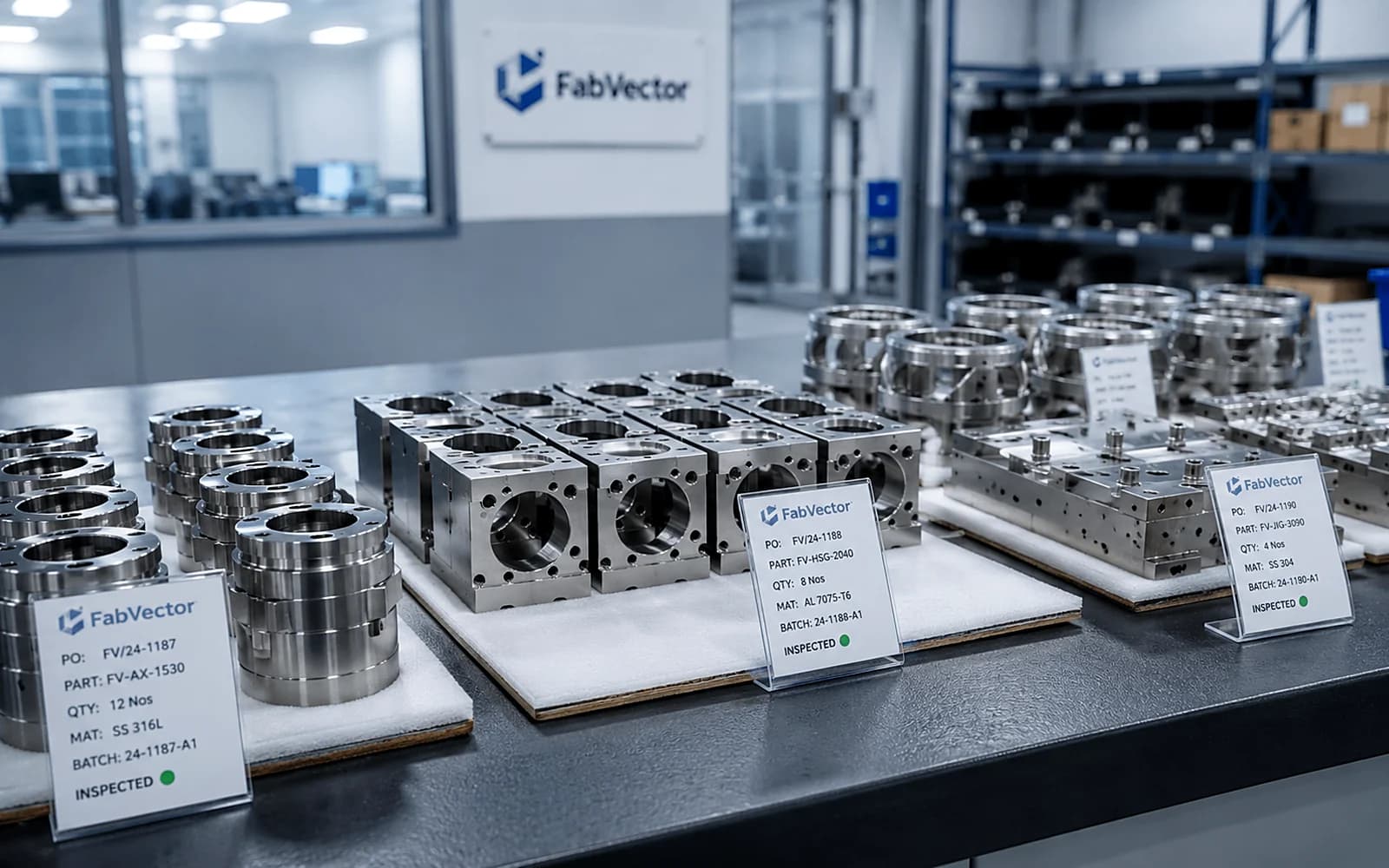
One-piece housings with controlled datums, sealed interfaces and assembly-ready finishes.
CNC Machined Brackets & Mounts
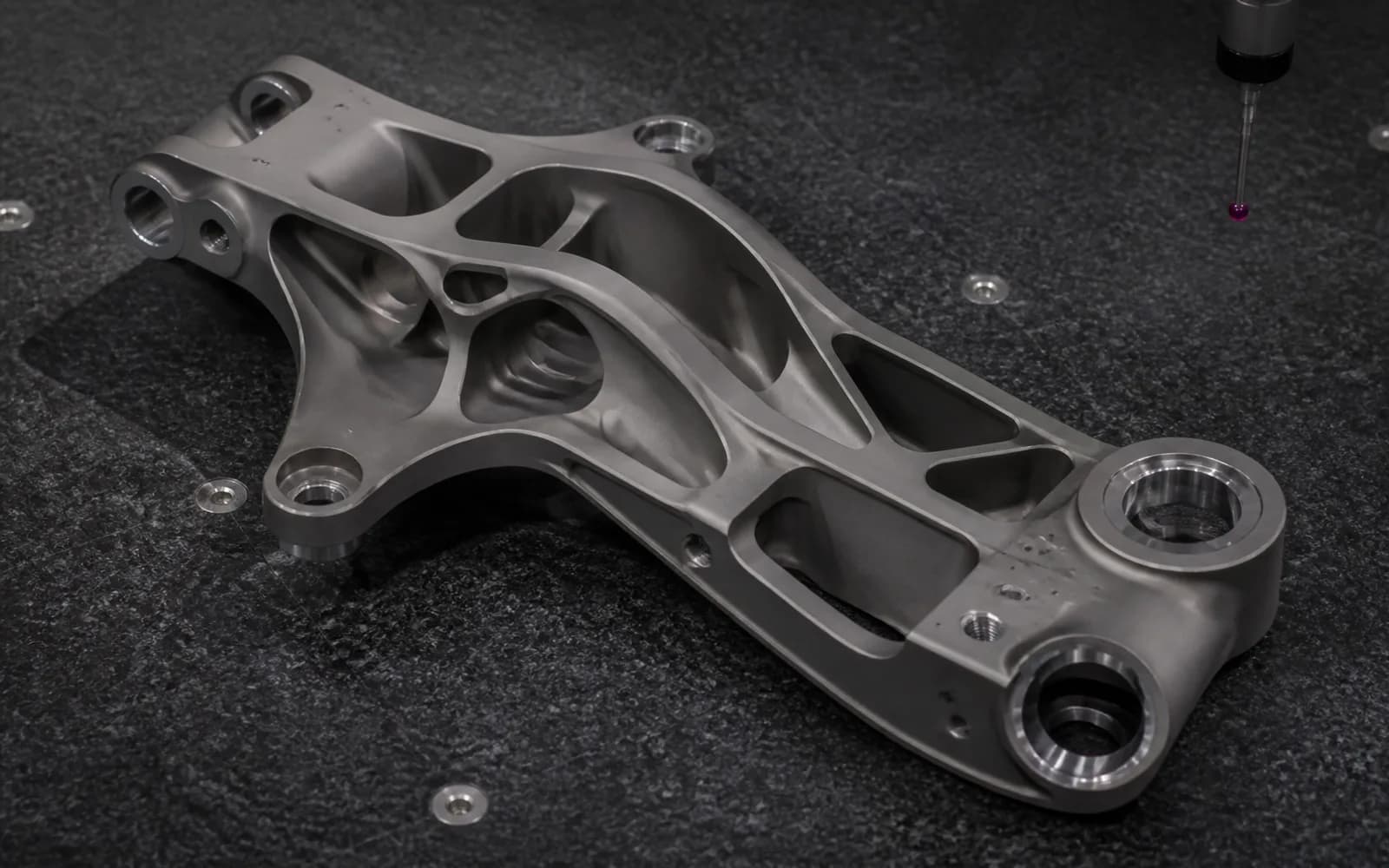
Structural parts that keep interfaces aligned without carrying unnecessary mass.
CNC Machined Manifolds
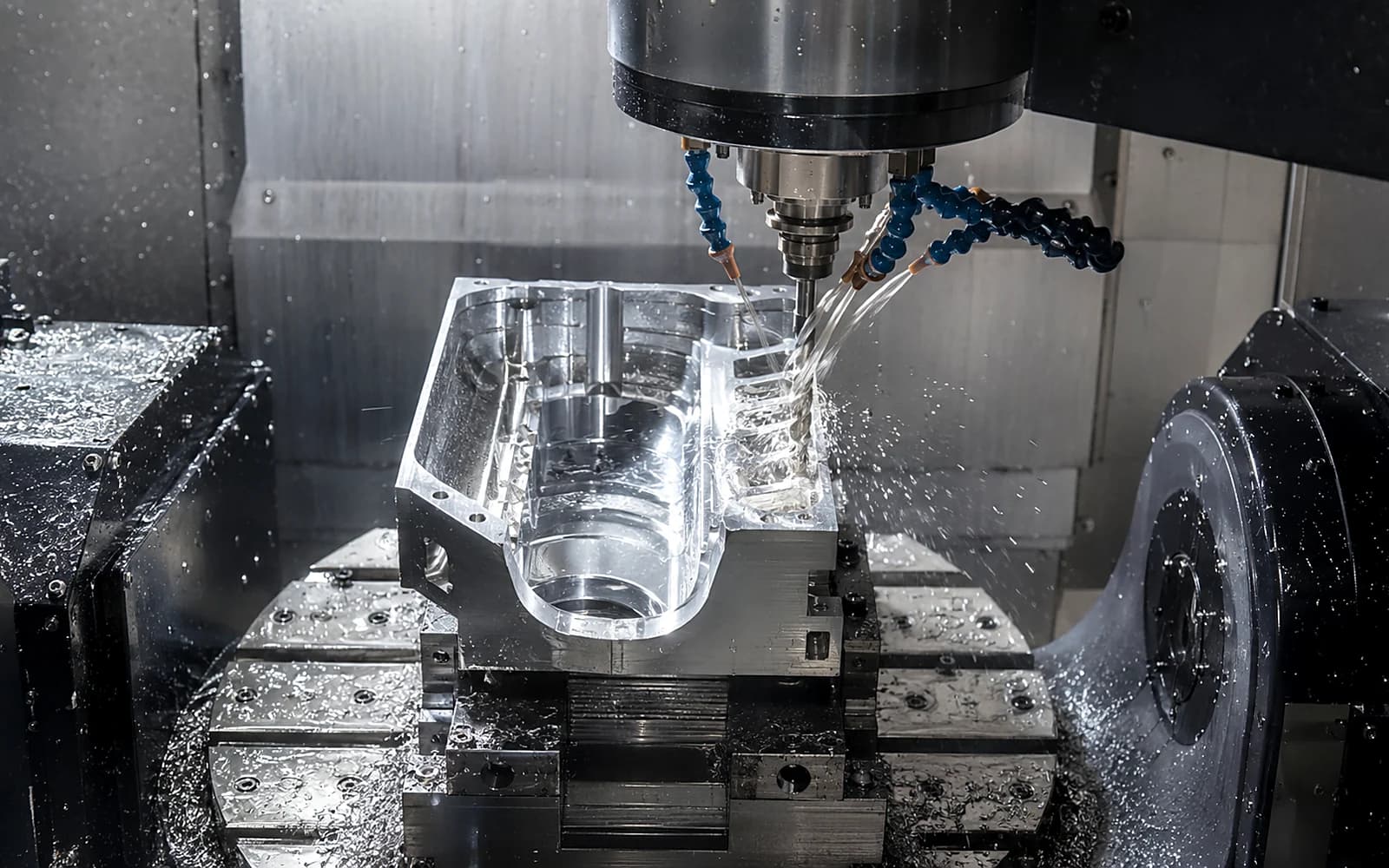
Cross-drilled flow paths, clean intersections and sealing geometry controlled as one part.
CNC Machined Bushings & Sleeves
Bore-first turned components for controlled clearance, wear and alignment.
Have a part in mind?
Upload CAD or drawings. Eligible CNC work gets an instant estimate; other processes move to engineer review. NDA-protected from the first byte.
Start an RFQ