New Energy Vehicle Parts
EV Inverter & Controller Housings
Sealed, thermally stable aluminum housings for EV power electronics.
Direct answer
EV inverter housings combine enclosure, sealing and thermal functions. The RFQ should tie connector locations, power-module mounting flatness, O-ring grooves, coolant ports and post-anodize interfaces to a common datum system, then state leak-test and cleanliness acceptance separately.
Components and applications
- Traction inverter housings
- Motor-control unit cases
- On-board charger housings
- DC/DC converter enclosures
Recommended manufacturing route
- 01
Rough cavities while the housing remains structurally supported.
- 02
Finish power-module, seal and connector interfaces from controlled datums.
- 03
Apply conversion or anodic finish with defined masking.
- 04
Inspect, clean and leak-test to the RFQ condition.
Drawing and RFQ controls
| Control | Quote guidance |
|---|---|
| Power-module flatness | State flatness and surface finish over the actual thermal contact area. |
| O-ring groove | Define gland standard, corner radii and surface condition. |
| Coolant test | State medium, pressure, dwell time and allowable leakage. |
Related processes
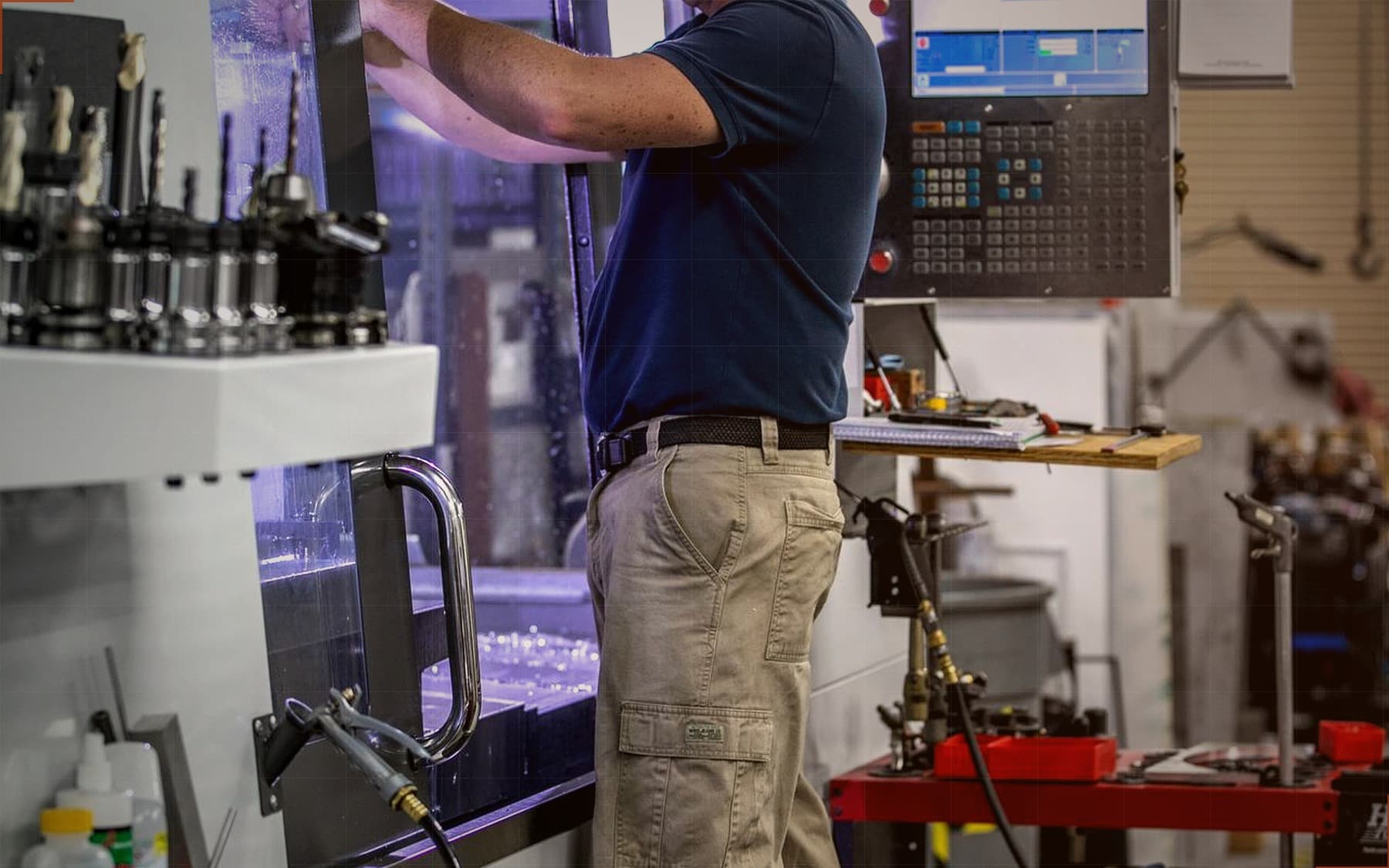
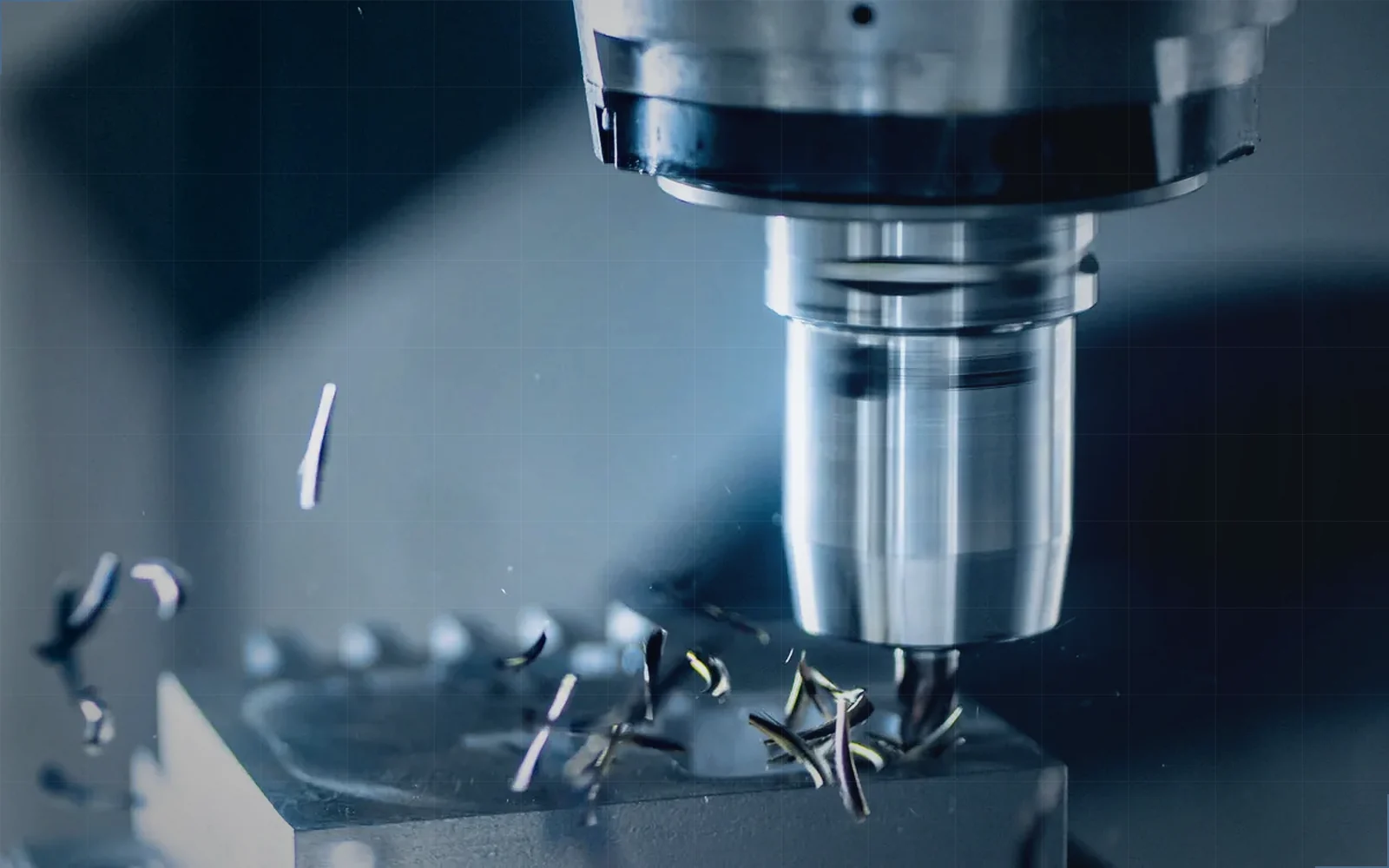
CNC Milling
3- and 4-axis vertical machining for housings, brackets, manifolds and structural parts.
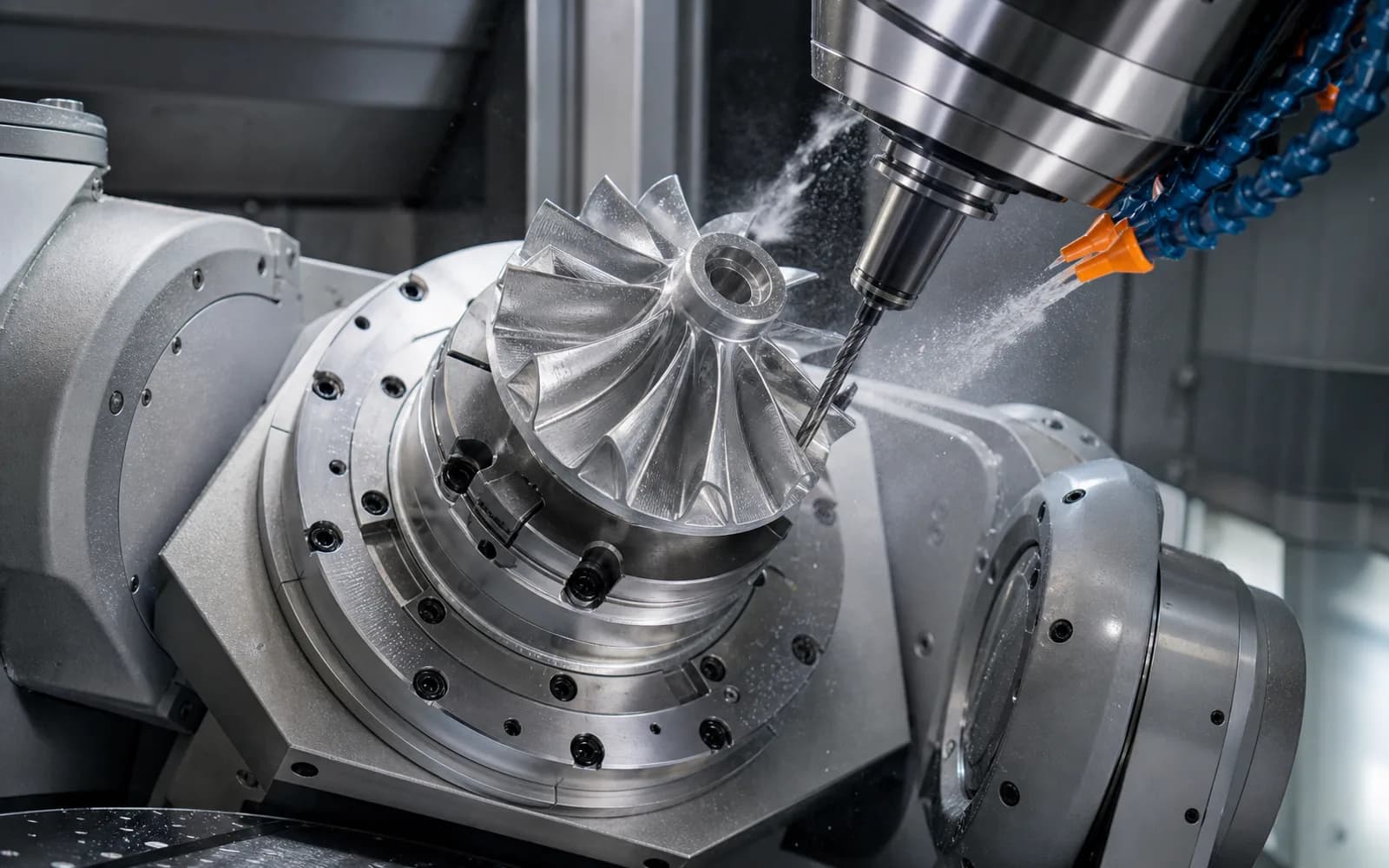
5-Axis Machining
Simultaneous 5-axis machining for impellers, freeform surfaces and compound-angle features.
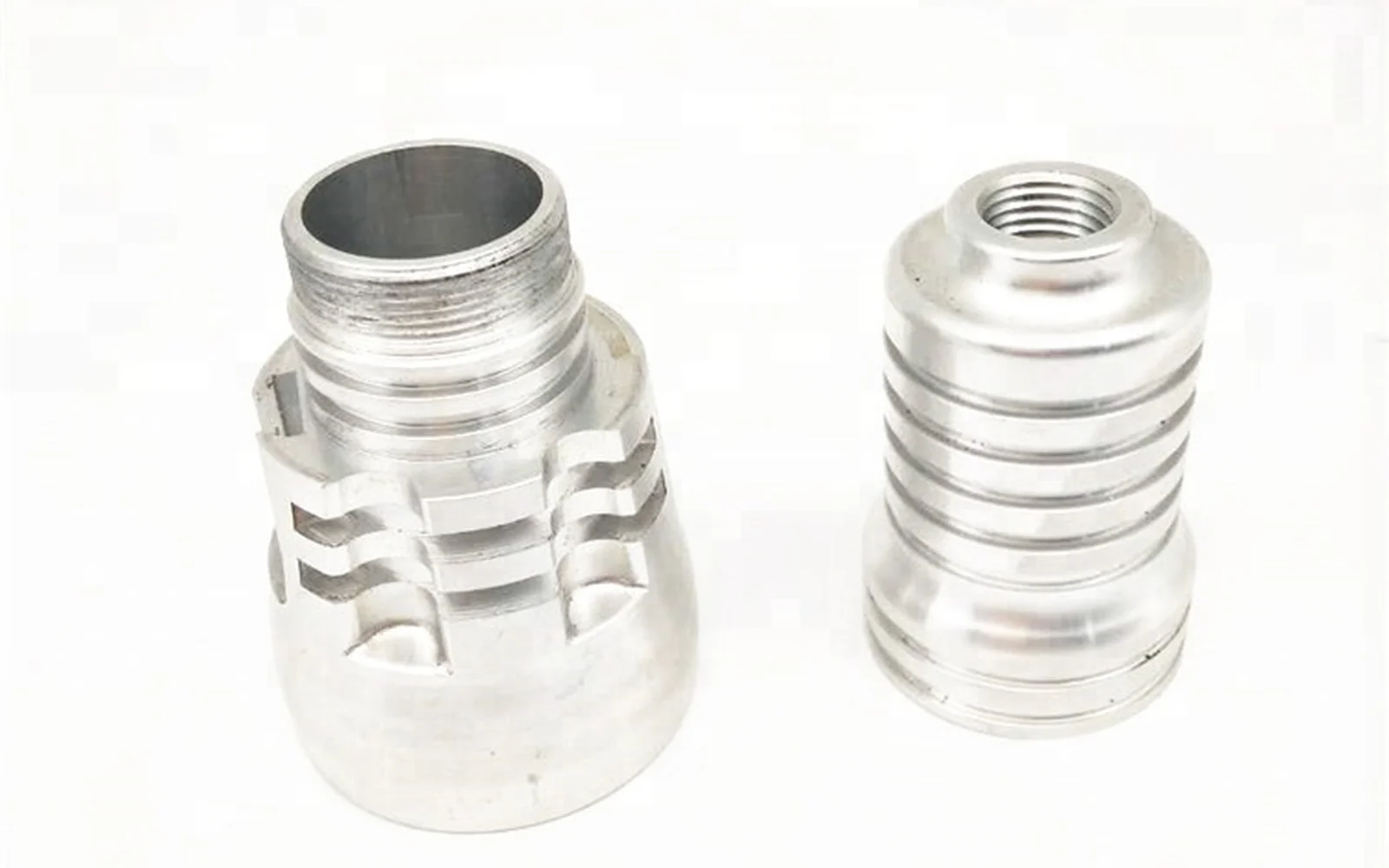
Prototype Machining
Functional prototypes in production-grade materials, shipped in days with DFM feedback included.
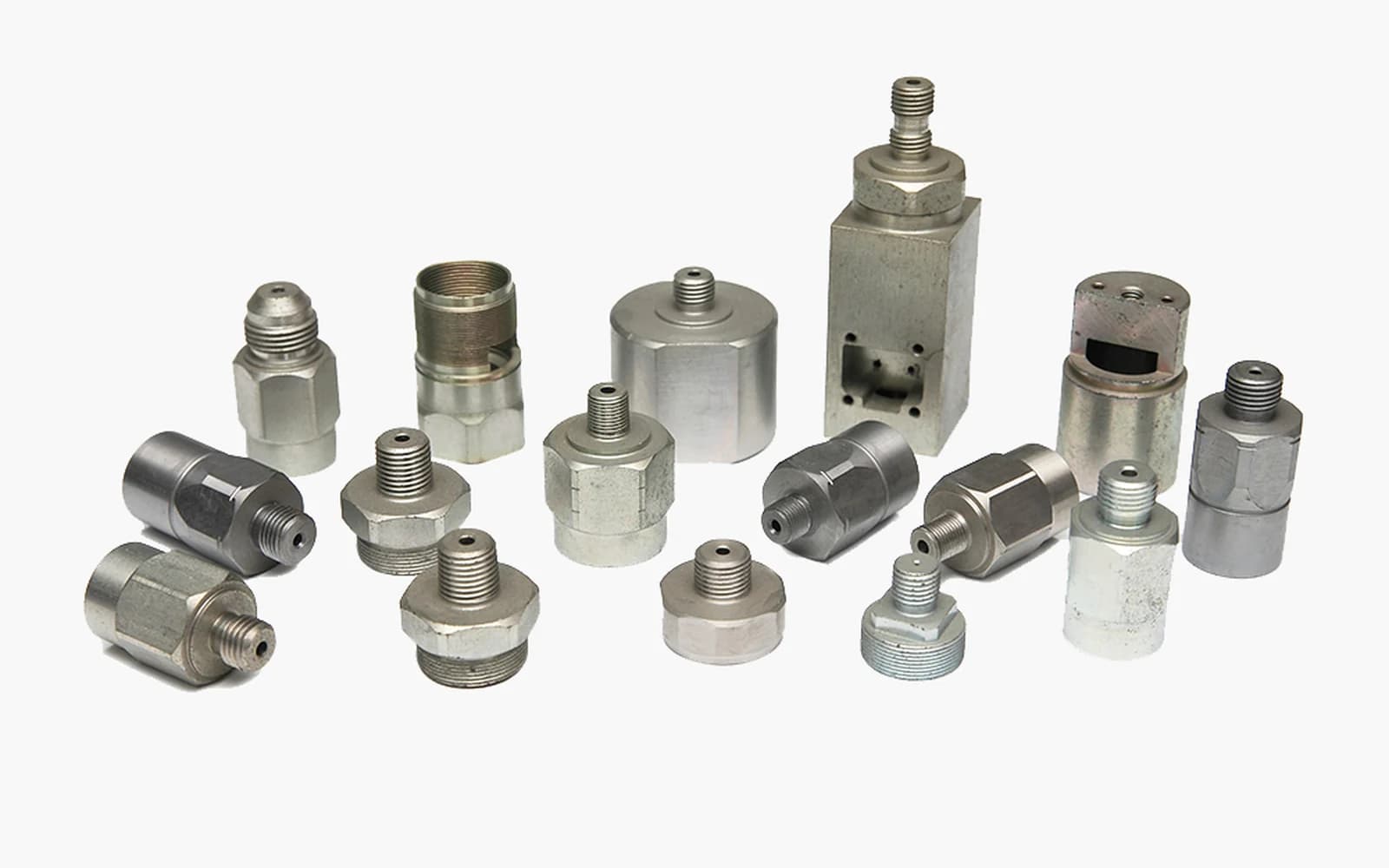
Production Machining
Dedicated fixturing, in-process CMM and SPC documentation for repeatable volume runs.
Compatible finishes
Inspection to define before production
- CMM report for connector, seal and mounting interfaces
- Flatness and roughness on thermal faces
- Documented leak test and cleanliness check when specified
Applicable standards and documentation
- IATF 16949 / PPAP
- Customer-required documentation can be planned at RFQ; this is not a certification claim.
- IP sealing design
- Machining supports the drawing; assembled IP rating remains the customer validation scope.
Related guides and hubs
EV Inverter & Controller Housings buyer questions
01Can an EV inverter housing be machined from billet for validation?
Yes. Billet parts are common for packaging, sealing and thermal validation, but the team must account for differences from the intended casting alloy and wall structure.
02Is leak testing included by default?
No. It must be quoted with the test medium, pressure, dwell time, port condition and acceptance threshold.
Other new energy vehicle parts solutions
EV Battery Busbars & Terminals
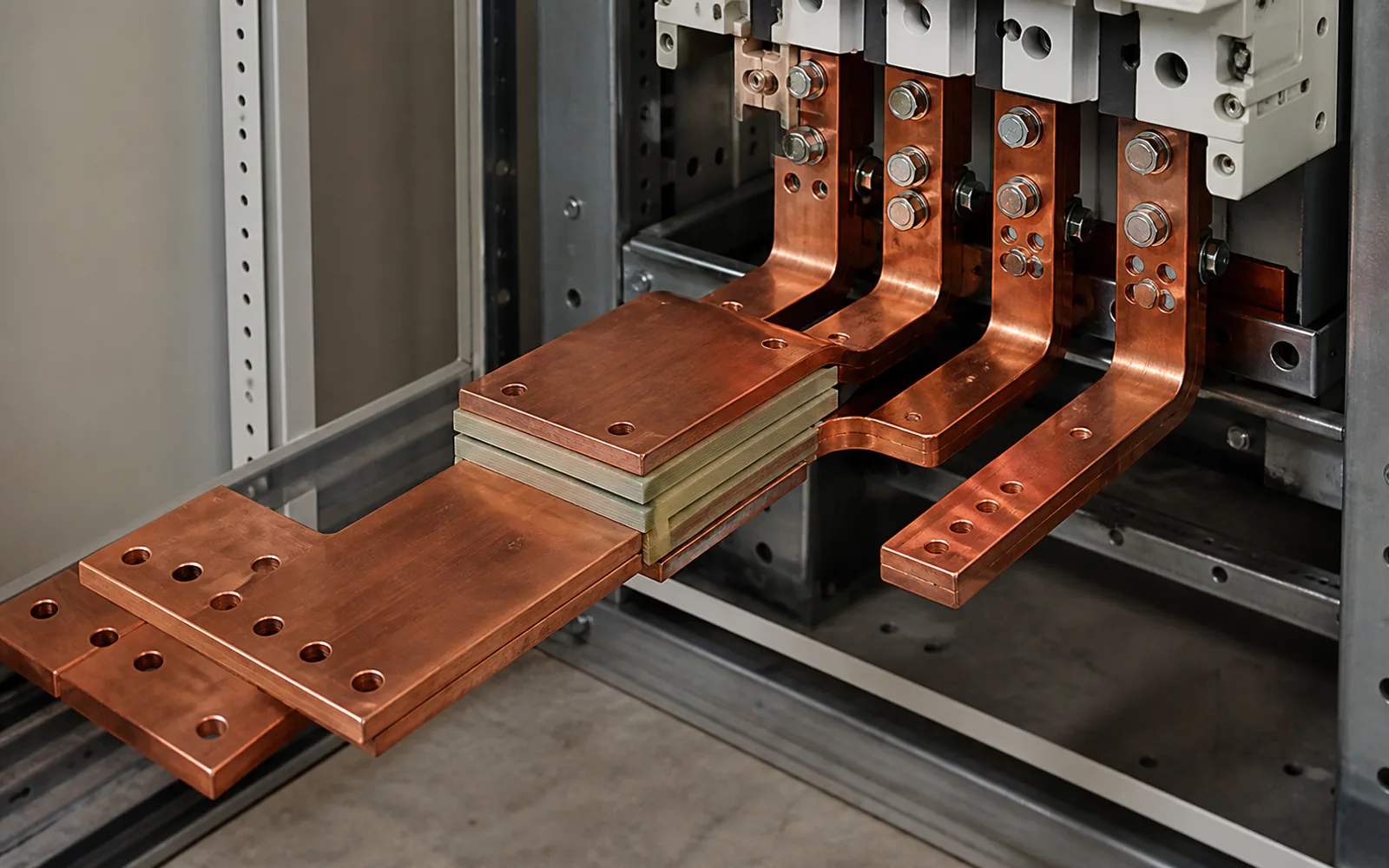
Burr-controlled copper conductors with defined contact surfaces and plating scope.
EV Battery Module End Plates
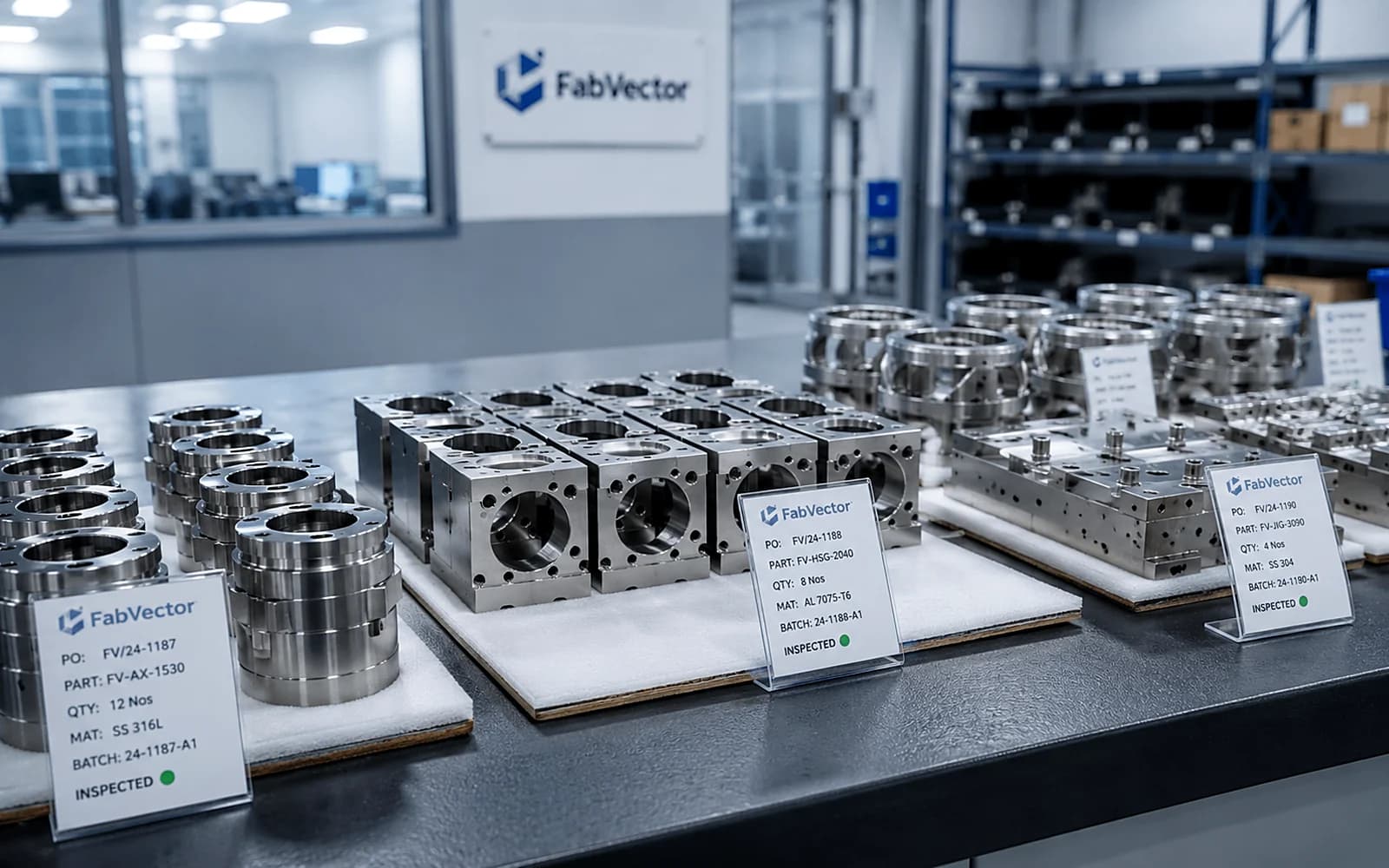
Flat, repeatable compression hardware for battery module development and pilots.
EV Battery Cold Plates
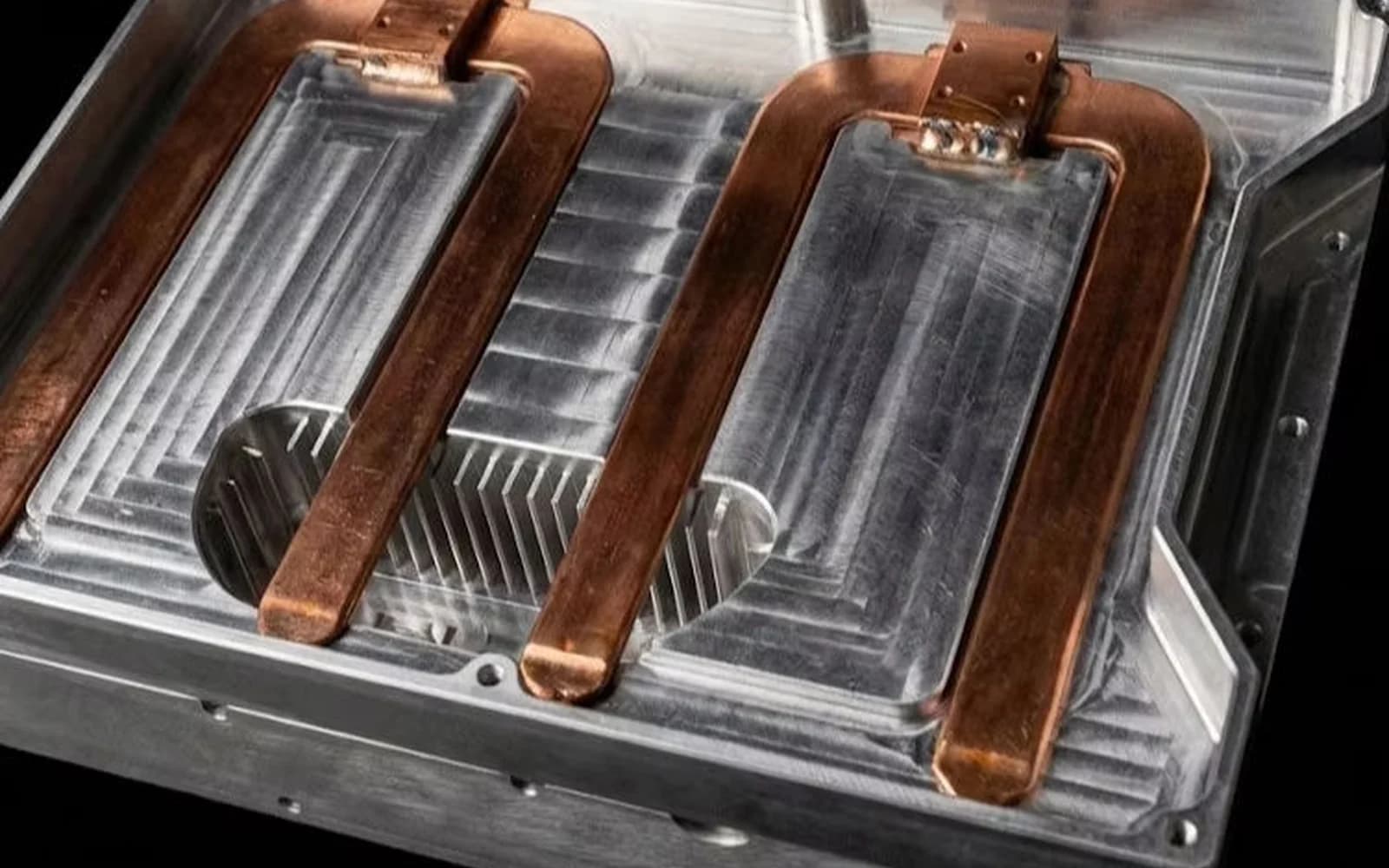
Channel geometry, seal integrity and module flatness controlled in one thermal part.
Have a part in mind?
Upload CAD or drawings. Eligible CNC work gets an instant estimate; other processes move to engineer review. NDA-protected from the first byte.
Start an RFQ