Industry
New Energy Vehicles
Battery, power-electronics and thermal hardware from validation builds to documented production.
FabVector machines New Energy Vehicles parts in Aluminum 6061-T6, Aluminum 6063-T5, MIC-6 Cast Aluminum Plate, from 1 piece, with instant online estimates, engineer-reviewed quotes in 24 hours and NDA-protected files. Delivery with duties handled to the US, Canada, UK and Australia.
- Materials
- Aluminum 6061-T6, Aluminum 6063-T5, MIC-6 Cast Aluminum Plate
- Minimum order
- 1 piece
- Estimate
- ~60s online
- Quote
- engineer-reviewed 24h
- IP
- NDA from upload
What slows this industry down
New energy vehicle programs combine electrical, thermal and automotive quality requirements in the same parts. A copper busbar needs controlled conductivity, burrs and plating; an inverter housing needs related connector, seal and thermal datums; a battery cold plate needs cleanliness and a defined leak test. Prototype speed still matters, but the drawing, revision, material lot and inspection plan must be structured early enough to survive pilot and PPAP-style production without being rebuilt from scratch.
Typical parts we machine
- Inverter, motor-controller and on-board charger housings
- C110 copper battery busbars and terminals
- Battery module end plates and compression hardware
- Battery and power-electronics liquid cold plates
- Charging, sensor and thermal-system brackets
Detailed new energy vehicles part solutions
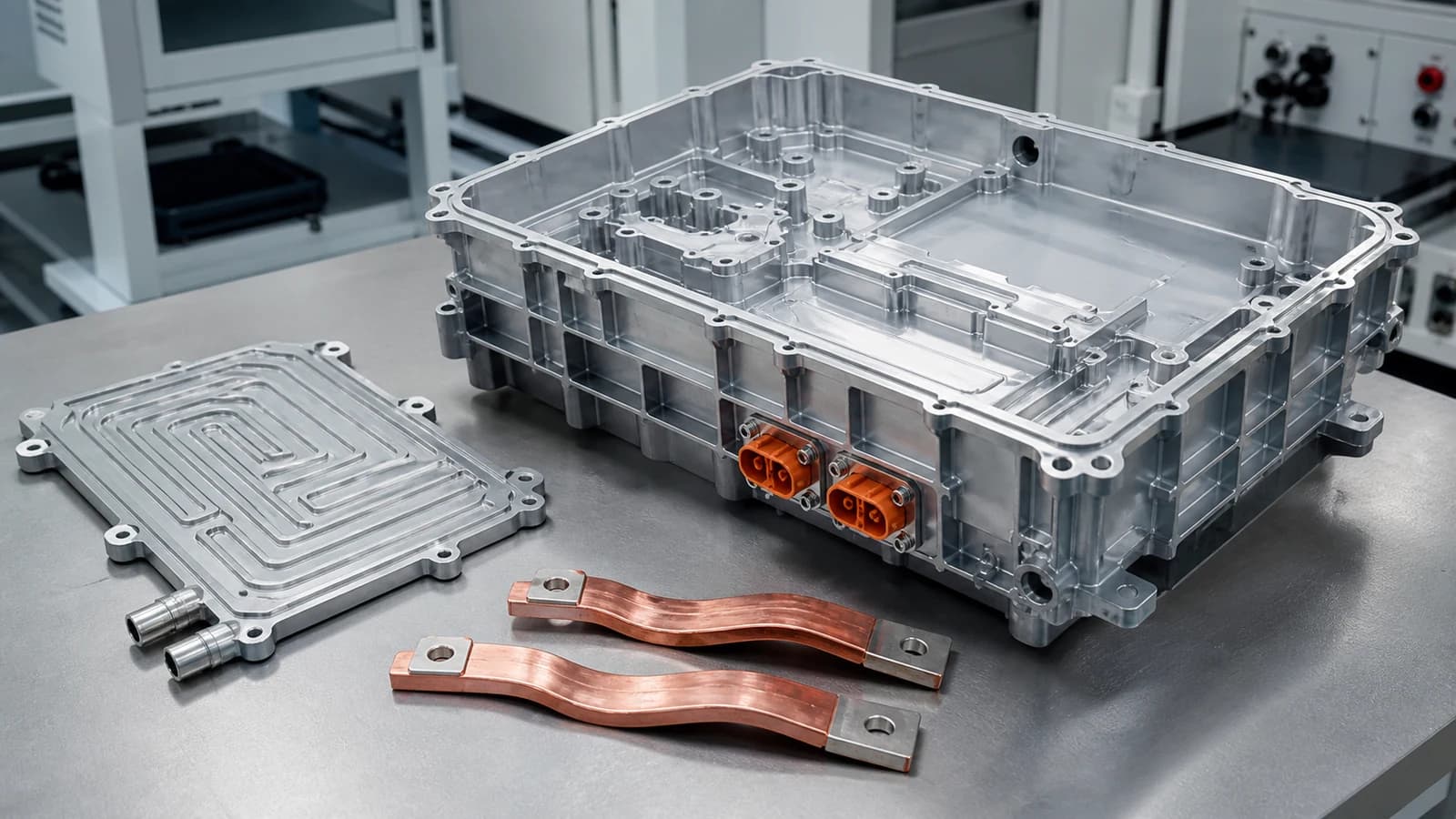
EV Inverter & Controller Housings
Sealed, thermally stable aluminum housings for EV power electronics.
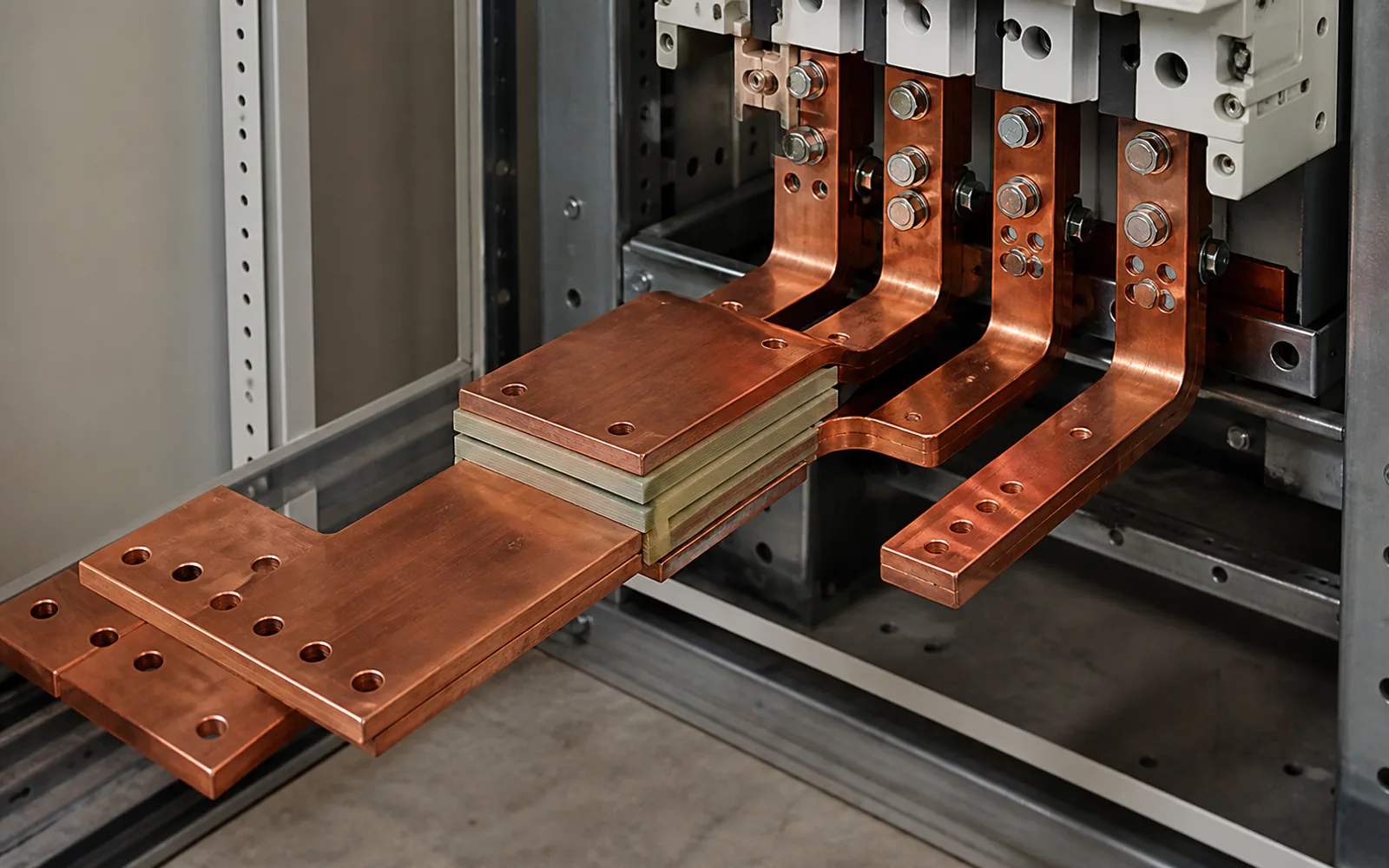
EV Battery Busbars & Terminals
Burr-controlled copper conductors with defined contact surfaces and plating scope.
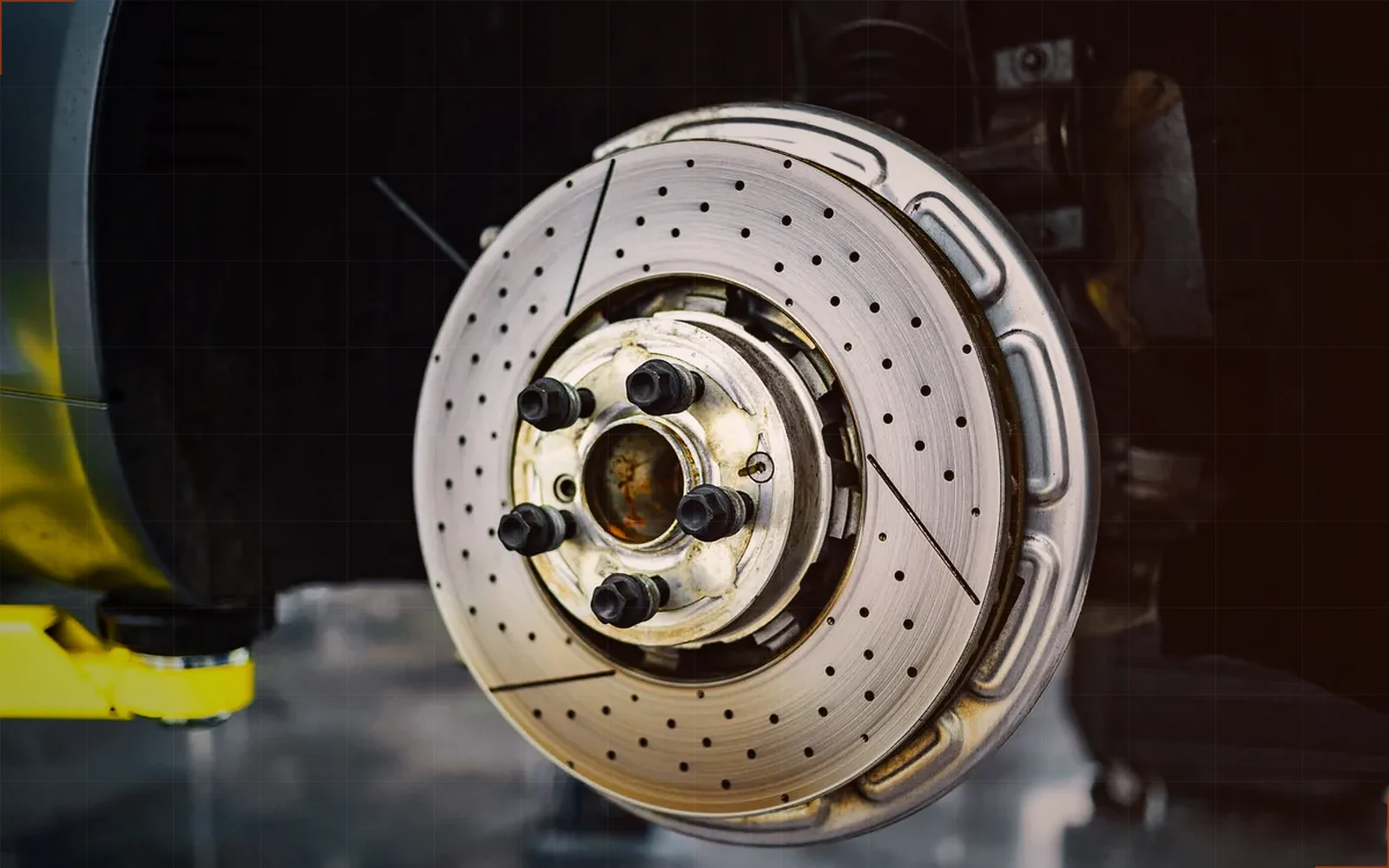
EV Battery Module End Plates
Flat, repeatable compression hardware for battery module development and pilots.
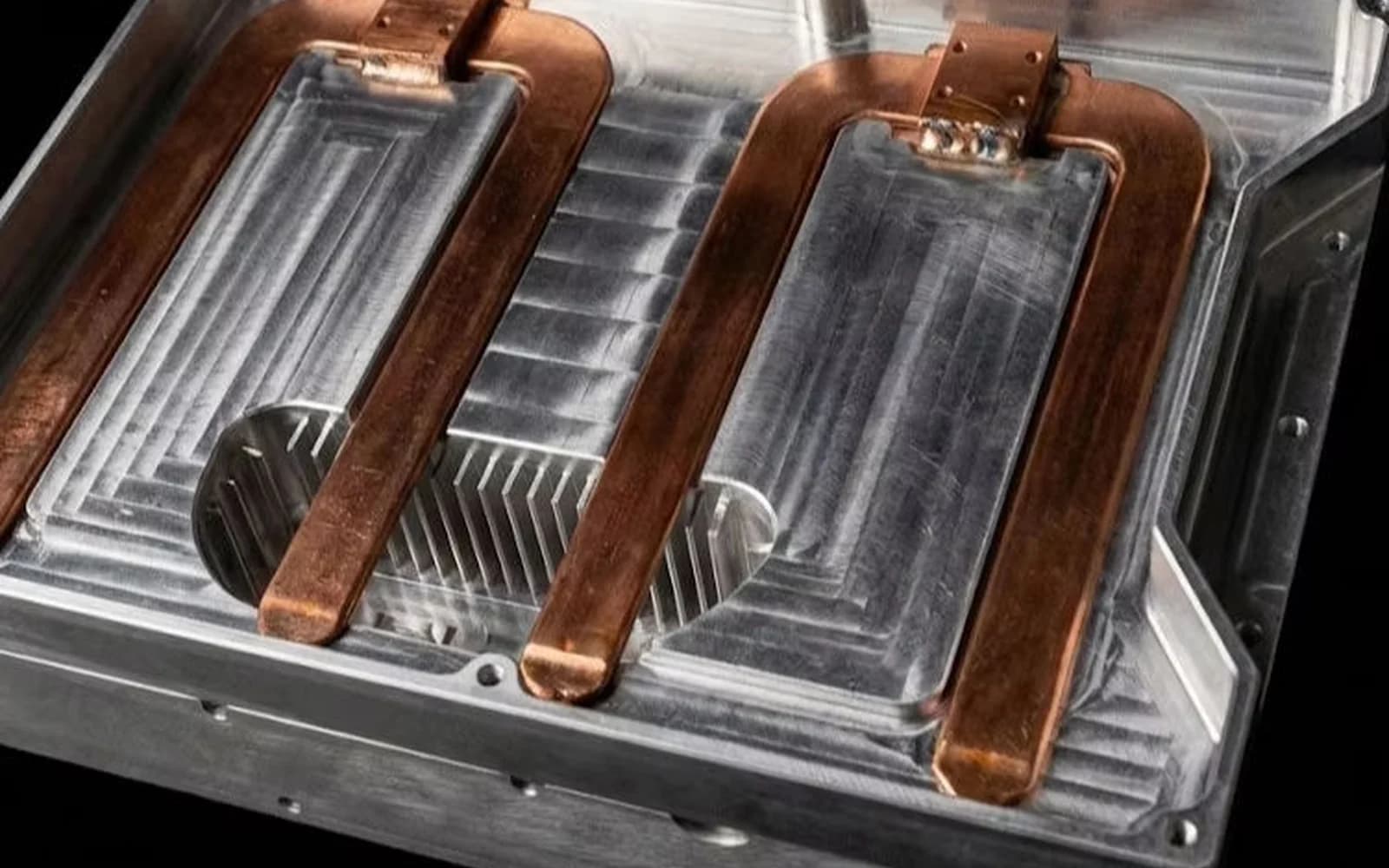
EV Battery Cold Plates
Channel geometry, seal integrity and module flatness controlled in one thermal part.
Recommended materials
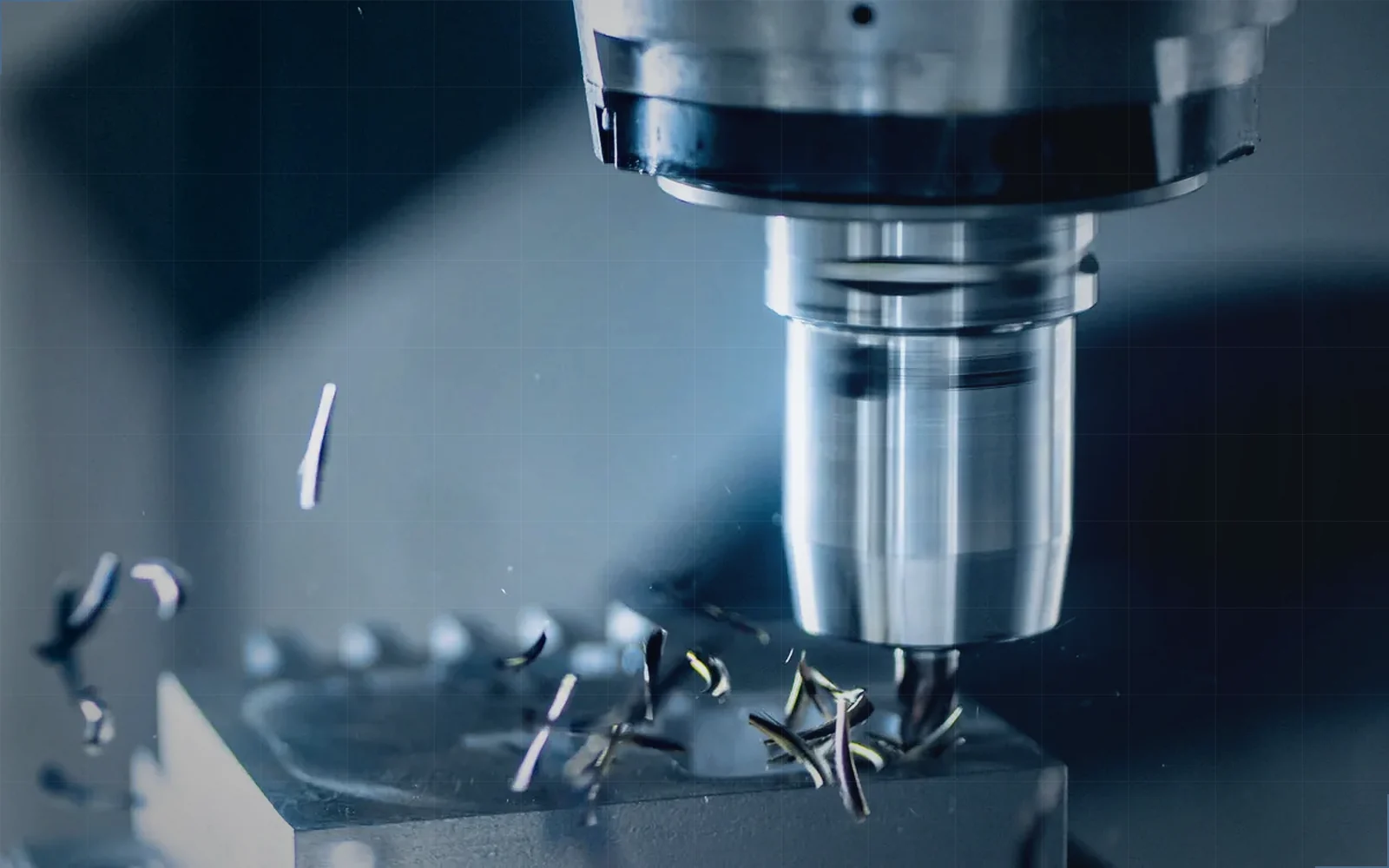
Aluminum 6061-T6
The default CNC aluminum: strong enough for most jobs, machines fast, anodizes well.
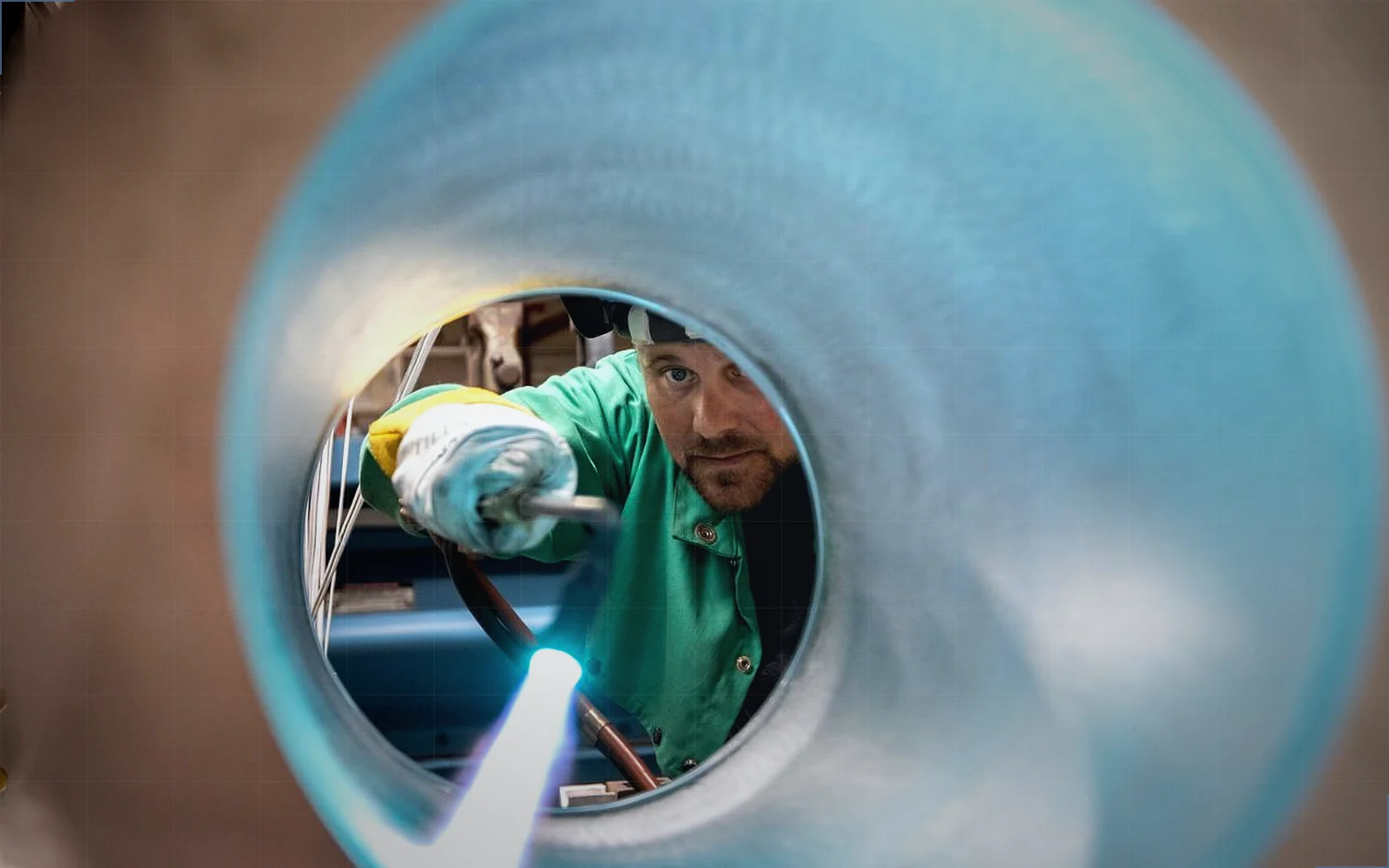
Aluminum 6063-T5
The cosmetic-finish aluminum: silky anodized surfaces for consumer-facing parts.
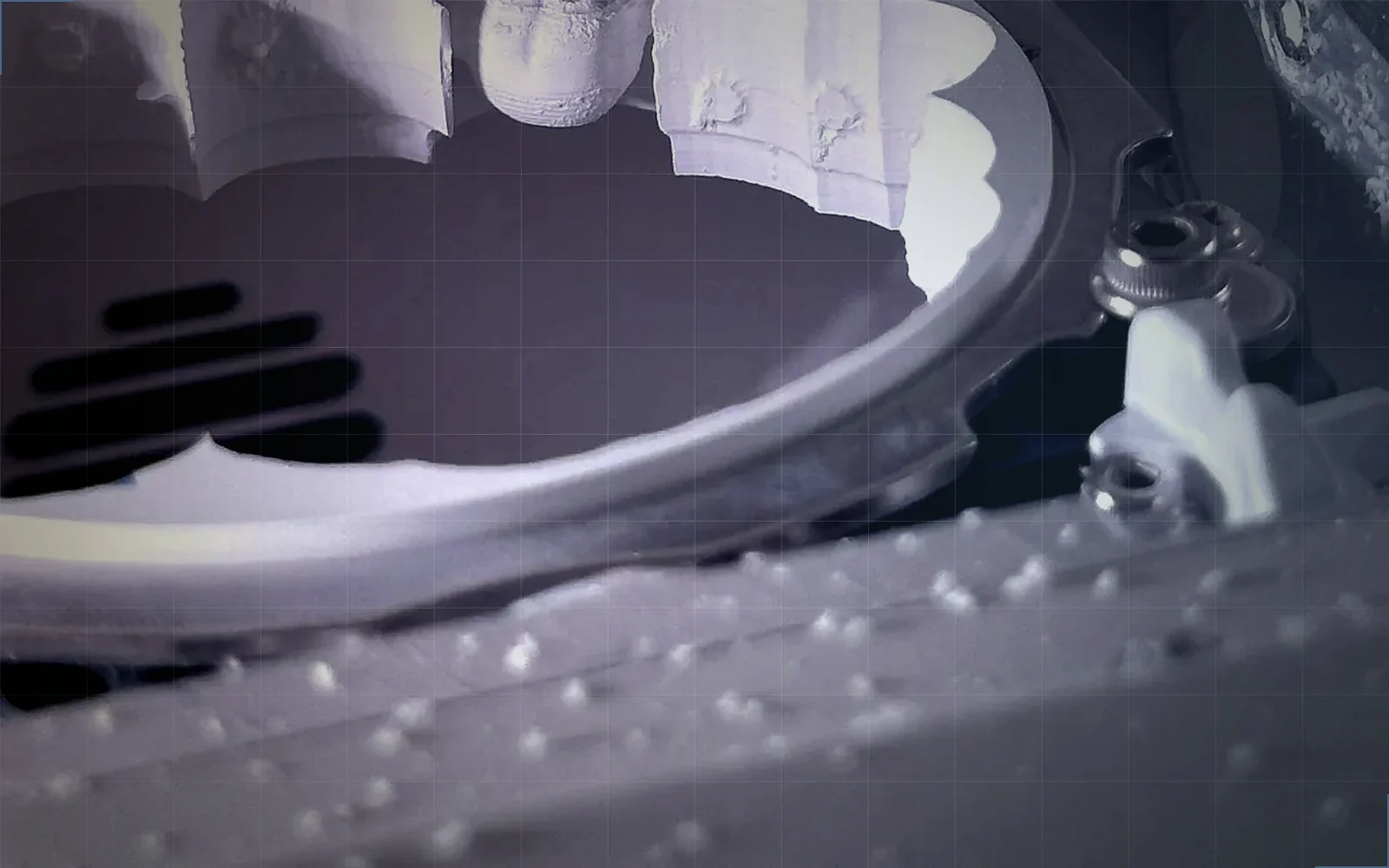
MIC-6 Cast Aluminum Plate
The flatness specialist: stress-relieved cast plate that will not move when you machine it.
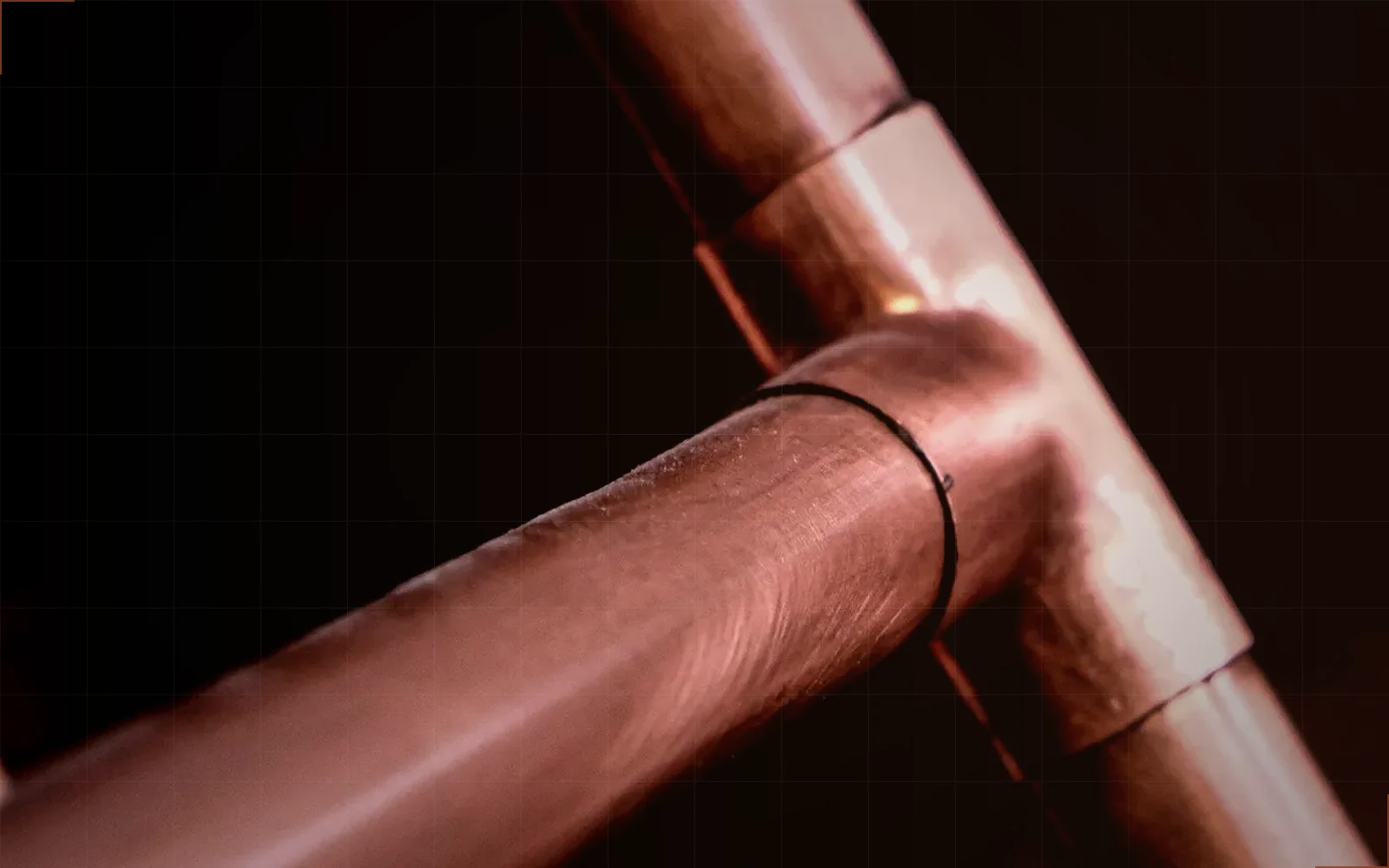
Copper C110
The conductivity king: when watts or amps per gram is the whole point of the part.
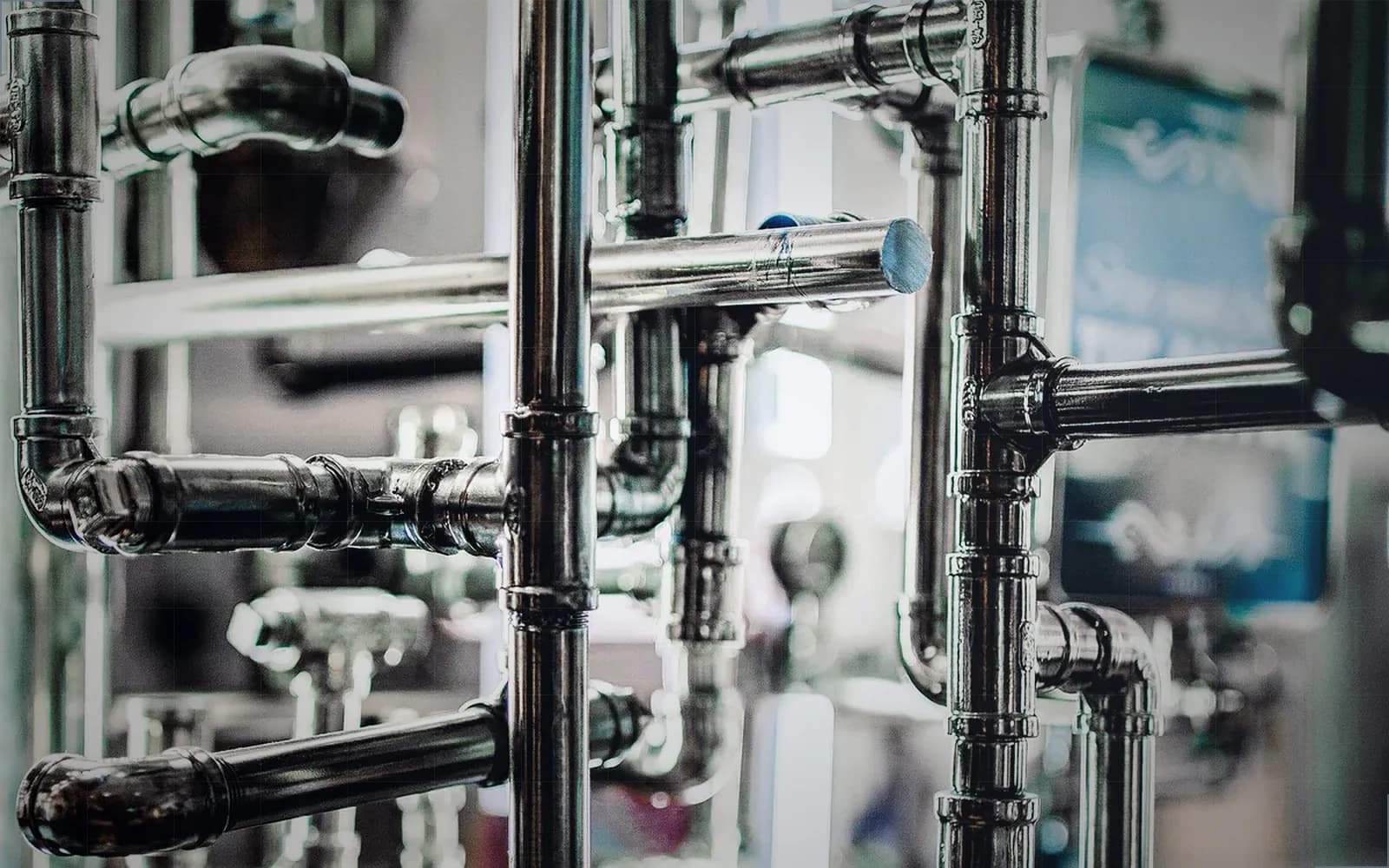
Stainless Steel 316L
Marine and medical stainless: molybdenum chemistry that shrugs off chlorides and sterilization cycles.
Recommended finishes
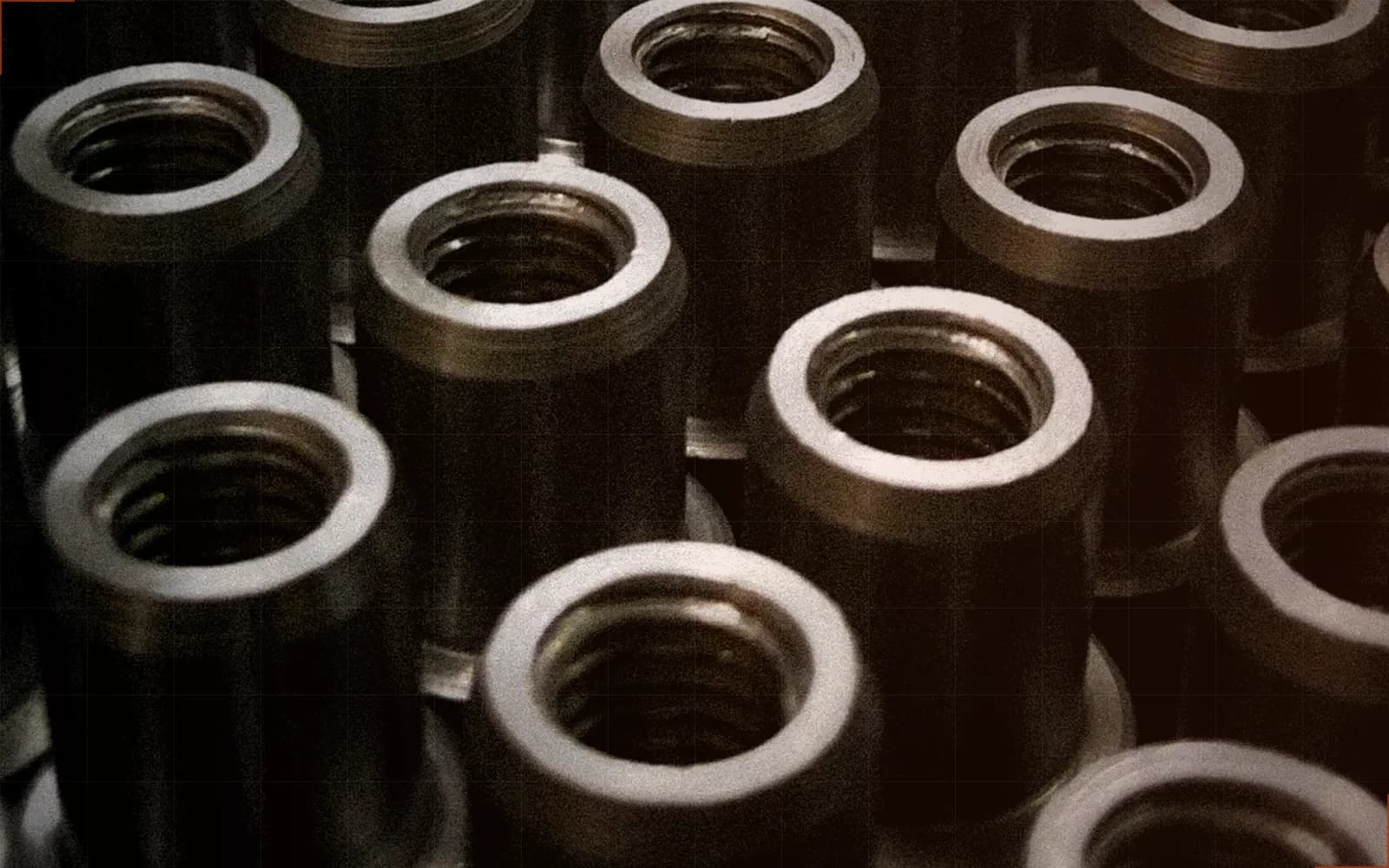
Chromate Conversion (Alodine / Chem Film)
Corrosion protection that stays conductive — the EMI-grounding finish for aluminum.
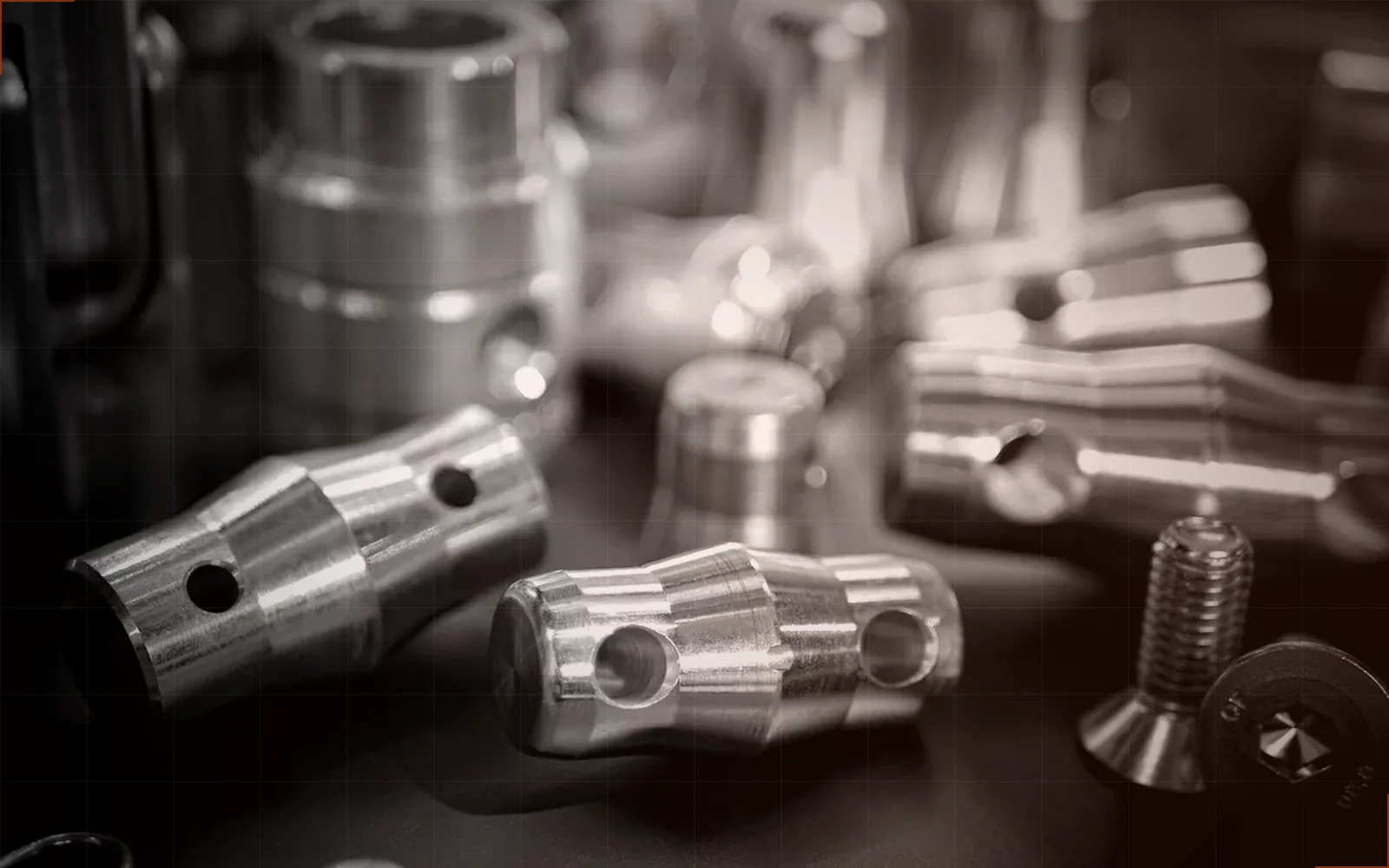
Anodizing Type II (Clear)
The standard aluminum finish: hard, clear oxide that keeps the metallic look.
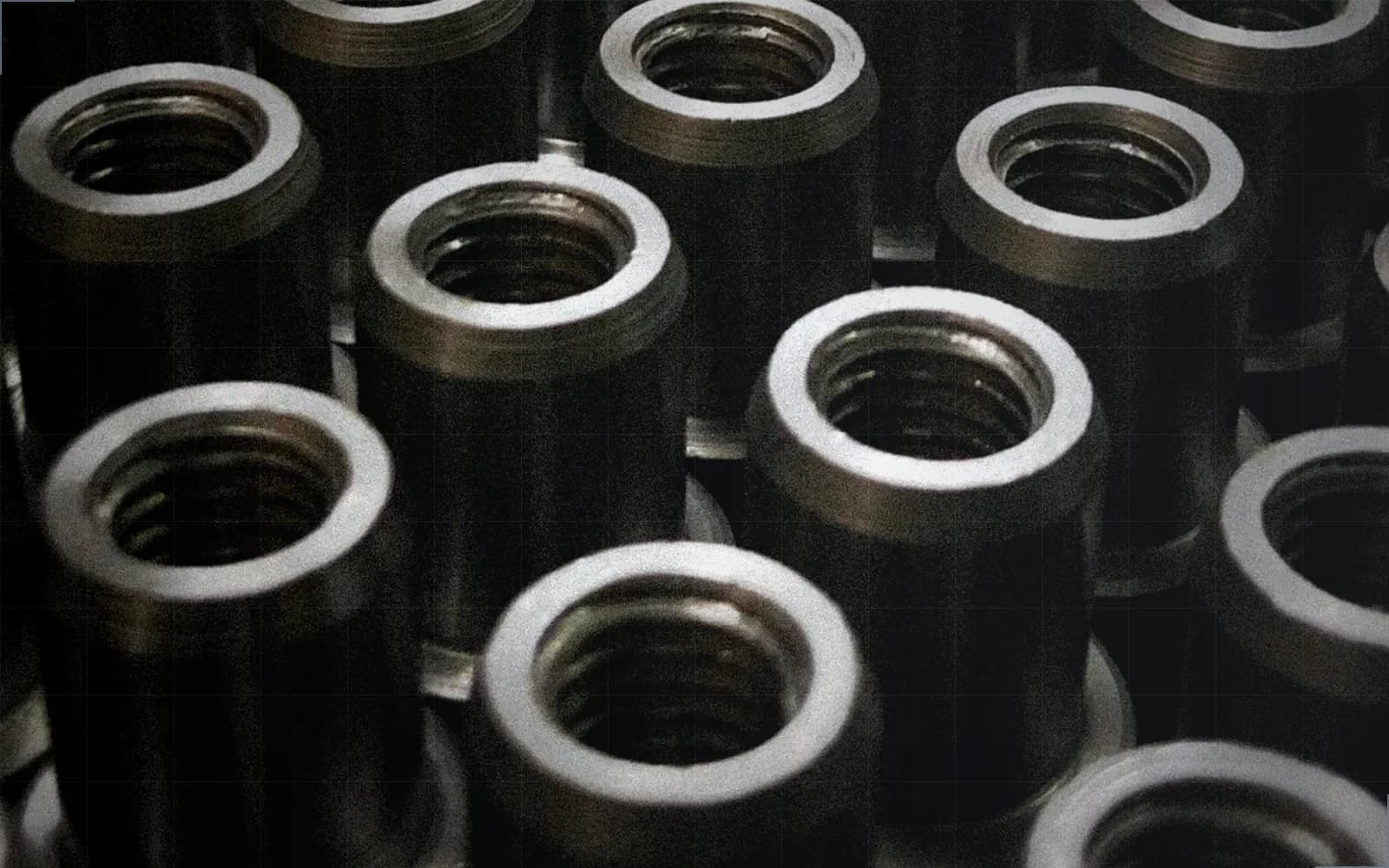
Electroless Nickel Plating (ENP)
Plating without electricity: dead-uniform thickness everywhere, bores and threads included.
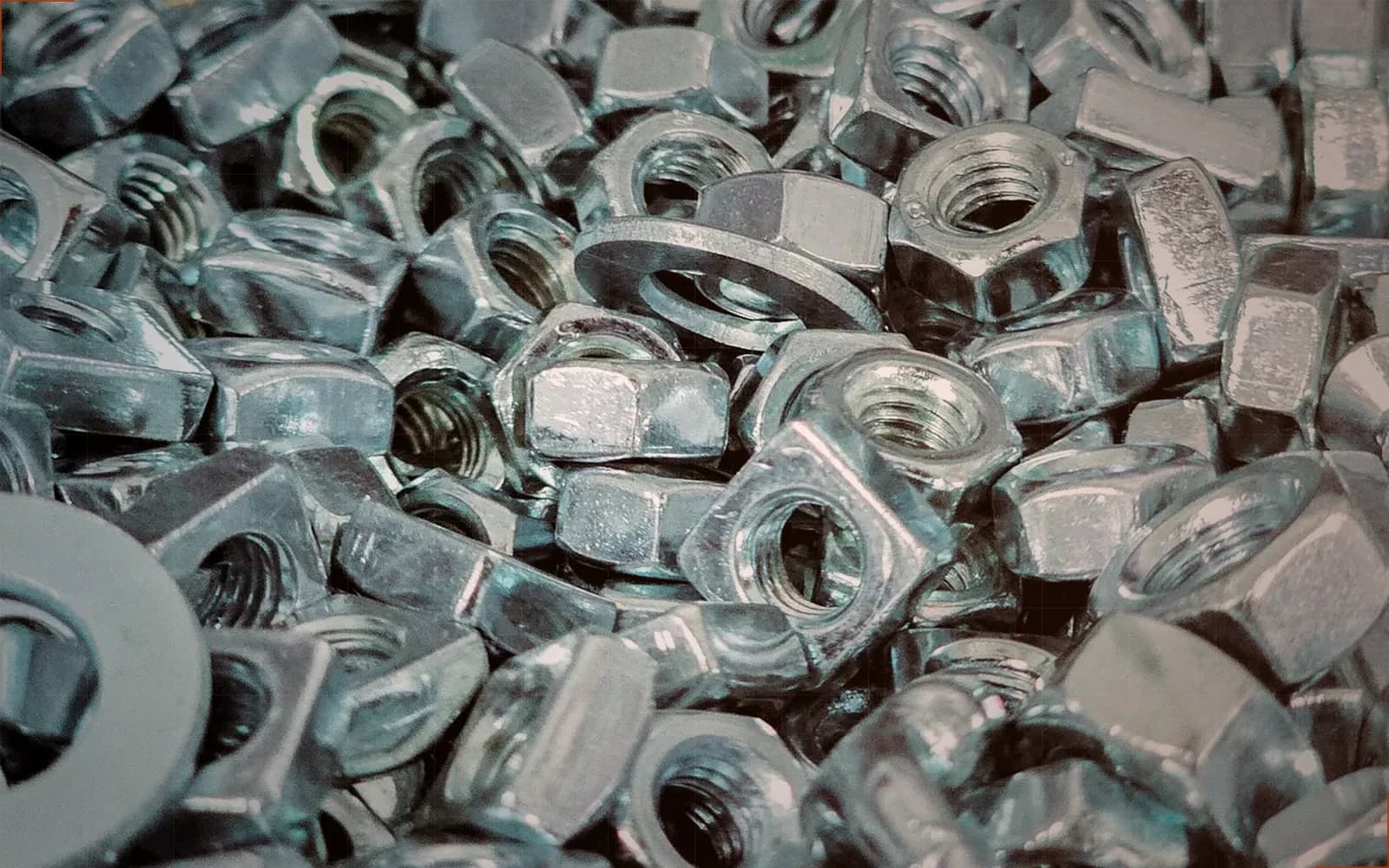
Tin Plating
The solder-friendly finish: tin for bus bars, terminals and food-contact hardware.
Certifications & standards
- IATF 16949 / PPAP
- We support customer-defined automotive documentation with dimensional results, material records, control-plan inputs and revision traceability; this page does not claim certification.
- IMDS / material declarations
- Material and finish declarations can be included when the exact grade, process and reporting requirement are stated before order.
- Customer leak-test specification
- Pressure, medium, dwell, assembly boundary and acceptance threshold must be defined in the RFQ for any cooling or sealed housing test.
We understand and support these requirements; certification and documentation scope is confirmed per order.
Questions new energy vehicles buyers ask
- What new energy vehicle parts are a strong fit for CNC machining?
- CNC machining is strongest for changing or precision-critical parts: inverter and controller housings, C110 copper busbars, battery module end plates, liquid cold plates, sensor brackets and validation fixtures. Stable, very high-volume flat stampings or castings usually need dedicated tooling after the design is frozen.
- What must an EV liquid-cooling RFQ include?
- Include the assembly CAD, controlled drawings, coolant, port and seal definitions, flatness and roughness on thermal faces, cleanliness limit, joining scope and the exact leak-test medium, pressure, dwell time and acceptance threshold. A generic pressure rating is not enough to quote the test.
- Can prototype EV parts transition into PPAP-style production?
- Yes when revision control, critical characteristics, material lots, finish source, inspection method and required records are defined before the pilot lot. A fast prototype with no controlled datum or documentation plan often has to be requalified rather than simply repeated.
Relevant services
Prototype Machining
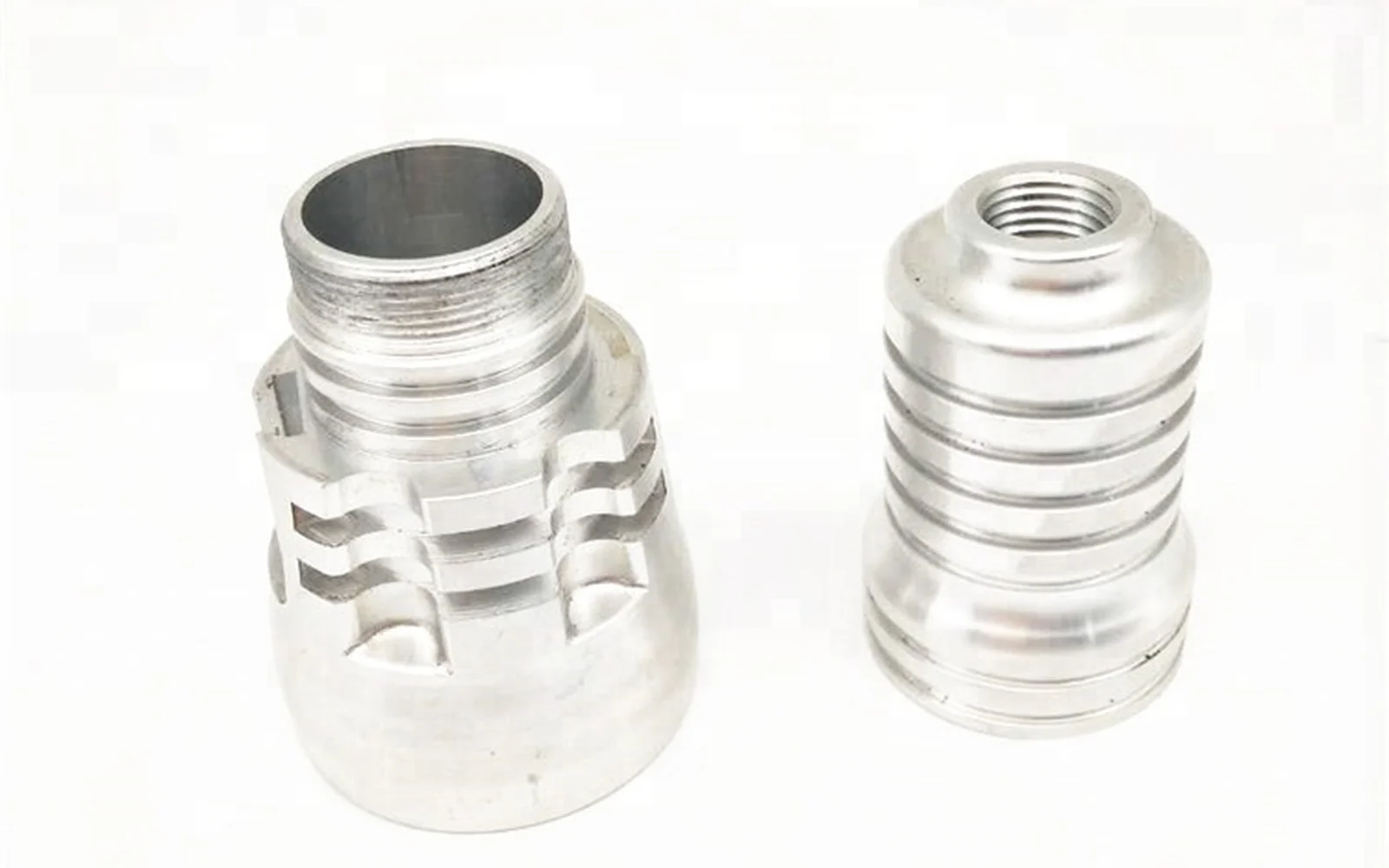
Functional prototypes in production-grade materials, shipped in days with DFM feedback included.
CNC Milling
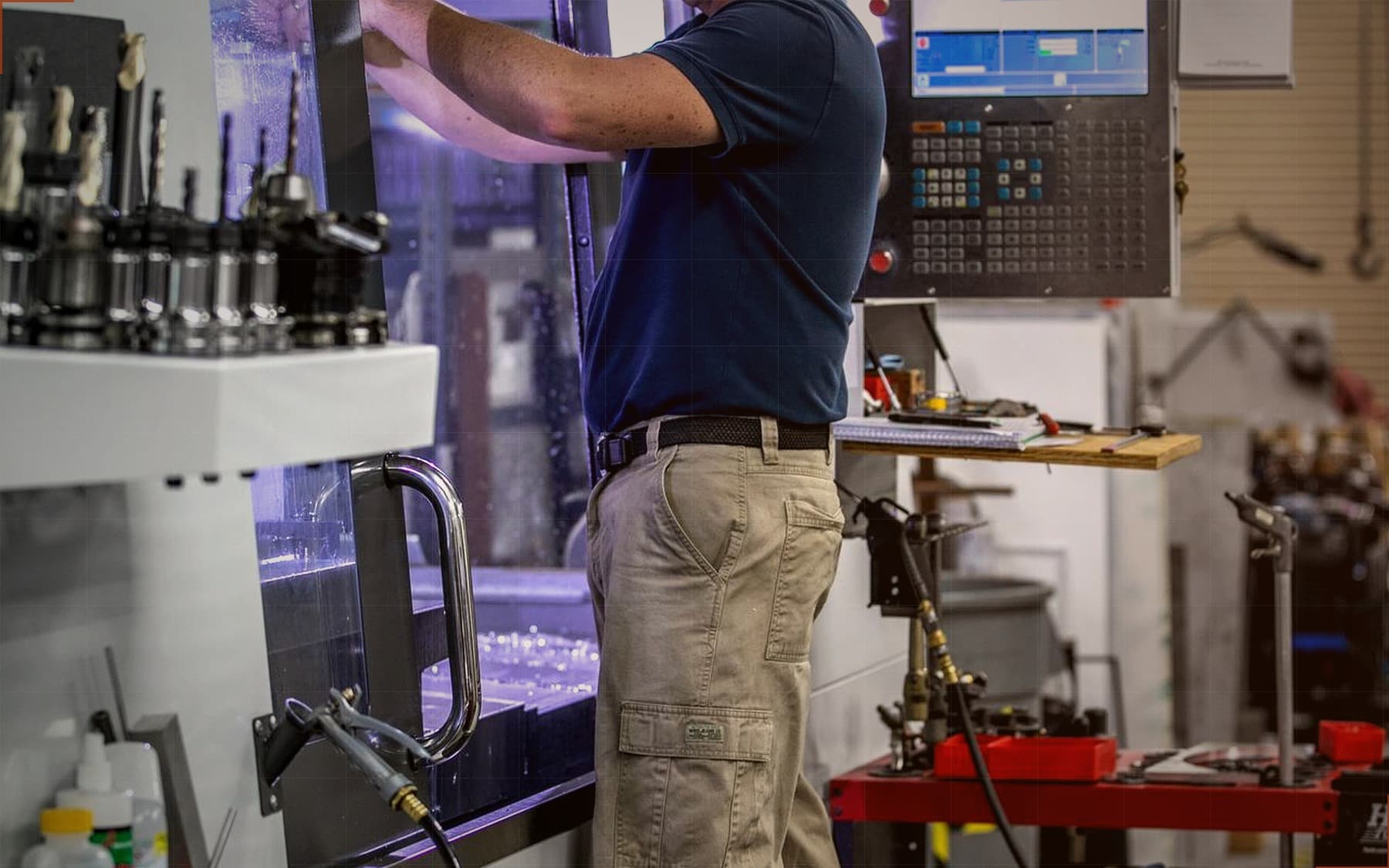
3- and 4-axis vertical machining for housings, brackets, manifolds and structural parts.
5-Axis Machining
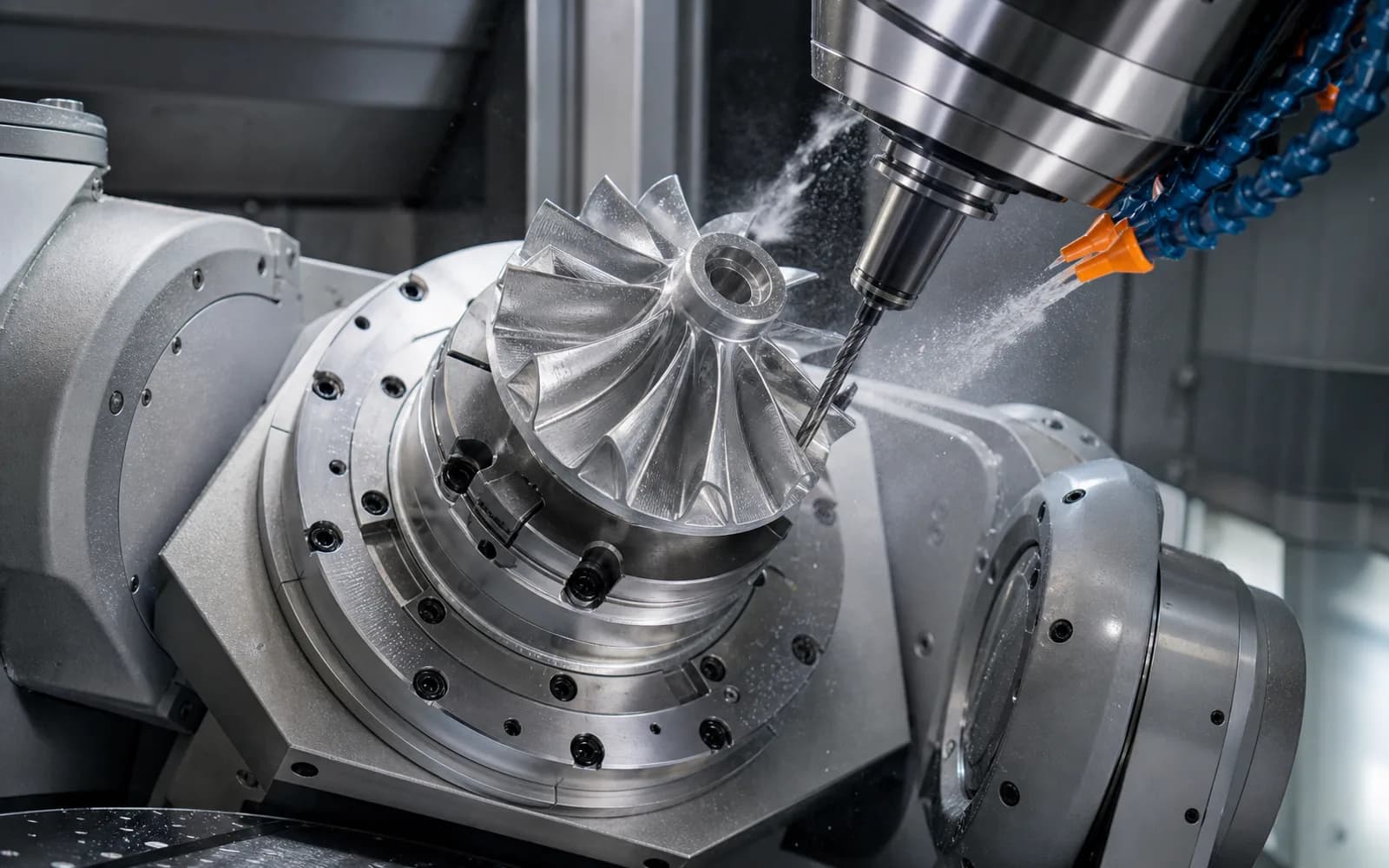
Simultaneous 5-axis machining for impellers, freeform surfaces and compound-angle features.
Production Machining
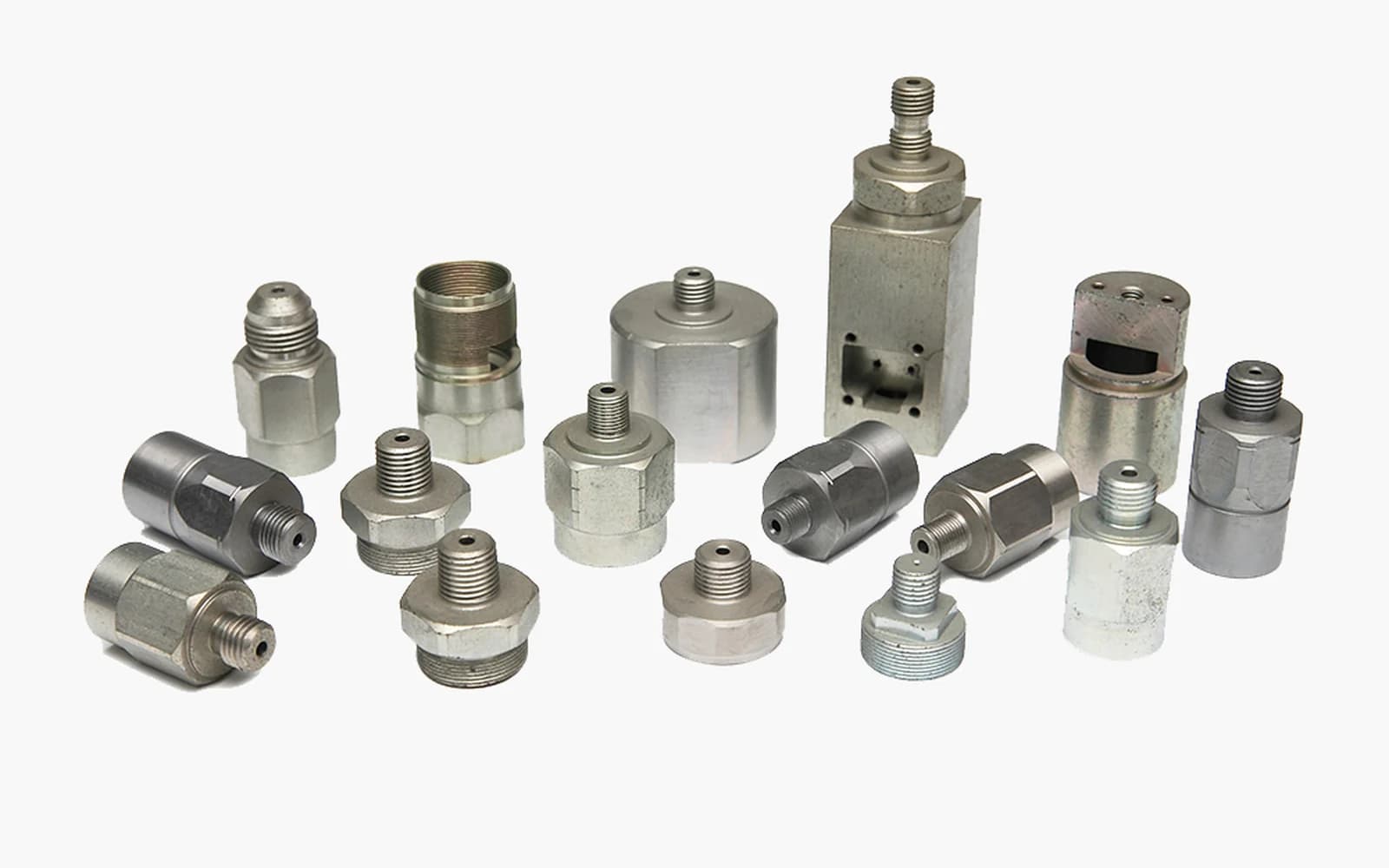
Dedicated fixturing, in-process CMM and SPC documentation for repeatable volume runs.
Wire EDM
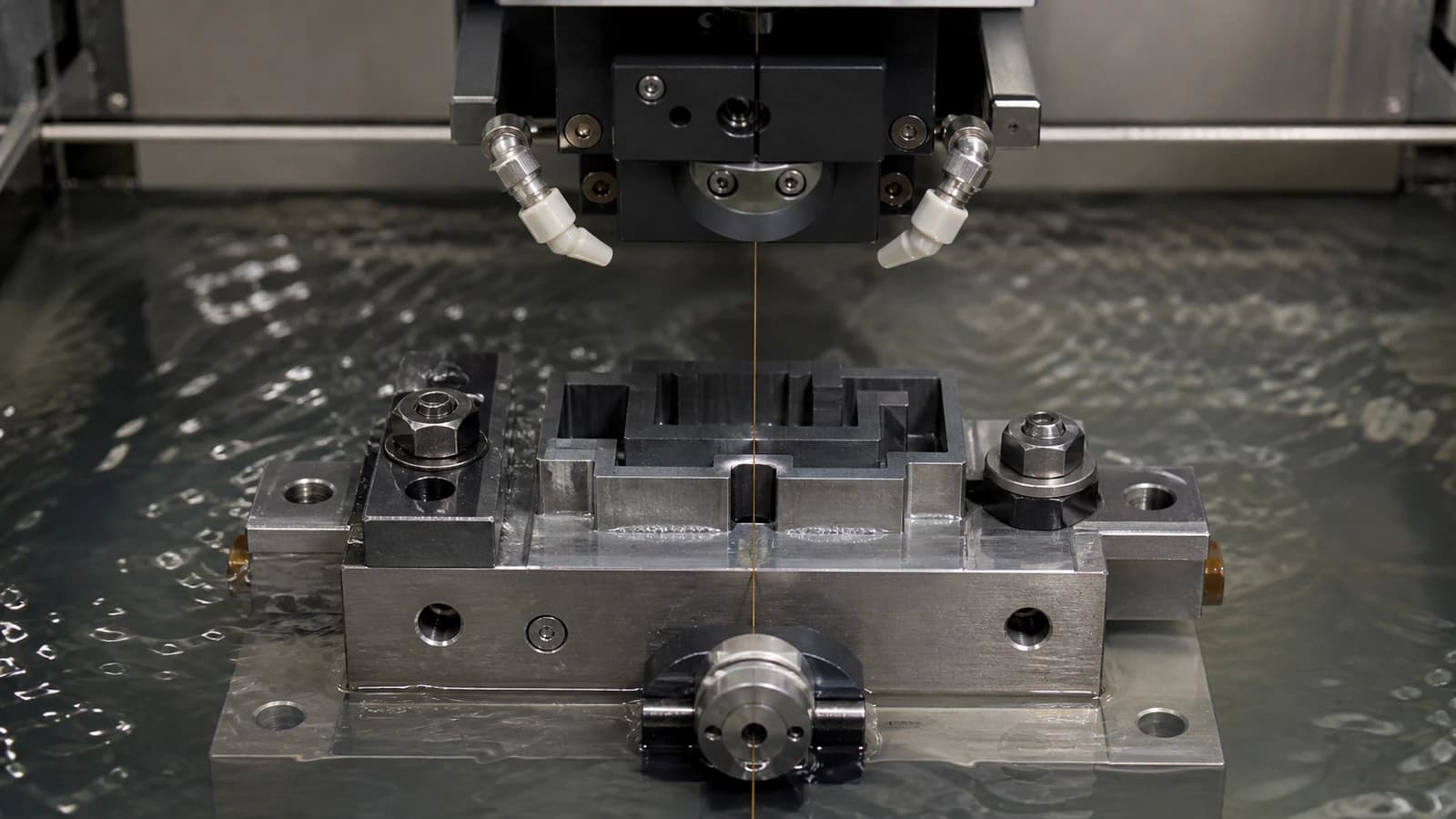
Electrical discharge wire cutting for hardened steels, sharp internal corners and zero-force profiles.
CNC machining service by country
Have a part in mind?
Upload CAD or drawings. Eligible CNC work gets an instant estimate; other processes move to engineer review. NDA-protected from the first byte.
Start an RFQ