Industry
Mold, Die & Tooling
Tooling is judged on the surface you cannot photograph: fit, flatness and how it behaves after heat treat.
FabVector machines Mold, Die & Tooling parts in Tool Steel D2, Tool Steel A2, Tool Steel O1, from 1 piece, with instant online estimates, engineer-reviewed quotes in 24 hours and NDA-protected files. Delivery with duties handled to the US, Canada, UK and Australia.
- Materials
- Tool Steel D2, Tool Steel A2, Tool Steel O1
- Minimum order
- 1 piece
- Estimate
- ~60s online
- Quote
- engineer-reviewed 24h
- IP
- NDA from upload
What slows this industry down
Tooling work punishes suppliers who only own mills. An insert needs roughing, heat treat, then grinding and wire EDM on hardened stock — send that through three shops and the datum drifts at every handoff. D2 and A2 move during heat treat, so the machining plan has to leave the right stock for finishing rather than cutting to nominal and hoping. Fixture and gauge work has the opposite problem: quantities of one or two, drawings that change after the first trial shot, and a toolroom that wants production volumes before it will quote. And when a mold is down, lead time is not a commercial preference — every day of a missing insert is a day the press is not running.
Typical parts we machine
- Mold cavity and core inserts
- Slides, lifters and ejector plates
- Jigs, fixtures and workholding plates
- Checking fixtures and go/no-go gauges
- Copper and graphite-substitute EDM electrodes
Detailed mold, die & tooling part solutions
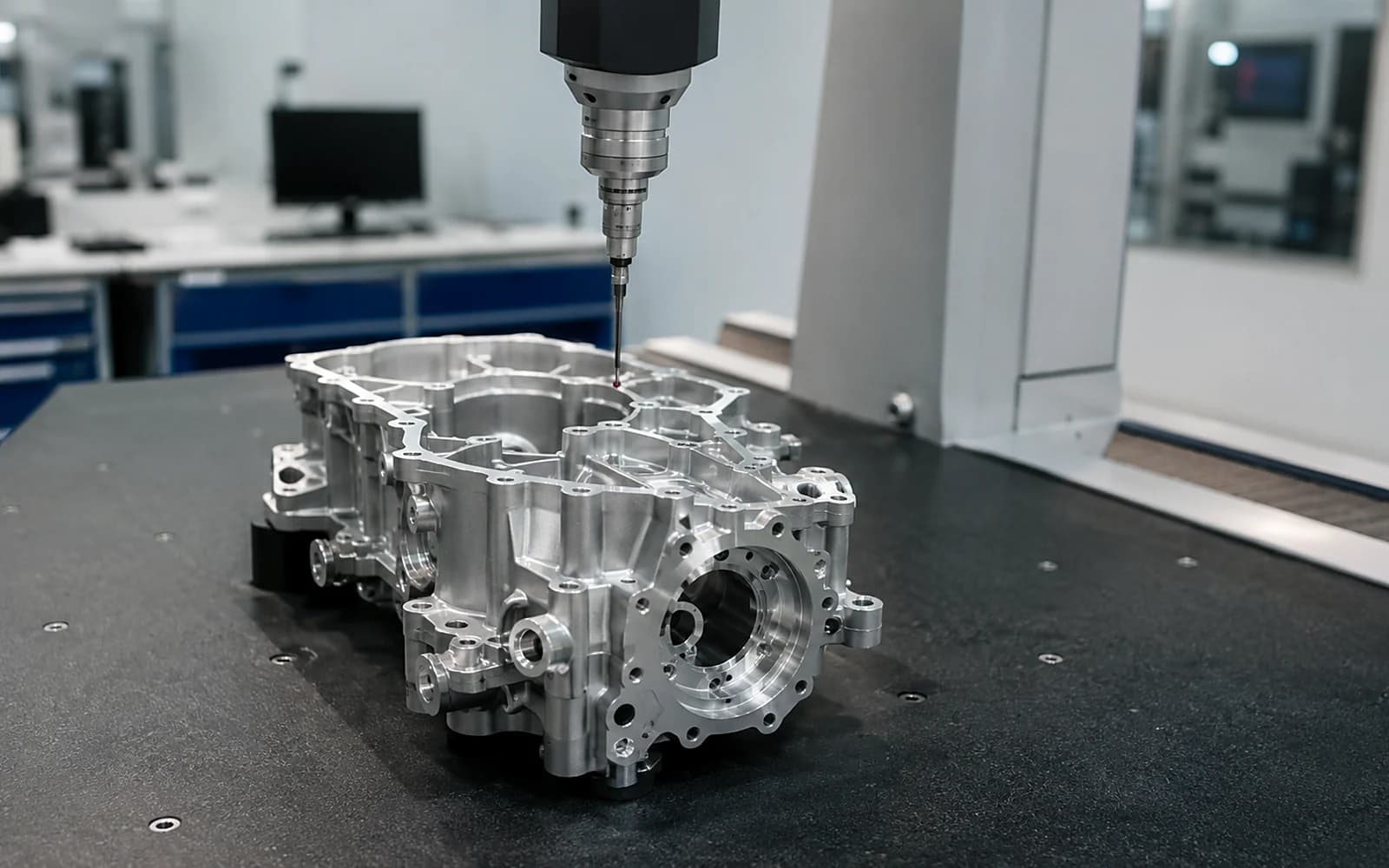
Mold Core & Cavity Inserts
Hardened tool-steel inserts with shutoffs, fits and molding surfaces kept under one route.
Mold Slides, Lifters & Ejector Components
Moving mold components with wear faces, angles and travel interfaces controlled.
EDM Electrodes
Repeatable electrodes tied to holder datums, burn sequence and spark-gap strategy.
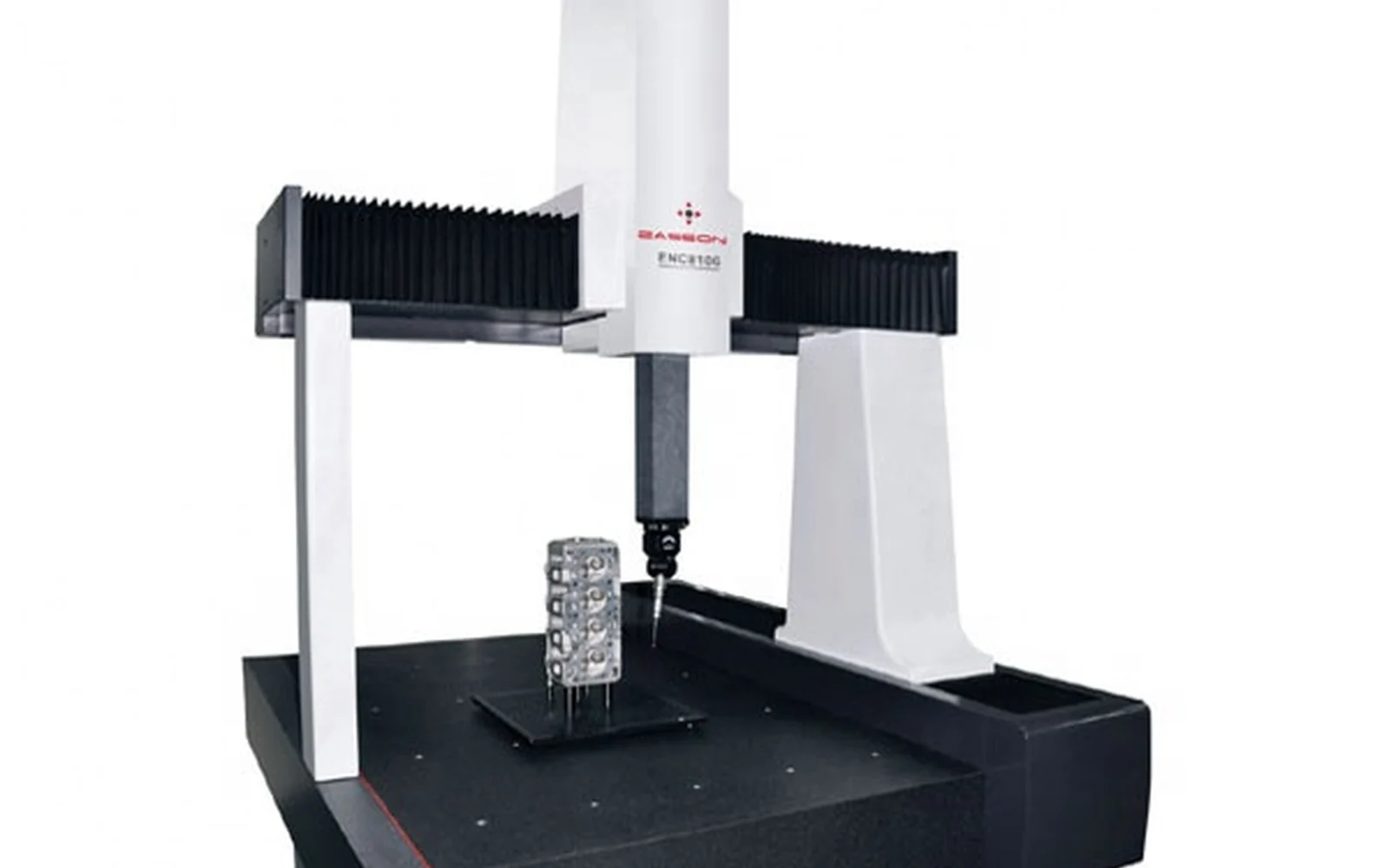
Checking Fixtures & Go/No-Go Gauges
Inspection tooling built around the part datum, wear strategy and calibration method.
Recommended materials
Tool Steel D2
The cold-work die standard: 60 HRC, extreme abrasion resistance, semi-stainless chemistry.
Tool Steel A2
The balanced tool steel: between O1 toughness and D2 wear, with air-quench stability.
Tool Steel O1
The gauge-maker steel: predictable oil quench, fine edges, the easiest tool steel to work with.
Stainless Steel 420
The cutlery stainless: hardens to ~50 HRC while keeping useful corrosion resistance.
Aluminum 7075-T6
Aircraft-grade aluminum: steel-level strength at a third of the weight.
Copper C110
The conductivity king: when watts or amps per gram is the whole point of the part.
Recommended finishes
Polishing
Progressive abrasives down to mirror: the finish for optics, molds and show surfaces.
Black Oxide
Black with zero dimensional change: the gauge-and-tool finish for precision steel.
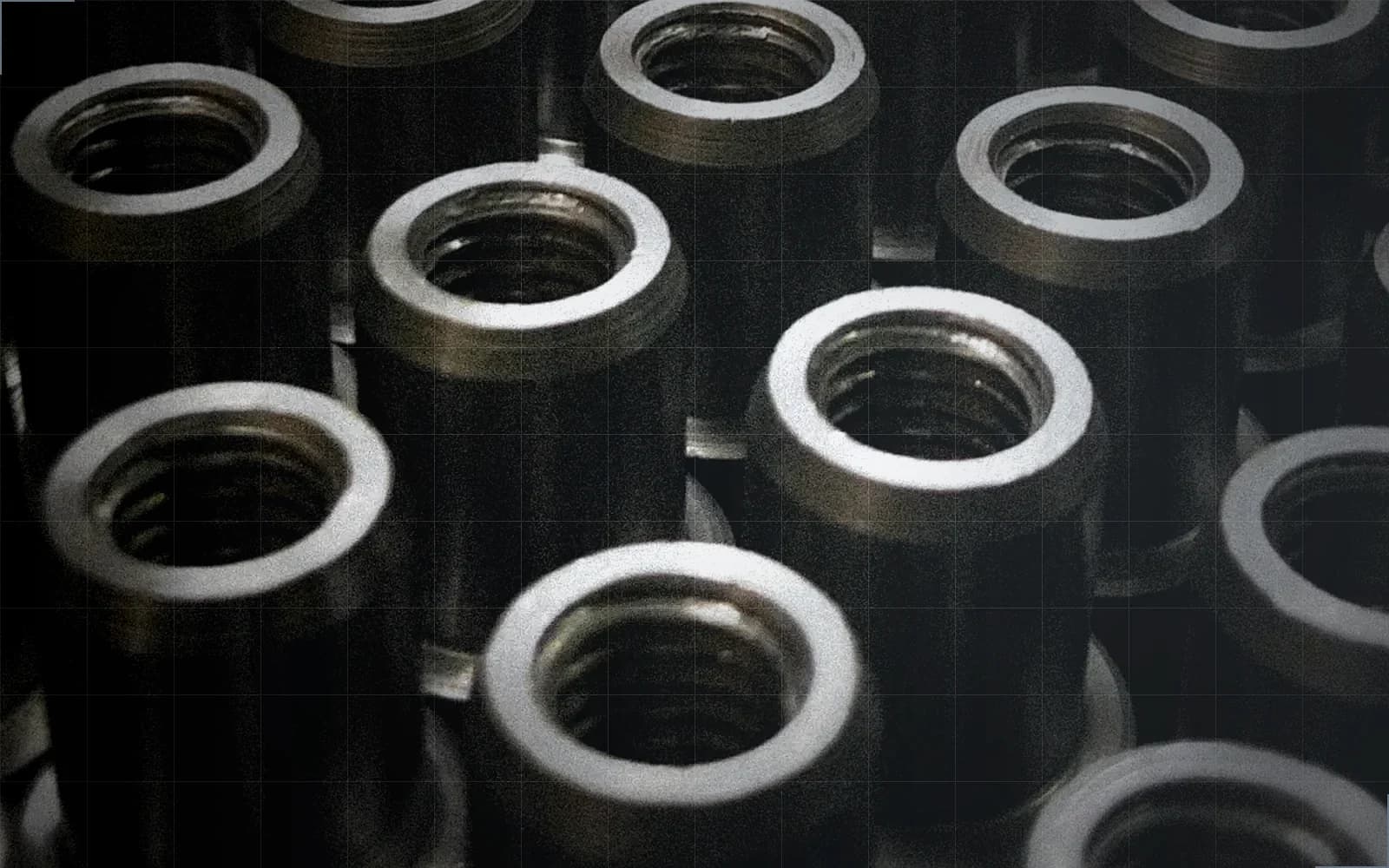
Nickel Plating (Electrolytic)
Bright, polishable nickel for decorative protection and contact underlayers.
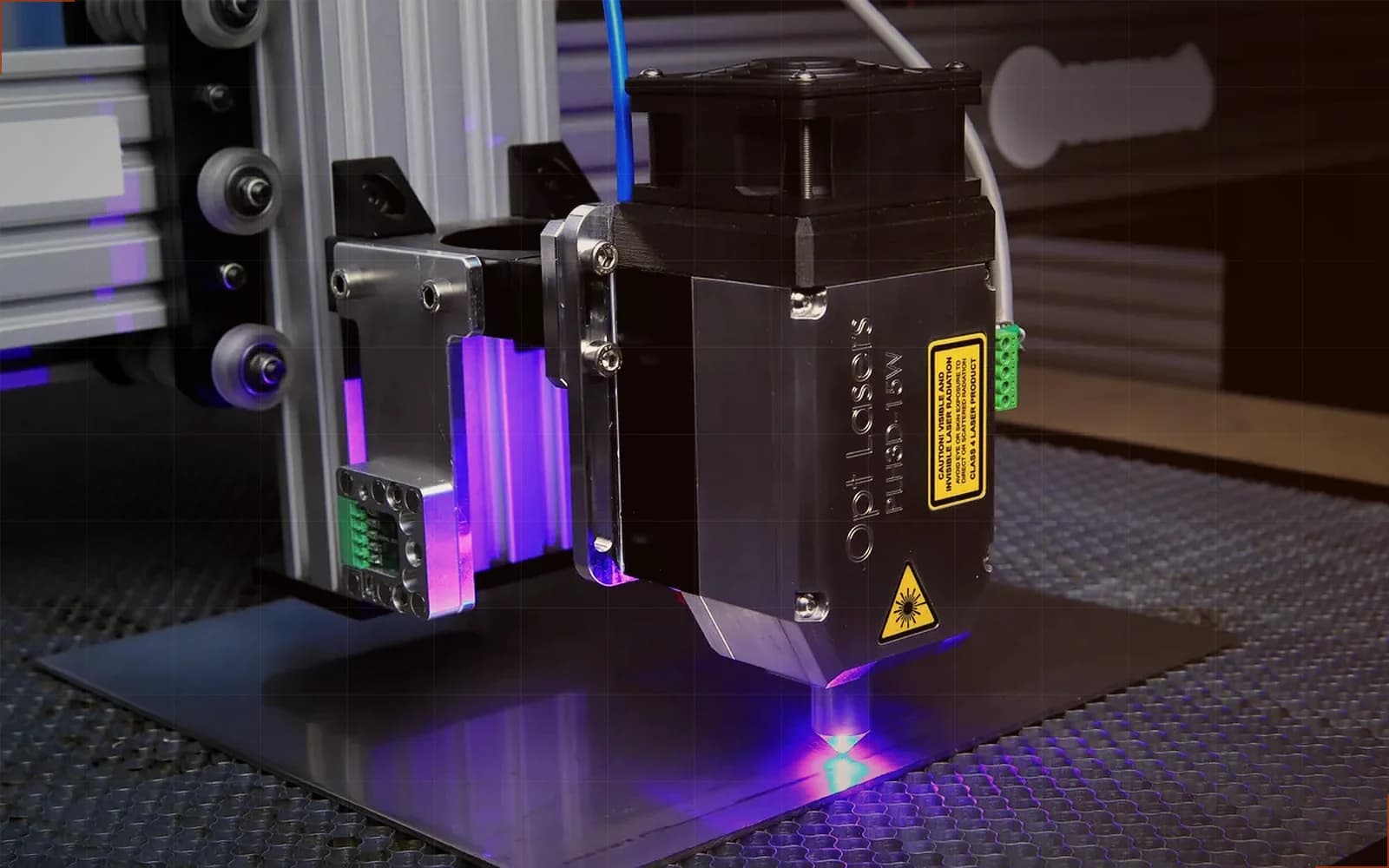
Laser Marking
Permanent identification with zero dimensional change: serials, logos and codes burned in, not stuck on.
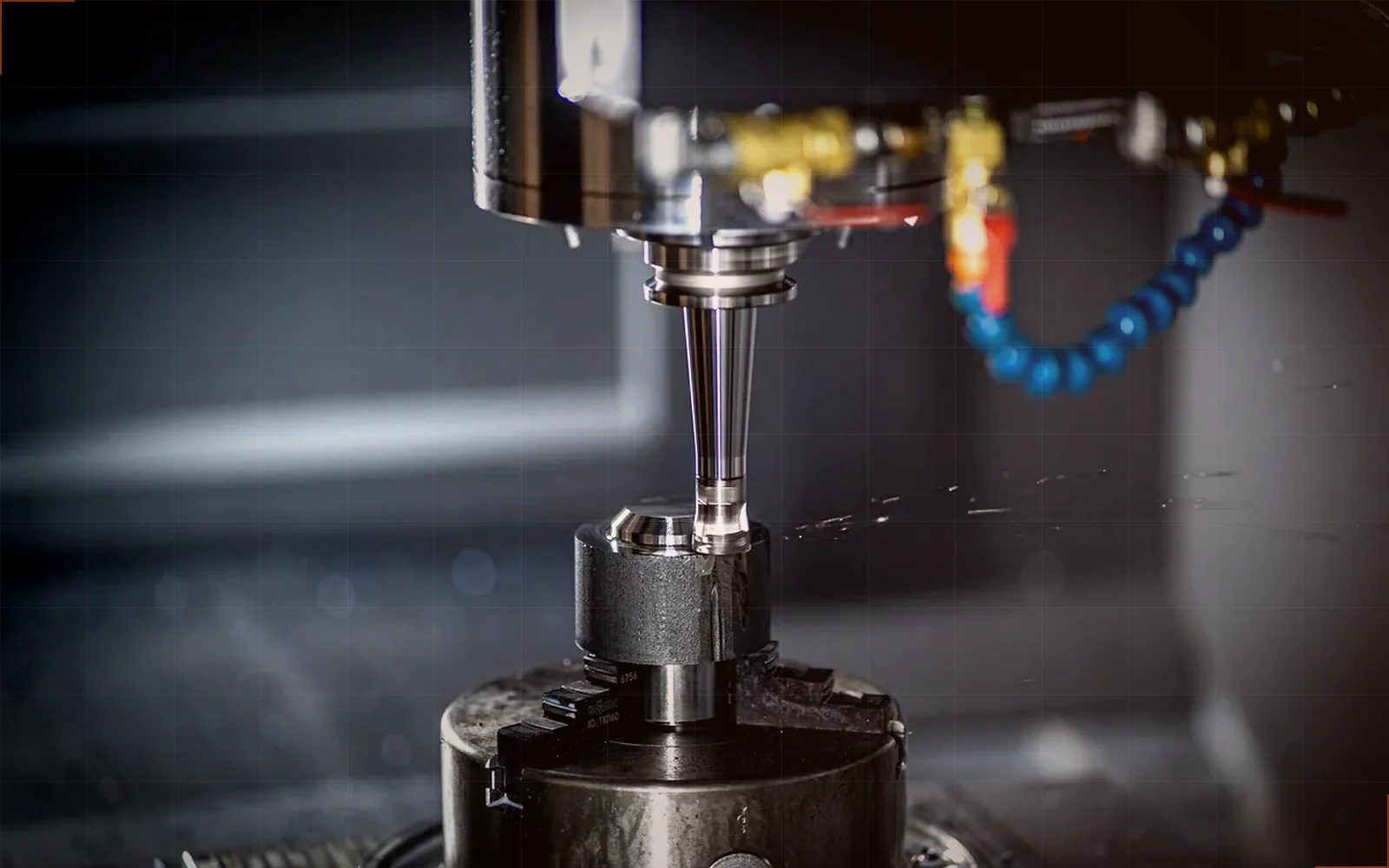
As-Machined
The baseline finish: straight off the machine, fastest and cheapest.
Certifications & standards
- ISO 9001
- We understand toolroom buyers expect ISO 9001-grade traceability: material lot, heat-treat record and the measured result on the features that set the fit.
- EN 10204 3.1
- We support EN 10204 3.1 certificates on tool steel, where the delivered hardness and cleanliness of the bar decide whether the insert holds up in production.
- ISO 2768-f / ISO 286
- Fixture and gauge drawings usually call general tolerances plus an ISO 286 fit class on the locating features; both are quoted as inspected dimensions, not assumptions.
We understand and support these requirements; certification and documentation scope is confirmed per order.
Questions mold, die & tooling buyers ask
- Can hardened tool steel inserts be finished after heat treatment?
- Yes — that is the correct sequence: rough in the soft state leaving grind stock, heat treat, then finish by surface grinding, hard milling and wire EDM at 50–60 HRC. D2 and A2 move during hardening, so cutting to nominal before treatment and hoping is how inserts get scrapped.
- How fast can a replacement mold insert be made when the press is down?
- With the insert drawing or a scanned original, a hardened and ground replacement typically ships in 7–12 days including heat treat; simple slides and ejector plates faster. Flag it as tool-down at RFQ — the job routes to whichever qualified toolroom in the network has grinding and EDM capacity free.
- What fits should checking fixtures and gauges be built to?
- Locating features to an explicit ISO 286 class (H7/g6 territory for most pin-and-bush schemes), gauge surfaces ground and inspected, and the general envelope to ISO 2768-f. We quote against the fit class, not the nominal, because the fit is what the fixture is for.
Relevant services
CNC Milling
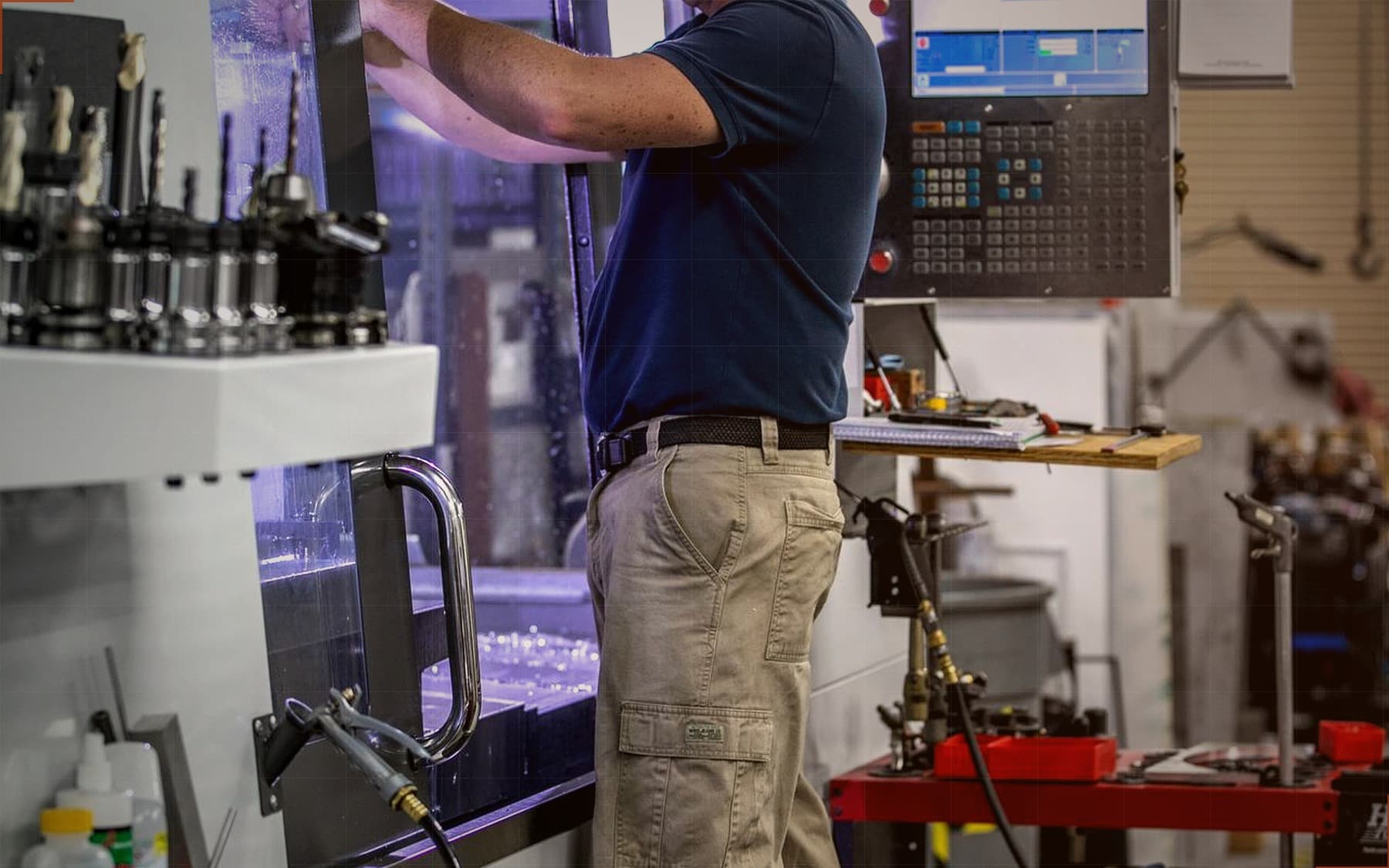
3- and 4-axis vertical machining for housings, brackets, manifolds and structural parts.
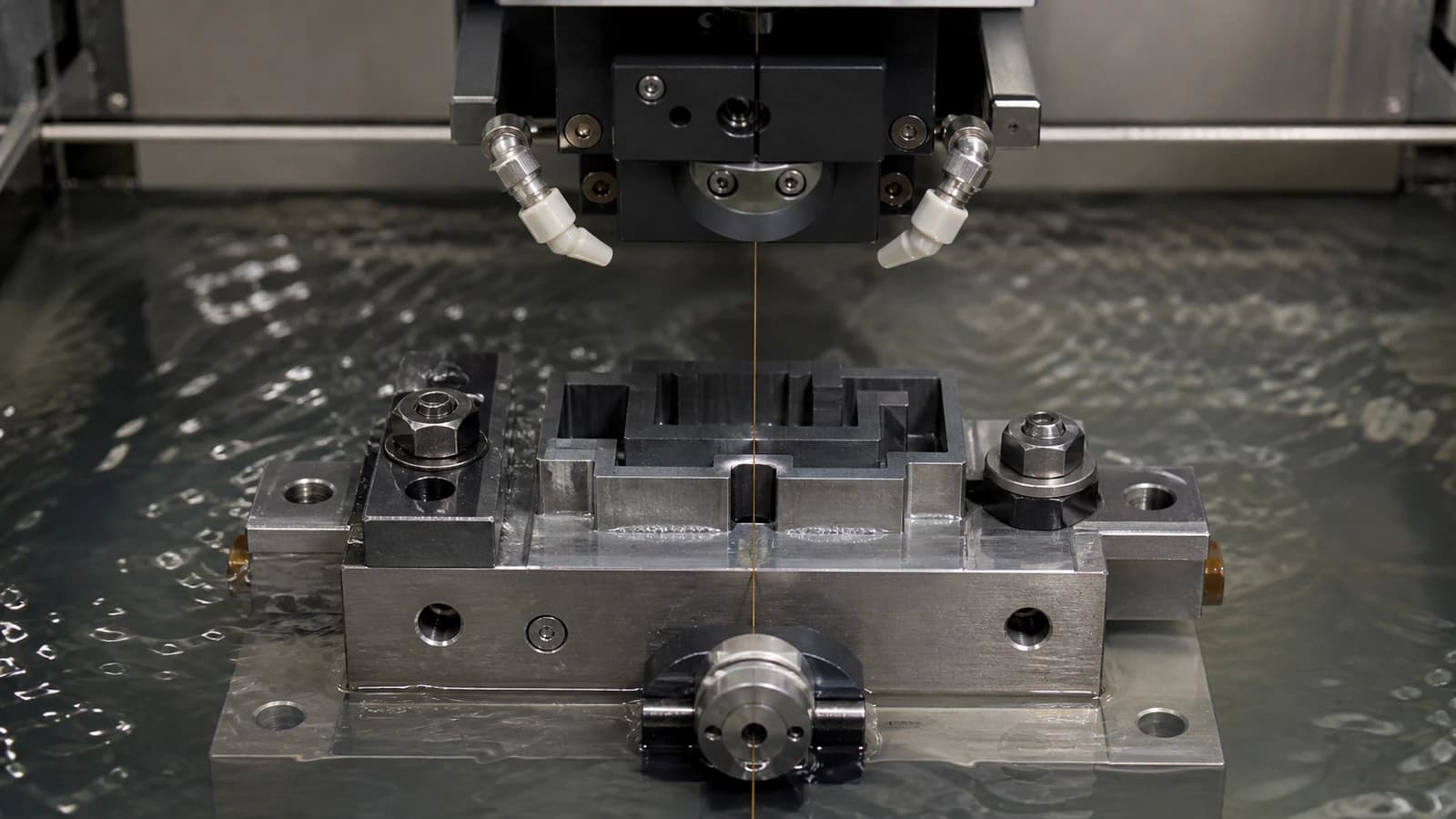
Wire EDM
Electrical discharge wire cutting for hardened steels, sharp internal corners and zero-force profiles.
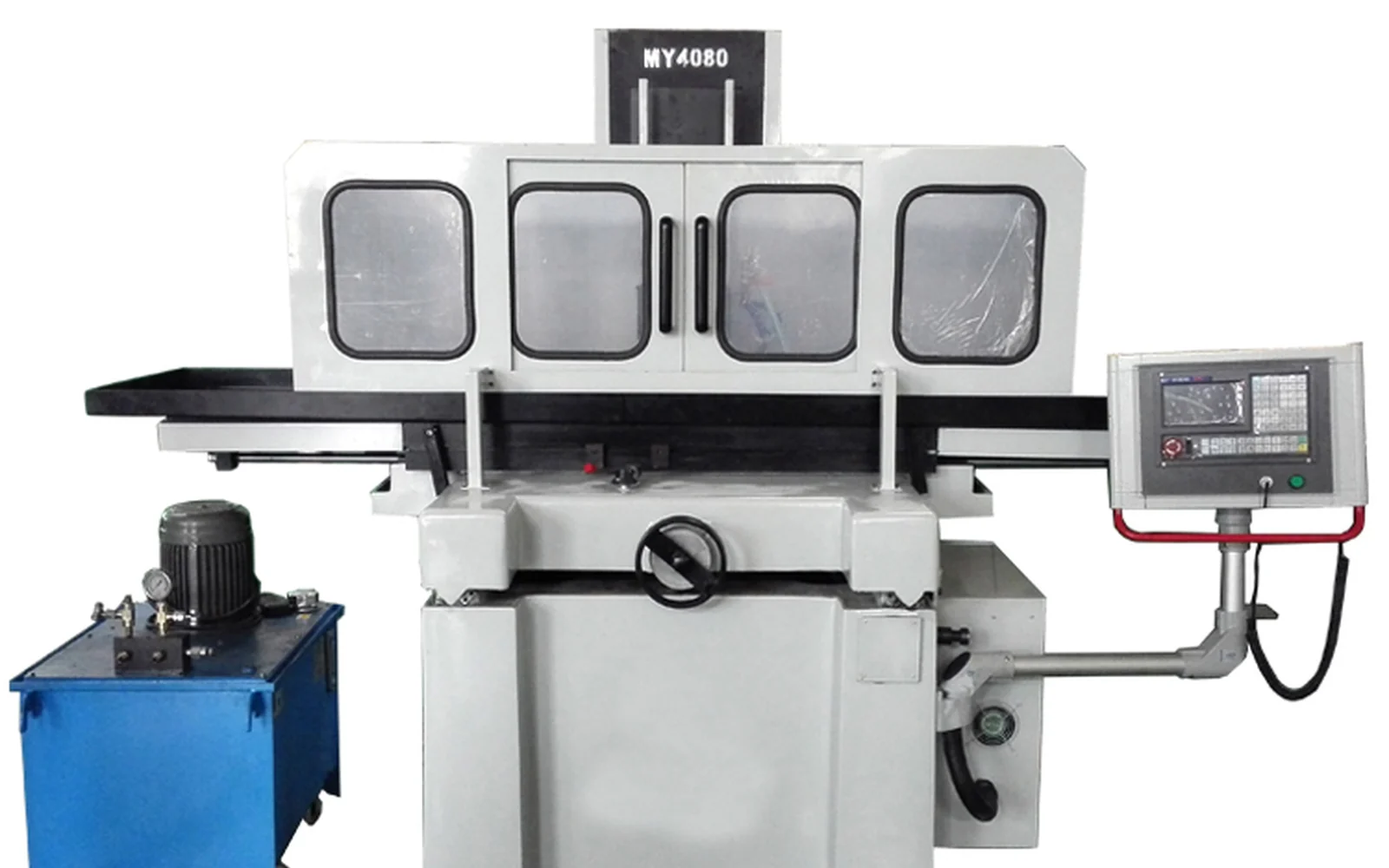
Surface Grinding
Abrasive finishing for flatness, parallelism and tight thickness control on hardened parts.
5-Axis Machining
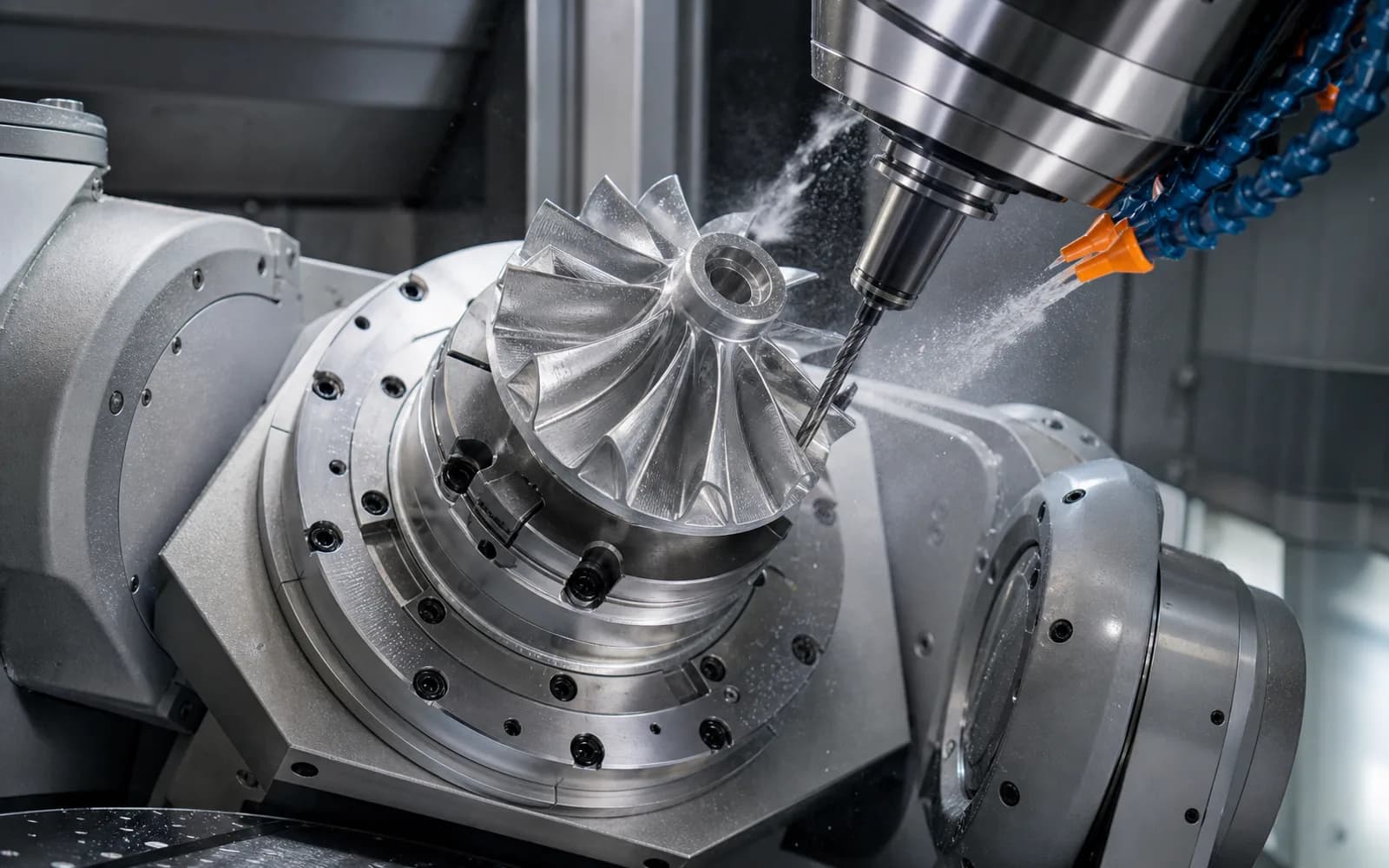
Simultaneous 5-axis machining for impellers, freeform surfaces and compound-angle features.
Prototype Machining
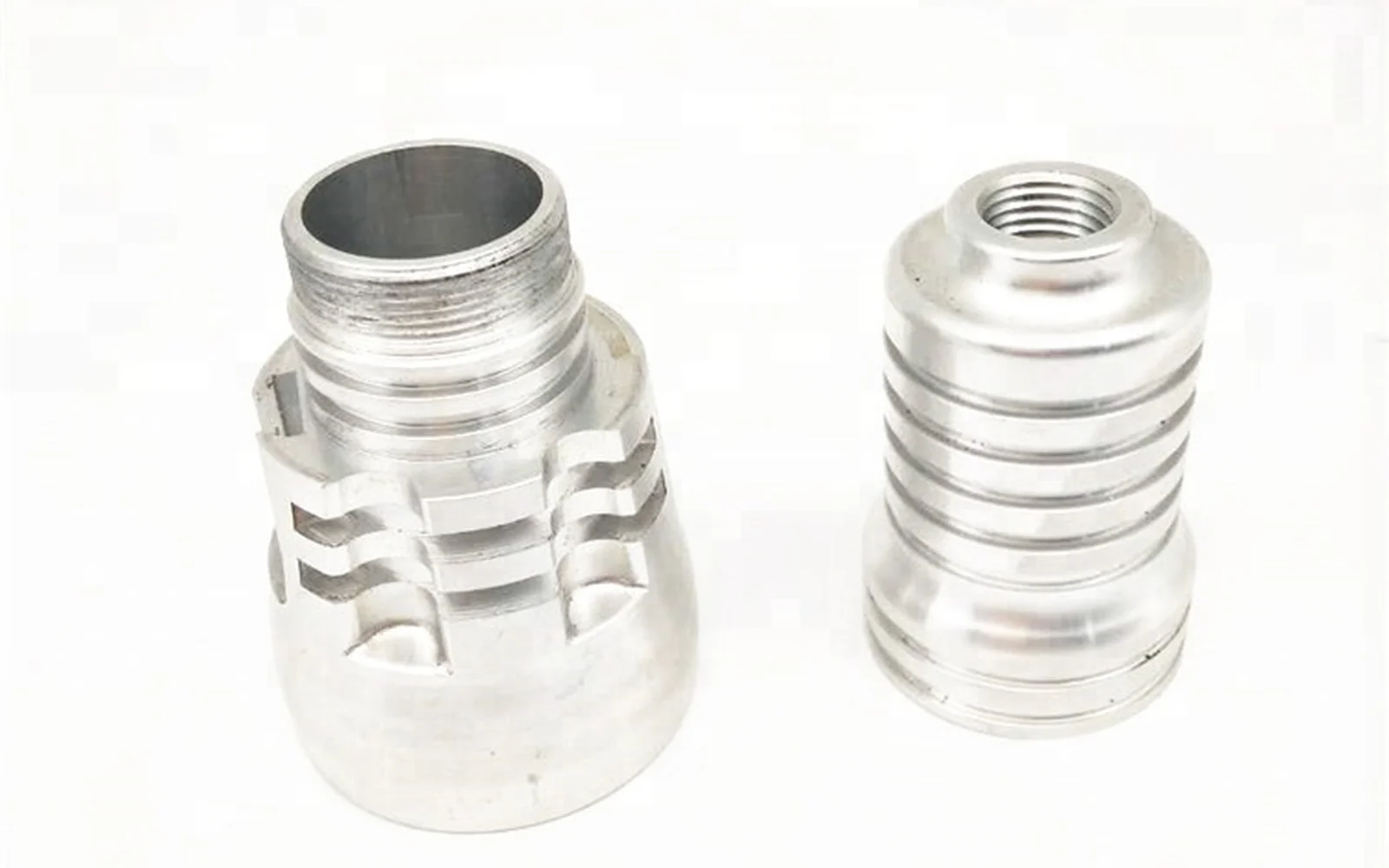
Functional prototypes in production-grade materials, shipped in days with DFM feedback included.
CNC machining service by country
Tooling components are usually tied to whoever built the mould. What it takes to re-source them.
Have a part in mind?
Upload CAD or drawings. Eligible CNC work gets an instant estimate; other processes move to engineer review. NDA-protected from the first byte.
Start an RFQ