Mold, Die & Tooling
Mold Slides, Lifters & Ejector Components
Moving mold components with wear faces, angles and travel interfaces controlled.
Direct answer
Slides, lifters and ejector components fail when angle, fit, hardness or bearing contact is treated as a general tolerance. Quote each moving component with its mating interface, travel direction, wear or lubrication requirement, heat treatment and fitting allowance so machining and grinding follow the assembled function.
Components and applications
- Angle pins and slide bodies
- Lifter inserts and rods
- Ejector and retainer plates
- Gibs, wear plates and lock blocks
Recommended manufacturing route
- 01
Rough machine with stock for heat treatment and fitting.
- 02
Heat treat moving and wear components to drawing.
- 03
Grind fits and finish complex forms by EDM or hard milling.
- 04
Inspect angle, travel interfaces and mating geometry.
Drawing and RFQ controls
| Control | Quote guidance |
|---|---|
| Mating pair | Supply both component references and define clearance or preload. |
| Travel direction | Tie angles and wear faces to the functional motion datum. |
| Lubrication | Identify grooves, ports and surfaces that must remain coating-free. |


Related processes
CNC Milling
3- and 4-axis vertical machining for housings, brackets, manifolds and structural parts.
CNC Turning
Live-tooling lathes for shafts, pins, bushings and threaded fittings up to Ø406 mm.
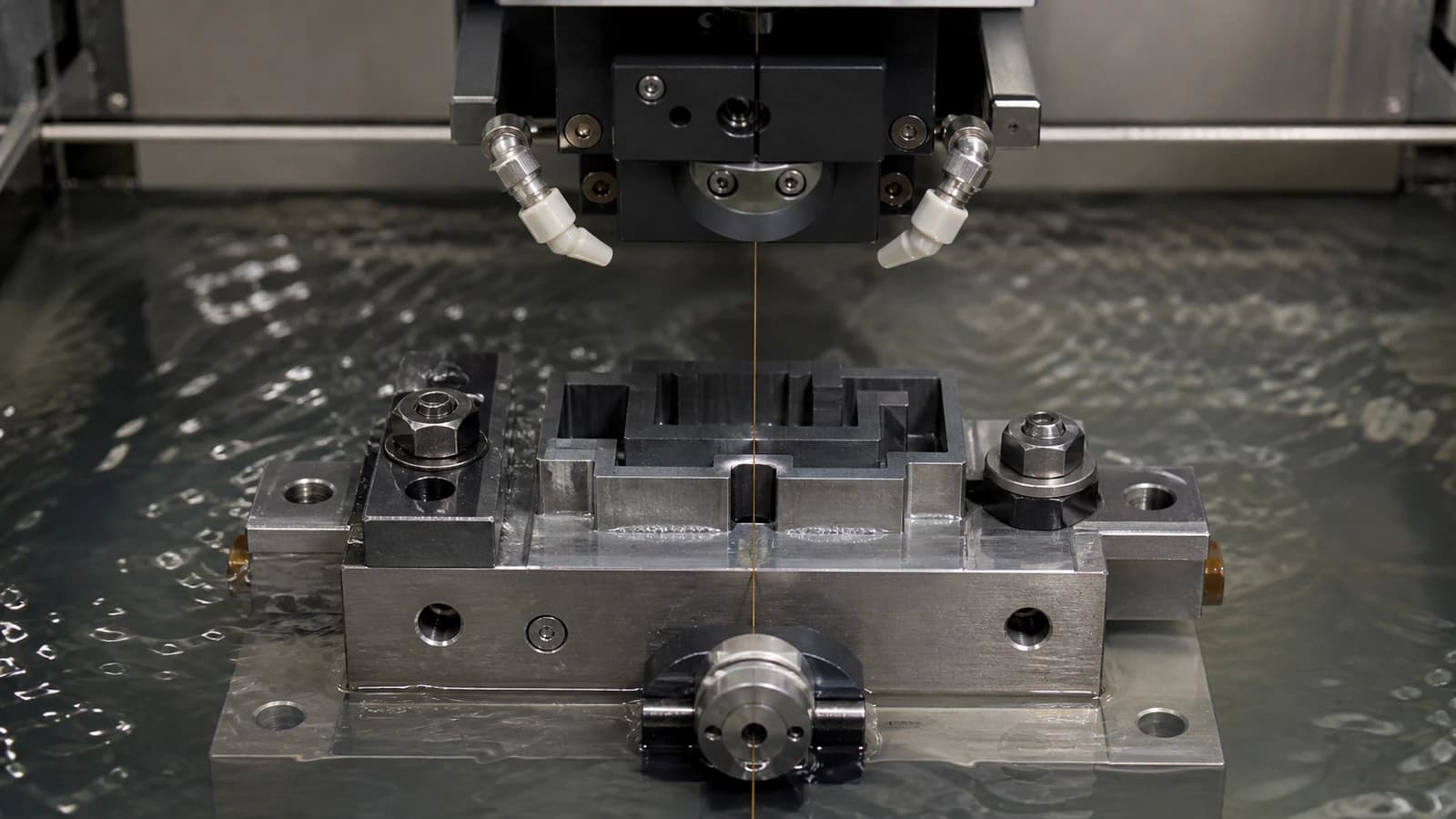
Wire EDM
Electrical discharge wire cutting for hardened steels, sharp internal corners and zero-force profiles.
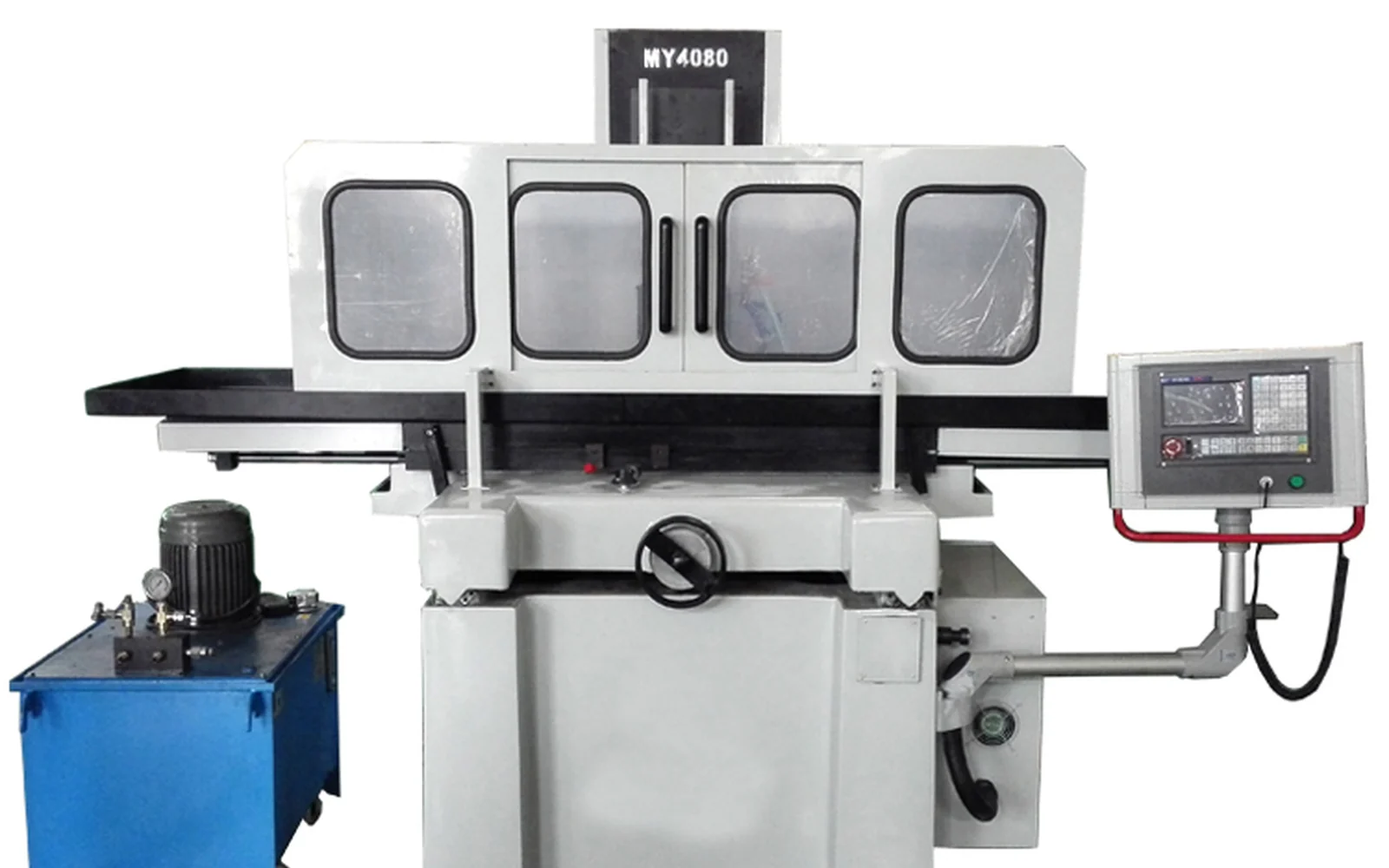
Surface Grinding
Abrasive finishing for flatness, parallelism and tight thickness control on hardened parts.
Compatible finishes
Inspection to define before production
- Ground fit and angle measurements
- Hardness and heat-treatment records when required
- Mating or blue-check scope when included in the RFQ
Applicable standards and documentation
- Customer mold standard
- Component naming, fit and purchased standards follow the supplied specification.
- ISO 286 / drawing fits
- Fit class alone does not replace the assembled travel requirement.
Related guides and hubs
Mold Slides, Lifters & Ejector Components buyer questions
01Should mold slides be quoted as individual parts or matched sets?
Quote matched components together when final fitting, bearing contact or travel clearance is part of acceptance. Individual parts are appropriate only when interchangeability is fully drawing-defined.
02What stock should remain for toolmaker fitting?
There is no universal value. Mark the exact surfaces, stock amount and who owns final fitting; otherwise the supplier may finish a surface the toolmaker expected to hand-fit.
Other mold, die & tooling solutions
Mold Core & Cavity Inserts
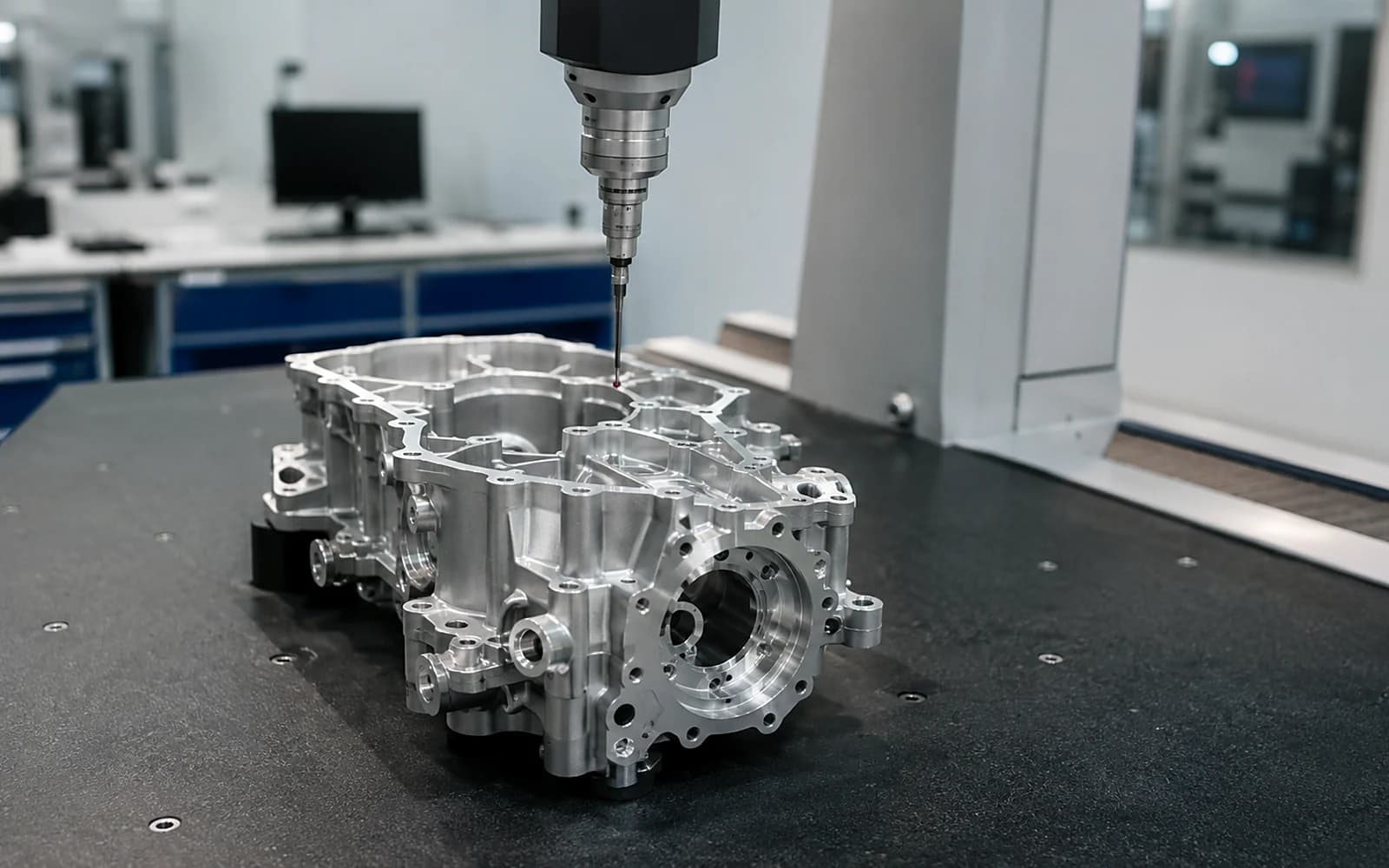
Hardened tool-steel inserts with shutoffs, fits and molding surfaces kept under one route.
EDM Electrodes
Repeatable electrodes tied to holder datums, burn sequence and spark-gap strategy.
Checking Fixtures & Go/No-Go Gauges
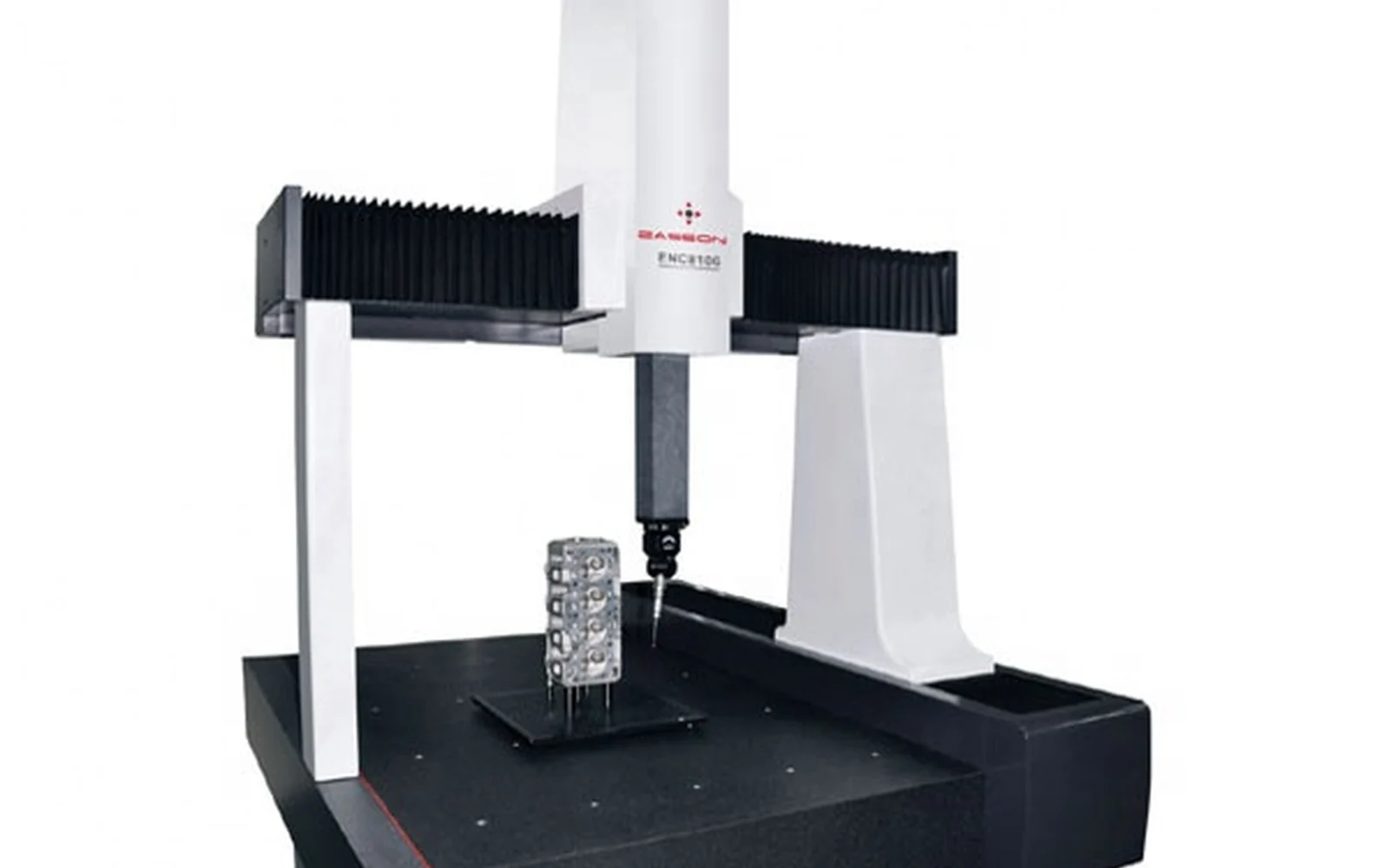
Inspection tooling built around the part datum, wear strategy and calibration method.
Have a part in mind?
Upload CAD or drawings. Eligible CNC work gets an instant estimate; other processes move to engineer review. NDA-protected from the first byte.
Start an RFQ