Mold, Die & Tooling
Mold Core & Cavity Inserts
Hardened tool-steel inserts with shutoffs, fits and molding surfaces kept under one route.
Direct answer
Core and cavity inserts usually require a combined route: rough machining, heat treatment, finish milling or EDM, grinding, fitting allowance and surface preparation. The RFQ should identify molding surfaces, shutoffs, insert fits, draft, EDM texture, polish zones and whether dimensions apply before or after heat treatment.
Components and applications
- Injection mold cavity inserts
- Core blocks and replaceable inserts
- Die-casting inserts and wear blocks
- Prototype bridge-tool inserts
Recommended manufacturing route
- 01
Rough machine with heat-treatment and distortion allowance.
- 02
Heat treat and stabilize to the specified condition.
- 03
Finish hard mill, EDM and grind critical interfaces.
- 04
Inspect fits, shutoffs and molding surfaces before polishing.
Drawing and RFQ controls
| Control | Quote guidance |
|---|---|
| Heat-treatment state | State hardness, process stage and dimensions that apply after treatment. |
| Shutoffs and fits | Identify bearing areas, relief and fitting stock separately. |
| Surface map | Separate EDM, polish, texture and non-cosmetic zones. |


Related processes
CNC Milling
3- and 4-axis vertical machining for housings, brackets, manifolds and structural parts.
5-Axis Machining
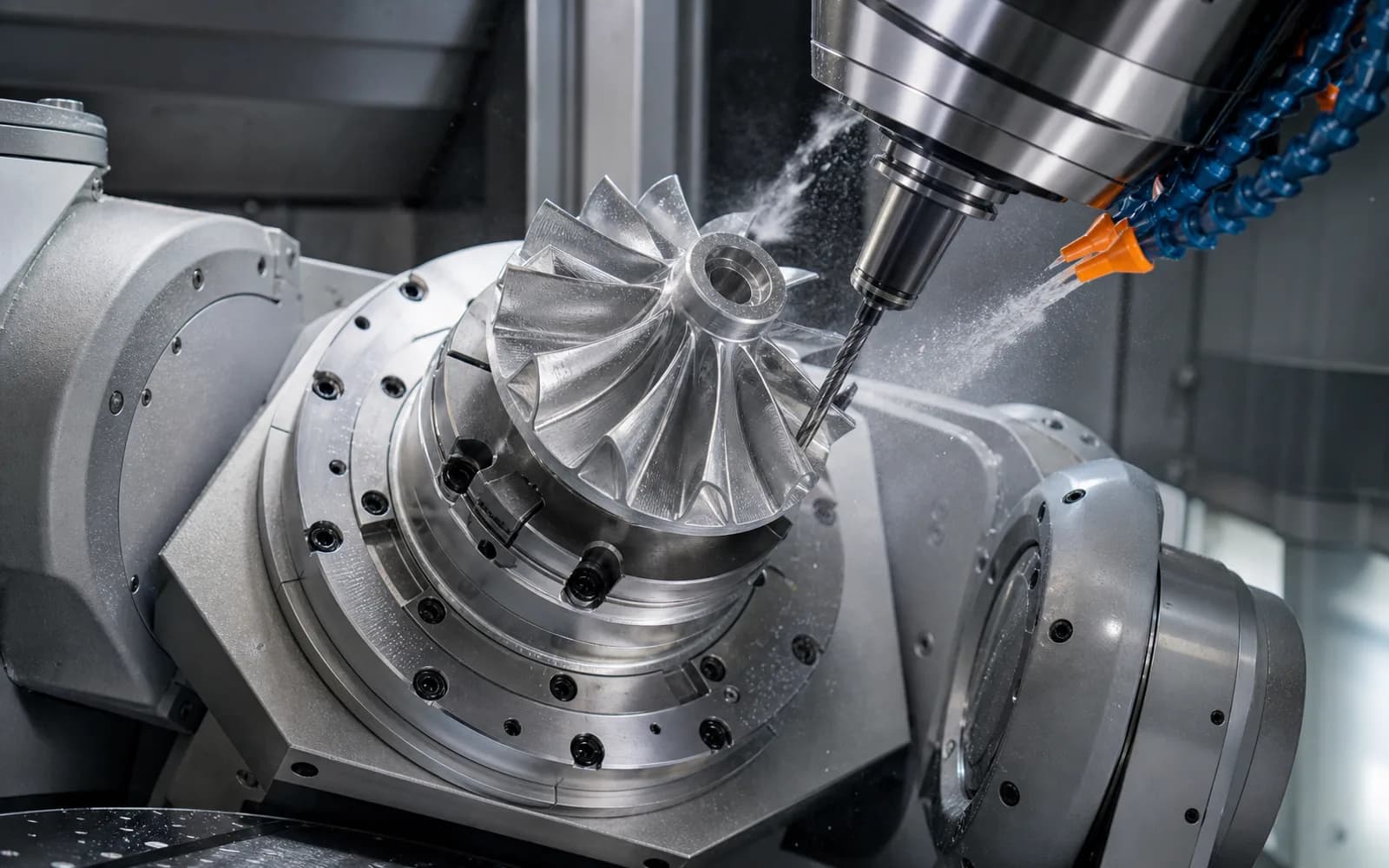
Simultaneous 5-axis machining for impellers, freeform surfaces and compound-angle features.
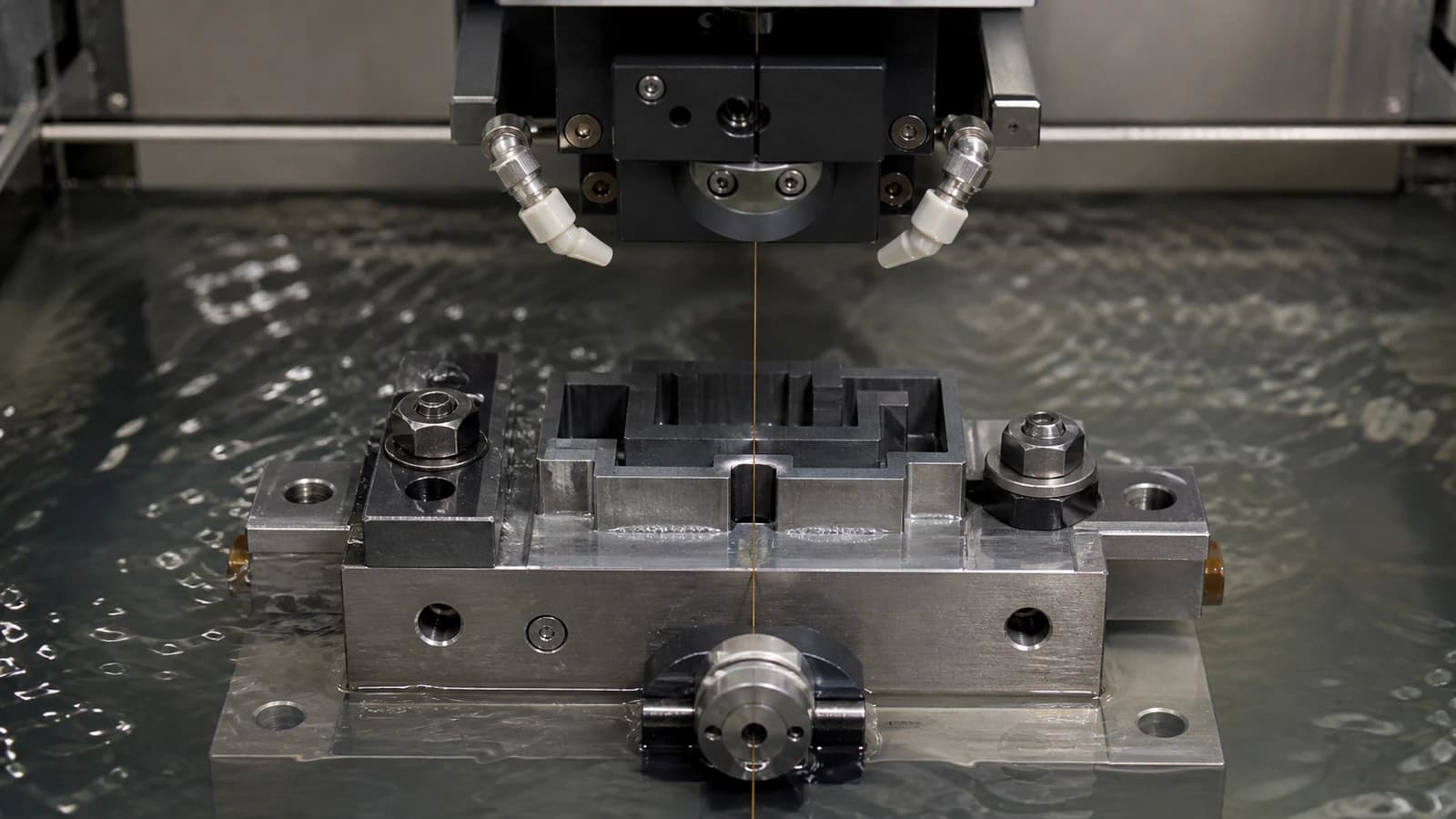
Wire EDM
Electrical discharge wire cutting for hardened steels, sharp internal corners and zero-force profiles.
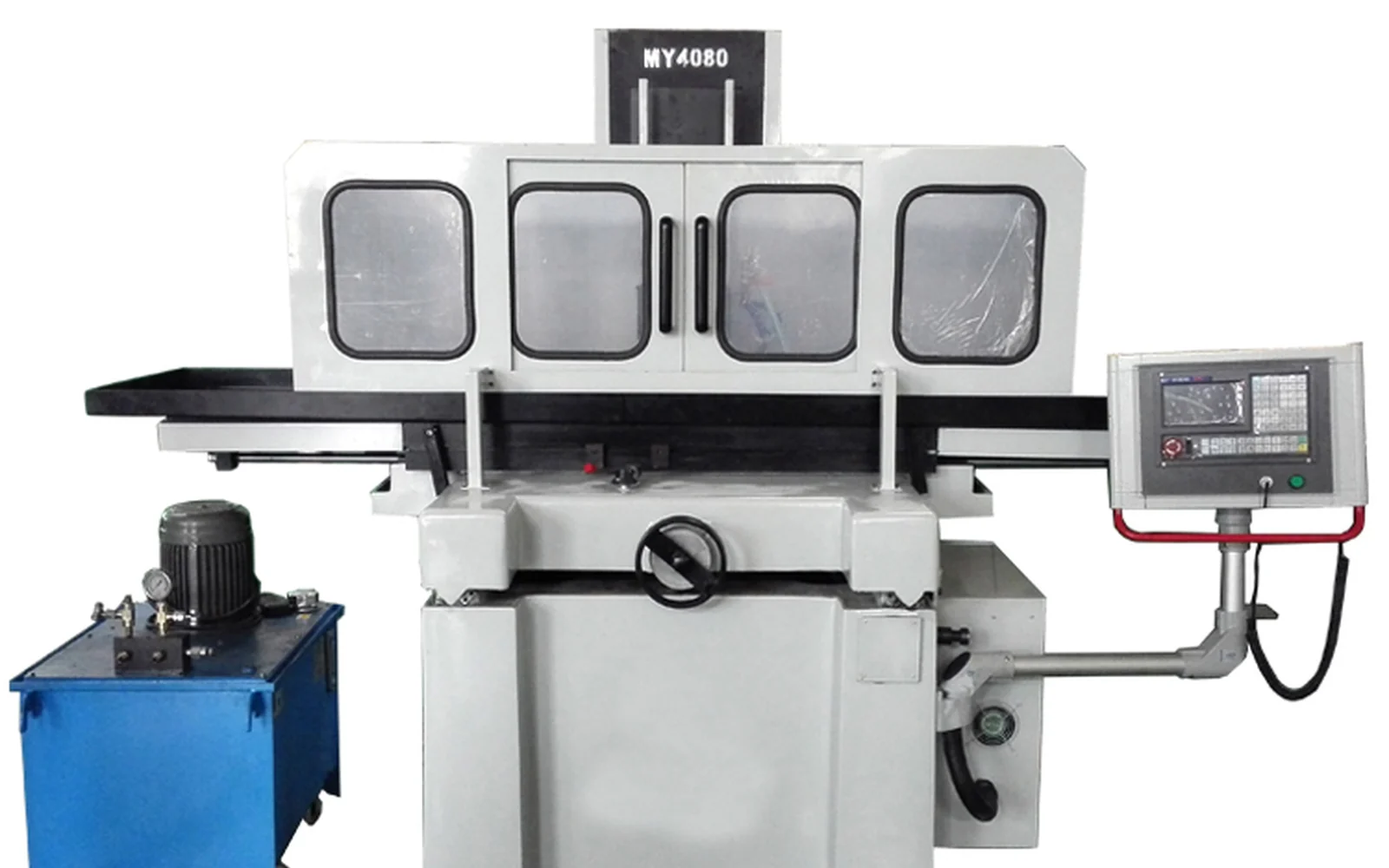
Surface Grinding
Abrasive finishing for flatness, parallelism and tight thickness control on hardened parts.
Compatible finishes
Inspection to define before production
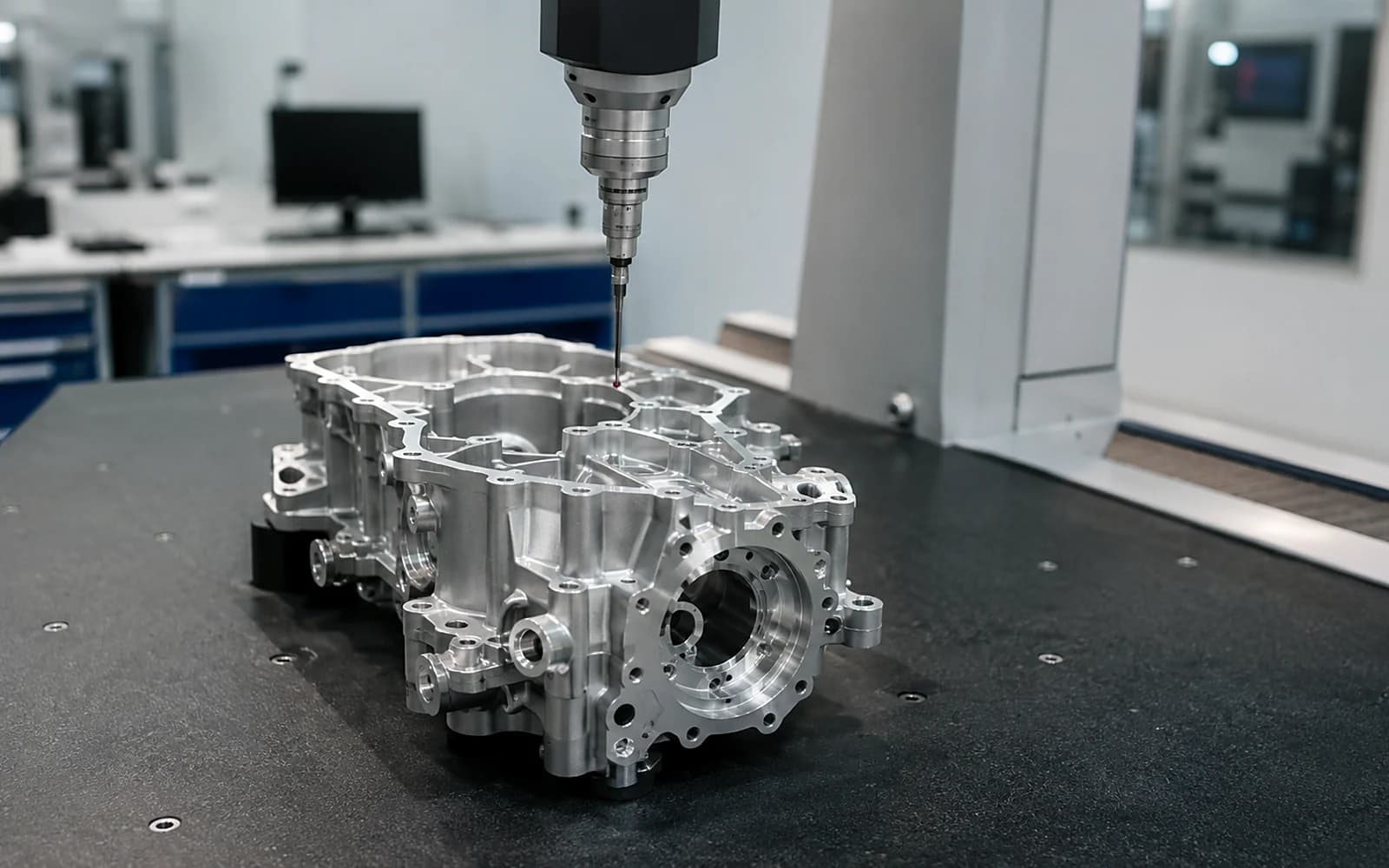
- CMM report for insert fits, shutoffs and reference datums
- Hardness and material certificate when requested
- Surface-finish or polish acceptance by defined zone
Applicable standards and documentation
- Customer mold standard
- DME, HASCO, MISUMI or internal conventions must be named in the RFQ.
- ISO 286 / drawing fits
- Insert fit and fitting allowance remain drawing-defined.
Related guides and hubs
Mold Core & Cavity Inserts buyer questions
01Should mold insert dimensions apply before or after heat treatment?
Functional dimensions normally apply after heat treatment and final finishing. The drawing should identify pre-heat stock or intermediate dimensions separately.
02Can polishing be included in the same quote?
Yes when the polish grade, zones, edge-protection rules and acceptance sample or standard are supplied before quoting.
Other mold, die & tooling solutions
Mold Slides, Lifters & Ejector Components
Moving mold components with wear faces, angles and travel interfaces controlled.
EDM Electrodes
Repeatable electrodes tied to holder datums, burn sequence and spark-gap strategy.
Checking Fixtures & Go/No-Go Gauges
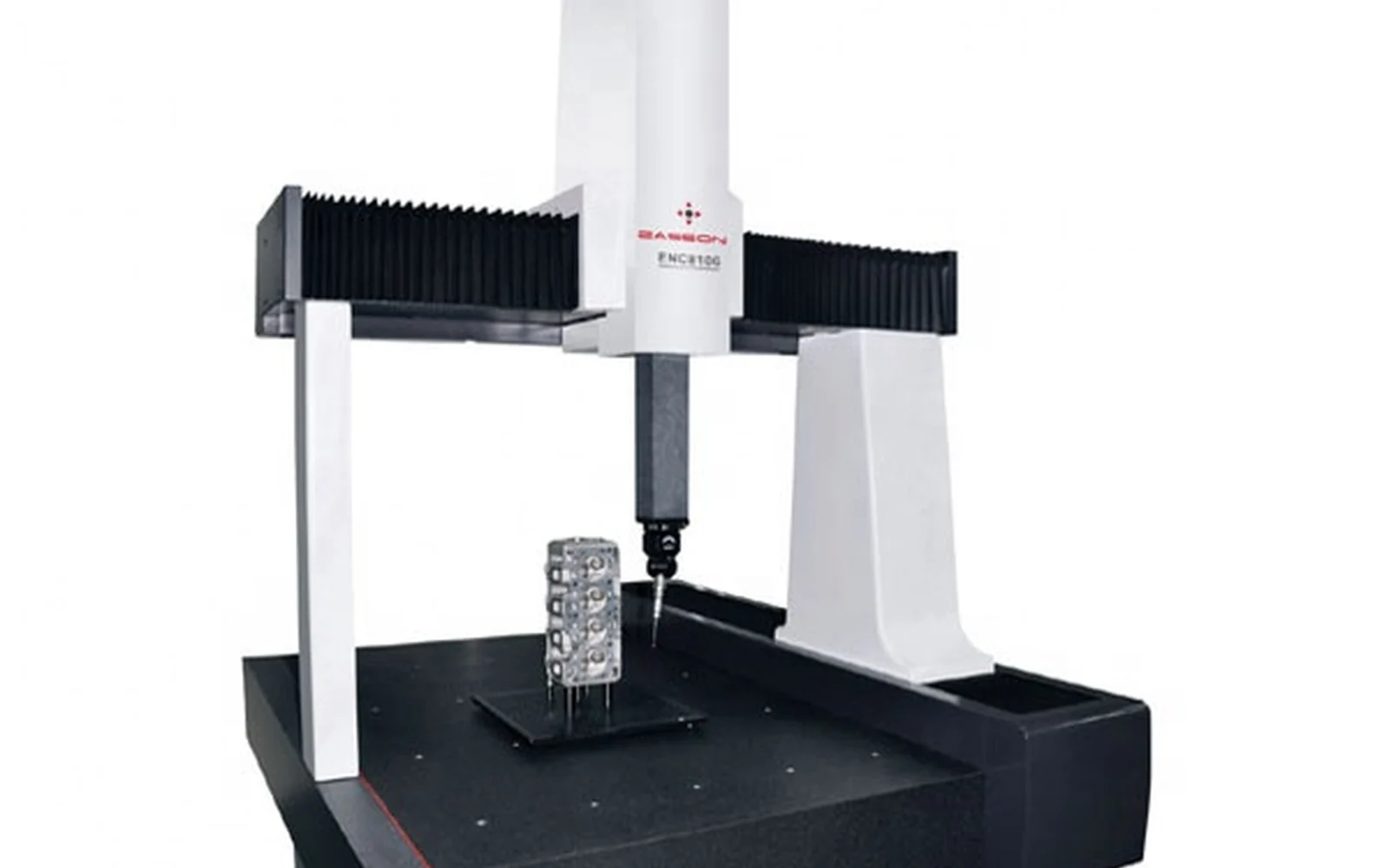
Inspection tooling built around the part datum, wear strategy and calibration method.
Have a part in mind?
Upload CAD or drawings. Eligible CNC work gets an instant estimate; other processes move to engineer review. NDA-protected from the first byte.
Start an RFQ