Custom CNC parts
Custom CNC Replacement Parts
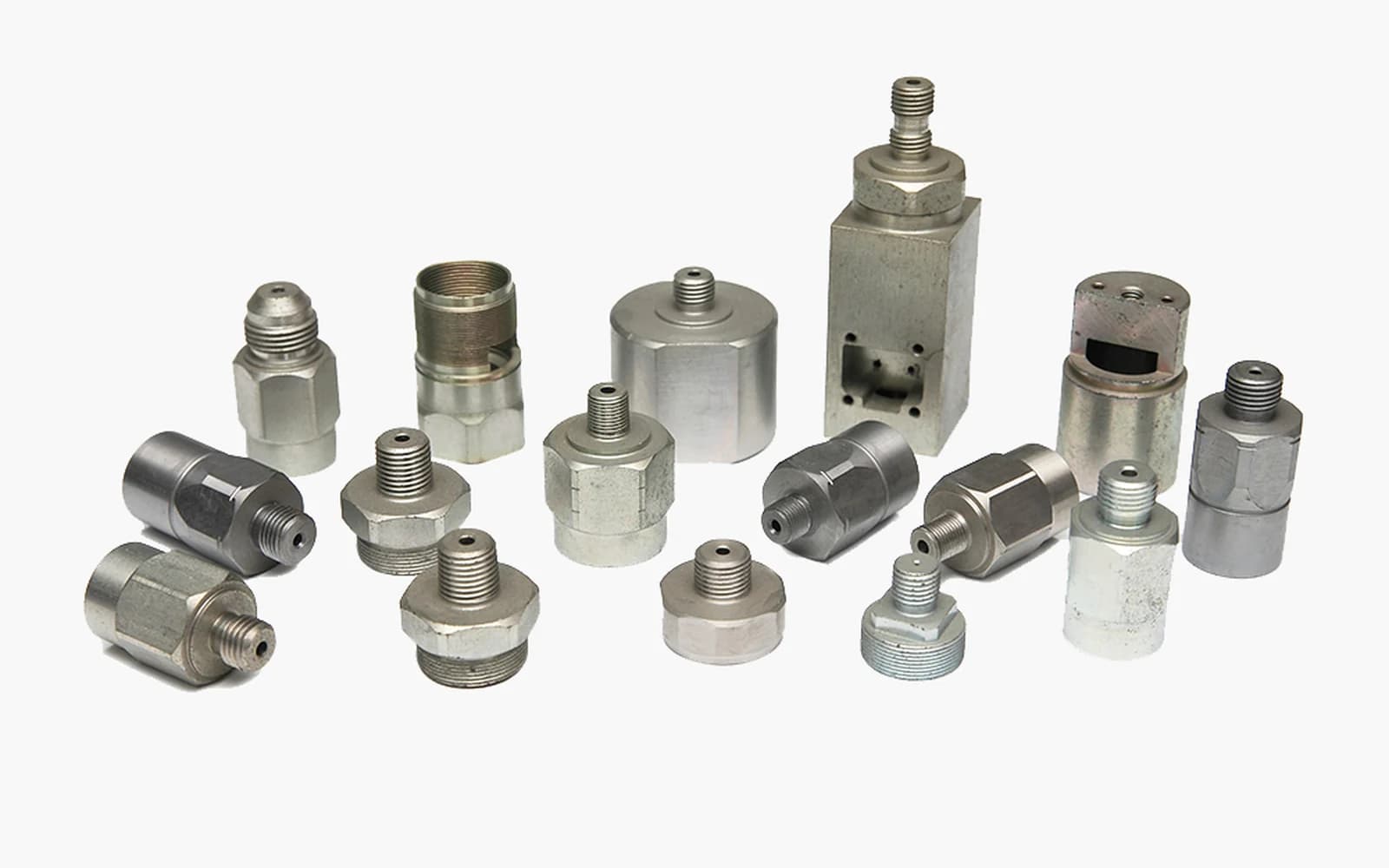
Drawing-controlled replacements for obsolete, damaged or long-lead industrial components.
Direct answer
A custom replacement part can be machined when its function, material condition, interfaces and critical fits can be reconstructed reliably. A physical sample helps, but wear means it is not automatically the design truth; the safest route combines available drawings, mating-part dimensions, service conditions and an agreed inspection plan.
Typical applications
- Obsolete machine shafts, flanges and adapters
- Hydraulic blocks and wear components
- Production-line change parts
- Low-volume repair and upgrade hardware
Recommended manufacturing route
- 01
Collect drawings, sample measurements, mating geometry and operating conditions.
- 02
Separate worn dimensions from functional design dimensions and document assumptions.
- 03
Select material condition, heat treatment and process route before final pricing.
- 04
Inspect critical interfaces and approve the first article before repeat production.
Controls to put on the drawing
| Control | Quote guidance |
|---|---|
| Design authority | Identify whether a controlled drawing, CAD model or measured sample governs each feature. |
| Wear allowance | Do not copy a worn bore, tooth, journal or seal surface without reconstructing its intended fit. |
| Material state | Specify grade, hardness, heat treatment, coating and service environment where known. |
| First article | Use one controlled first article to validate fit before authorizing a repeat batch. |
Recommended materials
Alloy Steel 4140
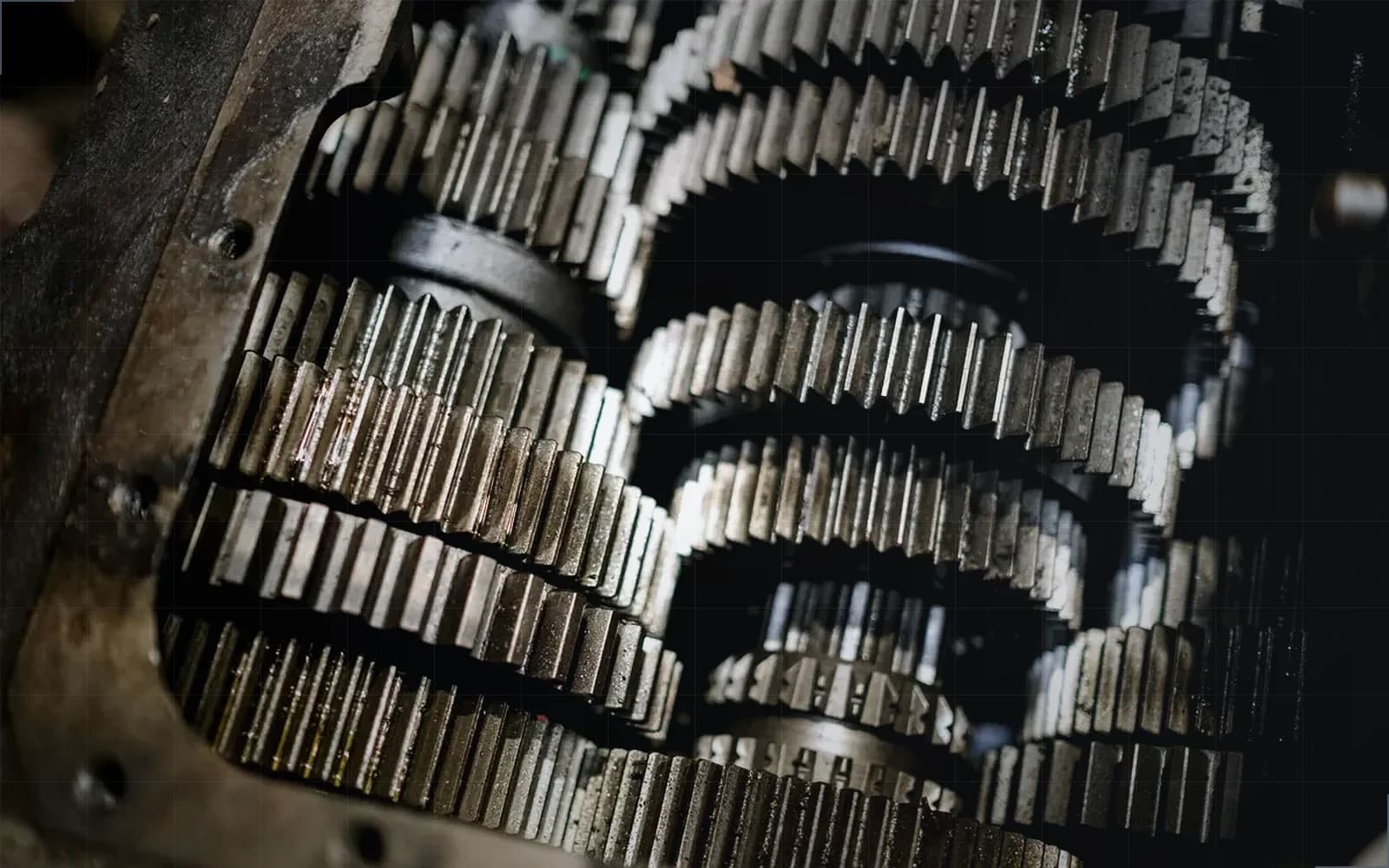
Common repair choice for loaded shafts, pins and machine components.
Carbon Steel 1045
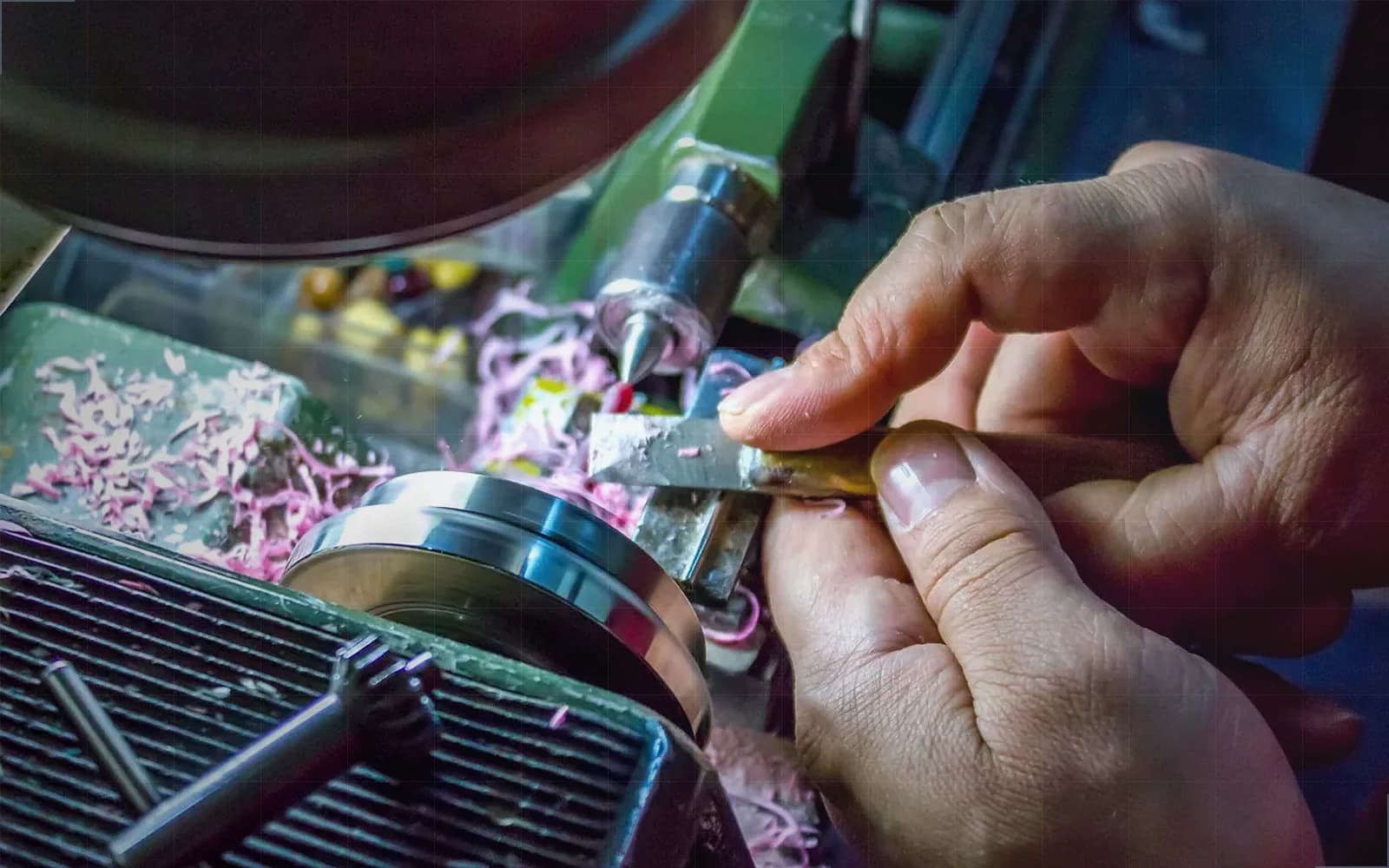
General industrial shafts, hubs and wear parts with heat-treatment options.
Phosphor Bronze C510
Replacement bushings and sliding wear details.
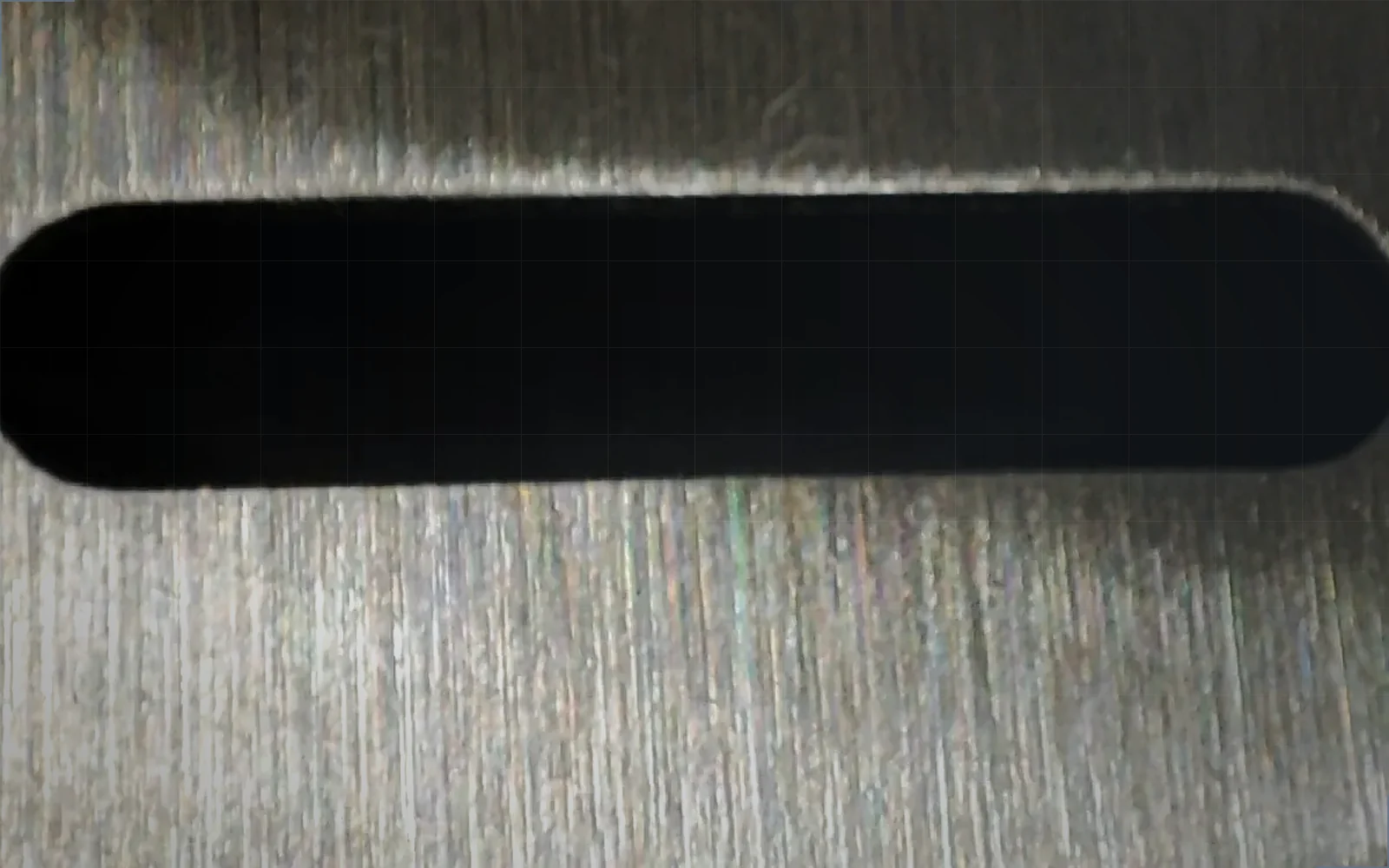
Stainless Steel 304
Corrosion-resistant replacement hardware for process equipment.
Related processes
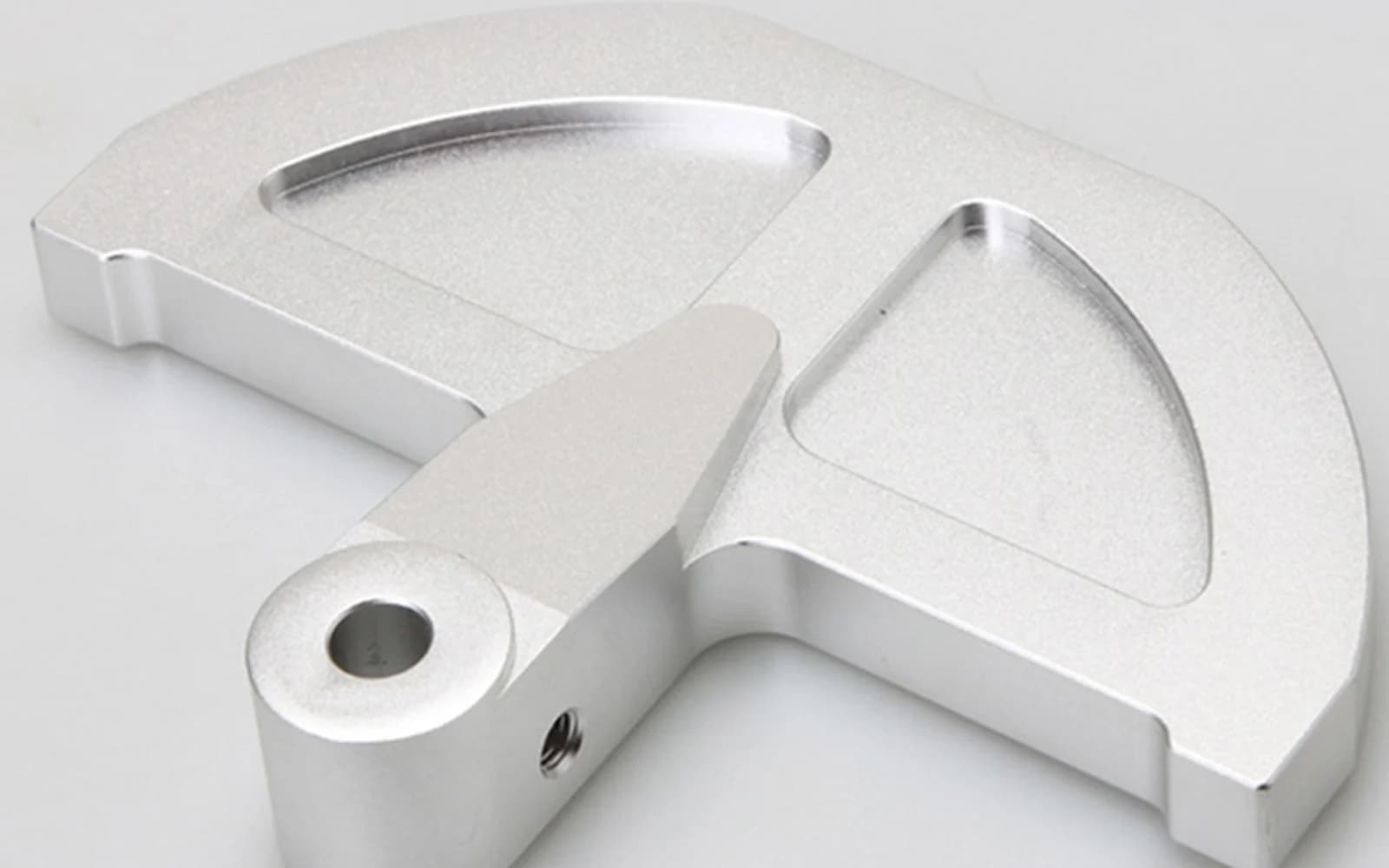
CNC Machining
Milling, turning, 5-axis, Swiss-type, EDM and grinding under one roof. One upload, one accountable partner.
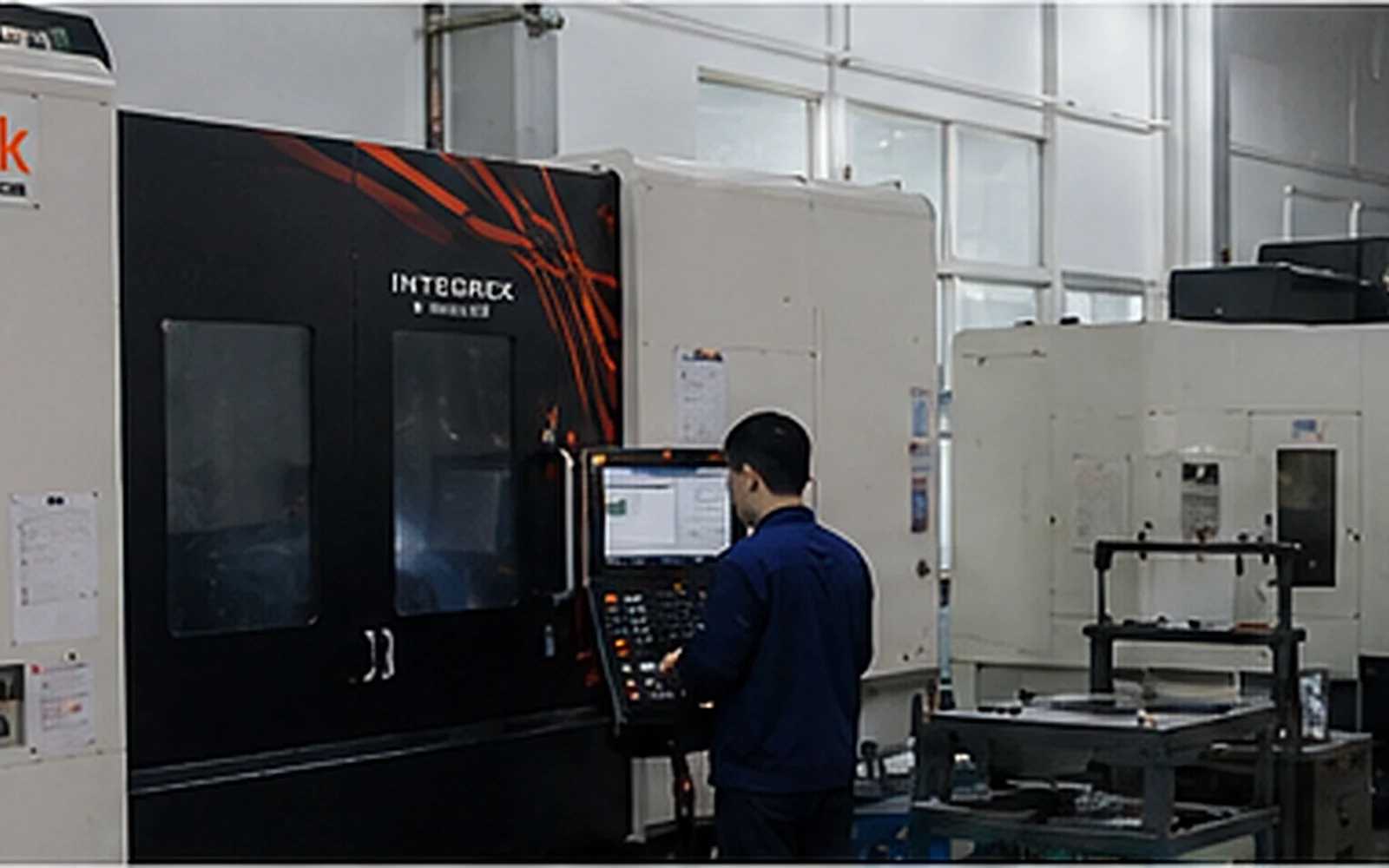
CNC Turning
Live-tooling lathes for shafts, pins, bushings and threaded fittings up to Ø406 mm.
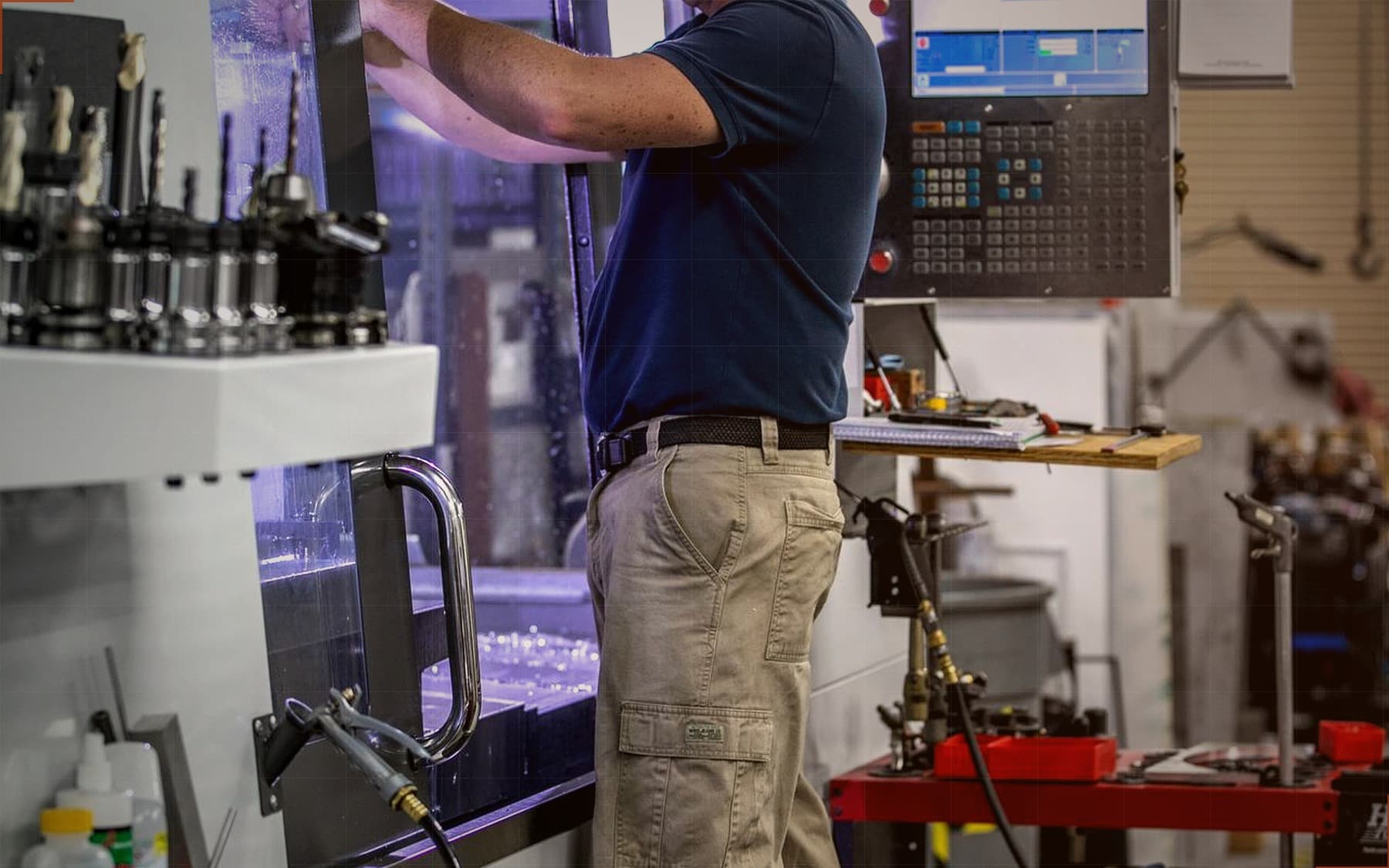
CNC Milling
3- and 4-axis vertical machining for housings, brackets, manifolds and structural parts.
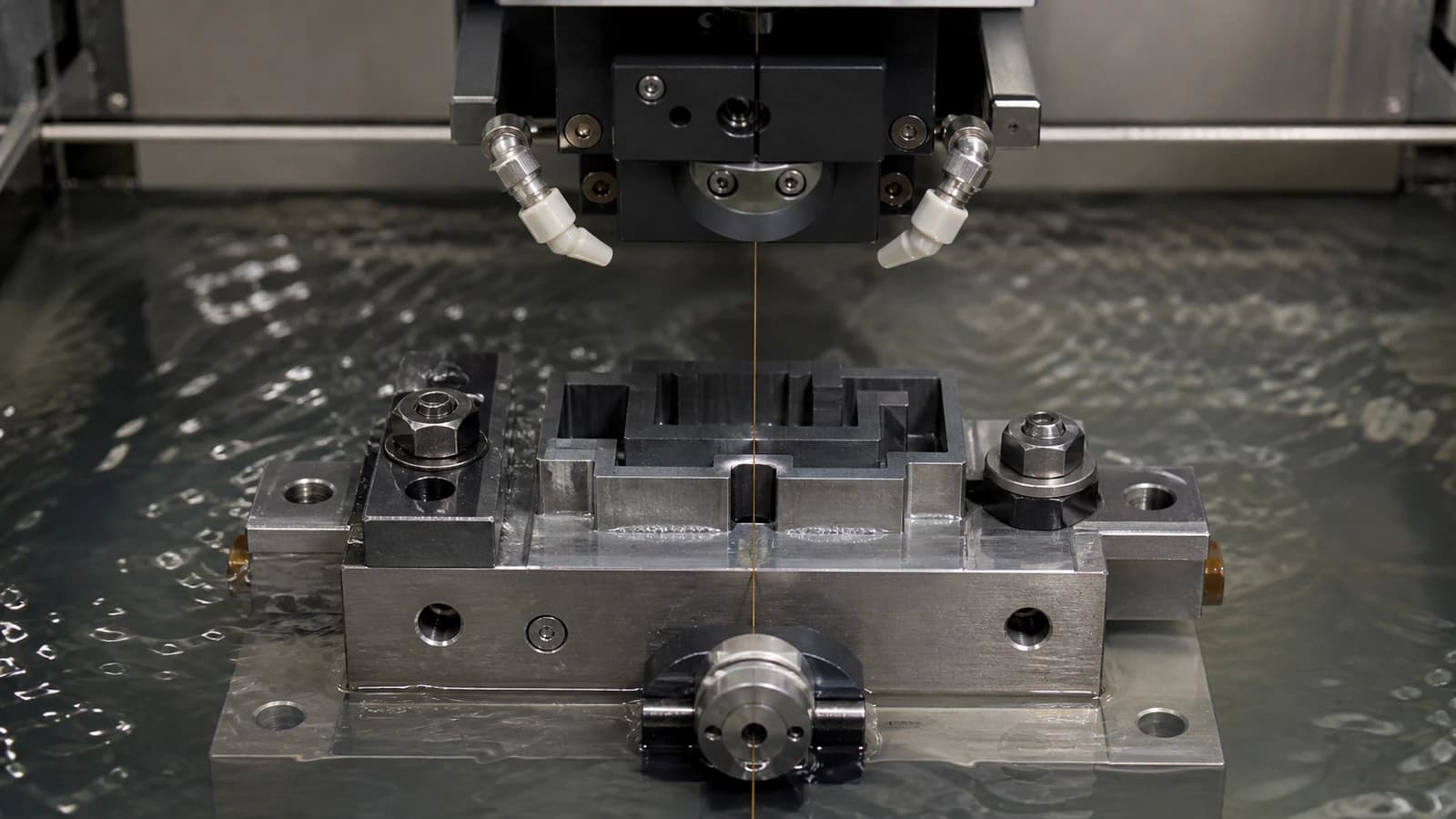
Wire EDM
Electrical discharge wire cutting for hardened steels, sharp internal corners and zero-force profiles.
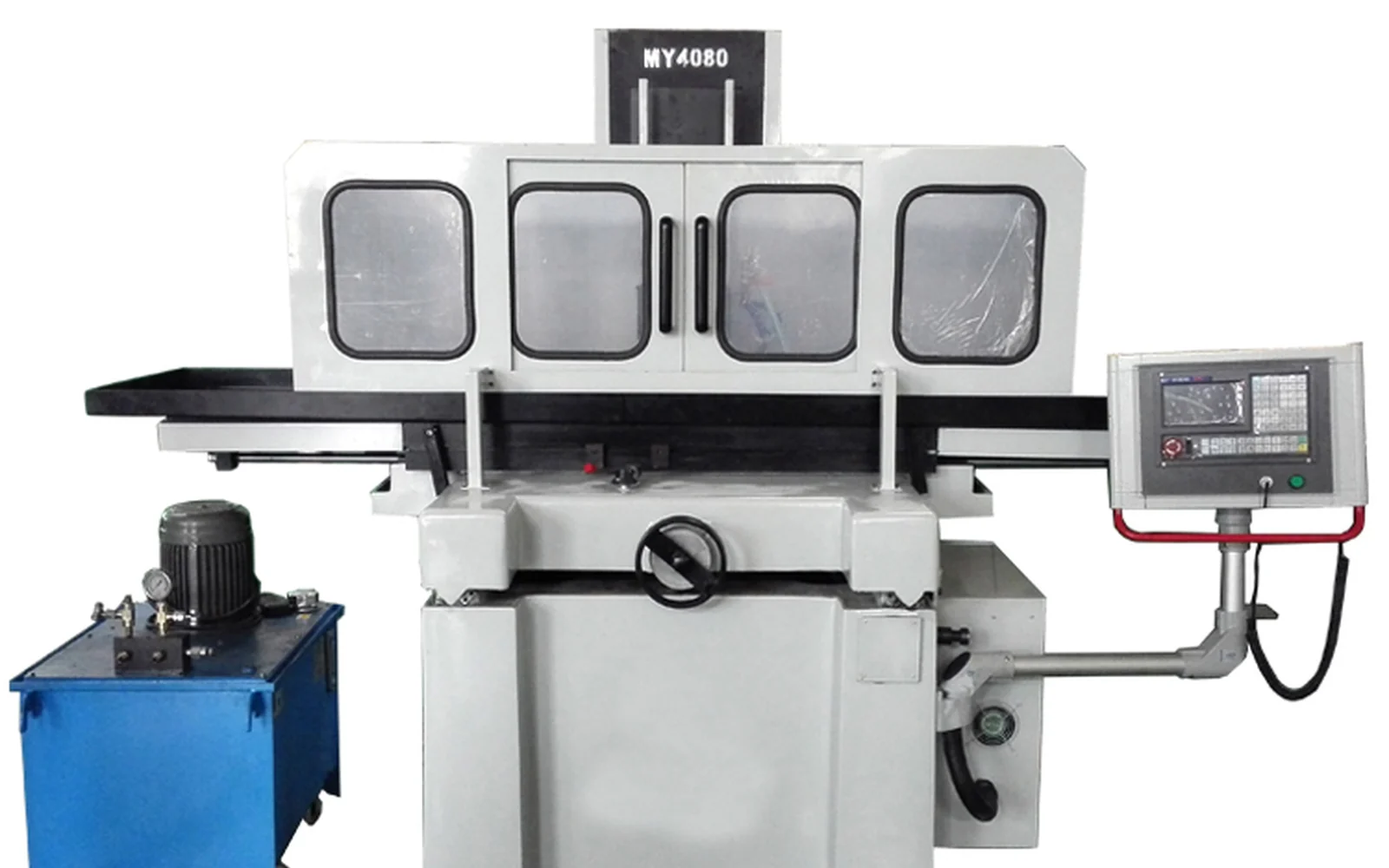
Surface Grinding
Abrasive finishing for flatness, parallelism and tight thickness control on hardened parts.
Compatible finishes
Inspection scope to define in the RFQ
- First-article dimensional report against the agreed replacement drawing
- Fit check with a supplied mating part or approved gauges when practical
- Material, hardness and finish verification requested before production
Related engineering guides
Custom CNC Replacement Parts buyer questions
01Can a replacement part be made from only a physical sample?
Sometimes, but a worn or damaged sample does not reveal original nominal dimensions by itself. Mating parts, assembly measurements, function and service load reduce uncertainty. Reverse-engineering scope must be agreed before quoting.
02How do you choose material when the original grade is unknown?
Use available records, hardness or composition testing, failure mode and service conditions. FabVector will not claim an unknown grade from appearance alone; material substitution requires customer approval.
03Can one replacement part be quoted?
Yes, the published MOQ is one. One-off work carries programming, setup and inspection costs that are distributed across more pieces in a repeat batch.
04How is repeat risk controlled after the first part?
Approve a controlled drawing and first-article report, then freeze material, process, inspection points and revision for repeat orders. Changes should follow a documented revision rather than shop-floor interpretation.
Other custom CNC part families
CNC Machined Enclosures & Housings
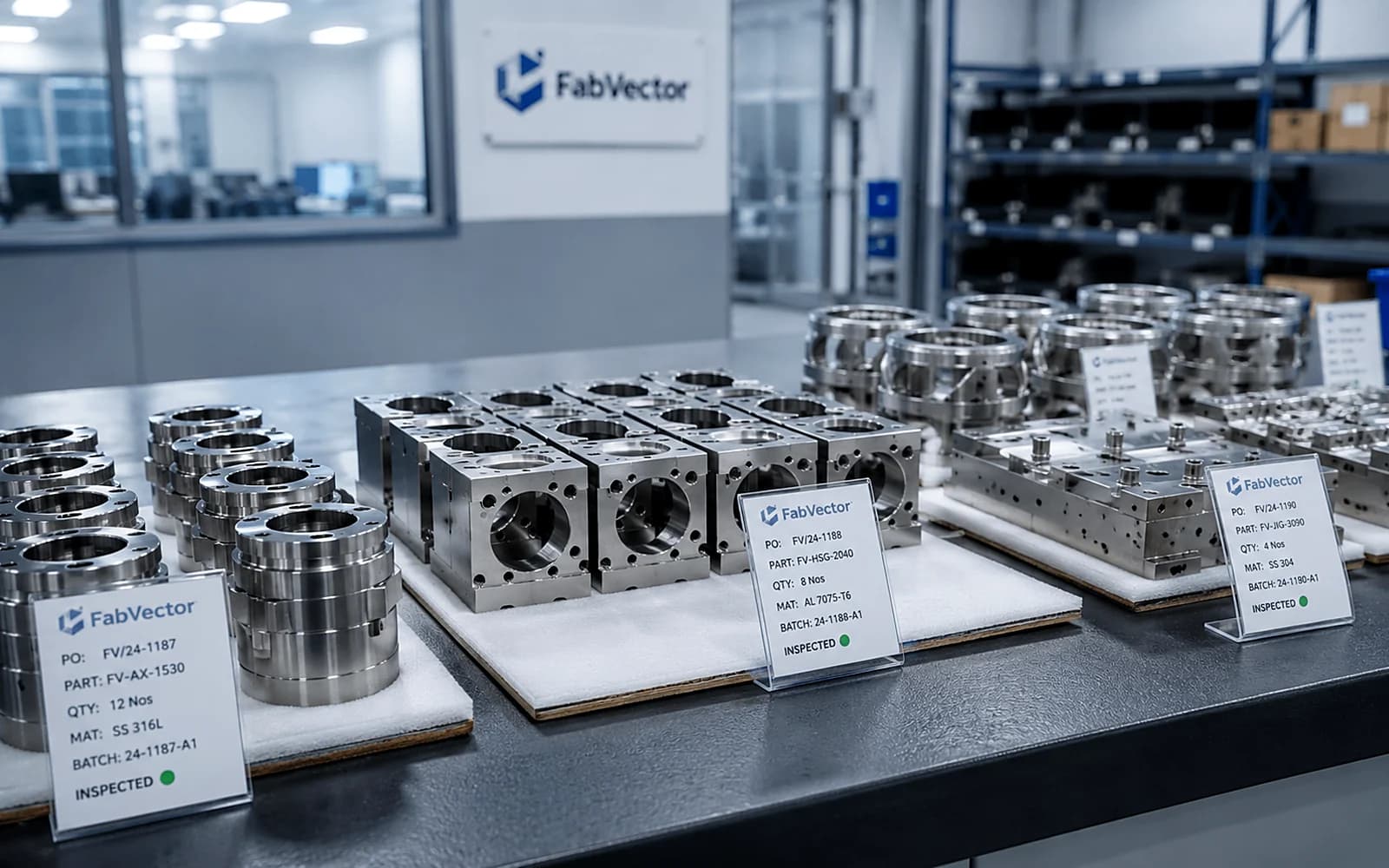
One-piece housings with controlled datums, sealed interfaces and assembly-ready finishes.
CNC Machined Brackets & Mounts
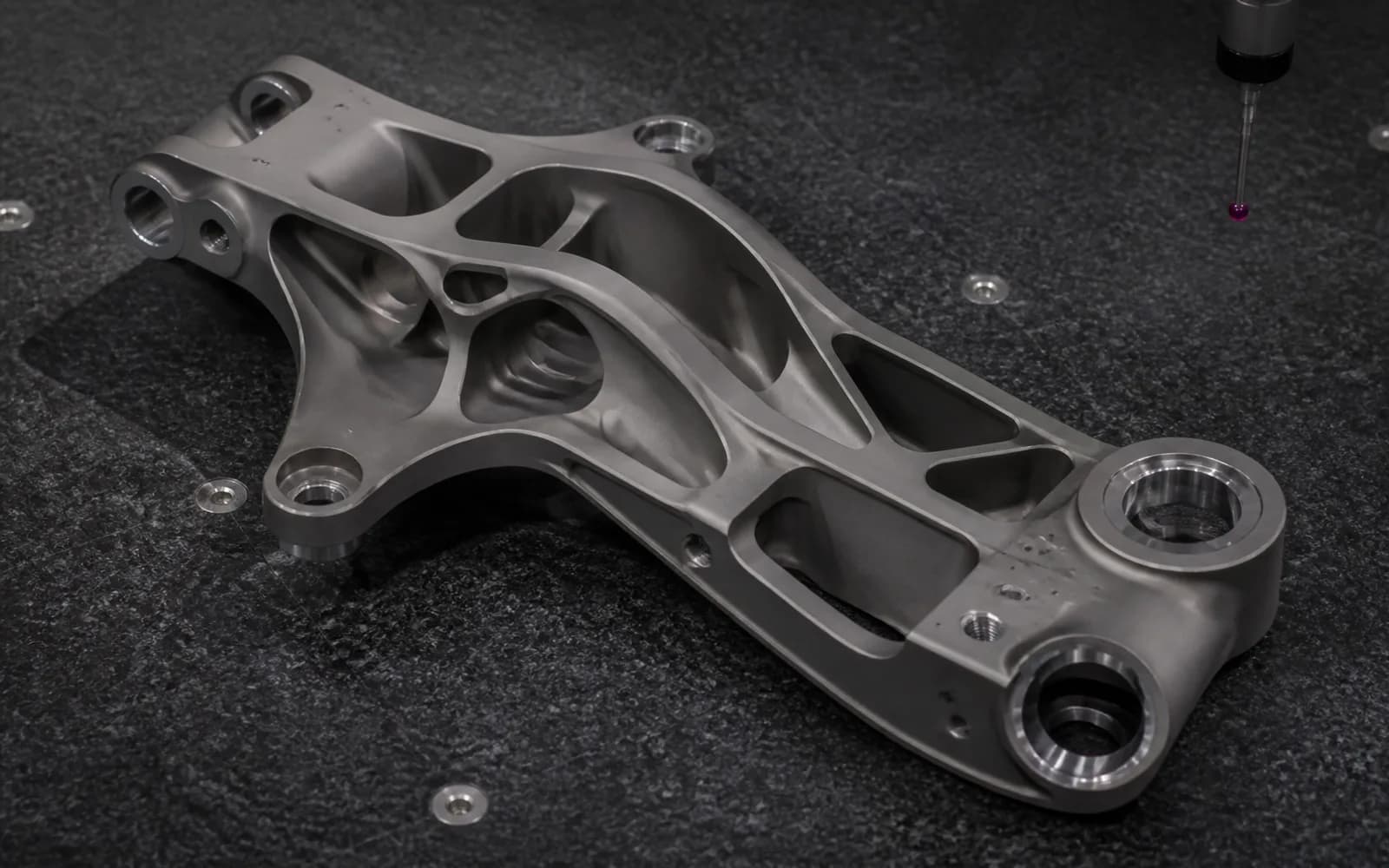
Structural parts that keep interfaces aligned without carrying unnecessary mass.
CNC Machined Manifolds
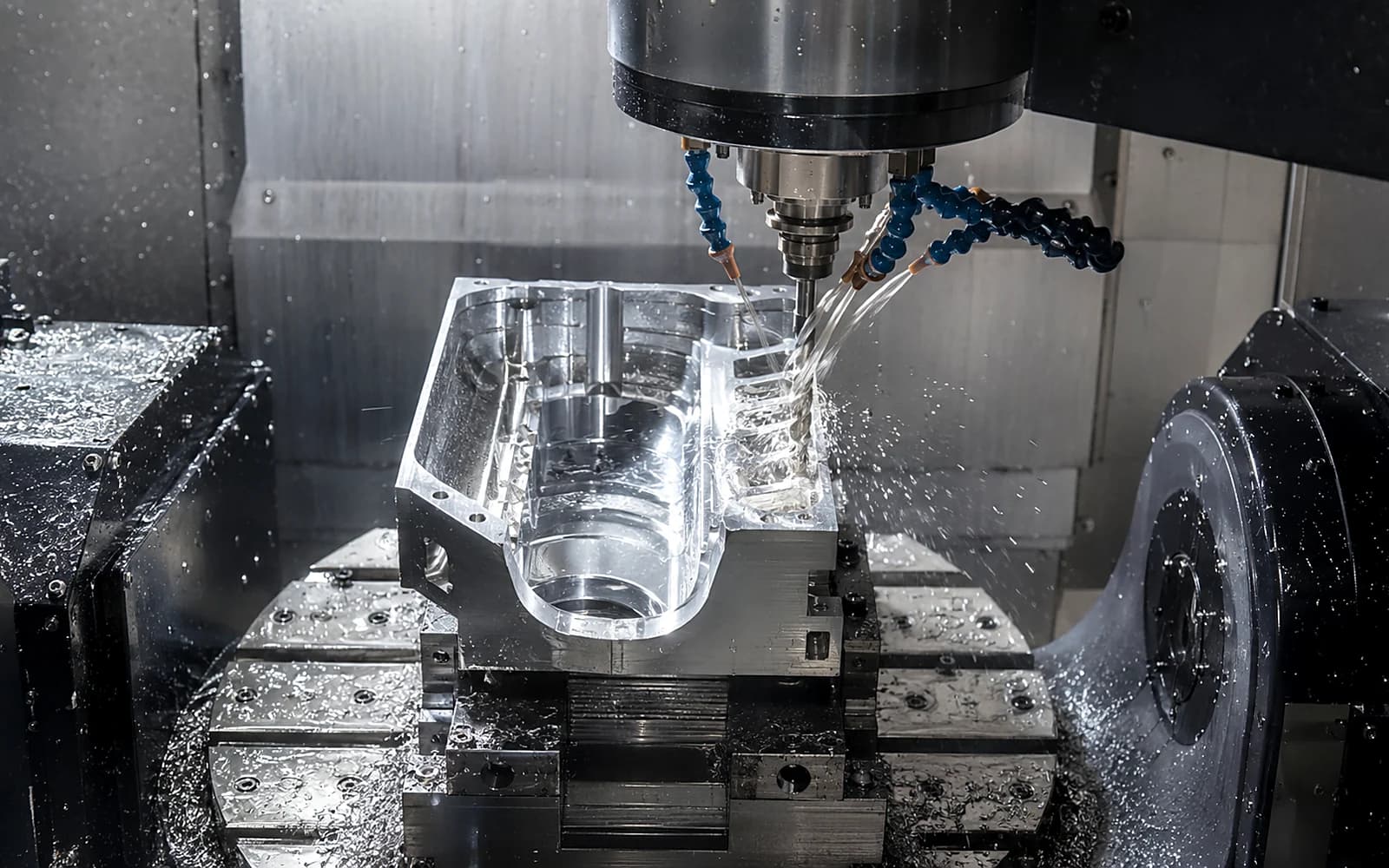
Cross-drilled flow paths, clean intersections and sealing geometry controlled as one part.
CNC Machined Shafts & Pins
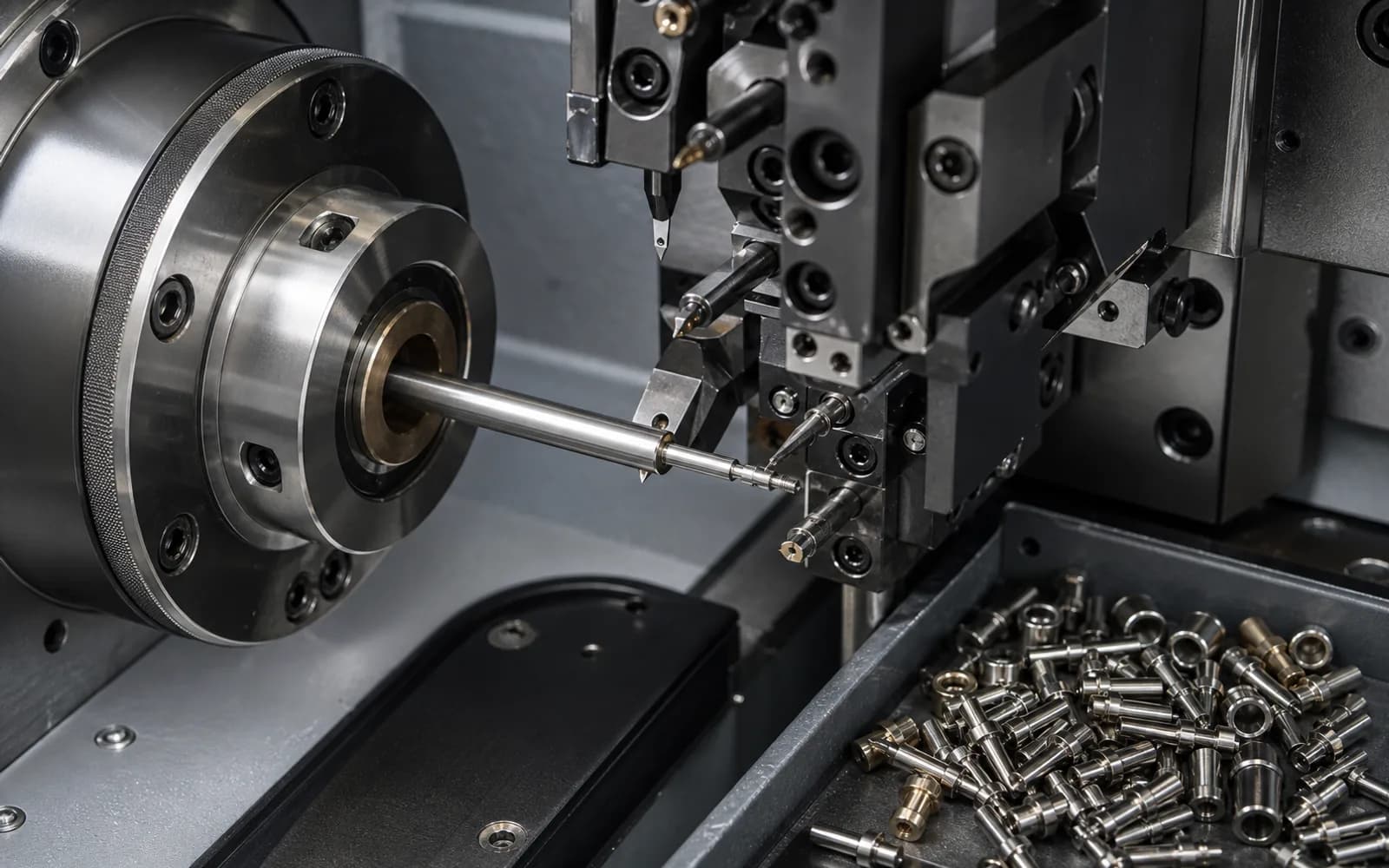
Turned geometry with bearing fits, threads and runout controlled from a common datum axis.
Replacement parts and transfers hit the same wall: the drawing transfers, the knowledge does not.
Have a part in mind?
Upload CAD or drawings. Eligible CNC work gets an instant estimate; other processes move to engineer review. NDA-protected from the first byte.
Start an RFQ