Automotive Parts
Automotive Radar & Sensor Brackets
Stable sensor alignment from prototype calibration through repeat assembly.
Direct answer
A vehicle sensor bracket is an alignment part, not just a mount. Quote-critical features are the body datum, sensor clocking, mounting-hole position, interface flatness and any post-finish dimensions. CNC machining is appropriate for development parts and stiff production brackets where bent sheet cannot hold the required angular relationship.
Components and applications
- Radar and lidar mounts
- Camera calibration brackets
- Wheel-speed and position-sensor mounts
- ADAS validation fixtures
Recommended manufacturing route
- 01
Machine the vehicle-side datum first.
- 02
Finish sensor faces and locating holes in a common setup.
- 03
Apply finish with masked or compensated interfaces.
- 04
CMM-check position and angle to the datum reference frame.
Drawing and RFQ controls
| Control | Quote guidance |
|---|---|
| Sensor clocking | Use profile or angular controls tied to the vehicle datum reference frame. |
| Fastener access | Confirm tool clearance and assembly direction around the installed sensor. |
| Post-finish size | Mark locating bores or faces that apply after anodizing or coating. |
Related processes
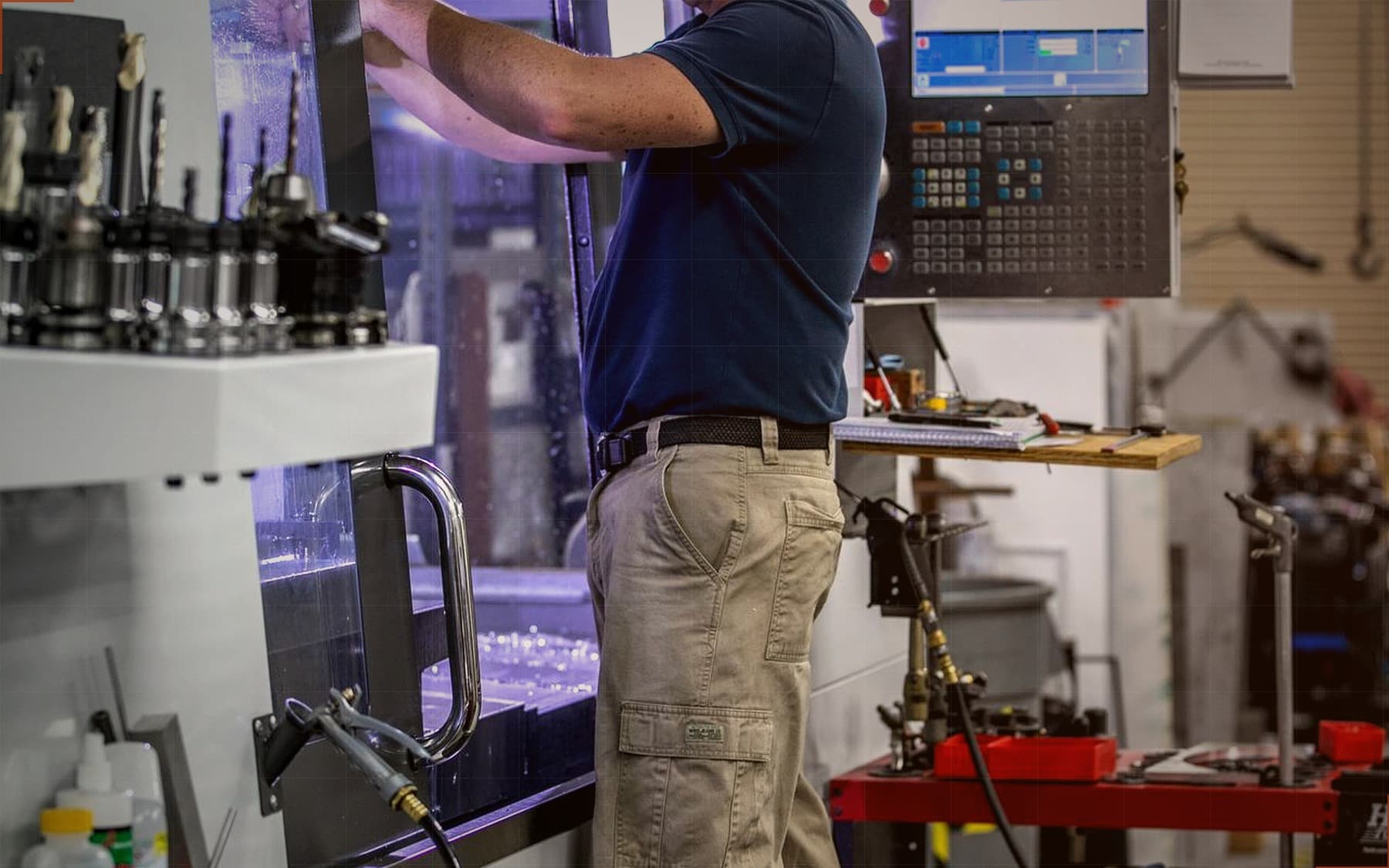
CNC Milling
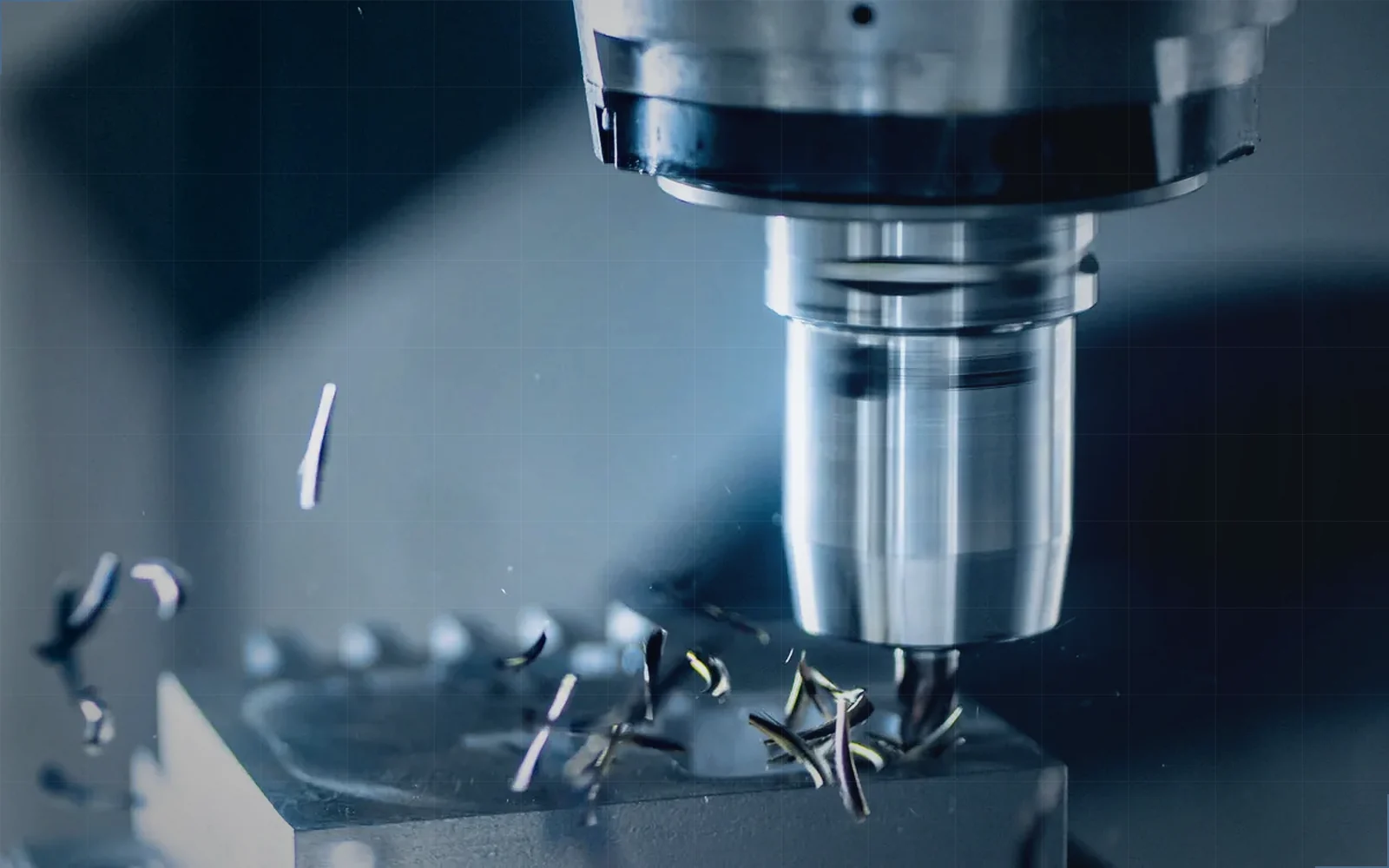
3- and 4-axis vertical machining for housings, brackets, manifolds and structural parts.
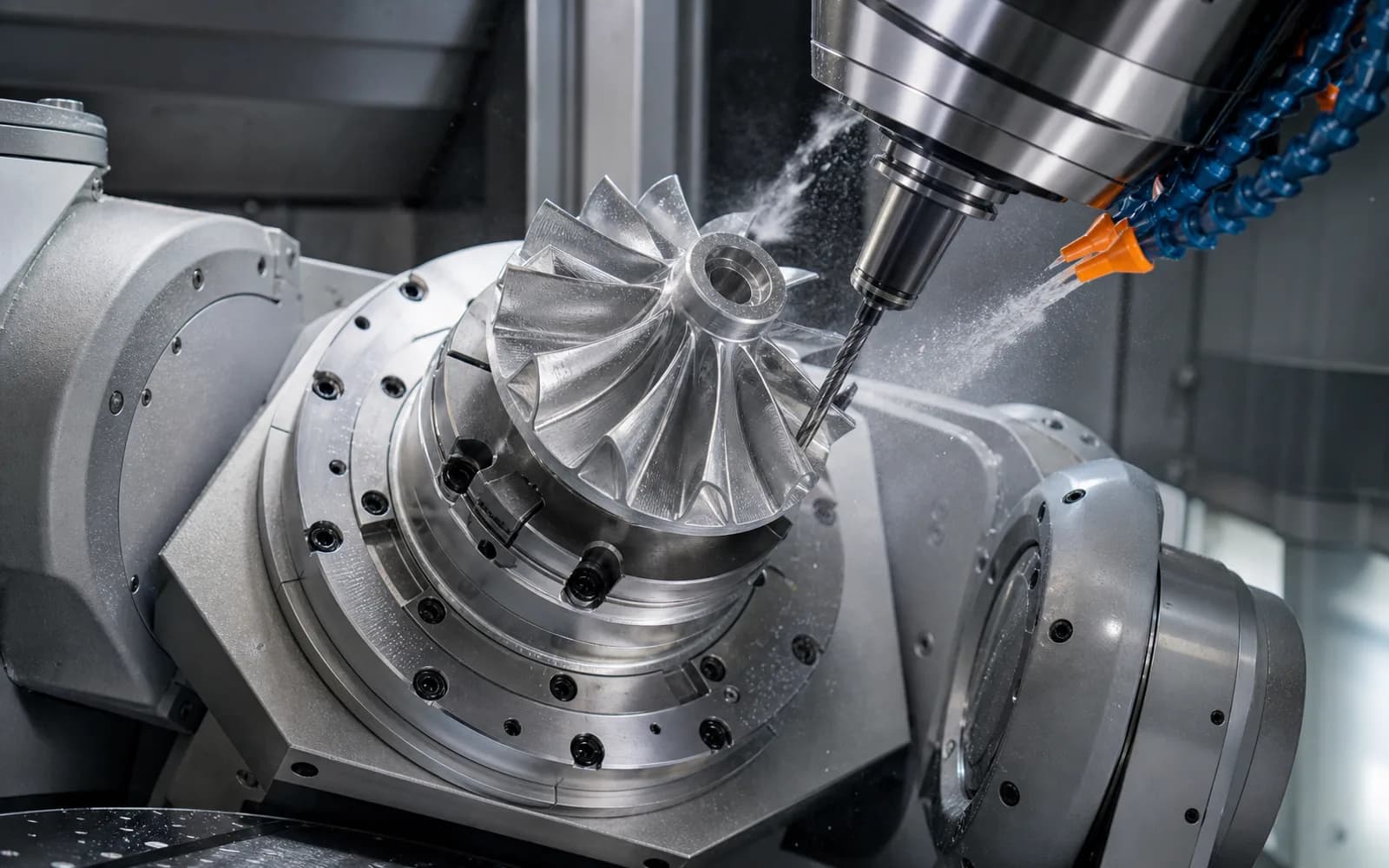
5-Axis Machining
Simultaneous 5-axis machining for impellers, freeform surfaces and compound-angle features.
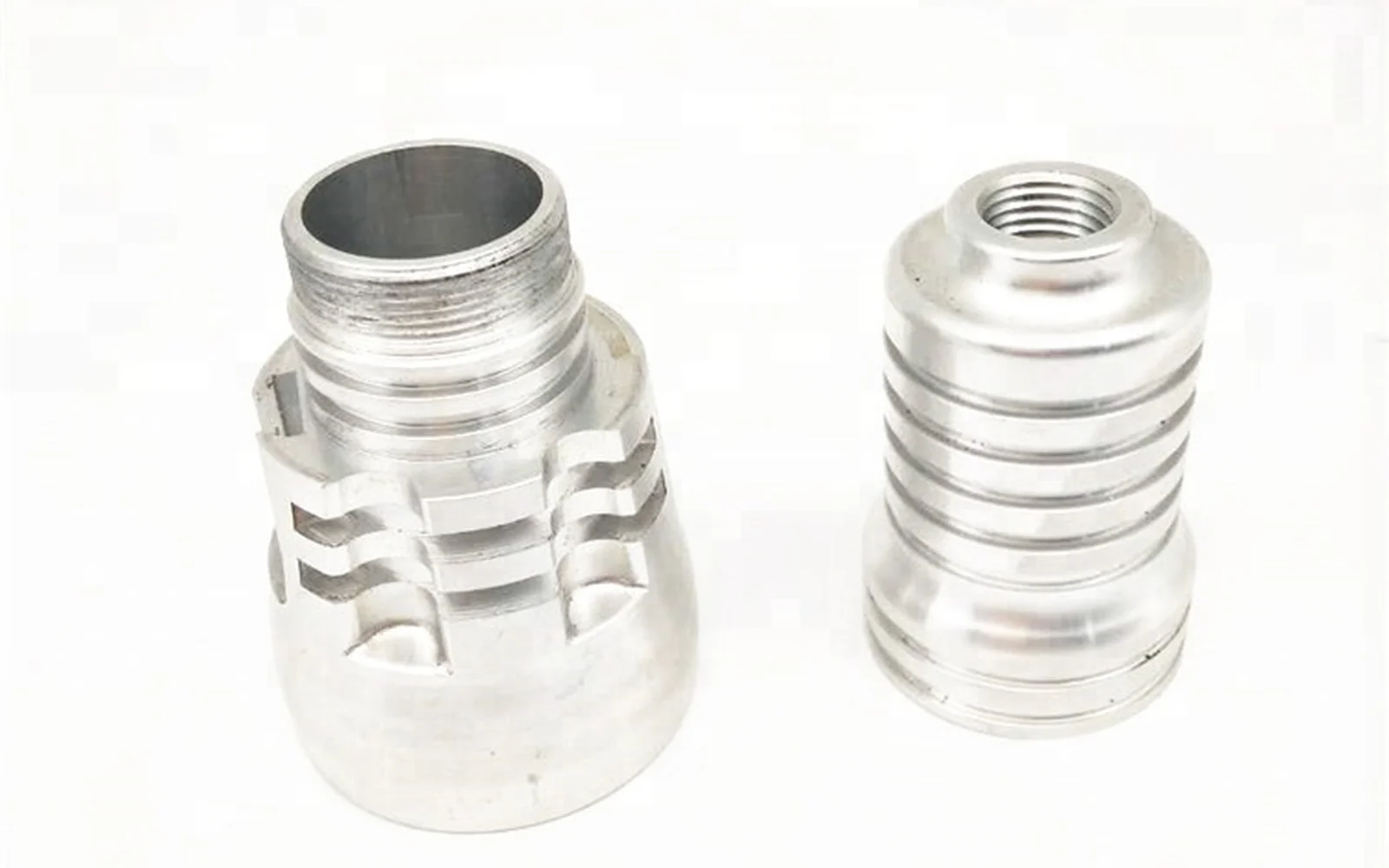
Prototype Machining
Functional prototypes in production-grade materials, shipped in days with DFM feedback included.
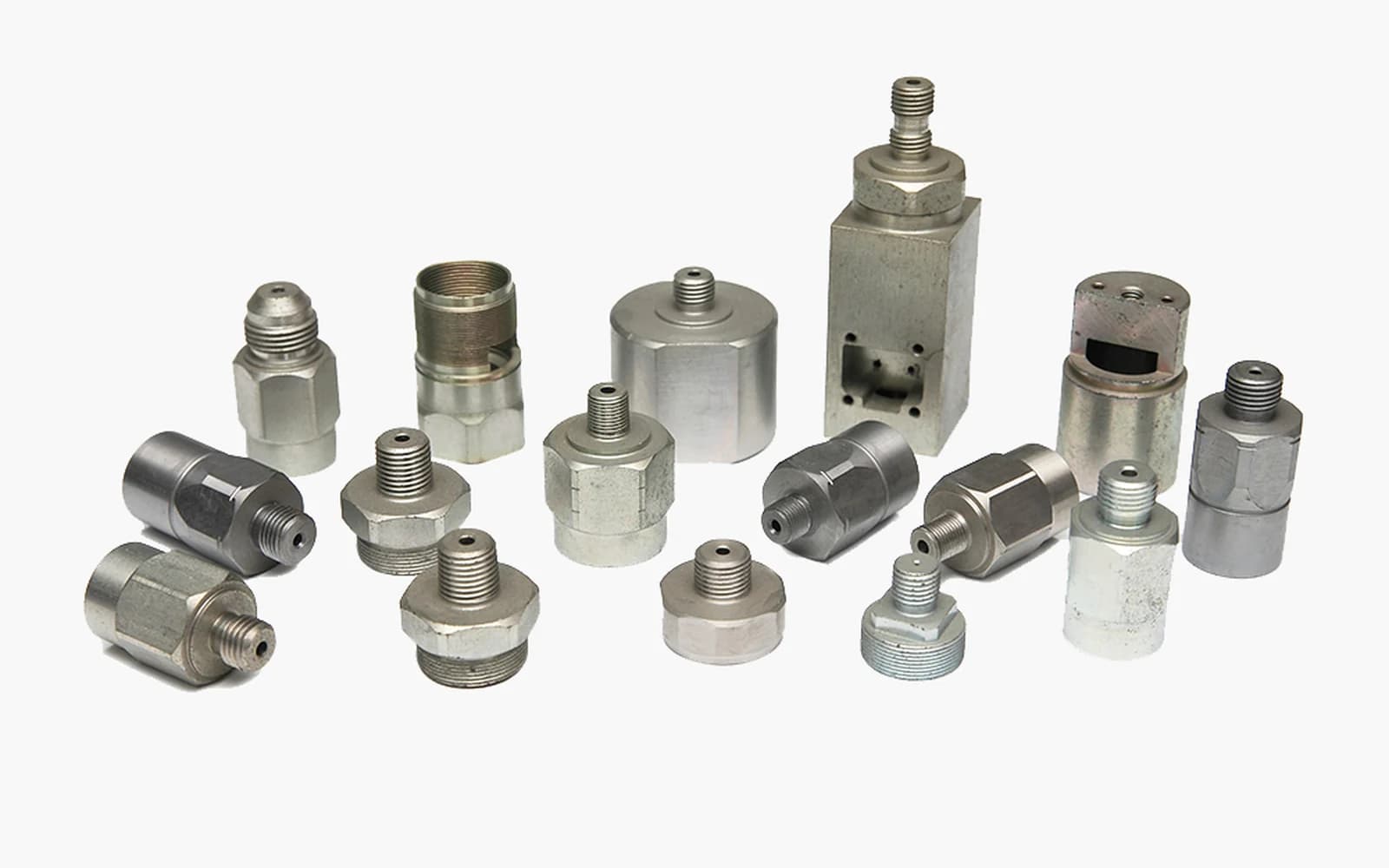
Production Machining
Dedicated fixturing, in-process CMM and SPC documentation for repeatable volume runs.
Compatible finishes
Inspection to define before production
- CMM position and profile report to vehicle datums
- Thread and locating-feature gauges
- Finish and masking verification on assembly interfaces
Applicable standards and documentation
- PPAP / FAI
- Documentation level is defined by the customer at RFQ.
- ASME Y14.5 / ISO GPS
- Position and profile should reference functional assembly datums.
Related guides and hubs
Automotive Radar & Sensor Brackets buyer questions
01Should a radar bracket use plus/minus dimensions or GD&T?
Use position, profile and angular controls tied to functional datums for the alignment features. Plus/minus dimensions alone can allow an assembly that passes inspection but points the sensor incorrectly.
02Can coating change sensor alignment?
Yes on locating faces and close-fit holes. State which dimensions apply after finish and where masking or machining allowance is required.
Other automotive parts solutions
Automotive Powertrain Housings
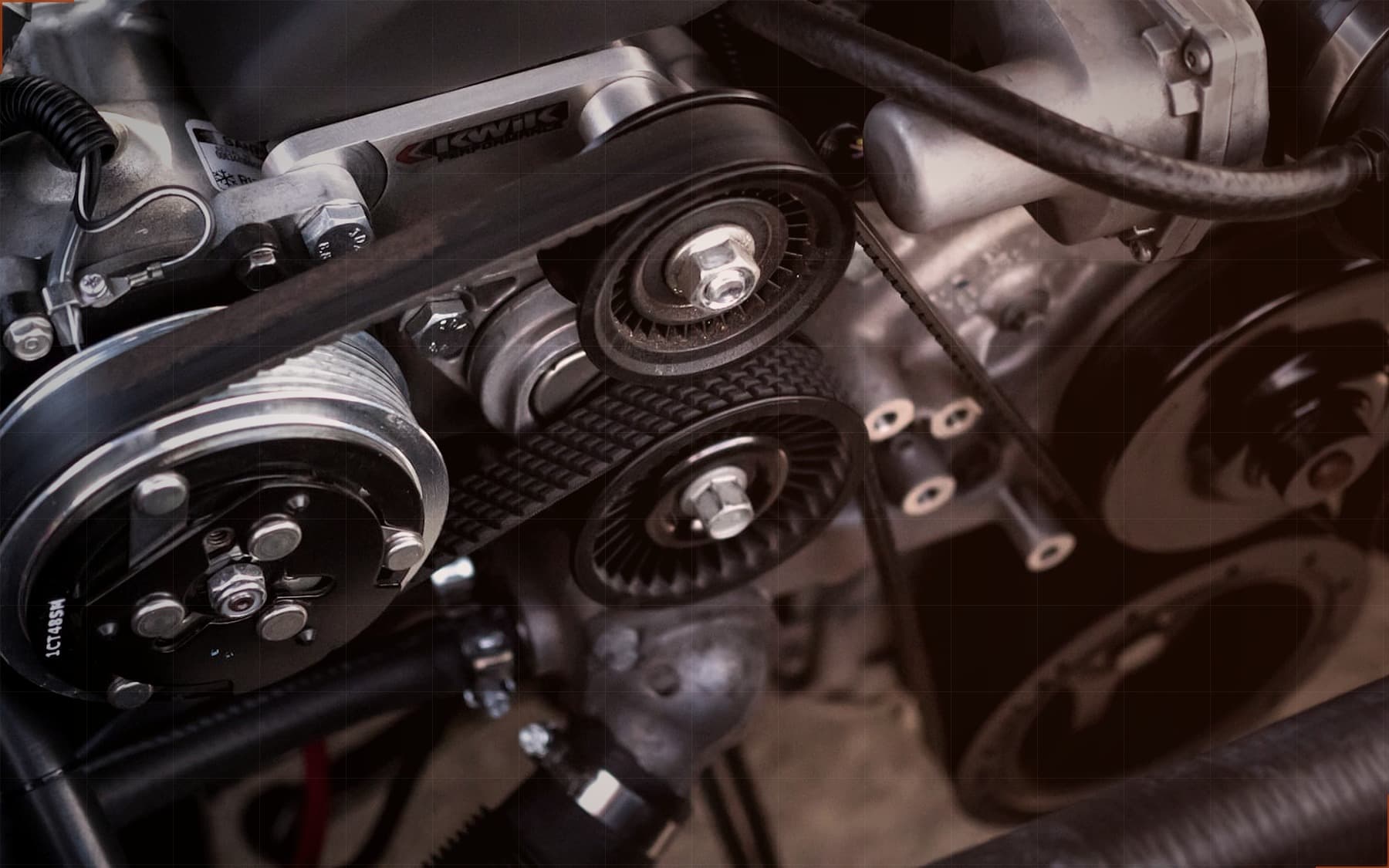
Datum-led machining for bearing bores, shafts and sealed powertrain interfaces.
Automotive Shafts, Pins & Axles
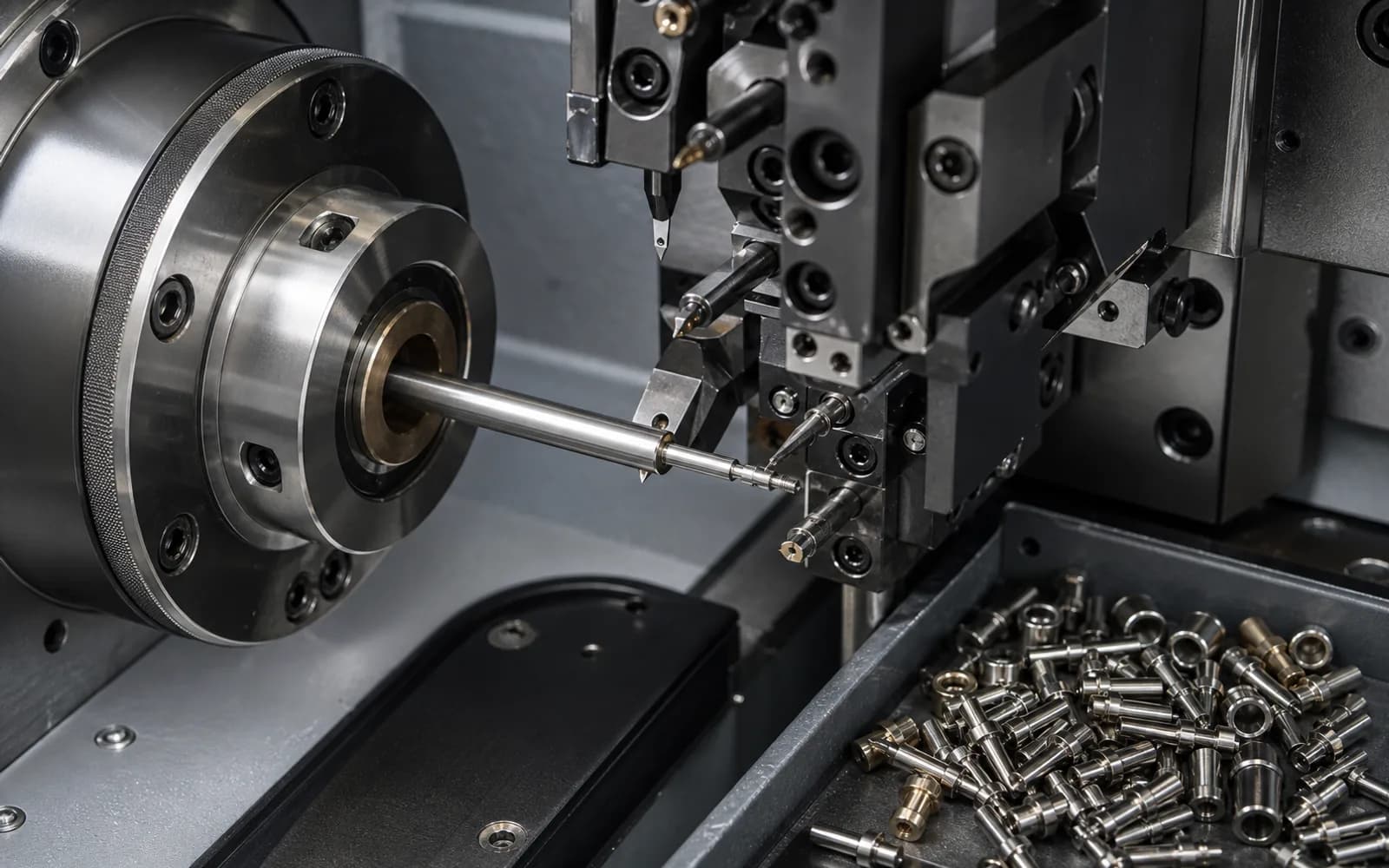
Concentric turned parts with controlled fits, heat treatment and lot records.
Automotive Validation & Assembly Fixtures
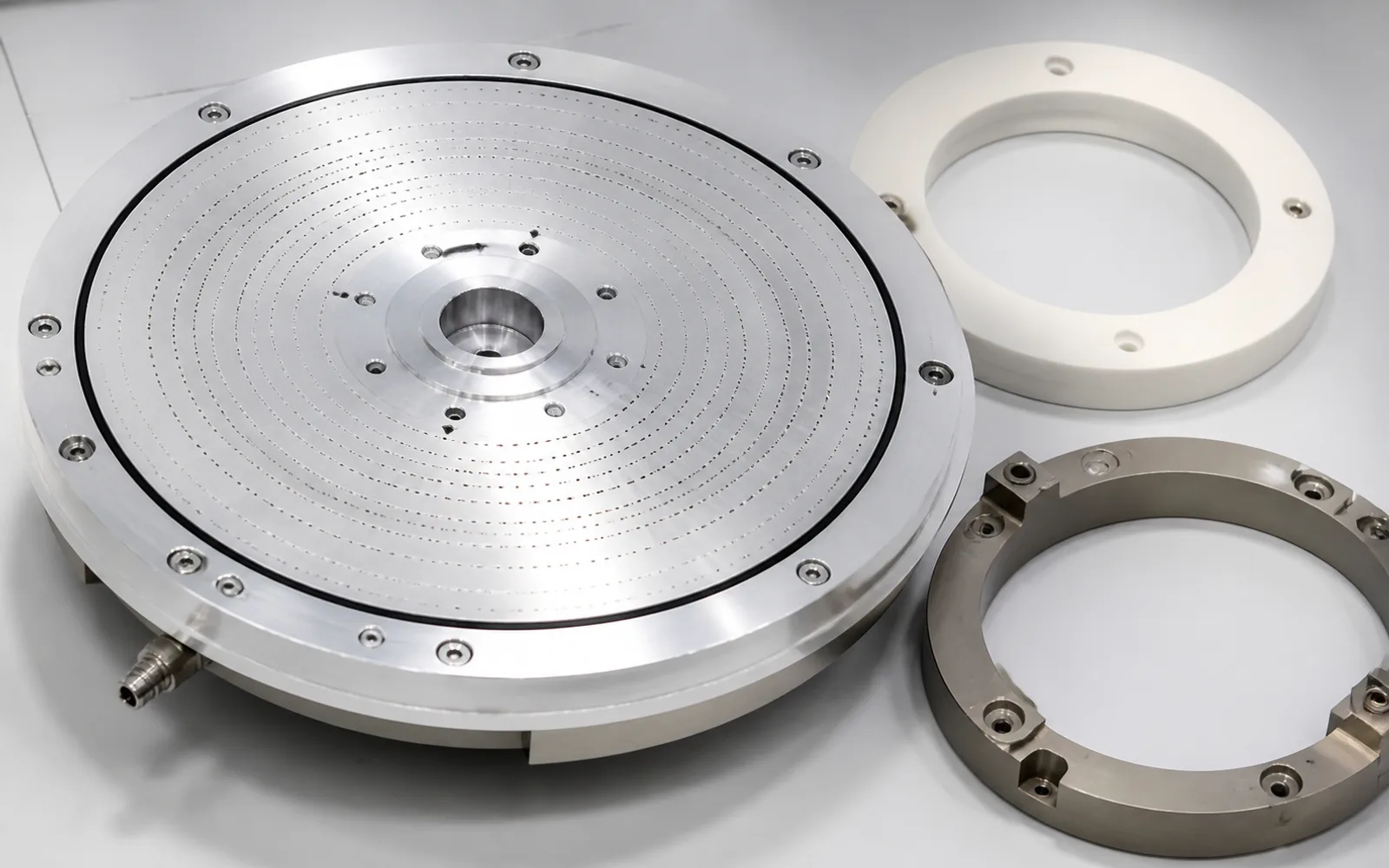
Repeatable part location for lab validation and production-line assembly.
Have a part in mind?
Upload CAD or drawings. Eligible CNC work gets an instant estimate; other processes move to engineer review. NDA-protected from the first byte.
Start an RFQ