Automotive Parts
Automotive Shafts, Pins & Axles
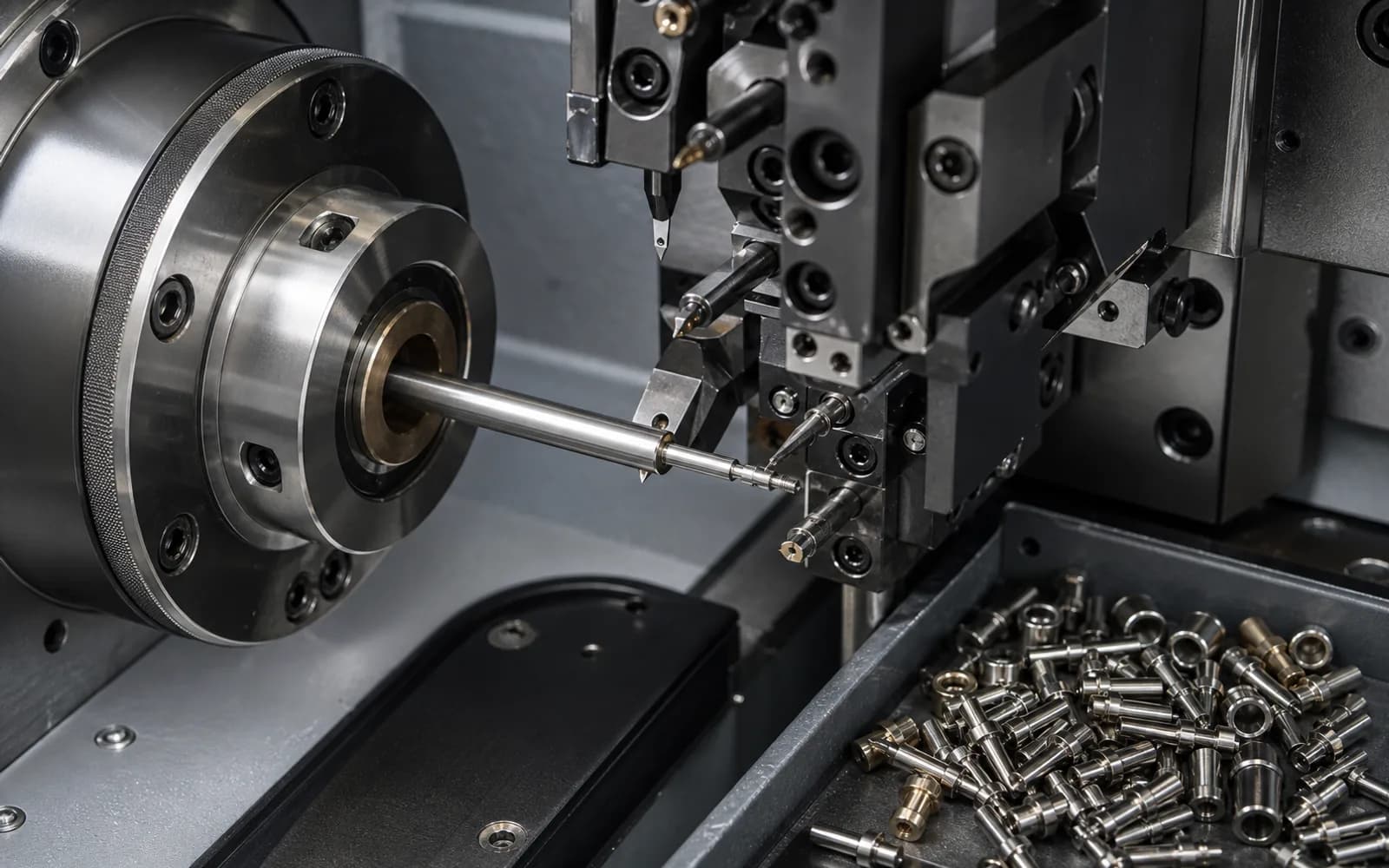
Concentric turned parts with controlled fits, heat treatment and lot records.
Direct answer
Automotive shafts and pins need a functional datum axis, fit tolerances, runout limits, heat-treatment condition and surface requirements on the drawing. CNC turning holds related diameters efficiently; grinding is added only where hardened fits or finish cannot be held economically by turning.
Components and applications
- Transmission and actuator shafts
- Suspension and hinge pins
- Motor and pump shafts
- Test-rig axles and adapters
Recommended manufacturing route
- 01
Turn the datum journals and shoulders with maximum setup continuity.
- 02
Add cross holes, flats or splines as secondary features.
- 03
Heat treat before final grinding when required.
- 04
Verify fit diameters, runout, hardness and traceability.
Drawing and RFQ controls
| Control | Quote guidance |
|---|---|
| Datum axis | Reference runout to the journal that locates the part in service. |
| Heat-treatment state | State hardness, case depth and whether dimensions apply before or after treatment. |
| Shoulder relief | Provide relief for bearings or seals that must seat against a shoulder. |
Related processes
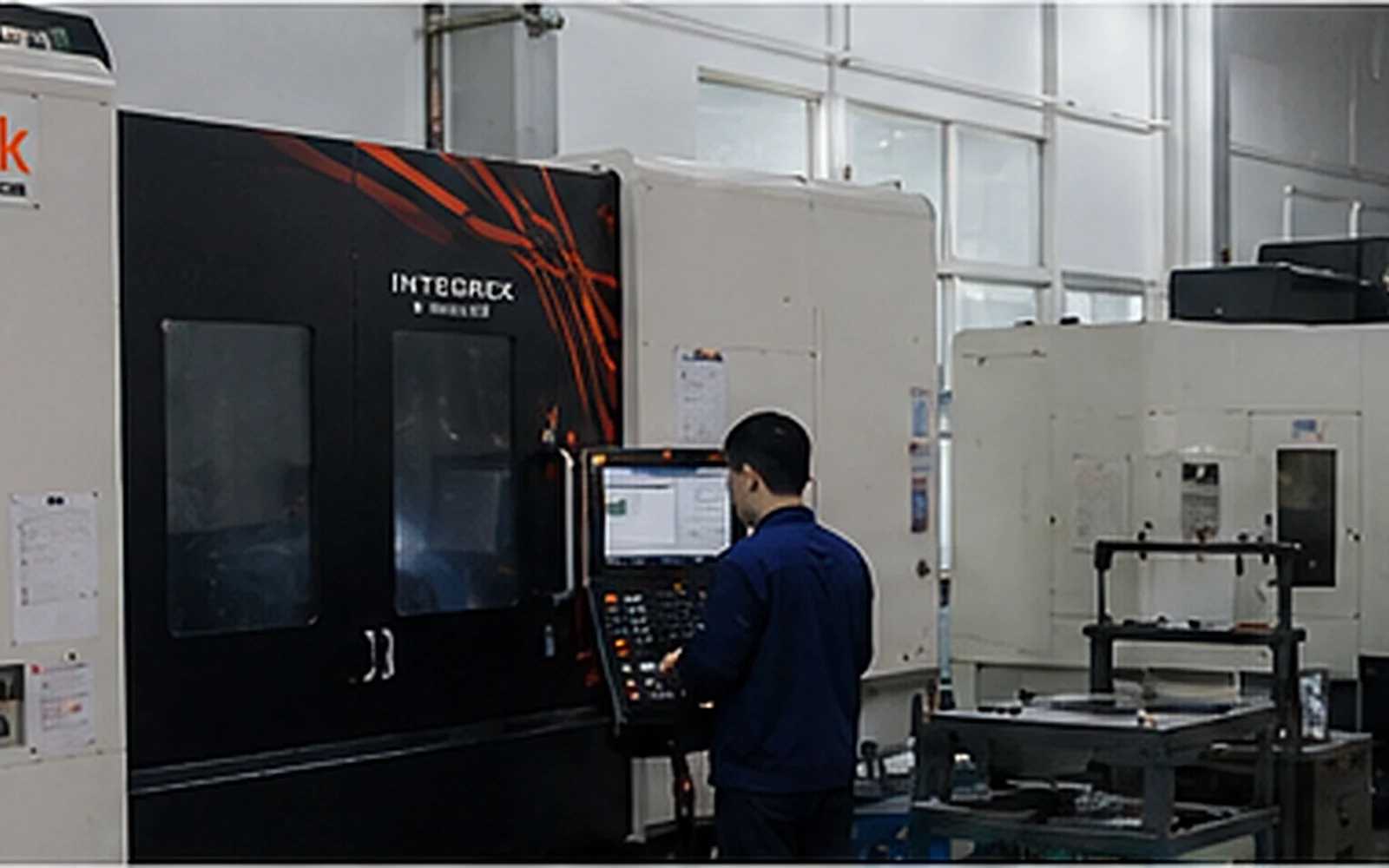
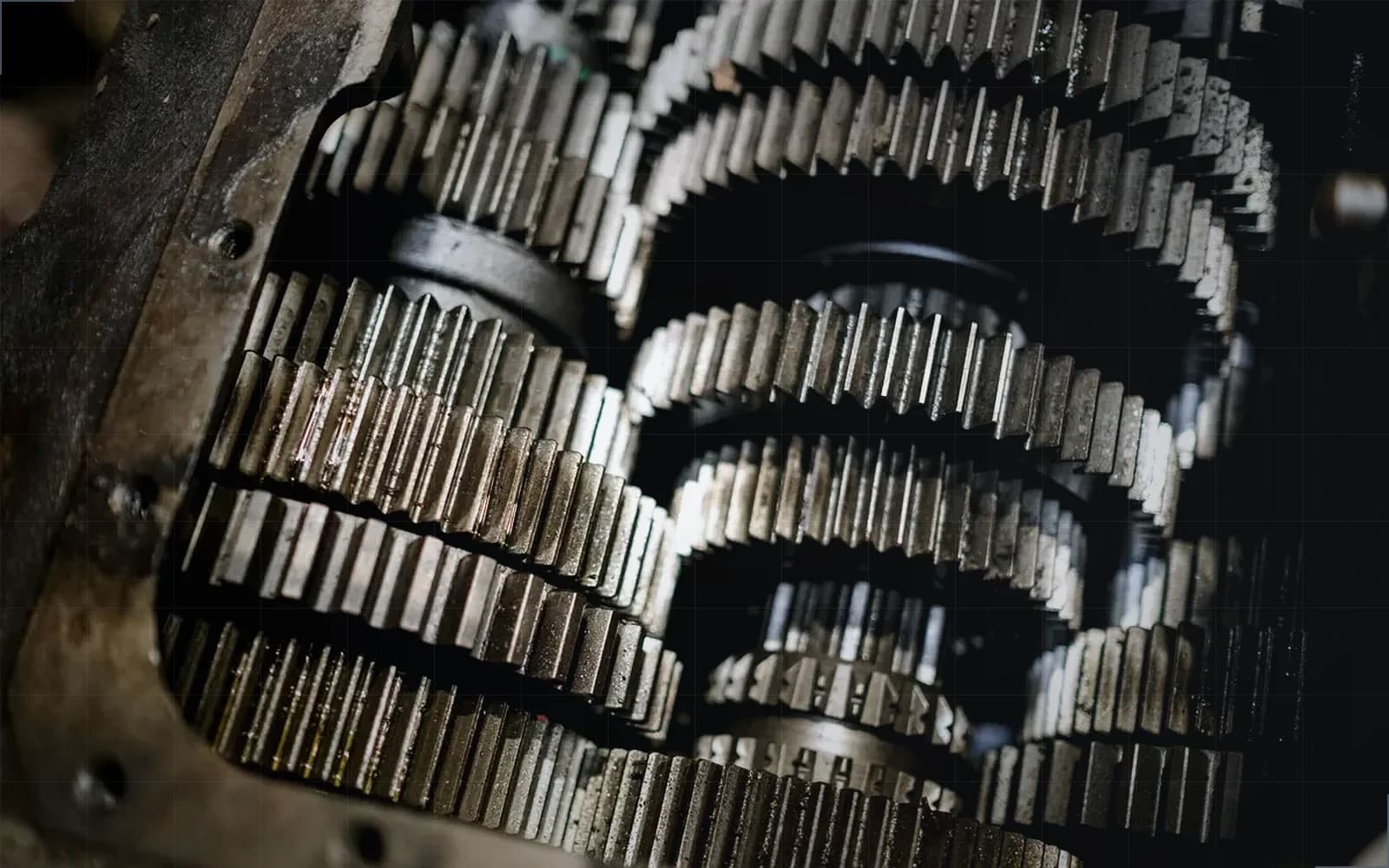
CNC Turning
Live-tooling lathes for shafts, pins, bushings and threaded fittings up to Ø406 mm.
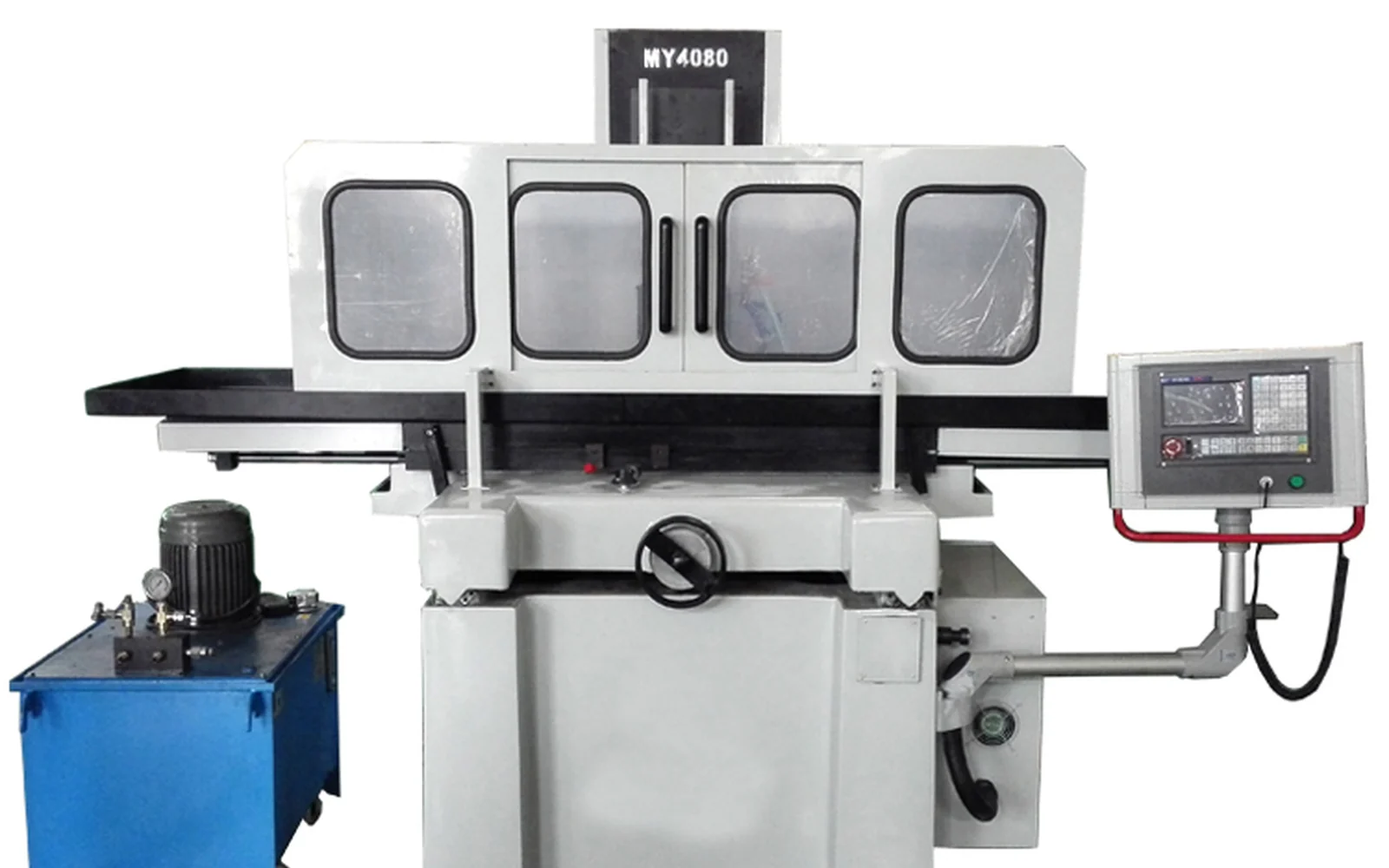
Surface Grinding
Abrasive finishing for flatness, parallelism and tight thickness control on hardened parts.
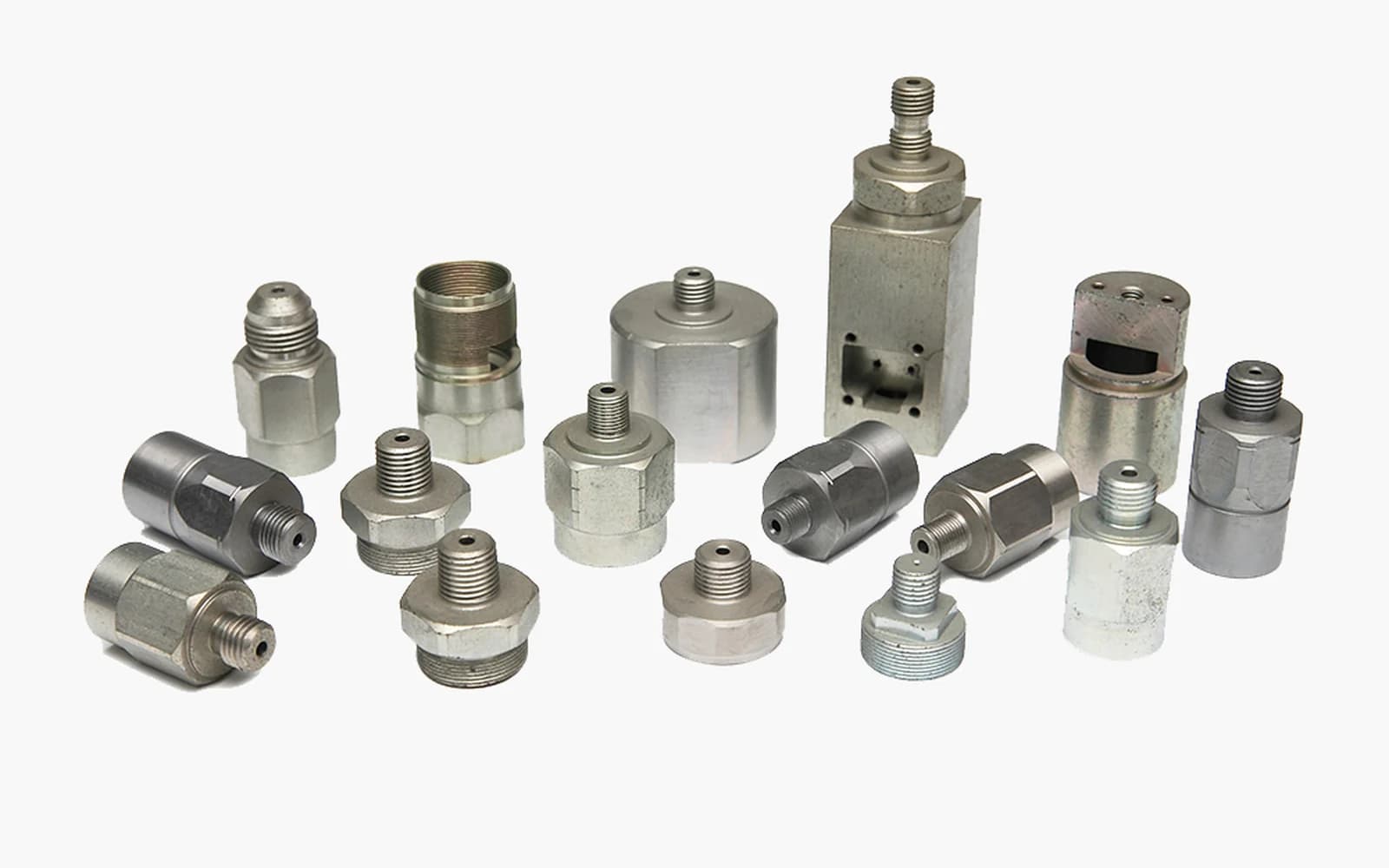
Production Machining
Dedicated fixturing, in-process CMM and SPC documentation for repeatable volume runs.
Compatible finishes
Inspection to define before production
- Micrometer or air-gauge results for fit diameters
- Runout from the specified datum axis
- Hardness, material certificate and lot traceability when requested
Applicable standards and documentation
- PPAP / control plan
- Critical characteristics and sample frequency must be agreed before production.
- ISO 286
- Fit class may be used when the mating condition is defined.
Related guides and hubs
Automotive Shafts, Pins & Axles buyer questions
01When does an automotive shaft need grinding?
Grinding is considered for hardened journals, very tight fits, low roughness or long features where turning is not stable enough. The drawing should not require it by habit if the functional result is achievable by turning.
02Can prototype and production shafts use the same drawing?
Yes, but the control plan, sampling rate, approved process route and documentation usually become stricter for repeat production.
Other automotive parts solutions
Automotive Powertrain Housings
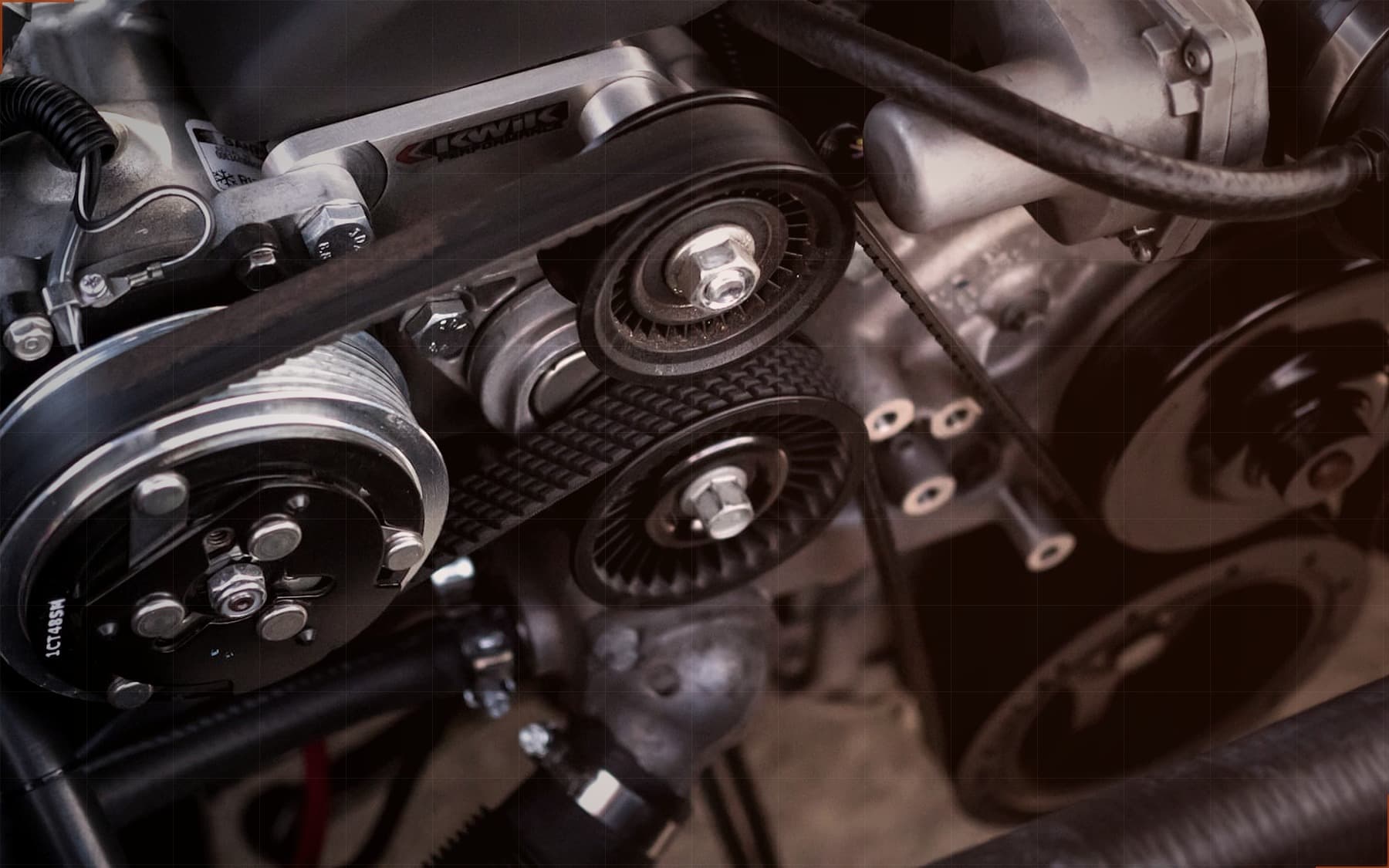
Datum-led machining for bearing bores, shafts and sealed powertrain interfaces.
Automotive Radar & Sensor Brackets
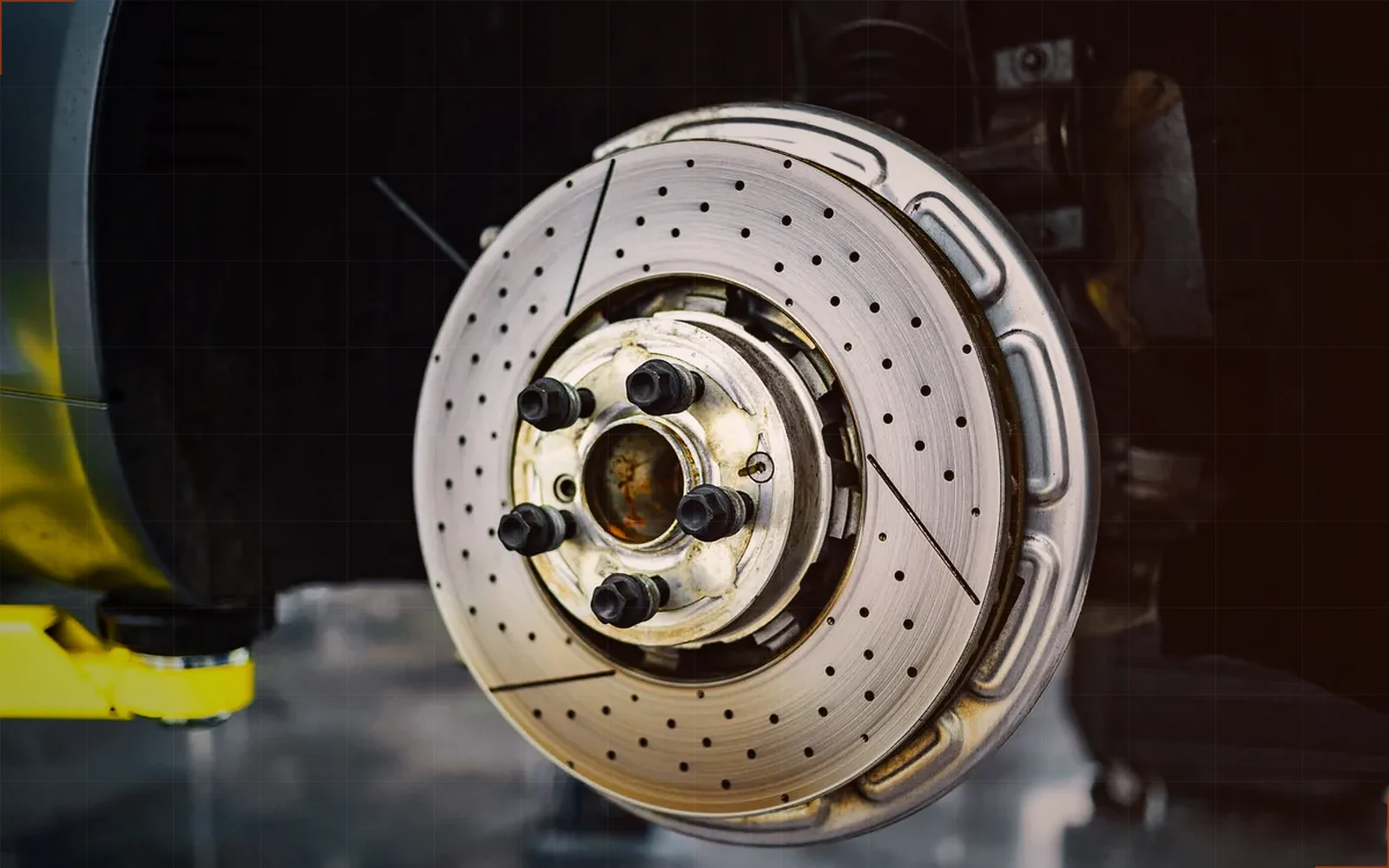
Stable sensor alignment from prototype calibration through repeat assembly.
Automotive Validation & Assembly Fixtures
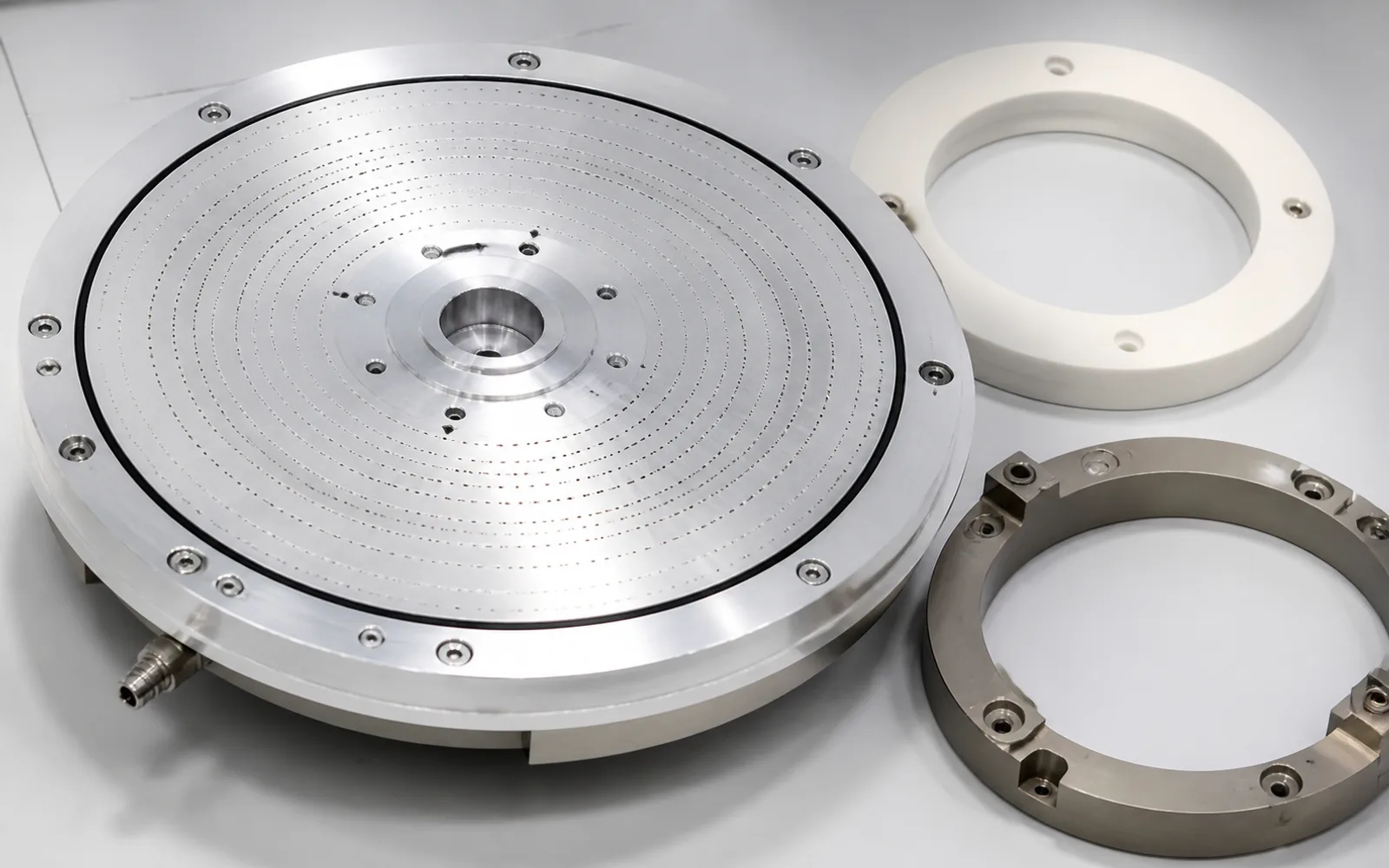
Repeatable part location for lab validation and production-line assembly.
Have a part in mind?
Upload CAD or drawings. Eligible CNC work gets an instant estimate; other processes move to engineer review. NDA-protected from the first byte.
Start an RFQ